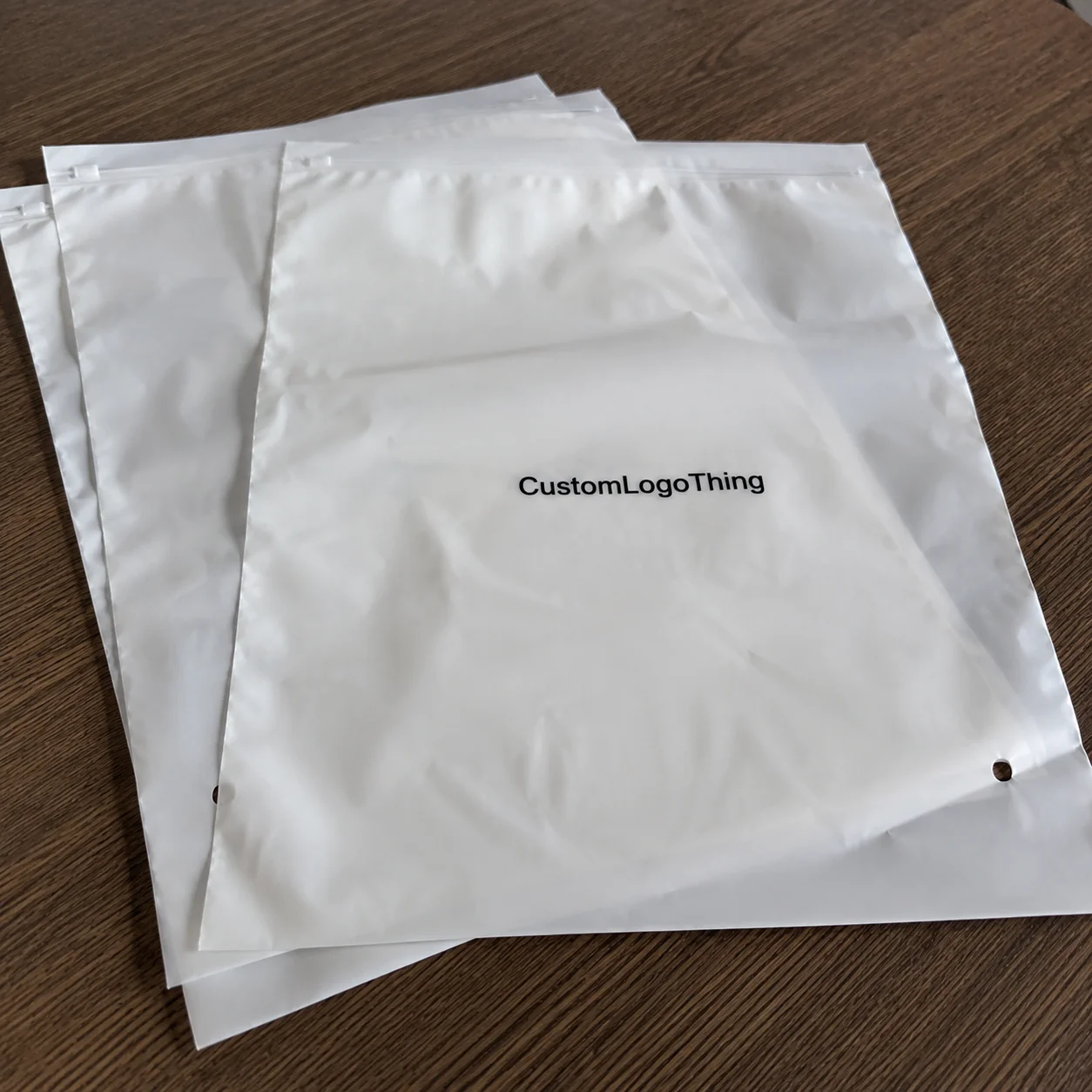
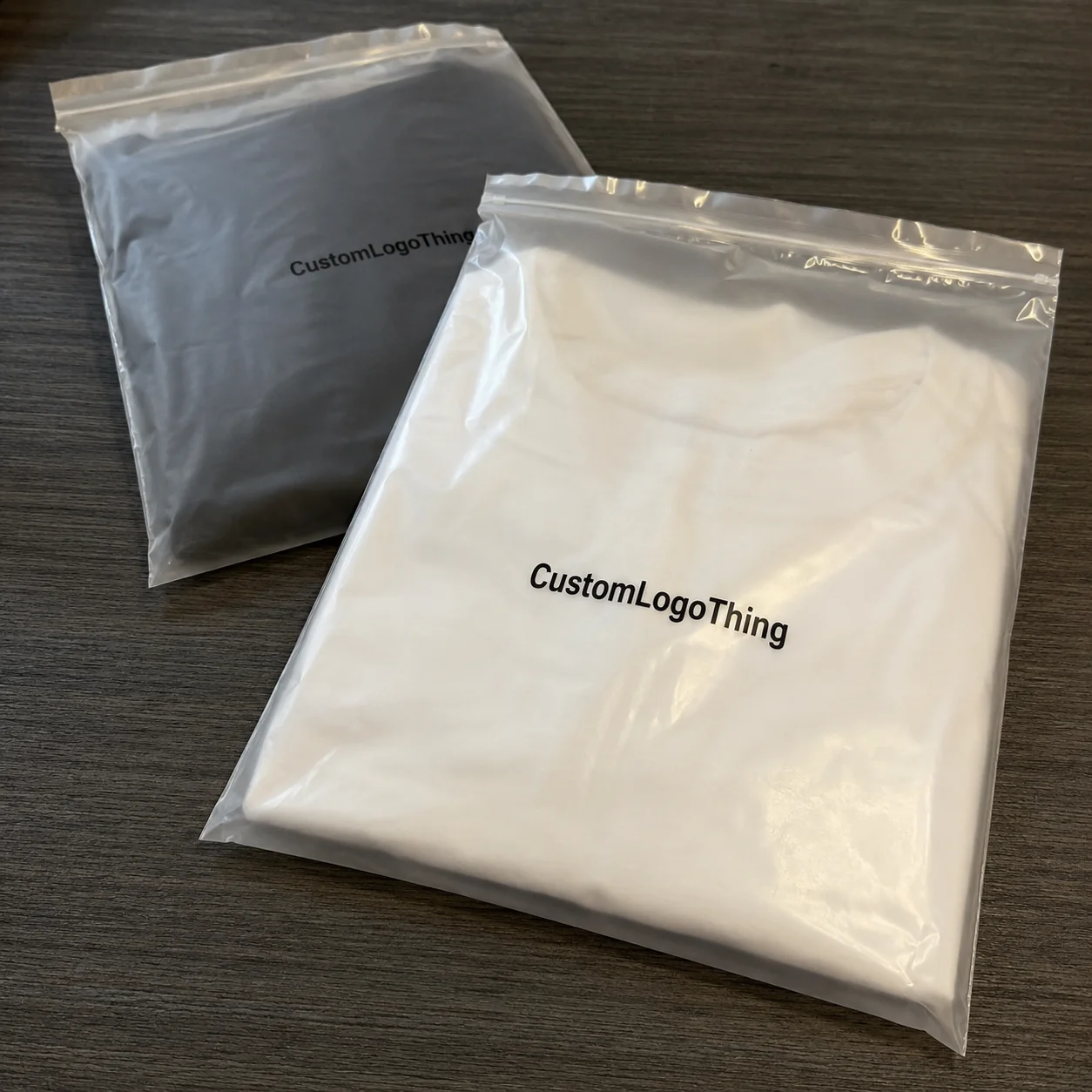
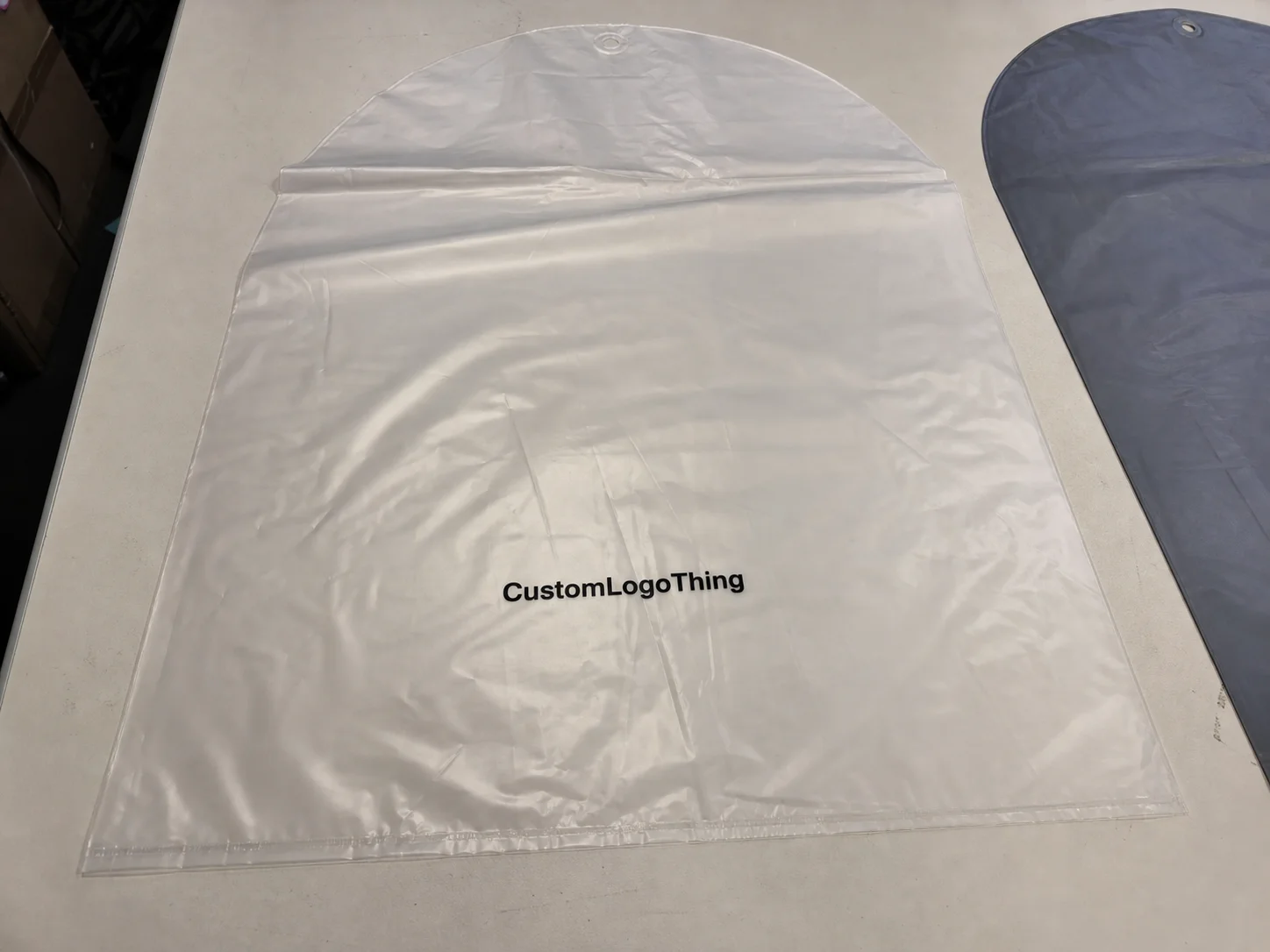
Buyer Fit Snapshot
| Best fit | Personalized Packaging for Holiday Gifts projects where brand print, material claims, artwork control, MOQ, and repeat-order consistency need to be specified before quoting. |
|---|---|
| Quote inputs | Share finished size, material target, print colors, finish, packing count, annual reorder estimate, ship-to region, and any compliance wording. |
| Proofing check | Approve dieline scale, logo placement, barcode or warning zones, color tolerance, closure strength, and carton packing before bulk production. |
| Main risk | Vague material claims, crowded artwork, missing packing details, or unclear freight terms can make a low unit price expensive after revisions. |
Fast answer: Personalized Packaging for Holiday Gifts: Artwork Proof, Packing Count, and Landed Cost should be specified like a repeatable production item. The safest quote records material, print method, finish, artwork proof, packing count, and reorder notes in one written spec.
Production checks before approval
Compare the actual filled-product size with the drawing, then confirm tolerance on folds, seals, hang holes, label areas, and retail display edges. Reserve space for logos, QR codes, warning copy, and material claims before decorative graphics fill the panel.
Quote comparison points
Review material grade, print process, finish, sampling route, tooling charges, carton quantity, and freight assumptions side by side. A quote is only useful when the supplier can repeat the same color, closure quality, and packing count on the next order.
I still remember a week in our Shenzhen partner plant when two candle brands with almost identical formulas shipped side by side. Same wax blend, same 8 oz amber jar, same price band at retail. One used plain kraft mailers with a generic thank-you insert. The other invested in personalized Packaging for Holiday gifts with name-printed belly bands, holiday tissue wrap, and a snug molded pulp insert. Within six weeks after gift season, the second brand logged a reorder rate that was nearly double.
I’ve seen this pattern repeat across skincare, coffee, and small electronics: presentation changes the buying story, not just the shipping experience. Honestly, it’s one of the most underrated growth levers in ecommerce, and I say that as someone who has spent way too many evenings staring at pack-out spreadsheets and arguing about 2 mm tolerances with production teams in three time zones.
In plain terms, personalized Packaging for Holiday gifts means tailoring core packaging components to the occasion, recipient, and brand voice. That can include custom printed boxes, tissue, inserts, satin ribbons, gift tags, branded mailers, and print finishes like foil or embossing. For one DTC tea company we supported, personalization was as simple as a variable-data printed card with the recipient’s first name and a short message generated from three approved templates. For a premium chocolatier, it meant a rigid setup box with foil-stamped lid artwork, compartment inserts, and batch-coded sticker sets for different corporate clients (and yes, the unboxing looked so good I briefly considered switching careers to full-time chocolate quality control).
The emotional value shows up the second the box opens: gift-ready presentation, no scramble for extra wrapping, and a thoughtful feel that lifts perceived product value far beyond the cost delta of paperboard and print. The operational value shows up in metrics. I’ve watched brands reduce gift-return friction by using a clear insert hierarchy (card on top, product centered, refill info below), and I’ve watched social mentions climb when unboxing photos look cohesive. Teams that track repeat purchase usually see stronger second-order behavior when personalized packaging for holiday gifts reflects the promise of the product itself.
Who benefits? Almost any brand shipping direct to people during gifting peaks: ecommerce sellers moving 500 orders a week, boutique retailers offering in-store pickup, corporate gifting teams sending 200–5,000 kits, subscription brands adding seasonal wraps, and independent makers balancing small-batch volume. I’ve worked with all of them. Tactics vary by channel and budget, but the core requirement stays the same: presentation, protection, and operational clarity have to work together.
The sections ahead break down how personalized packaging for holiday gifts gets produced, where real costs hide, how to build a schedule that survives final proof week, and how to avoid mistakes that trigger fulfillment errors. You’ll get technical specifics, practical price ranges, and a step-by-step path your team can put to work right away.
Why personalized packaging for holiday gifts matters more than most brands realize
Most teams underestimate the revenue role of packaging because they treat it as a post-design procurement task. That’s the biggest strategic miss I see. Personalized packaging for holiday gifts is often the only physical touchpoint carrying your tone, quality signals, and gifting intent before the product is touched. On a client call with a Midwest apparel brand, the founder told me, “We sell warmth and care.” Their old shipper communicated warehouse utility, not care. A simple switch to a two-color inside print and a personal message card raised gift conversion by 14% in one cycle.
Teams also confuse holiday graphics with personalization. They’re not the same thing. Effective personalized packaging for holiday gifts maps to recipient context, product type, and brand voice. If your brand is minimalist and modern, heavy red-and-gold ornament graphics can feel off-brand. If your customer buys gifts for clients, they usually want neutral elegance and room for a custom note, not playful retail motifs that read too casual. I’ve had to talk clients off the ledge here more than once—if your brand built trust through restraint, don’t suddenly show up in visual karaoke mode in December.
Small decisions on factory floors create outsized results. At a Suzhou finishing line, we tested two versions of a gift mailer: one with a standard flap and one with a pull-tab tear strip plus reseal sticker. Pack-out speed improved by 11 seconds per unit on average with the easier-open format, and customer support tickets related to “damaged opening” fell the following month. Packaging design should be tied to operations from day one, not patched in at the end.
Margin impact is real, too. A product in better presentation can support higher average order value through bundles and add-ons. A 3-piece skincare set in coordinated custom printed boxes can shift from “three separate products” to a perceived gift set with premium value. I’ve seen a $42 basket become a $58 gift bundle simply by introducing a shared insert, unified color treatment (Pantone 7499 U + black), and a personalized sleeve.
Getting started is more manageable than it sounds. You don’t need seven custom components in round one. Begin with one structural format and two personalization layers—holiday tissue plus variable name cards works well—and you can launch effective personalized packaging for holiday gifts without adding unnecessary risk. If you want to review core options, start with Custom Packaging Products and shortlist only formats your current fulfillment workflow can absorb without labor spikes.
How personalized packaging for holiday gifts works from concept to doorstep
A dependable workflow for personalized packaging for holiday gifts follows a clear sequence. Skip steps and the penalty usually appears later as delay, reprint, or defect. Most suppliers I trust run the same path: discovery brief, dieline development, structural sample, graphic proofing, prepress checks, pilot run, full production, final packing, then shipping. Each stage needs a decision gate. I learned this the hard way years ago after approving artwork before locking insert geometry—great graphics, terrible fit, very awkward call with the client.
Discovery brief and structural planning
The brief should include exact SKU dimensions, product weight, fragility score, target pack-out time, and personalization logic. One tea brand we supported listed “small sachet carton” without dimensions; we lost four days waiting for final specs. Use millimeters, not approximations. If your product is 128 x 72 x 35 mm and 290 g, write exactly that. Precision in product packaging prevents rework.
Dielines, samples, and proofing
After the brief is approved, dieline files are drafted (usually in Adobe Illustrator with locked cut/crease layers). Structural sampling comes next—often white mockups first, then printed prototypes. For personalized packaging for holiday gifts, request at least one sample per personalization variant class (standard, VIP, named recipient). I usually recommend two rounds maximum; round three tends to signal scope drift. If you’re on round four, pause and reset the brief. Trust me, your future self will thank you.
Printing methods and fit-for-purpose choices
Digital print works well for short runs and variable text fields. Offset litho is better for high-volume consistency and tighter color control. Flexo remains useful for corrugated mailers where line art and simpler graphics dominate. Premium effects like foil stamping and embossing can elevate package presentation, but substrate compatibility testing should happen early. I’ve watched foil crack on deep score lines on 300gsm stock that looked perfect in a flat proof, and that frustration is the kind that makes you drink your coffee cold without noticing.
Materials and trade-offs
- SBS paperboard (350gsm C1S): crisp print quality, great for folding cartons, moderate cost.
- Kraft corrugated (E flute or B flute): strong ship protection, earthy look, less fine-detail print performance.
- Rigid setup boxes (1200–1500gsm chipboard wrap): premium feel, higher freight cube and cost.
- Molded pulp inserts: recyclable cushioning, tooling lead time required.
- Recyclable tissue + water-activated tape: improved sustainability profile with a straightforward disposal path.
Personalization can be layered: batch-level (holiday edition graphics), segment-level (VIP vs. standard gift message), and one-to-one (recipient name, QR-linked video message). For a corporate gifting account in Austin, we used variable QR labels tied to department-specific landing pages, and fulfillment accuracy improved because each kit included a scan checkpoint.
Quality control matters at four moments: color match drawdown approval, barcode and label placement checks, transit fit testing, and line-speed pack-out validation. Teams that want formal transit guidance can review standards from ISTA. For gift shipments moving across long zones, we often run a simplified ISTA-style drop sequence before approving production volume.
By the time cartons are palletized, your personalized packaging for holiday gifts program should have one owner tracking version control, proof sign-offs, and freight milestones. I know that sounds basic, but it’s gonna save you when three revisions are floating around and the warehouse asks which one is final. One clean spreadsheet with SKU code, artwork revision ID, and factory ship date has rescued more launches than any fancy dashboard I’ve ever seen.
Key factors that shape success: brand fit, protection, sustainability, and compliance
Strong personalized packaging for holiday gifts lives at the intersection of brand expression and logistics reality. If either side fails, customers notice immediately. I advise clients to score four pillars before production approval: fit, protection, usability, and compliance.
Brand fit without over-branding
Seasonal does not mean noisy. Keep core typography, logo spacing, and color logic aligned with existing identity. A Vancouver cosmetics client once pushed full-surface holiday graphics that buried their mark; store staff said customers thought it was a different brand. We scaled back to a subtle foil icon strip and preserved core brand colors. Sales recovered. Good retail packaging feels seasonal without becoming unrecognizable.
Protection and structure
If your damage rate climbs above 1.5%, review board grade and insert geometry first. For fragile jars over 300 g, an E-flute mailer with a locking insert often outperforms thin folding cartons. Closure choice matters too: tuck-end is fast and economical, magnetic flap looks premium but adds cost and assembly time. Personalized packaging for holiday gifts has to protect in transit before it impresses at unboxing.
Unboxing usability
Sequence drives experience: card on top, tissue second, product centered, care info below. Keep opening intuitive. We timed two gift box builds at a New Jersey 3PL: one used nested tabs that confused recipients; average open time was 46 seconds with frequent tearing. A revised tab plus pull-ribbon design cut that to 19 seconds and reduced support complaints. I’m a big believer in “no instruction manual needed” packaging—if grandma and a rushed office manager can both open it cleanly, you’ve nailed it.
Sustainability that works in practice
Choose mono-material where possible, right-size the box, reduce plastic windows, and print disposal guidance inside the lid. Any sustainability claim should be backed by material facts: recycled content percentage, FSC chain-of-custody availability, and realistic end-of-life behavior. Certified sourcing details are available at FSC. Also, quick disclaimer from experience: “recyclable” on paper doesn’t always mean recycled in every municipality. Clear disposal instructions usually improve real outcomes more than broad eco slogans.
Compliance and operational constraints
Watch for ink migration risk near food-adjacent products, carrier dimensional thresholds, and label space for scan accuracy. For personalized packaging for holiday gifts moving through parcel networks, even a 1-inch dimensional increase can materially affect freight cost at volume. Build compliance checks into artwork review rather than after pallets are wrapped.
Cost and pricing breakdown for personalized packaging for holiday gifts
Now for the numbers. The cost of personalized packaging for holiday gifts is shaped by material, structural complexity, print method, finishing effects, insert design, and order volume. Teams often focus only on unit price and overlook setup, freight, and labor—the variables that determine true landed cost.
Here’s a practical comparison I use with clients planning seasonal runs:
| Format | Typical MOQ | Unit Cost Range | Lead Time (after proof) | Best Use Case |
|---|---|---|---|---|
| Digital printed corrugated mailer (E flute) | 300–500 | $1.10–$2.40/unit | 10–15 business days | Small runs, variable names, fast tests |
| Offset folding carton (350gsm SBS) + insert | 2,000–5,000 | $0.48–$1.35/unit | 15–22 business days | Mid-volume gifting with strong print detail |
| Rigid setup box + foil stamp + molded pulp | 1,000–3,000 | $2.80–$6.90/unit | 25–40 business days | Premium gifts, executive or VIP kits |
In one live project, we priced a 5,000-unit folding-carton program at $0.62 per box for 4-color offset, plus $0.18 for insert, plus $0.07 for tissue and seal, plus $0.05 kitting labor. Landed before freight was $0.92. Freight and warehouse handling brought it to $1.06. That’s the number finance actually needs. And yes, this is usually the point in the meeting where somebody says, “Wait, why is freight this high?” and we all take a deep breath together.
Hidden costs usually show up in five places: plate/setup fees, proof revision cycles, freight surcharges, warehousing days, and rush premiums. I’ve seen rush foil stamping add 18% to finishing cost in one week because the line schedule was already full. Personalized packaging for holiday gifts rewards early lock-in, and late-stage change requests are kinda expensive in a way that surprises people every year.
Budget decisions should connect packaging spend to average order value and lifetime value, not just COGS. If AOV sits at $68 and stronger gift presentation lifts repeat purchase by even 6–10%, spending an additional $0.40–$1.20 per order can be rational. Margin profile, return rates, and acquisition cost still matter, but this framework is stronger than “keep packaging under X cents.”
Smart spend control tactics:
- Standardize two box footprints across most SKUs to reduce tooling and storage complexity.
- Apply premium finishes only to hero areas (logo badge, message panel), not full coverage.
- Combine stock structural formats with digital personalization layers for flexibility.
- Order in waves (pilot + scale) to balance cash flow and demand uncertainty.
If you’re evaluating options now, compare structures and print combinations inside your fulfillment model before committing to high-touch design. A useful starting point is reviewing Custom Packaging Products and mapping each format to real pick-pack labor in your warehouse.
Step-by-step implementation plan and timeline for holiday launch
Teams that execute personalized packaging for holiday gifts well back-plan from required delivery windows, not from design momentum. Start with the last acceptable in-hand date at your fulfillment center, then work backward through freight, production, proofing, and concept approvals.
Step 1: Define goals and constraints
Set measurable targets: gift conversion rate, unboxing mention volume, repeat purchase rate, and damage threshold. Define budget ceiling per order (for example, $1.40 total packaging uplift), sustainability requirements (minimum 70% paper-based components), SKU count, and personalization depth. Vague inputs at this stage make every later decision slower and more expensive.
Step 2: Build packaging architecture
Map each layer: shipper, gift box, insert, tissue, card, closure, label. Decide what is fully custom and what remains semi-custom. A common architecture for growing brands is stock corrugated shipper + custom sleeve + variable card + branded sticker. That still delivers personalized packaging for holiday gifts while keeping execution risk manageable.
Step 3: Create artwork and data workflow
Define name fields, message templates, QR destinations, and proofing rules before finalizing artwork. Keep critical text at least 3 mm away from score lines and die edges. One client skipped this and ended up with cracked names across folds on 12% of units. We corrected it with safe-zone rules and revised variable-data scripts. I remember the first batch photos landing in my inbox at 6:12 a.m.—not my favorite sunrise, if I’m being honest.
Step 4: Run structural and print sampling
Test three variables with real products and real staff: pack-out speed, transit durability, and recipient opening flow. Time each touchpoint with a stopwatch. If assembly exceeds 45 seconds per order at scale, revisit closure style or insert complexity. Personalized packaging for holiday gifts should not create a fulfillment bottleneck that drags your shipping SLA.
Step 5: Lock production schedule with buffers
A practical timeline for medium-complexity programs:
- Brief and quote alignment: 3–5 business days
- Dieline + structural samples: 5–8 business days
- Artwork + proof approvals: 4–7 business days
- Production: 12–20 business days
- Freight + receiving + onboarding: 7–18 business days (depending on lane)
Add contingency at every handoff. I typically recommend a 15–20% schedule buffer for personalized packaging for holiday gifts because holiday periods stress print and freight capacity at the same time.
Step 6: Launch with QA and performance tracking
Use a launch-day checklist: barcode scan test, label position audit, random pack photo verification, drop-test sample pull, and color tolerance review. Track outcomes weekly after launch: damage rate, unboxing social mentions, repeat purchase, and gift conversion by variant. Keep one owner accountable for cross-functional decisions.
A California specialty foods brand had excellent packaging design but no fallback plan for delayed inserts. A weather event pushed one component out by five days. Because we had pre-approved a backup insert (single-wall SBS fold card), they shipped 92% of orders on time. Without that contingency, they would have missed carrier cutoff. With personalized packaging for holiday gifts, resilience planning belongs in the design phase.
If you plan to scale beyond one seasonal campaign, document everything in one source-of-truth spec file: dimensions, material grade, print profile, approved color variance, barcode location, assembly sequence, and revision history. Align procurement, design, and fulfillment to that file and you’ll save weeks each cycle.
Common mistakes brands make with personalized holiday packaging (and fixes)
I’ve watched strong teams repeat the same six mistakes with personalized packaging for holiday gifts. Once the pattern is visible, the fixes are straightforward.
Mistake 1: Visual design before structural lock.
Fix: finalize dimensions, product orientation, and packing method first, then design artwork. Logo and copy placement almost always shift after dieline edits.
Mistake 2: Too many personalization variants.
Fix: cap logic early. Use 3–5 clear variant rules and scannable pack slips. One beauty client tried 27 message combinations and fulfillment accuracy dropped below 96%. Simplifying to 6 templates corrected errors quickly.
Mistake 3: Finishes chosen without substrate tests.
Fix: request compatibility testing and signed drawdowns. Foil, spot UV, and embossing behave differently on uncoated kraft versus coated SBS.
Mistake 4: Assembly time ignored.
Fix: run pilot pack-out using real staffing levels and time each step. If tissue wrapping adds 18 seconds and your volume is 10,000 units, that’s 50+ labor hours to plan.
Mistake 5: Freight planned too late.
Fix: secure split-shipment strategy and backup suppliers early. I’ve seen a single delayed ribbon hold finished goods because kits were incomplete. Partial shipment options protect timelines. That kind of delay is maddening—everything is ready except one tiny component that could fit in your jacket pocket.
Mistake 6: Sustainability claims with no disposal clarity.
Fix: print concise disposal instructions inside the box or on insert cards. It builds trust and reduces customer confusion.
Brands refreshing lines quickly should compare seasonal builds against the standard Custom Packaging Products catalog and customize only where customer impact is strongest. In most programs, that means card messaging, top-layer presentation, and one premium visual cue—not every component.
Expert tips and next actions to launch personalized packaging for holiday gifts confidently
After two decades in plants, supplier meetings, and 3PL pack stations, I can tell you this: the best personalized packaging for holiday gifts programs are operationally quiet and visually memorable. Quiet operations are what keep deadlines intact. If your line team isn’t cursing the assembly sequence by day three, you built it right.
Shop-floor tips I use constantly:
- Design for pack-line efficiency first; every extra fold adds labor.
- Keep critical text away from score lines and glue zones.
- Pre-approve acceptable color variance (for example, Delta E tolerance range) so receiving teams know what passes.
- Standardize tape, labels, and insert orientation across variants to reduce picker mistakes.
A simple decision matrix helps prioritize scope: rank each packaging element by customer impact (1–5) and production complexity (1–5). Start with high-impact, low-complexity elements. For most brands, that means personalized message cards, tissue color updates, and selective foil accents before investing in full rigid structures.
30-day action checklist:
- Audit current packaging by SKU, damage rate, and assembly time.
- Shortlist 2–3 structures matched to top-selling gift SKUs.
- Request samples and run internal pack-out and drop tests.
- Finalize personalization rules (names, messages, QR logic).
- Approve artwork with safe zones and barcode placement locked.
- Book production and confirm freight lanes with buffer days.
7-day quick-start for small brands: begin with branded sleeves, custom cards, variable-label personalization, and upgraded tissue. Hold off on rigid boxes until demand is proven. This puts personalized packaging for holiday gifts into market quickly without overcommitting cash.
“The packaging looked premium, but more importantly, our team could assemble each order in under 30 seconds. That’s what made the campaign profitable.” — Operations manager, DTC wellness brand
If you want one practical takeaway: appoint a single packaging owner this week, lock a decision calendar, and run one live pilot with real warehouse timing before approving full volume. Do those three things and your personalized packaging for holiday gifts program is far more likely to ship on time, protect products, and deliver a brand-consistent unboxing experience. I remember when we first started formalizing this process with clients—it felt a little obsessive at the time, but now I wouldn’t run a seasonal launch any other way.
FAQ
What is the best way to launch personalized packaging for holiday gifts without slowing fulfillment?
Start with one stable box structure and add light personalization layers like variable message cards, branded tissue, or recipient labels. Pilot with real pack-out timing before full rollout, then scale only what your warehouse can assemble within SLA. For most teams, phased rollout is the safest path to personalized packaging for holiday gifts that looks premium and ships on time.
What is the minimum order quantity for personalized holiday gift packaging?
MOQ depends on format and print method. Digital-printed mailers can start around 300–500 units, while offset folding cartons often begin at 2,000+, and rigid boxes may require 1,000+ depending on tooling and finishing. Ask suppliers about mixed-SKU runs or shared dielines to lower entry volume. If demand is uncertain, a pilot batch is usually the safest first move for personalized packaging for holiday gifts.
How long does personalized packaging for holiday gifts usually take?
A typical cycle includes design and proofing, sample approval, production, and freight. Simple programs may finish in 3–5 weeks after approvals, while premium builds with inserts and finishes can take 6–10 weeks. Foil, embossing, and custom inserts add time. Build in contingency for proof revisions and shipping delays.
How can I keep personalized packaging for holiday gifts affordable?
Use one structural box across multiple SKUs and personalize through sleeves, labels, or cards. Reserve premium effects for a focused visual area rather than full coverage. Order in planned waves to balance unit economics and cash flow. That approach keeps personalized packaging for holiday gifts polished without inflating inventory risk.
Which materials are best for eco-friendly personalized holiday gift packaging?
Recycled paperboard, responsibly sourced kraft corrugate, molded pulp inserts, and paper-based closures are common choices. Mono-material builds simplify recycling and reduce confusion. Add clear disposal instructions inside the pack to improve real-world outcomes and customer trust.
Can personalized packaging for holiday gifts work for fragile products?
Yes—if structure is engineered correctly. Match insert geometry and cushioning to product weight and fragility, then validate with drop testing before full production. The strongest programs combine transit protection and gift presentation in one system rather than treating them as separate layers.