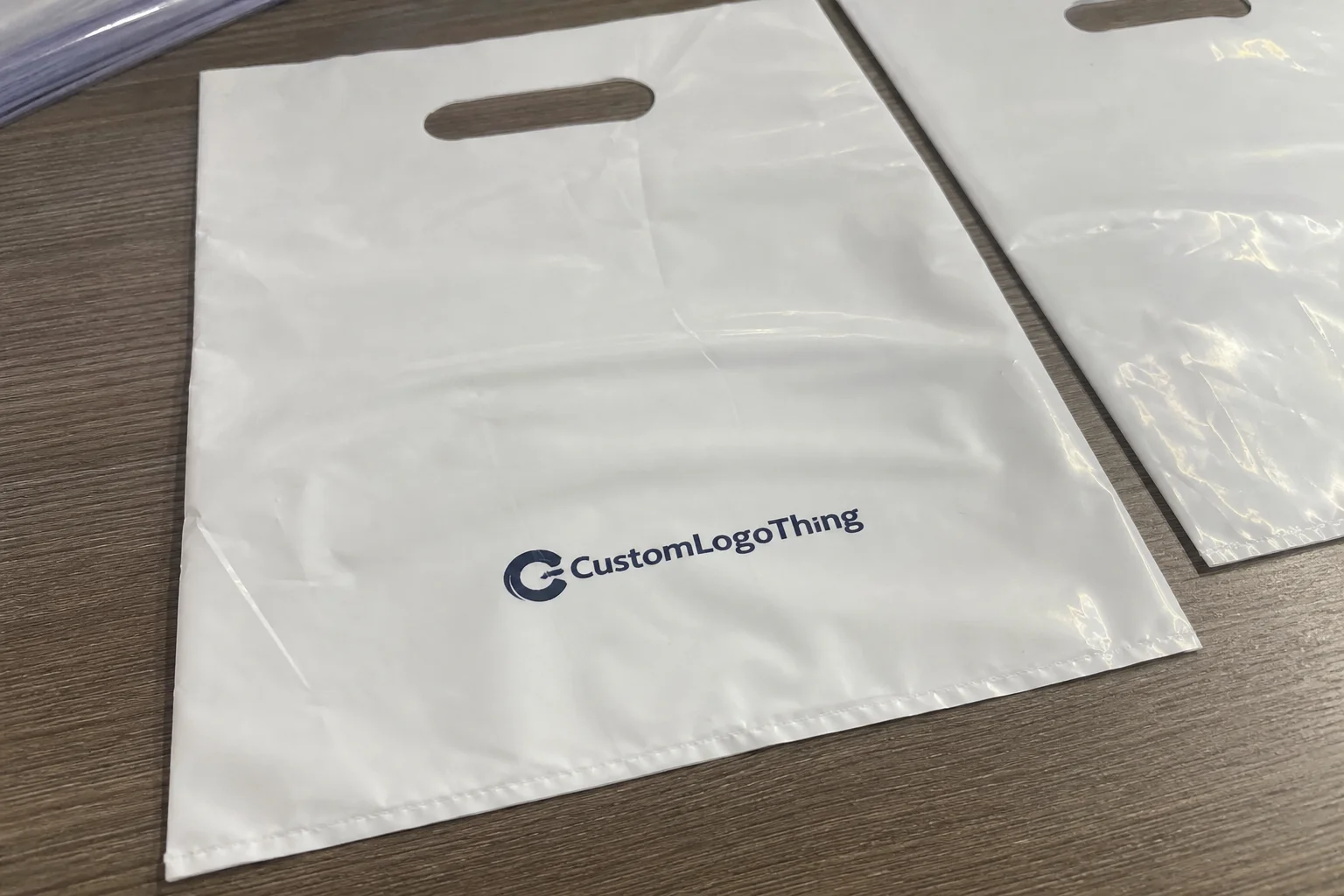
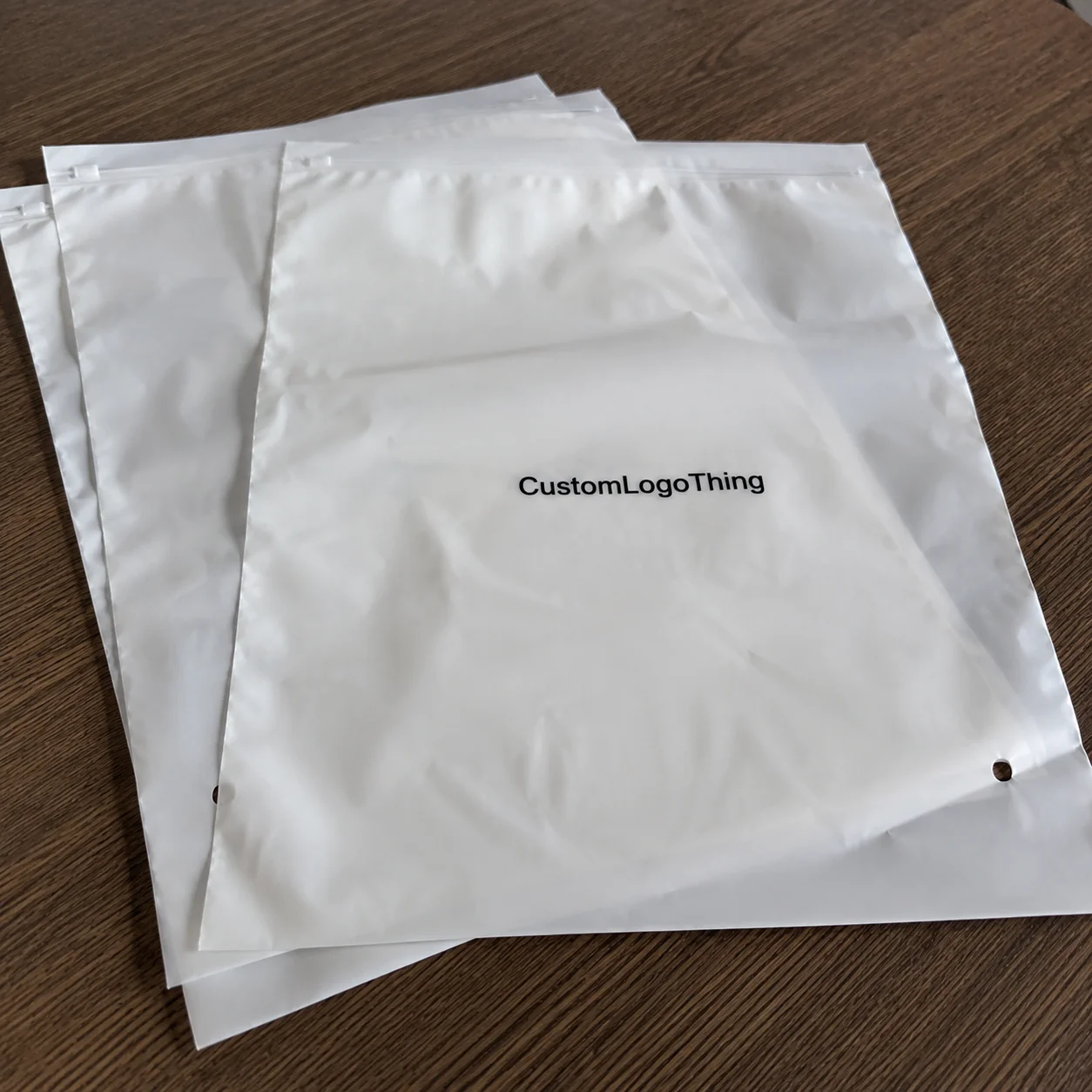
Buyer Fit Snapshot
| Best fit | Personalized Packaging for Retail Brands projects where brand print, material claims, artwork control, MOQ, and repeat-order consistency need to be specified before quoting. |
|---|---|
| Quote inputs | Share finished size, material target, print colors, finish, packing count, annual reorder estimate, ship-to region, and any compliance wording. |
| Proofing check | Approve dieline scale, logo placement, barcode or warning zones, color tolerance, closure strength, and carton packing before bulk production. |
| Main risk | Vague material claims, crowded artwork, missing packing details, or unclear freight terms can make a low unit price expensive after revisions. |
Fast answer: Personalized Packaging for Retail Brands: Artwork Proof, Packing Count, and Landed Cost should be specified like a repeatable production item. The safest quote records material, print method, finish, artwork proof, packing count, and reorder notes in one written spec.
Production checks before approval
Compare the actual filled-product size with the drawing, then confirm tolerance on folds, seals, hang holes, label areas, and retail display edges. Reserve space for logos, QR codes, warning copy, and material claims before decorative graphics fill the panel.
Quote comparison points
Review material grade, print process, finish, sampling route, tooling charges, carton quantity, and freight assumptions side by side. A quote is only useful when the supplier can repeat the same color, closure quality, and packing count on the next order.
I watched two near-identical skincare serums roll off the same line in Shenzhen, packed about 20 minutes apart. Same fill volume, same active ingredients, same wholesale buyer list. The one with smarter personalized Packaging for Retail brands sold through in 23 days at a Midwest chain, while the plain version sat for 71 days and picked up markdown stickers by week six. That gap isn’t luck. It’s structure choices, print decisions, and execution discipline.
I’m Marcus Rivera. I built and sold a packaging company after 12 years of arguing over Pantone drift at press checks, corrugate flute specs, board caliper tolerances, and whether matte varnish is worth $0.014 per unit (sometimes yes, often no). If you run a retail brand, this is your practical playbook for personalized Packaging for Retail brands: process, pricing, timelines, pitfalls, and what to do in the next 30 days.
Why Personalized Packaging for Retail Brands Is a Profit Lever
Most founders underestimate packaging impact by a mile. In one client review, we compared two snack SKUs with equal promo spend: same $18,000 launch budget, same shelf placement class, same 8-week retailer test. The SKU with tailored Personalized Packaging for Retail brands and clearer benefit hierarchy moved 1.8x units and got reordered in cycle one. Same product. Better packaging behavior.
That’s why I keep saying personalized Packaging for Retail brands is not a design “nice to have.” It directly affects perceived value, shelf pickup, damage rate, returns, and retailer confidence. I’ve sat in buyer meetings where a merchant literally tapped the carton corner and said, “If this crushes in transit, I’m out.” They weren’t being dramatic. They were protecting margin.
Plain-English definition: personalized packaging for retail brands means tailoring structure, graphics, finish, messaging, and unboxing flow to a specific audience, channel, and price point. Not generic logo slapping. Not a random foil stamp because someone on Instagram liked it. And definitely not spending $0.42 extra per unit on rigid boxes for a $14.99 item that’s gonna ship in a poly mailer anyway.
What it is not:
- Oversized logos with unreadable claims at 3 feet
- Fancy coatings that crack after normal warehouse handling
- “Eco” claims without chain-of-custody support
- Complex structures that add 11 seconds per unit in pack-out labor
When personalized packaging for retail brands is done right, outcomes are measurable:
- Shelf impact: clearer visual hierarchy in the 3-second scan window
- Lower damages: better inserts and compression resistance can cut returns from 4.2% to 1.6%
- Brand recall: consistent package branding across SKUs improves repeat recognition
- Shareability: better unboxing details can increase UGC and referral traffic
- Retail confidence: compliance-ready cartons reduce chargebacks and vendor friction
One more real-world moment. In Dongguan, I watched a founder reject a full run because legal copy changed after print lock. That error cost $9,700 in rework and pushed launch by 19 days. Painful, but avoidable. The rest of this guide shows where delays happen, how to price correctly, and how to keep your retail packaging plan from turning into an expensive scramble.
How Personalized Packaging for Retail Brands Actually Works
The workflow for personalized packaging for retail brands is predictable if you run it with hard gates. Chaos usually starts when teams skip definitions and rush art files.
Stage 1: Brief and goals
Start with hard inputs: product dimensions in millimeters, unit weight, channel mix (DTC vs. wholesale), target MSRP, and damage tolerance. I ask for six numbers immediately: product L/W/H, case pack, pallet height max, target unit packaging cost, and launch date. If one is missing, the timeline usually slips.
Stage 2: Dieline and structural engineering
This is where personalized packaging for retail brands gets real. Choose a structure that protects product and packs efficiently. For lightweight cosmetics, 350gsm C1S SBS folding carton often works. For heavier glass bottles, E-flute corrugated with a die-cut insert is typically safer. For premium gifting, rigid setup boxes look great but can add $0.60–$1.80 per unit and inflate freight by cubic volume.
Stage 3: Artwork prep and prepress
Brand manager, designer, and print rep need agreement on color targets and legal copy before proofing. Use vector art, define bleed (typically 3mm), and specify spot vs. process colors. If your team says “close enough” on color, someone will hate it on shelf under store lighting.
Stage 4: Sampling and testing
Use layered sampling:
- White sample for fit and fold behavior
- Digital color proof for visual sign-off
- Pre-production sample from actual press/material
Then test. Drop tests, compression checks, abrasion checks if needed, and barcode readability. If one pack serves both e-commerce and retail, test both paths. For transit validation standards, review ISTA.
Stage 5: Production, packing, freight
Typical windows: 12–15 business days for straightforward digital runs, 18–28 for offset with finishing, and 25–40 for complex multi-SKU programs. Freight adds 7–45 days depending on domestic, air, or ocean routes.
Roles matter in personalized packaging for retail brands:
- Brand manager: owns priorities and deadlines
- Designer: visual hierarchy and file integrity
- Packaging engineer: structure and protection
- Print rep: process control and tolerances
- Fulfillment lead: case pack, pallet, and labor implications
Where delays usually happen:
- Missing product dimensions (I still see this weekly)
- No agreed color standard (Pantone vs. CMYK confusion)
- Late legal updates after final proof approval
Print method choice for personalized packaging for retail brands:
| Method | Best Run Size | Pros | Trade-offs | Typical Use Case |
|---|---|---|---|---|
| Digital | 500–5,000 | Low setup, fast changes, strong for pilots | Higher unit cost at scale | Hero SKU test launch |
| Offset | 5,000–100,000+ | Strong color consistency, lower unit cost at volume | Plate/setup costs, longer prep | Regional or national retail rollouts |
| Flexo | 10,000+ | Efficient for corrugated shipping cartons | Less fine detail than offset | Transport cartons and bulk packs |
Material trade-offs are never one-size-fits-all. SBS gives cleaner print and crisper folds, kraft can support natural positioning, corrugated protects better in parcel networks, and rigid boxes elevate premium perception. I’ve had clients insist on rigid, then switch after reviewing pallet cube and storage costs. Good decision. Brutal lesson.
Key Factors That Make or Break Results
Personalized packaging for retail brands succeeds when brand fit, practicality, and operations align. If one breaks, margin suffers.
Brand fit by channel
A boutique skincare line in SoHo can carry heavier unboxing detail than a mass retail vitamin SKU at $12.99. Channel sets expectations. DTC buyers may tolerate slightly larger packs if the experience feels premium. Big-box retailers want shelf efficiency and fewer exceptions.
Structural practicality beats pretty renderings
I once saw a beautiful tuck-end carton that required two extra hand motions during assembly. At 18,000 units/month, that added 42 labor hours. Looked great in the render. Performed kinda badly in operations. Personalized packaging for retail brands should reduce friction, not create it.
Visual hierarchy in 3 seconds
Your logo, core claim, and variant cue need to be readable fast. I use a “3-6-9” check: readable at 3 feet, understandable in 6 seconds, and memorable by 9 seconds of shelf exposure. If shoppers can’t parse it quickly, you lose pickup.
Sustainability with receipts, not slogans
Use claims you can support. FSC-certified paperboard is a practical move; verify standards through FSC. Recycled content and right-sizing matter more than splashy labels. Overstated “green” language can trigger legal and retailer scrutiny. Honest claim language builds trust.
Compliance details
Retailers can reject shipments for missing warnings, poor barcode contrast, incorrect country-of-origin placement, or missing lot coding where required. I’ve seen chargebacks hit $250 per non-compliant pallet event. Preventable with checklist discipline.
Scalability planning
Don’t launch eight variants at once unless your ops team specifically staffed for that complexity. Start with one or two and define version control early. Seasonal sleeves can refresh appearance without retooling base cartons. Smart packaging design keeps future revisions cheaper.
If you want examples of scalable rollouts, review practical execution on our Case Studies page. Real numbers, real trade-offs, and a few mistakes we’re honest about.
Cost Breakdown: What Personalized Packaging Really Costs
Let’s talk money. Personalized packaging for retail brands can cost $0.22 per unit or $2.80 per unit depending on structure, finish, and volume. Wide range, very normal. Here’s where the dollars go.
Core cost buckets
- Structural design: $300–$2,500 one-time
- Prepress/file setup: $80–$450 per SKU
- Plates (offset/flexo): $150–$900 per color/station
- Material: board type, caliper, insert components
- Print and finishing: inks, varnish, foil, emboss/deboss
- Packing labor: flat pack vs. pre-assembled implications
- Freight and duties: origin, mode, tariff class
Real example from a recent beauty client using personalized packaging for retail brands:
- Run: 5,000 folding cartons, 350gsm SBS, 4/0 print, matte AQ
- Unit factory cost: $0.31
- Prepress + proofing: $220
- Freight + local handling: $0.06/unit equivalent
- Landed cost: $0.37/unit
Second example, larger run:
- Run: 50,000 cartons, same structure, offset litho
- Unit factory cost: $0.18
- Plate/setup amortized: $0.012/unit
- Freight + handling: $0.04/unit
- Landed cost: about $0.232/unit
Unit economics improve at scale, but cash exposure rises and forecast error hurts more. That’s the trade. Personalized packaging for retail brands isn’t only design math; it’s inventory risk math.
Hidden costs founders miss
- Tooling revisions after size changes ($180–$900)
- Extra color proof rounds ($45–$150 each)
- Warehouse relabel/repack fees ($0.07–$0.25 per unit)
- Rush air freight that can add $0.35–$1.20 per unit
Cost-saving levers that keep perception strong
- Reduce spot colors from 3 to 1 where it won’t hurt recognition
- Standardize box footprints across adjacent SKUs
- Use shared inserts with printed topper cards for variants
- Keep outer master cartons standardized for pallet efficiency
MOQ negotiation tip I use constantly: ask for tiered pricing in one quote (3k, 5k, 10k, 25k), plus a 90-day reorder commitment with capped raw material escalation (for example, max 4%). If a supplier won’t define reprint terms, treat it as a red flag.
| Run Size | Method | Typical Unit Cost | Best For | Risk Profile |
|---|---|---|---|---|
| 1,000 | Digital | $0.48–$1.10 | Pilot or limited launch | Low inventory risk, higher unit cost |
| 5,000 | Digital/Offset crossover | $0.28–$0.62 | Regional retail test | Moderate risk |
| 25,000 | Offset | $0.16–$0.34 | Multi-region rollout | Higher cash commitment |
| 100,000+ | Offset/Flexo mix | $0.10–$0.24 | National programs | High forecast dependence |
Budget framework I recommend for personalized packaging for retail brands: for many CPG items, total landed packaging cost sits around 6–12% of MSRP, depending on margin model, retailer terms, and channel fees. Premium giftable categories can run higher. Commodity categories usually need lower.
Step-by-Step Timeline: From Concept to Store Shelf
A realistic timeline for personalized packaging for retail brands is usually 8 to 16 weeks end-to-end. Faster is possible. Slower is common if teams keep changing copy, dimensions, or claims after sign-off.
Phase timeline you can actually use
- Discovery (Week 1): inputs, constraints, target cost, compliance requirements
- Design + structure (Weeks 2–3): dieline development and visual system
- Prototype + proof (Weeks 4–5): white sample and digital print proof
- Testing + approvals (Weeks 6–7): fit, transit, barcode, legal checks
- Production (Weeks 8–11): mass printing, finishing, packing
- Shipping + receiving (Weeks 12–16): freight, customs, inbound QC
Critical sign-off gates for personalized packaging for retail brands:
- Structural approval (dimensions and protection)
- Artwork lock (no more copy edits)
- Color approval (physical proof, not a monitor guess)
- Carton pack-out approval (case count and pallet pattern)
Sample types matter:
- 3D mockups: quick stakeholder alignment, not final truth
- White samples: confirms fit and assembly behavior
- Digital color proofs: visual approximation for print intent
- Pre-shipment sample: final confidence check before full release
Contingency planning I insist on:
- Approve one backup board option with similar caliper and stiffness
- Keep an alternate freight route ready if congestion hits
- Use split shipments (30/70) for launch-critical inventory
“Your packaging timeline is only as good as your approval discipline. Every late edit is a tax paid in cash and calendar.”
Launch alignment checklist:
- Packaging ETA confirmed before marketing campaign lock
- Retailer reset windows verified (often 2–6 week scheduling constraints)
- Inventory receiving slots booked with your 3PL
- Photography and PDP updates synced to final branded packaging
If you need production options, review Custom Packaging Products and map SKU specs before requesting quotes. You’ll usually get tighter pricing and fewer revision cycles.
Common Mistakes Retail Brands Make (and How to Avoid Them)
I’ve watched the same six mistakes derail otherwise smart launches. Personalized packaging for retail brands is forgiving only if you catch issues early.
Mistake 1: Designing for looks only
Pretty render, weak carton. Result: corner crush, higher returns, frustrated retailers. Fix: test compression and drop performance before PO. I run basic transit checks even for “light” products under 200g.
Mistake 2: Choosing fragile finishes
Soft-touch can fingerprint. Some matte films scuff during case packing. Fix: request abrasion tests and handling simulations. A simple aqueous coating often looks 90% as good and performs better.
Mistake 3: Approving color on screens
Uncalibrated monitor approvals are how you get “why is this magenta?” emails. Fix: physical proof sign-off under consistent lighting. It takes an extra day and can save a full reprint.
Mistake 4: Ignoring pack-out math
If you don’t calculate units per master carton and pallet pattern, freight can erase margin. I once recalculated a client’s case pack from 24 to 20 units and saved $0.09 per shipped unit through better cube utilization. Boring fix, big impact.
Mistake 5: Too many variants too soon
Launching 12 designs before demand data is in? Bold, but expensive. Fix: start with one hero SKU and one secondary variant. Expand after 8–12 weeks of sell-through data.
Mistake 6: Skipping retailer compliance checks
Chargebacks and rejected shipments are usually process failures, not bad luck. Fix: keep a pre-production compliance checklist signed by brand, design, QA, and logistics leads.
Pre-production checklist for personalized packaging for retail brands:
- Final dimensions verified against current product sample
- Barcode scan tested at expected print size and contrast
- Legal copy approved by the responsible party
- Color proof signed physically
- Case pack and pallet pattern approved by fulfillment
- Defect threshold and remake terms documented in PO
Expert Playbook: Actionable Next Steps for Personalized Packaging for Retail Brands
If you want personalized packaging for retail brands to move from idea to execution quickly, run this 30-day plan.
Week 1: Audit and priorities
- Review current damage rate, return reasons, and shelf feedback
- Define one hero SKU for pilot
- Set target landed packaging cost (example: $0.34 max)
- Document channel requirements by retailer
Week 2: Supplier shortlist and brief
Send a structured brief to 3–5 suppliers. Include:
- Exact dimensions and product weight
- Target unit cost and MOQ ceiling
- Lead-time requirement (for example, 15 business days production)
- QC standards and acceptable defect rate (e.g., <1.5% major)
- Required docs: FSC availability, test reports, print references
Week 3: Samples and scoring
- Request white sample and printed sample
- Score suppliers on print quality, communication speed, and consistency
- Check carton fit variance across sample batch
- Validate barcode readability and transit resilience
Week 4: Negotiate and lock pilot
- Ask for tiered pricing and reprint terms in writing
- Define defect thresholds and remake liability
- Lock pilot quantity (often 1,000–5,000 units)
- Set milestone dates for proof, production, and delivery
Negotiation lines I use for personalized packaging for retail brands:
- “Quote 3k/5k/10k with identical spec so I can model scale.”
- “If defect exceeds 1.5% major, remake terms trigger at your cost.”
- “Lock board spec and color tolerance to approved control sample.”
- “Include 90-day reorder lead-time commitment in PO notes.”
Pilot strategy: test one hero SKU in one region or one channel. Measure three outcomes for 6–8 weeks: damage rate change, sell-through lift, and reorder velocity.
KPI dashboard for personalized packaging for retail brands should include:
- Landed packaging cost per unit
- On-time delivery rate
- Defect rate by category
- Shelf sell-through by store cluster
- Unboxing sentiment from reviews and social mentions
Here’s what teams most often miss: packaging is not a final cosmetic layer. It’s an operating system touching conversion, fulfillment labor, freight, and retailer relationships. Good retail packaging is profitable packaging, and profitable packaging is usually simpler than people expect.
Actionable takeaway: over the next 48 hours, lock one hero SKU, freeze dimensions, issue a structured RFQ to three qualified suppliers, and schedule physical proof sign-off before any production PO is released. That one sequence will prevent the majority of expensive packaging errors I see each quarter.
FAQ: What Should Retail Teams Know About Personalized Packaging for Retail Brands?
How much does personalized packaging for retail brands cost per unit?
Unit cost depends on quantity, material, print method, and finishing. Small digital runs often land around $0.48–$1.10 per unit, while larger offset runs can drop to $0.10–$0.34. Always calculate landed cost, including freight, duties, and warehouse handling, not just the factory quote.
What is the typical timeline for personalized packaging for retail brands production?
Most projects run 8–16 weeks from brief to inbound receiving. Sampling and approvals are usually the biggest variables. Build buffer for proof revisions and logistics delays, and use milestone sign-offs (structure, artwork, color, pack-out) to prevent late changes.
What materials are best for personalized packaging for retail brands?
SBS and kraft are common for folding cartons. Corrugated is better for heavier items or shipping stress. Rigid boxes can elevate perceived value but add cost, storage volume, and freight cube. Choose materials based on protection needs, brand position, and channel constraints.
How can small brands start personalized packaging for retail brands without huge MOQs?
Start with one hero SKU and a limited rollout. Use digital print and standardized structures to keep minimums lower. Limit variants early, then scale after sell-through data proves demand. Negotiate reorder pricing before first production so growth doesn’t trigger surprise cost jumps.
How do I choose a supplier for personalized packaging for retail brands?
Compare suppliers on consistency, communication speed, lead-time reliability, and corrective-action behavior when problems happen. Request real production samples, verify QC workflow, and get defect/remake terms in writing. Confirm they can scale across multiple SKUs and seasonal updates without forcing expensive resets.