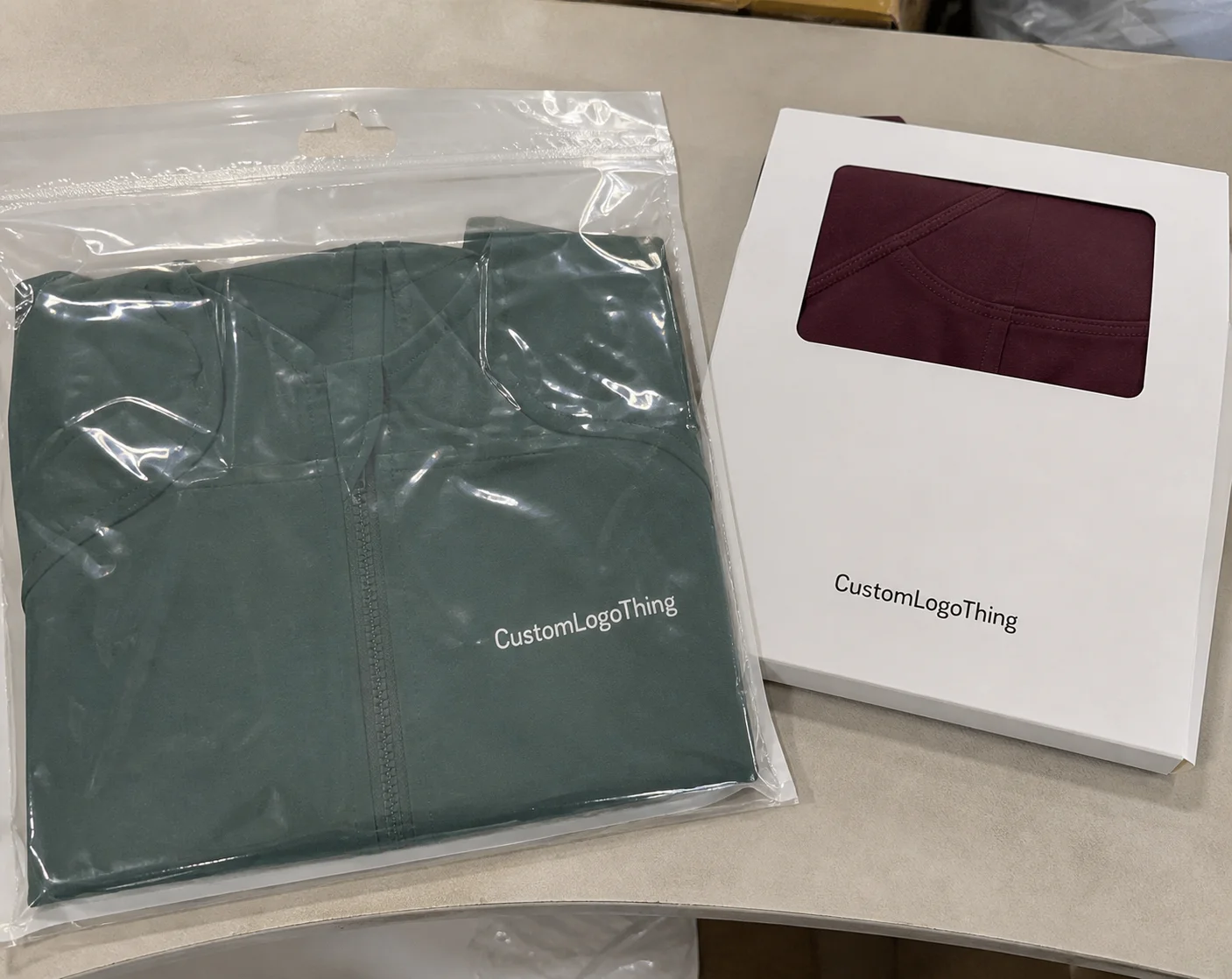
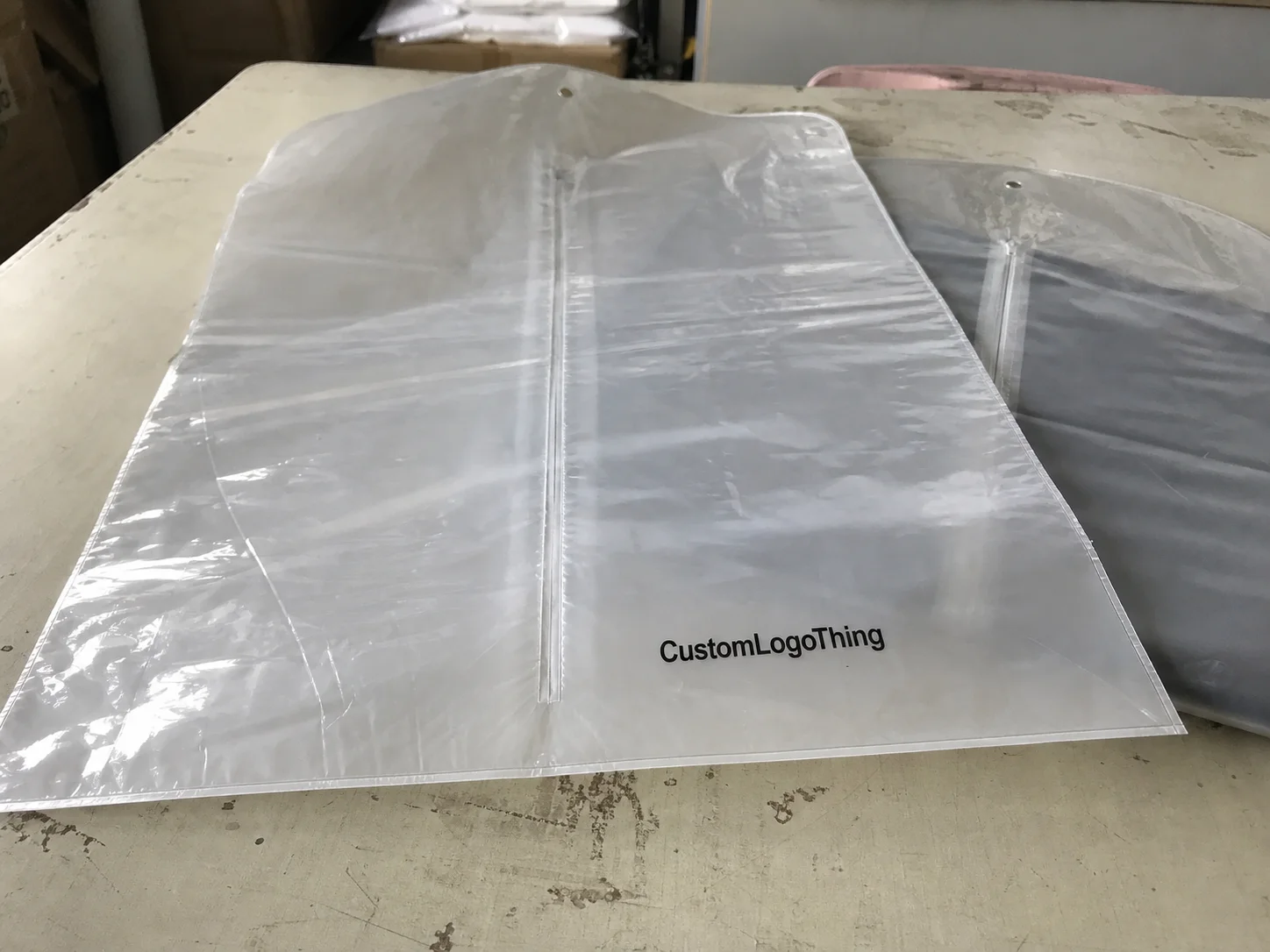
Buyer Fit Snapshot
| Best fit | Personalized Packaging for Supplement Brand projects where brand print, material claims, artwork control, MOQ, and repeat-order consistency need to be specified before quoting. |
|---|---|
| Quote inputs | Share finished size, material target, print colors, finish, packing count, annual reorder estimate, ship-to region, and any compliance wording. |
| Proofing check | Approve dieline scale, logo placement, barcode or warning zones, color tolerance, closure strength, and carton packing before bulk production. |
| Main risk | Vague material claims, crowded artwork, missing packing details, or unclear freight terms can make a low unit price expensive after revisions. |
Fast answer: Personalized Packaging for Supplement Brand: Material, Print, Proofing, and Reorder Risk should be specified like a repeatable production item. The safest quote records material, print method, finish, artwork proof, packing count, and reorder notes in one written spec.
Production checks before approval
Compare the actual filled-product size with the drawing, then confirm tolerance on folds, seals, hang holes, label areas, and retail display edges. Reserve space for logos, QR codes, warning copy, and material claims before decorative graphics fill the panel.
Quote comparison points
Review material grade, print process, finish, sampling route, tooling charges, carton quantity, and freight assumptions side by side. A quote is only useful when the supplier can repeat the same color, closure quality, and packing count on the next order.
Personalized packaging for supplement brand products is one of those things that sounds simple until you’ve watched two nearly identical bottles sit on the same shelf in Atlanta or Dallas and one gets picked up five times more often. I’ve seen it happen more than once, and every time it makes me mutter, “Well, there goes the theory that packaging doesn’t matter.” A plain white bottle with a generic label can get ignored next to a competitor using sharper brand identity, a tighter color system, and a carton that actually looks like somebody cared. That’s the whole point of personalized packaging for supplement brand products: it does the trust-building before a customer ever reads your ingredients or talks to your sales team, and it can do that on a $0.18 label or a $0.72 folding carton if the structure is chosen well.
I’ve spent 12 years around custom printing, and supplements are brutal in a good way. Consumers judge fast. Retail buyers judge faster. If the personalized packaging for supplement brand doesn’t look credible in the first three seconds, the product gets mentally shelved before it ever earns a second glance. And honestly, that’s not unfair. People are putting something into their bodies, whether it’s a probiotic capsule, a collagen powder, or a magnesium gummy. They want the packaging to look clean, compliant, and real, not like it was thrown together at 2 a.m. because somebody “had a vision” and skipped the proofing stage.
When I visited a Shenzhen line a few years ago, a client had two samples on the table: one was a plain HDPE bottle with a flat label, the other had a matte label, foil accent, and a custom printed carton made with 350gsm C1S artboard. Same formula. Same fill. The branded one looked like a $38 product. The plain one looked like a gas-station impulse buy. That’s why personalized packaging for supplement brand projects matter so much. They change perception without changing the formula, which is a pretty useful trick if you ask me, especially when the packaging bill is under $1.25 per unit on the first run.
Personalized Packaging for Supplement Brand: What It Really Means
Let me strip the fluff out of it. Personalized packaging for supplement brand products means packaging that is built around a specific brand, product line, audience, and compliance requirement instead of a generic stock look. It can include custom labels, folding cartons, inserts, bottle finishes, shrink bands, tamper-evident seals, and even a branded unboxing experience if you’re shipping direct-to-consumer from a fulfillment center in Texas, New Jersey, or California.
It is not always the same thing as full custom packaging. That’s where people get expensive very quickly. A lot of supplement founders assume they need fully custom molded bottles, printed closures, and foil-stamped rigid boxes on day one. Sometimes they do. Often they don’t. A well-executed label, standard bottle, and custom printed boxes can look strong enough to sell at retail without burning through cash on tooling. That is still personalized packaging for supplement brand execution, just smarter and far less likely to make your accountant stare into the middle distance.
The difference between personalization and full custom packaging is mostly scope. Personalization usually means standard packaging formats with brand-specific graphics and finishing. Full custom means new molds, specialty structures, or bespoke components. I’ve quoted both from factories in Dongguan, Ningbo, and Xiamen. One client spent $0.22 per label at 10,000 pieces and looked great. Another spent $1.85 per unit on molded jars and closures because they wanted a luxury wellness launch. Both were valid. The wrong choice is copying someone else’s structure because it looks fancy on Instagram.
“We thought the bottle mattered most. It didn’t. The label hierarchy and carton copy were what made the product look trustworthy.” That was a line from a supplement founder I worked with after we fixed their personalized packaging for supplement brand setup following a painful first run that cost them an extra $380 in reproofing and four business days.
There’s also a retail reality here. Buyers for health and wellness products are scanning shelf blocking, nutrition claims, product packaging consistency, and whether the package branding feels coherent. If the visuals are noisy or the typography is weak, the product starts looking like a private-label afterthought. That’s a fast way to lose shelf appeal. Strong personalized packaging for supplement brand work makes the product feel like it belongs in the category, not like it wandered in by mistake, whether it’s sitting in a Whole Foods-style shelf set or a subscription box shipper.
For brands that want a place to start, I usually point them toward standard structures first. You can review Custom Packaging Products and compare bottle labels, folding cartons, inserts, and mailers without jumping straight into bespoke die tooling. That one decision alone can save thousands of dollars, which is very helpful if you’d rather spend the budget on actual growth instead of dramatic packaging experiments, especially if your first production lot is only 5,000 units.
And yes, I’ve seen the opposite too. A beautiful package with a bad claim hierarchy. Gorgeous. Useless. If the supplement facts panel is cramped, the warnings are tiny, and the front panel doesn’t tell the buyer what the product is supposed to do, the whole thing fails. Pretty packaging that confuses people is just expensive decoration, whether the carton came off a Heidelberg press in Guangdong or a digital line in Los Angeles.
How Personalized Packaging for Supplement Brand Works
The workflow for personalized packaging for supplement brand projects starts with the product itself. You need the format, fill size, container dimensions, dosage count, target audience, sales channel, and compliance language before the design team can do anything useful. If somebody hands me “we need a label” without a bottle spec or a copy deck, that’s not a brief. That’s a stress test, and I’ve taken enough of those to know they rarely end well, especially when the jar is 68 mm wide and the designer assumed 75 mm.
Here’s the typical flow I’ve used with brands and factories: concept, dieline, artwork, sampling, proofing, printing, finishing, and final assembly. On a simple label job, that might take 8-12 business days from approved artwork to ship, or typically 12-15 business days from proof approval if the printer is running a standard queue. On a custom carton with inserts and foil stamping, you’re more realistically looking at 15-25 business days, sometimes more if there are multiple proof rounds or if the structure needs a revised die line from a factory in Foshan or Suzhou. Personalized packaging for supplement brand timelines live and die by how complete the files are at the start.
The manufacturer needs real inputs. Not vibes. I’m talking exact container size, label application method, ingredient claims, warning statements, barcode data, compliance copy, brand assets, and quantity by SKU. If you don’t provide the correct dimensions, the dieline will be wrong, and then everyone gets to redo artwork at 11 p.m. because the back panel text wraps badly. Been there. Not fun. One time I had three versions of the same carton file open because the label kept shifting by a few millimeters, and by the third round I was naming files like “FINAL_final_REAL_final_v7.” That should be a crime, and it usually means the brand forgot to confirm the closure height before sending the artwork to the factory.
Digital printing is usually the first stop for short runs. It handles lower quantities well, often from 500 to 5,000 pieces, and it makes prototype changes less painful. Offset and flexo become better value as volumes rise, especially on retail packaging where color consistency and unit cost matter. In my experience, personalized packaging for supplement brand orders under 3,000 units are usually better suited to digital unless you already know the artwork is locked and the SKU will repeat, because a $0.15 per unit label for 5,000 pieces can be more useful than waiting for a higher minimum on a slower press schedule.
Then there are the extras: insert cards, tamper seals, shrink bands, and secondary packaging. These are not decorative afterthoughts. They protect product integrity and improve shelf credibility. A tamper seal on a bottle can be a tiny piece of plastic, but it tells the customer somebody thought about safety. A printed insert card can explain how to use the supplement and reduce support tickets. That’s practical personalized packaging for supplement brand work, not just aesthetic fluff, and it often costs $0.03 to $0.08 per unit for a simple one-color insert at 10,000 pieces.
I watched a production manager in Dongguan reject a carton run because the inside flap didn’t close cleanly after the insert was added. One millimeter. That was enough. People think packaging is just graphics. It’s not. It’s physical engineering plus print plus compliance plus operations. That’s why personalized packaging for supplement brand projects need a supplier who understands the whole chain, not just the art file, from paper conversion in Zhejiang to final packing in a warehouse near Shenzhen Port.
If you want examples of how actual brands put those pieces together, browse Case Studies. Real packaging decisions are easier to understand when you can see the outcome on a shelf or in a mailer, especially when the carton uses a 300gsm SBS board, a matte aqueous coating, and a clean spot UV on the logo.
What Makes Personalized Packaging for Supplement Brand Effective?
Effective personalized packaging for supplement brand work does three things at once: it builds trust, it communicates clearly, and it survives real production and shipping conditions. That sounds straightforward, but the best packages are usually the ones that make those three jobs look easy while carrying a lot of technical detail under the surface. A bottle label that resists moisture, a carton that opens cleanly, and a front panel that reads well from arm’s length can do more for sell-through than a dozen decorative flourishes.
Visual hierarchy is the first thing I check. The product name should be obvious. The benefit statement should be easy to spot. The dosage or format should be visible without hunting. If the customer has to decode the package like a puzzle, the package has already lost. In supplement aisles, shoppers scan first and think later, so strong hierarchy is one of the most practical parts of personalized packaging for supplement brand strategy.
Material selection comes next. Not every finish belongs on every substrate. A soft-touch coating might feel elegant on a premium collagen carton, but if the product lives in a humid warehouse, the wrong material choice can create scuffing or edge wear. Synthetic labels, BOPP films, and coated paper stocks each behave differently, and that matters if the package travels through cold storage, fulfillment centers, or carrier hubs with wild temperature swings. The best personalized packaging for supplement brand systems are designed for the environment first and the mockup second.
Compliance is another pillar, and it is not the place to improvise. Supplement Facts panels, warning lines, claims, and barcode placement all need to be correct and readable. I’ve seen beautiful packaging fail because a claims hierarchy buried the legal copy or because the barcode sat too close to a fold. That is not a design problem alone; it is a production and compliance problem. Strong personalized packaging for supplement brand planning treats the regulatory copy as part of the design architecture, not as a late-stage paste-in.
There’s also the brand story. A clinical supplement line usually looks better with restrained colors, structured grids, and precise type. A sports nutrition brand can push contrast and stronger color energy. A botanical wellness line often benefits from more whitespace, tactile paper, and calmer tones. A premium launch may justify foil, embossing, or spot UV, but those choices should support the story, not distract from it. In other words, personalized packaging for supplement brand design works best when the package feels like a natural extension of the formula and the audience.
Retail and e-commerce also ask different things from packaging. On shelf, you need fast recognition and clear differentiation. In a mailer, you need protection, efficient packing, and a controlled unboxing moment. Many brands need two package systems: one for retail presentation and one for shipping. That split is common in personalized packaging for supplement brand programs because it keeps the product looking right in both environments without forcing one structure to do every job poorly.
For brands trying to choose between options, I usually start with a simple comparison of packaging structures, unit economics, and intended channel. That is how you keep the design from drifting into wishful thinking and keep the production plan aligned with the reality of the fill line, the warehouse, and the sales channel.
Key Factors That Shape Personalized Packaging for Supplement Brand
Materials come first. A supplement bottle label can be made from paper stock, BOPP, matte synthetic film, or textured label material depending on the fill environment and brand positioning. If the product may see moisture, condensation, or cold-chain handling, paper labels can fail fast. I’ve seen a “premium” probiotic ship in a humid warehouse in Miami and come back with edge lift after 10 days. No one was thrilled. Personalized packaging for supplement brand decisions should start with environment, not just design, because condensation does not care how nice your mockup looked.
Paperboard matters too. SBS and C1S are common for folding cartons, and the weight usually lands around 300gsm to 400gsm depending on the pack size and perceived value. For many capsule cartons, a 350gsm C1S artboard with a matte aqueous varnish gives a solid hand feel without pushing the price too high. Corrugated mailers work well for DTC shipments or bundled kits. Rigid presentation boxes can support higher-end wellness products, but they add cost quickly. If you’re building personalized packaging for supplement brand systems for retail and e-commerce at the same time, you may need two formats: one for shelf, one for shipping.
Compliance and readability are non-negotiable. Supplement Facts panels need clear formatting. Warning statements should be readable. UPC placement needs to be where scanners can actually find it. Claims must be supported and properly presented. I’m not a lawyer, and neither is your designer pretending to be one. This is where you should involve a compliance professional before final proof approval. For standards and packaging resources, I often reference the Packaging Machinery Manufacturers Institute and, when sustainability is part of the brief, the U.S. EPA Sustainable Materials Management resources.
Brand positioning shapes everything. A clinical supplement brand usually wants cleaner grids, restrained colors, and strong typography. A fitness-focused product can go bolder with contrast and higher energy. Natural wellness brands tend to use softer tones, textured paper, and more breathing room. Luxury wellness leans into foil, soft-touch lamination, and tighter visual hierarchy. All of that affects personalized packaging for supplement brand strategy because the package has to support the story the brand is telling, whether that story is “lab-grade precision” or “clean botanical support.”
Cost drivers are straightforward, even if people hate hearing it. Quantity matters most. Then finishing. Then structure. Then art complexity. A one-color label with no special finish is cheaper than a four-color carton with foil, embossing, and a custom insert. Add die-cut windows, magnetic closures, or layered custom printed boxes, and the price climbs. That’s not the factory being dramatic. That’s physics and labor, and occasionally the printer looking at your file and silently praying for patience, especially if you want 5,000 units shipped out of a plant in Ningbo on an aggressive 12-day schedule.
Here’s a quick comparison I’ve used in real quoting conversations for personalized packaging for supplement brand projects:
| Packaging option | Typical use | Approx. first-order price | Lead time | Best for |
|---|---|---|---|---|
| Digital printed label | Bottle or jar branding | $0.12-$0.35/unit at 1,000-5,000 pcs | 8-12 business days | Fast launches, SKU testing |
| Folding carton | Retail packaging | $0.28-$0.75/unit at 3,000-10,000 pcs | 12-18 business days | Shelf appeal, compliance copy |
| Mailer box | DTC shipping | $0.65-$1.40/unit at 2,000-5,000 pcs | 12-20 business days | Subscription kits, bundles |
| Rigid presentation box | Premium gift or launch set | $1.80-$4.50/unit at 1,000-3,000 pcs | 18-30 business days | Luxury wellness, PR kits |
One more thing people overlook: package branding needs to survive the warehouse. A gorgeous matte finish can scuff if you use the wrong carton divider or pallet wrap. A heavy jar may need a corrugated insert so labels don’t rub during transit. Strong personalized packaging for supplement brand planning includes storage, stacking, and shipping abuse, not just a pretty mockup, and a corrugated mailer with a 32 ECT rating can save you from a lot of complaints later.
Personalized Packaging for Supplement Brand: Pricing and Timeline
Let’s talk money, because people love pretending packaging is abstract until the quote arrives. For personalized packaging for supplement brand projects, labels are usually the cheapest entry point. Simple digital labels often land around $0.12 to $0.35 per unit for small-to-mid runs, depending on size, stock, and finish. Folding cartons often start around $0.28 per unit and can reach $0.75 or more if you add coating, foil, embossing, or complex die cuts. Rigid boxes can jump to $1.80 to $4.50 each quickly, especially if you want a premium magnetic closure or custom insert. I’ve seen a 5,000-piece carton order in Guangzhou come in at $0.41 per unit simply because the team kept the structure standard and used one foil hit instead of three.
Setup fees are the part that surprises new brands. Plate costs, die tooling, proofing charges, and sample production can add several hundred to several thousand dollars to the first order. I’ve negotiated die fees at $180, and I’ve seen premium tooling quotes above $900 for a more complicated carton structure. If you need white samples, color proofs, and a structural prototype, that first run of personalized packaging for supplement brand packaging may cost 15% to 40% more than repeat runs. A quoted carton job that lands at $420 for tooling and $65 for samples is very different from a repeat run that simply reprints the same files.
The timeline is a ladder. First comes concept and content finalization. Then dieline creation. Then print proofing. Then physical sampling if needed. Then production. Then shipping. A simple label job might take 7-12 business days after proof approval, and more often it is typically 12-15 business days from proof approval when the factory is running standard materials from stock. A carton with inserts can take 12-20 business days. A rigid premium box with specialty finishing can push to 30 business days or more. And if somebody changes a claim or ingredient panel late in the process, the clock resets. Nobody likes that. The factory likes it least, especially if the run is already scheduled on a press in Dongguan or Jiaxing.
I once sat through a supplier meeting where a client wanted to change the front-panel benefit wording after the proof was signed off. The printer was polite. Very polite. Then they quoted a rework fee of $420 plus an extra four business days. That was a cheap lesson compared to a full reprint. Good personalized packaging for supplement brand planning keeps claims locked early, ideally before the artwork is handed off to the prepress team.
How do you save money without making the brand look poor? First, standardize bottle sizes if you can. Second, keep the number of unique SKUs under control. Third, use one premium finish in a smart place instead of three finishes everywhere. Fourth, avoid custom structures unless they solve a shipping or shelf problem. Fifth, order enough quantity to keep unit costs in check, but not so much that you’re stuck with obsolete inventory after a formula change. That’s the real balancing act in personalized packaging for supplement brand production, and it is easier to manage when your supplier can quote both 3,000 and 10,000-piece pricing side by side.
Here’s a practical cost-saving table based on the kinds of conversations I’ve had with buyers and brand owners:
| Cost-saving move | Effect on budget | Tradeoff |
|---|---|---|
| Use standard bottle sizes | Lower tooling and sourcing cost | Less structural uniqueness |
| Choose one premium finish | Controls decoration spend | Less visual complexity |
| Print cartons in one batch by SKU family | Reduces setup overhead | Requires tighter planning |
| Use digital printing for pilot runs | Lower minimum order pressure | Unit cost can be higher at scale |
One note on sustainability because brands ask about it constantly: recycled content, FSC-certified paper, and reduced material usage can help, but don’t force a “green” story if your package fails the practical test. If the carton crushes or the label peels, the customer won’t care that it was eco-friendly. For paper sourcing and chain-of-custody standards, FSC is a good reference point. Smart personalized packaging for supplement brand strategy balances sustainability, durability, and cost. Not one. All three, and ideally with a supplier who can source FSC board from mills in Asia or North America without driving the lead time past 20 business days.
Step-by-Step Process to Launch Personalized Packaging for Supplement Brand
Step 1: clarify the product line, audience, and packaging goals before talking to suppliers. Are you launching a clinical magnesium capsule for pharmacies, a premium collagen powder for DTC, or a sports nutrition capsule for gyms? That question changes the structure, material, and finish. A lot of personalized packaging for supplement brand headaches come from trying to design before the brand has decided what it wants to be, and the mismatch shows up fast when the carton spec gets set at 62 x 62 x 120 mm but the bottle actually needs 64 mm clearance.
Step 2: gather artwork, claims, dimensions, and compliance copy. I mean all of it. If the bottle is 63 mm wide and 135 mm tall, the label must match. If the serving size is two capsules, the copy has to reflect it. If the barcode needs to be on the bottom panel, say so. When I built packaging decks with founders, the fastest projects were the ones where the client came prepared with a copy deck, logo files, and at least one reference for brand identity. That’s how personalized packaging for supplement brand work stays efficient, and it also helps the prepress team avoid a third round of changes.
Step 3: request prototypes or printed samples and review them in real lighting. Not under your laptop lamp. Not in a filtered photo. Put the label under warehouse LEDs, daylight, and retail-style lighting. Check the typography at arm’s length. Check the finish for glare. Check whether the carton opens cleanly and whether the insert fits without crushing the bottle neck. One brand I worked with rejected a carton because the white background went slightly gray under fluorescent light in a New Jersey warehouse. They were right. That’s the kind of detail that either protects or weakens personalized packaging for supplement brand credibility.
Step 4: approve final proofs, lock specs, and plan receiving, kitting, or fulfillment. If you’re shipping to Amazon, a 3PL, or a subscription warehouse, their rules matter. Carton size, case pack, pallet configuration, and barcode readability all matter. I’ve had a client save $1,200 in fulfillment charges simply by changing the master case count from 24 to 36 units. That is the part no one talks about when they romanticize packaging. Practical operations are part of personalized packaging for supplement brand success, and those savings often matter more than a fancy finish.
Here’s the sequence I recommend for first-time buyers:
- Write the packaging brief in one page with size, material, quantity, and finish.
- Confirm compliance copy before design begins.
- Ask for a dieline and build artwork to that file only.
- Approve a sample under real light.
- Run a small production lot first if the SKU is untested.
That last step matters. I know founders who want to jump straight to 20,000 units because the MOQ looks cheaper. Sometimes that works. Sometimes it becomes a warehouse full of old claims, faded colors, or the wrong carton depth. Personalized packaging for supplement brand should be treated like a controlled launch, not a gamble, particularly if the first run is sitting in a fulfillment center in Chicago for three months before it even sells through.
Common Mistakes in Personalized Packaging for Supplement Brand
The first mistake is overdesigning. Too many icons. Too many colors. Too many claims. The package ends up looking like a science fair poster with a coupon stapled to it. Clean structure beats clutter almost every time in personalized packaging for supplement brand design. If the customer can’t find the product name in two seconds, the package is doing too much and saying too little, which is a common problem on small 90 mm-wide labels.
The second mistake is ignoring compliance until the end. That’s expensive. I’ve seen brands finish gorgeous artwork, then learn the nutrition panel needs to shift because the ingredient list changed, or the warning line needs different spacing. Reprint costs can hit $300 to $2,000 depending on format and quantity. Nobody enjoys paying to fix a problem that could have been caught in proofing. In supplement packaging, compliance is not an add-on. It’s part of the build, and the copy should be reviewed before a printer in Suzhou ever sees the file.
The third mistake is choosing materials based on a mood board instead of distribution reality. A soft-touch carton may feel premium, but if the product ships in humid warehouses or sees friction in transit, it can wear badly. A glossy finish may resist scuffing better, but it may not fit the brand story. This is where personalized packaging for supplement brand decisions need both taste and common sense. Fancy is nice. Functional is nicer, especially for cartons that go through a 48-hour pallet wrap cycle before shipment.
The fourth mistake is overordering. I understand the temptation. Lower unit cost sounds great. But if you haven’t tested customer response, packaging durability, or SKU movement, ordering 50,000 units is just stockpiling optimism. I’ve watched brands sit on cartons for 14 months because the formulation changed after launch. That’s painful. Start with a realistic order quantity and let data tell you what to repeat in your personalized packaging for supplement brand program, even if the first quote looks better at 10,000 pieces than at 3,000.
“We spent more fixing the packaging than we did printing it.” That line came from a founder who skipped the sample stage. It was a painful lesson, and a very normal one, especially after a rushed order out of a plant in Foshan had to be reworked for a barcode placement error.
There’s also the “premium everywhere” trap. Foil on every surface. Embossing on every panel. Two insert cards. Three coatings. Suddenly the package costs $2.90 before it even leaves the dock. Not every SKU needs to look like a luxury serum launch. Some products need clarity, speed, and enough shelf appeal to win trust. That still counts as effective personalized packaging for supplement brand work, and it usually performs better when the design budget is concentrated instead of scattered across every face panel.
Expert Tips to Improve Personalized Packaging for Supplement Brand
Use visual hierarchy like your sales depend on it, because they do. The product name should be the easiest thing to read. The benefit should be the second easiest. The dosage or format should be immediately visible. In supplement packaging, people don’t read like analysts. They scan. Strong hierarchy makes personalized packaging for supplement brand products feel credible at a glance, whether the label is on a 60-capsule bottle or a 12-serving powder tub.
Add tactile details only where they support the brand value. Soft-touch lamination, spot UV, foil, or embossing can lift perception, but they’re not free trophies. If the product is positioned as clinical or minimalist, too much finish can actually weaken trust. I’ve had clients cut foil from the front panel and keep it only on the logo. Better result. Lower spend. That’s the kind of trade I like, especially when it saves $0.11 to $0.22 per unit on a 5,000-piece carton run.
Test unboxing, stackability, and shipping durability before you approve full production. Put a filled bottle into the carton, shake it gently, ship one to yourself, and see what happens. If the neck label rubs or the insert shifts, fix it before 10,000 pieces are in motion. Personalized packaging for supplement brand success is not just about how it looks in a mockup. It’s how it behaves in a warehouse, a mailbox, and a customer’s hand, especially after a parcel has been through a carrier hub in Indianapolis or Memphis.
Work with your printer on production-friendly artwork changes. Sometimes a designer’s beautiful gradient needs a minor adjustment to avoid banding. Sometimes a tiny font needs to move from 5.5 pt to 7 pt for legibility. Sometimes a deep black needs a different ink mix to stay consistent across runs. I’ve sat in enough print rooms to know this: the best packaging teams don’t treat the factory like a vending machine. They ask questions early, and the personalized packaging for supplement brand outcome gets better because of it.
Use supplier quotes to compare real value, not just unit price. A $0.18 label that peels in transit is not cheaper than a $0.24 label that performs properly. I’d rather pay an extra $0.06 and keep the brand from looking sloppy. That’s a bargain. Always compare material spec, print method, finishing, lead time, and packaging QA standards side by side, and ask whether the factory is quoting from Shenzhen, Dongguan, or a domestic converter in Illinois.
Here’s the shortlist I give founders who want better personalized packaging for supplement brand results without chaos:
- Keep front-panel messaging tight: one product name, one benefit, one key differentiator.
- Request samples in the actual substrate, not just a digital mockup.
- Check barcode placement with a real scanner.
- Test the package under warehouse lighting and natural light.
- Compare at least 3 supplier quotes line by line.
- Review storage and shipping requirements before committing to structure.
If you’re serious about improving your next run, audit what you already have, collect the spec sheet, request samples, and compare supplier quotes line by line. That’s not glamorous. It works. And yes, it’s the fastest way to make personalized packaging for supplement brand decisions that look smarter and cost less over time, especially when your next production order is due in 12-15 business days from proof approval.
I’ll be blunt: the best packaging is usually the one that balances brand story, compliance, cost, and production reality without trying to impress everyone with unnecessary tricks. A smart label, a clean carton, and a thoughtful unboxing experience can outperform a much fancier package if the execution is tighter. That’s the real advantage of personalized packaging for supplement brand planning done well, whether the substrate is a 350gsm C1S carton or a synthetic label from a roll run in Ningbo.
And if you want to build that kind of packaging with fewer mistakes, start with your current package audit, then move into material selection, artwork cleanup, and sample reviews. That’s how I’d do it if I were launching another supplement line tomorrow. Or, frankly, how I’d do it if I wanted to keep my budget from getting eaten alive while still shipping a brand that looks like it belongs on a shelf in San Diego or Seattle. The practical takeaway is simple: lock your claims early, choose materials for the real shipping environment, and approve samples under real light before you scale the run.
FAQs
What is personalized packaging for supplement brand products?
It is custom packaging tailored to a supplement brand's product, audience, compliance needs, and visual identity. It can include custom labels, folding cartons, inserts, mailers, seals, and premium finishing details. In practice, personalized packaging for supplement brand work usually means packaging choices that fit the product instead of using a generic stock look, whether the item is packed in a bottle, jar, tub, or sachet.
How much does personalized packaging for supplement brand usually cost?
Pricing depends on format, quantity, material, and finishing; labels are usually cheaper than rigid boxes. Expect sample and setup costs on the first run, with unit pricing dropping as volume increases. For most personalized packaging for supplement brand projects, the first order is the most expensive because tooling, proofs, and revisions are part of the setup, and a label can be as low as $0.15 per unit for 5,000 pieces when the stock and finish are kept simple.
How long does it take to produce personalized packaging for supplement brand orders?
Timeline varies by complexity, but it typically includes design, proofing, sampling, production, and shipping. Straightforward label jobs move faster than custom cartons with inserts or specialty finishes. A simple personalized packaging for supplement brand order may be done in about 8-12 business days after approval, while a more complex box program can take 18-30 business days, and many suppliers quote typically 12-15 business days from proof approval for standard label and carton runs.
What packaging works best for a supplement brand on a budget?
Simple high-quality labels, standard folding cartons, and smart use of one premium finish can look strong without blowing the budget. Keeping sizes standard and artwork efficient helps reduce tooling and setup costs. For budget-conscious personalized packaging for supplement brand launches, I usually recommend standard structures and one well-chosen finish instead of multiple expensive extras, such as a 350gsm C1S carton with matte aqueous coating rather than a rigid box with multiple embellishments.
Do I need compliance review before ordering personalized packaging for supplement brand products?
Yes, because supplement packaging often needs specific claims, warnings, and panel formatting. Review compliance before final proof approval to avoid reprints and expensive delays. I’ve seen too many personalized packaging for supplement brand projects get delayed because someone treated the legal copy like a last-minute edit, and that mistake can add $300 to $2,000 in reprint costs depending on the format.