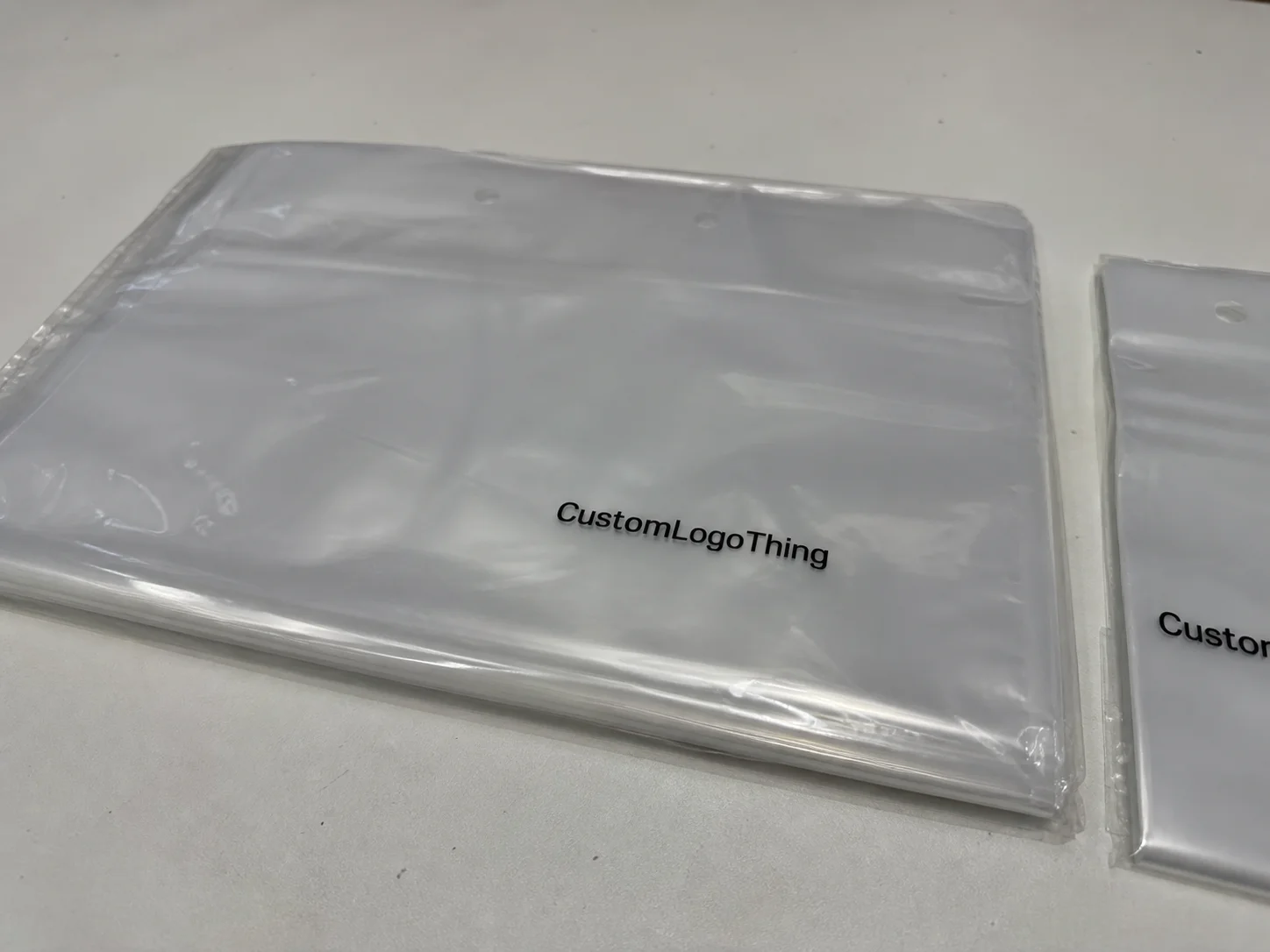
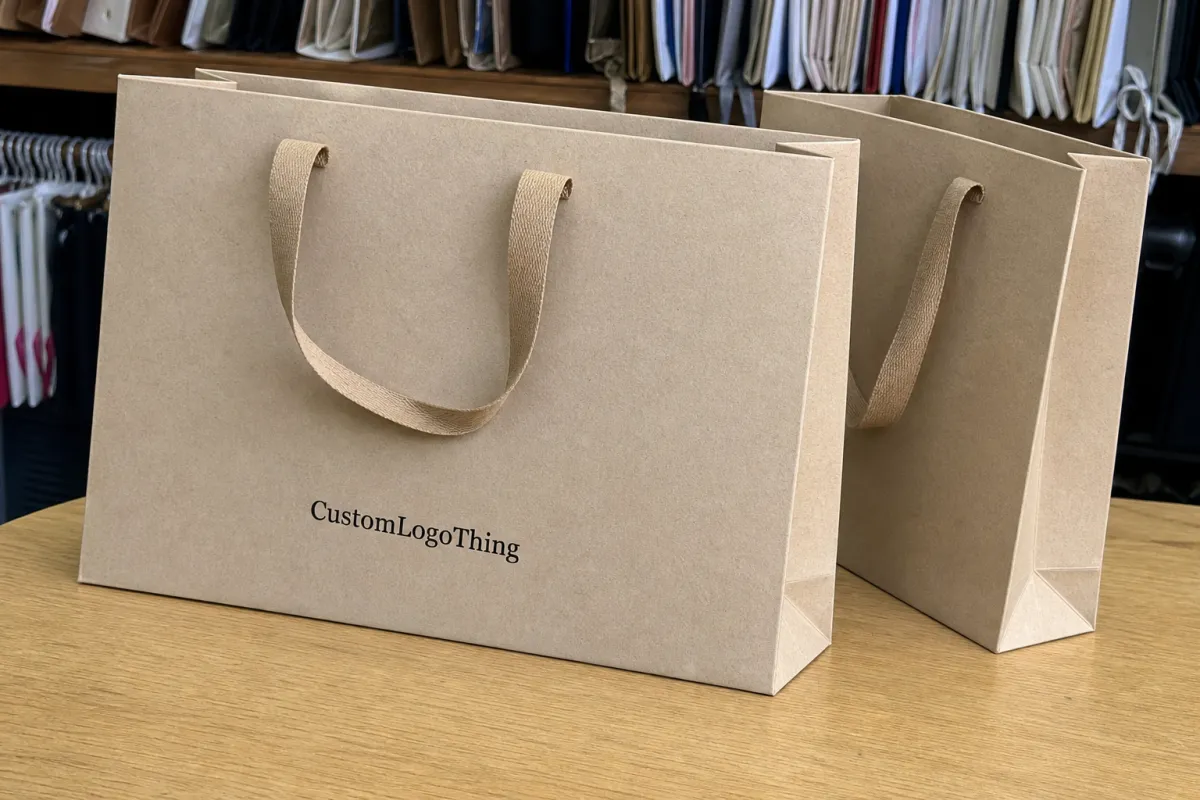
Buyer Fit Snapshot
| Best fit | Personalized Wedding Favor Bags projects where brand print, material claims, artwork control, MOQ, and repeat-order consistency need to be specified before quoting. |
|---|---|
| Quote inputs | Share finished size, material target, print colors, finish, packing count, annual reorder estimate, ship-to region, and any compliance wording. |
| Proofing check | Approve dieline scale, logo placement, barcode or warning zones, color tolerance, closure strength, and carton packing before bulk production. |
| Main risk | Vague material claims, crowded artwork, missing packing details, or unclear freight terms can make a low unit price expensive after revisions. |
Fast answer: Personalized Wedding Favor Bags: Artwork Proof, Packing Count, and Landed Cost should be specified like a repeatable production item. The safest quote records material, print method, finish, artwork proof, packing count, and reorder notes in one written spec.
Production checks before approval
Compare the actual filled-product size with the drawing, then confirm tolerance on folds, seals, hang holes, label areas, and retail display edges. Reserve space for logos, QR codes, warning copy, and material claims before decorative graphics fill the panel.
Quote comparison points
Review material grade, print process, finish, sampling route, tooling charges, carton quantity, and freight assumptions side by side. A quote is only useful when the supplier can repeat the same color, closure quality, and packing count on the next order.
I’ve watched guests fight over the smallest personalized wedding favor bags at more than one wedding, which is funny because people always assume the centerpieces are doing all the work. They aren’t. At one Shenzhen factory visit in Longgang District, a 10 x 15 cm cotton pouch with a simple gold monogram got more attention than a stack of ribbon-tied boxes, because guests actually reused it for jewelry and charging cables on the trip home. That’s the real charm of personalized wedding favor bags: they do two jobs at once, and they can make even a $1.20 favor feel like a $5 presentation.
If you’re planning favors, packaging is not the place to wing it and hope the universe fills in the gaps. I’ve seen couples spend $800 on mini candles, then drop them into flimsy bags that crushed during transport from a warehouse in Dongguan to a ballroom in Hong Kong. Annoying. Also avoidable. The right personalized wedding favor bags protect the contents, match the decor, and give guests something they’ll keep instead of toss into a hotel trash can.
Honestly, the best wedding packaging is the kind nobody has to think about because it just feels right in the room. And that feeling does not happen by accident. It comes from choosing the right material, the right print method, and the right size, then resisting the urge to cram in six more cute details when one or two strong choices would do the job beautifully. A 350gsm C1S artboard box with matte lamination, for example, will often look more refined than a thinner glossy stock, especially under warm banquet lighting at 2800K.
Personalized Wedding Favor Bags: What They Are and Why Couples Choose Them
Personalized wedding favor bags are custom bags printed or decorated with names, initials, wedding dates, monograms, colors, or a short message that matches the event theme. Plain English version: they’re packaging that doesn’t act like it forgot why it’s at a wedding. A bag can be paper, cotton, linen, organza, velvet, kraft, or laminated stock, and the personalization can be as simple as one line of text or as detailed as a full color design. In practice, that can mean a 12 x 18 cm kraft pouch with one-color black ink for a rustic vineyard reception in Napa Valley, or a cream linen drawstring bag with metallic rose-gold foil for a ballroom dinner in Singapore.
Here’s what most people get wrong: they think favor bags are just containers. In reality, personalized wedding favor bags are part packaging, part decor, and part memory object. When I worked with a planner in Singapore, she used matte black cotton bags with ivory foil stamping for a dinner reception of 180 guests. The favors inside were $0.90 macarons from a bakery in Tiong Bahru, but the bags made the whole setup look intentional. Guests took photos of the table setting before they even tasted the desserts.
I remember standing beside a banquet table in that room and thinking, well, there it is, packaging doing the heavy lifting again. The couple had not spent wildly on the contents; they had spent wisely on the presentation. That’s a lesson I wish more people learned before they order the favors, because the difference between nice and remarkable is often just the bag sitting around the favor like it belongs there. A $0.24 printed paper bag can elevate a $1 cookie box, while a misfit bag can make a beautifully made favor look rushed and underplanned.
The difference between generic packaging and personalized wedding favor bags is bigger than the logo. Generic bags say, “We bought packaging.” Personalized versions say, “We planned this down to the last detail.” That matters for guest perception, especially at weddings where presentation affects the whole room. A monogrammed bag on a charger plate looks like part of the design. A random store bag looks like someone forgot to order on time. Brutal, but true. In hotels from Manila to Miami, I’ve seen that single detail change how polished a reception feels at first glance.
Material choice changes the feel a lot. Paper bags are practical and usually the cheapest. Cotton and linen feel more natural and reusable. Organza gives you that airy, delicate look, but it’s not great for anything heavy or sharp. Velvet screams luxury, though it adds cost fast. Kraft works nicely for rustic, garden, or barn weddings. Laminated finishes, especially soft-touch or matte lamination, can make personalized wedding favor bags feel more polished and help them resist scuffs during handling. If you’re comparing paper options, 250gsm is serviceable for lightweight treats, while 300gsm to 350gsm C1S artboard gives noticeably better structure for boxed favors and small candles.
In my experience, couples use personalized wedding favor bags for more than aesthetics. They organize the room, protect small gifts like candles or cookies, and make budget-friendly favors feel elevated. They also solve a very real logistics problem: loose favors get mixed up, damaged, or forgotten. A bag with the guest’s name or table assignment helps keep everything tidy. At a reception with 220 guests in a Sydney waterfront venue, tidy is not optional. It’s survival, especially when the venue staff has just 40 minutes to reset the room before the next event.
Factory-floor truth: the most memorable favor packaging is usually the simplest one with one strong design choice and clean construction. Five colors, two fonts, three ribbons, and a decorative sticker on top? That’s how people accidentally create visual chaos. In a Guangzhou workshop, I watched a designer strip a layout down from seven elements to two, and the print cost dropped by 18% while the bag looked twice as elegant.
For couples focused on sustainability, look at reusable cotton or linen personalized wedding favor bags, and ask for FSC-certified paper if you’re using paper stock. FSC can matter if your wedding brand leans eco-conscious. If you want to read more about certification standards, FSC has a clear overview at fsc.org. For paper packaging, I often recommend asking whether the stock is sourced from mills in Guangdong or Zhejiang, because those regions tend to have clearer spec sheets and more consistent moisture control.
How Personalized Wedding Favor Bags Work From Design to Delivery
The process for personalized wedding favor bags is straightforward, but only if everyone involved answers the basic questions early. Start with the bag style, then choose size, print method, quantity, and artwork. After that, you approve proofs, confirm the timeline, and wait for production. That sounds simple. It is simple. The part that causes drama is the artwork approval stage, because someone always wants a tiny adjustment after the proof is already done. On a typical production schedule, one small revision can add 1 to 3 business days if the artwork has to be reset in the factory’s prepress queue.
Common customization methods include foil stamping, screen printing, digital printing, embroidery, woven labels, and hang tags. Foil stamping works well for monograms and dates because gold, silver, rose gold, and black foil all read clearly on paper or velvet. Screen printing is good for bold one- or two-color designs on cotton and linen. Digital printing can handle more colors and gradients, though it’s not always the best choice for textured fabric. Embroidery gives a premium feel on fabric personalized wedding favor bags, but it adds both cost and lead time. Hang tags are the most flexible option if you want to keep the bag itself plain and use a printed tag for the wedding details. For example, a 45 x 90 mm sewn-in label from a factory in Ningbo may cost $0.06 to $0.12 per unit at 3,000 pieces, while an embroidered monogram can add $0.30 to $0.85 per bag depending on stitch count.
When I visited a Hangzhou workshop that produced fabric pouches, the production manager showed me how one small font change increased waste by nearly 8% because the stitching guide had to be reset. That’s the kind of detail couples never see, but it affects price and timing. If your artwork uses ultra-thin lines or tiny script fonts, ask whether the factory’s print or embroidery method can actually reproduce them. Pretty design files can become ugly production problems fast. A line that looks elegant at 100% zoom can disappear completely once it’s reduced to a 60 mm imprint area.
Artwork prep usually starts with a logo file, monogram, or simple text layout. A good supplier will ask for vector files such as AI, EPS, or PDF, plus Pantone color references if color accuracy matters. If you only have a JPEG from a mood board, they can often clean it up, but someone has to do that work and someone pays for it. Usually you do. Proof approval matters because it locks in spelling, spacing, and placement. If your names are “Alyssa & Jordan” and someone proofs “Alyssa + Jordan,” I promise that mistake will show up in every guest photo. For foil jobs, I also ask for a digital proof at actual size, because a 2 mm shift can make a monogram look off-center even when the layout looks fine on a laptop screen.
Timelines for personalized wedding favor bags usually break into five parts: design review, sample production, bulk manufacturing, shipping, and buffer time. A local print shop might turn around a simple paper bag order in 7 to 10 business days if the artwork is clean and the quantity is modest. A custom packaging manufacturer, especially one handling fabric or embroidery, may need 15 to 25 business days from proof approval. International shipping can add another 5 to 18 business days depending on method and customs. I tell clients to pad the schedule by at least 10 days. Weddings are bad places to discover optimism was not a shipping strategy. In practical terms, that means a June 22 ceremony should have bags approved no later than late May if they’re coming from a factory in Shenzhen or Dongguan.
Suppliers vary a lot. Alibaba factories often quote lower unit prices, but they may require a larger minimum order quantity and more back-and-forth on proofs. Local print shops can handle small runs and last-minute corrections, but the unit price usually climbs quickly. Custom packaging manufacturers sit somewhere in the middle if you need moderate quantities and more stable quality control. There’s no magic supplier that is cheap, fast, and perfect. Pick two. Maybe two and a half if you’re lucky. For a 500-piece cotton order, I’ve seen quotes range from $0.72 per unit in Yiwu to $1.45 per unit at a boutique print house in Los Angeles, with freight and setup driving the difference even more than the base price.
| Supplier Type | Typical MOQ | Lead Time | Best For | Typical Cost Signal |
|---|---|---|---|---|
| Local print shop | 25-100 pieces | 7-12 business days | Small weddings, rush jobs | Higher unit cost, lower shipping stress |
| Alibaba factory | 500-1,000 pieces | 15-30 business days | Budget-sensitive bulk orders | Lower unit cost, setup and freight matter |
| Custom packaging manufacturer | 100-500 pieces | 12-25 business days | Balanced quality and quantity | Mid-range pricing, better consistency |
If you care about shipping standards for fragile or premium favors inside the bags, ISTA testing guidelines can help you think about transport resistance. Packaging.org also has useful industry context at packaging.org. I’m not saying every wedding favor needs lab-grade testing. I am saying if you’re packing glass bottles or pressed desserts, a little structural thinking saves embarrassment. A carton drop test in a warehouse in Foshan can reveal a weak seam long before a guest finds it on a reception table.
Key Factors That Affect Cost, Quality, and Style
Pricing for personalized wedding favor bags depends on material, size, decoration method, and order quantity. Simple kraft or paper bags with one-color printing can be surprisingly affordable. At scale, I’ve seen basic Custom Paper Bags land around $0.15 to $0.35 per unit for 5,000 pieces, excluding freight, depending on paper stock and print coverage. Cotton pouches usually sit higher, often around $0.55 to $1.20 per unit for 1,000 to 3,000 pieces. Velvet and embroidery push pricing into the premium range fast, sometimes $1.80 to $4.50 per unit or more if the design is intricate. Yes, the numbers move that much. No, the factory is not overcharging just because you want rose-gold thread and satin lining.
Order quantity matters because setup fees get spread across the run. A 100-piece order can feel expensive per bag because the screen setup, plate making, or embroidery digitizing cost doesn’t shrink just because the event is small. I’ve negotiated embroidery digitizing fees from $60 down to $35 for repeat clients, but the logic stays the same: the machine still needs preparation. At 1,000 or 5,000 pieces, the unit cost drops sharply because the setup is diluted across more bags. That’s why personalized wedding favor bags for intimate weddings sometimes cost more per piece than bulk orders, even when the design is simpler. A 250-piece run in a small studio in Suzhou can easily carry a $45 to $120 setup fee before the first bag is even sewn.
Bag size should come from the favor, not from guesswork. Measure the actual item first. If you’re packaging a 2 oz candle tin, a 10 x 15 cm pouch may be fine. A mini champagne bottle needs something closer to a 13 x 20 cm bag or a wider gusseted pouch. Baked goods may need extra room for tissue or a food-safe inner wrap. If the bag is too small, the seam bulges and the closure fails. Too big, and the favors slouch around like they’re waiting for a bus. Neither looks good on a reception table. For boxed chocolates, I often recommend leaving at least 1.5 cm of clearance on each side so the bag keeps its shape during transport from venue staging to the dinner tables.
Durability matters more than most couples think. Handles, seams, gusset depth, drawstring strength, and closure type all affect whether the bag survives delivery, setup, and guest handling. For paper personalized wedding favor bags, check GSM. A 250gsm stock is decent for light items, but 300gsm or higher feels sturdier. For fabric, ask about stitch density and edge finishing. I’ve seen cheap organza bags split at the drawstring after one pass through a busy banquet room. That’s not delicate. That’s weak construction. In a factory in Yiwu, I measured a pouch seam with only 4 stitches per centimeter; moving to 6 stitches per centimeter made a noticeable difference in strength for just a few cents more per piece.
Aesthetics also influence price. Metallic ink, embossing, debossing, foil, soft-touch lamination, and specialty closures all add cost. Matte finishes photograph beautifully under warm lighting and look less flashy than gloss. Gloss can work for modern weddings, but it shows fingerprints and scuffs more easily. If you want premium without going overboard, a clean one-color design on cotton or a minimalist foil mark on kraft can look elegant for far less than a fully decorated pouch. Budget reality is boring, but it’s useful. A soft-touch laminated paper bag with foil and a cotton rope handle may cost $0.28 more per unit than plain matte stock, but on 300 bags that premium buys a much more polished first impression.
Sample price comparison by material
| Material | Typical Use | Estimated Unit Price | Style Read |
|---|---|---|---|
| Kraft paper | Candies, small favors | $0.18-$0.40 | Rustic, casual, practical |
| Cotton | Cookies, tea, keepsakes | $0.55-$1.20 | Natural, reusable, simple |
| Organza | Lightweight treats | $0.25-$0.70 | Soft, airy, decorative |
| Velvet | Premium keepsakes | $1.80-$4.50 | Rich, formal, luxurious |
| Linen | Eco-conscious events | $0.90-$2.10 | Natural, elevated, reusable |
One more thing: shipping can quietly eat your budget. Heavier fabric personalized wedding favor bags cost more to freight than lightweight paper. If you’re ordering 1,500 velvet pouches, the carton weight can jump enough to change the shipping class. I’ve seen clients focus on a $0.14 unit savings and then lose it all to an extra freight fee of $180. That math is why I keep telling people to price the full landed cost, not just the factory quote. A quote from a factory in Dongguan that looks unbeatable on paper can become less appealing once cartons, inner polybags, and air freight are counted.
And yes, I’ve had a bride stare at a freight estimate, blink twice, and say, “How can little bags weigh that much?” Which is fair. They do look innocent. Then you add fabric, closures, inserts, cartons, and air between packaging layers, and suddenly your tiny favor solution is acting like it’s training for a strongman competition. A 600-piece run in 12 x 18 cm linen bags can fill four cartons quickly, especially once you add hang tags and tissue.
Step-by-Step Guide to Ordering Personalized Wedding Favor Bags
Step 1: Define the favor first. Measure it with a ruler, not vibes. A candle jar that measures 7 cm wide and 9 cm tall needs a bag that gives it space for tissue or filler. If you’re using personalized wedding favor bags for mini cookies, wrapped soap bars, or tea sachets, write down the exact dimensions and weight before contacting any supplier. If the favor includes a lid, ribbon, or card, measure the full assembled piece, not just the main item.
Step 2: Choose the material and style that match the venue and season. Cotton and linen work beautifully for outdoor or garden weddings. Kraft works for rustic venues and dessert stations. Velvet fits black-tie receptions or winter events. Organza is pretty, but it’s best for light favors only. I once saw a planner insist on organza for metal keychains at a reception in Melbourne. The bags tore in setup, and by 4:15 p.m. the team was replacing pouches at the venue loading dock. The apology emails were not elegant.
Step 3: Set your budget per bag. Include the bag, printing, inserts, ribbon, tags, and freight. If your target is $2.00 per guest and the bag alone is $1.10, you’ve got $0.90 left for all the extras. That disappears faster than people expect. For personalized wedding favor bags, little add-ons like satin ribbons at $0.07 each or Custom Hang Tags at $0.09 each sound small, but on 300 guests they become real money. Adults love saying “it’s just a small detail” right up until the invoice arrives. A 300-piece order can pick up another $27 to $48 just from ribbon and tag upgrades.
Step 4: Request proofs or samples. Check spelling, logo placement, line thickness, and color contrast. If the supplier offers a physical sample, even better. Digital proofs are useful, but they don’t tell you how the bag feels in hand. With fabric personalized wedding favor bags, I always ask whether the ink will crack, fade, or sit stiff on the surface after folding. One planner in Austin approved a digital proof for metallic silver ink on navy cotton. The sample looked great on screen and muddy in person. We fixed it by darkening the artwork and increasing the foil width by 0.8 mm.
Step 5: Confirm production timing and shipping before you pay. A good quote should spell out the MOQ, artwork fee, unit price, sample fee, production days, and freight method. If a supplier says “fast shipping” without a number, I treat that like a restaurant saying “fresh fish” and not naming the boat. For personalized wedding favor bags, I want dates. Not promises. A clear quote should say something like: sample in 4 business days, bulk production in 12-15 business days from proof approval, then 6-10 business days by air freight or 25-32 by sea.
Step 6: Inspect the first batch as soon as it arrives. Count cartons, spot-check print registration, and test closures or handles on at least 10% of the order. Store the bags in a dry room away from direct sun and humidity. Paper can warp, cotton can collect dust, and velvet can pick up lint. If the event is still two weeks away, keep them sealed in cartons until setup day. That’s how you preserve the crisp look guests actually notice. In a warehouse on the outskirts of Kuala Lumpur, I’ve seen humidity turn a perfectly flat paper bag into something slightly curled in under 48 hours.
Most ordering issues happen because people rush the proof stage. I’ve had clients approve artwork at 11:40 p.m., then wake up and realize the wedding date is wrong. That’s not a packaging issue. That’s a human issue. Give yourself one night away from the proof before final approval. Fresh eyes save money. I like to print the proof at actual size, tape it to a wall, and check it from six feet away, because that’s roughly how guests will notice it during a reception.
Common Mistakes Couples Make With Personalized Wedding Favor Bags
The biggest mistake is ordering personalized wedding favor bags before confirming the favor size. I know. It sounds obvious. Yet I’ve seen people buy 250 small bags for 4 oz candle jars and then act shocked when the candles don’t fit. The result is either ugly overstuffing or a costly reorder. Measure first. Celebrate later. A 9 x 14 cm pouch is not going to behave like a 12 x 18 cm one, no matter how pretty the mockup looked in the PDF.
Another mistake is fighting the rest of the wedding design. If your reception uses ivory linen, soft greenery, and gold accents, a neon pink pouch with a cartoon-style font will look disconnected. The bag should support the event’s visual language, not hijack it. Personalized wedding favor bags work best when they echo two or three elements already present in the florals, invitations, or table styling. Consistency beats randomness every time. At a vineyard wedding in Sonoma, a simple sage cotton bag with white foil repeated the stationery perfectly, and that quiet repetition made the room feel much more cohesive.
Lead time gets ignored more often than it should. Custom packaging is not a magic vending machine. A supplier may need 10 business days for sampling and another 15 for production, especially on fabric or foil work. Add shipping, and you can run out of time quickly. I’ve had one bride ask for a 600-piece order with embroidery and individual name tags in eight days. I told her no. Nicely, but no. You can’t compress quality into a miracle. If the bags are coming from a factory in Ningbo, 8 days is simply not enough for sampling, stitching, and freight.
Artwork can become unreadable if you cram too much into the design. Three fonts, two dates, a quote, a monogram, and a floral border sounds charming until you print it at 9 cm wide. Then it looks like the bag is trying to write a novel. The best personalized wedding favor bags usually use one strong design element and a lot of breathing room. Clean lines print better. Guests also understand them faster. A 1.5 mm line weight often reproduces better than a delicate 0.5 mm line on textured fabric.
Shipping weight surprises people too. Fabric bags are heavier than paper, and heavier cartons raise freight costs. If your supplier quotes bags only, ask for the estimated carton weight and carton count. On one order of 2,000 linen personalized wedding favor bags, the freight bill was $246 more than the client expected because they hadn’t accounted for the extra closure cords and insert cards. Small add-ons, big invoices. I’ve been saying that for years. A few grams per bag becomes a major line item when multiplied by a few thousand units.
Skipping sample checks is another expensive habit. If the first sample shows color drift, alignment issues, or weak stitching, fix it before bulk production. Reprints on 500 or 1,000 bags are a headache nobody needs. Trust, but verify. Especially with custom packaging. Especially when the event date is locked. One correction at sample stage might cost $15 or $30; a bulk reprint can cost hundreds, plus another week of lost time.
And since we’re being honest, people also underestimate how long it takes to actually stuff the bags, tie the ribbons, and line them up neatly without turning the whole dining room into a ribbon factory crime scene. I’ve seen a team of four people turn perfectly calm at 2 p.m. and mildly feral by 5 p.m. because nobody planned for assembly time. That part matters too. If 250 bags take 30 seconds each to fill and close, you’re already looking at just over two hours before setup even starts.
Expert Tips for Better Personalized Wedding Favor Bags on Any Budget
If you want better personalized wedding favor bags without inflating the budget, use one clear focal point. A monogram, a date, or a simple foil emblem often looks more elegant than a crowded layout. Honestly, the most stylish wedding packaging is usually restrained. The bag should feel considered, not desperate for attention. A single gold-stamped initial on uncoated kraft often reads more expensive than a busy four-color print.
When budget is tight, customize the tag or sticker instead of the full bag. A plain kraft bag with a custom round sticker can look polished for a fraction of the cost of full print coverage. I’ve seen couples save $0.22 to $0.65 per unit this way. Over 400 guests, that can mean $88 to $260 back in the budget. That’s enough for better ribbon, upgraded desserts, or just less stress. Stress, unlike good design, does not photograph well. In a Portland wedding with 180 guests, a simple stock bag plus a 38 mm matte sticker saved nearly $120 compared with full-screen printing.
Pick colors that behave under real lighting. Warm ballroom lights, candles, and phone flash can shift how ivory, champagne, blush, and metallics appear. I usually recommend testing one print mockup under indoor lighting before finalizing personalized wedding favor bags. A satin gold that looks perfect on a laptop can go green under bad bulbs. I’ve seen it happen more than once in hotel ballrooms, and nobody wants their “gold” to look like old brass. A quick test under 3200K lighting can save a very awkward reception reveal.
Ask for factory-friendly artwork files. Vector files save time and avoid cleanup fees. If your designer sends a 300 dpi JPG with thin script and tiny flourishes, the supplier may charge a redraw fee of $20 to $75 depending on complexity. Clean AI or PDF files are easier for production teams to work with, especially on screen printing and foil stamping. Less file drama means fewer delays. Simple math. If you can supply Pantone 871 C for metallic gold instead of a vague gold-ish note, the factory in Guangzhou will usually get closer on the first pass.
Order 5% to 10% extra. Production defects happen. So do last-minute guest count changes. So does one bridesmaid accidentally crushing a stack of bags while setting up the dessert table. I’ve shipped exact quantity orders for years, and I still tell clients to pad the run. For 200 personalized wedding favor bags, ordering 210 or 220 usually protects you from rework and panic. Panic costs more than extra units. A 10% overage on a 200-piece order is only 20 additional bags, which is usually cheaper than paying for a second freight shipment after a missing carton shows up late.
Work backward from the event date and build a cushion. If the wedding is on a Saturday, I want the bags delivered at least two weeks early, preferably 3. That leaves room for a color correction, a freight delay, or a reshipment if something is off. The best packaging plan is boring. It arrives early, looks right, and nobody has to call the factory at midnight. Boring is beautiful. For international orders, I like to treat the proof approval date as day zero and count forward 12 to 15 business days for production before adding transit time from Shenzhen, Yiwu, or Dongguan.
One last practical tip: if you’re choosing between a fully custom bag and a standard bag with a custom insert, think about how the guest will experience it. For high-end weddings, full custom personalized wedding favor bags usually justify the spend. For smaller events or tighter budgets, a nice stock bag with a personalized tag can still look fantastic. There’s no medal for overspending on packaging. I promise. A well-printed 70 x 90 mm insert card on 350gsm C1S artboard can carry the same emotional weight as a more expensive bag if the design is thoughtful.
And if you’ve ever had to untangle a mountain of satin ribbon while someone keeps asking, “Can we make them feel more special?” from three feet away, you know exactly why I’m so picky about this. Special is great. Chaotic is not special. Chaotic is just late with better lighting. At a venue in the Marina Bay area, I watched a wedding team lose 25 minutes to ribbon curls alone, which is why I always budget assembly time as carefully as printing time.
Next Steps for Choosing the Right Personalized Wedding Favor Bags
Start with a short list: favor contents, quantity, target budget, and wedding style. That’s the foundation for choosing personalized wedding favor bags That Actually Work. If you don’t know what’s going inside the bag, or how many guests you need to serve, you’re shopping blind. Not ideal. Not even close. Even a simple list with item dimensions, weight, and destination city can save you a round of back-and-forth with the supplier.
Then gather 5 or 6 inspiration photos and write down what you like about each one. Maybe it’s the linen texture, the ivory color, the 12 cm width, the gold foil monogram, or the rope handle. Don’t just collect pretty pictures. Identify the specific feature worth copying. That makes supplier conversations faster and keeps you from ordering something pretty but wrong. I’ve sat through too many calls where “like this” meant nothing at all. If the reference image is from a studio in Kyoto or a hotel reception in Melbourne, note the exact finish and closure style so the factory can quote accurately.
Get three quotes from different sources. A local print shop, a custom packaging manufacturer, and an overseas factory will usually show different strengths. Compare MOQ, price per unit, sample cost, freight, and turnaround. For personalized wedding favor bags, the cheapest quote is not always the best quote. I’d rather see a slightly higher unit price with clean communication and reliable proofs than chase a cheap order that arrives with crooked printing and missing cartons. A quote from a Shenzhen supplier at $0.19 per unit can still be the better deal than a domestic quote at $0.31 if the freight, sample quality, and timing all line up.
Request a sample or mockup before full production. Measure the sample against the actual favor item. Check the handle strength, closure, and print clarity. If the sample looks off, fix it early. If the supplier won’t provide any proof at all, that’s a warning sign. Good production teams want alignment before bulk work starts. I also like to ask for one unprinted blank sample and one final printed sample, because the difference between material quality and decoration quality tells you a lot about what the factory can really do.
Set a production deadline at least two weeks before the wedding. Earlier is better if you’re ordering fabric, foil, or embroidery. Once the bags arrive, inspect them, store them in clean cartons, and keep them away from moisture and sunlight. The final setup should be the easy part. If you’ve done the planning correctly, personalized wedding favor bags show up ready to do what they’re supposed to do: look good, hold the gift, and make the couple look organized. At Custom Logo Things, I’d rather help you make one smart decision than five flashy mistakes. That usually means choosing personalized wedding favor bags that fit the actual favor, the actual budget, and the actual wedding timeline. Funny how the practical choice is often the stylish one.
How much do personalized wedding favor bags usually cost?
Costs vary by material, print method, and quantity. Simple paper personalized wedding favor bags can start around $0.15 to $0.40 per unit in larger runs, while cotton, linen, velvet, or embroidered options often move into the $0.55 to $4.50 range. Setup fees, ribbons, foil, handles, and freight can add another $40 to $300 depending on the order size. For example, a 5,000-piece paper order from a Shenzhen factory might land at about $0.15 per unit before shipping, while a 250-piece velvet run in Los Angeles could be several times higher because the setup cost gets spread across fewer bags.
How far in advance should I order personalized wedding favor bags?
I’d place the order several weeks before the event, with extra time for samples, proof approval, and shipping. A safe window is 4 to 8 weeks before the wedding for most personalized wedding favor bags, and even earlier if the bags need embroidery or are shipping internationally. Rush orders usually cost more and leave less room for corrections. As a practical benchmark, many factories need 12 to 15 business days from proof approval for bulk production, and international freight can add 5 to 18 business days depending on whether you use air or sea.
What size should personalized wedding favor bags be?
Measure the favor item first, then add room for tissue, padding, or a card. A 2 oz candle might fit a 10 x 15 cm bag, while a mini bottle or larger boxed gift may need 13 x 20 cm or bigger. The right size for personalized wedding favor bags should fit snugly without looking stuffed or empty. If you’re packaging a boxed sweet, leave at least 1 to 1.5 cm of clearance on each side so the bag keeps its shape and closes cleanly.
Can I put names and dates on personalized wedding favor bags?
Yes. Names, initials, wedding dates, and monograms are all common on personalized wedding favor bags. Keep the text readable and avoid stacking too many elements into one design. Simple usually prints cleaner, especially on small bag sizes or textured materials. A 7 cm wide monogram with one date line often reproduces more cleanly than a dense layout with three fonts and a long quote.
What is the best material for personalized wedding favor bags?
Paper works well for budget-friendly weddings and lightweight favors. Cotton and linen are great if you want a reusable look. Velvet suits formal events and premium gifts. Organza is fine for light treats, but not heavy items. The best material for personalized wedding favor bags depends on the favor weight, the wedding style, and whether you want guests to reuse the bag after the event. For a rustic event in the Texas Hill Country, kraft or linen may be ideal; for a black-tie reception in New York City, velvet or matte laminated paper often feels more appropriate.