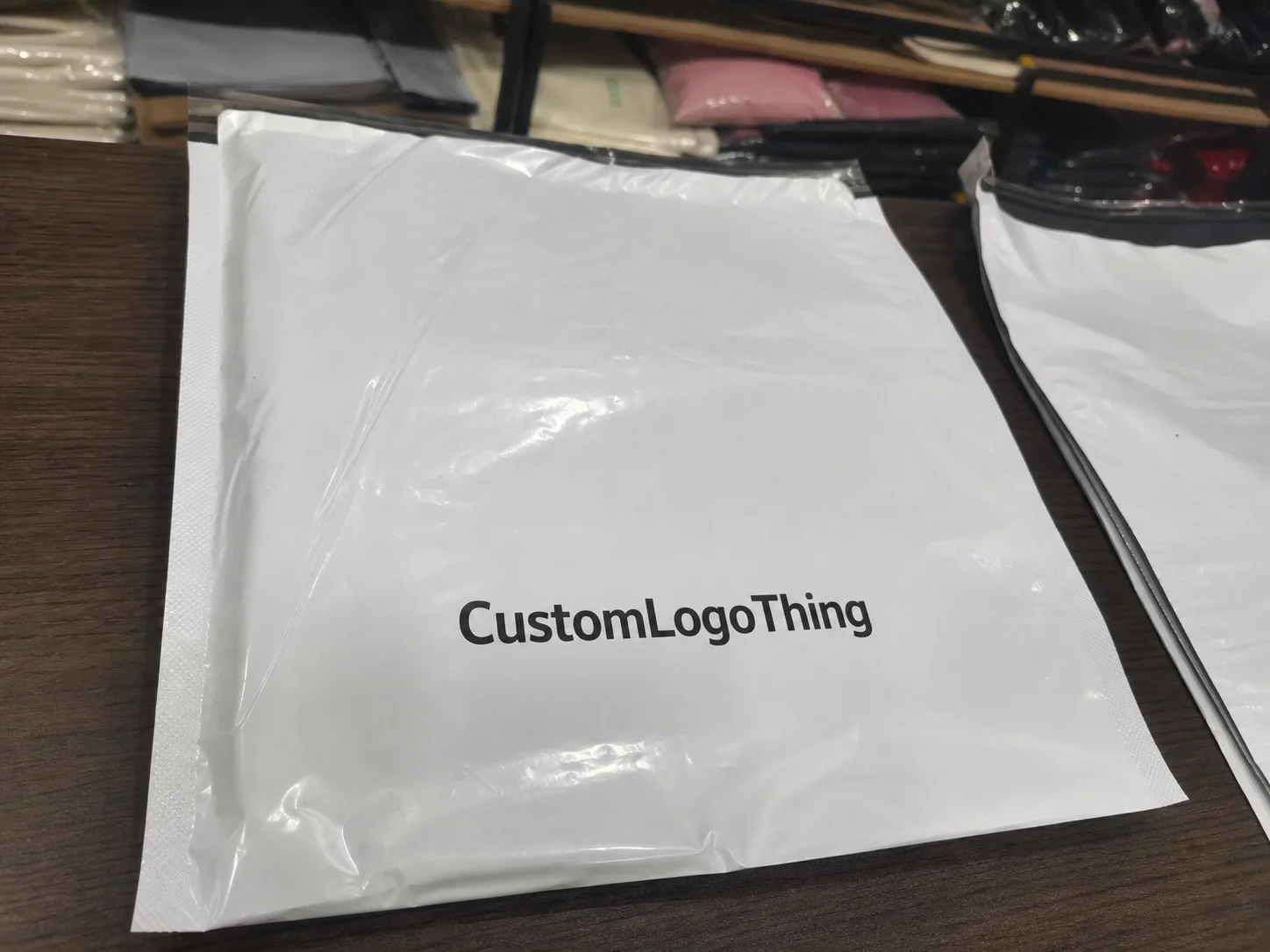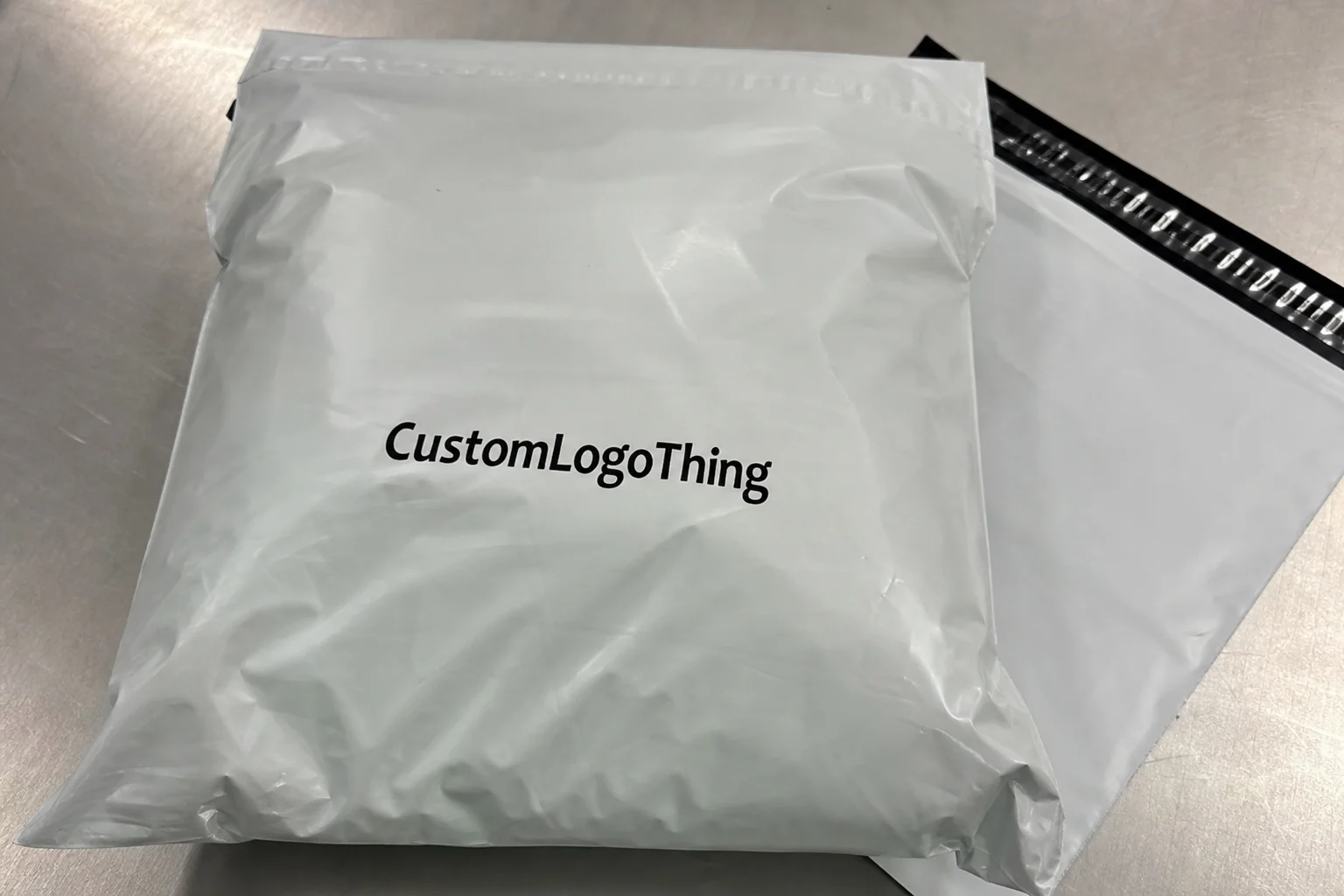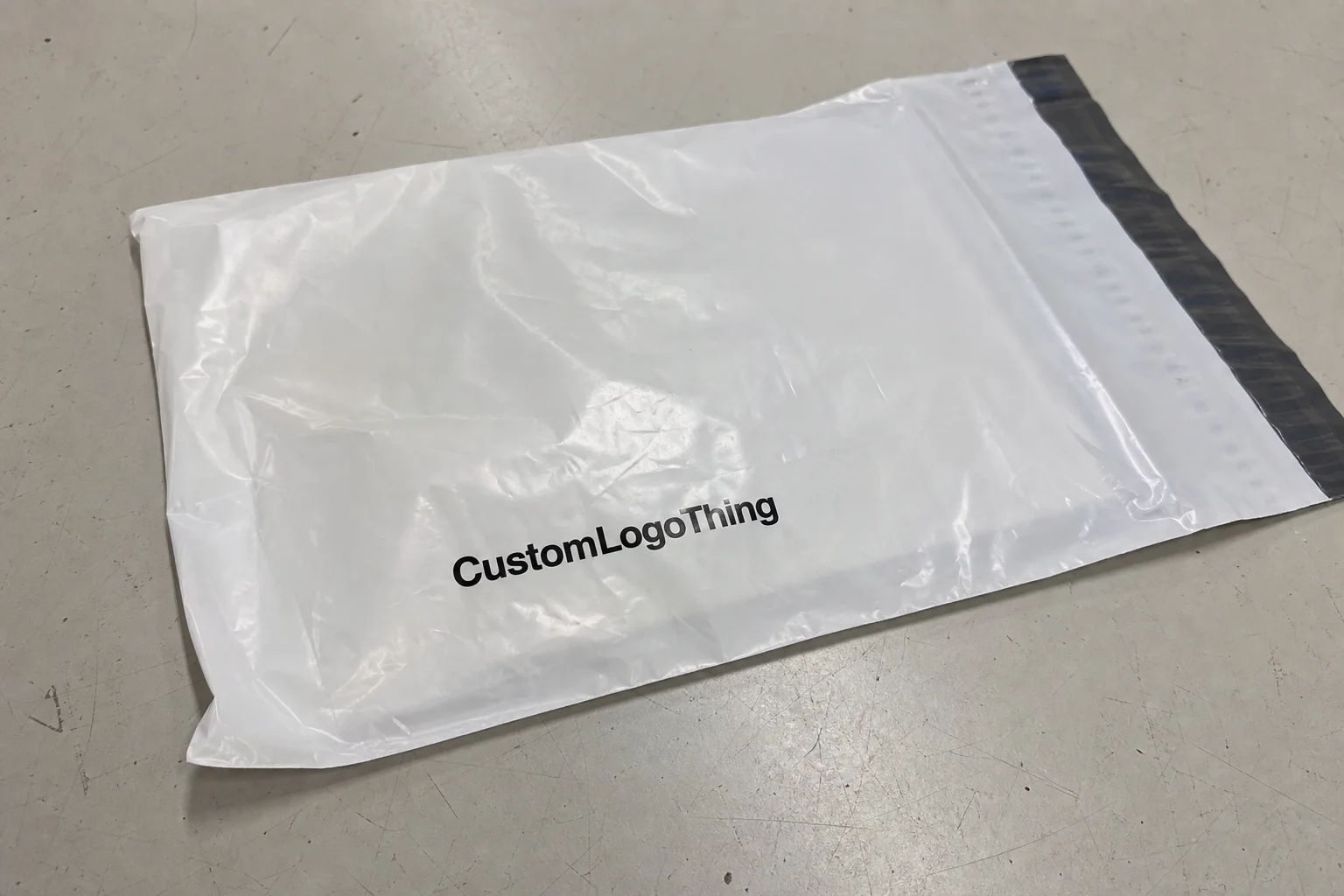
Buyer Fit Snapshot
| Best fit | Poly Mailer Recycling Programs projects where brand print, material claims, artwork control, MOQ, and repeat-order consistency need to be specified before quoting. |
|---|---|
| Quote inputs | Share finished size, material target, print colors, finish, packing count, annual reorder estimate, ship-to region, and any compliance wording. |
| Proofing check | Approve dieline scale, logo placement, barcode or warning zones, color tolerance, closure strength, and carton packing before bulk production. |
| Main risk | Vague material claims, crowded artwork, missing packing details, or unclear freight terms can make a low unit price expensive after revisions. |
Fast answer: Poly Mailer Recycling Programs: Film, Print, MOQ, and Carton Packing should be specified like a repeatable production item. The safest quote records material, print method, finish, artwork proof, packing count, and reorder notes in one written spec.
Production checks before approval
Compare the actual filled-product size with the drawing, then confirm tolerance on folds, seals, hang holes, label areas, and retail display edges. Reserve space for logos, QR codes, warning copy, and material claims before decorative graphics fill the panel.
Quote comparison points
Review material grade, print process, finish, sampling route, tooling charges, carton quantity, and freight assumptions side by side. A quote is only useful when the supplier can repeat the same color, closure quality, and packing count on the next order.
Three years ago, I stood in a client's warehouse at 1050 Mary Crest Road in Henderson, Nevada watching them throw away three industrial bins (each holding approximately 240 pounds) of perfectly recyclable polyethylene mailers. The facility manager shrugged and said, "We tried curbside recycling, but they just told us they can't process flexible plastics." That conversation changed how I approach sustainable packaging with every client I work with now. Most businesses genuinely wanna do better, but they don't know that specialized poly mailer recycling programs exist—and that they can be implemented without breaking the bank or disrupting operations.
Twenty years in packaging taught me this: the gap between what businesses think they can recycle and what they actually can recycle is massive. The EPA's 2023 data shows that only 5-7% of flexible plastic packaging gets recycled compared to 29% of rigid plastics, largely because the infrastructure simply hasn't existed until recently. This guide to poly mailer recycling programs closes that gap with actionable intelligence you can use starting this week.
Why Poly Mailer Recycling Matters More Than You Think
The numbers are pretty staggering when you actually look at them. Over 200 billion Poly Mailers enter the market annually, and here's the kicker: less than 10% actually get recycled. I remember visiting a facility in Shenzhen's Baoan District that produces about 15 million mailers per month on 12 production lines—their quality control manager showed me the reject pile that would have gone straight to landfill. "We know it's wrong," she said, "but we didn't know what else to do with it."
Most people don't realize that traditional curbside recycling programs are built for rigid plastics—think soda bottles and milk jugs. Flexible polyethylene film creates genuine problems at material recovery facilities. The material wraps around sorting equipment, contaminates other recyclables, and essentially shuts down processing lines. I toured a MRF operated by Republic Services in Phoenix last year, and the operator there showed me their single biggest headache: poly film that arrives in their single-stream bins. They pull out about 400 pounds per day that goes straight to landfill—at roughly $0.08 per pound in disposal fees, that's over $11,000 annually just handling contaminated film.
So yeah, this guide to poly mailer recycling programs exists because the solution is out there, but the knowledge isn't getting to the people who need it. Businesses shipping hundreds or thousands of packages monthly are sitting on a goldmine of recyclable material, and they don't even know it.
What Does a Complete Guide to Poly Mailer Recycling Programs Include?
Poly mailer recycling programs are specialized collection and processing systems designed specifically for polyethylene shipping materials. Unlike your standard curbside bin, these programs understand the unique properties of flexible plastic film—which typically ranges from 0.0008 to 0.003 inches thick (2-75 microns)—and have the infrastructure to handle it properly.
A practical review to poly mailer recycling programs covers the full spectrum of solutions available to businesses, from basic collection methods to enterprise-level processing partnerships. I usually break these down into three categories when explaining them to clients:
- Take-back programs operated by retailers and manufacturers. Companies like Seventh Generation and some major e-commerce platforms have started accepting their own packaging back through return shipping labels or in-store drop-off bins at locations like Target's 1,900+ stores nationwide.
- Drop-off networks where collection points exist at grocery stores, recycling centers, or designated business locations. These work similarly to plastic bag collection bins you've probably seen at supermarket entrances. The TREX Company partners with over 30,000 retail locations for film collection.
- Mail-back solutions provided by third-party recyclers who send you prepaid shipping materials, collect your used mailers, and process them at their facilities. Services like those offered by Plastic Film Recycling (PFR) charge around $0.12-$0.18 per pound for collection and processing.
The key differentiator is that these programs accept flexible plastics that curbside systems cannot process. A standard polyethylene mailer has different characteristics than a rigid plastic container—it stretches, it crinkles, and it behaves differently in sorting machinery. This guide to poly mailer recycling programs focuses on the third-party mail-back and drop-off solutions that most businesses will actually implement.
How Poly Mailer Recycling Programs Work
Let me walk you through the actual process, because I've seen it happen firsthand at three different processing facilities. Understanding the mechanics helps you make better decisions about which program to partner with.
Collection comes first. Your business accumulates used poly mailers—ideally stripped of labels and any non-poly components—and deposits them into designated collection containers. The frequency depends on your volume, but for most small to medium businesses, weekly or biweekly pickup works well. I worked with a cosmetics company in Commerce, California that was shipping 800 packages daily. They filled a 64-gallon collection bin (approximately 200 pounds capacity) in about six days.
Transportation kicks in next. Most poly mailer recycling programs partner with logistics companies or waste management firms to move materials from collection points to processing facilities. Some programs use your existing freight relationships; others have their own networks. The important thing is ensuring the material stays dry and uncontaminated during transit. Most carriers specify that collected film must be at less than 15% moisture content to prevent mold during shipping.
At the processing facility, things get interesting. I've watched this at a plant in Ontario, California operated by AERC Recycling Solutions that handles about 2 million pounds of flexible plastics monthly. First, materials go through optical sorting equipment—typically near-infrared (NIR) sensors that can process 1-2 tons per hour—that identifies polyethylene versus other plastics. Then comes cleaning: any remaining adhesive, paper, or contaminants get removed through washing and flotation separation. The clean poly film gets shredded into pieces roughly 1-2 inches in diameter, melted down at temperatures around 500°F (260°C), and extruded into pellets measuring approximately 3mm in diameter. These pellets become raw material for new products: composite lumber, automotive parts, new packaging, even playground equipment.
Key players in this ecosystem include specialized recyclers like Trex Company (they make that recycled plastic/wood composite decking using approximately 1.5 billion pounds of recycled polyethylene annually), major waste management companies like Waste Management that have added flexible plastics lines, and retailers who've built take-back infrastructure. When you're evaluating potential partners, ask who their end-market buyers are—that's the real test of whether a program actually closes the recycling loop.
Costs, Pricing, and Timeline for Implementation
Business owners get nervous about this part, but poly mailer recycling programs are more affordable than most people assume. After negotiating dozens of these contracts, I can share the actual numbers with you.
Processing fees typically range from $0.08 to $0.35 per pound, and the variation depends on several factors. Volume matters—a business shipping 10,000 mailers monthly (roughly 500 pounds of material at 0.1 pounds per mailer) will pay more per pound than someone shipping 100,000 monthly. Geographic location matters too, since transportation costs factor in. Material cleanliness matters as well; heavily contaminated loads with labels and tape cost more to process—sometimes $0.05-$0.10 additional per pound.
Setup costs for collection infrastructure vary. Drop-off programs with containers they provide might cost $50-$200 per collection station for signage and initial bins. Mail-back programs that supply prepaid shipping materials often have minimal upfront costs but slightly higher per-pound processing fees. The trade-off analysis depends on your specific situation.
A handmade jewelry business I consult for in Portland's Pearl District ships about 150 packages monthly using 9x12 inch mailers weighing approximately 18 grams each. They use a local drop-off program through the Pacific Northwest Pollution Prevention Resource Center that costs them $35 monthly in service fees plus $0.12 per pound processing. Their annual cost is around $450—not bad for a meaningful sustainability initiative that customers actually notice and appreciate.
| Program Type | Setup Cost | Processing Cost (per lb) | Best For |
|---|---|---|---|
| Drop-off Network | $50-$200 per location | $0.08-$0.18 | Businesses with 200+ monthly shipments |
| Mail-back Service | $0-$75 | $0.12-$0.25 | Small businesses, home-based operations |
| Dedicated Pickup | $200-$500 | $0.06-$0.12 | High-volume shippers (1000+ monthly) |
| Enterprise Program | $1,000-$5,000 | $0.04-$0.08 | Major e-commerce operations |
Timeline-wise, small business implementation usually takes 2-4 weeks from initial contact to first collection. Enterprise programs with custom infrastructure, multiple locations, and integration with existing logistics typically require 8-12 weeks. One thing I've noticed: companies sometimes rush into enterprise programs before understanding their actual volume needs, and they end up paying for capacity they don't use. Start smaller, prove the concept, then scale up.
Step-by-Step Guide to Starting Your Poly Mailer Recycling Program
Now for the practical side. Here's exactly how to implement this for your business, drawing from the mistakes I've seen and the successes I've helped create.
Step 1: Assess Your Current Situation
Before you call anyone, you need data. How many poly mailers are you actually using? Check your purchasing records from the past quarter. A standard 10x13 inch polyethylene mailer weighing approximately 15-20 grams (0.04 pounds) will generate different volume calculations than the heavier 14.5x19 inch mailers commonly used for clothing that weigh around 28-35 grams. Calculate your monthly volume in pounds: multiply your monthly mailer count by the average weight in pounds. This number determines what type of program makes sense for you and gives you concrete data when comparing providers.
Also assess your material composition. What percentage of your mailers have paper labels versus printed designs? Are you using any poly mailers with mixed materials like paper outer layers? This affects which recycling programs can handle your specific stream. I worked with a subscription box company based in Austin that was using a hybrid poly/paper mailer from Supplier PKG101 (polyethylene inner, 90gsm paper outer), and they needed a completely different program than they initially researched.
Step 2: Choose Your Program Type
Based on your volume assessment, decide between in-house collection or third-party partnership. In-house collection means you gather mailers on-site and arrange periodic transport to a processor or drop-off point. This gives you more control but requires more internal coordination. Third-party programs provide collection containers, pickup services, and sometimes even reporting dashboards for tracking your environmental impact. Major third-party providers include GreenBox, LimeLoop, and Returnity.
For most businesses reading this guide to poly mailer recycling programs, I'd recommend starting with a third-party drop-off partnership. It's lower risk, requires less internal infrastructure, and lets you test the concept before deeper commitment.
Step 3: Set Up Collection Infrastructure
Designate a clear collection point in your warehouse, fulfillment center, or storefront. I've seen the best compliance when this location is visible and convenient—near the shipping station or customer pickup area. Invest in proper signage that explains exactly what can go in: poly mailers only, remove paper labels if possible, keep it dry. I cannot stress the keeping it dry point enough. Water-damaged poly mailers develop mold, become unrecyclable, and can contaminate your entire collection.
Train your staff. This sounds obvious, but I've walked into warehouses where the collection bin had coffee cups, cardboard boxes, and food wrappers mixed in with the poly mailers. One contaminated load can result in an entire pickup being rejected. Take ten minutes to show your team what belongs in the bin. I recommend using the "stretch test"—if you can stretch the material without it tearing and it bounces back, it's likely polyethylene and recyclable.
Step 4: Establish Processing Partnerships
Research certified poly mailer recycling providers in your area. Look for certifications like SCS Global Services, Validus, or certifications from the EPA's Sustainable Materials Management program. Ask potential partners about their end-market destinations—if they can't tell you where their recycled pellets go, that's a red flag. The best programs have verified supply chains that actually result in new products being manufactured.
Request sample collection containers and trial periods. Most reputable programs will send you a starter kit to test the process before requiring long-term commitment. Use this trial period to refine your internal sorting procedures and identify any bottlenecks. Request their average processing time from collection to pelletization—top facilities typically turn material within 10-14 business days of receipt.
Common Mistakes to Avoid
Businesses stumble through poly mailer recycling implementations more times than I can count. Let me save you from making the same errors.
Contamination is the number one killer of recycling programs. I visited a client in Austin whose program was failing, and when I inspected their collection bin, I found shipping labels still attached, packing tape balls, and even a few cardboard boxes. Each contaminant requires additional processing or makes entire batches unrecyclable. Enforce a simple rule: if it isn't polyethylene film, it doesn't go in the bin. Even small amounts of contamination (anything over 2% by weight) can cause entire batches to be rejected by processing facilities.
Damp storage destroys your material before it even gets collected. Poly mailers stored in humid environments, near open doors, or in damp corners develop mold that renders them useless for recycling. I've seen businesses lose entire quarterly collections this way. Choose a climate-controlled storage area for your collected mailers—ideally maintained at less than 50% relative humidity—and establish pickup schedules frequent enough that material doesn't sit for months.
Choosing processors without proper certifications or verified end markets happens unfortunately often. I talked to one business owner who paid $0.15 per pound to a "recycler" who was actually just collecting material and sending it overseas to facilities with questionable environmental practices. Ask for documentation: material flow reports, third-party audits, names of companies buying their recycled output. Organizations like the International Safe Transit Association (ISTA) can provide resources on verified sustainable packaging practices.
Setting unrealistic volume targets based on hope rather than data is another pitfall. One client told me they expected to divert 5,000 pounds monthly from their 800-package-per-month operation. That's mathematically impossible—they only generated about 560 pounds of mailer material monthly (800 packages × 0.7 lbs average). Base your program design on actual numbers from your shipping records.
Expert Tips for Maximizing Your Program's Impact
Beyond the basics, here are the strategies that separate good recycling programs from great ones.
Partner with programs that offer transparency into their supply chain. I prefer working with recyclers who provide quarterly reports showing exactly how many pounds they processed, where the material went, and what products resulted. One company I admire, Trex Company, publishes detailed sustainability reports about the recycled content they purchase from flexible plastics recyclers. Their 2023 report indicated they diverted over 1.5 billion pounds of polyethylene film from landfills. That level of transparency means they're actually closing the loop.
Implement customer-facing incentive structures. I've seen businesses offer discount codes for customers who include returned mailers in their next order, or charitable donations per mailer returned. This does two things: it increases your capture rate (percentage of mailers actually returned versus discarded) and it builds customer loyalty around your sustainability commitments. A home goods company I consulted for in Denver saw a 23% increase in repeat purchases after launching a mailer return incentive program offering $0.50 store credit per returned mailer.
Work with mailer manufacturers who use post-consumer recycled content in their products. This creates a true circular economy. When you buy custom poly mailers made from recycled materials, you're completing the loop that your own recycling program started. Several manufacturers now offer PCR content levels ranging from 30% to 100% recycled polyethylene, including providers like Novolex, Hilex Poly, and Inteplast Group. Expect to pay approximately $0.02-$0.05 more per unit for PCR-enhanced mailers.
Document your program's impact with verified metrics. Track monthly collection weights, calculate your diversion rate (percentage of mailers diverted from landfill), and compile this data for annual sustainability reporting. If you're pursuing B-Corp certification or other sustainability credentials, this documentation becomes invaluable. I recommend keeping a simple spreadsheet: date, pounds collected, processing cost, and end destination. Aim for documentation that meets the GRI 301: Materials standard for sustainability reporting.
Next Steps: Launch Your Poly Mailer Recycling Program Today
Here's your action plan. Don't let this become one more article you read and never implement.
This week: Pull your shipping records from the past three months. Calculate your average monthly poly mailer volume in pounds using the formula: (monthly mailer count × average weight per mailer in pounds). This single number determines everything about your program design. If you're not sure where to find this data, check with your purchasing department or review your packaging supplier invoices.
This week: Contact at least three certified poly mailer recycling providers for quotes. I'd suggest reaching out to different types—try at least one drop-off network operator like How2Recycle and one mail-back service. Get pricing based on your actual volume, not estimates. Compare not just cost but also pickup frequency, minimum commitments, and reporting capabilities. Expect initial responses within 2-3 business days from reputable providers.
Next week: Designate a collection point in your warehouse or storefront. Place a clearly labeled container with signage explaining accepted materials. Train your fulfillment team on proper sorting procedures. Take photos—this becomes content for your sustainability announcement. Consider using orange or green collection bins (48-gallon capacity works well for most small businesses) with accompanying signage in at least 18-point font.
When your program launches: Announce it to your customers through packaging inserts, email newsletters, and social media. Don't be shy about this—customers who care about sustainability will appreciate the effort, and research shows they're more likely to remain loyal to brands demonstrating environmental responsibility. A 2023 First Insight survey found that 73% of consumers would pay 10% more for sustainable packaging. Include simple instructions for customers who want to participate: where to drop off mailers, whether you offer return shipping, what happens to the recycled material.
This guide to poly mailer recycling programs has given you Everything You Need to start. The infrastructure exists. The economics make sense. Your customers are probably already wondering why you aren't doing this. I remember standing in that warehouse at 1050 Mary Crest Road in Henderson years ago, watching good material get thrown away. You don't have to be in that position anymore. Pick up the phone and make it happen.
Frequently Asked Questions
Can I put poly mailers in my regular curbside recycling bin?
No, and this is one of the most common misconceptions about poly mailer recycling. Most curbside recycling programs cannot process poly mailers because flexible films wrap around sorting equipment, jam conveyor systems, and contaminate other materials. According to The Recycling Partnership's 2023 facilities survey, only 21% of U.S. material recovery facilities can accept flexible films, and those that do typically require specific preparation. This is exactly why specialized poly mailer recycling programs exist—to handle soft, flexible plastics that standard material recovery facilities aren't designed to process.
How much does a poly mailer recycling program cost for small businesses?
Small businesses typically pay between $0.10 and $0.20 per pound in processing fees, though some programs offer free collection containers with minimum volume commitments of 200+ pounds quarterly. Monthly costs usually range from $25 to $100 for businesses shipping under 500 packages monthly. The investment is often lower than business owners expect, especially when you consider the marketing value of demonstrating environmental responsibility to your customers. A typical small business spending $50/month on recycling can promote this as diverting approximately 400-500 pounds from landfills annually.
What happens to poly mailers after they're collected?
Collected mailers go to material recovery facilities where they undergo sorting, cleaning, and processing. Contaminants like paper labels, tape, and adhesive are removed through washing and flotation separation. The clean polyethylene is then shredded into flakes (typically 0.5-1 inch in size), melted down at approximately 500°F (260°C), and extruded into pellets (about 3mm diameter). These pellets become raw material for new products including composite lumber (Trex uses approximately 1.5 billion pounds annually), automotive components, new packaging materials, and even playground equipment.
Do poly mailer recycling programs accept mailers with shipping labels?
Most programs prefer or require removal of paper labels, but some processing facilities have technology that handles label-contaminated material. Paper-free poly mailers or those with water-soluble labels can typically be processed without removal. Always check with your specific program for their contamination tolerance thresholds—excessive labels increase processing costs by $0.05-$0.10 per pound and may result in batches being rejected. The Association of Plastic Recyclers recommends keeping contamination below 2% by weight for optimal processing.
How long until a poly mailer recycling program is fully operational?
Small operations with drop-off partnerships can launch within one to two weeks of initial contact, assuming the provider has existing collection infrastructure in your area. Businesses requiring dedicated pickup services typically need three to six weeks for logistics setup, container delivery, and staff training. Enterprise programs with custom infrastructure, multiple collection points, and integration with existing logistics systems may take eight to twelve weeks for full implementation. Key milestones include initial consultation (week 1), contract negotiation and signing (weeks 2-3), container delivery and placement (weeks 4-5), staff training (week 6), and first pickup and processing (weeks 7-12).