Buyer Fit Snapshot
| Best fit | Poly Mailer Wholesale Supplier Comparison projects where brand print, material claims, artwork control, MOQ, and repeat-order consistency need to be specified before quoting. |
|---|---|
| Quote inputs | Share finished size, material target, print colors, finish, packing count, annual reorder estimate, ship-to region, and any compliance wording. |
| Proofing check | Approve dieline scale, logo placement, barcode or warning zones, color tolerance, closure strength, and carton packing before bulk production. |
| Main risk | Vague material claims, crowded artwork, missing packing details, or unclear freight terms can make a low unit price expensive after revisions. |
Fast answer: Poly Mailer Wholesale Supplier Comparison: Film, Print, MOQ, and Carton Packing should be specified like a repeatable production item. The safest quote records material, print method, finish, artwork proof, packing count, and reorder notes in one written spec.
Production checks before approval
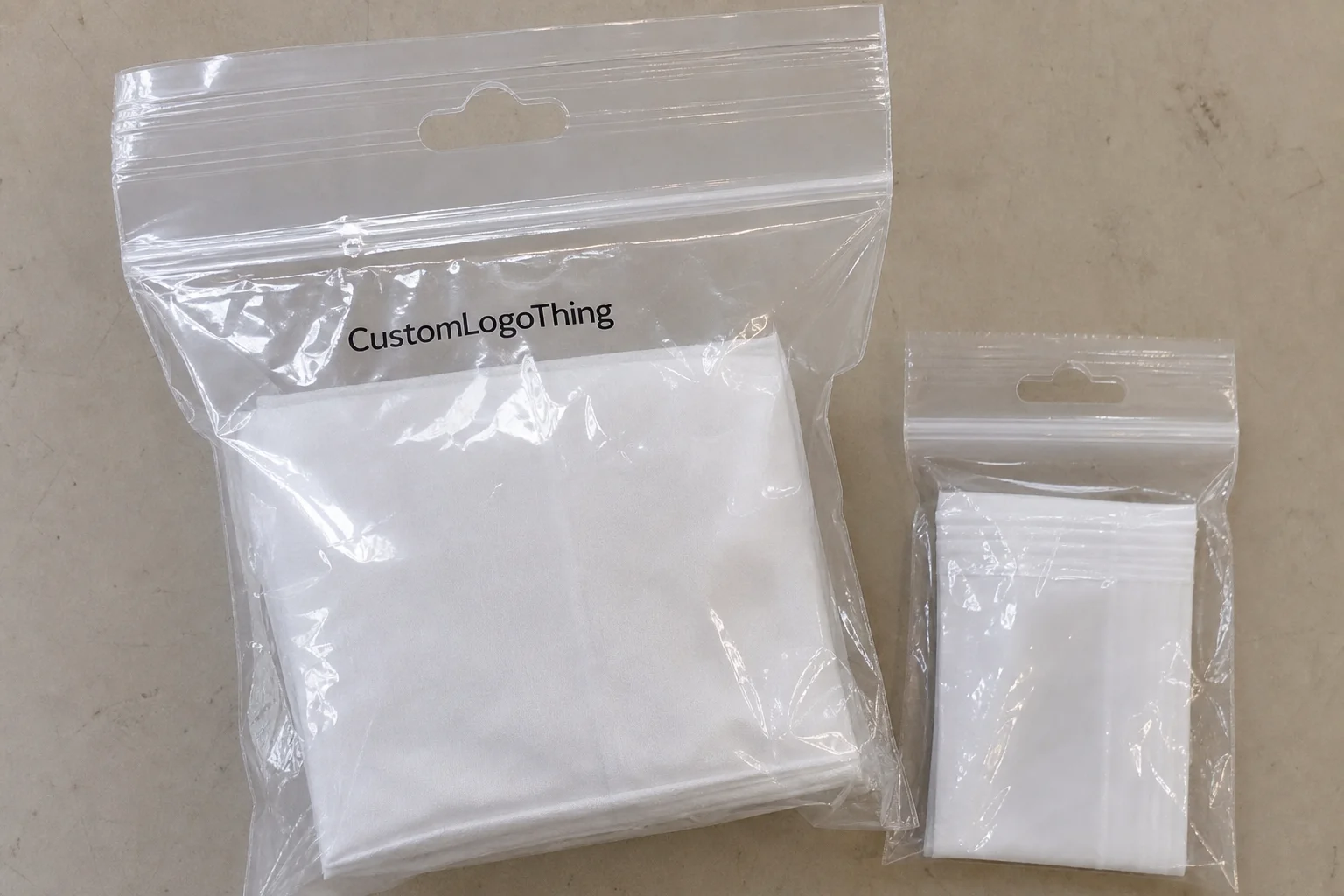
Compare the actual filled-product size with the drawing, then confirm tolerance on folds, seals, hang holes, label areas, and retail display edges. Reserve space for logos, QR codes, warning copy, and material claims before decorative graphics fill the panel.
Quote comparison points
Review material grade, print process, finish, sampling route, tooling charges, carton quantity, and freight assumptions side by side. A quote is only useful when the supplier can repeat the same color, closure quality, and packing count on the next order.
Poly Mailer Wholesale supplier comparison: buy smarter starts with a number that looks harmless until it gets near a real order. A $0.02 difference per mailer turns into a $1,000 swing on a 50,000-unit run, and I have seen that exact math play out on a Tuesday in a warehouse office outside Los Angeles. Three quotes sat on the desk, one from Yiwu, one from Dongguan, and one from a U.S. distributor in New Jersey. The buyer kept saying, "These are basically the same." They were not. One quote was cheap on paper and expensive after a $210 setup fee, a $95 sample charge, and a freight bill from Shenzhen that showed up three days late. The other looked higher until the real costs landed.
That is why I keep pushing buyers to compare total landed cost, not just the sticker price. A supplier quoting $0.11 per mailer on EXW terms can end up costing more than a supplier at $0.13 delivered, especially after carton packs, customs handling, pallet wrap, and the labor cost of fixing split seams or a crooked logo. A poly mailer wholesale supplier comparison is not a hunt for the lowest line item. It is a hunt for the best number after every real cost is counted. In one case I reviewed last quarter, a quote from Ningbo looked 18% cheaper until destination handling and inland trucking added $460 to the order. The math changed fast. So did the mood in the room.
I have seen suppliers that look almost identical on paper behave nothing alike in production. One runs 2.8 mil film with a clean seal, a 15 mm adhesive strip, and stable print registration across 12,000 pieces. Another trims a fraction of a cent by thinning the film to 2.3 mil, then sends out bags that split at the corner after 800 miles of parcel abuse through hubs in Phoenix and Dallas. I once toured a factory in Shenzhen where the difference was visible in how the bags draped off the table. One looked crisp. The other looked tired before it even left the building. That difference does not show up in the first quote. It shows up in chargebacks, returns, and a support team answering the same angry email all week.
What Does a Poly Mailer Wholesale Supplier Comparison Reveal?
A real poly mailer wholesale supplier comparison shows how much of a quote is actual product value and how much is packaging theatre. I have sat in client meetings in Chicago and Atlanta where everyone fixated on a $0.02 unit gap, only to discover the cheaper supplier had a $180 plate charge, a $75 sample fee, and a freight quote that forgot destination handling in Long Beach. Once we fixed the math, the supposed bargain turned into the more expensive option by 14%. That was a fun meeting in the same way a root canal is a fun afternoon.
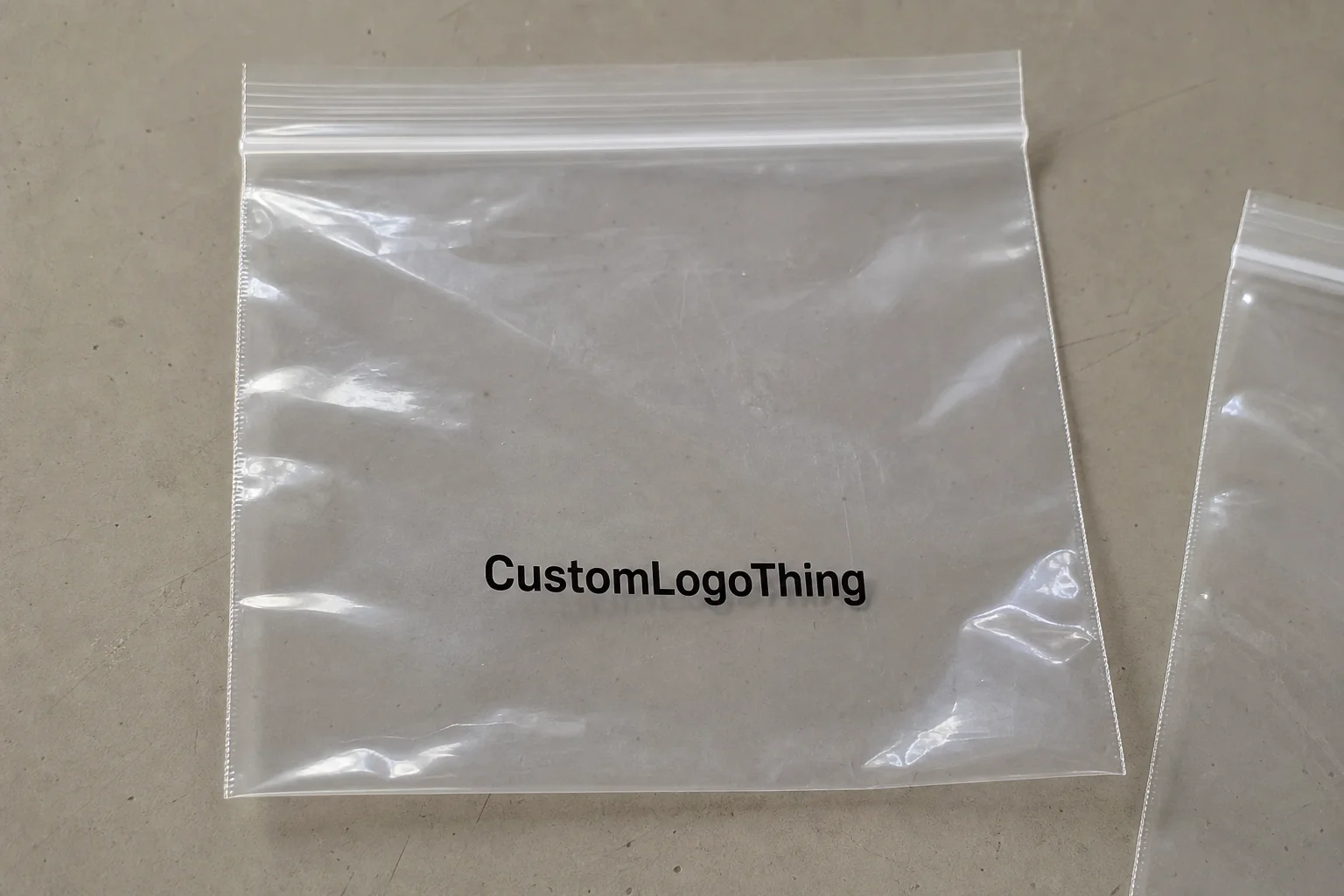
The first thing to compare is not the printed logo. It is the structure under the logo. A 2.5 mil LDPE mailer behaves differently from a 3.2 mil co-extruded mailer, even if both are labeled "durable." Seal reliability, film memory, scuff resistance, and tear propagation all change how the bag performs on a conveyor, in a bin, and in the back of a van at 6 p.m. Last quarter, I walked a packing line in Shenzhen and watched the line manager show me why a 15 mm seal width held up under compression testing while a 10 mm seal failed at the corners after repeated folding. He was grinning like he had just settled a score. That kind of detail is not glamorous. It saves money on the second order and the third.
Transit risk belongs in the comparison too. A mailer that looks perfect on a sample sheet can still arrive with rubbed corners, weak adhesive, or print that loses contrast under stack pressure. In the field, I have seen the difference between a true 3-layer structure and a softer recycled blend show up as a 3.5% damage rate versus a 0.8% damage rate on the same shipping lane from Los Angeles to Denver. Those numbers matter when every replacement shipment means another label, another labor touch, and another customer-service ticket. And yes, the customer always notices the bad one first, usually before your team has finished the coffee.
"We thought we were saving $600 a month on mailers until the return rate told a different story. The cheaper bag was costing us more in replacements than we were saving in purchase price." That was the line a fulfillment director gave me after their second supplier switch in Dallas, and it still sums up the poly mailer wholesale supplier comparison better than most sales decks do.
The practical split is simple: product spec, production quality, and logistics terms. If one supplier cannot explain all three in the same quote, the comparison is incomplete. Too many teams compare logos instead of mailers, and that is how procurement gets ambushed by hidden costs that were sitting there from the start. I have watched otherwise smart teams get hypnotized by a glossy mockup and then act shocked when the bags behave like wet noodles in the warehouse. The package is not the presentation. It is the thing doing the work on 8,000 shipments a week.
- Product spec: film thickness, width, length, seal type, and print coverage.
- Production quality: registration, color consistency, adhesive strength, and seam integrity.
- Logistics terms: FOB, EXW, delivered pricing, carton count, and transit method.
If you want a benchmark for durability language, the ISTA transit testing standards are a useful reference, especially for parcel simulation and drop-risk conversations. If sustainability claims are part of the conversation, the Forest Stewardship Council beats a vague "eco-friendly" label with no documentation attached. Buyers love buzzwords right up until an audit in Boston asks for proof, a lot number, and a certification file with a date on it.
Poly Mailer Product Details That Change the Buying Decision
The right mailer depends on what is going inside it. A poly mailer wholesale supplier comparison for folded T-shirts should not look anything like one for heavy outerwear, subscription boxes, or small accessories. I have seen apparel brands over-spec a bag, paying for extra film and freight they did not need on a 2,000-piece launch, while a jewelry client under-specified and ended up with cracked seams after only a few hundred shipments. Same mistake. Different flavor. Both expensive, and both avoidable with one sample round in advance.
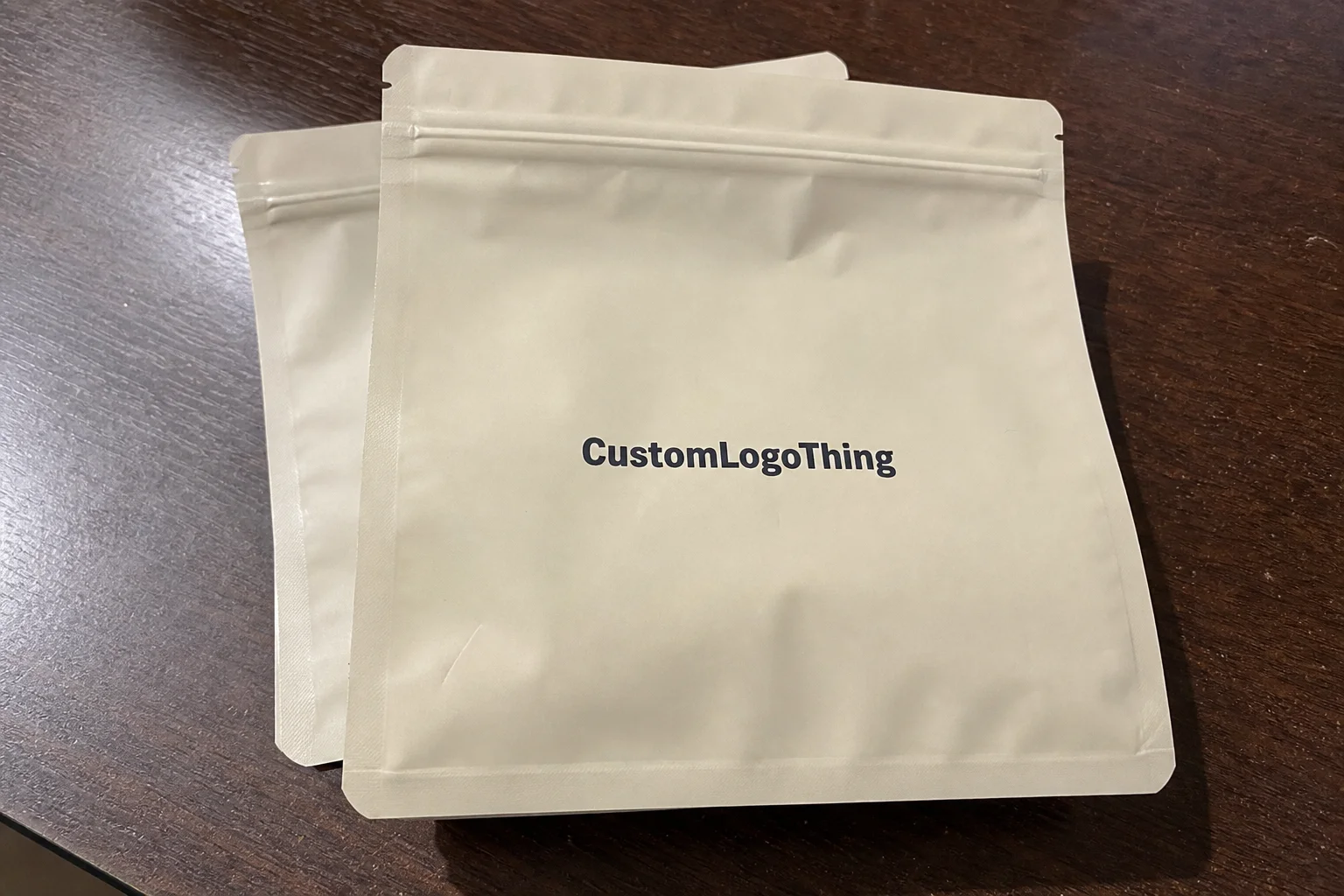
Standard shipping mailers still do most of the work in e-commerce. They are light, opaque, and cheap to move, which makes them a solid fit for apparel, soft goods, and flat accessories. Branded mailers add print coverage and a better unboxing moment. Recycled-content mailers support sustainability messaging, although the exact blend matters because recycled film does not all feel or perform the same. Higher-clarity or smoother-feel mailers tend to show up in retail presentation, where the bag has to look clean before it gets opened in front of a customer or a retail buyer in Austin.
The closure system changes the user experience more than most buyers expect. A peel-and-seal strip with a 20 mm adhesive line cuts down on returns caused by accidental opening. A tamper-evident design adds confidence for apparel, cosmetics, and subscription shipments. Reinforced seams reduce split packages, which I have seen happen most often on overloaded bags with sharp corners or awkward shapes. One client in Chicago was shipping knitwear in a 2.4 mil bag and kept seeing split bottoms until we moved them to a 3 mil side-gusset style with a 12 mm seal. The damage rate dropped from 2.1% to under 0.5% in the next test run. That is the kind of result that makes a spreadsheet shut up.
Presentation matters too, even when procurement people pretend it does not. A bag that fits the product closely reduces void space, improves dimensional weight efficiency, and makes the parcel feel intentional instead of improvised. That matters for apparel, subscription shipments, and promotional mailers where the customer touches the bag before they ever see the item. A tighter fit can also cut down on void-fill materials, which saves a few seconds per order at the packing bench. Multiply that by 10,000 orders in a month and the labor savings stop being theoretical and start showing up in payroll.
I usually map product types to business use cases in a poly mailer wholesale supplier comparison like this:
- Standard opaque mailers: Best for e-commerce apparel, basic fulfillment, and low-cost bulk shipping.
- Branded printed mailers: Best for fashion, direct-to-consumer launches, and campaigns where the outer package is part of the brand.
- Recycled-content mailers: Best for brands with documented sustainability goals or retailer scorecards.
- Higher-clarity presentation mailers: Best for retail-ready packing, sample shipments, and premium accessories.
Honestly, many buyers get hypnotized by the mockup and forget the mechanics. A clean logo helps, sure. If the adhesive fails in cold weather or the seam bursts at the corner, the customer remembers the failure, not the print. I have seen people argue for ten minutes over shade matching and then shrug at seal width, which is backwards in the most expensive way possible. That is why product style and package engineering belong in the same conversation. Separate them, and the comparison gets lazy fast.
Poly Mailer Wholesale Supplier Comparison: Specifications to Check
The quickest way to make a poly mailer wholesale supplier comparison actually useful is to force every supplier to quote against the same spec sheet. I ask for thickness, size tolerance, material blend, print method, adhesive strength, and opacity before I even look at price. If one supplier writes "2.5 mil" and another writes "about 60 microns," I stop the comparison and ask for a proper conversion, because fuzzy units hide a lot of risk. Fuzzy specs are where bad surprises hide. Suppliers know this. Some buyers forget it anyway.
Thickness is only one part of the picture. Virgin LDPE usually gives a cleaner hand feel and more consistent film behavior, while recycled-content blends can bring variation in texture and opacity. Co-extruded structures add another layer of control, which can help with puncture resistance and print appearance. None of those options is automatically best. A fashion brand shipping lightweight tops may prefer a softer virgin film, while a warehouse in Indianapolis shipping mixed SKUs may want a more abrasion-resistant blend. The poly mailer wholesale supplier comparison only means something when the material fits the product.
Operational specs protect margin too. I want seal burst strength, dart impact resistance, slip performance, and print adhesion under shipping stress. Those are the details that separate a mailer that survives 1,000 miles from one that starts failing in the first outbound sort. On a recent sample review, one supplier had glossy print that looked great on day one. After abrasion testing, the white text lost 18% contrast. That is not cosmetic. That is branding damage. It is also the sort of thing that makes a rep say, "Well, it looked fine in the proof," which is exactly why the proof is not the whole story.
Size tolerance is another quiet trap. If the bag is 5 mm short on width or 8 mm short on length, the product fit changes enough to affect filling speed and seal quality. I have seen buyers order 500 x 450 mm mailers for folded hoodies, only to discover the actual usable interior was too tight once the adhesive flap and seam allowance were subtracted. That mismatch creates congestion on the packing line, and congestion costs more than teams like to admit. A line that should move like a metronome starts moving like a traffic jam on Route 95 at 5:30 p.m.
A clean poly mailer wholesale supplier comparison should ask for sample packs, spec sheets, and a clear description of the testing method. I use this list most often:
- Thickness: confirm in mil or microns, with a stated tolerance.
- Dimensions: ask for nominal size and usable interior size.
- Material blend: virgin LDPE, recycled blend, or co-extruded structure.
- Print process: flexographic, gravure, or digital, with color limits.
- Adhesive: single-strip or double-strip, plus cold-weather behavior.
- Opacity: verify whether contents are fully concealed under bright light.
If the supplier can document how those specs are measured, the comparison gets sharper. If they cannot, I assume the quote is built for speed, not consistency. That is a red flag in any poly mailer wholesale supplier comparison, and it gets bigger once the order volume climbs above 20,000 pieces. I would rather see one extra page of plain English than five pages of vague confidence. Confidence is nice. Evidence is better.
For buyers who care about sustainability claims, the Forest Stewardship Council remains one of the clearest references for paper-based components, inserts, and certification language. Even when the poly mailer itself is plastic, the documents around the order should be clean, because retailer audits in Toronto or Munich rarely forgive sloppy labeling or claims that cannot be backed up with dates, lot numbers, and certificates.
Poly Mailer Wholesale Supplier Comparison: Pricing, MOQ, and Freight
Pricing in a poly mailer wholesale supplier comparison is rarely just unit price. A quote usually includes the bag cost, setup or plate charges, sample fees, freight, and sometimes customs-related costs depending on the route. I once reviewed a batch of quotes where the headline number was $0.12 per unit, but the supplier added a $240 setup fee, a $65 sample charge, and a freight estimate that left out destination handling. The real cost landed closer to $0.16 per unit on the first order. So much for "cheap." That kind of quote is why I keep a calculator on my desk and a healthy suspicion in my pocket.
MOQ changes the whole conversation. A lower minimum order quantity helps when a buyer is testing a new design, validating a seasonal campaign, or carrying several bag sizes across multiple SKUs. The tradeoff is usually a higher unit cost. A larger MOQ brings down the price per mailer, but it also increases inventory risk, storage cost, and the chance of sitting on old artwork. In a poly mailer wholesale supplier comparison, the cheapest unit price is often tied to the riskiest commitment. That part never gets enough respect until the carton stack starts filling half a warehouse bay in Phoenix.
Freight can flip the ranking too. One supplier may quote EXW and look cheap on paper, but by the time you add pickup, export handling, ocean or air freight, and inland delivery, the delivered price climbs fast. Another supplier may quote FOB or delivered terms and look more expensive at first glance, yet end up cheaper once all the shipping pieces are counted. I have watched a buyer save $400 on the base order and then lose $1,100 to shipping gaps. Landed cost is the only fair number to compare, especially for orders moving from Shenzhen to Houston.
| Order Scenario | MOQ | Unit Price | Setup / Plate | Freight Estimate | Approx. Landed Unit Cost |
|---|---|---|---|---|---|
| Test run | 5,000 pcs | $0.18 | $120 | $380 | $0.28 |
| Standard wholesale | 20,000 pcs | $0.13 | $180 | $520 | $0.16 |
| High-volume run | 50,000 pcs | $0.10 | $250 | $900 | $0.12 |
This table is not a promise. It is a framework. A 5,000-piece order usually carries a higher unit cost because tooling, labor, and freight get spread across fewer bags. A 50,000-piece order often looks better on paper, but only if the buyer can absorb the storage and cash tied up in inventory. That balance is the whole point of a poly mailer wholesale supplier comparison. Nobody gets points for buying cheap and then drowning in cartons for six months.
Watch for pricing red flags too. Vague freight terms, color-change fees that appear after proof approval, and "special discount" language without a real expiration date are all signs the quote may shift later. I also pay close attention when a supplier refuses to say whether pricing is FOB, EXW, or delivered. If the terms are hidden, the comparison is incomplete. And if the quote sounds charming but cannot explain the math, I treat it like a magic trick. Fun to watch once. Not useful for purchasing.
These are the questions I ask before I trust a quote:
- Is the price FOB, EXW, or delivered?
- Does the quote include sample fees, plate charges, and packaging cartons?
- Are there charges for artwork edits or extra print colors?
- What freight assumption was used: air, ocean, or courier?
- Is the MOQ tied to one design, or can it be split across variants?
Process and Timeline: From Quote to Delivery
A clean poly mailer wholesale supplier comparison only matters if the order process is clear enough to follow. I break it into six steps: RFQ, sample review, proof approval, production, packing, and shipment. Miss one step, or rush through one revision, and the timeline slips by days. On a busy season order, one artwork correction can add 48 hours if the factory has already queued the job for print. I have seen a "tiny logo tweak" turn into a weekend of extra waiting. Tiny to the buyer, not tiny to the press operator in Dongguan.
The timeline depends on four variables: art readiness, material availability, factory schedule, and shipping method. If the artwork is final, the film is in stock, and the supplier has an open production window, a standard run can move fast. If the order needs a new plate, a recycled-content blend, and a box specification that requires rework, the schedule stretches. I usually tell buyers to expect 3 to 5 business days for proofing, 7 to 15 business days for production, and shipping time on top of that. Air freight can move in 4 to 6 business days, while ocean freight often takes 18 to 32 days depending on the lane and the port queue.
One of the priciest delays I have seen came from a late color change. A client switched the logo from black to deep navy after proof approval, and the supplier had already locked the ink formula. The factory had to remake the plate, recheck color density, and reset the press. The delay was only 4 business days, but it pushed the shipment past the client's promo launch in Seattle. The marketing team was not amused. I was not either, because everybody suddenly had opinions about "just one little change." Sure. One little change, one big headache.
If you want faster turnaround, the answer is usually discipline, not pressure. Send the final artwork in vector form, confirm dimensions with the actual packed product, approve a physical sample quickly, and bundle comments into one revision round. In my experience, buyers who send three separate emails with three separate corrections lose more time than buyers who ask for a slightly longer proof window up front. The fastest poly mailer wholesale supplier comparison is the one that starts with one complete request, not a scramble after the first proof.
Before you issue a purchase order, ask the supplier to confirm these items in writing:
- Production start date: when the job enters the queue.
- Packing method: inner bags, outer cartons, and pallet count.
- Inspection process: in-line check, final QC, or third-party review.
- Delivery estimate: not just ship date, but arrival window.
- Replacement terms: what happens if print or seal defects appear.
I also ask for a sample of the packing format. A 5,000-piece order packed 100 per inner bag and 50 inner bags per carton travels differently from a loose-packed pallet load. Those details affect damage rates, warehouse receiving time, and how easy it is for the fulfillment team to store the cartons. Small operational stuff like that tends to be the difference between smooth and annoying. And when the receiving team is already short-handed in Newark or Atlanta, "annoying" is the last thing anyone wants to hear.
Here is the honest part: a low-priced poly mailer wholesale supplier comparison is useless if the supplier cannot hold the timeline once the PO is issued. I would rather see a supplier quote one extra day and meet it than promise a miracle and send a partial shipment. Reliability is a cost-control strategy, not a soft benefit. It keeps your team from babysitting the order every morning like it is a fragile houseplant with a freight bill.
Why Choose Us for Wholesale Poly Mailers
At Custom Logo Things, we keep the poly mailer wholesale supplier comparison grounded in facts, not noise. That means transparent pricing, clear spec matching, and communication that answers the real questions: what is the film thickness, what is the MOQ, what does freight include, and what arrives at the dock? Buyers make better calls when the quote is broken into line items instead of buried inside one shiny number. Shiny numbers are great for ads. Less great for procurement in Houston or Portland.
The operational advantage is straightforward. When production and quality checks stay aligned, the risk of mismatched specs drops fast. A supplier that prints first and checks later can leave you with inconsistent color or a weak seal across different lots. A supplier that reviews the spec, checks the film roll, and verifies the finished mailer before packing gives you a better shot at repeatable results. That consistency matters whether you are shipping 3,000 units a week or 30,000, especially when a retailer expects the same gray tone on every re-order.
We also support buyers at the stages that usually cause delays: sample requests, artwork guidance, shipment tracking, and scaling from a test run to repeat wholesale orders. If you start with a 5,000-piece validation order and move to 25,000 pieces, the transition should feel controlled, not chaotic. That is where a structured wholesale program helps. Our Wholesale Programs are built to make repeated buying easier to manage, and our Custom Poly Mailers page is a straightforward place to compare common sizes and print options, including 8 x 10, 10 x 13, and 12 x 15 inch formats.
We also work across broader packaging needs, which matters because many buyers do not need mailers alone. They need labels, cartons, inserts, or retail-ready secondary packaging. That is why we point customers to Custom Packaging Products when the mailer is only one piece of the supply chain. A supplier that understands the full packaging mix usually catches practical issues earlier, like carton dimensions that do not fit the pallet plan or print colors that need to stay consistent across multiple SKUs from one run to the next.
On a recent supplier review, a buyer told me, "I do not need the loudest pitch. I need the quote that still makes sense after freight, sampling, and one reprint." That is exactly the mindset that protects margin in a poly mailer wholesale supplier comparison, whether the order ships from Shanghai or from a domestic warehouse in Texas.
Honestly, the best supplier relationships are built on proof, not promise. If the samples hold up, the lead time stays stable, and the quotes stay transparent on the second and third order, you have something real. That protects brand reputation, reduces packing errors, and keeps customer complaints from turning into a monthly tax. I like simple supplier relationships. No drama. No mystery fees. No "we forgot to mention" surprises after the PO is signed.
Next Steps for a Poly Mailer Wholesale Supplier Comparison
The cleanest way to finish a poly mailer wholesale supplier comparison is to turn it into a short, disciplined buying process. Start with three suppliers, send each one the same spec sheet, and ask for the same terms: size, thickness, print coverage, MOQ, freight method, and delivery window. If one quote is based on 40,000 pieces and another on 10,000, the comparison is already warped. Equal footing first. Pretty quote second. That order matters more than people like to admit.
Then order samples. I would not skip this even for a simple mailer. Check seal strength by pressing along the adhesive strip, inspect the print after a light abrasion test, and load the bag with the actual product weight. A 2 oz accessory behaves differently from a 1.5 lb knit sweater, and the sample should prove the bag fits the real item, not the mockup. If possible, ask someone on the fulfillment team to pack 20 units the way they would on a normal shift. They will spot a fit issue faster than the sales team will. Sales teams are good at optimism. Fulfillment teams are good at reality.
Your final decision should balance four things: cost, MOQ, timeline, and consistency. If the cheapest quote has a long lead time and a weak sample, it is not the best quote. If the fastest quote carries a high minimum and eats working capital, it may not fit the buying plan. I have seen more than one poly mailer wholesale supplier comparison go sideways because the team chased one metric and ignored the other three. That is how companies end up winning a price battle and losing the month.
Use this decision framework:
- Choose cost if the product is low-margin and freight is stable.
- Choose MOQ if you are testing a new market or design.
- Choose speed if a promotion date cannot move.
- Choose consistency if returns, brand presentation, or retailer compliance are on the line.
After you complete the poly mailer wholesale supplier comparison, request the final quote, confirm the timeline in writing, and move forward with the supplier that meets your spec, budget, and delivery requirements. That last step sounds simple, and it is exactly where a lot of buyers stall. I have seen teams spend two weeks comparing mailers and then delay the PO for another week because the freight number was still "being confirmed." The market does not reward hesitation. It rewards clean decisions made before the calendar flips.
Keep the last pass on your poly mailer wholesale supplier comparison anchored to landed cost, verified specs, and a realistic timeline. That is the difference between a cheap quote and a good purchase. If you need one rule to carry into the next sourcing round, make it this: compare the bag that arrives, not the quote that flatters you. That is the part people forget, and it is the part that usually costs real money.
How do I compare poly mailer wholesale suppliers on true cost?
Use landed cost instead of unit price alone, because freight, setup charges, sample fees, and shipment handling can change the total by 10% to 25%. I also ask every supplier to quote the same size, thickness, print details, and shipping terms so the poly mailer wholesale supplier comparison stays fair, whether the bags are shipping into Miami or Minneapolis.
What MOQ is typical for a custom poly mailer wholesale order?
MOQ varies by print method, size, and material, but custom orders often begin at 5,000 to 10,000 pieces and move higher for more complex print setups. Lower MOQ usually means a higher unit price, so compare that against your forecast before you commit, especially if you only need one seasonal run of 7,500 pieces.
Which poly mailer material should I choose for wholesale shipping?
Choose the material based on product weight, shipping distance, and how much presentation matters to the brand. Virgin LDPE often gives a cleaner hand feel, while recycled-content blends can support sustainability goals; the safest move is to request samples and test seal strength, flexibility, and print quality first, ideally with a drop test from 36 inches.
How long does a poly mailer wholesale supplier comparison usually take?
A basic comparison can be done in a few days if each supplier receives the same spec sheet and no one changes the request midstream. Add time for sample review, artwork approval, and freight confirmation before issuing the PO, because those steps usually set the real schedule, with production often running 7 to 15 business days after proof approval.
What should I ask before choosing a wholesale poly mailer supplier?
Ask about material, thickness, MOQ, artwork limits, freight terms, production time, and inspection process. I also recommend asking how the supplier handles defects, replacements, and tracking after shipment, since those details often decide whether the relationship works past the first order, especially on repeat runs of 20,000 pieces or more.