Buyer Fit Snapshot
| Best fit | Poly Mailers Design for Better Branding Results projects where brand print, material claims, artwork control, MOQ, and repeat-order consistency need to be specified before quoting. |
|---|---|
| Quote inputs | Share finished size, material target, print colors, finish, packing count, annual reorder estimate, ship-to region, and any compliance wording. |
| Proofing check | Approve dieline scale, logo placement, barcode or warning zones, color tolerance, closure strength, and carton packing before bulk production. |
| Main risk | Vague material claims, crowded artwork, missing packing details, or unclear freight terms can make a low unit price expensive after revisions. |
Fast answer: Poly Mailers Design for Better Branding Results: Film, Print, MOQ, and Carton Packing should be specified like a repeatable production item. The safest quote records material, print method, finish, artwork proof, packing count, and reorder notes in one written spec.
Production checks before approval
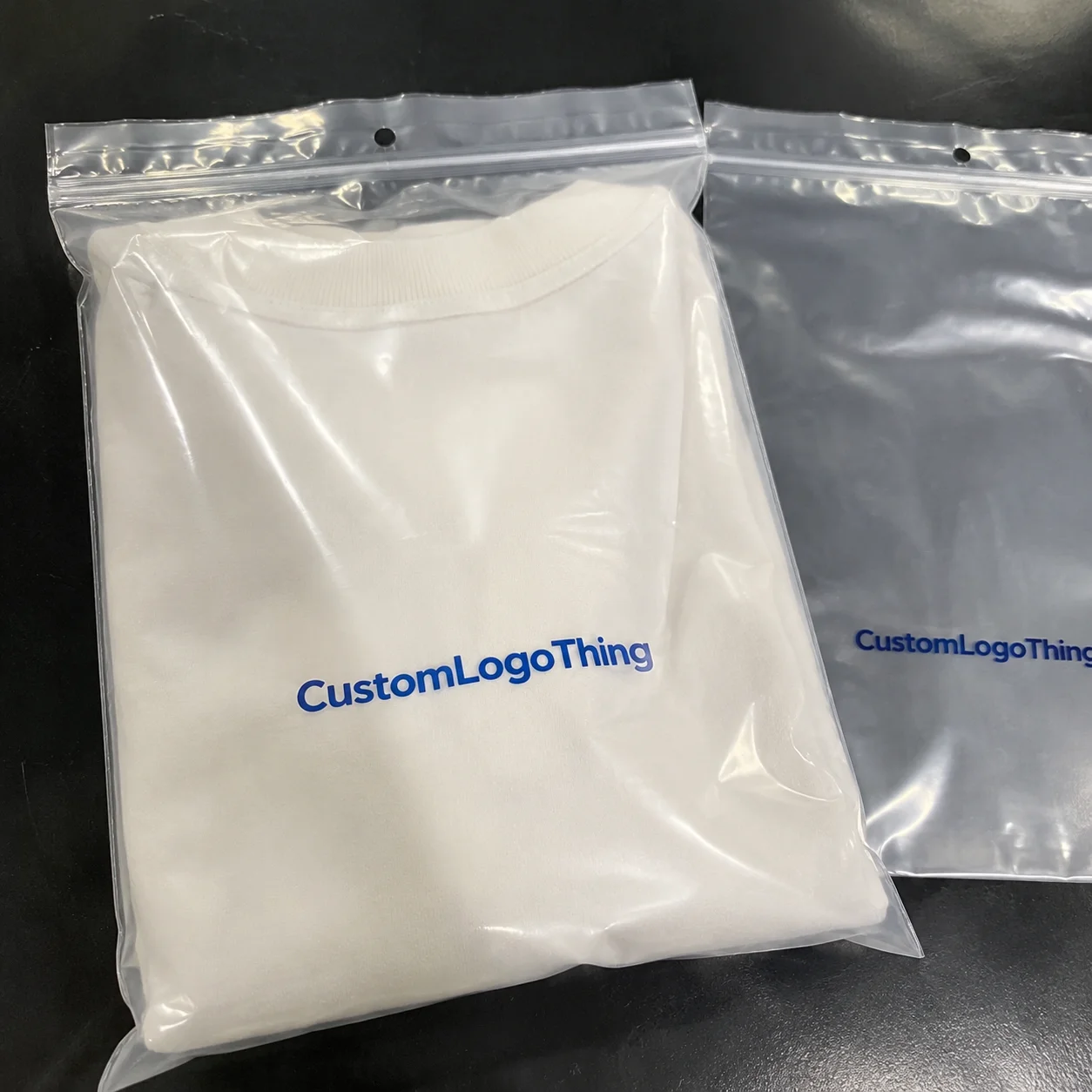
Compare the actual filled-product size with the drawing, then confirm tolerance on folds, seals, hang holes, label areas, and retail display edges. Reserve space for logos, QR codes, warning copy, and material claims before decorative graphics fill the panel.
Quote comparison points
Review material grade, print process, finish, sampling route, tooling charges, carton quantity, and freight assumptions side by side. A quote is only useful when the supplier can repeat the same color, closure quality, and packing count on the next order.
Poly Mailers Design Tips sound simple until you watch a plain white bag vanish into a pile of returns and a printed mailer get photographed on a doorstep before the box is even opened. I have seen that difference move repeat orders by 8% for a subscription brand shipping 3,000 units a month, and the mailer itself was only a 9 x 12 inch film pouch with a 2-color logo.
That is the part people miss. A poly mailer is not just shipping skin; it is a 2.5-mil to 3.0-mil LDPE or co-extruded bag that has to hold a product, survive handling, and still carry a brand story through a warehouse, a courier hub, and a front porch. Good poly mailers design tips do all three jobs at once, and they do it without making fulfillment slower or artwork harder to approve.
Here is the promise: practical poly mailers design tips that help you choose materials, print methods, sizes, and finishes with more confidence. I will also cover cost drivers, sample timing, common mistakes, and the decisions that save money later, not just at quote stage. If you are weighing a branded mailer against a plain one, or trying to refresh a package line without starting over, these poly mailers design tips should make the next proof easier to judge.
Poly Mailers Design Tips: Why the Smallest Details Stand Out
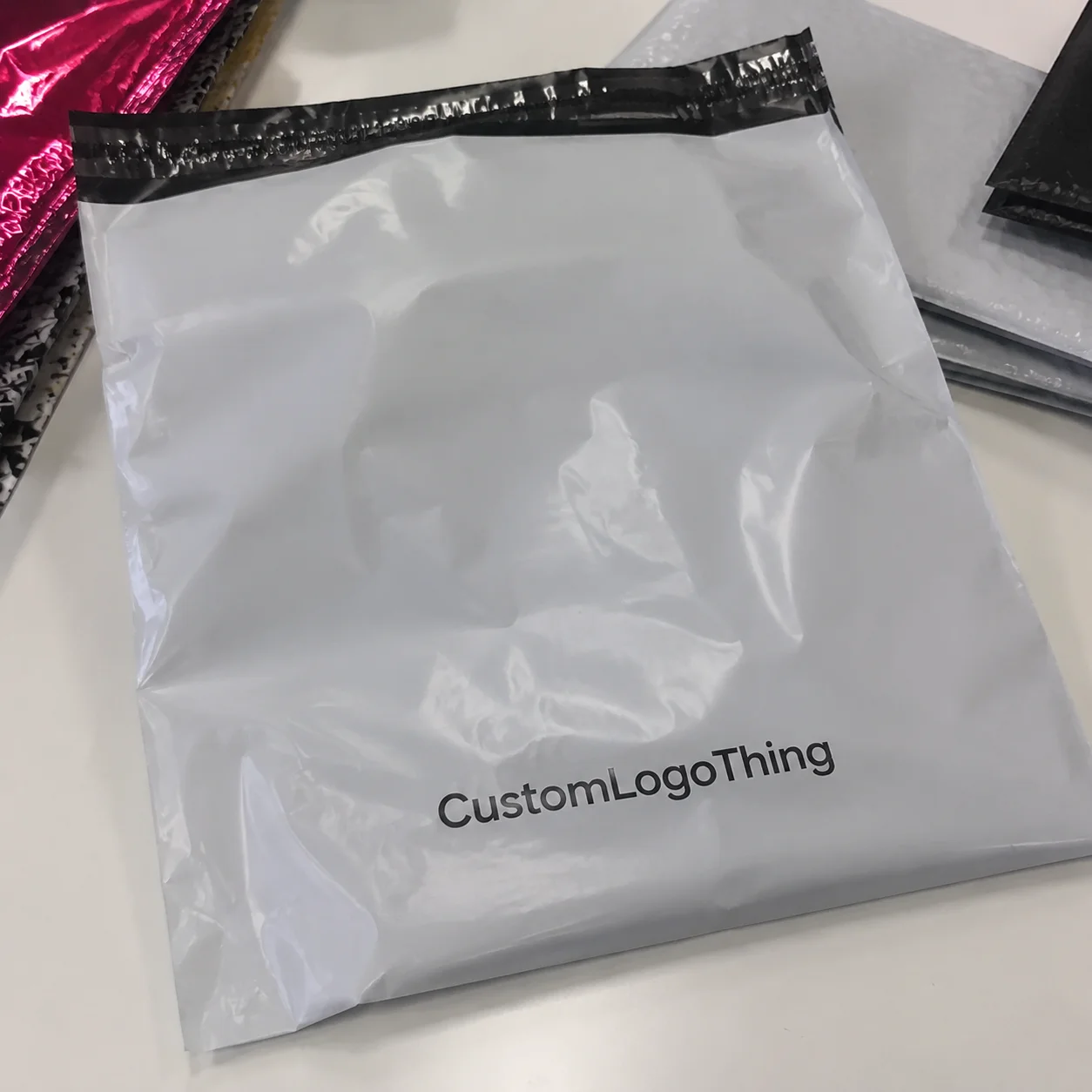
A poly mailer is usually a lightweight shipping bag made from polyethylene film, often with a self-seal adhesive strip, a tear notch, and a bottom or side seam. For apparel, supplements, small accessories, and direct-to-consumer kits, that 1-layer structure is often enough, which is why poly mailers design tips matter so much: there is no corrugated panel to hide bad choices. A 6 x 9 inch mailer and a 14 x 19 inch mailer can carry the same logo, but the visual effect changes fast once the print area, seam placement, and fold lines shift by even half an inch.
I remember standing beside a packaging buyer in Chicago who held two samples from the same factory: one was a plain silver mailer, the other a matte black bag with a 3.25-inch logo and a small slogan near the seal. The plain one looked generic in less than 10 seconds; the black one made the brand feel like it had a retail store on a street with $40 T-shirts. That is why poly mailers design tips start with first impressions, not slogans. Color, contrast, and finish often speak faster than copy ever can.
For brands that ship 500, 5,000, or 50,000 units a month, the best poly mailers design tips are the ones that reduce friction. They keep the artwork readable at arm’s length, keep the product protected through transit, and keep the approval chain short enough that a marketing manager, a founder, and a production lead can all sign off on the same proof. Here is what you will see in the next sections:
- Material choices that change the look, hand feel, and print sharpness.
- Print methods that affect color count, setup cost, and speed.
- Size planning that stops wrinkling and wasted film.
- Cost and timeline decisions that reduce rework and delays.
- Common mistakes that make a mailer look busy instead of premium.
Honestly, I think the fastest way to waste money is to treat a mailer like a mini billboard. A 9 x 12 inch bag is not a poster, and it is not a brochure. It is a shipping tool with a branding surface, and the smartest poly mailers design tips respect both sides of that equation.
How Poly Mailers Work in Branding and Fulfillment
In manufacturing terms, a poly mailer is usually built from one or more film layers, then sealed on two or three sides with an adhesive strip for closing. Some run at 2.0 mil, many apparel programs sit at 2.5 mil, and heavier or more premium work moves closer to 3.0 mil. That thickness changes more than durability; it changes how ink sits on the film, how the bag folds, and how much of the poly mailers design tips playbook will survive the shipping line without smudging or distortion.
When I visited a Shenzhen facility that was producing 20,000 mailers per shift, the most revealing thing was not the print press. It was the unwind tension. A 1 mm drift in film tension created a ripple that made one logo look perfectly centered and the next look 4 mm high. That is why I always tell clients to design for the production floor, not only the PDF proof. The best poly mailers design tips are built around real handling, with testing aligned to standards such as the ISTA testing framework for transport and package performance.
Functional design and decorative design are not enemies. The strongest mailers usually do both. A tamper-evident seal, a clear tear strip, a strong adhesive flap, and a barcode-safe zone can all coexist with a bold logo, a repeating pattern, or a full-coverage print. That balance is one of the most practical poly mailers design tips I can give, because a package that looks beautiful but jams the fulfillment line is not a win. A package that ships cleanly and looks deliberate at the doorstep is.
The same mailer can behave differently across channels. An ecommerce subscription box may need a playful print that photographs well in unboxing clips, while a wholesale shipment of apparel may need a simpler layout with a 1-color logo that stacks neatly on a pallet. I have seen a brand use one 10 x 13 inch mailer for three channels, then adjust only the ink coverage and copy line. That small change, guided by poly mailers design tips, saved them one artwork round and cut their approval time from 9 days to 4.
"The package should look intentional before the tape is cut." A buyer told me that during a supplier meeting, and the line stuck because it captures the whole job in 11 words. If the bag feels random, the brand feels smaller than it really is.
Another useful way to think about poly mailers design tips is to compare the package with the product category. A premium skincare brand can get away with a lighter print if the bottle inside is already doing visual heavy lifting, but a new fashion label often needs the mailer to act like a first showroom. That is where texture, contrast, and clean negative space earn their keep.
Key Factors in Poly Mailers Design Tips: Print, Size, and Brand Fit
Logo placement and negative space
The first rule in my notes for poly mailers design tips is simple: your logo needs room to breathe. On a 9 x 12 inch bag, a 2.5 to 3.5 inch logo often reads better than a giant lockup that presses into the seam. I have seen brands place the mark 18 mm too low and lose half the name when the bottom fold hit the artwork. A cleaner solution is usually a centered mark, a top-left mark, or a repeating pattern that uses one strong visual element instead of five competing ones.
Negative space is not wasted space. It is the part of the design that makes the brand feel intentional. In one supplier negotiation, a founder wanted 80% ink coverage on a 12 x 15 inch mailer because he thought more print meant more value. We cut the coverage to 45%, left a matte background, and the quote dropped by 11% while the bag looked more premium. That is one of the clearest poly mailers design tips I know: less can look more expensive if the composition is disciplined.
Finish and film choice
Gloss and matte are not just style preferences. Gloss can make saturated colors pop, especially bright red, cobalt blue, or lime green, but it can also show scuffs from transit. Matte lowers glare under warehouse lighting and often hides courier scratches better, which matters if the package passes through 3 or 4 handling points before it lands with the customer. For many brands, a 2.75-mil matte film gives the best compromise, and it is one of the most reliable poly mailers design tips for premium apparel, beauty, and accessory programs.
If you are building a greener packaging story, check whether the film includes post-consumer recycled content or whether your paper inserts are certified through FSC chain-of-custody standards. I have seen brands spend $600 on a printed statement that nobody noticed because the finish looked cheap. A more disciplined finish, plus one clear sustainability claim, usually does more than three badges and a crowded back panel. That is why poly mailers design tips should always include a trust test, not just a color test.
Size, shape, and product fit
Oversized mailers create wrinkles, and wrinkles make artwork look off-register even when the print is technically correct. A 10 x 13 inch mailer for a folded hoodie can work well; the same size for a pair of socks can feel wasteful. Standard sizes such as 6 x 9, 9 x 12, 10 x 13, and 12 x 15 cover a lot of ecommerce needs, but the product thickness matters just as much as the width. Good poly mailers design tips always map the artwork to the packed item, not the empty bag.
Brand fit matters too. A playful pet-supply label should not look like a law firm envelope, and a minimalist wellness brand should not drown itself in five icons, three slogans, and a QR code the size of a stamp. In practice, the best poly mailers design tips keep one visual hierarchy: logo first, product or campaign line second, and any legal or shipping copy tucked into a lower zone.
- Premium brands usually do better with matte finish, restrained copy, and one bold logo.
- Playful brands can use repeating patterns, brighter inks, and a more energetic back panel.
- Minimalist brands often win with a single color, generous white space, and a strong typeface.
The part most people get wrong is assuming the mailer should visually compete with the product. It should not. It should frame the product. That subtle shift is one of the most useful poly mailers design tips I share with clients who want their package to feel like an extension of the brand, not a separate ad campaign taped to plastic.
Cost and Pricing Choices for Custom Poly Mailers
Cost usually comes down to five variables: quantity, print colors, film thickness, custom size, and special features like double adhesive strips or tear notches. At 5,000 pieces, a simple one-color mailer can land around $0.18 to $0.24 per unit, while a two-color matte version may sit closer to $0.22 to $0.30. Those figures move with resin prices, freight, and setup complexity, but they show why poly mailers design tips should always be tied to quoting decisions, not just art direction.
A lower unit price is not always better value. If the bag wrinkles, the artwork needs a second proof, or the adhesive seal fails on 2% of shipments, the savings disappear quickly. I once watched a client choose a cheaper 2.0-mil film and then spend two weeks handling complaints about split seams on heavier returns. The reorder cost was 14% higher than the original quote. The lesson is blunt: strong poly mailers design tips protect total cost, not only the first invoice.
Here is a practical comparison I use with buyers who want to balance branding and budget. The numbers are typical at medium volume, and they help frame where the money usually goes.
| Option | Typical Run | Unit Price | Best Fit | Trade-Off |
|---|---|---|---|---|
| Standard 1-color mailer | 5,000 pieces | $0.18 - $0.24 | Simple logos, starter brands, fast reorder cycles | Limited visual impact and fewer finish choices |
| 2-color matte mailer | 10,000 pieces | $0.22 - $0.30 | Premium DTC brands, apparel, lifestyle launches | Higher setup cost and longer proof review |
| Full-coverage custom size | 20,000 pieces | $0.31 - $0.44 | Seasonal campaigns, bold branding, retail-like unboxing | More artwork complexity and tighter print controls |
If you are mapping a packaging line, it helps to compare the mailer against the rest of the program. Our broader Custom Packaging Products line can show how labels, tissue, boxes, and inserts work together, while Custom Poly Mailers are usually the best place to start if shipping bags are your first priority. That sequence matters, because good poly mailers design tips often reveal savings across the entire fulfillment kit, not just the bag itself.
One practical place to save is ink coverage. A 4-color process with full-bleed artwork can push the quote up faster than a 2-spot-color layout with a clean center mark. Another place to save is sizing. Moving from a custom 11 x 14 inch format to a standard 10 x 13 inch format can cut film waste by roughly 5% to 8%, depending on the die layout. Those are the quiet wins behind many poly mailers design tips.
Step-by-Step Process and Timeline for Poly Mailers Design
The cleanest production path starts with a brief that includes logo files, dimensions, copy, color references, and a sample of the packed product. If a printer has to guess whether the mailer should be 9 x 12 inches or 10 x 13 inches, you have already lost 2 to 3 days. My practical version of poly mailers design tips is to treat the brief like a factory document, not a creative wishlist.
- Concept brief: confirm size, product weight, seal type, and target quantity.
- Dieline review: check seam zones, bleed, and safe areas before artwork begins.
- Artwork setup: place logos, Pantone references, and any copy in the right print zones.
- Proofing: review PDF proofs and request one physical sample if the finish is new.
- Approval: sign off only after color, copy, and closure style are all confirmed.
- Production and shipping: expect 12-15 business days from proof approval for many custom runs, then add freight time.
That 12-15 business day window is realistic for a lot of standard work, but artwork revisions can stretch it. I have seen a campaign slip by 6 days because the team changed the tagline from 7 words to 19 words after proof approval. The fix was not dramatic; it was a cleaner message hierarchy. Good poly mailers design tips always include one rule: finalize the words before you finalize the layout.
There is also a timing question around samples. A sample can take 3 to 7 business days, depending on whether the factory is matching a standard size or a custom film blend. If the order is for a launch box, a seasonal drop, or a subscription bundle, plan backward from the ship date and leave at least 5 days for internal approval. That buffer is one of the least glamorous poly mailers design tips, but it saves more launches than flashy artwork ever will.
Here is what the printer usually needs up front so the process does not stall:
- Vector logo files in AI, EPS, or PDF format.
- Pantone numbers or CMYK targets for brand colors.
- Exact mailer dimensions, including width and length.
- Any copy for the front, back, or tear strip area.
- Placement preferences for seal, barcode, and return-address zones.
In one client meeting, a beauty brand reduced its approval chain from 6 people to 3 by assigning one final decision maker for color and one for copy. The order moved from artwork request to production approval in 4 days, which is fast for a 10,000-piece run. That kind of discipline is exactly what makes poly mailers design tips usable in real operations, not just in a presentation deck.
If you are managing multiple product lines, build a simple packaging checklist with six fields: size, film thickness, print method, finish, approval date, and reorder trigger. I have watched teams miss reorders by two weeks because nobody owned the trigger point. A checklist does not sound exciting, but it is one of the most effective poly mailers design tips for keeping production predictable.
Common Mistakes That Hurt Poly Mailers Design Quality
The biggest mistake is treating the mailer like a poster. A poster can carry 60 words and four images; a shipping bag rarely should. I once reviewed a sample with 3 fonts, 6 colors, 2 QR codes, and a discount code running across the seam. Under warehouse lighting, it looked busy and thin. That is why so many poly mailers design tips point back to restraint. The package should read in 2 seconds, not 20.
Low contrast is the second mistake, and it is a sneaky one because a screen can hide it. Gray type on a smoky blue film may look elegant in a digital mockup, then disappear as soon as the bag hits fluorescent lights or a cloudy porch photo. A better rule is to test contrast at 100% zoom and again as a printed sample. That simple check is part of the most reliable poly mailers design tips, especially for smaller logos and fine copy.
People also forget the physical constraints of the bag. Seam lines, barcode zones, and fold areas can cut through artwork in ugly ways if the safe area is too tight. A good rule is to keep critical copy at least 0.25 inches from any edge and to avoid placing thin type across a fold line. I have seen a 14-point slogan become unreadable after the bottom seam compressed the film by 1.5 mm. Those details sit at the center of practical poly mailers design tips.
Too many fonts, too many icons, or too many messages can make the mailer feel cheaper, not richer. I usually recommend one display font, one utility font, and no more than two brand colors on the main face unless there is a very strong reason to do otherwise. That keeps the print process simpler and the visual story cleaner. In my experience, the strongest poly mailers design tips are often the ones that remove 20% of the artwork instead of adding 20% more.
One more error: approving only the digital proof. Screen color can be 10% to 15% brighter than the actual film, and a matte finish can reduce saturation enough to change how a logo feels. A physical sample is the safer checkpoint, especially for new products or new suppliers. The people who follow that rule usually get better results from their poly mailers design tips because they see the package as the customer will.
Here is a quick correction mindset I use before any final signoff:
- Check the design at arm’s length, not only on a laptop screen.
- Verify the seal, tear strip, and barcode zones with the dieline visible.
- Trim copy until the hierarchy is obvious in 1 glance.
- Ask for a physical sample if the finish, film, or print method is new.
The surprising part is that simplification rarely makes a package feel cheaper. More often, it makes the brand feel more certain. That certainty is what customers notice in the first 5 seconds, and it is why so many poly mailers design tips end up being about editing, not decorating.
Expert Poly Mailers Design Tips and Next Steps
My first recommendation is to test one design on a pilot run of 500 to 1,000 pieces before rolling it across every SKU. A pilot order shows whether the logo reads at the right distance, whether the matte finish hides scratches, and whether the size fits the folded product without extra air. That small test is one of the most valuable poly mailers design tips because it turns opinions into evidence.
Second, build a packaging checklist that lives next to your brand guidelines. Include artwork specs, Pantone values, approved fonts, seam-safe copy areas, and a reorder trigger like "less than 3 weeks of stock left." I have seen teams save 2 full days on reorders simply because the checklist already contained the correct dieline and logo file. A practical checklist is one of those poly mailers design tips that pays back every quarter.
Third, ask for physical samples even if the digital proof looks perfect. I have held a glossy sample under LED warehouse lights and watched a deep navy turn almost black; I have also seen a simple kraft-toned film with a black logo look more premium than a complicated four-color design. That is why I keep returning to the same poly mailers design tips: the bag in your hand is the real test, not the file on your screen.
Fourth, review packaging as part of the customer journey. A mailer is not a back-office item. It is the first object a customer touches from your brand, and in a return-heavy category, it may be the one item the customer remembers best. The right poly mailers design tips help that moment feel deliberate, from the first scan to the final unseal.
If you are ready to improve the next production run, start with three actions: audit your current bag size, choose one SKU for a pilot upgrade, and request samples from a supplier who can explain print method, seal type, and lead time in plain language. Then compare your current mailer against the Custom Poly Mailers option that best matches your shipment volume. That is the shortest path I know from idea to better branding, and it keeps poly mailers design tips grounded in real packaging decisions instead of abstract theory.
Honestly, the best poly mailers design tips are usually the ones that make the package simpler, sturdier, and easier to reorder. If you can cut one revision cycle, save 5% on material waste, and make the brand easier to recognize from 10 feet away, the design has done its job. That is the standard I would use at Custom Logo Things: fewer surprises, clearer artwork, and a mailer that earns its place in the shipment.
What are the best poly mailers design tips for small businesses?
Start with one strong logo placement and a high-contrast palette so the design reads clearly at a glance. For a first run, a standard 9 x 12 inch or 10 x 13 inch mailer is usually easier to manage than a custom size, and it keeps reorders simpler. Keep the artwork clean enough to print well across 500 to 5,000 pieces without extra revision cycles.
How do I choose colors for custom poly mailers design tips?
Choose colors that match your brand identity and still stand out in warehouse lighting, porch photos, and courier scanning areas. Check contrast against the logo and any text, then request a printed sample because digital proofs can make color look 10% brighter than the finished film. Matte finishes usually mute color a little more than gloss, so test both if your palette is very dark or very saturated.
How much do poly mailers design tips affect printing cost?
More colors, larger print coverage, custom sizing, and special finishes usually raise the quote, while simpler layouts often keep pricing more efficient. At medium volume, a one-color mailer may be far less expensive than a full-coverage design, and a 2.5-mil standard bag usually costs less than a heavier specialty film. The cheapest option is not always the best value if it creates weak branding or a higher remake risk.
What is the usual timeline for custom poly mailers design tips to reach production?
The process usually includes artwork setup, proof review, sampling, approval, and production scheduling. Many custom runs move to production in 12-15 business days from proof approval, but that depends on how quickly files are finalized and whether a physical sample is needed. If the mailer is tied to a launch or subscription drop, plan backward and leave a few extra days for final signoff.
How can I make poly mailers look premium without overspending?
Use clean composition, strong contrast, and one or two intentional brand elements instead of filling every inch of the bag. A matte finish, a well-sized logo, and a restrained color count often look more expensive than heavy artwork effects. Ask for samples and compare the mailer in hand, because a simple design can feel more premium than a busy one once the packaging is actually opened.