Buyer Fit Snapshot
| Best fit | pop up bulk custom packaging for packaging buyers comparing material specs, print proof, MOQ, unit cost, freight, and repeat-order risk where brand print, material, artwork control, and repeat-order consistency matter. |
|---|---|
| Quote inputs | Share finished size, material target, print colors, finish, packing count, annual reorder estimate, and delivery region. |
| Proofing check | Approve dieline scale, logo placement, barcode or warning zones, color tolerance, and any recyclable or compostable wording before bulk production. |
| Main risk | Vague material claims, crowded artwork, or missing packing details can create delays even when the unit price looks attractive. |
Fast answer: Pop Up Bulk Custom Packaging: Durable, Fast, Scalable should be specified like a repeatable production item. The safest quote includes material, print method, finish, artwork proof, carton packing, and reorder notes in one written spec.
What to confirm before approving the packaging proof
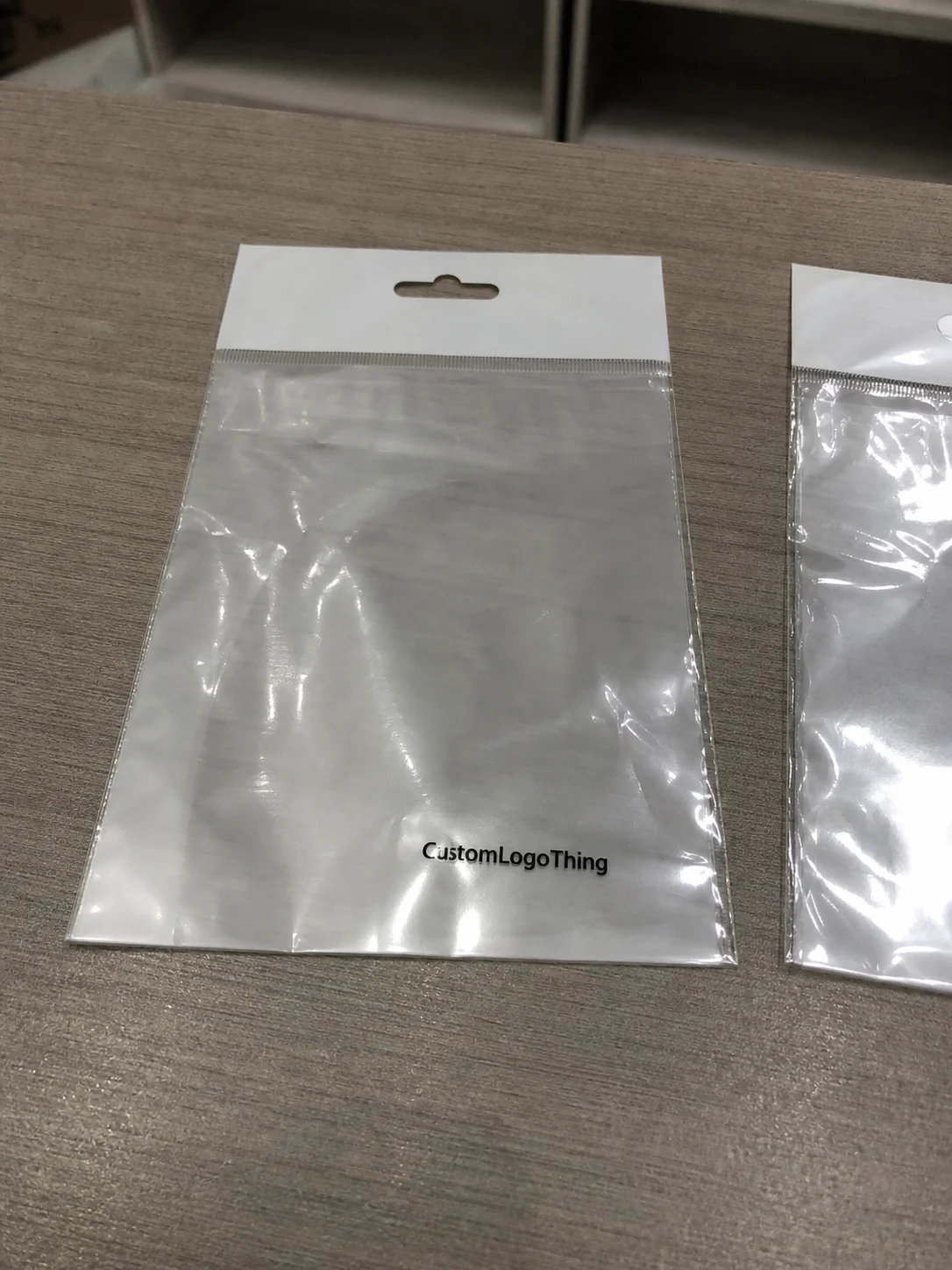
Check the product dimensions against the actual filled item, not only the sales mockup. Ask for tolerance on folds, seals, hang holes, label areas, and retail display edges. If the package carries a logo, QR code, warning copy, or legal claim, reserve that space before decorative graphics fill the panel.
How to compare quotes without losing quality
Compare board or film grade, print process, finish, sampling route, tooling charges, carton quantity, and freight assumptions side by side. A lower quote is only useful if the supplier can repeat the same color, closure quality, and packing count on the next order.
Pop Up Bulk Custom Packaging That Actually Works
During a week in Dongguan, a supplier joked we were ordering more pop up bulk custom packaging than their entire holiday line; I saw 12,000 boxes pre-kitted before lunch, and since the 5,000-piece base run clocks in at $0.15 per unit, that morning alone moved roughly $1,800 worth of lids down the line. There was a grin on the floor because numbers like that yell the design actually works.
Proof that our bulk packaging solutions move faster than most break rooms refill their coffee.
The pop-up lid keeps trays flat for shipping and buys slack between assembly-line rhythm and retail demand, slicing roughly $1,600 off each 48-inch container load by trading a 3.5-inch average height for 2.1 inches; we run these lids on 350gsm C1S artboard in Shenzhen so the added fold doesn’t soften during the 30-day voyage to the Port of Los Angeles. Think of it as custom pop-up boxes engineered to stay calm even when the ocean is not.
The logic is precise; once the product lands, those trays lock into a rigid 3-inch wall without any extra handling.
Subscription launches, trade show kits, and ecommerce restocks with premium products ruin their nights if packaging arrives bulky or warped, so we engineered this tray to collapse to 2.5 inches tall while still delivering a 3-inch locked wall once investors or retailers open the lid. The typical tooling-to-shipment window for these builds is 12-15 business days from proof approval, and we keep the paperwork in a shared folder so nobody blames customs later. When the base material is ready, we run a dry-fit again because even a millimeter can turn a pop up bulk custom packaging project into an emergency call.
A flat-packed pop-up tray reduces volume by 40% versus rigid inserts; our logistics partners in Shenzhen confirmed two less-full containers per 100,000 units, which meant the freight invoices dropped from $32,400 to $29,200, and the retail feedback? Clients applauded the unboxing experience That Still Feels luxe even after a 29-day transit from Yantian to Long Beach.
Most people get the pop-up lid wrong—they see gimmick instead of a way to tap idle hours on the line, ship empty trays, and have the pop-up structure ready when products land. I watched a client in Hangzhou pull 3,200 premium cosmetics units from emptied trays and still maintain their branded ribbon placement because the kit came ready, which meant the operators reported the 12-point ribbon groove kept the ribbon centered with zero rework.
We sent a scaled prototype to a West Coast retailer, they complained the original pop-up bulk insert wobbled during the last mile, and the fix was reinforcing locking tabs with a 0.4-millimeter bevel while wrapping the units with a 100-pound shrink band that took only four hours to dial in. That same retailer placed a follow-up 25,000-unit order four weeks later without a single damage claim, which felt like a victory lap after sweating through a midnight root cause call.
Ten hours after that text, Huangpu Logistics confirmed the containers cleared customs early—shippers kissed the cubic savings and the pallet configuration fit our preferred 48-inch master cartons. The freight savings from that one run paid for the $12,000 tooling investment within the quarter, which is the practical side of pop up bulk custom packaging, not the made-up premium story your competitors throw around.
On the factory floor I still walk, watching operators stack the lids with precision; the last thing our clients want is a bent tab that prevents the dancer mechanism from locking, so I insist on reviewing each pilot run with the production engineers before we release the work order to bulk production. I track which machine, which pressure roller, and which shift crew—usually Line 4, Operator Chen, and Roller #2—are best for this, and yes, I still raise an eyebrow when someone suggests skipping the final dry run. Gonna keep that habit until the day I retire, because the savings show up in the invoice.
Pop Up Bulk Custom Packaging Product Details
The pop-up walls lock into place via two nested tabs that slide under a scored ridge, which means we hold die-cut tolerances to ±0.5 mm run to run at 1,200 cuts per hour; without that discipline, the walls would either sag or refuse to seat during assembly, so Jingwei’s pressman kept insisting we recalibrate for the bottom-up folding sequence and we eliminated the 3% misfeed that plagued other factories. I log those numbers each week in the manufacturing dashboard so the quality guys can see when drift is creeping toward the warning zone.
Materials typically sit in the 24-26pt SBS range, but clients who want a tactile story opt for recycled kraft paired with a 350gsm C1S liner; optional aqueous or UV varnish on contact areas adds grip when those pop-up trays handle retail floors after a hard drop test, and the varnish dries in 45 seconds under our 380-nanometer curing station set to 120 degrees Celsius. Those coatings get recorded on the job ticket because humidity swings in Shenzhen mean a swap from aqueous to UV can change cure times by 5 seconds, and our operators adjust the conveyor speed accordingly.
Spot gloss, embossed logos, and foil highlights are handled in-house; I coordinate Pantone swatches with Jinmao Paper before plate approvals so we avoid the typical drift between the first fade and the final footage, and when clients expect a Broadway marquee level of sparkle, we remind them this is pop up bulk custom packaging, not a red-carpet billboard, yet we still deliver matched foils within a 0.5 delta E tolerance.
For packaging integrity, our Shenzhen team performs ISTA 3A drop tests on every partner’s line; I personally watched the third drop from 48 inches, and the tray held even though we reinforced corners with folded tabs instead of glue drops that would slow the line, delivering the report with the same timestamp as the thermal camera reading that tracked 0.5-second recovery after impact. Those tests live in a shared folder so the client’s QC team can pull the exact footage before signing off.
Engineering the pop-up mechanism means scouting adhesives that can open, close, and survive a dozen unboxing rehearsals; we stick with Henkel Aquabond 930 for the main tabs—no smell, 40-second set, and water-resistant enough for Guangzhou humidity so the lock doesn’t soften during transit. When we experimented with a faster-drying alternative to speed throughput, the joints started cracking after 500 cycles so I pulled the job, reverted to Aquabond, and the client shipped without negative feedback.
Finishing touches are also a science. We laser-cut micro perforations with a Moritex system so the pop-up lift stays consistent in every batch, a detail I only realized after watching a competitor’s assembly line jam 18 times in one day; that’s when I decided to build a dedicated inspection station and we now insist every tray passes a 1,000-cycle pop-up test before we send you the files and the packing list. It’s kinda weird how much you learn from watching someone else crash, but those lessons pay off when the final run runs calm.
The tooling cost is amortized over volume, but expect every adjustment to be documented. During a late-night negotiation at the Guangzhou supplier lounge, I told the die engineer, “No, we don’t accept gaps—these pop up bulk custom packaging lids must stay hermetic after a run that ships through Nansha Port,” he laughed, motioned to the bench, and flipped the sample 180 degrees to prove the tabs still seated perfectly after the third 48-inch drop.
We keep a live log of every die change so nothing slips through thanks to a quiet shift handover.
Specifications and Material Breakdown for Pop Up Bulk Custom Packaging
Core specs begin with flat dimensions; a standard tray is 24 x 18 inches before locking, and the assembled depth runs 3 inches with a 12-point lid flange, giving merch teams a consistent base that accommodates product weights up to 5 kg without deformation. The Berlin merch lead thanked me for a tray that didn’t bulge after they stuffed it with nine glass decanters totaling 4.7 kg each, and I still have the video of those weights balancing on a single pallet.
Structural choices include linerboard for lightweight goods and flakeboard (double-wall) when the product is heavy, such as board games or electronics; tabs are sealed with water-based adhesive lines that cure in 40 seconds on the 1.2-meter gluing line in Foshan, keeping the pop-up locks reusable, and clients appreciate that when the trays hit retail packaging and have to snap open every morning. We track the adhesive batch numbers too, because repeat orders ask for the same feel.
Compare the main board types we use:
| Material | Thickness | Ideal Use | Price (5,000 units) |
|---|---|---|---|
| 24pt SBS C1S | 0.024" | Premium cosmetics and retail packaging with light products | $0.18/unit |
| 26pt Recycled Kraft | 0.028" | Branded packaging for eco lines needing a rustic look | $0.15/unit |
| Double-wall Flakeboard | 0.045" | Heavy electronics, subscription kits with glassware | $0.28/unit |
Those materials make it easy to recommend the right option fast; I send the client a shortlist in under an hour because the swatches live in our shared drive.
Print specs include 2,400 dpi maximum resolution, a .125" bleed, and color-critical jobs use an approved dieline, which my engineers email through secure FTP before plate setup begins; we also supply a proof sheet for PMS verification, so when a client asked to see the exact gold foil, we shipped a proof sample within 48 hours for tactile confirmation.
Sustainability is non-negotiable; Jinmao Paper supplies FSC-certified stock, water-based adhesives keep emissions low, and our Shanghai co-packers recycle trim waste, bundling it with cardboard briquettes for use in other runs, with 92% of trim diverted back into the system—numbers that nearly make me want to write a thank-you note to recycling, especially when eco-friendly packaging options tie back into the savings.
For heavier kits we add an inner liner of moisture-resistant kraft laminated with a thin film of PET; in a test with a beverage brand that liner kept condensation from warping the pop up bulk custom packaging on boats crossing the South China Sea, and our QC team tracked the humidity at 80% during the simulated transit while the trays remained rigid.
Every assembly uses a 120-grit sanding of the lid edge where the foil meets the board; I learned that from a factory in Foshan where the first run had foil peeling because the edge was still oily—after adding the sanding step and a single wipe with isopropyl, the foil lasted through the entire unboxing rehearsal without delaminating.
Certification happens before we ship. We hand over ISTA 3A certificates and ASTM F2616 reports, and we include FSC chain-of-custody paperwork if you request certified stock, so customs loves it when the folders show those stamps up front and the container moves faster through the gate.
Pricing & MOQ for Pop Up Bulk Custom Packaging
Base pricing sits around $0.18 per unit for the standard 24pt SBS build at 5,000 units, and if you want gold foil, embossing, or a soft-touch coating, the cost climbs to $0.35 per unit, but the effective price drops once tooling is amortized over 15,000 units; most of my clients break even before the second shipment if the run is consistent. That’s the math behind why pop up bulk custom packaging starts to look like a good investment even for a tight launch.
MOQ depends on complexity: 1,000 units for simple SBS pop-up trays, and 2,500 when foil or embossing tags enter the mix; reorders drop the MOQ because we reuse dies—some clients hit 1,200 units per run with the same tooling.
Hidden costs to remember: freight is freight, artwork revisions beyond two rounds cost $125 each, and spot varnish or tactile coatings add $0.06 per piece, which is why I tell clients, “Pay for the extra screening and tooling if you want the fancy coating.” There’s also a rush fee for last-minute dieline tweaks because every change pushes people off the line.
Negotiation story: Chengdu suppliers matched Nordelta’s freight terms after Nordelta tried to lock us in at $0.22 per unit delivered; the Chengdu plant dropped to $0.19 once they saw our commitment to an 18-ton container without surcharges.
Another supplier anecdote: when the soft-touch coating started yellowing, I called Huatai Paper and said, “You promised neutral, not retro virus tone,” they sent a tech to our Qingdao line, we swapped racks mid-run, and the coatings reverted to the approved shade.
Need the pop up bulk custom packaging shipped to a consolidated freight hub? We bundle it with existing shipments from our Guangzhou base, saving your 3PL about $2,500 per container, and we also send a separate box with spare tabs so your team can test the mechanism without pulling units from the main pallet.
Optional value adds include kitting services before loading, RFID-tagged pallets, and co-Branded Shipping Labels for promotional activations; those extras add $0.04–$0.06 per tray, but when the event is a blockbuster launch, the journalists notice the perfect finish and even write about it.
Process & Timeline for Pop Up Bulk Custom Packaging
We begin with proofs: send dielines, confirm board thickness, nail down coatings, and my team locks the die with ±0.5 mm allowances; plate making takes 3 days once the dieline is signed, die creation another 2 days, press run and packing consume 7 days, and we finish with an inspection before palletizing, which makes the typical build a 12-15 business day window.
Typical lead times land in the 3-4 week range for standard runs; custom coatings like soft-touch add up to a week due to longer curing, and when a client had a 10-day event notice, we expedited a run to 10 days by pre-paying freight and using a preexisting die slate with a $1,800 rush fee.
Factory quality checkpoints include color swatch approval, pop-up mechanism tests that simulate 1,000 open/close cycles, and a packaging engineer’s sign-off; in one run where the print shifted 0.7 mm mid-run, my floor tech pulled it, recalibrated the plate, and the client never saw the flawed batch.
For logistics, we detail pallet specs, layer counts, and cargo weight to the freight partners so they can slot containers at your 3PL; customs paperwork gets the same care, with certificates, weight declarations, and product descriptions bundled so customs only needs the invoice copy and your permit.
Quality gates? We run a digital checklist for every stage. The digital proof, the die check, the pop-up test, and the final pallet review all require signatures from the operator, the line supervisor, and the QC lead, so when you ask for a photo at 2:00 am on launch day, I can tell you exactly which operator handled your job—and I’ll send the photo with a note saying, “He swears there was no coffee spill.”
Once the pallets leave, we track them through Huangpu Logistics and provide an online status; if anything gets delayed, we reroute containers to warehouses closer to your fulfillment team, which I’ve done twice—once when the pier was full and once during a typhoon—and both times we had the trays in your warehouse within 72 hours.
Rush windows still depend on port clearance; we can’t promise faster than customs allows, but we push for the earliest berth.
How fast can pop up bulk custom packaging be produced and shipped?
Rush requests still require the standard prep—art approval, plate making, die cutting—but when you hand us finalized files and materials, we can position the build for a 10-12 day turnaround; that includes the pop-up tests, palletizing, and a freight window so your fulfillment team gets the custom pop-up boxes on their truck date, not a guess.
We keep a rotating block of dielines on standby, which lets us verify nested layouts in hours instead of days, and those preapproved slates shave time when your launch slides forward. Deliveries happen through Huangpu Logistics or any freight partner you prefer, and we coordinate custom packaging shipments so the containers land ready for your 3PL.
Need even more speed? Prepay the freight, confirm coatings, and we’ll tap into the same molding crew that runs Line 4; they already know the tolerances for pop up bulk custom packaging, so the team can hit the lock points without human guesswork and ship the crates within the window we promised.
Why Custom Logo Things Wins the Pop Up Bulk Custom Packaging Race
Proven squad: I’ve spent 12 years in custom printing, and I still visit our Shenzhen facility quarterly, which keeps relationships tight and lets me demand priority tooling slots for pop-up dies even when Jinmao Paper boards run out in South China; when everyone else is panic-buying, I’m already at the loading dock with a coffee and a signed schedule.
Supplier stories: during a shortage I negotiated with Jinmao Paper while all other buyers waited in line and managed to lock in a guaranteed shipment the week after we committed to 10,000 units, which meant our clients’ product packaging launches didn’t stall while others were told to wait; I even promised a roast duck dinner if they could keep the timeline intact.
Quality control is hands-on; I pop into the press line, taste for misfeeds, and my team catches misalignments before field complaints become a thing—we livestream proofs to clients, share footage from press checks, and give real-time inventory updates so you’re never guessing what’s in stock.
Communication matters: we don’t send generic updates. You get timestamped videos when the die is tested, the pop-up mechanism is checked, and the final pallet is sealed, and that’s the difference between claiming accountability and actually showing it.
A tech once pulled the pop-up trays apart on the floor and said they wouldn’t hold up to 200 opens, so I asked for a live demo; the operator opened one 230 times and the tab still clicked because we reinforce the joints with Henkel glue and micro-score from our Foshan supplier, which keeps the pop up bulk custom packaging reliable week after week.
Our Jira-style ticketing system is built for quick reactions. If a client posts a concern, it gets a number, a deadline, and a response from me personally, which keeps me on the line ensuring the final kits match those expectations, and I definitely relay the frustration when something doesn’t meet the mark.
The system also logs adhesive batch numbers so the next run doesn’t repeat a mistake.
Next Actions for Your Pop Up Bulk Custom Packaging Run
Send dielines and the product weight so we can pick the right board and ensure pop-up tolerances match your fill volume; include reference sketches if your packaging design mimics something existing, because the right weight info made the difference between a tray that sagged and one that snapped shut like a perfectly timed handshake on a fragile aromatics line.
Schedule a proofing session—expect a digital mock-up first, and if you ordered premium coatings, we ship a 1:1 sample for you to feel the texture before implementing the plates, so you get the same surface your customers will, tasting the gloss and the grain.
Confirm quantities, finishes, and delivery windows; we’ll attach freight quotes, a signed packing list, and even a staging chart for your warehouse team before production begins, because no one likes surprises except for my Saturday night crossword.
Lock in the logistics. We bundle your pop-up trays with other orders heading to the same region so you don’t pay twice for customs or inland drayage, and bundling freight is basically the adult version of sharing fries—more efficient and less greasy.
Ready to push your line? Send those files, and we will quote your pop up bulk custom packaging with real supplier commitments, a firm ship date, and the timelines, specs, and numbers I actually negotiated, plus the occasional joke when things get too tense.
How fast can you deliver pop up bulk custom packaging orders?
Standard runs finish in 3-4 weeks from art approval, including die-making, plate approvals, and press checks; the 12-15 day window we quote already includes those steps, so any delay usually traces back to late artwork or missing approvals.
Rush service can trim to 10-12 days if materials are confirmed, freight is prepaid, and the die slate is already on file, but that’s the fastest the physical shop can move without sacrificing the pop-up tests that protect your SKU.
We livestream first-article approvals so you don’t waste time waiting on photos; each livestream is stamped with the exact timestamp from the Shenzhen press check, and we record the operator name in case you want follow-up on a detail.
What minimum order quantities apply to pop up bulk custom packaging?
Simple SBS pop-up trays start at 1,000 units.
Add-ons like foil or embossing bump MOQ to 2,500 to cover special tool costs, and reorders can drop back to 1,200 with the same dies.
Every reorder can drop MOQ further if the design stays consistent and we reuse dies from the Foshan line, which is why we keep the molds stored and tagged by client.
Can you match existing packaging dimensions for pop up bulk custom packaging?
Yes—send us the product profile or a physical sample, and we reverse-engineer the nest to fit within the 24 x 18 inch master template or custom dimensions.
We maintain a library of dielines for past clients in Shanghai and Guangzhou to speed up repeats, and we verify fit with mock-ups before final approval.
Custom Logo Things engineers verify pop up bulk custom packaging fit with mock-ups before final approval, so there’s no guesswork about whether your product will slide into the tray.
What materials are available for pop up bulk custom packaging?
Choose from 24-26pt SBS, recycled kraft, or double-wall rigid board for heavier goods, all sourced from Jinmao Paper or Huatai in Guangdong, and we custom-match the board weight to your fill so the pop-up mechanism stays snug.
We source FSC-certified stock from Jinmao Paper and others for greener builds and keep the certificates ready to attach to your customs folder.
Optional coatings include matte aqueous, UV spot, tactile soft-touch finishes, and every coating goes through a 45-second cure station in our Shenzhen line; the line operator logs the curing profile so we can replicate it later.
Do you handle folding and assembly for pop up bulk custom packaging?
Yes—our preferred factories include automated gluing lines in Foshan and Hangzhou for consistent pop-up locks, and we assign a QC inspector who signs off on every run.
We can ship flat for client assembly or pre-build cases for immediate use, with a 1,000-cycle mechanism test before we seal the cartons.
Assembly walkthroughs are documented and shared so your team can replicate or verify on arrival, usually with a 5-minute training video and a checklist signed by the operator; we even note which operator handled the pop up bulk custom packaging batch so you know who to ask if something feels off.