Buyer Fit Snapshot
| Best fit | Pre Glued Cartons Manufacturer projects where brand print, material claims, artwork control, MOQ, and repeat-order consistency need to be specified before quoting. |
|---|---|
| Quote inputs | Share finished size, material target, print colors, finish, packing count, annual reorder estimate, ship-to region, and any compliance wording. |
| Proofing check | Approve dieline scale, logo placement, barcode or warning zones, color tolerance, closure strength, and carton packing before bulk production. |
| Main risk | Vague material claims, crowded artwork, missing packing details, or unclear freight terms can make a low unit price expensive after revisions. |
Fast answer: Pre Glued Cartons Manufacturer: Board, Finish, Dieline, and Unit Cost should be specified like a repeatable production item. The safest quote records material, print method, finish, artwork proof, packing count, and reorder notes in one written spec.
Production checks before approval
Compare the actual filled-product size with the drawing, then confirm tolerance on folds, seals, hang holes, label areas, and retail display edges. Reserve space for logos, QR codes, warning copy, and material claims before decorative graphics fill the panel.
Quote comparison points
Review material grade, print process, finish, sampling route, tooling charges, carton quantity, and freight assumptions side by side. A quote is only useful when the supplier can repeat the same color, closure quality, and packing count on the next order.
Pre Glued Cartons Manufacturer: What Smart Buyers Need
A pre glued cartons manufacturer can change the economics of a pack line faster than many buyers expect. The carton might cost only a few cents more on paper, yet that small bump can remove a hand-folding step, reduce line slowdowns, and keep a lean team from getting buried during a rush order or seasonal spike. In packaging, the cheapest-looking option is not always the least expensive once labor, waste, and throughput enter the picture.
The real question behind every sourcing conversation is whether the pre glued cartons manufacturer saves more time downstream than it adds to the carton invoice. If the answer is yes, total package cost can improve even when the unit price rises a little. For background on how Custom Logo Things approaches packaging projects, see About Custom Logo Things.
Why a pre glued cartons manufacturer can speed up packout
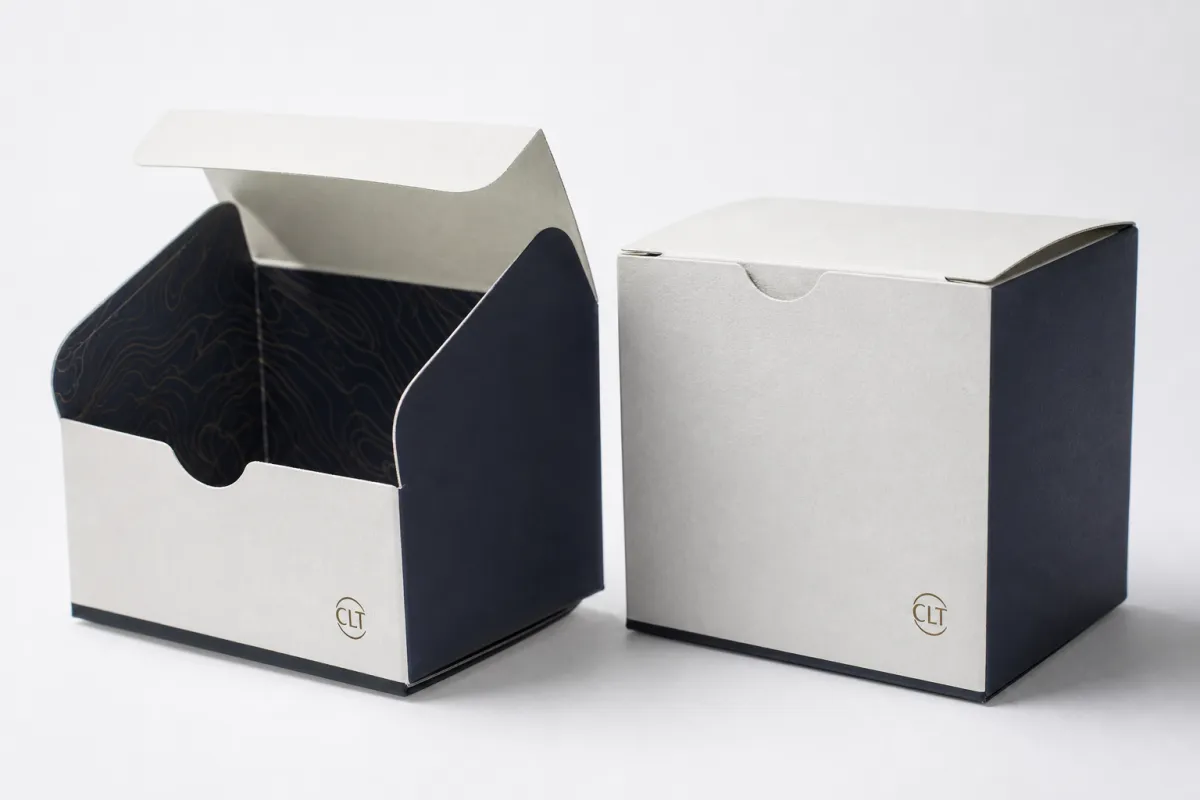
The packaging reality that often gets missed is simple: one extra motion on a line does not sound expensive until you multiply it by shifts, SKUs, and labor hours. A pre glued cartons manufacturer removes one of the slowest hand steps in folding carton assembly, so the packer does not have to crease, align, and glue every unit on site. The carton arrives flat, already adhered where it needs to be, and ready to erect faster than a manually glued alternative.
That matters most for brands with small teams, contract packers that bill by output, and seasonal businesses that suddenly need 20,000 more cartons than usual. If a person loses 4 to 6 seconds per carton on folding, that sounds minor. On 1,000 cartons, it becomes 1.1 to 1.7 labor hours. On 10,000 cartons, it starts to look like a shift problem. A good pre glued cartons manufacturer is not just selling board and print; it is selling less friction at the line.
From a buyer's point of view, the visible cost is the invoice from the pre glued cartons manufacturer. The hidden cost is slower packout, more touch points, and more chance for operator error. That is why unit price alone can mislead. A carton that costs $0.03 less but adds a manual fold may be the more expensive choice once labor, throughput, and rejects enter the picture.
If a carton can save ten minutes per thousand units, the carton spec is already doing part of the profitability work.
That also explains why co-packers watch cartons per minute so closely. A line moving 18 to 24 cartons per minute can feel very different from one dropping into the low teens because each packer is fighting a box that does not want to open cleanly. A pre glued cartons manufacturer helps smooth that gap, especially where labor is tight and supervisors care more about throughput than about the carton price on paper.
I have seen operations lose more time to awkward carton behavior than to machine issues, which is a little maddening when the fix was sitting in the spec sheet all along. The carton was technically “right,” but it was kinda wrong for the way the line actually worked. That gap is where a competent supplier earns its keep.
How a pre glued cartons manufacturer makes the carton
In plain language, a pre glued cartons manufacturer die-cuts paperboard, prints it, folds it, applies adhesive in a controlled pattern, and ships the cartons flat so they can be erected quickly at the customer site. The process sounds straightforward, but consistency depends on several details that are easy to miss if you only read the quote. Board selection, adhesive type, folding geometry, and curing time all affect how the carton behaves when the packer opens it.
A typical run starts with the substrate. Many jobs use 300 gsm to 400 gsm paperboard, though heavier or lighter stocks are possible depending on product weight and shelf expectations. The carton then moves through printing, die-cutting, creasing, gluing, bundling, and final inspection. A strong pre glued cartons manufacturer keeps adhesive application tight enough that the seal holds in transit but does not gum up the erection point on the line.
There are a few common constructions. Side-glued cartons are often used for standard folding boxes, sleeves, and retail cartons where quick assembly matters. Crash-lock or auto-bottom styles can also be pre-glued, which gives the packer a faster bottom lock and a more stable base for heavier contents. Specialty pre-glued structures show up in cosmetics, food, health, and promotional packaging where the opening behavior or shelf presentation carries real weight. A skilled pre glued cartons manufacturer will explain which structure is practical before artwork gets locked.
Consistency comes from process control, not luck. Adhesive application needs repeatable pressure and line speed. The fold lines need accurate scoring so the board opens at the same angle every time. Curing or set time has to be long enough for bond strength to stabilize, but not so long that the run loses efficiency. The best pre glued cartons manufacturer will talk about these variables in concrete terms instead of hiding behind generic claims.
What the buyer still does on site matters just as much. The cartons still need storage in a dry area, safe handling at the line, erection by operators or automation, filling, and seal verification. A pre-glued carton is not magic. It is a packaging format that shifts work from the pack room to the converting plant, and that only helps if the rest of the system is ready for it.
One practical detail that gets overlooked: humidity can change the way paperboard remembers a score. If a plant is running in a damp warehouse or a supplier is shipping through a wet season, a carton that looked perfect in a sample room may act differently on the floor. That is not a failure of the format; it is normal materials behavior, and a good pre glued cartons manufacturer should be willing to talk through it honestly.
Process and timeline: what happens from quote to delivery
A pre glued cartons manufacturer usually follows a familiar path from request to shipment, but the timing depends on how complete the buyer is at the start. The process normally begins with an RFQ, then moves into specification review, dieline confirmation, artwork approval, sample or prototype signoff, production, inspection, and shipment. If any one of those steps is vague, the schedule stretches. If all of them are clean, the run moves much faster.
- RFQ and spec review: dimensions, product weight, board grade, print coverage, finish, and quantity.
- Dieline confirmation: structure, opening direction, glue flap location, and tolerances.
- Artwork approval: color expectations, barcode placement, legal copy, and file format.
- Sample or prototype: a physical check for erection behavior and fit.
- Production: printing, die-cutting, gluing, drying, and bundling.
- Inspection and shipment: counts, carton condition, palletization, and booking.
For a first order, a pre glued cartons manufacturer often needs 15 to 25 business days after proof approval if tooling is already in place and the structure is not unusual. Repeat orders can move faster, often in 10 to 15 business days, because the die, glue pattern, and artwork references are already locked. If a new die is required, or if the shape is complex, add time. That is normal, not a red flag.
Shipping changes the calendar more than many buyers expect. Domestic freight can add a few days, depending on lane and dock appointments. Ocean freight can add several weeks. Air freight can rescue a launch, but it also changes the landed cost sharply, so it usually makes sense only for a true shortage. A thoughtful pre glued cartons manufacturer will separate production time from transit time so there is no confusion about what actually sits on the critical path.
Sampling deserves more respect than it gets. A flat proof may confirm size, but a folded sample tells you whether the carton opens cleanly, whether the glue line is tidy, and whether the board holds square under real handling. If the sample must survive rough transit, use distribution testing. Many teams use resources and protocols tied to ISTA distribution testing standards so they are not guessing about carton performance.
For comparison, here is a practical timeline benchmark that buyers can use as a starting point. The numbers vary by factory load and complexity, but they are a better planning tool than vague promises from a pre glued cartons manufacturer.
| Stage | Typical range | What can slow it down |
|---|---|---|
| Sample creation | 3-7 business days | New die, complex fold, multiple approvals |
| First production run | 15-25 business days after approval | Artwork changes, board sourcing, long drying time |
| Repeat production run | 10-15 business days after approval | Peak season, press queue, special packing requests |
| Ocean transit | 20-35 days | Port congestion, customs, routing changes |
| Domestic transit | 2-7 days | Appointment delays, distance, weather |
Cost, pricing, and MOQ: what changes the quote
The quote from a pre glued cartons manufacturer is shaped by more than size. Board grade, print coverage, coatings, adhesive pattern, structural complexity, and order quantity all move the number. Two cartons with the same dimensions can land at very different prices if one uses premium SBS with a matte coating and the other uses plain CCNB with a single-color print. Buyers who compare only the unit price often miss the real cost drivers.
MOQ matters because setup cost has to be spread across the run. If a manufacturer is making a simple carton in 20,000 pieces, the tooling and prepress burden becomes smaller per unit. On a 3,000-piece run, the same setup cost lands much harder. That is why smaller orders often feel expensive, even if the board itself is not. A sensible pre glued cartons manufacturer will explain where the breakpoints are instead of pushing every request through the same template.
Here is a realistic comparison for common sourcing scenarios. These ranges are not a promise from every plant, but they are close to what a buyer will hear in the market when asking a pre glued cartons manufacturer for a repeatable, production-ready quote.
| Option | Typical use | Approx. unit price at 5,000 pcs | Best for |
|---|---|---|---|
| Standard folding carton | Simple retail packaging, low print coverage | $0.12-$0.24 | Lowest cost when manual folding is acceptable |
| Pre glued carton | Faster packout, moderate print, common retail sizes | $0.18-$0.36 | Teams that care about line speed and labor control |
| Premium pre glued carton | Heavy coverage, coatings, specialty finishes | $0.32-$0.65 | Higher shelf impact or more demanding product fit |
| Low MOQ pre glued carton | Test launches, niche SKUs, short promotions | $0.35-$0.85 | Small runs where flexibility matters more than price |
Those figures still leave room for freight, palletization, inspection fees, and storage. A quote can look competitive until a buyer sees that the cartons ship in oversized pallets or require special wrapping to protect the glue line. That is why total landed cost matters. A pre glued cartons manufacturer with a slightly higher ex-factory price can still be cheaper if it ships more efficiently and reduces damage or labor downstream.
A buyer-friendly quote request should ask for the same data every time. Send the carton dimensions, product weight, artwork file type, print colors, surface finish, board grade, target quantity, destination, and required ship date. Also ask whether tooling, plates, samples, and freight are included. That is the only way to compare one pre glued cartons manufacturer against another without mixing apples, oranges, and hidden charges.
There is also a practical cost detail that does not show up until the cartons reach the warehouse: storage behavior. If cartons are packed too tightly, exposed to moisture, or stacked badly, the glue line can suffer before the first box is even opened. A low quote is not much help if you have to rework the product or throw cartons away later.
Key factors to evaluate in a pre glued cartons manufacturer
Not every pre glued cartons manufacturer can hold the same level of consistency. The difference shows up in how the carton opens, how the glue line looks, how well the folds square up, and whether repeat orders match the approved sample. Manufacturing capability is the first filter. Buyers should ask about the equipment range, the glue application system, inspection controls, and how the plant manages tolerances across repeat runs.
Material knowledge is just as important. A manufacturer that understands paperboard behavior will know how a 350 gsm sheet differs from a 400 gsm one, how humidity affects score memory, and how a carton for a glass bottle should differ from one for a light cosmetic item. If the pack must survive shipping, the conversation may need to include FSC-certified fiber options, fiber sourcing documentation, or test standards tied to transit behavior. A competent pre glued cartons manufacturer will not treat those topics as an afterthought.
Print quality and finishing also deserve scrutiny. A white carton with a clean one-color logo is one thing. A shelf-facing carton with process color, foil, soft-touch coating, and tight registration is another. Small shifts in ink density can change how premium a package feels in retail lighting. From the buyer side, that is not cosmetic trivia. It affects conversion on shelf. If the carton is part of the brand story, choose a pre glued cartons manufacturer that can show consistent color control and disciplined proofing.
Communication habits separate good suppliers from frustrating ones. Clear dielines, dated revisions, sample signoff records, and a predictable contact path reduce mistakes. So does change control. If artwork changes after approval, the supplier should identify exactly what moved and whether the glue pattern, score line, or carton opening behavior also changed. A pre glued cartons manufacturer that documents the process well usually saves money later because fewer corrections are needed.
Operational fit matters too. Some plants are strong at large repeat volumes but weak on low-MOQ customization. Others are nimble on short runs but struggle to maintain speed once the order grows. The right pre glued cartons manufacturer should match your forecast, your delivery cadence, and your packing method. If you need staggered shipments, serialized packs, or special pallet labels, ask early. The answer often reveals more than the sales pitch.
For a practical shortlist, I would ask for these five proofs before moving forward:
- Recent sample cartons with similar board weight and finish.
- A written tolerance range for dimensions and glue placement.
- Production photos or process notes that show inspection controls.
- A clear statement on lead time for first orders and repeats.
- A confirmation of how the plant handles FSC, food-contact, or transit-test requirements if needed.
That checklist is not glamorous, but it saves disappointment. A pre glued cartons manufacturer should be judged on repeatability, not slogans.
Common mistakes when sourcing pre glued cartons
The biggest mistake is choosing only on unit price. A carton that looks cheap can be expensive once you count line speed, defect rates, and operator frustration. I have seen buyers chase a few cents of savings and then lose much more in labor because the carton did not open cleanly or the glue bond was inconsistent. A dependable pre glued cartons manufacturer helps reduce that risk, but only if the buyer compares total performance, not just the invoice.
A second mistake is approving a sample without testing it on the actual line. Hand-erecting a carton at a desk does not tell you how it behaves under production lighting, with gloved hands, on a fast shift, or after a pallet has sat in a humid warehouse. If the carton needs to meet transit expectations, pair real-world testing with standards-based thinking. Many packaging teams use packaging industry resources alongside ISTA or ASTM methods so they can make decisions from data, not guesswork.
Vague specs create rework. If the buyer does not define dimensions, board weight, print area, coating, tolerance range, and the exact way the carton should open, the pre glued cartons manufacturer has to fill in the blanks. That often means extra samples, extra emails, and extra delay. The same problem appears when artwork files are incomplete or when legal copy is still changing after quotation.
Late ordering is another expensive habit. A launch that needs cartons in two weeks may force rushed approvals, air freight, or both. That does not only raise cost; it also increases the odds of a missed detail. A rushed pre glued cartons manufacturer can still produce usable cartons, but the buyer is paying for pressure that could have been avoided with earlier planning.
Inventory buffers matter more than many teams admit. A promotion, retailer reset, or demand spike can burn through cartons faster than forecast. If the order point is too tight, the buyer ends up paying to rescue the schedule instead of managing it. Good planners keep a buffer large enough to protect the launch, but not so large that cartons sit for months in poor storage conditions. The sweet spot depends on the shelf life of the product, the warehouse climate, and the speed of the line.
Another mistake is forgetting about pack behavior after the first day. A carton can look wonderful in a sample room and still create issues after a week of storage, especially if the board was cut or stacked in a way that made the score memory act up. That is the sort of detail an experienced supplier will flag before you have to learn it the hard way.
Here is the pattern I see most often: buyers assume the carton is the easy part. Then the carton becomes the bottleneck. A strong pre glued cartons manufacturer will ask the questions that reveal those risks early, and that is usually a good sign.
Expert tips and next steps for working with a pre glued cartons manufacturer
Start with a complete spec sheet. It should include carton dimensions, product weight, print coverage, finish, target quantity, delivery location, and the date you actually need cartons in hand. If your operation uses a filling machine or a specific pack method, say so. The more clearly the pre glued cartons manufacturer understands the line, the less likely you are to get a carton that looks right but behaves poorly.
Then ask for a physical sample and test it for three things: erection speed, glue integrity, and appearance under production lighting. If the carton must hold a product through shipping, add stacking and vibration checks. If the product is sensitive to distribution damage, use transit testing or a method modeled on the trip the carton will really take. A pre glued cartons manufacturer should be comfortable with that level of scrutiny.
Next, request a production calendar with milestone dates. You want to see when artwork is due, when the sample will be approved, when production starts, and when shipment is booked. A calendar helps prevent the classic problem where everyone thinks the carton is on time until the freight forwarder says otherwise. If a supplier cannot provide that level of planning, I would treat the quote carefully. A reliable pre glued cartons manufacturer should be able to map the job, not just price it.
It also helps to keep a backup option in your pocket. If the primary supplier cannot meet MOQ, if freight turns ugly, or if the lead time slips, a second source gives you more control. That does not mean splitting every order. It means being honest about supply risk. The best buyers build options before they need them.
If you are working with Custom Logo Things, the goal should be simple: find the package that fits the product, the line, and the budget. For more background on the people behind the sourcing support, the Custom Logo Things about page is worth a look. A pre glued cartons manufacturer is only the right choice if it fits the real operating conditions, not the theoretical ones.
My practical rule is this: do not treat pre-glued construction as a premium add-on unless the numbers support it. If a pre glued cartons manufacturer saves labor, improves pack consistency, lowers damage, or supports a tighter launch, the value is easy to defend. If it does none of those things, the carton is probably over-specified.
The takeaway is straightforward: choose the pre glued cartons manufacturer based on fit, speed, and total landed value, then validate the carton on your actual line before you commit to volume. That order of operations usually tells a more accurate story than headline price, and it is the safer way to buy packaging that has to perform in real conditions.
What does a pre glued cartons manufacturer do differently from a standard carton supplier?
They apply adhesive during production so the carton arrives ready for faster erection and packing. A pre glued cartons manufacturer usually reduces manual labor at the filling stage and improves consistency, but the buyer still needs to test the carton on the actual line.
How do I estimate pricing from a pre glued cartons manufacturer?
Start with carton size, board grade, print coverage, finish, and order quantity. Ask whether tooling, plates, setup, and freight are included. The cleanest comparison comes from giving every pre glued cartons manufacturer the same spec sheet and then comparing the true landed cost.
What lead time should I expect from a pre glued cartons manufacturer?
First orders usually take longer because artwork, tooling, and samples need approval. Repeat orders move faster once the structure is locked. A pre glued cartons manufacturer still needs time for production and shipment, and peak season or rush freight can change the calendar.
Can a pre glued cartons manufacturer support low MOQ orders?
Yes, but low quantities often raise unit cost because setup is spread over fewer cartons. Some suppliers offer standard sizes or shared tooling to make smaller runs more workable. Before finalizing artwork, ask the pre glued cartons manufacturer where the MOQ line sits.
What should I check in a sample from a pre glued cartons manufacturer?
Check fold accuracy, glue bond strength, print alignment, and how quickly the carton erects. Test it on your actual equipment or with the people who will pack it. A good pre glued cartons manufacturer sample should also show square edges, clean finishing, and no sign the carton will fail in storage or transit.
What happens if my cartons sit in storage before use?
Storage conditions can change board memory, glue performance, and overall handling. Keep cartons dry, away from heat spikes, and stacked the way the supplier recommends. A trustworthy pre glued cartons manufacturer should tell you the storage window and any handling limits up front.