pre printed mailing labels are a practical answer to a simple problem: the same address block, logo, barcode, or sender information has to leave the building hundreds or thousands of times, and nobody wants to rebuild that label on every order. They remove a small task from the packing bench, but the bigger value is consistency. The type lands in the same place. The barcode keeps the same quiet zone. The adhesive behaves the same on carton after carton. That reduces the sort of minor variation that slows a shipping team down more than people expect.
For a warehouse shipping 300 parcels a day, saving even 10 seconds per parcel adds up to 50 minutes of labor every shift. That is not a marketing number; it is just arithmetic. A label that is prepared once and reused in production can be worth more than the per-piece print cost because it changes the rhythm of the line. The question is not whether a label can be printed. The question is whether the format, stock, and adhesive fit the actual work.
“Pay once for the setup that never changes, instead of paying for it every time someone reaches for the printer.”
What pre printed mailing labels are and why they still save time
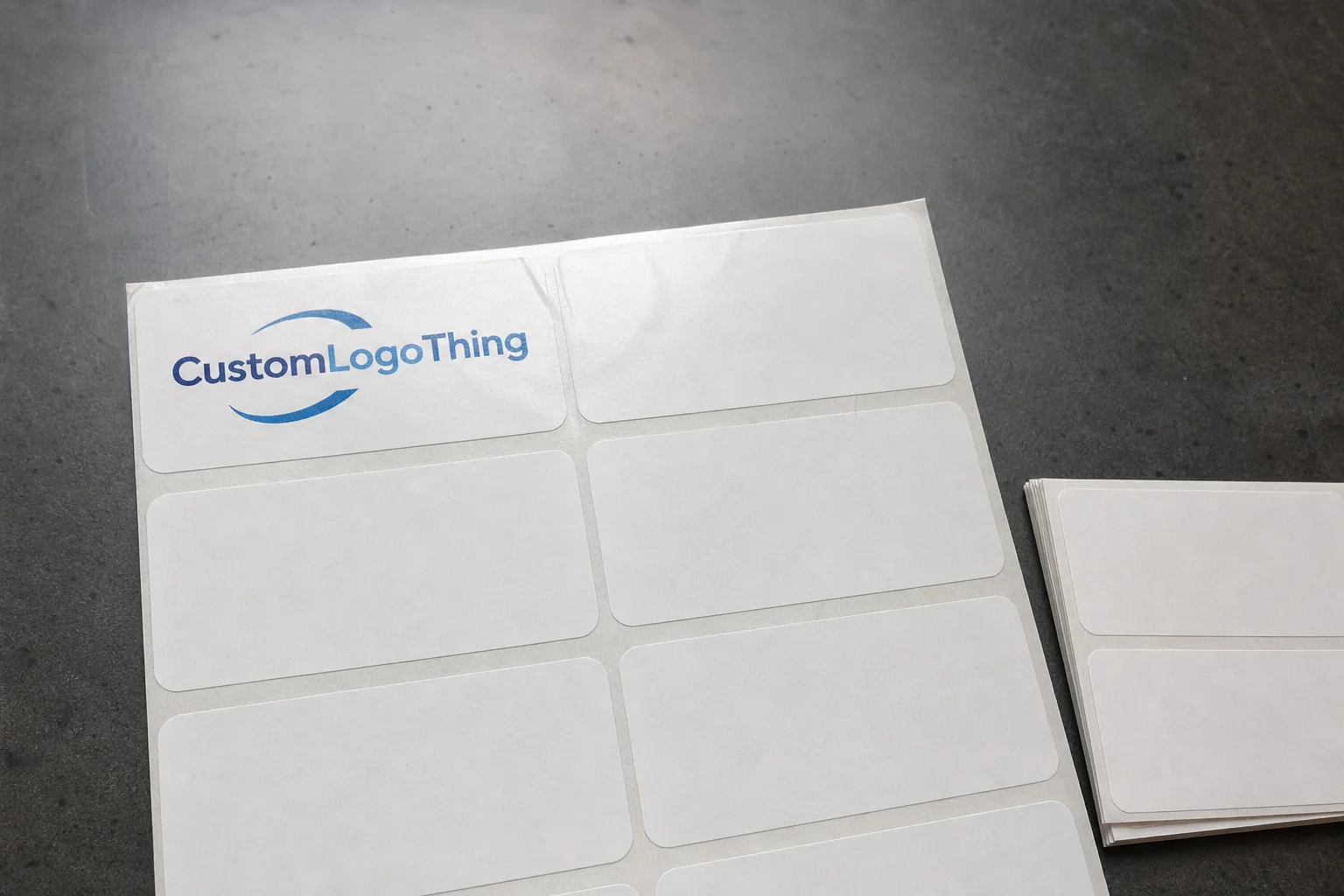
At a basic level, pre printed mailing labels are labels produced before fulfillment starts, so the artwork is already on the label when it arrives at the packing area. That can include a return address, brand mark, routing barcode, shipping zone identifier, or a standard sender block. The key difference from on-demand printing is that the content is fixed in advance. There is no desktop printer waiting to jam, no toner replacement, and no last-minute formatting drift from operator to operator.
That matters in more places than high-volume e-commerce. Subscription boxes, wholesale programs, internal warehouse routing, and retail replenishment all benefit from labels that are already aligned and ready to apply. The more repetitive the shipment pattern, the more the economics favor pre printed material. A team doing small, changing jobs may not feel the same payoff. A team repeating the same shipment profile day after day usually does.
The visual side matters too. A label is part of the package face, not a separate accessory. When the sender block, logo, and barcode are laid out cleanly, the parcel looks controlled rather than improvised. For brands already using Custom Labels & Tags on product packaging, the mailing label should feel like part of the same system. The more consistent the type, spacing, and color treatment, the less the shipping operation looks like a patchwork of different tools.
Use cases tend to fall into a few repeatable buckets:
- Return address labels for recurring outbound shipments
- Logo labels for cartons and mailers that need a branded face
- Barcode labels for warehouse routing and sorting
- Membership or subscription mailers with fixed sender information
- Wholesale packs that need a uniform shipping identity
There is also a hidden benefit that shows up only after a few reorder cycles. Once the label spec is stable, the packing team stops improvising. That reduces errors, and it also makes training easier because new staff learn one standard instead of three versions that are all “close enough.”
How the process works from artwork to finished labels
The production path is straightforward, but the details decide whether the job feels smooth or messy. It usually starts with artwork review: dimensions, logo files, address text, barcode placement, and the label shape. A prepress check looks for bleed, safe area, and contrast. If the barcode sits too close to the edge or the type is too light for the stock, the label may look fine on screen and still fail on press.
Proofing is the moment to catch small problems before they become expensive. A missing digit in a ZIP code, a logo placed 2 mm too high, or a barcode that does not have enough quiet space can all be fixed before production. After the run begins, changes become slower and more costly. If the job uses digital production, that correction window is usually short. If it requires plates, dies, or a larger queued run, the schedule becomes less flexible.
Then comes printing and finishing. Some buyers want labels on rolls because they feed quickly from a dispenser. Others prefer sheets because they are easier to store and hand-apply in office or low-volume settings. Die-cut and kiss-cut formats also change handling speed. Roll labels usually fit a faster packing line. Sheet labels make more sense where the pace is slower and storage space is less constrained. The right format is the one that matches how the team actually applies the label, not the one that looks best in a mockup.
One practical check is to test the label against the real surface before approving a full run. A coated mailer, a rough corrugated carton, and a recycled paperboard box do not behave the same way. Adhesion, edge lift, and barcode readability should be tested on the actual packaging, under the same lighting and temperature the shipping area uses. That step catches more problems than a polished digital proof ever will.
If the label is part of a broader packaging program, keep it visually aligned with related components such as Custom Poly Mailers. Matching the sender details, brand treatment, and color tone helps the shipment look deliberate instead of assembled from unrelated parts. The shipping label is small, but it sits on the first surface people see.
For teams that want a baseline on paper sourcing or waste reduction, the U.S. EPA Sustainable Materials Management guidance is a useful reference point. It does not choose a label for you, but it helps frame the tradeoff between durability, waste, and actual use conditions.
Cost, pricing, and unit economics for pre printed labels
Pricing is driven by a few variables that tend to move together: quantity, size, color count, stock, adhesive, finish, and production method. A one-color paper label is a different job from a full-color label with a protective coating and freezer adhesive. Buyers sometimes compare quotes by unit price only, which hides the real cost. A label that costs slightly more per piece may still be cheaper overall if it applies faster, survives transit better, and avoids rework.
Volume discounts matter, but only if the artwork and use case are stable. If the brand is still testing carton size, shipping format, or logo placement, a large print run can lock money into labels that will not be used. The better order size is the one that matches known demand before the next design change. That is a more conservative way to buy, and usually the wiser one.
A practical cost view looks like this:
| Option | Typical Use | Approximate Cost Range | Tradeoff |
|---|---|---|---|
| Simple paper labels | Dry indoor shipping, basic branding | $0.03-$0.08 per label at higher quantities | Lowest cost, but less durable |
| Coated or gloss labels | Retail-ready cartons, sharper presentation | $0.05-$0.12 per label | Better image quality, more visible scuffing if handled roughly |
| Film or moisture-resistant labels | Humid docks, rough handling, longer transit | $0.08-$0.18 per label | Higher cost, but much better durability |
| Short-run custom labels | Test orders, promotions, low quantity runs | Often $0.15+ per label | Flexible, but setup cost weighs heavily |
Minimum order quantities deserve attention. A setup charge that is invisible at 10,000 pieces can dominate at 500. That does not mean small runs are wrong. It means the buying decision should reflect how long the design will stay in circulation. Asking for pricing at several break points, such as 1,000, 5,000, and 10,000 pieces, usually exposes the real threshold where unit economics improve.
The hidden costs are operational. A label that feeds poorly slows the packer. A label that peels unevenly delays application. A label that smudges causes rework or repacking. A barcode that fails on scan can create downstream labor in receiving, returns, or routing. The best way to compare labels is not just on sticker price per piece. It is cost per shipped order after application speed, waste, and failure rate are included.
For buyers who think in shipping reliability rather than print cost alone, package testing standards such as ISTA transit testing guidance are a useful lens. Labels are small, but they still have to survive vibration, abrasion, heat, and handling. A cheap label that sheds ink or lifts in transit is not cheap for long.
Materials, adhesive, and finish choices that change performance
Material choice is where many label problems begin. Paper face stock is usually the most economical option and performs well in dry, climate-controlled shipping areas. It is a sensible choice for cartons that will not see much moisture, abrasion, or temperature swing. Film stocks, especially polypropylene-based materials, are a better fit when the label may meet humidity, condensation, freezer conditions, or rougher handling. They cost more, but they hold up better.
Adhesive selection matters just as much as the face stock. Permanent adhesive is the default for most shipping uses because the label is meant to stay on the carton. Removable adhesive has a place, but it is not a universal substitute. Freezer-grade adhesive is a separate category and should be treated that way; cold surfaces and condensation can defeat a standard adhesive quickly. A label that looks good in a sample pack can still fail if the carton surface is dusty, recycled, textured, or unusually cold.
Finish affects both appearance and usability. Matte finishes are easier to read and usually friendlier to scanners because they reduce glare. Gloss finishes make colors look brighter, which some brands prefer, but they can reflect light in a way that complicates manual reading or barcode scanning. Protective coatings help with abrasion and smudging, especially if the labels are handled soon after application or stacked tightly while the ink is still settling.
There is a temptation to over-spec the label. That is usually expensive and often unnecessary. A shipping label does not need the same finish as a retail display sticker. On the other hand, under-specifying the label creates waste that is harder to see at purchase time than at the packing table. The right balance depends on the route the parcel takes: warehouse, dock, carrier network, and final delivery conditions.
Some practical spec points are worth checking before a reorder:
- Face stock thickness and whether it is paper or film
- Adhesive type: permanent, removable, or freezer-grade
- Finish: matte, gloss, or protective coating
- Roll direction or sheet layout for the applicator in use
- Barcode contrast and whether the quiet zone is preserved
If the line runs fast, the liner and dispenser compatibility matter too. A well-designed label can still create friction if the roll orientation is wrong or the peel force is inconsistent. The best technical spec in the world is not useful if it slows the person applying the label every 20 seconds.
Production timeline and lead time: what buyers should expect
A typical job moves through quote approval, artwork proof, final approval, print scheduling, finishing, inspection, and shipment. The speed depends on whether the file is clean, the quantity is fixed, and the production method is straightforward. Simple digital jobs can move fast once the proof is approved. More complex runs, specialty materials, or jobs that need extra setup take longer because they sit in a queue and require more adjustment.
The fastest projects are the ones that arrive with complete information. That means exact dimensions, final quantity, artwork files that are actually print-ready, and a clear approval contact. Missing one of those details is enough to slow the job. Incorrect dimensions are especially common, and they create avoidable delays because the design may need to be rebuilt rather than merely checked.
For reorder planning, do not wait until the last carton is out the door. A better rule is to reorder before inventory falls below roughly one-third of the next expected run. That leaves room for proof corrections, production queue time, and shipping without forcing a rush order. Seasonal spikes make this even more important. A shipping label used in a steady month can run short very quickly during a promotion, a holiday window, or a marketplace surge.
Shipping time matters after production is complete, too. A label may be ready, but if the final order is tied to a larger packaging rollout, the launch date is governed by the slowest part of the chain. Freight, cross-country delivery, or a staged warehouse rollout can add days that are easy to overlook during planning.
For paper-based projects, a sourcing conversation may also include certification language. The FSC site is a useful reference for certified paper options if the buyer needs to document material standards in a procurement file. That is especially relevant when the label spec is being reviewed alongside other packaging components.
Common mistakes that lead to wasted labels
The most common mistake is a size mismatch. A label built for one format will not behave the same way in a different one. If a 2 x 4 layout is forced onto a narrow mailer panel or a broader carton face, the result is usually cramped text, wasted space, or a barcode that is too close to the edge. Size errors sound trivial. They are not. They often cause the whole job to be revised.
Poor contrast is another failure point. Tiny type, weak color contrast, and cluttered layouts can all look acceptable on a screen and still fail in a shipping room. Address information has to be easy to read at a glance. Barcode data has to scan without fighting the background art. A label that tries to be decorative and functional at the same time often ends up doing neither job especially well.
Application speed gets underestimated too. If the label peels unevenly, curls, or resists the dispenser, the packing line slows down. That is difficult to catch in proofing because the issue is mechanical, not visual. A label that is pleasant to approve can still be annoying to use.
Adhesive mistakes are expensive because they often surface after the label has already been applied. Some carton stocks are dusty. Some are recycled and more textured than expected. Some are stored in a cold room before shipping. If the adhesive was chosen only on paper performance, the label may lift at the corners or fail entirely. The environment matters.
Another avoidable problem is version confusion. A label program changes once, then changes again, and no one removes the old file from circulation. Three slightly different versions move through the team, and nobody can tell which one is current. That is how reorders get mismatched and why a clean spec sheet is worth more than a loose email thread.
Finally, short orders create their own waste. A business may order just enough labels for a campaign, then find the campaign lasts longer than expected. The second run comes in at a worse price and often under more time pressure. A small cushion is usually cheaper than a rush fix.
Expert tips and next steps for a better reorder spec
If the label will be reordered more than once, save the exact spec in one place. Include size, stock, adhesive, finish, artwork version, quantity target, and application method. That may sound administrative, but it removes ambiguity from future purchases. “Same as last time” is a weak spec. A documented spec is faster, cheaper, and much easier to audit.
Test samples on the real packaging surface before committing to a larger run. A few pieces on the actual carton or mailer will tell you more than a mockup on a screen. Check edge lift, barcode clarity, smudge resistance, and how the adhesive behaves after the label sits for a few hours. If the label is meant for a humid dock or a cold room, test it there, not in an office.
Keep the artwork production-ready. Vector logos, clean text, and proper barcode quiet zones reduce prepress friction. If a barcode is part of the design, protect it from nearby graphics and make sure the contrast is strong enough for the scanner used on the line. That is not a design flourish. It is a process control decision.
Plan reorders against real demand patterns. If the business sells harder during a season, a promotion, or a marketplace event, use that pattern rather than the quietest month as the baseline. pre printed mailing labels work best when they sit inside a stable packaging system, and the reorder size should reflect that stability. If the system is still changing every quarter, keep runs smaller and keep the spec tight.
Before requesting the next quote, gather four things: dimensions, quantity, usage conditions, and approval contact. Those are the details that save the most time and prevent the most back-and-forth. The rest of the process gets easier once those four items are fixed.
pre printed mailing labels are most valuable when they reduce friction instead of adding another decision. If the artwork is stable, the surface is known, and the reorder details are documented, they save time on every shipment while keeping the package face cleaner and more consistent from the first box to the last.
Are pre printed mailing labels better than blank labels for busy fulfillment teams?
Yes, when the label content stays the same and the team applies it repeatedly. They remove printing setup from the packing flow, reduce format drift, and make it easier to keep branding and barcode placement consistent across shipments.
What stock works best for pre printed mailing labels on shipping cartons?
Paper stock is usually the most economical choice for dry indoor shipping. Film or coated stocks are better when the label needs more resistance to moisture, scuffing, or rough handling.
How do I estimate the cost of pre printed mailing labels?
Start with quantity, size, color count, stock, adhesive, and finish, because those are the main drivers. Then compare the total cost of application and failure risk, not just the unit price on the label itself.
What is the usual turnaround for pre printed mailing labels?
Simple digital runs can move quickly once the proof is approved. Larger, more complex, or specialty jobs need more setup and a longer queue, so lead time depends heavily on how complete the artwork file is at the start.
Can pre printed mailing labels be reused for future reorders?
Yes, if the artwork, size, and material specification are saved clearly. A clean reorder file shortens the quoting process and reduces the risk of version mismatch or unnecessary changes.