Pre Printed Price tag stickers solve a practical retail problem that rarely gets treated as a print problem until the labor bill shows up. Writing prices by hand is slow, inconsistent, and easy to misread. A store with large SKU counts can lose a surprising amount of time to small tasks: rewriting markdowns, relabeling carton packs, correcting shelf edges, and checking whether every sticker matches the current promotion.
The value is not decorative. It is operational. A printed price label reduces manual steps, cuts down on pricing errors, and makes resets easier to execute across multiple locations. For teams that run frequent promos, seasonal updates, or restock cycles, pre printed Price Tag Stickers are part of the workflow, not an afterthought.
The buyer who treats the sticker as a production item usually gets a better result. That means choosing the right stock, adhesive, size, and print method for the environment where the label will actually be used. A label that looks fine in a proof but fails in a cold case or during a fast shelf reset is not a good label. It is a reprint waiting to happen.
Why Pre Printed Price Tag Stickers Cut Manual Pricing Time
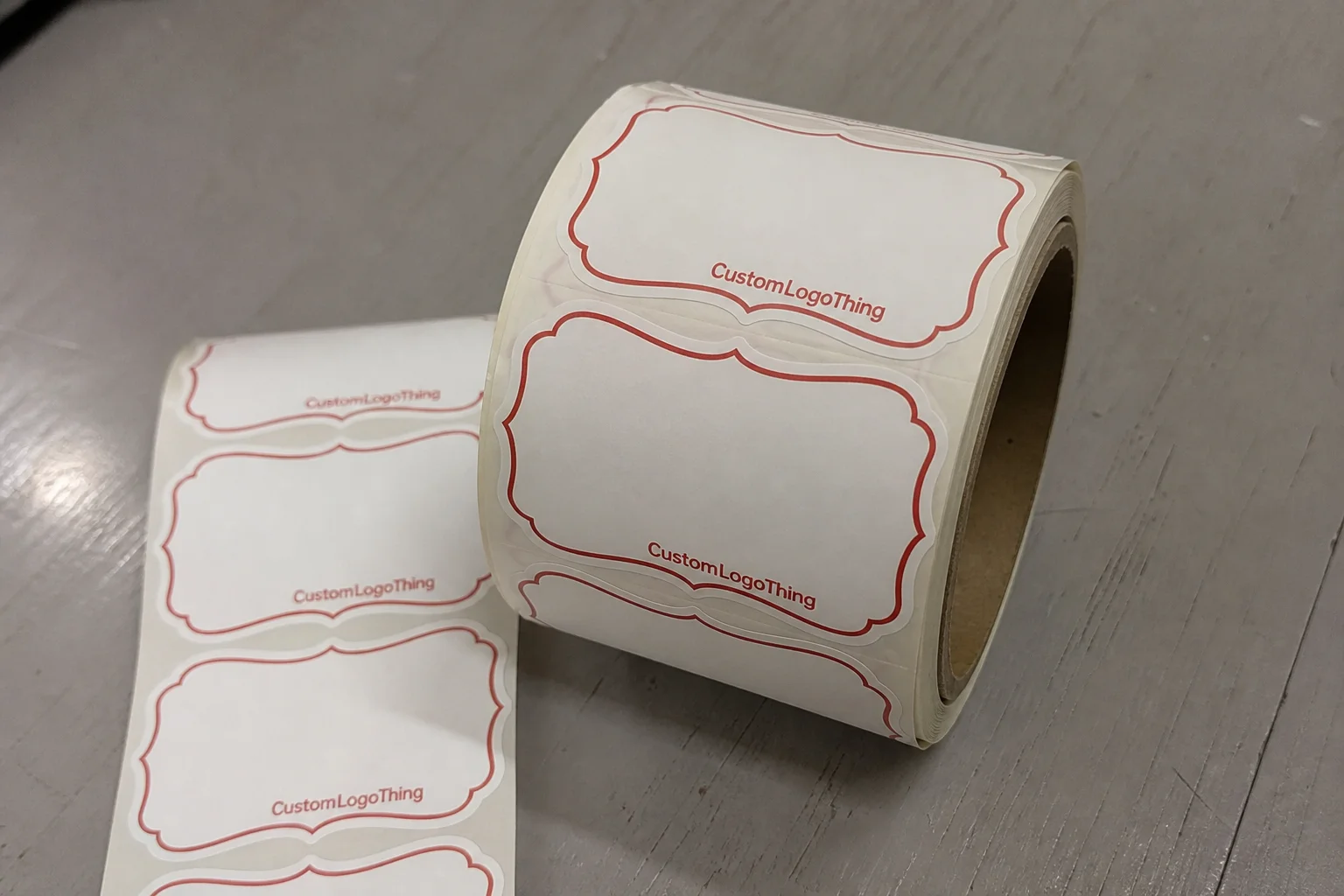
Handwritten pricing appears inexpensive until the process is measured. A team member writing the same price across cartons or shelf tags is doing repetitive work that slows down receiving, merchandising, and markdown changes. The labor cost is not just the time spent writing. It includes rechecks, corrections, and the cleanup that follows a mistake.
Pre printed price tag stickers remove that repeated manual step. The price is locked into the artwork, so staff can apply labels instead of authoring them on the spot. That matters most during opening sets, holiday transitions, and clearance events, when one price may need to appear on dozens or hundreds of units before the store opens.
Consistency is another advantage that gets underestimated. A row of identical printed labels reads cleanly at shelf level. A row of handwritten tags, each with slightly different spacing or pen weight, creates visual noise and makes the display look less controlled. That difference affects how customers perceive price accuracy, and it affects how often staff are asked to confirm basic information at the register or on the floor.
There is also a straight production benefit. If the label is pre printed, the retailer can count, apply, and verify. If the label is handwritten, the process includes writing time, drying time, and more chances for a mistake. Multiply that across a busy store and the gap becomes difficult to ignore.
The best label programs are built around the question, “How much labor does each unit remove?” If the answer is unclear, the spec is probably too vague. Retail print jobs do not need embellishment. They need repeatability, readable pricing, and enough durability to survive handling.
Material and Adhesive Choices for Retail Use
Material choice should follow the environment, not the artwork mockup. Standard paper stock works well for dry goods, carton labels, and short promo runs where unit cost is the main constraint. It prints sharply, keeps the price readable, and is usually the most economical option at scale. It is also the least forgiving in wet, cold, or high-touch settings.
Film-based stock is more expensive, but it holds up better where paper starts to fail. Chilled displays, refrigerated cases, and frequently handled products expose a label to moisture, abrasion, and temperature swings. In those settings, a stronger face stock can prevent edge curl, tearing, and fading. The extra cost often makes sense if the label needs to survive more than one touch point.
Adhesive selection needs the same discipline. Temporary markdown labels should remove cleanly and not leave residue on the package. Permanent price labels need a firmer bond, especially on coated cartons, corrugated surfaces, or textured packaging. Cold storage is its own category: an adhesive that performs well at room temperature may lose tack when the product moves from storage into a cold case.
Finish changes readability. Matte stocks usually reduce glare under bright retail lighting. Semi-gloss and gloss can protect the surface and improve color density, but they may reflect too much light in a case or under LEDs. The right choice depends on where the label sits and how quickly staff or customers need to read it. That is a functional decision, not a style decision.
Format matters as well. Sheets are easier for manual application and small office workflows. Rolls make more sense when labels are applied in volume or dispensed from a handheld system. A store team applying a few hundred labels at a time may prefer sheets. A distribution or replenishment workflow usually benefits from rolls because they reduce handling and waste.
| Option | Best Use | Typical Unit Cost | Strengths |
|---|---|---|---|
| Paper stock | Dry goods, short promotions, carton pricing | $0.02-$0.06 at 5,000 pieces | Lowest cost, clear print, quick turnaround |
| Thermal-compatible stock | Variable pricing, date coding, rapid replenishment | $0.03-$0.08 at 5,000 pieces | Works with on-demand workflows, practical for reorders |
| Film-based stock | Moisture, chilled cases, heavy handling | $0.06-$0.15 at 5,000 pieces | Better durability, stronger resistance to wear |
For buyers with sustainability requirements, the substrate and adhesive should be checked against chain standards before the order is approved. If a retailer needs certified sourcing or fiber claims, review the relevant material documentation from FSC early. If the labels will ship with cartons or move through a broader fulfillment process, shipping test methods from ISTA help clarify how the package will behave in transit.
Size, Layout, and Print Specs That Keep Prices Legible
A price label has one main job: make the price easy to read quickly. If the layout buries that number under decorative frames, long descriptors, or crowded barcodes, the design has started working against the store. In a fast retail setting, clarity beats style every time.
Pre printed price tag stickers should usually place the price first, then the item name or SKU, then any barcode or QR code. That order matches how staff and customers actually scan a label under time pressure. The price digits need high contrast, enough size to read at arm's length, and enough white space around them to stay visually separate from the rest of the content.
Small formats often work better than oversized ones. A 1.5 x 2 inch or 2 x 3 inch label can be more effective than a larger piece if the information hierarchy is clean. Bigger is not automatically better. Extra surface area can be wasted if the label carries too much copy, and excess copy usually slows readability.
Typography has to be chosen for function. Thin fonts disappear at small sizes. Condensed fonts can save space, but if the price becomes cramped or the digits lose shape, the label has failed its purpose. White space is useful here. It is not empty area. It is part of the scan path for the eye.
The prepress file should include a few non-negotiables: accurate dielines, correct bleed, and barcode quiet zones. A bleed of 1/8 inch is common, though the exact spec depends on trim and finishing. Barcode zones must stay clear or scan performance suffers. For repeat orders, color consistency matters too. A brand frame that shifts from one run to another may be acceptable on screen and obvious in print.
"If the price is hard to read, the label is failing its job. Retail staff do not need visual flourishes. They need speed, clarity, and a file that prints the same way every time."
Layout should follow viewing distance. A carton label read in stockroom lighting has different requirements from a shelf-edge tag seen by shoppers under mixed light and movement. The first may need a larger SKU field. The second may need stronger contrast and a more compact composition. One template rarely fits both jobs without compromise.
Cost, MOQ, and Unit Cost Drivers
Label pricing is driven by a handful of variables: size, stock, adhesive, print complexity, and finishing. Version count matters too. A simple one-color paper label in a standard format will sit at the low end. Add a custom shape, film stock, premium adhesive, multiple versions, or special finishing, and the quote moves up quickly.
Pre printed price tag stickers are most economical when the order stays standardized. If one campaign uses the same size and stock across the line, setup is cleaner and waste is lower. If the buyer breaks the order into several shapes, finish types, and artwork versions, cost rises because every change adds prepress and press handling time.
MOQ depends on the production method. Digital print can support lower quantities, sometimes a few hundred per version, which is useful for testing a new promotion or managing a wide SKU matrix. Offset and flexo are usually more efficient at larger volumes, often starting in the 2,500 to 10,000 range because the setup cost is spread across more units. Specialty stocks and custom dies can raise the threshold further.
Unit cost often falls when artwork is consolidated. If the label structure stays the same and only the price line or SKU text changes, the supplier can reuse more of the production setup. That is especially useful for recurring promotions where the layout does not need to be rebuilt every time. A disciplined file structure usually saves more money than pushing for the lowest base quote.
Be careful about what the quote actually includes. Some suppliers include proofing, die work, cartons, and overage. Others bill those items separately. Ask whether a correction after proof approval creates a new setup fee. Ask whether shipping is included. Ask whether the quoted quantity includes a small safety margin or only the exact count. Those details matter because one revision can erase the savings from a lower unit price.
Practical buying range: standard retail labels often land around $0.03-$0.10 per unit at modest volume, while specialty materials and more complex versioning can push the price higher. The real number depends on quantity, coverage, format, and whether the job is built around one SKU or a family of price points.
Process and Turnaround: From Proof to Shipment
The production path is predictable when the brief is complete: artwork submission, prepress check, proof, approval, production, finishing, packing, and shipment. Most delays happen before printing begins. Once a proof is approved, changing a barcode, price line, or cut size can add days rather than hours.
Pre printed price tag stickers move faster when the supplier receives final quantities, approved colors, and one point of contact. A scattered approval chain slows everything down. If one person signs off on the artwork while another changes the pricing after proofing, the schedule slips immediately. Production teams work better with a complete brief than with a fast but incomplete one.
For standard work, turnaround after proof approval is often 7 to 15 business days. That range shifts with stock availability, finishing, quantity, and the number of versions in the order. Rush jobs can move faster if the layout is simple and the plant has capacity. Complex die cuts, cold-chain adhesives, or multiple SKUs in one run can stretch the schedule. A store reset should include buffer time, not just the shortest estimate.
Most delays come from avoidable issues: missing barcode data, unclear pricing tiers, or late changes to the layout. A barcode copied from a screenshot can fail during prepress. A promotion with six price points and no final mapping creates rework. The cleanest process is also the least dramatic: lock the data, approve the proof, then release the order.
Quality checks should happen at the proof stage, not after the labels arrive. Confirm the price figures, currency symbol, barcode content, trim size, and quantity per version. If there is a logo, inspect its placement and color balance. If the label includes variable data, verify the sequence. The goal is not perfection in theory. It is avoiding the kind of error that shows up in 20,000 pieces at once.
Supplier Capabilities That Reduce Reprints and Delays
A supplier is not only selling print. It is managing risk. The better plants catch artwork issues early, keep dielines consistent, and hold color within a repeatable range from one run to the next. That matters because a small mismatch on a screen can become obvious once it is printed across thousands of labels. Reprints are expensive. Missed launch dates cost more.
Pre printed price tag stickers should be easy to reorder without rebuilding the job. Ask whether the supplier can match a previous run, store files cleanly, and keep the layout stable on repeat orders. If the answer is yes, future campaigns are less likely to suffer color drift, format shifts, or unnecessary proof cycles. If the answer is vague, expect friction later.
Capability also includes version handling. Some buyers need sequential numbering, barcode integration, or multiple SKUs in one production plan. Others need the same label repeated over a long promotion cycle. A strong supplier can manage both without losing control of the queue. That becomes especially useful for retail programs that combine national pricing with local adjustments.
Communication is part of the production spec. A supplier that flags file issues, barcode risks, or stock shortages before print protects margin. The earlier a problem is caught, the cheaper it is to fix. The most expensive label is the one that gets reprinted after the shipment date has already passed.
For buyers comparing vendors, three checks are worth making:
- Proof control: can the supplier show a clean approval path with version tracking?
- Color consistency: can the same artwork be reordered without visible drift?
- Format control: can the supplier maintain the same dieline, cut size, and barcode clear zone across reorders?
If those answers are solid, the order is usually safer. If not, the first run may look fine, but the reorder becomes the real test. That is where a lot of low-cost sourcing decisions break down.
Next Steps to Place the Right Order
Start with the data, not the artwork. Build a SKU list, quantity by version, exact price structure, and any secondary fields that must appear on the label. Then confirm size, adhesive, finish, and format before design is finalized. That sequence avoids the most common revision loop: a file that looks polished but does not support the store's actual workflow.
Send the logo files, price tiers, barcode content, and shipping details together. If the supplier has to chase missing information, the schedule slows and the proof cycle gets longer. If the campaign includes multiple stores, specify whether pricing is national or location-specific. That detail can change both the layout and the quantity split.
Pre printed price tag stickers work best when the buyer treats the order as a repeatable spec set. Lock the version, approve the proof, and keep the file structure stable for the next run. That is how a retailer avoids rework and keeps the label program predictable across promotions. For teams building broader packaging and pricing systems, Custom Labels & Tags is a useful starting point, and the same production logic can carry into shelf tags, carton labels, and promotional stickers.
Match the production schedule to the sales window before release. A label that lands after the markdown has started has already missed the point. A label that arrives early is only useful if the spec is correct and the team knows where it belongs. The best jobs are not the flashiest. They are the ones that arrive on time, read cleanly, and reorder without friction.
FAQ
What size should pre printed price tag stickers be for small retail items?
Use a compact format that still leaves room for the price, SKU, and barcode without crowding the face. For small cartons or hanging tags, the right size is usually determined by viewing distance and how many data fields must remain readable at a glance. A small label can work if the price digits stay large enough to read from arm's length.
Can pre-printed price tag stickers include barcodes or QR codes?
Yes. The barcode should be supplied in a scan-safe format with correct quiet zones, and the code type should match the POS or inventory system before production starts. A final proof should be tested on the selected stock so print contrast and scan performance are checked before the run is released.
What is the usual MOQ for custom price tag sticker orders?
MOQ depends on stock type, color count, size, and whether the order uses standard or custom finishing. Digital and short-run jobs often allow lower quantities than specialty offset runs. If several SKUs are combined into one production plan, the effective unit cost usually improves.
How long does production take after proof approval?
Turnaround starts once the proof is approved and the artwork is locked. Standard jobs often ship in 7 to 15 business days, but timing changes with finishing, stock availability, and order complexity. Rush timing depends on whether the job is simple or requires special handling, versioning, or variable data.
What artwork do you need for pre printed price tag stickers?
Send the logo, exact pricing text, SKU data, quantity split, and any barcode or QR content. If color accuracy matters, include Pantone or CMYK preferences. The final shipping address and contact details should go in the same handoff so production and delivery do not stall.
For buyers focused on speed, consistency, and reorder control, the decision usually comes down to whether the spec is disciplined enough to support repeated use. Build it that way once, and pre printed price tag stickers become a predictable part of the retail workflow instead of a recurring problem.

