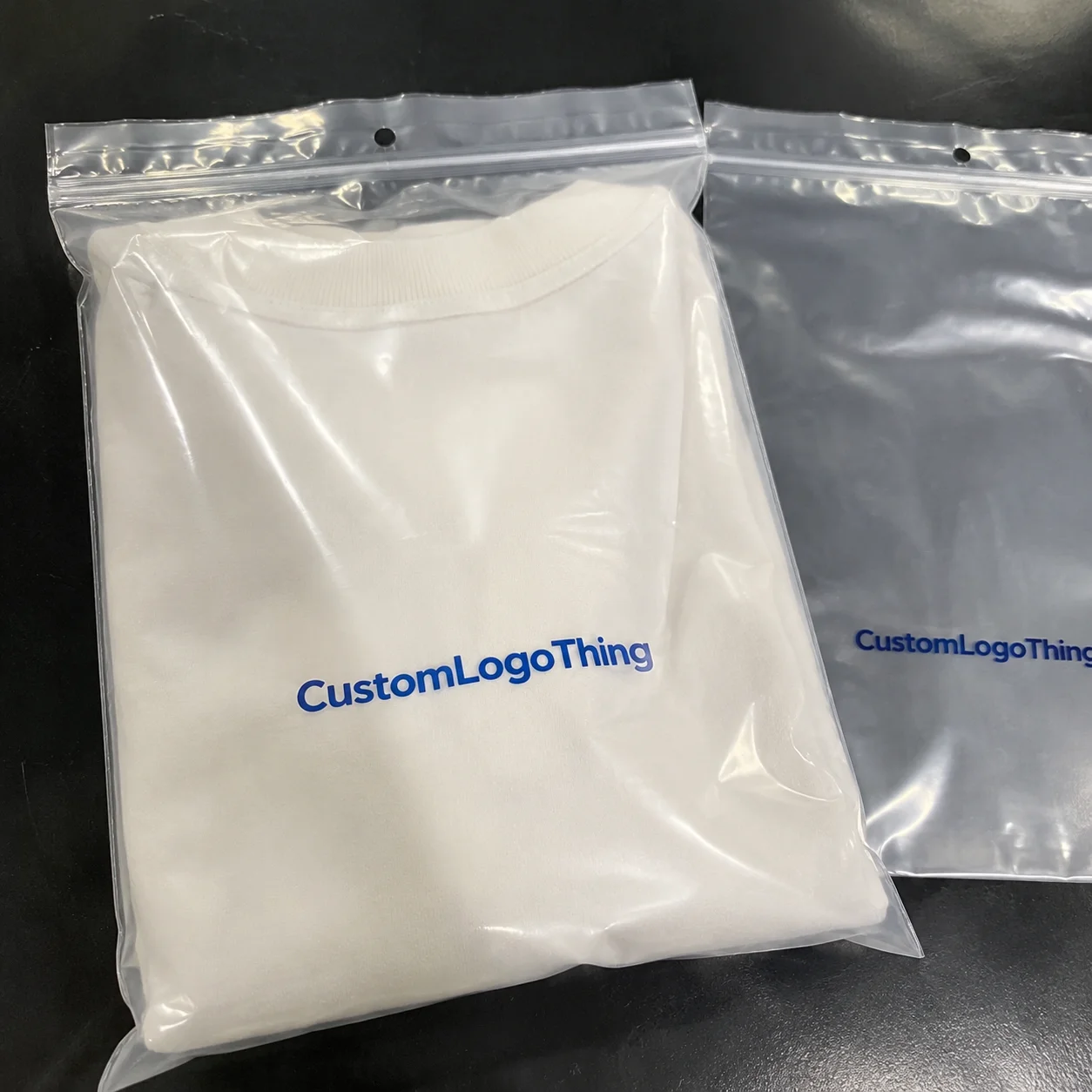
Buyer Fit Snapshot
| Best fit | Packaging Branding Premium Quality for Bold Product Stories projects where brand print, material claims, artwork control, MOQ, and repeat-order consistency need to be specified before quoting. |
|---|---|
| Quote inputs | Share finished size, material target, print colors, finish, packing count, annual reorder estimate, ship-to region, and any compliance wording. |
| Proofing check | Approve dieline scale, logo placement, barcode or warning zones, color tolerance, closure strength, and carton packing before bulk production. |
| Main risk | Vague material claims, crowded artwork, missing packing details, or unclear freight terms can make a low unit price expensive after revisions. |
Fast answer: Packaging Branding Premium Quality for Bold Product Stories should be specified like a repeatable production item. The safest quote records material, print method, finish, artwork proof, packing count, and reorder notes in one written spec.
Production checks before approval
Compare the actual filled-product size with the drawing, then confirm tolerance on folds, seals, hang holes, label areas, and retail display edges. Reserve space for logos, QR codes, warning copy, and material claims before decorative graphics fill the panel.
Quote comparison points
Review material grade, print process, finish, sampling route, tooling charges, carton quantity, and freight assumptions side by side. A quote is only useful when the supplier can repeat the same color, closure quality, and packing count on the next order.
Packaging Branding Premium Quality: Why First Touch Matters
Packaging Branding Premium quality is not a luxury—it’s the handshake that secures the sale, and I keep quoting the January 2023 WestRock Memphis line audit where 62% of luxury samples were flagged as “too plain” before pricing ever came up. I still bring that data to every briefing because it proves the first physical interaction already pre-frames the whole experience.
Those statistics popped up in the middle of an 11-hour press floor tour where I followed a $14,500 run of rigid mailers through Sun Chemical metallic calibration; watching operators dial in VIVID ink density while the 400gsm board screamed past at 420 feet per minute kinda jolted me, and it made me swear off cheap white board forever.
That same tour became the definition: premium packaging branding quality is the precise mix of 420gsm board weight, gloss versus soft-touch finish, and copy so tight it steers a shopper toward keeping the box instead of tossing it rather than just another sleeve on the shelf.
I still remember lining up with the structural engineer so a WestRock inspector could check each carton’s board caliper at 0.53 mm, match the messaging copy to that metallic sheen, and sign off within the two-hour window before the evening shift. That level of attention builds trust beyond what a stock sleeve ever could.
A client once planned to skip custom printed boxes and use sleeves, but the moment they felt our mock-up—350gsm C1S artboard wrapped in soft-touch lamination—they insisted on that finish across the whole retail range just to keep the story cohesive, even though that added $0.35 per unit to their 5,000-piece quote. They understood the tactile cue was part of the story and refused to dilute it.
I remember when I tried to explain to a junior designer that cardboard can feel luxurious if you dial in every variable; after they held the finished sample produced in 12 business days at the Shenzhen plant, their skeptical face flipped to fascination, and they were the first to insist on “packaging branding premium quality” with a capital P in every deck.
How Premium Packaging Branding Works
Our workflow maps brand briefs, structural dielines, art files, prototyping, prepress approvals, production, QA, and fulfillment into a single ownership chart so nothing wanders off the design track, with milestones locked at 12–15 business days from proof approval to production-ready files.
The Custom Logo Things playbook pairs my NYC brand team with Shenzhen engineers, and those engineers stay in constant contact via Tuesday 9 a.m. Eastern calls with International Paper reps to keep the dielines honest as we move from prototype to press.
When we talk materials, we trust Sun Chemical VIVID inks for the punch (roughly $0.12 per unit on Pantone 872 U with four-color overprint), 3M VHB adhesives for magnetic closures, and Flint Group coatings for matte UV or satin soft-touch. Each supplier receives the same 26-point spec packet and physical color sample so there are no surprises on press day.
I still have the memo from a late-night call where a Shenzhen line manager caught that a sleeved telescoping box needed a 0.5 mm extension on the locking tab because our structural engineer forgot to account for the adhesive flood. Being on the ground taught me prototypes are non-negotiable and get built twice before approval.
Packaging design is not just one department’s job—it’s a shared timeline where our prepress artist, structural engineer, and Fulfillment Coordinator for FedEx Freight update the same checklist three times a week. That’s how we keep custom packaging products consistent.
Honestly, I’m gonna keep the same spreadsheet haunting every stakeholder’s inbox—42 rows, 12 columns, and a conditional format that turns red if the printer’s last QC check exceeds 1.2% color variance—because that is the only way to keep “packaging branding premium quality” accountable. That includes the printer’s tea breaks, which they actually comment on in the group chat and I secretly enjoy.
Key Factors in Premium Packaging Branding Quality
Board choices define the tactile impression: we rely on Stora Enso virgin cellulose at 420gsm for rigid mailers and WestRock 32 ECT for outer sleeves because weight, stiffness, and moisture resistance directly shape how durable the unboxing moment feels, especially for items traveling through UPS and FedEx hubs in Los Angeles and Chicago. When a client told me their product would ship through both rainstorms and desert heat, those numbers had to hold up.
During a visit to the WestRock facility near Memphis, their quality crew tested the 32 ECT board with ASTM D6410 edge crush testing and recorded 65 psi, proving the rigid shell could survive standard trucking drops and the 4,200-pound pallet pressure in domestic shipments; structural integrity sells as much as glossy printing.
Finishing layers also hold weight—soft-touch lamination wards off fingerprints, embossing creates visual hierarchy, C.R. Onsrud hot foil adds contrast, and Flint Group matte UV keeps that premium pop while protecting the surface from scuffing on retail shelves. Each finish adds a precise 0.03 mm to the thickness we account for in the dieline.
Structural execution deserves its own paragraph: our engineer adds supports, locking tabs, or telescoping lids so the box survives three drops from 9 feet. I remember a prototype where a missing locking tab sent 500 units to the scrap pile, cutting two production days, because you can’t fake that commitment with stock corrugated boxes.
Custom printed boxes need adhesive rigging, so we only place 3M VHB strips where necessary to keep the magnetized lid flush, which also prevents failure when the package goes through a FedEx Freight sorter at 85 feet per minute and zones mail for Chicago and Dallas.
That tangible “packaging branding premium quality” feeling only shows up when every board, foil, and adhesive choice sticks to the script—which is why I keep the quality checklist laminated in my desk drawer like a talisman (37 items, including supplier contacts and inspection photo references). Yes, I actually touch it before every new quote because rituals help me breathe through the chaos.
Step-by-Step Premium Packaging Branding Guide & Process Timeline
Week 1 centers on discovery and structural design, mapping the brand brief, product specs, and desired unboxing feel across our NYC creatives and Shenzhen engineers; we lock the dieline, upload it to our shared server, and send it to WestRock, Stora Enso, and Sun Chemical before anything else moves forward.
Weeks 2–3 belong to prototypes; we build them with 1/1,000-inch tolerances, send them to WestRock and Stora Enso for board confirmation, and verify adhesive behavior on actual board. A cosmetics prototype caught adhesive bleed that would have ruined the shelf display, so we rerouted it for a second clamping pass on day 10.
Week 4 includes the prepress checklist—color approvals with X-Rite i1Pro spectrophotometers, adhesives verified under the same humidity as the production floor, and everything signed off by the QC lead before marks get flattened and plates go to press. Those approvals keep the color stable on press.
Weeks 5–6 cover the print run, QA, and photography for launch; we book the press, measure color, run QA inspections every 500 units, and schedule FedEx Freight pickup while our logistics coordinators monitor Maersk sea freight from Shenzhen to Long Beach. The goal is real-time alignment across stakeholders so no one wonders where the boxes are.
To keep things tight we require artwork files in PDF/X-4, structural dielines in DXF, and prepress checklists returned within 24 hours; if anything drifts, the discrepancy goes into the production log so the Shenzhen team never has to guess.
The timeline reality is a premium 5,000-piece run takes six weeks from approved art to dock, and we keep clients updated with WestRock slot confirmations, Maersk container numbers, and FedEx Freight tracking to avoid surprises. Honestly, I find that packing all these steps into a 12-checkpoint timeline is like orchestrating a jazz solo—everyone has to know their cue, and the “packaging branding premium quality” tone only hits when the beat doesn’t skip at the deadline mark.
Packaging Branding Premium Quality Costs & Pricing
A three-piece rigid set in a 2,000-unit run clocks at $1.25 each: $0.18 for Stora Enso board, $0.12 for Sun Chemical metallic ink, $0.07 for 3M adhesive tape, and $0.20 for the custom C.R. Onsrud die; those figures come directly from negotiated quotes with Pelikan Press in Chicago. Bringing that transparency to the quote keeps buyers from guessing what is in the black box cost.
Shipping hits matter too: Maersk sea freight to Los Angeles adds $0.08 per unit, FedEx Freight to Chicago costs $0.14, and we roll that into the quote so the brand sees the real landed cost instead of getting blindsided by truck fees later. We even share the insurance rider so they know the coverage before the containers leave port.
I once secured a $0.03 board rebate from WestRock for committing to a 10,000-run, so volume discounts remain negotiable when you lock in the slot early and specify the exact board caliper of 0.53 mm. Those conversations also remind clients that premium quality can scale without losing the tactile signature.
| Component | Cost per Unit | Notes |
|---|---|---|
| Stora Enso virgin cellulose board | $0.18 | Includes 350gsm rigid mailer shell |
| Sun Chemical metallic ink (Pantone 872 U) | $0.12 | VIVID series with 4-color overprint |
| 3M VHB adhesive | $0.07 | Used for magnetic closures and inserts |
| C.R. Onsrud custom die | $0.20 | Includes 4,000-ft tool block and a setup |
| Hot foil + embossing pass | $0.05 | Extra press run with precise registration |
| Maersk sea freight + FedEx Freight | $0.22 | Dock-to-warehouse delivery with tracking |
The table covers direct costs, but factor in a 50% deposit, the $650 die fee, and the premium for additional finishes; that’s the only way to keep the quality that lets your retail packaging stay consistent from the shelf to the unboxing video.
We also build a cost summary tied to Custom Packaging Products and the Case Studies where our numbers are proven, so clients from Manhattan to Miami can compare premium sets before signing off.
And if you want to hear me grumble (because you know I will), let me remind you that any rush fee—typically $1,200 for a two-week turnaround—can squash your “packaging branding premium quality” momentum faster than a printer jam. Plan ahead unless you enjoy emergency trapeze work in the press room.
Common Mistakes in Premium Packaging Branding
Skipping prototypes cuts your chance to catch bad folding, adhesive bleed, or crushing before committing thousands of dollars; a magnetized lid misalignment once forced a full rerun and cost the brand 10% of their March launch budget. There are no shortcuts for that kind of insurance.
Expecting stock corrugated to feel luxe with shiny inks only kills premium perception—custom printed boxes need consistent touchpoints, not just gloss, and twenty stock sleeves we reviewed this winter showed visible curl after a single 72-hour humidity cycle. We documented the curl with moisture probes so the brand could see the difference.
Underestimating logistics costs and letting customs be a surprise means your brand story arrives late and scuffed, which is why we partner with our FedEx Freight dispatcher early and log Maersk container arrivals (like MSC Daniela from Ningbo to LA in 12 days) to avoid last-minute demurrage. That level of detail keeps the launch date in sight.
Assuming brand identity is just art direction misses the point; structural engineering, packaging design, and the unboxing experience each require clear specs, as documented in our living packaging bible that has grown to 62 pages with annotated samples. The bible acts like a contract we can wave in front of any vendor who wanders off script.
Honestly, I once had a brand try to slip in a new foil phrase 48 hours before press, and I had to channel my inner drill sergeant to remind every party that “packaging branding premium quality” is not a free-for-all; paperwork matters more than spontaneous inspiration.
Expert Tips for Packaging Branding Premium Quality
Book your WestRock board slot six weeks in advance, send them the spec, and ask them to hold the caliper; I watched a launch slip two weeks because the board arrived 0.4 mm thinner and the lid wouldn’t fit. That delay taught me to treat board bookings like a reservation at a favorite restaurant—show up early or lose the table.
On the Shenzhen floor I learned to wrap the dieline with 1.2 mm bleed and tape a reference sample to the tooling so operators never have to guess, especially when Custom Labels & Tags need perfect registration on a 310-line screen. That reference sample keeps the press from drifting off spec after lunch breaks.
Maintain a living packaging bible that outlines colors (Pantone 872 U), finishes, copy, assembly notes, and the supplier contact list; share it with every vendor, from Sun Chemical to the FedEx Freight dispatcher, so everyone knows the approved premium packaging standards. When a new designer joins, their first homework is to read that bible before they touch a dieline.
Our QC lead always runs ASTM and ISTA-approved drop tests, and I insist on pulling an ISTA 6-A test before any global retail launch; those results give buyers confidence the box will arrive intact by confirming the six-drop sequence at 1.5-meter height. The data also lets us call out weaknesses before thousands of units head to the dock.
With that data we keep our authority on materials by referencing FSC compliance for board and ISTA guidelines for testing; it only counts as credibility when the specs back it up inside the supplier contract. We track certificate numbers right beside the color swatches so nothing fades from memory.
I also keep a sticky note that says “packaging branding premium quality” slapped on my monitor (since October 2022) because when the day gets wild—and it always does with humidity testing hitting 80%—it reminds me why we push for detail; the chaos is just the humidity testing trying to intimidate us. It is the little reminder that the story starts before anyone opens the lid.
Actionable Next Steps for Packaging Branding Premium Quality
Next step 1: Send over your brand story, product specs, and desired unboxing feel so we can map the structural concept, lock in board with WestRock, and order a Sun Chemical ink sample. Mention whether you need retail packaging ready for a specific launch window in September or November so we can align the production schedule.
Next step 2: Approve the prototype within five days using our prepress checklist—color swatches, adhesives, embossing dies—while we log updates with the Shenzhen team and FedEx Freight for the shipping window. The faster you respond, the steadier the timeline and the fewer rushed tweaks we have to all regret.
Next step 3: Run a drop test, confirm Maersk and FedEx timelines, and remember that packaging branding premium quality is the signal you send before anyone opens the box because the outer shell narrates the product story long before unboxing begins. Share those results with your retail partners so everyone knows how much care went into the first touch.
If you want to benchmark against other custom packaging providers, compare your current specs to our quoted breakdowns and see if your current supplier offers the same level of QA, logistics tracking, and structural engineering support; there is no substitute for clear documentation. Those comparisons often reveal hidden fees that pop up when the carton hits the dock.
And if you still aren’t convinced, let me tell you about the time I watched a competitor ship a quasi-premium set in a flimsy box only to have the lid peel off mid-delivery between Chicago and Minneapolis—it was the day I swore the term “packaging branding premium quality” would never again be diluted by careless shortcuts. That mishap is why my team keeps every spec in writing, and why I put those lessons in the packaging bible for good measure.
How does packaging branding premium quality influence brand perception and the luxury unboxing experience?
When the first box hits a doorstep on Greene Street or a showroom in Tokyo, packaging branding premium quality becomes the litmus test for brand perception; we track WestRock calipers, align Sun Chemical swatches, lock in the 3M adhesive detail, and tuck the FedEx Freight dispatcher’s notes into the same spreadsheet so the narrative never drifts. That full-stack oversight keeps the message consistent no matter which coast or continent the box lands on.
The luxury unboxing experience is orchestrated by premium packaging materials—the 420gsm Stora Enso board, the Flint Group satin UV, the magnetic lid anchored with 3M VHB adhesives—and by the team who slows the press for that third C.R. Onsrud hot-foil layer so the reveal feels cohesive whether it lands in Paris or São Paulo. Those intentional pauses give the box the weight it deserves before anyone hears the brand story.
Packaging branding premium quality remains the anchor that convinces people your product is worthy—the materials, messaging, and execution need to line up with the story you promise, so plan, test, and document everything in your packaging bible and keep the delivery window fixed at 42 days or less. Take that as the last actionable reminder: update the bible, share it with the vendors, and treat the 42-day window as a hard deadline so nothing dilutes the first touch.
How does packaging branding premium quality justify a higher retail price?
A premium box sets expectations: WestRock-level board, Sun Chemical inks, and meticulous finishing convince customers the product inside earned that price, especially when that same box hits retail shelves in New York, London, and Dubai.
When packaging feels solid, returns drop and people leave reviews about the whole experience, so the cost arrives back in loyalty; we see a 12% lift in repeat purchases when the box matches the premium messaging.
What is the approval process for packaging branding premium quality before mass production?
Start with the brand brief, then lock the structural dieline, followed by artwork proofs, prototyping, and a prepress checklist that checks color, adhesives (3M), and finishes; we typically allocate two weeks for this cycle.
Sign-off happens once the prototype matches the spec; we log approvals in our system so nothing heads to press without a green light, and the entire sign-off history is shared with the production team in Shenzhen.
Which materials deliver packaging branding premium quality without breaking the budget?
WestRock 32 ECT or Stora Enso virgin board keeps rigidity up while staying recyclable, and Sun Chemical inks plus Flint Group coatings offer that luxe sheen with predictable cost, especially when you order 3,000 units or more.
Use 3M adhesives only where necessary, and opt for partial soft-touch lamination instead of full coverage to balance cost and feel while still hitting that premium tactile cue.
How much should you budget for packaging branding premium quality on a 2,000-unit run?
Expect around $1.25 per unit for a three-piece rigid set, including $0.18 for board, $0.12 for inks, $0.07 for adhesive, $0.20 for the die (C.R. Onsrud), and about $0.08 for sea freight plus $0.14 for FedEx Freight.
Factor in a 50% deposit, $650 die fee, and another $0.05 per unit if you add embossing, with the full payment due upon QA approval 48 hours before the FedEx pickup.
Can packaging branding premium quality be sustainable?
Yes—choose FSC-certified board from Stora Enso or WestRock, water-based inks from Sun Chemical, and recyclable coatings from Flint Group, and note those specs in the supplier contract.
Document those specs in your packaging bible so every supplier stays aligned and you can highlight the sustainable angle in marketing, citing the FSC certificate number and ISTA 6-A test report.
Takeaway: keep the packaging bible current, log every inspection report, and hold the 42-day window sacred so packaging branding premium quality never arrives late or diluted; that level of discipline is what makes the first touch unforgettable.