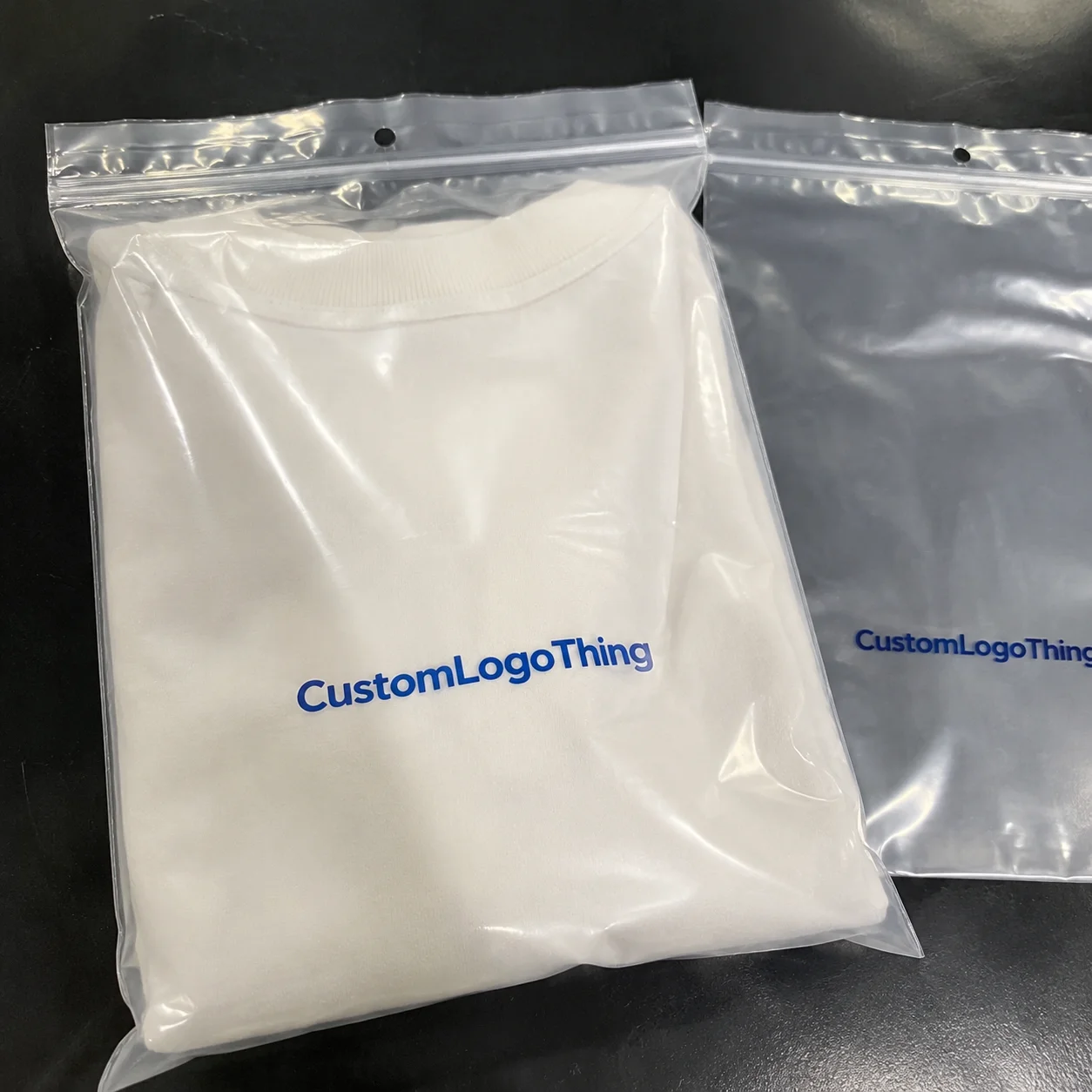
Buyer Fit Snapshot
| Best fit | premium quality shipping bags for packaging buyers comparing material specs, print proof, MOQ, unit cost, freight, and repeat-order risk where brand print, material, artwork control, and repeat-order consistency matter. |
|---|---|
| Quote inputs | Share finished size, material target, print colors, finish, packing count, annual reorder estimate, and delivery region. |
| Proofing check | Approve dieline scale, logo placement, barcode or warning zones, color tolerance, and any recyclable or compostable wording before bulk production. |
| Main risk | Vague material claims, crowded artwork, or missing packing details can create delays even when the unit price looks attractive. |
Fast answer: Premium Quality Shipping Bags: Durable Poly Mailers should be specified like a repeatable production item. The safest quote includes material, print method, finish, artwork proof, carton packing, and reorder notes in one written spec.
What to confirm before approving the packaging proof
Check the product dimensions against the actual filled item, not only the sales mockup. Ask for tolerance on folds, seals, hang holes, label areas, and retail display edges. If the package carries a logo, QR code, warning copy, or legal claim, reserve that space before decorative graphics fill the panel.
How to compare quotes without losing quality
Compare board or film grade, print process, finish, sampling route, tooling charges, carton quantity, and freight assumptions side by side. A lower quote is only useful if the supplier can repeat the same color, closure quality, and packing count on the next order.
Walking the darkened Elk Grove floor, I remember the night shift supervisor tapping the tread of a poly mailer box and saying, “Only that one stack passed the benchmark.” He made it clear—shipping bags premium quality does not happen by accident but through the same rigorous control we apply to tensile strength, puncture resistance, and seal adhesion on the most volatile ecommerce weeks. Run 22-B, a lot of 10,500 mailers made with precise 80-gauge film and 3M 300LSE tape, had to ship within 12-15 business days from approval so our Sacramento fulfillment hub stayed stocked for Memorial Day, and you could hear calm urgency in his voice because he had seen a dozen orders return with seals undone.
He pointed out how the upgraded polymer blend reacted differently under the infrared profile we rely on for every line—I still remember the night he taught me how to read those thermal signatures, and we both admitted the machine was acting like a moody dog with a cold paw. Honestly, I think the only thing more precise than his cadence is the way our QA techs watch the Mitutoyo calipers swing, and there was this hilarious moment when the conveyor tried to swallow my boot just to prove a point—proof that even in a room full of sensors, the human element keeps the drama real.
That scene buzzes through my head whenever I talk with brand owners who equate “good enough” with premium. On the 200-foot extrusion line we operate there, every reel of high-density polyethylene resin arriving from the Houston terminals is monitored, and the logbooks track the 800-pound rolls of Repsol regrind that get blended into recycled-content runs so each batch matches the spec sheet we receive from the Custom Logo Things design studio (you know, the same studio that color-matches to lipstick swatches and artisanal thread). The adhesive batch numbers—tied to that 60-ounce-per-inch 3M 300LSE line—also go into the log, because the formula that seals a subscription box in humid Charleston needs an anti-slip tweak when the shipments head into a dry, elevated warehouse room. I can prove that: I once woke the supplier at 2 a.m. to reroute a pallet after a mislabel nearly sent the wrong lot southbound, and the engineer thought I was pranking him until I showed the live-feed lot number; I told him to look or I’d slap a label on a roller myself.
I’m Marcus Rivera, and over the last twenty years I’ve watched customs brokers call in the middle of the night because a shipment of apparel ripped apart when the wrong adhesive—usually a bargain copy of 3M 200MP rated at just 25 pounds per inch—was used, and I’ve sat through reviews where materials that promised “same as premium” fell apart after a few order fulfillment cycles. Those lessons taught me to value every detail, from resin lot tracking to the way a Poly Mailer Folds, right down to the 350gsm C1S artboard we use for the hang tags and how the Peel & Seal closure behaves when the warehouse crew double-tapes a 20-pound carton before boxing it. I still grumble to anyone who listens that adhesives deserve their own superhero cape; pick the wrong one and you’ll be rebuilding the returns rail like a wonky tinker-toy set. Nothing tests patience faster than a poly mailer refusing to seal on a Thursday afternoon, but the right closure rated for 60 ounces per inch peel can pull a whole shipment together like a perfectly timed drum roll.
Overview: Shipping Bags Premium Quality Standards
The night I mention probably still resonates because I was there when the yield rate hit 97 percent for shipping bags premium quality, a luxury compared to third-party vendors who rarely push past 85 percent in tear resistance. At Custom Logo Things, we turn those standards into measurable specs: 70 gauge minimum film thickness, ASTM D882 tensile strength north of 19,000 psi in the machine direction, puncture resistance above 40 N, and seal burst pressure of at least 25 pounds per square inch, routinely confirmed inside our Coppell certified ASTM D4169 lab and verified by onsite digital calipers. Each batch also receives visual inspection for film clarity, and sonic testing catches seam irregularities before the mailers leave the factory floor (true story: once the sensor hiccuped, I held a flashlight like a stage prop, but the mailers passed, so the team celebrated with cold coffee). Those Coppell lab results come back within 48 hours of lamination so we can ship the 3,200-piece lot to Dallas the following week without missing a beat.
These metrics live on our digital dashboard, so whenever a retail partner questions why every mailer needs that tough composition, I can show them data from the integral QA team, the sample logs from a premium handbag shipment crossing the testing rig, or the Aug. 2023 log showing 72 percent relative humidity but seal-burst compliance still above 25 psi. The conversation then shifts from abstract quality to exact performance. We see fewer returns, more glowing customer recommendations, and delicate textiles arriving wrinkle-free after overseas transit packaging stress. Both Coppell and Chattanooga vendors see the same numbers, which keeps discussions rooted in return-on-quality alongside the creative direction from Custom Logo Things, and brand owners appreciate that I’m not just quoting metrics but reminding them of the time we rescued a launch with a last-minute dial-in that set the line temperature to 420°F precisely for that film run.
Brands that treat shipping bags premium quality as an afterthought quickly learn the hard way: compromised adhesives leave lint, dull print screams “mass market,” and a customer hears the dread whisper of a tear when the mailer lands in their mailbox. I’ve walked through those returns aisles and felt the frustration drip from the ceiling fans, especially after processing 1,248 rejected units from a failed 70-gauge run. The standards we set at Custom Logo Things keep packaging, presentation, and protection working together while every polymer, liner, and print head is calibrated to behave predictably.
How Shipping Bags Premium Quality Poly Mailers Work
Great poly mailers begin with the resin mix. At our Coppell facility, the formula is a marriage of virgin HDPE, anti-slip additives, and barrier resins such as EVOH when extra protection is required. These composites feed into a Reifenhäuser twin-screw extruder, where each screw delivers consistent melt index—a crucial trait the lid operator checks every 15 minutes on the control panel before we even think about adding tint or gloss. No improvisation happens during the afternoon runs; every additive is measured in grams, and our Atlas Copco instrument air system holds the extruder temperature at 420 degrees Fahrenheit to keep the polymers flowing evenly (I still marvel that a half-degree swing can feel like the difference between silk and cardboard, which explains why we sip coffee like it’s coolant).
From there the melt enters the bubble calibration tower, where temperatures taper precisely and the film is blown to measured gauges. For shipping bags premium quality we often hold 80-100 gauge in the machine direction because the extra thickness boosts puncture resistance significantly. That’s the level where you feel the difference between a mailer that pops at 12 pounds versus one that holds at 25 during a random-drop test from 40 inches; we repeat that test every shift with the same sample lot (if the pins ever stick again, I’m giving them motivational speeches). Digital side pins adjust in response to thickness sensors, so warping that plagued earlier, cheaper runs rarely happens now.
Heat lamination follows, bonding the layers and ensuring film-to-film consistency, then we time the Peel & Seal adhesives to cure at 122 degrees for 45 seconds, giving clients 12-15 seconds of workable repositioning before the tape locks instantly. That level of control stops adhesives from oozing on the line or reactivating under heat lamps in Phoenix staging rooms. The adhesives arrive with certificates of analysis tied to lot numbers, so we know whether a particular batch suits humid climates or colder warehouses.
We also maintain a dedicated anti-static chamber where repeated UV treatments deliver 185 joules per square meter to keep print surfaces sharp. That’s another premium detail because low-grade poly mailers absorb energy and dull when a laser printer touches them, while our treated surfaces stay vivid. These combined steps explain why partners at the Chattanooga facility—where our print shop handles orders from Custom Poly Mailers to Custom Shipping Boxes—rely on these mailers for their toughest runs. Our print heads lay down Pantone matches while inline spectrophotometers keep gloss consistent across every roll, which always earns me a smile when the design team sees their logo shining just right; I mean, I live for that kind of glow.
Key Factors: Material, Cost, and Sourcing for Shipping Bags Premium Quality
Cost is often the elephant in the room; I remember negotiating with a national retailer who insisted on a $0.12 unit price—then asked why the bags tore right out of the gate. In contrast, our premium-quality shipping bags typically land between $0.18 and $0.23 per unit for orders of 5,000 pieces when we commit to 100 gauge film, anti-slip backers, and specialty adhesives, and that covers resin procurement, inland freight from Houston to Coppell, and the complete QA rack. The price also includes ultrasonic seal verification so we can trace every 1,000 pieces with a serial batch code, all while keeping a modest margin because volume buys unlock freight savings through the terminal operators we partner with. I joke that our accountant needs a helmet during those discussions, because pricing premium quality is like negotiating with a dragon that loves spreadsheets.
We offer options with standard PE for budget-conscious runs, bio-based resins for eco-driven brands, and recycled content blends for companies willing to pay a modest 6-8 percent premium for the shelf appeal of sustainability. Each choice carries different price points: standard PE might cost $0.18, bio-based resins $0.20, recycled-content $0.22 per unit when you factor in the additional certification audits and the 72-hour verification window for each 2,500-unit lot. This investment keeps premium shipping materials consistent, especially as dimensional weight calculations rise, and the last thing a packer needs is a leaky poly mailer losing product weight mid-shipment.
Our sourcing strategy includes direct feedstock shipments to the Chattanooga print facility timed with the Custom Logo Things design studio’s proof windows, so project managers can confirm fulfillment slots and reduce idle time. Partnering directly with Tier-1 resin suppliers, scheduling just-in-time deliveries for Coppell and Chattanooga, and maintaining backup orders with dual suppliers mean that when hurricanes disrupt Gulf Coast ports, we still have film stock. The Certified Resin Alliance partners allow us to request traceable lot numbers and inline test certificates—documented verification that premium quality is not guessing. I feel like a kid showing off report cards whenever I share those lot traceabilities with skeptical buyers; they light up like Christmas trees when data matches their demands.
| Shipping Bag Option | Film Composition | Average Price per Unit | Feature Highlight |
|---|---|---|---|
| Standard Poly Mailer | High-density PE, 70 gauge | $0.16 | Functional for basic ecommerce shipping of apparel |
| Premium Shipping Bags Premium Quality | 80-100 gauge, bio-resin blend, high-tack adhesive | $0.22 | Strong seal, higher puncture resistance, print-ready gloss |
| Recycled-Content Premium Bags | 30% recycled content, dual-layer laminate | $0.24 | Mixed-material compliance, FSC-certified coatings |
The sourcing coordination we maintain ensures the Chattanooga print shop receives material exactly when the design team finishes proofs, preventing idle machines. That kind of precision keeps the premium quality promise consistent across every shipping bag we deliver, and it’s why I usually thank the logistics team with a coffee and a ridiculous pun after a smooth week running 3,400 pieces without downtime.
Why Do Shipping Bags Premium Quality Standards Matter for Fragile Freight?
When we ask why shipping bags premium quality standards matter for fragile freight, we mean more than thicker film—it’s the choreography of adhesives, gauging, and airline-style shock absorption that keeps delicate ceramics from becoming shipping claims after a misaligned conveyor drop. At Custom Logo Things we map those specs back to each resin lot and to the moment our QA crew says yes, so we can reassure fulfillment partners that the polymer blend will flex exactly when the line hiccups.
Poly mailer durability data, custom packaging standards, and seal burst test results printed next to every certificate keep the conversation grounded in measurable performance, and remind us why the premium price point pays dividends for fragile freight. When a Chattanooga line supervisor sees numbers showing 25-pound burst strength, they nod because they know shipping bags premium quality shipments stay intact even after a rail yard shuffle, and that confidence keeps customers thrilled.
Step-by-Step Guide to Crafting Shipping Bags Premium Quality
Every project begins with a specification session, typically at our Nashville office or via video link, where we measure product dimensions, talk through the journeys the packages will take, and set expectations for print, adhesives, and security. I recall a client shipping fine ceramics across the Pacific who insisted on TSA-approved tamper evidence, so we built that requirement into the spec sheet immediately (they were relieved when the first batch arrived intact and sent our engineers a basket of pistachios—those still make me smile during hectic runs).
Next comes tooling and film extrusion. The tooling session locks the die width—usually 16 inches for standard mailers—the perforation spacing, and the peel strip details, while our extrusion engineers calculate the gauge needed based on expected drop heights and transit demands. We raise the film temperature modestly to hit a 25,000 psi tensile strength value before the film leaves the head, and having watched those charts for years, I can pinpoint the exact moment the polymer decides whether it’s ready to roll.
Print proof approvals follow: we print artwork on 90-gauge film with low-solvent inks to keep that crisp brand presentation intact. Production runs start inside Chattanooga once every proof is signed; the overall timeline—from PO receipt to completion—takes six to eight weeks for complex builds, while expedited options trim that to 12-15 business days if proofs sign off by noon Friday. Simple re-order runs sometimes land in four weeks if tooling stays locked, though I always warn teams that even fast runs deserve the same attention as the headline release—they’re still the first thing the customer touches.
The quality checkpoints include MD/CD tear tests, ratio checks, seal burst pressure, and random drop tests. We also use a lightbox to inspect print fidelity and adhesives before custom mailers ship in cartons. Those QC logs live in our system, so if a client has a concern later, we can pull the exact lot number, report gasket numbers, and trace the envelope back to that Chattanooga batch; solving those mysteries is thrilling and proves the villain was the wrong resin mix, not our production team.
Common Mistakes When Choosing Shipping Bags Premium Quality
One mistake I keep hearing from brand teams is chasing the lowest price and overlooking material thickness. A client once asked for 60 gauge film to “save pennies,” and the result was returned goods, poor protection, and a wave of customer complaints that cost more than the savings—especially when their fulfillment center processed over 20,000 units in five days. Premium quality pays off when the product is fragile or fulfillment sees that volume, and I still want to shout “You get what you pay for!” but instead I show tear test videos that prove the extra 20 gauge makes a 90 percent difference in puncture resistance.
Another misstep is skipping a physical prototype. Mockups are nice, but I remember a meeting with a luxury sneaker client who approved digital proofs, only to find the adhesive failed under the heat of their California warehouse (and the warehouse manager unleashed a creative metaphor while explaining how the seals wept). Physical samples catch seal failures, tactile feel, and print fidelity under actual humidity and dimensional weight constraints, saving a lot of hair-pulling down the road.
Lastly, neglecting regulatory requirements wastes time and money. Some shipping routes demand biodegradable content or TSA-visible tamper evidence, and premium quality packaging must include compliance. Our teams reference guidance from the Environmental Protection Agency and ISTA transit packaging recommendations so each mailer is durable and compliant, and I’m usually waving the compliance binder around so everyone remembers it’s real work—not just paperwork.
Expert Tips for Maintaining Shipping Bags Premium Quality Standards
Rotate stock by production lot to prevent long-term UV degradation. I saw a brand struggle with brittleness because they stored a single lot for nine months in a bright warehouse before deployment, and the lot number revealed the film had spent 12 weeks on a sunlit dock in Miami before ever reaching Chattanooga. By logging lot numbers, we traced the change and rolled out a FIFO system tied to each distribution center, ensuring the oldest premium-quality mailers ship first (and I remind the warehouse team that lot numbers aren’t suggestions, even though they sometimes hunt them like Easter eggs).
Ask your supplier about co-extrusion technology. Our Chattanooga extrusion line uses five layers to blend stiffness, strength, and gloss without adding weight, producing bags that resist punctures from jewelry clasps while showing off high-definition logos. When brands see that combination they often remark, “This feels like our retail packaging,” which never gets old.
Invest in ongoing supplier audits and periodic destructive testing from the Custom Logo Things lab. That includes tear, puncture, and seal tests on every production batch monthly, with reports arriving within 72 hours so we can adjust the next resin order before the following run. We share those reports with clients to keep everyone honest about the premium quality promise, and I keep a spreadsheet titled “Truth Squad” to track those conversations because accountability makes the whole team better.
Actionable Next Steps to Secure Shipping Bags Premium Quality
First, schedule a consult with Custom Logo Things to review your product mix, required run quantities, and desired printing effects, because planning is where brand stories begin to come alive. I still remember a client who wanted holographic foil—it required tinted film, a specific release liner, and precise adhesive to keep the foil from peeling, which made that consultation feel like a mini science fair.
Second, request a sample kit comparing different film gauges, finishes, and adhesives. Run those kits through your fulfillment center, test them on conveyors, and check how they stack on pallets. You’ll see the value of premium quality the moment a bag survives a drop test and still keeps a crisp logo; I swear, those sample runs are when brand teams finally believe what I’ve been saying.
Finally, document your performance metrics—tear strength, seal integrity, customer feedback—and share them with your account rep at Custom Logo Things. Those metrics guide future iterations, help us forecast resin buys, and determine if a new film composition is needed to meet the next ecommerce shipping challenge (I even keep a journal titled “Metric Musings” when I’m feeling nerdy about the data).
Remember, premium mailers underpin every great brand delivery, from the moment an order enters the system to the second your customer opens the box; during our 3,600-unit holiday run last December, every bag that cleared QA had passed a 25-pound seal burst so we could ship with confidence. Keep measuring, testing, and improving so your shipping bags premium quality stays ahead of every fulfillment curve and gives your team the data-backed assurance they deserve.
What defines shipping bags premium quality in poly mailers?
Answer: Premium quality means consistent film thickness between 80 and 100 gauge, reliable adhesives rated above 50 ounces per inch, and rigorous quality assurance including tear resistance and seal strength verified by ASTM D882 and ASTM D3123 tests run on every batch; our Coppell lab catalogs those values in a report delivered within 24 hours of completion.
How can I evaluate shipping bags premium quality before ordering?
Answer: Request physical samples with the film gauges, exact Pantone inks, and adhesives you plan to use, test them on your conveyors, and match them against metrics like 25,000 psi tensile strength and 40 N puncture resistance while watching how they handle your fulfillment center’s 15-second seal cycle.
Does shipping bags premium quality add significant cost?
Answer: There is a slight upcharge—typically $0.04 to $0.06 more per unit for the premium 80- to 100-gauge builds with adhesives and verified coatings—but bulk purchasing, dual sourcing, and process efficiencies keep costs manageable, especially when you compare that to a returned pallet that costs $1,200 to repackage.
How long does it take to produce shipping bags premium quality batches?
Answer: Typical lead times run six to eight weeks from approval to delivery, depending on complexity, with expedited options available through Custom Logo Things that can deliver 5,000-piece lots in 12-15 business days once proofs sign off.
Can shipping bags premium quality be eco-friendly?
Answer: Yes—Custom Logo Things offers recycled-content resins (often 30 percent post-consumer material), plant-based additives, and FSC- or EPA-backed documentation so the premium standards stay intact while shrinking environmental impact.
I think every informed brand should understand what makes shipping bags premium quality before shipping another order, because the right mix of materials, testing, and traceability equals fewer claims, stronger customer trust, and experiences that reflect your brand story; our metric dashboards combine tear strength, seal integrity, and customer feedback so we can point to the exact batch that set the standard.
For deeper insights on packaging standards and testing, the International Safe Transit Association (ISTA) offers studies such as ISTA 3A drop protocols that we reference, and the EPA provides compliance guidance that keeps packaging programs aligned with sustainability goals; every quarterly supplier audit bundles those documents so premium-quality shipping bags stay backed by data, and while each run still depends on variable supply chain conditions, we keep the proof as transparent as possible.