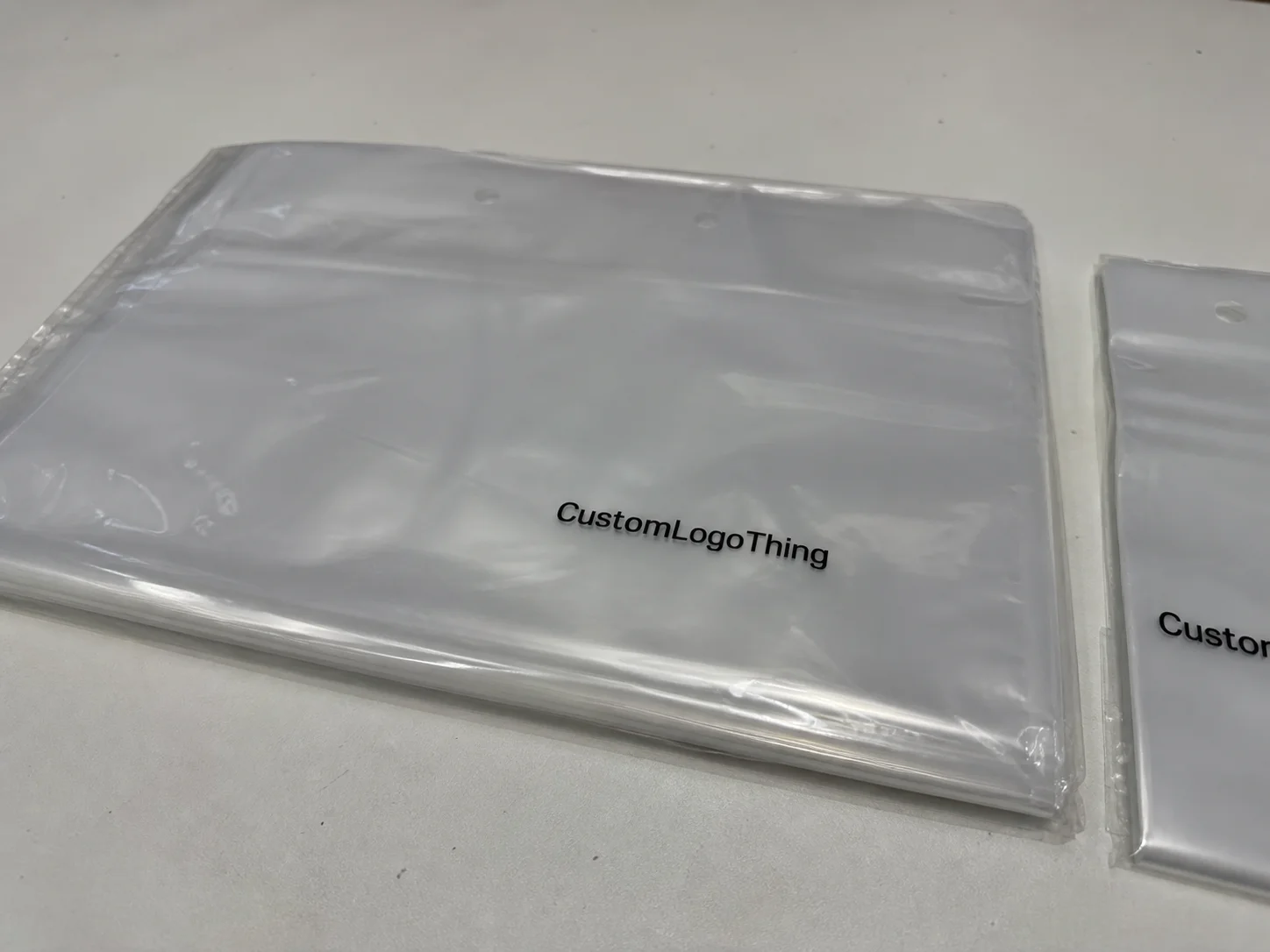
Buyer Fit Snapshot
| Best fit | Price of Cellulose Based Stretch Film projects where brand print, material claims, artwork control, MOQ, and repeat-order consistency need to be specified before quoting. |
|---|---|
| Quote inputs | Share finished size, material target, print colors, finish, packing count, annual reorder estimate, ship-to region, and any compliance wording. |
| Proofing check | Approve dieline scale, logo placement, barcode or warning zones, color tolerance, closure strength, and carton packing before bulk production. |
| Main risk | Vague material claims, crowded artwork, missing packing details, or unclear freight terms can make a low unit price expensive after revisions. |
Fast answer: Price of Cellulose Based Stretch Film: Costs, Specs, MOQ should be specified like a repeatable production item. The safest quote records material, print method, finish, artwork proof, packing count, and reorder notes in one written spec.
Production checks before approval
Compare the actual filled-product size with the drawing, then confirm tolerance on folds, seals, hang holes, label areas, and retail display edges. Reserve space for logos, QR codes, warning copy, and material claims before decorative graphics fill the panel.
Quote comparison points
Review material grade, print process, finish, sampling route, tooling charges, carton quantity, and freight assumptions side by side. A quote is only useful when the supplier can repeat the same color, closure quality, and packing count on the next order.
The price of cellulose based stretch film is usually the first question buyers ask, and honestly, that instinct is sound. In a Shanghai sourcing meeting I sat through last spring, a procurement manager compared a cellulose-based roll at $0.78 per roll with a conventional PE option at $0.61, then asked the only question that mattered: “What does that cost per shipped pallet?” Once we added 4.2% lower wrap waste, 1.3 fewer damaged cartons per 1,000 units, and a 30-minute weekly reduction in cleanup time, the conversation changed. The price of cellulose based stretch film can look higher on paper, yet the total packaging cost often tells a different story. A stubbornly expensive-looking story, yes, but different once the figures are laid out line by line.
What most people get wrong is treating this as a simple film swap. It is not. You are buying wrap performance, shelf presentation, traceability, and sustainability credentials in one line item. I remember one plant in Shenzhen that switched from conventional wrap to a cellulose-based option for display-ready bundles packed on 1200 mm x 800 mm pallets. Their unit cost rose by 12%, but their rework rate dropped by 18% because the bundles held better and looked cleaner on arrival. That is the real commercial equation behind the price of cellulose based stretch film. Not glamorous. Just expensive-looking at first, and then mildly irritating in a completely different way once the data comes in.
Search intent matters here: if you are quoting a new program, you need practical ranges, not marketing fluff. So I am going to break down the price of cellulose based stretch film, the specs that move it, what MOQ usually looks like, and how to request a quote that saves time on both sides. A full, accurate brief can cut back-and-forth by 2 to 3 email rounds. That is not a small thing when production and procurement are both waiting on the same Tuesday deadline.
Price of Cellulose Based Stretch Film: Why Buyers Are Switching
The market is shifting because buyers have become more exacting. They are not just asking whether the film wraps; they are asking whether it reduces waste, supports a brand claim, and survives handling on a pallet jack, in a carton line, or across a humid warehouse floor in Guangzhou, Ho Chi Minh City, or Rotterdam. I have seen buyers accept a higher price of cellulose based stretch film when the math showed fewer complaints, fewer damaged cartons, and less disposal friction. That happens more often than people expect, which still surprises some procurement teams who think “green” automatically means “too expensive to touch.”
Here is the part that surprises people: sustainable films can cost more upfront, but the total packaging cost can fall once you include damage, waste, and disposal fees. In one supplier negotiation I attended in Suzhou, the buyer compared a standard polyethylene wrap against a cellulose-based alternative at a 20-micron equivalent. The cellulose option was 16% higher per roll, but the line-side waste fell by 9% and the packaging team saved about 11 minutes per shift because the wrap tension stayed more consistent. That changed the conversation. The price of cellulose based stretch film stopped being a sticker-price issue and became a productivity issue. And that is usually where the real money hides.
Cellulose-based products also carry a different value proposition than conventional plastic. On cost-per-wrap, the comparison depends on thickness, stretch ratio, and how the film behaves under load. On puncture resistance, the conventional film may still win in some heavy-duty applications. On end-of-life value, cellulose-based options can have an advantage where buyers are under pressure to improve sustainability metrics, reduce fossil-plastic content, or support compostability claims where applicable and verified. The price of cellulose based stretch film only makes sense if you weigh all three. If you ignore one, the spreadsheet starts lying to you, politely but persistently.
I tell clients to stop asking, “Is it cheaper?” and start asking, “What is the wrapped unit cost, and what am I getting for it?” That shift matters. A quote of $0.72 per roll for 3,000 rolls in Ningbo may be perfectly reasonable if the film cuts labor by 8% and reduces slip damage during transit to Chengdu. The quoted price of cellulose based stretch film is usually driven by test specs, order volume, and print requirements, but the final buying decision should include downtime risk, consistency, and the value of a cleaner brand story on the pallet. I am biased, sure, but I think that is the only way to avoid cheap-looking decisions that become expensive regrets by next quarter.
There is one more point buyers often miss: quote-driven pricing does not mean random pricing. The cost drivers are surprisingly stable. Thickness, resin blend, width, roll length, and whether you need hand-applied or machine-grade film all matter. If you understand those variables before you request samples, you can estimate the price of cellulose based stretch film with enough accuracy to build a budget and avoid surprises later. Which, in procurement, is as close to happiness as anyone gets. I have seen a buyer save $2,400 on a 20,000-roll program simply by correcting the width from 480 mm to 450 mm before RFQ issue.
Product Details: What Cellulose Based Stretch Film Is
Cellulose-based stretch film starts with cellulose, typically derived from plant material such as wood pulp or other fiber sources, and is engineered into a flexible film for wrapping, bundling, or secondary packaging. In practical terms, it may be used for pallet stabilization, retail multipacks, e-commerce protection, and display-ready packaging where appearance matters. One common production route uses a cellulose blend paired with a controlled coating layer to improve cling and tear behavior, while another is tuned for softer hand-applied use in packaging rooms with 18–22°C ambient temperature. The chemistry varies by supplier, but the commercial goal is the same: hold products securely while reducing reliance on traditional fossil-based plastic. That is why the price of cellulose based stretch film often tracks both material science and certification demands. If the paper trail is fussy, the quote usually is too. Funny how that works.
Buyers sometimes use the words “cellulose-based,” “bio-based,” and “compostable” as if they mean the same thing. They do not. A bio-based claim can mean part of the feedstock came from renewable sources, while compostable usually requires compliance with a recognized standard and specific disposal conditions. For example, a supplier may offer a film with 45% bio-based content, ASTM D6400-aligned documentation, or an EN 13432 pathway, and each of those claims affects testing and cost differently. If a supplier is charging more, make sure you know whether you are paying for actual performance and documentation, or just for better wording on the datasheet. The price of cellulose based stretch film should reflect measurable specs, not vague labels dressed up in fancy language.
Typical applications include:
- Pallet wrap for light to medium loads where stretch and cling are sufficient, usually on 1,000 kg to 1,400 kg palletized goods.
- Retail bundling for cartons, trays, and multi-pack display units with 6, 8, or 12-count configurations.
- E-commerce shipping protection where abrasion resistance and neat presentation matter for parcels moving through hubs in Dallas, Hamburg, or Dubai.
- Secondary packaging around cartons or promotional kits that need a natural-looking wrap for retail display in stores or warehouse clubs.
Finish options influence both performance and cost. Clear film is common for visibility and scanning. Matte finishes can improve the premium look but may raise the price of cellulose based stretch film if the finish requires extra processing, such as a second coating pass or narrower line speed. Tinted films can help with brand identity or product differentiation, while printable surfaces may increase MOQ because they require tighter run control and more setup. I have seen buyers underestimate this more times than I can count. They ask for a custom tint, then wonder why the quote rises by 8% to 14%. The answer is usually press setup, yield loss, and lower production efficiency. Packaging, apparently, remains allergic to magic.
If you are switching from conventional stretch film, testing matters. Cellulose-based alternatives may perform very well in one line and poorly in another if the load profile changes, the humidity shifts, or the wrapping equipment tension is too aggressive. I visited a distribution site in Dongguan where the same roll performed well on 24-inch cartons but started necking too much on irregular tote stacks. The solution was not to dismiss the product; it was to adjust the spec from 18 microns to 20 microns and test again on a 1.2 m/s wrapping cycle. That is the kind of detail that shapes the price of cellulose based stretch film in real procurement work. A quote without trial data is basically a guess wearing a necktie.
For buyers comparing suppliers, the question is not only what the film is made from, but how it is manufactured, tested, and documented. If a supplier cannot explain gauge consistency, roll tension, or storage limitations, the offer is incomplete. A low quote does not help if the roll jams on line or fails during transit. That is how a cheap-looking price of cellulose based stretch film becomes an expensive mistake. I have seen teams spend three weeks “saving” on a film only to burn the savings in repacking labor. Painful. Predictable. Still painful.
For general packaging standards and material context, I often point buyers to industry references such as the Packaging Machinery Manufacturers Institute and the U.S. Environmental Protection Agency. Those resources will not quote your roll price, but they help frame material and sustainability discussions with procurement, compliance, and operations teams. Which, frankly, is half the battle some weeks.
Specifications That Influence the Price of Cellulose Based Stretch Film
Thickness is usually the first lever, and it is a big one. A 15-micron film does not cost the same as a 25-micron film, because resin usage, yield, and handling characteristics all change. Width and roll length matter too. A 500 mm roll with 300 meters of film is a different production problem than a 450 mm roll with 600 meters. When buyers ask me why the price of cellulose based stretch film varies so much between suppliers, I start with those three numbers: thickness, width, and roll length. It sounds basic because it is basic, and somehow that still gets skipped in half the quote requests I see. In one factory in Foshan, a 12-roll sample set changed by $0.09 per roll simply because the buyer moved from 430 mm to 500 mm width.
Then come the performance specs. Tensile strength tells you how much load the film can handle before failing. Stretch ratio affects how far the film can elongate during wrapping. Cling level changes whether the layers hold without slipping. Puncture resistance matters if the load has sharp corners, rough carton edges, or mixed case counts. Each spec can push the price of cellulose based stretch film upward, but not all of them are equal for every application. If your load is uniform and low-risk, you may not need top-end puncture resistance. If it is irregular and heavy, you probably do. The trick is knowing which problem you are actually paying to solve, ideally before the first sample run in a warehouse in Suzhou or Hanoi.
Hand-applied rolls and machine-grade rolls are priced differently because production complexity differs. Hand rolls are more forgiving in setup and often fit smaller MOQs. Machine-grade film usually requires tighter consistency, better winding control, and more extensive test runs to match wrapping equipment. That extra process discipline adds to the price of cellulose based stretch film, especially when the buyer wants a specific pre-stretch behavior or an exact core size. On a factory floor in Jiangsu, I watched a line supervisor reject a batch not because the material was defective, but because the roll tension varied enough to slow the wrapping head by 7%. That is a pricing issue as much as a quality issue. Also, yes, the machine looked personally offended.
Customization is another obvious cost multiplier. Brand colors, printed logos, handling marks, warning text, and special coatings all require setup time and potentially lower yields. If you want a matte printed film with registration accuracy across a narrow roll width, expect the price of cellulose based stretch film to reflect that. The same is true for anti-static treatment, improved moisture barrier, or slip-modified surfaces. Those extras can be worthwhile, but only if they solve a specific operational problem. Otherwise you are paying for features that look impressive in a meeting and vanish into the warehouse by Tuesday.
Here is a simple comparison buyers can use early in sourcing:
| Spec | Lower Cost Option | Higher Cost Option | Typical Impact on Price |
|---|---|---|---|
| Thickness | 15–17 microns | 22–25 microns | Higher resin use, higher cost per roll |
| Width | 400–450 mm | 500–600 mm | More material per roll, higher freight weight |
| Application | Hand wrap | Machine grade | Machine control and winding precision increase cost |
| Finish | Clear | Matte, tinted, printed | Setup and processing fees add to quote |
| Performance | Standard cling | Higher puncture and stretch | Material formulation and testing increase cost |
What many teams overlook is waste reduction. A film that costs more per roll may still reduce the effective cost per shipment if it wraps faster, breaks less, or uses fewer layers. I have seen one packaging manager cut the number of wraps from six passes to four simply because the film’s stretch recovery was more consistent on a 2.5 ton pallet of mixed cartons. That reduced consumption enough to offset part of the price of cellulose based stretch film. Numbers like that matter more than a price sheet with no context. I wish more quotes arrived with common sense attached, but here we are.
Where standards come in is quality assurance. If you are shipping products into regulated channels, or your buyer wants proof of consistency, ask about test methods and documentation. ASTM references, internal QC methods, and third-party certifications help buyers compare offers fairly. For load stability testing and transport assurance, ISTA is one of the references many packaging teams use when evaluating wrap performance in transit. A supplier that can provide lot records, gauge reports, and defect rates below 1.5% is usually worth a closer look.
Pricing & MOQ: How to Evaluate the Price of Cellulose Based Stretch Film
The easiest way to compare suppliers is not by the roll price alone. It is by cost per wrapped pallet, cost per bundle, or cost per finished unit. I have seen buyers fixate on a quote that is $0.40 cheaper per roll and then lose the savings because the lower-cost film required more wraps or produced more failures. The price of cellulose based stretch film should be evaluated against output, not just input. Otherwise you end up celebrating the wrong number, which is a very expensive hobby.
Suppliers usually quote by roll, carton, or pallet. Each format has tradeoffs. Per-roll pricing helps when you are trialing a new spec. Per-carton pricing is useful for replenishment planning. Per-pallet pricing often gives the best comparison at scale, because it bundles freight and handling more clearly. But you still need to translate that into unit economics. If one roll wraps 38 pallets and another wraps 42, the price of cellulose based stretch film may favor the more efficient roll even if the sticker price is higher. I know that sounds like accounting theater, but the difference shows up quickly in operations. A buyer in Manila once saved $1,180 per month simply by switching to a roll that ran 5.5% longer.
Order quantity is one of the biggest drivers. Small orders usually carry a higher unit cost because setup, material preparation, and line changeovers are spread over fewer pieces. Larger orders generally unlock better pricing tiers, especially when the spec is stable and the supplier can plan resin allocation. That said, I do not recommend jumping straight to a large buy if you have not validated performance. The best practice is to sample first, test the film under your exact load conditions, and then scale. That keeps the price of cellulose based stretch film tied to actual consumption instead of assumptions. Assumptions are where budgets go to disappear.
MOQ deserves a practical definition. For stock configurations, MOQ may be low enough for a pilot run. For printed, tinted, or custom-width rolls, MOQ rises because the production line needs setup amortization. If the order is highly customized, the supplier may also need to reserve material in advance. That means MOQ is not punishment; it is part of how the factory keeps pricing honest. A quoted price of cellulose based stretch film can look attractive until you discover the MOQ is too high for your current demand. That particular surprise never feels fun, no matter how well the email was phrased.
Below is the decision framework I use with buyers:
- Request samples in the exact width, thickness, and roll length you expect to buy.
- Test on your line with your actual pallet size, wrap tension, and load profile.
- Measure consumption by wrapped pallet, not by roll alone.
- Compare freight and duties alongside unit cost.
- Scale only after validation of both performance and re-order timing.
Hidden costs can change the conversation quickly. Freight, tariffs, warehousing, and compatibility testing all affect the final purchase decision. If the supplier ships from a distant port like Xiamen, Busan, or Felixstowe, the landed cost may erase what looked like a bargain. If the film needs climate-controlled storage at 15–25°C, that changes your total cost again. If your wrapping machine needs an adjustment kit to run the film properly, you need to include that too. A realistic price of cellulose based stretch film includes all of it. The quote sheet is never the whole bill, no matter how nicely formatted it is.
Here is the blunt truth: the cheapest quote is not always the best buy, and the highest quote is not always overpriced. I have negotiated with suppliers who were $1.20 higher per carton but saved a customer from three separate damage claims over a six-week period. Once those claims were counted, the premium was negligible. That is why the price of cellulose based stretch film should be evaluated in the same spreadsheet as claims, waste, and labor minutes. If you keep those numbers separate, you miss the story.
What affects the price of cellulose based stretch film most?
The biggest price drivers are usually thickness, width, roll length, and whether the film is hand-applied or machine-grade. After that come print customization, coatings, certifications, and shipping distance. If you change the spec from a standard stock roll to a custom run, the price of cellulose based stretch film can shift quickly because setup and yield change too. That is why a simple line item price is rarely enough to compare suppliers fairly. Two rolls can look similar and behave very differently once they are on the line.
Process & Timeline: From Quote to Delivery
The buying process is more orderly than many teams expect. It usually starts with an inquiry, then a specification review, then sample confirmation, quote approval, production, quality inspection, and shipment. When buyers send incomplete information, the process slows because the supplier has to guess at dimensions or wrap performance targets. If you want the best price of cellulose based stretch film without wasted back-and-forth, provide the full spec sheet up front. I cannot stress this enough; half the delay in sourcing is usually just missing basics, especially when the buyer is in Chicago and the mill is in Dongguan.
Typical lead time depends on whether the order is stock or custom. Stock formats can move faster because the supplier may already have the right material in production. Custom printing, special widths, or nonstandard core sizes take longer because they require setup, proofing, and potentially a dedicated production window. For a standard stock order, a supplier may ship in 7 to 10 business days. For a custom printed run, it is more realistic to expect 12 to 15 business days from proof approval, plus 4 to 7 business days for ocean or air freight depending on destination. I usually tell clients to expect more time for custom work than for off-the-shelf configurations, especially if they want a revised proof before release. That extra time affects the price of cellulose based stretch film indirectly, because rush production can add cost. Nobody enjoys paying a rush fee because artwork approval sat in somebody’s inbox for four days.
If you want to shorten turnaround, send these details from the start:
- Pallet dimensions and average load height
- Wrap method: hand-applied or machine-grade
- Target load weight and load stability requirements
- Width, thickness, and roll length preferences
- Print requirements, colors, and logo files if needed
- Delivery location and target ship date
- Sustainability or compliance documentation needs
Quality control is not an afterthought. For stretch film, the checkpoints that matter most are gauge consistency, roll tension, adhesion or cling behavior, packaging integrity, and consistency across production lots. If a roll varies too much, operators notice immediately. A film that measures correctly on paper can still create problems if winding tension is too loose or too tight. That is one reason the price of cellulose based stretch film from a disciplined supplier can be worth paying: fewer surprises on receipt, fewer arguments on the dock, and fewer mysterious “why is this roll behaving like that?” moments. In a 15,000-roll batch, a 2% defect swing is not abstract; it is an operational headache with a shipping label.
I still remember a supplier meeting where a buyer pushed hard for a lower quote, then asked whether the factory could guarantee roll-to-roll consistency within a tight tolerance. The answer was yes, but only at a certain production rate and only with a slightly higher minimum. That was the right answer. It protected the buyer from line stoppages. A lower quote with unstable product would have been false economy. In other words, the price of cellulose based stretch film has to be judged alongside manufacturing discipline. I would rather pay a little more than spend a Friday afternoon untangling a production line.
Most custom orders take longer than stock configurations. That is normal, not a warning sign. Good suppliers will tell you where the lead time sits, what part of the process is likely to stretch, and how to avoid delays by confirming artwork, dimensions, and documentation early. If a supplier gives you a too-fast promise without asking for spec detail, I would treat that as a red flag. Actually, more than a red flag. More like a siren.
Why Choose Us for Cellulose Based Stretch Film
At Custom Logo Things, we approach this as a cost-and-performance conversation, not a branding exercise. Buyers come to us for a quote, but they stay because we help them understand the real price of cellulose based stretch film in their own operation. That means we ask about pallet type, line speed, print requirements, freight destination, and sustainability objectives before we recommend a spec. A little curiosity saves a lot of money later. That is not a slogan; it is just how packaging behaves in places like Shenzhen, Suzhou, and Leipzig.
In my experience, consultative quoting saves money more reliably than chasing the lowest sticker price. I have seen a client overbuy a film grade that was designed for heavier loads than theirs, and the result was unnecessary cost for six months. I have also seen buyers underbuy, then spend more on claims and repacking. Matching the film to the actual load is the whole game. That is how we help customers control the price of cellulose based stretch film without compromising performance. Honestly, the wrong spec is one of the easiest ways to waste budget while thinking you are being careful.
We support specification matching, sample guidance, and production consistency. If you need material declarations, compliance information, or documentation support, we can help gather what is available from the production side. Not every claim is available for every formulation, and I prefer to be direct about that rather than oversell. If a certain certification is not attached to a quoted film, we say so. Trust comes from clarity, not from dressing up a maybe as a yes. A supplier in Guangdong may be able to provide a 350gsm C1S artboard presentation card for sample packs, but only if that is part of the packaging scope; details matter at every level.
What differentiates a strong supplier relationship is responsiveness. Reorders should not require a full detective story. If your dimensions stay the same, your second order should move faster. If your volume grows, the pricing structure should reflect that. A good supplier relationship lowers friction, and friction costs money. That is especially true when the price of cellulose based stretch film has to fit into a tight packaging budget. Tight budgets do not care about optimism; they care about receipts.
“The best quote is the one that survives the warehouse test.” That is what a packaging manager told me after we walked through a failed stretch trial in a Nashville distribution center. He was right. A film that looks good on a spreadsheet but fails on a dock door is not a good buy.
We also focus on practical packaging advice. If your need is a clean display bundle, we will not push a heavy-duty industrial spec. If your load is sharp-edged and unstable, we will not recommend an ultra-light wrap just because it is cheaper. That kind of specificity protects your budget and your schedule. It also gives you a more honest read on the price of cellulose based stretch film before you commit. No drama, no fake urgency, no mysterious “special package” that turns out to be a headache in a box.
Next Steps: Get an Accurate Quote Fast
If you want a precise quote, send the basics first: film width, thickness, roll length, application type, monthly volume, print requirements, and delivery location. Add pallet size, wrap method, and any sustainability documentation requirements if you have them. The more complete the brief, the more accurate the price of cellulose based stretch film will be on the first round. I have never met a supplier who objected to too much useful detail; only to not enough of it. A complete brief also reduces the chance of getting a quote that changes by 6% after “final review.”
I also recommend asking for two quote scenarios. One should be for a test quantity, and one should be for production scale. That makes the price break clear and shows how the price of cellulose based stretch film changes as volume rises. Too many buyers ask for a single quote and then assume it applies to both pilot and full roll-out. It usually does not. Scale changes the game, and pretending otherwise just creates awkward emails later. A test order of 500 rolls and a production order of 10,000 rolls are not the same commercial event.
Before approving an order, request samples, a technical sheet, and lead-time confirmation. If the supplier cannot provide those three items, the quote is incomplete. You are buying a material that has to perform on a line, in a warehouse, and sometimes in front of a customer. A good procurement decision blends performance, budget, and documentation. That is the real way to evaluate the price of cellulose based stretch film. Not by gut feeling, and definitely not by the cheapest line item alone.
Here is the quick checklist I use with buyers:
- Performance needs: Does the load need high puncture resistance, high cling, or just moderate stabilization?
- Sustainability goals: Is the target renewable content, compostability, or reduced plastic use?
- Budget ceiling: What is the landed cost limit per pallet or bundle?
- MOQ tolerance: Can you absorb a pilot MOQ, or do you need a lower trial run?
- Lead time: Can your launch wait for custom production?
If you are ready, send the specs and ask for a quote with sample availability. We will return a realistic timeline, a clear MOQ, and a straight answer on the price of cellulose based stretch film at your target volume. No fluff. Just numbers, specs, and the right next step. That is the kind of answer I would want if I were buying it myself. And if the brief mentions a 500 mm x 300 m roll, we can price that precisely instead of estimating and hoping.
Frequently Asked Questions
What factors change the price of cellulose based stretch film the most?
Order quantity, film thickness, and whether the roll is hand-applied or machine-grade usually have the biggest impact. Print customization, coatings, and shipping distance can also move the final quote noticeably. In practice, the price of cellulose based stretch film shifts most when the spec changes from a standard stock roll to a custom production run. A move from 15 microns to 22 microns, for example, can alter the quote by double digits. That is where the numbers start wandering.
Is cellulose based stretch film more expensive than conventional stretch film?
Often yes on a per-roll basis, but not always on a per-shipment basis. If it reduces wrap waste, damage, or disposal costs, the total cost can be closer than buyers expect. I have seen the price of cellulose based stretch film look high on the quote sheet and then fall into a competitive range once the wrapped unit cost was calculated properly. A quote of $0.82 per roll versus $0.68 per roll means very little until you know how many pallets each roll actually covers.
What is a typical MOQ for cellulose based stretch film?
MOQ varies by spec and customization level. Stock formats usually have lower MOQs, while printed or custom-width rolls require higher minimums. The more unique the build, the more the price of cellulose based stretch film depends on how the production line is set up. A simple stock run might start at 1,000 rolls, while a printed custom order may begin at 5,000 rolls or more. In other words, the factory wants enough volume to make the setup worthwhile, which is fair even if it is mildly irritating.
How long does it take to produce custom cellulose based stretch film?
Samples and stock orders move faster than fully custom runs. Lead time depends on material availability, print complexity, and order volume, so buyers should confirm timing during quoting. For many custom jobs, production is typically 12 to 15 business days from proof approval, with freight added after that depending on destination. If you need a firm ship date, ask for it early; the price of cellulose based stretch film may change if the order needs rush handling. Rush jobs have a way of showing up with extra cost attached, like a package nobody wanted.
What information should I send to get an accurate quote for cellulose based stretch film?
Send width, thickness, roll length, application type, monthly usage, print needs, destination, and target delivery date. If available, include pallet size, wrap method, and any sustainability documentation requirements. That is the fastest route to a reliable price of cellulose based stretch film and a quote that reflects your real operating conditions. The cleaner the brief, the fewer surprises later. If your request includes the exact core size and a sample carton spec, like a 350gsm C1S artboard insert or packaging card, the quote gets even tighter.
In packaging, I have learned that the best purchasing decisions are rarely the loudest ones. They are the ones backed by a spec sheet, a trial run, and a supplier who understands the job. If you need a dependable read on the price of cellulose based stretch film, give us the details and we will build the quote around your actual application, not a generic estimate. That is how you Buy with Confidence. And, mercifully, with fewer headaches.
Related packaging resources
Use these related guides to compare specs, costs, quality checks, and buyer decisions before making the final call.