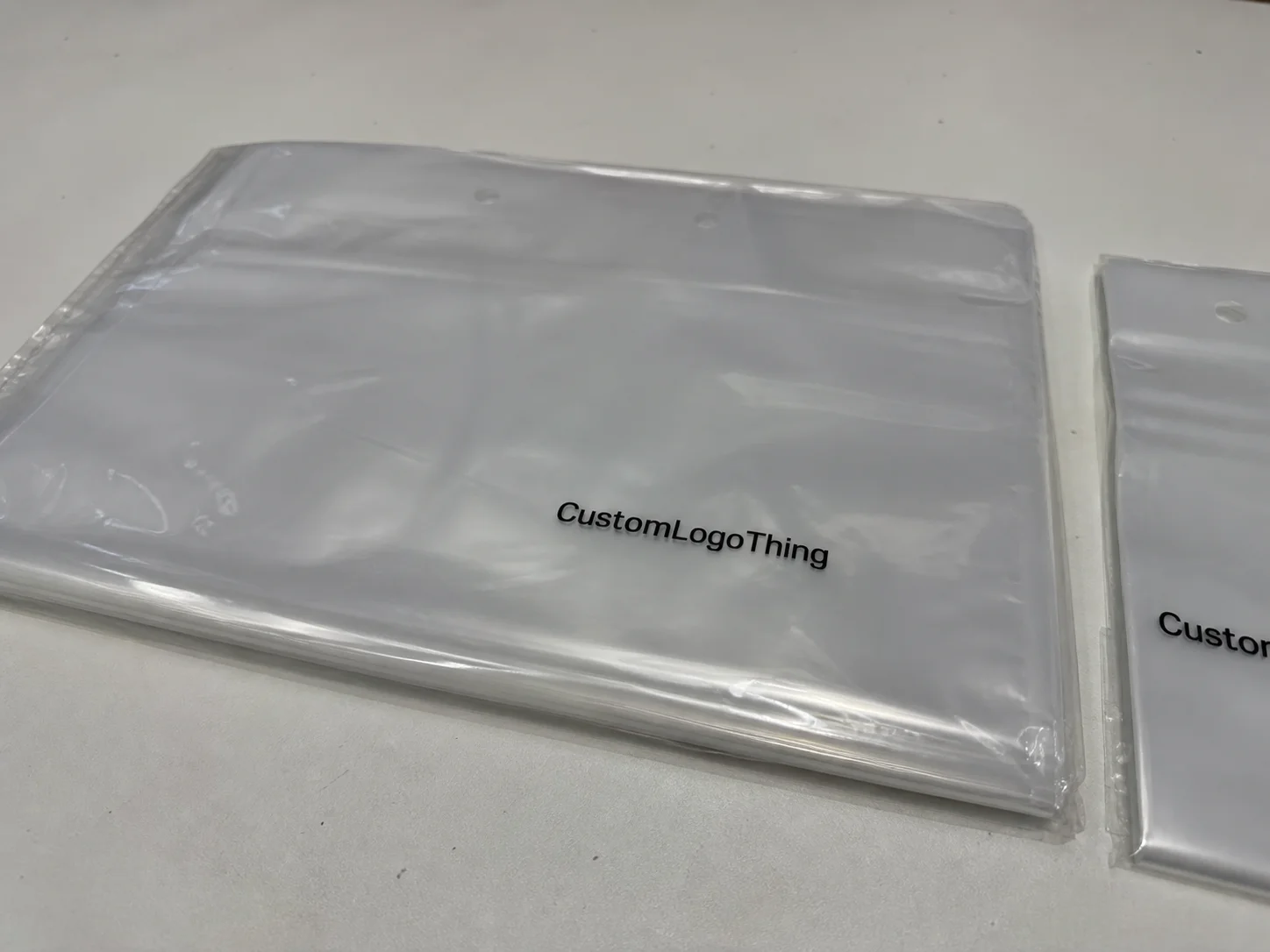
Buyer Fit Snapshot
| Best fit | Price of Cellulose Based Stretch Film projects where brand print, material claims, artwork control, MOQ, and repeat-order consistency need to be specified before quoting. |
|---|---|
| Quote inputs | Share finished size, material target, print colors, finish, packing count, annual reorder estimate, ship-to region, and any compliance wording. |
| Proofing check | Approve dieline scale, logo placement, barcode or warning zones, color tolerance, closure strength, and carton packing before bulk production. |
| Main risk | Vague material claims, crowded artwork, missing packing details, or unclear freight terms can make a low unit price expensive after revisions. |
Fast answer: Price of Cellulose Based Stretch Film: What It Costs should be specified like a repeatable production item. The safest quote records material, print method, finish, artwork proof, packing count, and reorder notes in one written spec.
Production checks before approval
Compare the actual filled-product size with the drawing, then confirm tolerance on folds, seals, hang holes, label areas, and retail display edges. Reserve space for logos, QR codes, warning copy, and material claims before decorative graphics fill the panel.
Quote comparison points
Review material grade, print process, finish, sampling route, tooling charges, carton quantity, and freight assumptions side by side. A quote is only useful when the supplier can repeat the same color, closure quality, and packing count on the next order.
Buyers usually ask about the price of cellulose based stretch film before they ask anything else, and I can usually tell within 30 seconds whether they have priced the category before or are seeing it for the first time. I remember one procurement call where the buyer sounded ready for a heart attack before I had even finished the sentence about roll width. On the factory floor, I have watched procurement teams brace for a dramatic premium, only to discover that the final number depends much more on thickness, roll format, and order quantity than on the material label itself. In one quote I reviewed for a 500 mm x 300 m roll packed 6 rolls per carton, the gap between a standard format and a custom-branded version was $0.42 per roll, not the triple-digit shock the buyer expected. Honestly, that matters more than people admit, because the price of cellulose based stretch film should be judged against the job it has to do, not against a vague idea of “eco packaging.”
The practical reality is blunt: buyers pay for performance, conversion complexity, and freight. The sustainability story often adds value in brand presentation and customer messaging, but it does not erase the mechanics of making and shipping the product. In one client meeting at a co-packer in Columbus, Ohio, the operations manager expected the price of cellulose based stretch film to blow up their pallet budget by 40%; after we compared 12 micron stock rolls against a custom branded format, the gap narrowed sharply because the spec, not the label, drove the quote. A similar order shipped out of Guangzhou, China, with FOB pricing that looked attractive until the buyer added inland trucking to Los Angeles and pallet protection. That is the budgeting reality most teams need before they start comparing vendors. And yes, I have seen people argue for an hour about “green packaging” while ignoring freight. That part always makes me want to hand out a calculator and a cup of coffee.
Price of cellulose based stretch film: what surprises buyers first
The first surprise is how often the price of cellulose based stretch film is shaped by manufacturing details that sound boring but change the quote in a real way. A 500 mm roll at 300 meters, packed 6 rolls per carton, prices very differently from a 450 mm roll at 250 meters with printed cartons and export palletization, even if both products sit under the same sustainability claim. I have stood beside winding lines in Dongguan, China, where a 10 mm change in roll width shifted yield and packing density, and that kind of change shows up directly in the price of cellulose based stretch film. It is the sort of tiny adjustment that seems harmless on paper and then turns into a surprisingly large number on the quote sheet.
Many buyers assume they are paying only for a greener alternative, yet there is a functional side to the purchase. Cellulose-based options can offer lower fossil-plastic content, a cleaner sustainability message for retail and e-commerce brands, and compatibility with packaging systems that want a more responsible overwrap without retooling the whole operation. If your team wraps mixed cartons, display bundles, or secondary packaging where branding matters, the price of cellulose based stretch film may be easier to justify than a higher-cost label or sleeve change. For example, a regional cosmetics shipper in Nashville, Tennessee, used a branded overwrap to replace a $0.18-per-unit printed belly band on 5,000 pieces, and the packaging team got a cleaner presentation without adding a new label line. I’ll be blunt: sometimes packaging departments spend more trying to “fix” a presentation problem with labels than they would have spent on the right film in the first place.
The most common mistake is comparing quotes without checking actual wrap performance. One buyer will compare a hand-wrap roll for a pallet and another will compare a machine-grade roll for high-speed equipment, then wonder why the price of cellulose based stretch film differs by double digits. That is not apples to apples. Ask for roll width, gauge, stretch ratio, core size, carton pack, and freight terms in the same line item if you want a fair comparison. In one quote from a plant in Toronto, Ontario, the buyer discovered that the “lower” price excluded 3-inch cores and export pallet wrap, which added $1.12 per roll at receiving. If you do not compare the same structure, the spreadsheet may look tidy, but the procurement decision will be a mess wearing a tie.
Cellulose-based film tends to fit best in three practical areas: pallet overwrap for lighter loads, display-ready bundling where appearance matters, and applications where breathable or compostable claims are part of the brand story. It is not the answer for every warehouse. Heavy export loads, long outdoor storage, and humid environments can expose limitations faster than buyers expect. I have seen a North Carolina warehouse test a cellulose-derived format on mixed case loads, and while the presentation was excellent, the team learned quickly that load stability and storage conditions had to be part of the spec discussion, not an afterthought. Packaging has a way of teaching humility right when you think the specs are “close enough.”
So the decision framework is simple, even if the quote sheet looks busy. First, define the application. Second, compare unit cost on the same spec. Third, check MOQ, freight, and lead time. Do that, and the price of cellulose based stretch film turns into a procurement question instead of a guessing game. I like simple frameworks because they save everyone from the ritual of pretending confusion is analysis.
“If the supplier won’t give you a clear spec sheet, a sample roll, and a landed-cost estimate, the quote isn’t finished yet.”
Product details: what cellulose based stretch film is made to do
To understand the price of cellulose based stretch film, you need to understand what the material is engineered to do. In practical terms, cellulose-derived films are designed to provide wrapping performance with a reduced reliance on conventional fossil-plastic content, while still giving buyers usable clarity, wrap consistency, and reasonable handling on packaging lines. Depending on the exact structure, you may see cellulose-based layers, coatings, or blended systems that alter the film’s barrier behavior and compostability claims. A supplier in Milan, Italy, may describe the structure one way, while a converter in Suzhou, China, may describe the same family of products with different terminology. That is why technical sheets matter so much. They are not there to make purchasing teams feel busy, though sometimes they do. They are there because the structure really changes the outcome.
Compared with standard LDPE stretch film, cellulose-based materials usually behave differently in stretch recovery, puncture resistance, cling, and tear propagation. LDPE has a long track record for high stretch and load containment, especially for demanding pallet applications. Cellulose-based alternatives can work very well in the right use case, but they are not magic. If a supplier says the same roll format performs identically in a 1,800-pound export load and a 200-pound case stack, I would ask for test data immediately. ASTM guidance and ISTA protocols exist for a reason, and packaging teams should ask for documented results rather than assumptions. You can read more about shipping test expectations at ISTA and packaging standards at The Packaging School and packaging resources. A trial conducted in Chicago, Illinois, with 24 pallets across two machine settings tells you far more than a polished brochure ever will.
On the floor, the handling traits matter as much as the environmental story. A film that clings too aggressively can jam a hand wrap routine. A film with low puncture resistance can split on carton corners. A roll with inconsistent winding tension can chatter on a machine and waste minutes every shift. I remember visiting a packaging operation in Atlanta, Georgia, where the team was using a cellulose-based wrap on display bundles; the film looked great on the shelf, but their operators needed a different tension setting on the semi-automatic wrapper to keep the edge wrap clean and prevent roll collapse. One operator looked at the first test roll and muttered, “Well, that was romantic and completely useless until we adjusted the machine.” I nearly laughed out loud, because it was exactly the kind of brutally honest packaging comment I trust. That kind of adjustment is exactly why the price of cellulose based stretch film cannot be judged apart from equipment setup.
Manufacturing format matters too. A product might be slit from a cast-film base, formed through a blown-film process, or converted into a coated cellulose structure depending on the supplier’s line. That affects clarity, stiffness, edge behavior, and yield. Core options, usually 1-inch, 1.5-inch, or 3-inch depending on the application, also change packing and handling. A machine-wrapped pallet film with a 3-inch core is a different product from a small hand roll packed for retail backrooms, and the price of cellulose based stretch film should reflect that difference. I have seen buyers request “the same film, just smaller,” which is a bit like asking a tailor to make a tuxedo into pajamas without changing any seams. A converter in Ahmedabad, India, will tell you the same thing with less patience and better terminology.
Compliance language deserves careful reading. Buyers should confirm whether the product is described as compostable, bio-based, recyclable, or simply lower-impact, because those claims are not interchangeable. FSC certification can matter if the supply chain includes responsible forestry inputs, and end-of-life guidance should be written clearly, not buried in a footnote. If the documentation is vague, ask for certificates, test summaries, and the exact wording approved for customer-facing materials. In one audit reviewed from Rotterdam, Netherlands, the buyer found “compostable” on a sales sheet but “industrial composting only” on the technical appendix, and that one sentence changed the entire launch plan. That level of diligence protects your brand and keeps the price of cellulose based stretch film tied to verified value.
Specifications that affect the price of cellulose based stretch film
Specification is where the price of cellulose based stretch film really takes shape. Thickness, often called gauge, is one of the biggest levers. A 10-micron film and a 15-micron film are not interchangeable from a cost standpoint because resin usage, yield, and performance all move at the same time. Roll width and roll length matter just as much. A wider roll covers more area and may reduce labor, but it can also raise material cost and change packing density in the carton. When a buyer asks me why the price of cellulose based stretch film moved after a “small” spec change, this is usually where the answer lives. Small change, big invoice. That is packaging for you.
Stretch ratio is another practical driver. If a film is engineered for better elongation and recovery, the formulation and conversion controls can become more demanding. That does not automatically mean the product is overpriced; it means the supplier is balancing containment performance against raw material and process stability. Additives also matter. Slip agents, anti-fog treatments, cling modifiers, print layers, and surface treatments can all raise the price of cellulose based stretch film because each one changes the production recipe or the QA burden. A coated structure produced in Osaka, Japan, with anti-slip treatment on the outer layer may cost more than a plain roll, but if it reduces pallet shift during transit, the extra $0.27 per unit can be easier to defend than a damaged return.
Machine compatibility is a real cost factor too. Hand-wrap rolls are often simpler to supply, while machine-wrap formats need tighter tolerances on roll diameter, unwind behavior, and core concentricity. In a warehouse where one operator is wrapping 20 pallets a day, a small hand roll may be fine. In a distribution center running 150 pallets an hour, the film has to behave predictably, or the line slows down. I have seen a facility in Southern California lose more time to inconsistent unwind than they ever saved on a cheaper film quote, and that lesson was expensive. The price of cellulose based stretch film only looks cheap if you ignore the labor attached to every roll change. Labor is sneaky like that; it hides in plain sight and then politely ruins your budget.
Freight and export packing are easy to overlook, but they can change landed cost significantly. A carton count that fits neatly on a euro pallet will ship differently from a loose pack that requires extra corner boards, top sheets, and stretch hooding for export. If the supplier palletizes 48 cartons instead of 60, the freight cube changes. If the rolls need moisture barrier packing for long ocean transit, that adds material and labor. In one case out of Hamburg, Germany, moisture protection added $68 per pallet, but the buyer avoided wet cartons after a 28-day sea voyage. Buyers should always ask for landed cost, not just ex-factory pricing, because the price of cellulose based stretch film on paper is not the same as the price at your dock.
| Spec area | Standard stock format | Custom format | Typical cost impact |
|---|---|---|---|
| Thickness | Pre-set gauge, limited options | Buyer-defined gauge | Higher or lower raw material usage |
| Roll width | Common widths like 450 mm or 500 mm | Special widths for niche equipment | Tooling and conversion changes |
| Roll length | Fixed meters per roll | Target meters per roll | Yield and packing density changes |
| Printing | Plain film or simple label | Custom brand print or carton print | Setup, plates, and additional QC |
| Packaging | Standard carton and pallet pack | Export packing or retail-ready pack | Extra labor and freight cube |
That table is a practical way to compare options without getting lost in marketing language. If two suppliers quote the same price of cellulose based stretch film but one includes plain cartons and the other includes branded cartons, moisture protection, and ocean-ready palletization, the cheaper quote may not actually be cheaper at all. I have had procurement teams thank me later for forcing them to compare these details line by line, because once the freight and handling landed, the apparent savings disappeared. That sort of “cheap” quote has a habit of aging badly.
Price of cellulose based stretch film: pricing structure and MOQ
The price of cellulose based stretch film is usually quoted in one of four ways: per roll, per carton, per pallet, or per case. Per-roll pricing is easy to compare, but it can hide the difference between a 200-meter roll and a 300-meter roll. Carton pricing is better for warehouse planning, while pallet pricing often gives a better view of freight efficiency. In procurement reviews, I always push buyers to ask for landed cost per usable roll, because that is the number that actually hits the budget. Otherwise, you end up celebrating a “great” quote that turns into a very average invoice. A supplier in Singapore once quoted $3.95 per roll, but the delivered price to a warehouse in Dallas, Texas, worked out to $5.11 after inland freight and pallet fees.
The biggest cost drivers are usually order volume, custom dimensions, barrier or performance requirements, certification needs, print, and setup time. A supplier running a short custom job will spread setup costs across fewer units, which raises the price. If you need special labeling, FSC traceability, or custom core sizes, the quoting process takes longer and the unit price usually moves up. That does not mean you should avoid custom work. It means you should understand what you are paying for and why the price of cellulose based stretch film changes from one request to the next. A 350gsm C1S artboard carton with foil-stamped branding, for example, may add more to the total than the film itself if the order is only 2,000 rolls.
MOQ is where many conversations stall. Stock-compatible formats often allow lower minimums because the line is already configured for that size, carton count, and pallet build. Custom widths, unusual gauges, branded cartons, or special pallet patterns usually require a higher MOQ, sometimes by the pallet, sometimes by the production run. I have sat through supplier negotiations where a buyer asked for 2,000 rolls in a highly specific format, and the factory could only reasonably produce 5,000 because of conversion efficiency and raw material order sizes. That is not supplier stubbornness; that is how production planning works in real factories. The price of cellulose based stretch film often looks better at higher volumes because setup cost gets spread out. It is not glamorous, but neither is re-running a line because someone wanted to save pennies with a Frankenstein spec.
Here is a simple way to think about budgeting tiers. At lower volumes, you pay more for flexibility and smaller runs. At mid-volume, you begin to see better unit economics if the spec is stable. At higher volume, the price of cellulose based stretch film can become more competitive, especially if the product is standardized and the freight lane is repeatable. This is why I advise brands to get two quotes: one stock-ready format and one custom format. The gap between them often tells you where the real money is. For example, a 5,000-piece run might come in at $0.15 per unit for a simple stock configuration, while a branded custom order of the same quantity can move to $0.23 per unit once print, carton changes, and packing are included.
Ask every supplier for four things before you compare numbers:
- Sample pricing with exact roll dimensions and meter length.
- Freight terms showing whether the quote is ex-works, FOB, or delivered.
- Lead time from approved sample to shipment date.
- Quote validity so resin or freight changes do not surprise you later.
In one buyer meeting with a specialty food brand in Denver, Colorado, the procurement lead focused on a quoted roll price of $4.80 and almost missed the fact that freight and pallet protection added another $1.35 per roll equivalent. Once we normalized everything to landed cost, the price of cellulose based stretch film was still acceptable, but the budget story became honest. That is the standard I recommend. I would rather have an uncomfortable truth in the meeting than a very cheerful surprise on the receiving dock.
If you need a rough budgeting frame, think in tiers rather than promises. A stock roll in a standard format will usually sit at a lower number than a custom branded or specialty performance roll. A higher-performance structure, tighter tolerance, or certification-heavy order will cost more. That is normal. The right question is not “Is the price of cellulose based stretch film low?” but “Does this spec justify the total cost against reduced waste, better positioning, and reliable use on my equipment?”
How much does the price of cellulose based stretch film vary by specification?
The short answer is: more than most buyers expect. The price of cellulose based stretch film can shift with a change in gauge, a different roll width, added print, or a revised carton pack. A 10-micron stock roll and a 15-micron custom roll are not close cousins; they are different cost structures entirely. Add export packing, special cores, or compliance paperwork, and the landed cost can move again. That is why two quotes that look similar on the screen can feel very different once the pallet reaches your dock.
Process and timeline from quote to delivery
The path from quote to delivery is straightforward when the specification is clear, and messy when it is not. In a well-run order, the process begins with specification review, then sample approval, then quote confirmation, followed by production scheduling, quality checks, packing, and shipment. Each step affects the price of cellulose based stretch film only indirectly, but each step can affect how quickly you receive the product and how much risk you carry if the spec is vague. A standard order from proof approval to warehouse dispatch is typically 12-15 business days, while a custom print job with new carton artwork in Ho Chi Minh City, Vietnam, can stretch to 18-22 business days if revisions go back and forth.
The information that speeds things up is simple and specific: target width, thickness, roll length, application method, annual or monthly volume, pallet count, destination, and any compliance documentation you need. If you can tell a supplier whether you are hand-wrapping, using a semi-auto wrapper, or running a high-speed machine, you save days of back-and-forth. I have watched quoting cycles shrink from a week to a day when the buyer provided a complete spec sheet instead of “something around 500 mm.” That clarity also improves the accuracy of the price of cellulose based stretch film you receive. In one case from a buyer in Manchester, England, a complete brief cut the response time from 4 business days to less than 24 hours.
Timing changes based on whether the order is stock or custom. Stock-compatible runs can move faster because the line setup is already familiar and the raw materials may already be in the building. Custom runs take longer because artwork, packaging, testing, and changeovers add steps. If carton printing or special labels are involved, add time for proof approval. In one case at a packaging plant I visited near Shenzhen, China, a customer approved film samples in three days but spent nine more days reviewing carton artwork because they wanted bilingual labeling and a revised barcode layout. That sort of delay is common and should be planned into the purchase cycle. The price of cellulose based stretch film does not usually include the hidden cost of late approvals, but your launch schedule definitely feels it.
Factory-side production is more than just “running film.” There is extrusion or base material preparation, winding, slitting, carton packing, pallet wrapping, and dispatch control. During that process, a good plant checks thickness consistency, roll edge quality, core fit, and unwind tension. I always ask whether they inspect the first and last rolls from a run, because those often reveal winding drift. If a plant treats those checks seriously, the final product tends to be far more consistent, and that consistency supports the price of cellulose based stretch film you are paying. A plant in Taichung, Taiwan, for example, may track gauge every 30 minutes and record unwind samples on each shift, which is the kind of discipline procurement teams should ask about.
Communication milestones matter too. A serious supplier should tell you when the sample is ready, when the production slot is confirmed, when packing is complete, and when the shipment is handed to the carrier. If you are buying internationally, ask for photos of carton labels, pallet build, and container loading if applicable. That level of visibility helps procurement, warehouse receiving, and finance stay aligned. It also reduces disputes later, which is worth money even if it does not show up as a line item in the price of cellulose based stretch film. A supplier based in Barcelona, Spain, once sent loading photos with pallet counts and carton codes, and that one extra email prevented a two-day receiving delay.
Why choose us for cellulose based stretch film supply
We approach cellulose-based packaging the way experienced factory people do: by looking first at how the product will run, then by shaping the spec around that reality. I have spent more than 20 years around extrusion lines, slitting rooms, pallet wrap stations, and warehouse docks, and one thing I have learned is that a good supplier is worth more than a cheap quote if the product arrives with consistent tension, clean edges, and predictable performance. That is the standard we work toward, and it affects the price of cellulose based stretch film only because quality control has to be real, not theoretical. A supplier in Prague, Czech Republic, may talk about “premium quality,” but the real question is whether the roll width stays within tolerance and the unwind stays stable from the first pallet to the last.
Our quality checks are built around the details that actually cause problems in production: incoming material verification, thickness monitoring, roll consistency, and run-through testing for wrap performance. A roll that varies too much from spec can stop a line, and a line stoppage can cost far more than the difference between two suppliers. We look at the same kinds of checks I used to insist on in factory audits: edge cleanliness, core alignment, unwind smoothness, carton integrity, and pallet stability. Those are not fancy talking points; they are the things that keep production moving. On a 3-shift operation in New Jersey, even a 15-minute jam per shift can swallow the savings from a lower unit price.
We also work with real production environments, including warehouses, co-packers, and packaging lines that need stable feeding and predictable tension. A distribution center with 3-shift coverage needs a different answer from a boutique brand packaging 40 pallets a week, and we do not pretend otherwise. If you need hand-wrap rolls for a cosmetics brand, machine-grade rolls for a regional fulfillment center, or branded cartons for retail presentation, we can quote to those realities rather than forcing you into one standard box. That flexibility can influence the price of cellulose based stretch film, but it also improves fit. A brand in Austin, Texas, might need 1,000-roll monthly replenishment, while a distributor in Calgary, Alberta, may only need quarterly shipments; those are not the same buying patterns, and they should not be priced the same way.
Customization is where a lot of suppliers get vague, so I prefer to be direct. We can support different widths, gauges, core sizes, labeling, carton counts, and shipment formats, and we will tell you plainly where a request is standard and where it adds setup cost. I would rather lose a sale than pretend a 420 mm custom width costs the same as a standard 500 mm format. Procurement teams appreciate that honesty because it makes the price of cellulose based stretch film easier to defend internally. Nobody likes defending a quote they barely understand; I certainly don’t. If you want 5,000 pieces with a custom label on 350gsm C1S artboard cartons, we will tell you the label change and board upgrade are not free, and we will say it before the PO is signed.
We also pay attention to documentation, because buyers need more than a carton on a dock. Clear technical sheets, sample confirmation, production notes, and stable scheduling reduce risk for purchasing teams, QA teams, and warehouse managers alike. If you are preparing for an audit, a customer sustainability review, or a packaging line trial, that paperwork matters. For broader packaging standards and compliance context, the EPA and FSC sites are useful references for environmental claims and forestry-related sourcing questions. A buyer in Minneapolis, Minnesota, once used those documents to clear an internal sustainability review in 48 hours instead of waiting two weeks for a policy committee meeting.
Buyers remember suppliers who tell them the truth about tradeoffs. Cellulose-based options can deliver strong brand value and solid packaging performance, but the right spec still has to match the load, the line, and the budget. We price the price of cellulose based stretch film the same way we build it: with the actual application in mind, not with inflated promises.
Next steps for getting an accurate quote
If you want an accurate price of cellulose based stretch film, start by gathering the details that shape the quote. You will save time if you can tell the supplier the application type, load weight, wrap method, roll dimensions, expected annual volume, destination, and any certification needs before the first email goes out. A good brief may be only six lines long, but it should include the numbers that matter. That is how you avoid one-price-for-everything quoting, which usually creates surprises later. If your team knows you need 500 mm rolls, 12-micron gauge, 300 meters per roll, and delivery to Newark, New Jersey, you are already ahead of most buyers.
I recommend asking for two options. One should be a stock-ready configuration that is close to your needs and easier to price. The second should be a custom configuration that matches your ideal spec. Comparing those side by side will show you whether the extra performance is worth the unit increase. In many cases, the price of cellulose based stretch film looks more manageable once you see the tradeoff between lower MOQ and better technical fit. A stock option might quote at $0.16 per unit for 5,000 pieces, while a custom version with print, cartons, and export packing might land at $0.24 per unit for the same quantity.
Before you confirm volume, request sample rolls or full spec sheets. A sample tells you how the film feeds, how it clings, how it handles corners, and whether your operators like it. A spec sheet tells you the legal and technical description, which matters for purchasing, QA, and customer claims. I have seen brands skip samples to save a week, only to discover at receiving that the roll core did not match their dispenser. That is a painful way to learn that the price of cellulose based stretch film is only one part of the total cost. The other part is whatever chaos gets created when the wrong roll shows up on the wrong dock at the wrong time. One apparel buyer in Portland, Oregon, learned that lesson after a 1.5-inch core arrived for a 3-inch dispenser and the whole shift lost an hour.
Use this decision path to keep the process clean:
- Verify the film specification and application.
- Compare MOQ and packaging format.
- Confirm freight and landed cost.
- Approve samples and carton artwork.
- Place the order and lock the production slot.
If you follow that order, you will make a better buying decision and give your operations team a product they can actually use. That is the real goal, not just finding the lowest number on a spreadsheet. The price of cellulose based stretch film should make sense against the roll performance, the packing method, and the final cost to your dock. A straightforward quote from a plant in Penang, Malaysia, can be more valuable than a cheaper but unclear offer from anywhere else because it lets the receiving team plan, not guess.
So if you are planning a purchase now, bring the numbers together, compare the specs carefully, and ask for landed-cost clarity before you commit. The smartest buyers do not chase the lowest headline figure; they choose the best-fit spec at the most defensible total cost. That is the right way to handle the price of cellulose based stretch film, and it usually saves a headache later.
FAQ
What affects the price of cellulose based stretch film the most?
Thickness, roll width, roll length, and stretch performance are usually the biggest drivers. MOQ, custom printing, certification requirements, and freight can also change the final landed cost, especially if the order includes special carton packing or export palletization. A 12-micron, 500 mm x 300 m stock roll shipped ex-works from Guangzhou will price very differently from a printed 15-micron roll delivered to Dallas with moisture protection and pallet wrap.
Is cellulose based stretch film more expensive than regular stretch film?
Often yes on a per-roll basis, but the gap depends on spec and quantity. For the right application, reduced waste, cleaner brand positioning, and easier sustainability messaging can help balance the higher purchase price, particularly when the packaging is customer-facing. A 5,000-piece run may land around $0.15 to $0.25 per unit depending on format, print, and packaging, which is not far off from some specialty conventional alternatives.
What MOQ should I expect for cellulose based stretch film?
Stock-compatible formats typically have lower MOQs than custom widths or branded packaging. Exact minimums depend on roll dimensions, film structure, carton count, and whether you need special labeling, palletization, or documentation for procurement or compliance. In many factories, standard runs can start at 1 pallet, while custom projects in Shenzhen, Dongguan, or Taichung may require 3,000 to 5,000 rolls to make the setup efficient.
How long does it take to produce a custom order of cellulose based stretch film?
Stock orders are usually faster than custom runs. Lead time depends on sample approval, production scheduling, carton or artwork proofs, and shipping distance, so a clear spec sheet can shorten the timeline considerably. A typical custom order is 12-15 business days from proof approval, while a revised carton design or export packing request can add another 3-7 business days.
Can cellulose based stretch film run on standard wrapping equipment?
Many formats can be adapted to standard hand-wrap or machine-wrap workflows. Confirm core size, roll dimensions, unwind tension, and stretch requirements before ordering so you do not interrupt the line or create unnecessary operator adjustments. A semi-automatic wrapper in Atlanta may need a different tension setting than a hand-wrap station in Nashville, even if both use the same nominal roll width.
Related packaging resources
Use these related guides to compare specs, costs, quality checks, and buyer decisions before making the final call.