Buyer Fit Snapshot
| Best fit | Printed Boxes Bulk Order projects where brand print, material claims, artwork control, MOQ, and repeat-order consistency need to be specified before quoting. |
|---|---|
| Quote inputs | Share finished size, material target, print colors, finish, packing count, annual reorder estimate, ship-to region, and any compliance wording. |
| Proofing check | Approve dieline scale, logo placement, barcode or warning zones, color tolerance, closure strength, and carton packing before bulk production. |
| Main risk | Vague material claims, crowded artwork, missing packing details, or unclear freight terms can make a low unit price expensive after revisions. |
Fast answer: Printed Boxes Bulk Order: Costs, Specs, and Timing should be specified like a repeatable production item. The safest quote records material, print method, finish, artwork proof, packing count, and reorder notes in one written spec.
Production checks before approval
Compare the actual filled-product size with the drawing, then confirm tolerance on folds, seals, hang holes, label areas, and retail display edges. Reserve space for logos, QR codes, warning copy, and material claims before decorative graphics fill the panel.
Quote comparison points
Review material grade, print process, finish, sampling route, tooling charges, carton quantity, and freight assumptions side by side. A quote is only useful when the supplier can repeat the same color, closure quality, and packing count on the next order.
Buying a printed Boxes Bulk Order can look straightforward until the first quote lands and the “cheap” option turns out to be cheap because someone quietly downgraded the board from 350gsm C1S artboard to 300gsm, skipped the aqueous coating, and wrapped freight math around the whole thing like a bad joke. I’ve seen brands save $1,800 to $4,200 on a printed boxes bulk order simply by changing board grade from a heavier spec to a smarter one, not by haggling over artwork like they were negotiating a taxi fare. That is the part people miss, and honestly, it is where most packaging budgets start wobbling.
When I walked a Shenzhen converting line last spring, a client was ready to push foil stamping across every panel of a printed boxes bulk order for a skincare launch running in 5,000 units. I asked the question that usually clears the room: “Do you want the box to sell the product, or do you want the box to eat the margin?” We trimmed the finish back to a single foil logo, moved from a rigid build to a premium folding carton, and the landed cost dropped by 17%. Same shelf impact. Less waste. Less drama. Fewer headaches for everyone, which, if you have ever stood near a die-cutting press at 6:40 a.m. in Dongguan, you know is a gift.
That is the real work here. A printed boxes bulk order is not only about volume. It is about unit economics, consistency, shipping efficiency, and whether the packaging still looks sharp after a pallet ride from Guangzhou to a Texas fulfillment center, a warehouse drop, and a customer who opens things with the enthusiasm of a raccoon.
Printed Boxes Bulk Order: What Most Buyers Miss First
Most first-time buyers think a printed boxes bulk order is just “same box, more units.” Not quite. Bulk packaging pricing is tied to board type, structure, print method, finish, carton pack-out, and freight. Quantity matters, of course. One change in structure can move the entire quote by thousands of dollars. I have watched a brand owner spend three days negotiating artwork costs and then save more money in ten minutes by switching from a 400gsm SBS spec to a lighter E-flute mailer with a reinforced insert made in a Suzhou converting plant. That is real money, not packaging folklore.
Bulk, in packaging terms, usually means you are buying enough units to spread setup costs across the run. For a simple mailer, that might start around 1,000 to 3,000 pieces. For a rigid box with specialty finishing, the printed boxes bulk order MOQ might sit at 500 to 2,000 pieces depending on tooling and hand assembly. There is no magic number. MOQ changes with box style, print coverage, die complexity, and whether the factory is making boards in-house or outsourcing part of the build. Anyone who gives you one fixed MOQ for every box style is selling confidence, not accuracy.
Here is what I tell buyers before they place a printed boxes bulk order: get your dimensions final, get your product weight confirmed, and check how many units fit per master carton. If your shipping carton only holds 12 units because the box was oversized by 4mm on each side, congratulations, you just paid for air. Air is expensive, especially when you move 240 pallets through a port in Ningbo or Long Beach. I wish I were joking, but freight invoices have a way of making people deeply spiritual in the worst possible way.
Another mistake is approving artwork before dieline validation. I have sat in a factory office with a German client who sent a beautiful layout that looked perfect on screen and failed the fold because the tuck flap sat 6mm too close to a score line. The press run was fine. The design was the problem. A printed boxes bulk order should always start with a confirmed dieline, not a pretty PDF and optimism.
For authority and testing standards, I usually point clients toward the basics from the field: structural performance should be evaluated against shipping demands, and if you are distributing through parcel channels, references like ISTA matter because transit failure is not theoretical. Packaging material claims and fiber sourcing can also tie into FSC requirements when brands want responsibly sourced paper. Standards exist for a reason. They save money when people actually read them.
Freight changes everything too. A printed boxes bulk order can look perfect on paper and still be a bad buy if shipping cartons waste space, pallet stacking is weak, or the box dimensions push you into a higher freight class. I have had suppliers quote a gorgeous-looking carton price, then quietly add enough bulk volume to turn a decent deal into a headache. Ask for landed cost. Always. Otherwise you are comparing box prices the way people compare airplane tickets and somehow forgetting baggage fees until the airport line is already forming.
Printed Boxes Bulk Order Options by Box Style and Use
Choosing the Right box style is where a printed boxes bulk order either saves money or burns it. I have worked with retail brands that wanted rigid boxes for products shipped in plain corrugated cartons. That is not wrong, but it is expensive, and sometimes the market does not care enough to justify it. The structure should fit the use case, whether the run is 1,500 subscription kits in Chicago or 10,000 retail cartons headed to a distribution center in Dallas.
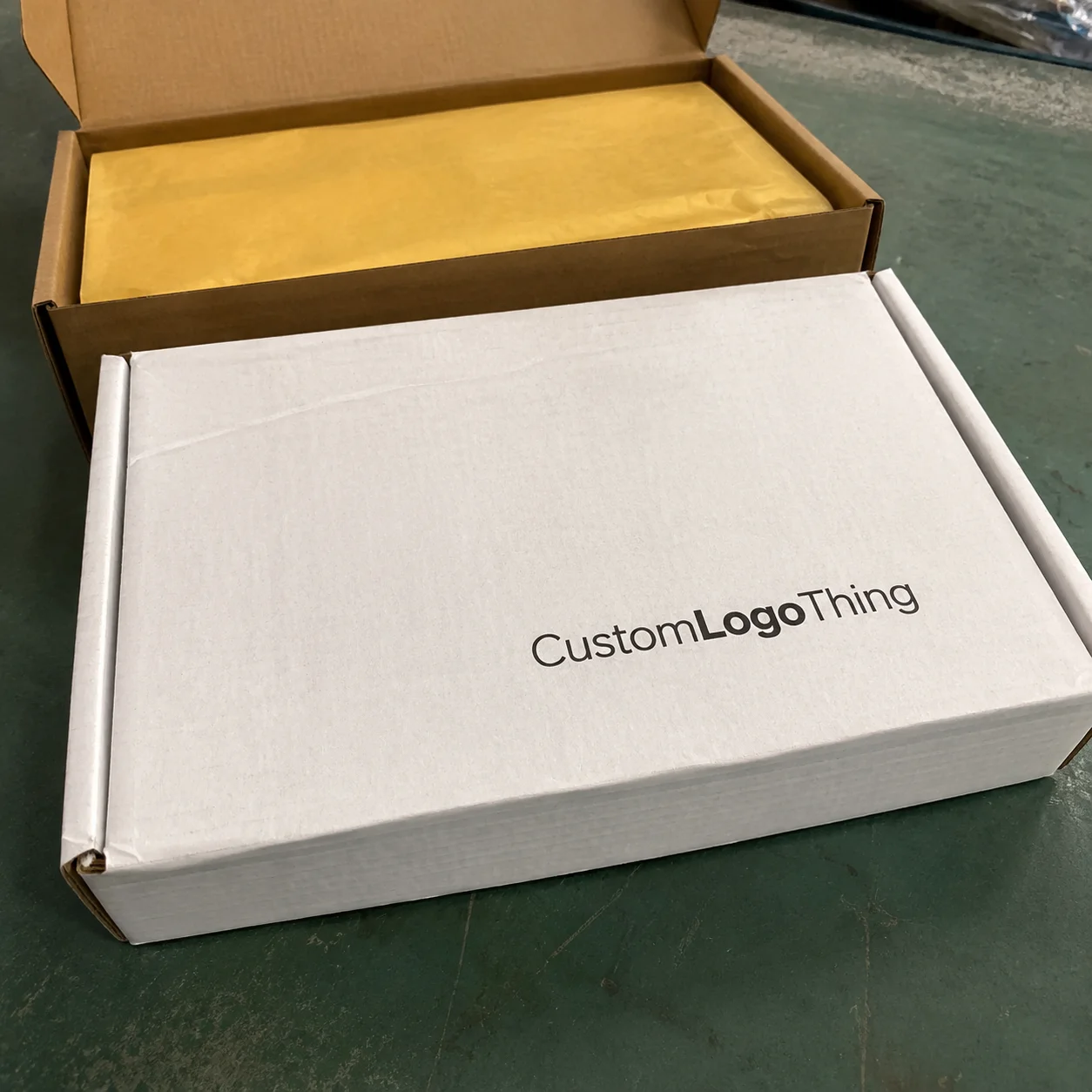
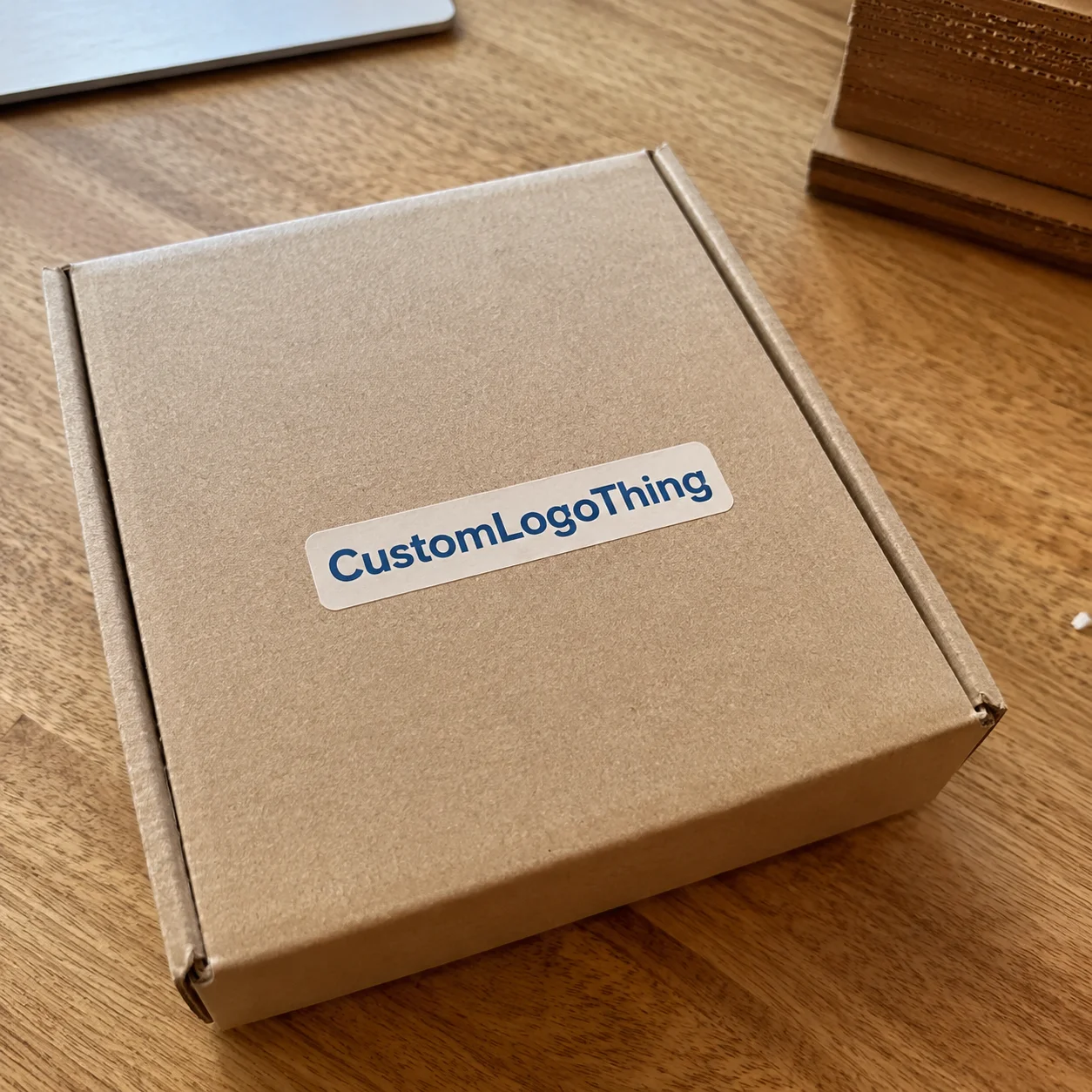
Mailer boxes are common for e-commerce, subscription programs, and influencer kits. They are sturdy, easy to ship flat, and good for a high-volume printed boxes bulk order because the die-cut structure is efficient. Product boxes and folding cartons work well for cosmetics, supplements, candles, and retail shelves where print quality matters more than raw crush resistance. Tuck End Boxes are the workhorse for lightweight consumer goods. Shipping boxes use more corrugated strength and fewer finishing tricks. Rigid boxes are for premium presentations, gift sets, and products where the unboxing experience justifies the added cost.
Use cases matter. A printed boxes bulk order for food packaging often needs grease resistance, low-migration inks, and clear compliance checks. Cosmetics want crisp graphics, clean whites, and premium finishes like soft-touch or spot UV. Subscription kits want outer branding and smart internal structure. Promotional kits may need inserts, sleeves, or tear strips to hold multiple SKUs in place. If the product moves inside the box, the packaging is wrong. I learned that the hard way on a candle project in Dongguan, where the insert fit beautifully in CAD and then behaved like a bad elevator on the first drop test.
The print method matters too. For a printed boxes bulk order, you will usually compare:
- CMYK for full-color artwork and photo-heavy designs
- PMS spot colors for brand consistency and exact logo matching
- Inside and outside printing when the unboxing moment matters
- Foil stamping for metallic accents and premium branding
- Embossing or debossing for tactile detail
- Matte or gloss lamination to protect the print and shape the final look
People overpay for finishing when the structure is the real problem. If you are doing a printed boxes bulk order for a product that ships through third-party logistics, I would rather see stronger board and a clean print build than three fancy finishes that chip in transit. Pretty is good. Durable is better. A box that looks expensive for five minutes and then collapses in a fulfillment center is just a very expensive disappointment.
Here is a quick comparison I use when clients ask which box style fits their printed boxes bulk order best:
| Box Style | Best For | Typical MOQ Range | Cost Profile | Notes |
|---|---|---|---|---|
| Mailer Box | E-commerce, subscription, kits | 1,000-3,000 pcs | Moderate | Good structure, efficient for bulk shipping |
| Folding Carton | Cosmetics, supplements, retail | 2,000-5,000 pcs | Lower to moderate | Excellent print detail, lower freight volume |
| Rigid Box | Premium gift sets, luxury goods | 500-2,000 pcs | Higher | Hand assembly and specialty wrap increase cost |
| Shipping Box | Heavy products, direct ship | 1,000+ pcs | Lower per unit | Focus is strength, not fancy finish |
Do not add a window cutout just because it looks nice on a mood board. I have watched teams add windows to a printed boxes bulk order and then discover the product label looked better than the product itself. The packaging should support the sell, not expose weak branding or lower perceived value. Same with tear strips: they make sense on subscription packs or retail-ready cartons, but not on every box just because someone saw it on another brand’s shelf.
Printed Boxes Bulk Order Specifications That Affect Quality
Specs decide whether your printed boxes bulk order feels polished or cheap. I have seen brands spend on beautiful artwork and then print it on the wrong board with no coating, which means the first rub mark shows up before the boxes even leave the warehouse. That hurts financially first, then everything else follows, especially on a 3,000-piece run shipping out of a factory in Foshan or Xiamen.
Board type is the starting point. For corrugated packaging, common options include E-flute, B-flute, and combination boards like CCNB or kraft-liner constructions. E-flute gives a smoother print surface and works well for retail mailers. B-flute gives more cushioning and is better for stronger shipping needs. For folding cartons, SBS is a common premium paperboard choice, and in many quote sheets you will see 350gsm C1S artboard used for cosmetic sleeves and product cartons that need a clean outside print surface. Kraft gives a natural, earthy look and can help brands leaning into recycled visuals. Rigid chipboard is for premium presentation, not for low-cost shipping. Do not confuse them. I have had a buyer request “luxury but cheap” and then wonder why the quote looked annoyed. The factory team did not even blink; they have heard that line before, probably in three languages.
Thickness and compression strength matter in a printed boxes bulk order. If the product weighs 2.5kg, you need a structure that can handle stacking and transit pressure without bowing. If the unit rides by parcel courier, I want to know how the box holds under drop conditions. For shipping-heavy projects, we look at compression performance and rub resistance, then test against the expected route. If a package is going from our Shenzhen facility to a U.S. fulfillment center, then to a consumer’s porch, it needs to survive the entire path, not just a pretty photo on approval day.
Then there is print tolerance. A printed boxes bulk order lives or dies on dieline accuracy. Typical print buyers should confirm:
- Bleed of at least 3mm on each side
- Safe zone for text and logos, usually 3-5mm inside the trim
- Score line placement so artwork does not crack on folds
- Registration tolerance for multi-color work
- Glue flap clearance so adhesive does not interfere with print
I once watched a buyer sign off on a printed boxes bulk order without checking the safe zone around a barcode. The fold swallowed part of the code. That box was technically printed. It was also useless. The reprint cost more than the original “savings” they thought they made by rushing approval. That is why I push for proof checks on every structural project. I would rather irritate someone for ten minutes than have them call me two weeks later sounding like they have aged five years.
Finishes change both appearance and performance. Soft-touch lamination feels expensive, and it usually is. Aqueous coating is a good practical choice for a printed boxes bulk order because it offers basic protection without adding a lot of cost or process complexity. UV coating delivers stronger gloss and better rub resistance in specific areas. Spot varnish creates contrast. Laminate films protect better but can complicate recycling claims, depending on the total build. If your brand wants recyclable messaging, keep the finish plan honest. Nobody likes greenwashing wrapped in shiny paper.
Food, cosmetics, and regulated products add another layer. A printed boxes bulk order for food can require food-safe inks, barrier considerations, and storage guidance. Cosmetics may need ingredient panels, batch codes, or tamper-evident structures. Some industries require specific labeling or traceability. I am not a lawyer, and neither is a pretty box. If your product has compliance exposure, check the regulations before you lock the art.
For brands that care about environmental claims, I also point them to the EPA recycling guidance. It is not glamorous. It is useful. If you are making a printed boxes bulk order and want to talk responsibly about recyclability, you need more than a marketing line.
Printed Boxes Bulk Order Pricing, MOQ, and Unit Cost
Pricing a printed boxes bulk order starts with setup costs. Not because suppliers enjoy charging them, but because the factory has to create plates, dies, sample approvals, and finishing setups before the first sellable box comes off the line. That overhead has to go somewhere, usually into the early units. In a factory district in Shenzhen or Qingdao, that setup can include plate-making, cutter calibration, and a press check that takes most of a morning.
A clean quote for a printed boxes bulk order should separate these pieces:
- Setup/tooling for die lines, plates, or molds
- Board cost based on material and thickness
- Printing based on color count and coverage
- Finishing such as lamination, coating, foil, or embossing
- Packing into inner bundles and master cartons
- Freight to your destination or port
Quantity lowers unit cost because the fixed costs spread across more pieces. Unit price does not fall in a straight line. A printed boxes bulk order of 1,000 may be only slightly more expensive per unit than 1,500 if setup is the same. Then 5,000 pieces can drop more sharply because the press run gets efficient and material waste improves. Then, at some volume, freight or packing changes can flatten the savings again. That is normal.
Here is a sample pricing framework I use to help people think clearly about a printed boxes bulk order. These are not universal prices. They depend on size, board, and finish. But they are realistic enough to stop fantasy shopping:
| Order Size | Simple Mailer Box | Premium Folding Carton | Rigid Box |
|---|---|---|---|
| 1,000 pcs | $0.78-$1.25/unit | $0.42-$0.88/unit | $2.80-$5.50/unit |
| 3,000 pcs | $0.52-$0.94/unit | $0.28-$0.61/unit | $1.95-$4.20/unit |
| 5,000 pcs | $0.39-$0.77/unit | $0.22-$0.49/unit | $1.50-$3.60/unit |
Yes, the spread is wide. That is because a printed boxes bulk order can include wildly different specs. A 4-color mailer with matte lamination is not the same as a plain kraft shipping box. If you compare quotes without matching dimensions, board, finish, and shipping terms, you are comparing nonsense. Supplier A may be quoting ex-factory. Supplier B may include ocean freight. Supplier C may have hidden tooling in the “unit price.” That is how people get tricked into thinking they saved money.
MOQ is tied to the economics of production. A simple die-cut mailer in a printed boxes bulk order might start at 1,000 pieces because the press and cutting setup can handle that efficiently. A complex rigid box with wrapped board and inserts can demand higher quantity or at least a higher setup charge because the hand labor is heavier. Add foil, embossing, or a window patch, and the factory may want more units to justify the run. I have had suppliers quote a beautiful number for 2,000 pieces and then reveal the real deal only after they knew the project had to move. Classic move. Not my favorite. It is the packaging version of a restaurant menu that “forgets” to mention the market price until the bill arrives.
Budget-saving tactics are simple if you are disciplined. For a printed boxes bulk order, you can reduce cost by standardizing box dimensions, using fewer ink colors, avoiding full-coverage dark backgrounds, simplifying finishes, and choosing a board that performs without excess thickness. If you have several SKUs, see whether they can share the same outer size with different internal inserts. Shared tooling can save hundreds or even several thousand dollars across a campaign. On a 5,000-piece program, a simpler print spec can cut as much as $0.15 per unit versus a fuller finish package.
When asking for quotes, always request the same baseline. Same dimensions. Same board. Same finish. Same print sides. Same shipping terms. Same quantity. Same packaging method. Otherwise your printed boxes bulk order quote comparison becomes a circus. And I do not charge admission for those.
Printed Boxes Bulk Order Process and Production Timeline
A clean printed boxes bulk order follows a pretty standard path: inquiry, spec review, quote, dieline confirmation, artwork prep, proof approval, production, QC, and shipping. The process sounds boring because it should be boring. Packaging works best when nothing unexpected happens after approval. I know that sounds dull, but dull is excellent when a launch date is on the line, especially for teams shipping out of a factory in Shenzhen, Ningbo, or Dongguan.
For a simple project, sample making may take 3 to 7 business days. Offset printing setup, plates, and die cutting for a printed boxes bulk order typically run 10 to 18 business days after proof approval, depending on quantity and finishing. If you are doing rigid boxes or custom inserts, add time. A premium hand-built box can take 15 to 25 business days or more because wrapping, gluing, and drying are slower. If your program includes ocean freight to Los Angeles or Rotterdam, add another 18 to 35 days on the water. That tradeoff is not new.
I still remember a buyer in a private-label beverage project who insisted on approving final art at 4:30 p.m. on a Friday and expected finished cartons by the following Thursday. I told him, politely, that physics is not a negotiable supplier. He laughed after the product launch, because we still shipped on time once he stopped changing the label copy every six hours. A printed boxes bulk order only moves fast when approvals are stable. The factory can handle speed; it cannot handle a new logo placement because someone’s boss had a fresh opinion after lunch.
Delays usually come from the same places:
- Artwork revisions after dieline approval
- Missing specs like dimensions or product weight
- Color matching demands without Pantone references
- Late approvals on digital proofs or physical samples
- Structural changes after the factory has already prepared tooling
A decent supplier keeps the printed boxes bulk order timeline visible. That means they should share milestones, confirm materials before production starts, and send proof images or videos where appropriate. When I negotiate with factories, I always want one person accountable for the schedule. Not three people pointing at each other while your launch date burns.
QC matters too. Before shipping a printed boxes bulk order, I want to see pull samples, dimensional checks, glue consistency, print alignment, and carton counts. For shipping projects, stack tests and transit-readiness checks should happen before the order leaves. If the box fails in your warehouse, it will fail harder in a courier network. I like surprises in birthday cakes, not cartons.
Rule of thumb: place a reorder when you hit 30% to 40% of inventory remaining. For a fast-moving printed boxes bulk order, that buffer protects you from delays in artwork, freight, or factory schedules. If you wait until the last pallet is gone, you are gambling with stockouts. That gamble gets expensive, and it usually becomes urgent right when everyone in the office is out sick or “in a meeting.”
Why Choose Custom Logo Things for Printed Boxes Bulk Order
Custom Logo Things is built for buyers who want a printed boxes bulk order done with less guessing and fewer expensive surprises. I have spent enough years in packaging to know that the quote-only middleman model sounds convenient until nobody owns the structural issue, the print mismatch, or the freight mistake. That is not support. That is forwarding emails, and it gets old fast when a 4,000-piece launch depends on one clear answer.
What clients usually want from a printed boxes bulk order partner is simple: honest guidance, fair pricing, and someone who checks specs before the factory starts cutting. That is what separates a practical packaging partner from a decorative one. We help match material to product weight, structure to shipping route, and finish to budget. If you need a premium look, fine. If you need a box that survives parcel handling and still fits your margin, better. A well-built carton from a Guangdong converter can do both if the spec is written correctly.
I have had supplier conversations where the factory wanted to upsell soft-touch lamination, foil, and custom inserts on a modest retail project. Sure, each upgrade looked nice on the quote. The combined effect was a 28% cost increase, which is a great way to make a decent product harder to sell. We pushed back, kept the logo crisp, used a stronger board, and the printed boxes bulk order still looked premium without turning into a budget sinkhole.
We also pay attention to batch consistency. A printed boxes bulk order should not look like three different runs stacked in one carton. Color drift, glue issues, and inconsistent finish are avoidable when the supplier actually monitors the line and checks cartons before packing. I have spent time on press floors watching operators tune ink density by eye, then adjust it properly with a sample reference. That kind of hands-on control is what keeps repeat orders looking like repeat orders.
Our team also supports artwork and spec checks before approval. That matters more than people think. A printed boxes bulk order can go sideways fast if the wrong file is used, a barcode is placed too close to a fold, or a logo is supplied in low-resolution PNG instead of vector artwork. These are not exotic problems. They happen every week, usually at the exact moment someone says, “It should be fine.” Famous last words.
If you want more than packaging, we can also help you compare Custom Packaging Products, review Wholesale Programs, and point you toward our FAQ when you need a straight answer instead of sales language. I like blunt communication. It saves everybody time.
For buyers who need reliability, the upside is not flashy. It is consistent batch quality, packaging optimization, and clear status updates while the printed boxes bulk order moves through production. That is what keeps launches on schedule and repeat purchasing sane.
Next Steps for Your Printed Boxes Bulk Order
If you are ready to move on a printed boxes bulk order, start with the boring details. Dimensions. Product weight. Quantity. Print sides. Finish preference. Shipping destination. If you know the unboxing goal, say that too. A box for direct-to-consumer subscription shipping is not the same as a box for a retail shelf in a cosmetics store in Los Angeles or Berlin. The spec has to match the job.
Send photos of your current packaging if you have it. Better yet, send an actual sample. I have had clients mail me their old box and save an hour of back-and-forth because we could measure the failures instead of guessing at them. If the product is fragile, mention drop risk. If the package sits on a shelf, mention brand visibility. If the printed boxes bulk order needs inserts, say what the insert holds and how much weight it carries. A 180g candle jar needs a different cradle than a 420g glass serum bottle.
My practical recommendation is to request two to three quote options for the same printed boxes bulk order. One should be the base spec. One should be a value-upgrade version. One can be premium if the budget allows. That gives you real comparison points. You may find that a slightly better board costs only a few cents more per unit but eliminates damage claims. That is usually smarter than chasing the lowest line item.
Before approval, confirm these items:
- Dieline and final dimensions
- Color specs including Pantone or CMYK references
- Quantity and acceptable overage or shortage range
- Shipping address and freight terms
- Packaging method for master cartons and palletizing
Then approve only when the proof matches your real product, not the fantasy version from design week. A printed boxes bulk order is supposed to make your business easier, not generate three rounds of emergency emails and a warehouse pileup.
If you want this done without wasting time, send the spec sheet, the artwork, and a realistic target quantity. We will tell you where the cost sits, where the risks are, and what can be simplified without making the box look cheap. That is how a printed boxes bulk order should start: with facts, not wishful thinking.
FAQ
What is the minimum printed boxes bulk order quantity?
MOQ depends on box style, material, and print method. A simple mailer might start around 1,000 pieces, while a rigid or highly finished box may need 500 to 2,000 pieces or more. Ask for MOQ by size and structure, not just a generic number.
How much does a printed boxes bulk order usually cost?
Cost depends on quantity, board type, print coverage, finish, and freight. A printed boxes bulk order with simple specs can be under a dollar per unit, while rigid boxes or specialty finishes can move much higher. For example, a 5,000-piece folding carton run with 350gsm C1S artboard can land around $0.22 to $0.49 per unit, while a premium rigid box may sit closer to $1.50 to $3.60 per unit. Always ask for full landed cost so you can compare suppliers properly.
How long does a printed boxes bulk order take to produce?
Timeline depends on artwork approval, sample requirements, and box complexity. Simple runs may take 10 to 18 business days after approval, while rigid or specialty projects can take longer. In many factories in Shenzhen, Dongguan, or Ningbo, the typical window is 12 to 15 business days from proof approval for standard printed folding cartons. Build time for proofing and shipping into your schedule; rush orders usually cost more.
Can I order printed boxes bulk order with custom inserts?
Yes. Inserts can be made from paperboard, foam, molded pulp, or corrugated. Inserts increase cost and may raise MOQ if they need separate tooling. Match the insert material to product weight, protection needs, and the unboxing experience. A paperboard insert for a 250g skincare kit will cost less than a molded pulp tray for a three-bottle set.
What files do I need for a printed boxes bulk order?
You will need a dieline, final artwork, logo files, color references, and product dimensions. Vector files are best for logos, and high-resolution print files help avoid blur. Confirm bleed, safe zones, and Pantone values before approval so the printed boxes bulk order prints correctly the first time.
If you are serious about a printed boxes bulk order, the smartest move is simple: get the specs right, compare real landed costs, and choose the structure that protects both the product and the margin. That is how you avoid waste. That is how you avoid reprints. And that is how a printed boxes bulk order becomes a business decision instead of an expensive guessing game.