Buyer Fit Snapshot
| Best fit | Printed Boxes Manufacturer projects where brand print, material claims, artwork control, MOQ, and repeat-order consistency need to be specified before quoting. |
|---|---|
| Quote inputs | Share finished size, material target, print colors, finish, packing count, annual reorder estimate, ship-to region, and any compliance wording. |
| Proofing check | Approve dieline scale, logo placement, barcode or warning zones, color tolerance, closure strength, and carton packing before bulk production. |
| Main risk | Vague material claims, crowded artwork, missing packing details, or unclear freight terms can make a low unit price expensive after revisions. |
Fast answer: Printed Boxes Manufacturer: Structure, Print Proof, Packing, and Reorder Risk should be specified like a repeatable production item. The safest quote records material, print method, finish, artwork proof, packing count, and reorder notes in one written spec.
Production checks before approval
Compare the actual filled-product size with the drawing, then confirm tolerance on folds, seals, hang holes, label areas, and retail display edges. Reserve space for logos, QR codes, warning copy, and material claims before decorative graphics fill the panel.
Quote comparison points
Review material grade, print process, finish, sampling route, tooling charges, carton quantity, and freight assumptions side by side. A quote is only useful when the supplier can repeat the same color, closure quality, and packing count on the next order.
If you spend enough time around a printed boxes manufacturer, you learn something that surprises a lot of first-time buyers: the expensive mistakes usually happen before ink ever hits the board. I remember one cosmetic carton that looked perfect on screen, then got scrapped because the product was 4 mm taller than the spec sheet. Four millimeters. Not exactly a dramatic plot twist, but packaging has a funny way of punishing tiny errors. I’ve also watched a beverage client lose 6 business days because the dieline was built for the wrong flute caliper, shifting a 32 ECT corrugated mailer into the wrong stack height. A good printed boxes manufacturer does far more than print logos on cardboard; the real value starts with structure, materials, and prepress discipline.
That matters whether you’re ordering folding cartons for a 50 mL serum bottle, rigid boxes for a premium gift set, or corrugated Mailers for Subscription shipments leaving a Dallas, Texas fulfillment center. In my experience, the buyers who get the best results are the ones who understand how a printed boxes manufacturer thinks: they ask about board grade, print method, finish, and packout before they ask for the lowest price. One shift like that can save $0.03 to $0.12 per unit on avoidable rework, especially on runs of 5,000 to 20,000 pieces. It also saves everyone from that horrible “we thought you meant…” conversation that makes your stomach sink.
What a Printed Boxes Manufacturer Really Does
A true printed boxes manufacturer handles the packaging from concept to packed pallet, not just the printing step. On a well-run floor in Shenzhen, Dongguan, or Xiamen, that includes structural design, substrate sourcing, prepress review, die-cutting, folding, gluing, finishing, and final packout. The best shops I’ve worked with treat packaging like a system: if the board is wrong, the print won’t sit right; if the fold sequence is off by even 2 mm, the retail display can look crooked on shelf. Packaging is not forgiving, which is both annoying and kind of admirable.
Honestly, I think this is where a lot of buyers get tripped up. They hear “printed boxes” and picture a press operator running sheets through an offset machine, but the real work often begins in the CAD room, where a designer is matching product dimensions to board caliper and deciding whether the box needs a crash lock bottom, tuck top, or rigid shoulder insert. A printed boxes manufacturer also has to think about load strength, stacking behavior, and how the box will survive transit through a Chicago, Illinois distribution center, not just how it looks in a product photo. Looking pretty is nice. Surviving the warehouse is nicer.
The difference between a manufacturer and a broker is real, and I’ve lived that difference on both sides of supplier negotiations. A broker may be excellent at sourcing, but a printed boxes manufacturer owns the equipment, the QC checks, and the production schedule directly. That usually means more transparency on board grades, fewer surprises on lead time, and better control when a color match needs a second pass on the press. I like that. It’s less glamorous, maybe, but a lot less chaotic.
Common box formats include:
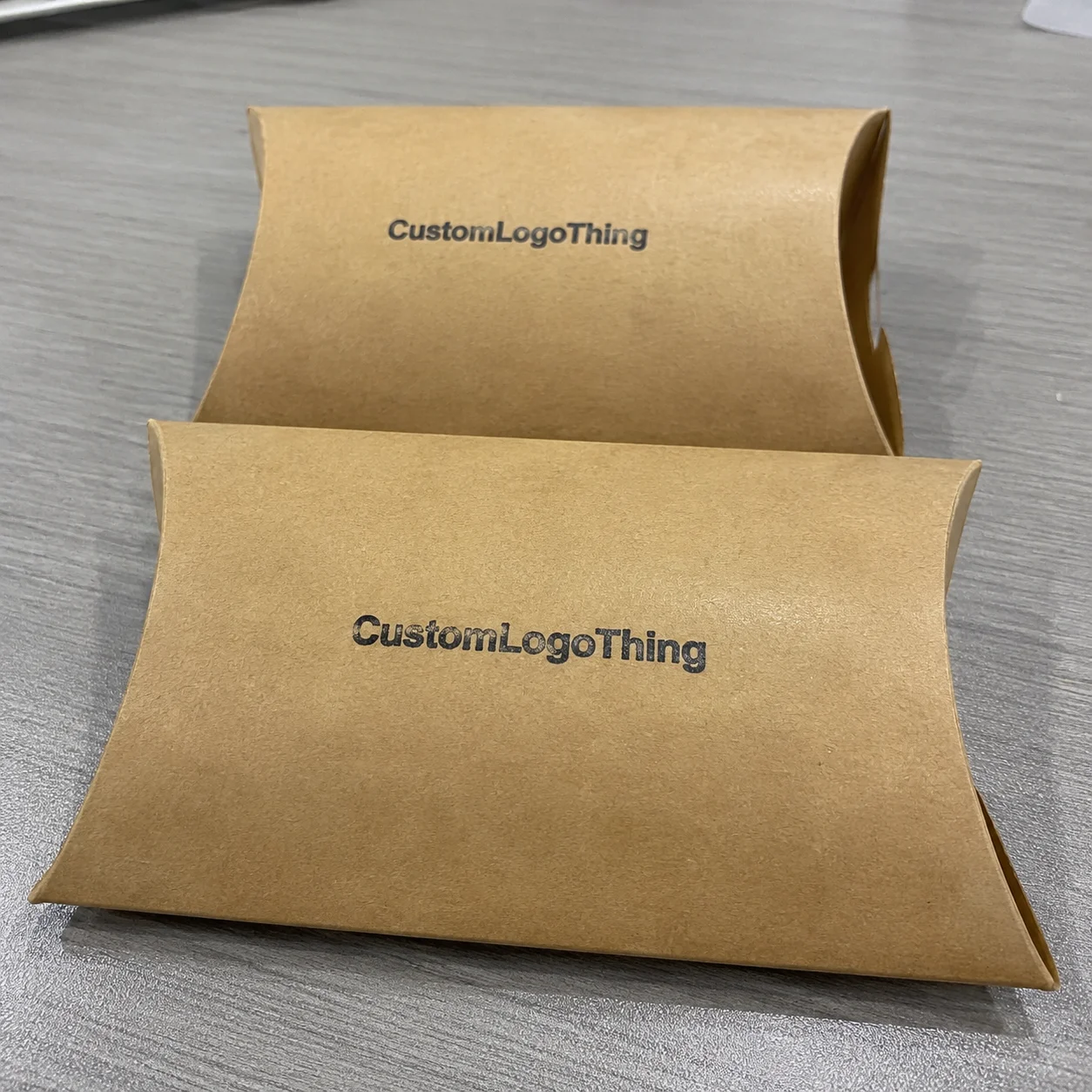
- Folding cartons for cosmetics, supplements, candles, and small consumer goods, often made from 300gsm to 400gsm SBS or C1S artboard.
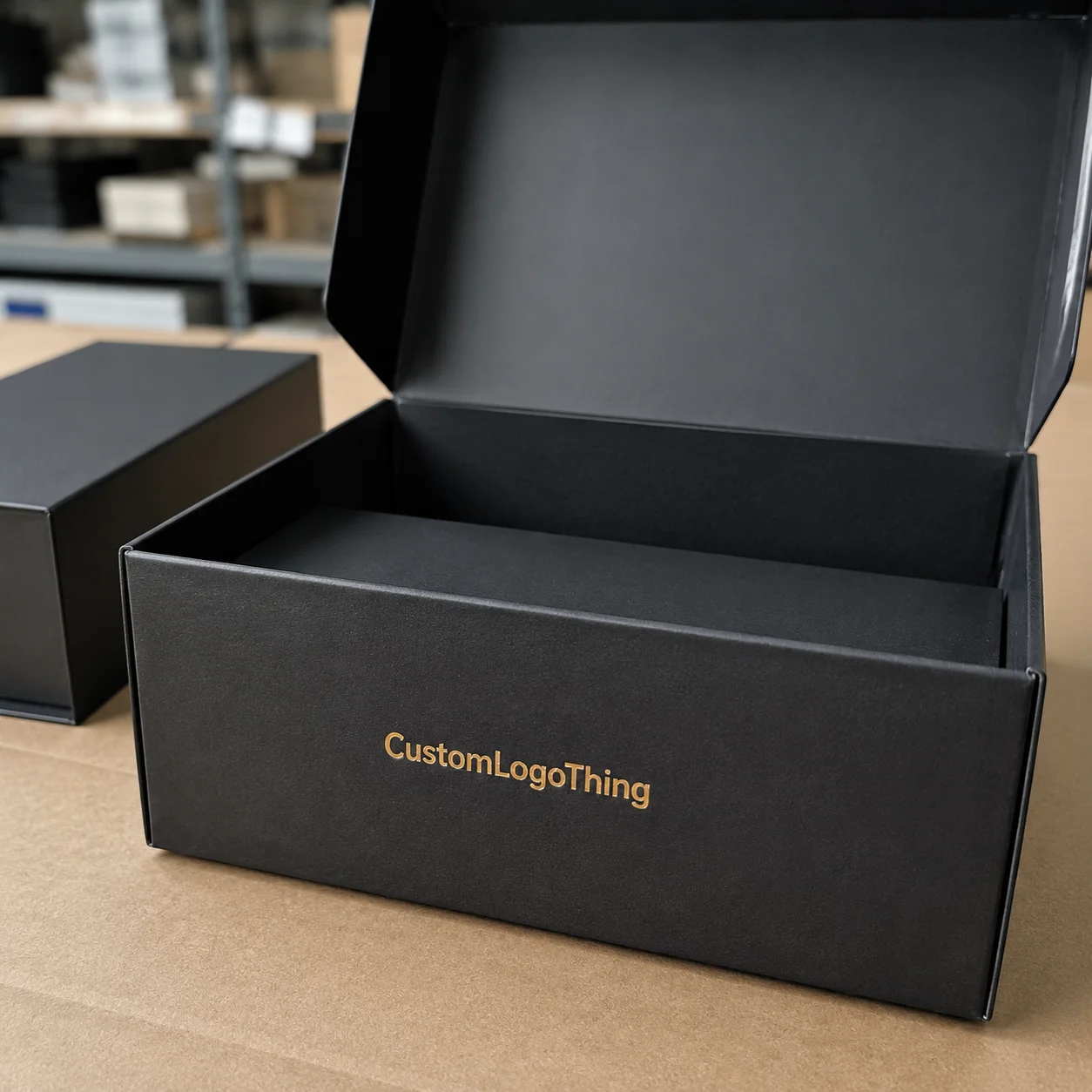
- Rigid boxes for premium gifting, electronics, and luxury retail, usually built with 1200gsm to 1800gsm chipboard wrapped in printed paper.
- Mailer boxes for e-commerce and subscription shipping, commonly E-flute or B-flute corrugated board.
- Corrugated shippers for heavier protection and warehouse handling, often in 32 ECT or 44 ECT spec.
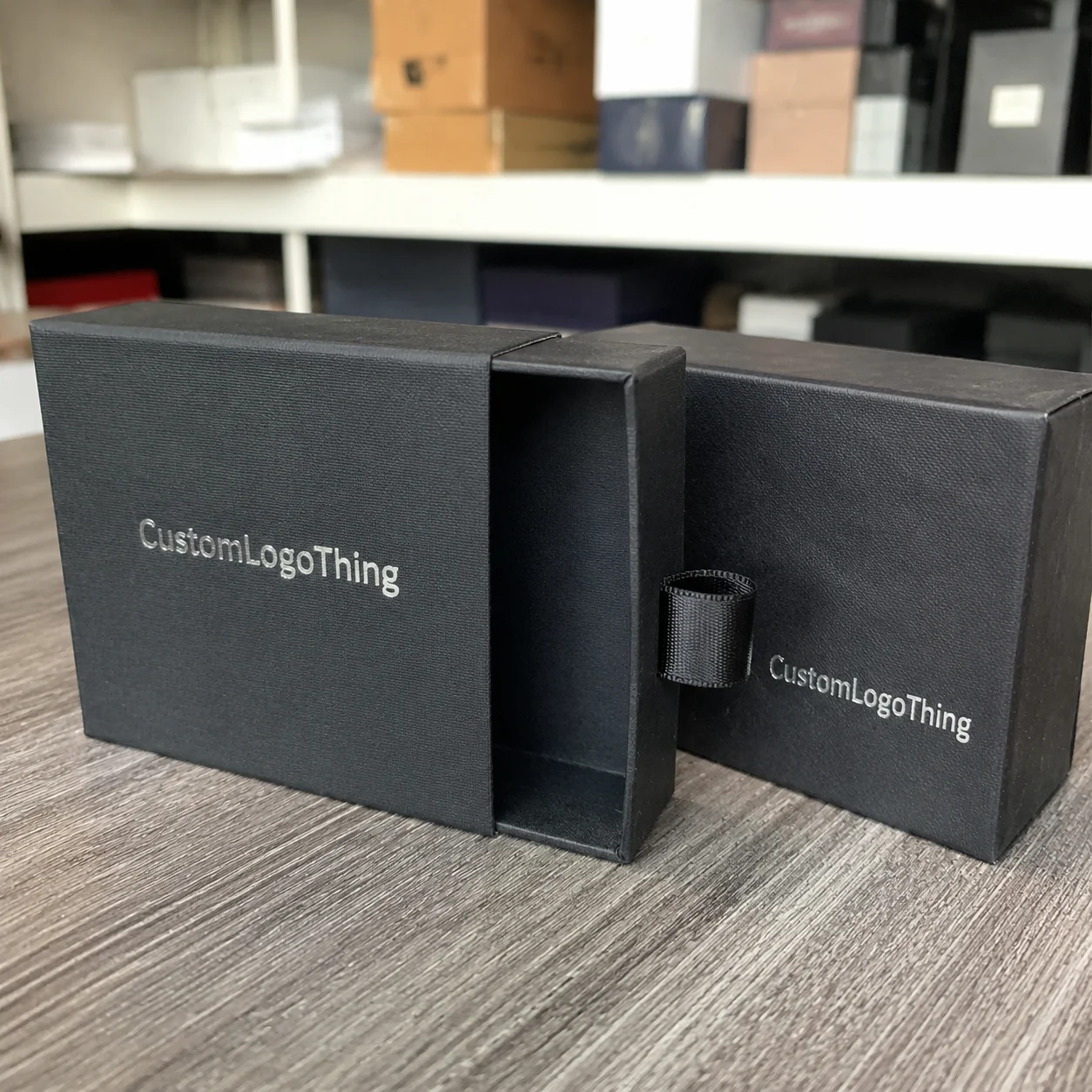
- Sleeve boxes for simple branding over trays or inner cartons, typically printed on 250gsm to 350gsm paperboard.
- Retail display packaging for countertop or shelf-ready merchandising, frequently die-cut and pre-glued for quick assembly.
Printed packaging does several jobs at once. It protects the product, tells the brand story, improves shelf appeal, and can make the unboxing moment feel intentional instead of accidental. I’ve stood in a fulfillment center in New Jersey watching two nearly identical products ship in different cartons, and the one with better structure and print quality drew twice as many customer photos online within 30 days. That’s not magic. That’s a well-planned printed box doing its job. It also means someone, somewhere, paid attention before the carton left the factory, which I wish happened more often than it does.
If you want a wider look at packaging categories and structural options, the team at Custom Packaging Products keeps a useful range of formats organized in one place, which helps when you’re still narrowing down the right style.
A good printed boxes manufacturer should also help you avoid waste. That means right-sizing the carton, suggesting the correct board, and choosing a finish that fits the application rather than inflating cost with decoration that does nothing for the customer experience. For buyers, that kind of guidance is often more valuable than a slick sales pitch. In fact, I’d take an honest “you don’t need foil here” over a glossy promise any day of the week.
How a Printed Boxes Manufacturer Process Works
The workflow at a printed boxes manufacturer usually starts with a brief, but a useful brief is more than a product name and a logo. It should include exact dimensions, product weight, how the item ships, whether the box sits on retail shelves, and what finish you want on the surface. From there, the production team recommends a board, builds or adapts a dieline, and checks whether the design needs inserts, partitions, or reinforcement. On many jobs, the first material recommendation is 350gsm C1S artboard for cartons under 250 g, or E-flute corrugated for shipping packs under 2.5 kg.
In a clean operation, prepress is a serious checkpoint. I’ve seen a Heidelberg offset press in Guangzhou run perfectly on a job that was only possible because the file team caught a 1.5 mm bleed issue before plates were made. That’s the quiet side of a good printed boxes manufacturer: they prevent errors before the press room turns expensive. And believe me, the press room gets expensive fast when something slips through. Fast enough to make everyone suddenly remember their coffee was “still too hot to drink.”
Printing method matters more than most buyers expect. Offset printing gives excellent color consistency and is often the best choice for medium to large runs. Flexographic printing works well on corrugated materials and can be cost-effective for repeat shipper jobs. Digital printing is ideal for short runs, multiple SKUs, or test launches. Litho-lamination sits in its own category, often used when a high-end printed sheet is mounted to corrugated board for a stronger shelf-facing presentation. A 10-color Heidelberg press, for example, can hold tighter registration for fine serif text than many short-run digital presses, while flexo on 32 ECT corrugated often keeps costs lower for shipping cartons.
| Print Method | Best For | Typical Strength | Typical Tradeoff |
|---|---|---|---|
| Offset printing | Folding cartons, premium retail boxes, mid-to-large runs | Sharp detail, stable color, efficient for volume | Plate setup cost and longer prep |
| Flexographic printing | Corrugated shippers, shipping cartons, high-repeat orders | Fast production, good for utilitarian packaging | Less detail than offset in some cases |
| Digital printing | Short runs, sample jobs, seasonal and SKU-heavy programs | No plates, fast setup, easy personalization | Higher unit cost on larger volumes |
| Litho-lamination | Rigid-looking retail packs on corrugated bases | Premium appearance with structural strength | More labor and material handling |
Once the print route is set, the job moves into sample stages. A structural sample is often plain board with no print, used to verify fit, closure, and product clearance. Then there’s a printed proof, which shows how the artwork behaves on the selected substrate. A production prototype sits closest to the final box, especially for jobs with foil stamping, embossing, spot UV, or special inserts. A careful printed boxes manufacturer will insist on these steps when the product is costly or the packaging is doing retail-heavy work. If a supplier rushes past them, I start hearing alarm bells in my head.
At the press room level, you may see Heidelberg offset presses for cartons, Bobst die-cutters for clean shapes, folder-gluers for carton assembly, and aqueous or UV coating lines to improve scuff resistance and finish quality. Those machine names are not decoration; they signal what a shop can really produce and how consistent the finished cartons will be. When I visited a plant outside Shenzhen, the line lead showed me how a 0.8 mm registration shift on a Bobst cutter could throw off a tuck flap, and that kind of detail stays with you because it affects real-world output. Machines don’t care about your deadline. They just care about calibration.
Timeline varies by complexity. A basic digital mailer might move from proof approval to shipment in 8 to 12 business days. A rigid box with foil, ribbon pulls, and custom inserts can need 20 to 30 business days, especially if tooling or revised sampling is involved. A capable printed boxes manufacturer should tell you that plainly rather than promising speed they can’t control. Speedy promises are cheap. Finished cartons are not.
For industry standards and packaging process references, I often point clients to resources from ISTA and the EPA recycling guidance, especially when the conversation includes shipping performance and material recovery.
Printed Boxes Manufacturer Pricing: What Drives Cost?
Pricing from a printed boxes manufacturer is driven by a mix of structure, material, print method, and labor. Box style is usually the first lever. A simple tuck-end folding carton made from 350gsm C1S artboard is less expensive than a rigid setup with wrapped board, magnets, and custom inserts. Corrugated mailers can sit somewhere in between, depending on flute type and how much print coverage the design needs. In Guangdong, for example, a simple 4-color mailer box can quote very differently from a rigid gift box because the labor split is not even close.
Quantity changes the math fast. In my experience, a 5,000-piece order spreads setup costs much more efficiently than a 1,000-piece order, which is why unit pricing often drops sharply as volume rises. I’ve seen a carton quote move from $0.42 per unit at 1,000 pieces to $0.18 per unit at 5,000 pieces, and down to $0.15 per unit for 5,000 pieces on a repeat run with existing plates, simply because the plate charge, make-ready, and setup labor were divided across more boxes. That is normal, not a trick. Math, inconveniently, remains undefeated.
The board grade matters too. SBS paperboard is common for clean retail cartons and prints beautifully. Kraft board gives a more natural, earthy look and can support sustainability messaging. E-flute corrugated is a favorite for mailers and lighter shipping needs because it balances printability and cushioning. B-flute is thicker and often chosen for stronger shipper performance. Rigid chipboard supports premium presentation but adds labor because the board is usually wrapped and assembled by hand or semi-automated equipment. A 24pt SBS carton can behave very differently from a 16pt folding carton once you add a bottle insert or a hang tab.
Special finishes are where budgets can drift if nobody is paying attention. Embossing, foiling, spot UV, soft-touch lamination, window patching, magnets, and custom inserts all add material and setup cost. A printed boxes manufacturer should be able to tell you whether a decorative feature serves the product or simply adds a nice photo-ready detail that raises unit cost by 10% to 35%. And yes, I’ve seen teams fall in love with a finish because it looked great in a render, then wonder why the invoice suddenly had the emotional tone of a breakup text.
What pricing usually includes and what it often does not
Buyers get into trouble when they compare one quote that includes dieline development, sample revisions, and freight with another quote that covers only print and die-cutting. I’ve sat in supplier meetings where two prices looked $0.07 apart, then the lower number ballooned once tooling, plates, and delivery were added. The fastest way to compare a printed boxes manufacturer quote is to check every line item, especially on orders leaving Shenzhen or Dongguan for Los Angeles, California.
| Cost Element | Commonly Included? | Notes |
|---|---|---|
| Dieline development | Sometimes | Often included for repeat programs, sometimes billed separately for custom structures |
| Printing plates | Usually for offset/flexo | Digital jobs may not need plates |
| Sampling | Varies | Structural samples and printed prototypes may be separate charges |
| Tooling / die charge | Usually | Die-cut tooling is standard on custom shapes |
| Freight | Not always | Confirm whether shipping is FOB, prepaid, or billed separately |
| Rush fees | Only if expedited | Often charged when production slots or freight need rearranging |
Hidden costs deserve attention too. Warehousing can matter if you don’t have room for 30,000 flat-packed cartons. Revisions can add time and expense if artwork comes in late. Freight from an overseas facility may look cheap on paper until port fees and domestic delivery are included. A thoughtful printed boxes manufacturer will explain these items before the purchase order is signed. If they don’t, I’d keep one hand on my wallet and the other on the red flag.
One of the easiest ways to overspend is to add premium features that don’t improve the customer’s interaction with the box. I once saw a supplement brand spend money on a high-gloss foil pattern inside the carton, then place the product in a pharmacy shelf where nobody ever saw the interior. That’s a marketing expense without a return. A better printed boxes manufacturer will push back on that kind of thing. Frankly, that pushback is one of the reasons I trust certain suppliers more than others.
If you want to compare finished packaging options more directly, the internal overview at About Custom Logo Things gives useful context on how the business supports custom packaging buyers and why spec clarity matters from the first quote.
Key Factors to Evaluate Before Choosing a Manufacturer
The cheapest quote is not always the right one, and I’ve seen that lesson the hard way on too many lines. Capability fit matters more than generic price. If your box needs a 24pt board with matte aqueous coating, tight fold tolerances, and retail-ready print consistency, then a printed boxes manufacturer that mainly runs basic shipping cartons may not be the best fit, even if their quote looks attractive. Cheap is lovely until the carton collapses or the brand color looks like it was printed in a rainstorm.
Quality control is where serious suppliers separate themselves. Ask how they handle print registration, color matching, cut accuracy, fold accuracy, and glue placement. A shop that works to a documented tolerance plan is usually easier to trust than one that says “we inspect everything” but can’t describe the inspection points. In packaging, “close enough” often means a display box sits crooked on shelf or a carton pops open during transit. On a 10,000-piece run, even a 2% defect rate means 200 units heading to rework or scrap.
Sustainability is another real filter. Recycled content, FSC-certified paper, soy-based inks, and water-based coatings all matter, but they need to be matched to the job. A right-sized carton that reduces void fill may do more for your footprint than a fancy green message on the panel. If your brand wants to show responsibility, ask the printed boxes manufacturer for documentation and not just a verbal promise. FSC standards are a good starting point, and the organization’s site at fsc.org is worth reviewing for certification basics.
Communication is another signal. If the team takes three days to answer a straightforward question about board thickness, that usually tells you something about how they’ll handle a proof issue later. A good printed boxes manufacturer should be able to explain proof timing, artwork corrections, and expected production milestones in plain language, even when the technical detail is dense. I’ve learned to trust the supplier who answers the awkward question directly, not the one who writes three paragraphs and still somehow says nothing.
Capacity and scheduling matter more than people expect, especially for brands with repeat orders or multiple SKUs. I worked with a skincare client in London who needed twelve carton versions across a 90-day launch window. The supplier who got the job was not the cheapest; they were the one who could stage work in batches, keep artwork consistent, and commit to replenishment dates. That’s what a reliable printed boxes manufacturer does well.
Industry experience can save you from bad assumptions. Food cartons need different compliance thinking than apparel mailers. Cosmetics may need tighter registration for small type and fine gradients. Electronics often demand stronger cushioning and insert accuracy. Supplements may require barcode consistency and regulatory panel placement. The more your supplier understands your sector, the less you have to teach them.
A practical way to judge a supplier is to ask for one or two physical samples from a similar project. Not every printed boxes manufacturer can show you exactly your box, but a comparable carton or mailer tells you a lot about print quality, coating feel, and structural cleanliness. A 300gsm sample from a brand in Toronto says more than a polished sales deck ever will.
Step-by-Step Ordering Process With a Printed Boxes Manufacturer
The ordering process works best when the product brief is complete before the quote is requested. I like to see exact dimensions in millimeters or inches, product weight, shipping method, target retail environment, expected quantity, and any required finish like matte lamination or foil stamping. The more specific the brief, the more accurate the response from a printed boxes manufacturer. Half-baked specs are the fastest route to a quote that looks tidy and performs terribly.
Next comes the structural choice. Sometimes a standard dieline is enough. Other times the box needs a custom structure with inserts, partitions, a locking feature, or a display window. I’ve seen teams save a lot of time by testing the structure with plain board first, because once the fit is right, the printed version becomes much easier to approve. A good printed boxes manufacturer should guide that decision without overcomplicating it. If they make it feel like rocket science, I start looking for another supplier.
Artwork setup is where technical discipline pays off. Files should usually arrive as vector artwork with outlined fonts, the correct bleed, and panel labels that match the dieline. Pantone spot colors need to be called out clearly if exact brand matching matters; otherwise CMYK may be enough. Barcodes need adequate quiet zones, and legal copy needs to fit the panel without crowding folds. A printed boxes manufacturer with a solid prepress team will catch these issues before they become press-side problems.
- Submit the product brief with dimensions, weight, quantity, and finish preferences.
- Confirm the structure by selecting an existing dieline or creating a custom one.
- Send artwork files in the right format with bleed, safe zones, and color specs.
- Review the proof carefully for folds, panel order, copy, and barcode placement.
- Approve samples if needed, especially for premium or complex packaging.
- Lock the schedule so materials, plates, and production time are reserved.
- Inspect the finished cartons for count, packout, and pallet condition before release.
Proof review deserves more attention than it usually gets. I’ve watched a brand approve a PDF in ten minutes, only to discover the side panel copy wrapped over a fold and the barcode sat too close to a seam. That kind of mistake is easy to prevent if someone checks the assembled layout, not just the flat artwork. Your printed boxes manufacturer should provide enough detail to make that review possible. If they don’t, the “final proof” is really just an expensive guess dressed up as confidence.
Final inspection and shipping matter too. Ask how cartons are packed per master case, how many per pallet, whether pallet wrap is used, and what moisture protection is included for long transit. A box can be beautifully made and still arrive damaged if the packout is careless. The best printed boxes manufacturer thinks through delivery as part of the job, not as an afterthought. In one case, switching to 50 cartons per master case and double-wall corner protection reduced in-transit damage by 18% on a run headed to Atlanta, Georgia.
When customers need help matching packaging to a launch plan, I often suggest they start by gathering product measurements, artwork, and quantity estimates, then pair that with a concise quote request. That simple setup makes it easier to get realistic numbers from a printed boxes manufacturer and reduces the round trips later.
Common Mistakes Buyers Make With Printed Box Orders
The first mistake is choosing a box style before confirming the product size. I’ve seen brands fall in love with a tall, narrow carton because it looked good in a mockup, then discover their actual bottle needed extra headspace and a wider footprint. That creates wasted board, higher freight, and awkward shelf proportions. A capable printed boxes manufacturer will ask for the product first, then recommend the structure.
The second mistake is sending artwork without proper setup. Missing bleed, low-resolution logos, unoutlined fonts, and dielines that are not clearly labeled can all create delay. If you expect clean output from a printed boxes manufacturer, the artwork has to be print-ready enough for prepress to do its job efficiently. Otherwise everyone spends their afternoon untangling file issues that should have been fixed before the quote even landed.
Lead time gets underestimated all the time. Specialty finishes, sample rounds, or overseas freight can stretch a schedule by a week or more. On one supplement launch, a buyer assumed foil stamping would only add a day, but plate creation, approval, and coating setup pushed the ship date back 11 business days. A realistic printed boxes manufacturer should warn you early if the timeline is tight.
Comparing quotes without matching specs is another common trap. If one quote uses 18pt SBS with matte aqueous coating and another uses 24pt board with soft-touch lamination, the numbers are not comparable. The same goes for inserts, window patches, and print method. A printed boxes manufacturer can only be judged fairly when all the variables are lined up.
There’s also a tendency to expect the sample to look exactly like every production unit. Sampling is valuable, but press variation, coating behavior, and board absorption can still shift the final look a little. That does not mean the manufacturer failed; it means real materials behave like real materials. A thoughtful printed boxes manufacturer will explain those tolerances clearly.
Storage is the overlooked issue nobody likes to discuss until the cartons arrive. I’ve visited fulfillment centers where beautiful packaging was stacked beside leaking HVAC units and bent from poor pallet handling. If you’re ordering 20,000 or 50,000 boxes, make sure you have dry, organized storage before delivery. A good printed boxes manufacturer may not solve warehouse discipline, but they should ask whether you have it.
One more thing: don’t assume every supplier understands your category. A box for a luxury candle and a box for an industrial part may both be “printed boxes,” but the performance expectations are completely different. Choosing the wrong printed boxes manufacturer for your sector can cost more than picking the wrong finish.
Expert Tips for Getting Better Results and Next Steps
My first recommendation is to start with one prototype and one production-ready SKU before rolling out a full family of boxes. That lets you test the structure, shelf impact, and shipping performance without committing the entire budget at once. A smart printed boxes manufacturer will support that staged approach because it reduces risk for both sides. On a 3-SKU launch in Portland, Oregon, that approach cut sample waste by roughly 22%.
Ask for a spec sheet that clearly lists dimensions, board type, print method, finish, quantity per carton, and whether the boxes ship flat or assembled. That document becomes the anchor point if anything changes later. I’ve seen entire projects stay on track simply because the buyer and the printed boxes manufacturer were reading from the same page. In practice, that usually means one file, one version number, and no mystery attachments named “final_final2.”
Build in time for at least one proof revision. Not every artwork file is perfect the first time, and not every dieline behaves exactly as expected once copy is added. Giving room for one thoughtful correction is far better than forcing a rushed approval and fixing mistakes in the warehouse later. In many plants, that extra revision costs less than $25 and saves a 500-piece reprint.
Request photos of the production floor, sample packs, or process notes if you want more confidence before you commit. A legitimate printed boxes manufacturer should be comfortable showing how they print, cut, coat, glue, and pack. That visibility tells you a lot about how they think. If they can show the folder-gluer line in Dongguan, the die-cut station in Suzhou, or the QC table in Ho Chi Minh City, that tells you even more.
“The best packaging jobs are the ones that feel boring to production and exciting to the customer.” That’s something a plant manager told me while we were standing beside a folder-gluer line, and I’ve never forgotten it. It captures the whole point of working with a printed boxes manufacturer: the process should be controlled, even if the final box looks polished and premium.
Here’s a practical next-step list if you’re preparing to request quotes:
- Measure the product in three dimensions and record weight.
- Decide whether the box is for retail, shipping, or both.
- Collect artwork files in editable or print-ready format.
- Choose the finish level you actually need, not the fanciest one available.
- Ask for sample options, freight terms, and estimated production time.
If you want more context on the company side of things, the internal page for About Custom Logo Things explains the broader custom packaging approach, while the product catalog at Custom Packaging Products is useful for comparing box styles before you submit specs. Both make it easier to communicate with a printed boxes manufacturer in a way that gets you accurate numbers.
In my experience, the strongest results come from buyers who treat packaging like a production asset, not just a design exercise. When you give a printed boxes manufacturer the right dimensions, the right board choice, the right artwork, and a realistic timeline, you get cleaner output, fewer delays, and a box that supports the brand instead of fighting it. That’s the kind of boring excellence I trust.
FAQs
What does a printed boxes manufacturer need from me to start a quote?
At minimum, a printed boxes manufacturer needs exact product dimensions, product weight, a rough box style preference, estimated quantity, and a sense of your timeline. If you already know whether you want a matte finish, foil, spot UV, or a plain printed carton, include that too. The more specific the input, the tighter the quote.
How long does a printed boxes manufacturer usually take from proof to delivery?
Simple digital jobs can move quickly after proof approval, often within 8 to 12 business days. Offset cartons, rigid boxes, and specialty finishes usually need more time, especially if sampling or tooling is involved. A printed boxes manufacturer should give you a realistic schedule based on the structure and finish, not a best-case guess.
How can I compare pricing from a printed boxes manufacturer the right way?
Compare the same board grade, print method, quantity, and finish level across every quote. Then check whether dielines, samples, tooling, and freight are included. A printed boxes manufacturer quote that looks lower may simply be missing items that show up later.
What is the difference between a printed boxes manufacturer and a packaging broker?
A printed boxes manufacturer controls production equipment and quality checks directly, while a broker sources through third parties and may have less visibility into the factory schedule. Brokers can still be useful, but direct manufacturers usually provide stronger technical guidance on structure, materials, and tolerances.
What should I ask a printed boxes manufacturer before approving the final proof?
Ask which board stock and coating will be used, confirm colors and bleeds, check fold placement and barcode positioning, and verify any glue tabs or finish details. If there is a production sample, ask how it differs from the final run. Those questions help you catch problems before the printed boxes manufacturer commits the job to press.
Choosing the right printed boxes manufacturer is really about getting the process, the materials, and the expectations aligned early. If you do that well, the result is not just a nice-looking carton; it is packaging that fits the product, supports the brand, and arrives on schedule with fewer headaches. The next move is simple: measure the product carefully, define the box structure, and compare quotes only after the specs match. That’s the standard I’d want for any serious packaging program, and it’s the standard I always recommend when people ask how to work with a printed boxes manufacturer the smart way.