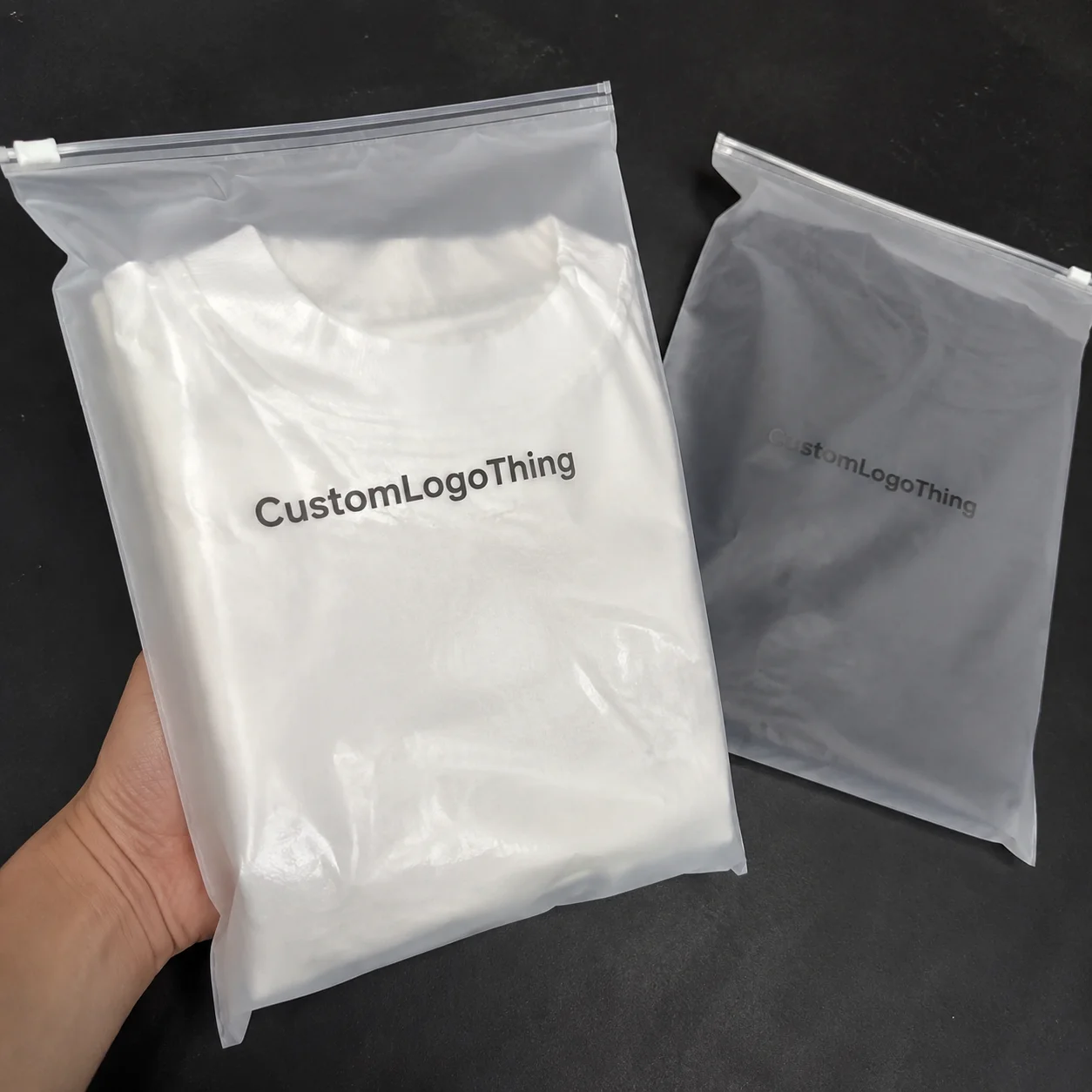
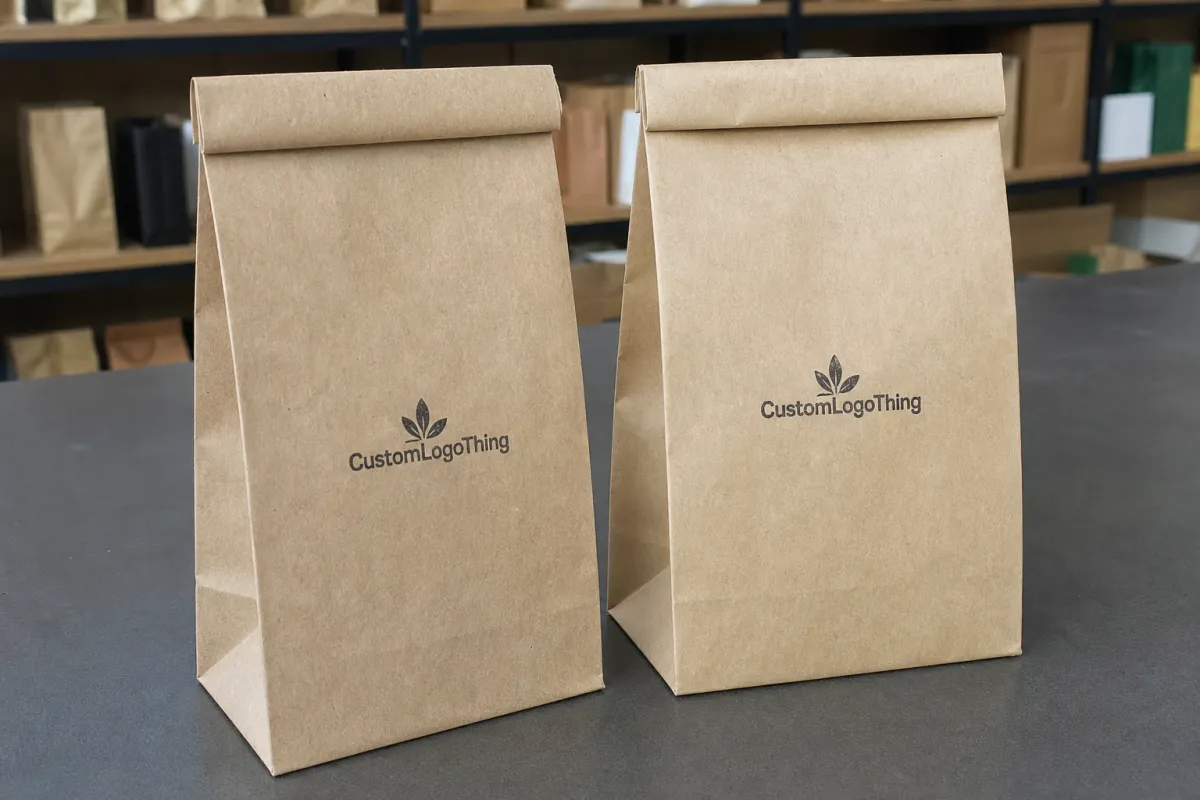
A plain mailer, jar, or takeaway bag often needs one final branded layer. That is where printed branded Stickers With Logo earn their keep. They can brand plain stock packaging, seal tissue or boxes, identify products, and support short-run campaigns without committing to separate printed packaging for every variation.
These are pressure-sensitive labels built from a face stock, ink, adhesive, and release liner. Some are simple indoor seals. Others must handle condensation, refrigeration, oil, abrasion, or outdoor exposure. Buyers who treat all stickers as interchangeable usually run into avoidable problems with peeling, scuffing, unreadable artwork, or unnecessary cost.
Typical uses include:
- Packaging seals for boxes, tissue, and mailers
- Product labels for jars, bottles, pouches, and tins
- Promotional handouts and event decals
- Thank-you insert seals and shipping branding
- Seasonal or limited-run variants
- Tamper-evident coverage on selected closures
The key buying questions are practical: what surface will the sticker be applied to, what conditions will it face, how durable must it be, what quantity is needed, and how quickly does it have to arrive? The sections below focus on those decisions.
Why printed branded stickers with logo punch above their weight in packaging

From a packaging standpoint, stickers solve several jobs at once. They add branding to plain boxes or bags, reduce the need for multiple custom carton versions, and give short runs a more finished appearance. That makes them useful for launches, seasonal promotions, SKU tests, and inventory gaps while larger packaging components are still in production.
They can also replace extra packaging parts. A round seal can close tissue. A rectangular label can cover a tamper flap. A clear film label can identify a bottle while keeping the product visible. At moderate volume, the per-piece cost is often low compared with the flexibility gained.
Common use cases include:
- Branding: logos on bags, boxes, and inserts
- Information: ingredients, scent names, care instructions, or batch details
- Promotion: giveaways, event packs, and laptop-style decals
- Operations: color coding or SKU identification
- Protection: seals that show whether a package has been opened
The real decision is not whether a sticker looks premium enough. It is whether the construction matches the job. A dry retail box seal may only need coated paper. Refrigerated food packaging, bath products, and handled bottles usually need a film stock and added surface protection.
How printed branded stickers with logo work from artwork to adhesive performance
Every sticker is a layered construction. The visible top layer is the face stock, such as paper, BOPP film, vinyl, foil paper, or a textured specialty sheet. Ink is printed onto that surface. A laminate or varnish may be added for protection or appearance. Underneath sits the adhesive and release liner.
Artwork gets attention first, but structure determines performance. A sharp logo on the wrong stock or adhesive can wrinkle on a curved container, lift at the edges, or fail in cold storage. Buyers should tie specs to the surface and environment, not just the mockup.
Common face stock options include:
- Paper: economical and best for dry indoor use
- White BOPP: durable, moisture-resistant film widely used on jars and bottles
- Clear BOPP: creates a no-label look and often needs white ink underprint
- Vinyl: thicker and better suited to promotional decals or outdoor use
- Foil papers: metallic appearance for decorative branding
- Textured papers: tactile finish for candles, wine, cosmetics, or gift packaging
Surface type matters. Cardboard and paperboard are generally forgiving. Glass is stable but shows bubbles and crooked placement immediately. Plastic can be more challenging, especially low-surface-energy materials. Metal usually labels well, but temperature swings may affect bonding.
Print method also affects cost and suitability. Digital printing is usually the better fit for short runs, quick revisions, and multiple versions. Flexographic printing often makes more sense at higher volumes, where setup costs are spread over many pieces and consistency across long runs matters.
Finishing choices influence both appearance and wear:
- Gloss for stronger color pop
- Matte for a softer look
- Soft-touch laminate for premium hand feel
- Rounded corners to reduce edge lifting
- Custom die cuts for branded shapes
- Roll or sheet format based on application method
When labels must remain attached and readable through storage and shipping, distribution guidance from groups like ISTA is worth reviewing.
Material, finish, shape, and adhesive choices that change real-world results
Appearance may sell the idea, but material and adhesive determine whether the sticker survives actual use. Buyers often choose a stock from a sample ring, then discover it scuffs in transit or fails in chilled storage.
Paper versus film stocks
Paper stickers fit dry retail packaging, gift boxes, bakery boxes with limited moisture exposure, and low-abrasion uses. They usually cost less than films and can be paired with writable coatings when staff need to add pricing or batch notes by hand.
Film stocks such as white or clear BOPP are better for moisture, oil, refrigeration, and frequent handling. Jars, beverage bottles, bath products, and food containers often belong here. BOPP is a common middle ground: more durable than paper and usually less expensive than vinyl. Vinyl is more appropriate when the sticker is a promotional decal or needs longer outdoor life.
Clear materials and readability
Clear stock can look clean on glass and smooth plastic, but design discipline matters. Pale colors and fine text can disappear without a white underprint. If you are ordering clear stickers, confirm whether white ink is included behind logos, text, or any area that needs opacity.
Adhesive choices
The wrong adhesive causes many field failures. Permanent adhesive is typical for product labels. Removable adhesive is better for temporary promotions or surfaces that need clean peel-off. Specialty cold-temperature and freezer-grade adhesives are available for demanding storage conditions. Application temperature matters too; some adhesives need the package surface above a minimum threshold before proper bonding begins.
Shape and size guidance
Standard shapes usually cost less and move faster through production. Circles, squares, rectangles, and ovals are efficient. Custom Die Cuts can strengthen branding, but intricate contours increase converting cost and waste.
| Common use | Typical size range | Recommended stock | Notes |
|---|---|---|---|
| Mailer or tissue seal | 1.5" to 2.5" round | Coated paper or white BOPP | Rounded shapes apply quickly by hand |
| Jar or bottle front label | 2" x 3" to 3" x 4" | White or clear BOPP | Use laminate for moisture and rub resistance |
| Thank-you insert seal | 1" to 2" square | Paper | Writable matte coatings can help personalization |
| Promo decal | 3" to 4" custom die cut | Vinyl | Better for outdoor use and repeated handling |
For a broader comparison of applications and formats, see Custom Labels & Tags.
What happens after you place a sticker order?
A sticker order is simple on the surface, but several production steps affect lead time and risk. Knowing them helps buyers avoid rushed approvals and preventable delays.
- Quote request with size, quantity, material, finish, and application details
- Artwork review for file quality, bleed, and cut line setup
- Proofing to confirm layout, copy, color expectations, and die line position
- Material confirmation based on surface and environment
- Print setup on digital or production press
- Production and finishing including lamination, varnish, cutting, sheeting, or rewinding
- Packing and shipping
Proofing is where the cheapest corrections happen. This is the stage to catch weak reverse text, cut lines crowding the design, barcode issues, missing white underprint, or color shifts that are obvious on the chosen stock.
Typical production time for straightforward custom sticker jobs is often 5 to 10 business days after final proof approval. Specialty materials, custom die cuts, white ink, or extra finishing can push jobs closer to 12 to 15 business days. Shipping is separate from production time.
Main lead-time drivers include:
- Run size
- Die-cut complexity
- Material availability
- White ink or metallic effects
- Number of proof revisions
- Whether artwork is press-ready
To speed up quoting, provide these details up front:
- Quantity
- Sticker dimensions
- Application surface: corrugated, glass, PET, HDPE, metal, or paperboard
- Exposure: dry, wet, oily, refrigerated, or outdoor
- Preferred finish
- Roll or sheet format
- Required in-hand date
Sticker pricing and unit cost: what actually drives the quote
Sticker pricing usually comes down to material, press time, setup, finishing, converting, and freight. Dimensions, quantity, stock type, adhesive, number of versions, and delivery format all affect the quote.
Unit cost typically drops as volume increases, while total spend rises. A run of 250 stickers costs more per piece than 5,000 because setup and handling are spread across fewer units.
For standard indoor uses, rough pricing often looks like this:
| Order example | Typical stock | Estimated unit cost | Comments |
|---|---|---|---|
| 250 pieces, 2" round | Coated paper | $0.18-$0.45 | Short-run digital pricing |
| 1,000 pieces, 2" round | Coated paper or white BOPP | $0.07-$0.18 | Depends on finish and versions |
| 5,000 pieces, 3" x 4" | White BOPP with laminate | $0.04-$0.12 | More efficient at scale |
| 5,000 pieces, custom die cut promo decal | Vinyl | $0.12-$0.28 | Higher due to material and converting |
These are broad ranges, not guaranteed pricing. Metallic effects, thick laminates, specialty adhesives, and complex contours can raise cost quickly. MOQ also varies. Digital jobs may allow low minimums, while custom dies or uncommon materials may require more volume to be economical.
Budget problems usually come from:
- Oversized labels that use more material than needed
- Overbuilt constructions, such as vinyl for a dry carton seal
- Too many art versions across small runs
- Late ordering that forces expedited freight
Two useful cost controls are requesting alternate quotes and standardizing sizes across SKUs where possible. It also helps to compare paper versus BOPP, matte versus gloss, and roll versus sheet formats before approving the final spec.
For examples of how custom printed components perform in live brand programs, see Case Studies.
Step-by-step guide to ordering logo stickers that fit the job
Ordering gets easier when function is locked in before aesthetics.
- Define the application. Identify the package surface and any exposure to moisture, oil, cold storage, sunlight, or abrasion.
- Choose dimensions and shape. Measure the actual panel or seal area and leave enough quiet space around the logo.
- Prepare artwork correctly. Use vector files such as AI, EPS, or print-ready PDF. Include bleed and safe margins.
- Select stock, adhesive, and finish. Match the build to the environment, not just the look of the sample.
- Review the proof carefully. Check color, cut line alignment, readability, and white underprint needs on clear stock.
- Confirm quantity and format. Rolls are often better for faster hand application or machine use; sheets can be better for office use and handouts.
- Test a sample when conditions are demanding. Curved, wet, cold, oily, or textured surfaces deserve a real-world adhesion test.
- Approve with a final checklist. Confirm art, size, material, adhesive, finish, format, quantity, timeline, and ship-to details.
Practical rule: if the sticker must do more than look good, test it on the actual package before committing to volume.
A clear one-line spec speeds up communication: “3" x 2" white BOPP, permanent adhesive, matte laminate, roll format, 1,000 pieces, hand-applied to PET bottles in refrigerated retail.” That level of detail reduces quoting errors and revision cycles.
Common sticker mistakes and expert fixes before production starts
Most sticker failures start in specification or artwork, not on press.
Frequent artwork errors
- Low-resolution logos pulled from websites
- Tiny reverse text that fills in on press
- Weak contrast on clear materials
- Missing bleed
- Incorrect or missing cut lines
The fixes are simple: use vector art, enlarge small type, add more clear space, and supply a separate dieline layer. Small labels rarely tolerate crowded copy.
Specification mistakes
- Choosing paper for refrigerated or wet use
- Using permanent adhesive where clean removal matters
- Ignoring application temperature
- Skipping laminate on heavily handled products
A refrigerated beverage label usually needs film stock and cold-suitable adhesive. A temporary campaign seal may need removable adhesive to avoid tearing the package when peeled off.
Branding and operational issues
Another common mistake is forcing too much text onto a small sticker. That weakens both branding and readability. Buyers also miss operational details on roll jobs. If stickers are machine-applied, confirm roll direction, unwind orientation, core size, and maximum outer diameter before approval.
A sample or pilot run is especially useful for:
- New product launches
- Unfamiliar container materials
- Multi-surface use
- Outdoor exposure
- Cold, oily, or heavy-handling conditions
Next steps: how to spec, compare, and approve your sticker order with confidence
If you are ready to source stickers, start with the application and compare a few realistic constructions rather than every specialty finish available.
A practical buyer checklist includes:
- Size and shape
- Application surface
- Storage and use environment
- Permanent or removable adhesive
- Matte, gloss, writable, or laminate finish
- Quantity and number of versions
- Roll or sheet format
- Required delivery date
Ask for side-by-side options if you are unsure. Paper versus BOPP, gloss versus matte, and rolls versus sheets often reveal where you are overspending or where the build is not durable enough.
Before final approval, review the proof like both an operator and a brand manager. Is the logo sharp? Is small text legible? Does clear stock need a white underprint? Is there enough margin around the die cut?
If sustainability matters, ask about responsibly sourced paper options and relevant certification guidance through organizations such as FSC. Qualification depends on the exact construction, especially when films and laminates are involved.
Finally, record approved specs for reorders: material, adhesive, finish, size, proof version, and unwind direction if rolled. That makes future pricing, consistency, and lead-time planning much easier.
FAQ
What material is best for printed branded stickers with logo on product packaging?
Paper works well for dry, low-abrasion retail packaging and gift presentation. BOPP or vinyl is usually better for moisture, oil, refrigeration, or heavier handling. The right choice depends on the package surface, storage conditions, and whether the sticker is decorative, informational, or acting as a seal.
How much do custom logo stickers usually cost per unit?
Unit cost depends on size, quantity, material, finish, and die-cut complexity. Short runs usually cost more per piece than larger runs because setup is spread across fewer units. Asking for alternate specifications often reveals savings without sacrificing performance.
How long is the turnaround for branded stickers with a company logo?
Turnaround includes both production time and shipping time. Artwork readiness, proof revisions, custom shapes, and specialty finishes can all extend lead time. Sharing quantity, size, material, and deadline early helps suppliers schedule more accurately.
Should I order branded logo stickers on rolls or sheets?
Rolls are often better for faster hand application and machine application. Sheets can be convenient for small batches, office use, and promotional handouts. The right format depends on how the stickers will be stored, dispensed, and applied.
Can printed logo stickers be waterproof or outdoor durable?
Yes. Film materials such as BOPP or vinyl paired with suitable inks and protective finishes can provide water resistance and outdoor durability. Those properties are not automatic, so the environment should be specified before production. Sunlight, abrasion, temperature swings, and the application surface all affect long-term performance.