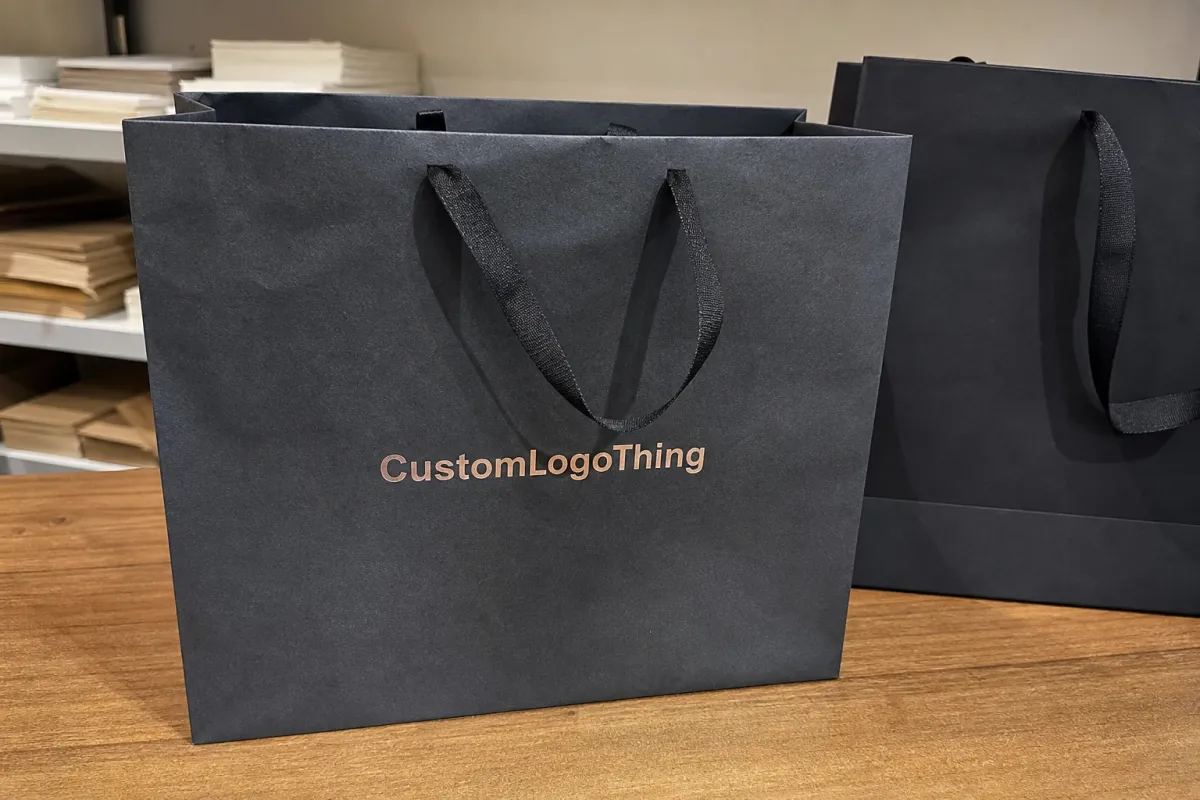
Printed brown bags look simple until the order is real. Then the logo sits too close to a seam, the handles feel weak, the kraft dulls the color, and the “fast” quote picks up extra charges. That is why printed brown bags should be treated as a packaging spec, not just a decoration choice.
The right bag carries the product cleanly, prints well on kraft, and arrives when promised. If one of those pieces is off, the bag gets expensive fast. Buyers usually save money by matching the paper, construction, print method, and delivery window to the use case instead of chasing the lowest headline price.
Printed Brown Bags: What Actually Matters First
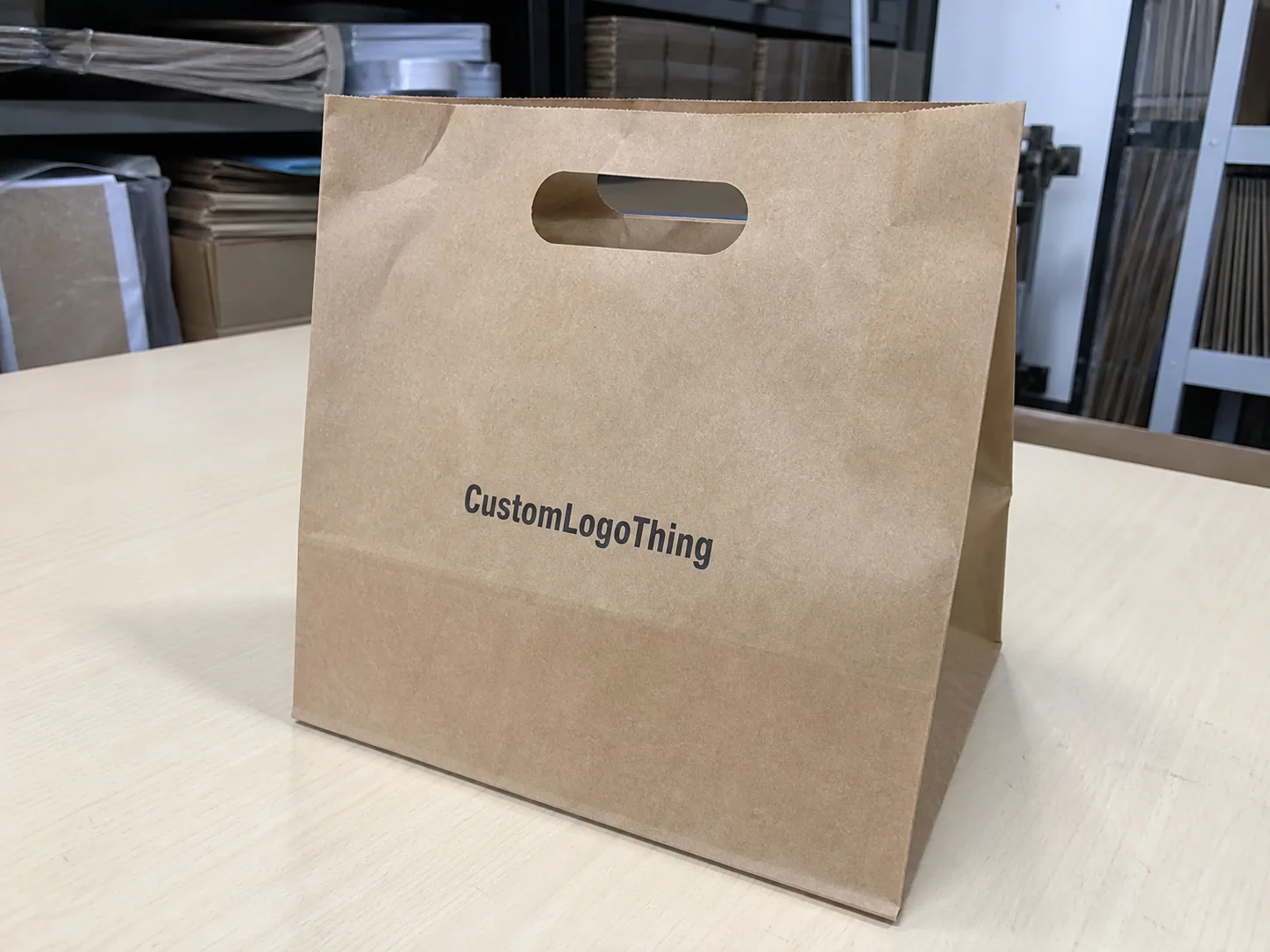
The first mistake is choosing from a mockup instead of the actual load. A bag can look fine in a catalog and still fail once the product weight, fill shape, or carry time gets involved. I see this most often with printed brown bags ordered for retail launches, where the buyer focuses on branding and not enough on what the bag has to hold.
Start with the use case. Retail bags need a clean look and comfortable carrying. Takeaway bags need grease resistance, bottom strength, and enough headroom for multiple containers. Gift bags care more about print quality and paper feel. Event bags usually need a practical balance of cost, speed, and visibility.
Before asking for a quote, answer these questions:
- What goes in the bag, and what does it weigh when packed?
- Will customers carry it by hand for a few minutes or across a long walk?
- Do you need the logo to stay visible when the bag is full?
- Is this for retail, food, gifting, or an event giveaway?
- What is the real deadline after freight is included?
If the brief is vague, the factory fills in the blanks. That is where wrong sizes, weak handles, and reprints usually start.
The cleanest orders are the boring ones: clear size, known product weight, final artwork, and a deadline that includes shipping time. Unclear specs create expensive surprises.
How Printing Works on Brown Bags
Printing on kraft behaves differently from printing on white paper. Brown stock absorbs light inks and softens contrast, so a logo that looks sharp on screen can disappear once it hits paper. With printed brown bags, contrast matters more than most buyers expect. Dark inks, simple shapes, and strong type usually survive better than fine lines or delicate gradients.
The print method changes the result as much as the artwork does:
- Flexographic printing is the workhorse for repeat runs and larger quantities. It gives good consistency and better unit economics once the setup is spread across enough bags.
- Digital printing is better for short runs, faster revisions, and jobs where plate setup would consume too much budget.
- Foil, embossing, and specialty finishes can make a bag feel more premium, but they increase cost, labor, and schedule risk.
Artwork prep is where a lot of avoidable mistakes happen. Vector files are the safest starting point. Tiny text, thin reversed-out lines, and low-resolution logos often fail on textured kraft. If the design depends on a specific brand color, say whether the match needs to be approximate or exact.
Brown stock also changes how color reads. Warm tones usually behave better than pale pastels. Heavy coverage can look richer, but it may also expose paper variation more clearly. Buyers who expect photographic brightness on kraft usually end up disappointed.
| Print Method | Best For | Typical Strengths | Tradeoffs |
|---|---|---|---|
| Flexo | Medium to large repeat runs | Lower unit cost at volume, good repeat consistency | Setup time, less flexible for frequent design changes |
| Digital | Short runs and urgent jobs | Fast proofing, fewer setup steps, easier revisions | Higher unit cost at scale |
| Specialty finishing | Premium retail or gifting | Stronger shelf presence, higher perceived value | More labor, more cost, more room for delay |
For packaging claims, material standards, and sustainability language, use real sources instead of generic marketing copy. The FSC is useful for chain-of-custody and responsible sourcing context. The EPA is a better reference for recycling and disposal language than a supplier brochure.
Specs That Change the Finished Bag
Size is the first spec people underestimate. A bag can be technically large enough and still be wrong if the gusset is too narrow, the base is too small, or the packed product pushes the seams outward. The shape of the item matters as much as the measurements.
Paper weight matters too. Kraft bags are often specified by gsm or paper thickness, and the number only becomes useful when it is tied to the actual load. A lightweight retail bag may be fine for clothing or pamphlets. A heavier grocery or takeaway order needs stronger paper, better reinforcement, and a handle that does not feel like a liability after ten seconds in a customer’s hand.
Handle style changes the experience more than many buyers expect. Twisted paper handles are common for everyday retail because they are inexpensive and acceptable for moderate loads. Flat handles work for lighter use cases and can be fine for takeaway. Reinforced handles, folded tops, and heavier board inserts help when the bag needs to feel solid rather than disposable.
Finish and construction matter just as much as print. Natural kraft gives a warmer, more organic look. Recycled content can support a sustainability story, but only if the claim is accurate and the paperwork backs it up. Some food packaging needs grease resistance or moisture tolerance. Hot items, sauces, chilled drinks, and condensation all change the material requirements.
Use these three lenses when comparing options:
- Performance: load capacity, handle strength, seam durability, and resistance to tearing.
- Presentation: how the bag looks when carried, stacked, and handed over at the counter.
- Practical use: whether it fits the product, the checkout process, and the customer’s hand.
The best spec is not the heaviest one. It is the one that matches the real use case with a little margin for error. Underbuilding costs more later, usually after someone has already received the shipment.
Pay attention to the unglamorous details too: bottom fold quality, glue lines, handle attachment, and carton pack count. A bag can print well and still be awkward to store, count, or distribute at the point of sale.
Process and Timeline: From Quote to Delivery
The order flow is predictable: inquiry, quote, artwork review, proof approval, sampling if needed, production, inspection, packing, and freight. Each step is only as clean as the brief. The printer cannot correct what was never specified.
Artwork revisions and missing dimensions are the biggest schedule risks. Late approval is another classic problem, especially when the buyer expects the original timeline to survive several rounds of edits. Once the proof changes, the schedule changes too.
Standard lead times depend on order complexity. A reorder with no artwork changes can move quickly if the factory already has the setup. A new custom job needs time for proofing, production planning, and sometimes sample approval. Simple designs and modest quantities may move in business days after approval. Custom sizes, specialty finishes, or unusual handle requirements stretch the schedule.
Freight should be treated as part of lead time, not a line item tacked on later. A production run can finish early and still arrive late if the cartons miss a consolidation window or the delivery dock cannot receive them. Receiving hours, dock appointments, and transit time matter as much as the print schedule.
A good brief should include:
- Exact bag size and gusset depth
- Artwork file and brand color references
- Quantity needed and acceptable MOQ range
- Delivery date and shipping destination
- Handle type, reinforcement, and any coating or food-grade requirement
If a supplier cannot tell you whether proof approval, sampling, or freight booking sits on the critical path, keep pushing. The timeline is only real when someone has accounted for each of those steps.
Cost, Pricing, and Minimum Order Realities
Pricing on printed brown bags comes from a handful of variables: material, size, print colors, setup or plate charges, handle style, reinforcement, packing, and freight. If a quote looks unusually low, check what was left out. Something usually was.
Quantity is the biggest driver of unit cost. Setup costs get spread across more bags as the run gets larger, so per-unit price falls with volume. That is why MOQ matters. A buyer may want 1,000 bags, but the factory’s better pricing may assume 5,000 or 10,000. Buying more than you need just to hit a better unit rate is not saving money. It is paying for storage and hoping the inventory does not sit around long enough to become obsolete.
A practical pricing view looks like this:
| Order Type | Common Cost Drivers | Buyer Impact |
|---|---|---|
| Small digital run | Simple setup, lower quantity, faster proofing | Higher unit price, lower inventory risk |
| Mid-volume flexo run | Plate or setup cost, ink count, bag size | Better unit economics, more prep time |
| Premium custom bag | Special finishes, reinforced handles, custom sizing | Higher price, stronger presentation |
Most quote surprises come from low quantity, complex artwork, expedited freight, and spec changes after the first price is already built. For a useful comparison, ask for two or three options using the same dimensions, same artwork, and same delivery address. Then vary only one thing at a time, such as quantity or paper weight.
There is also a hidden cost buyers forget: waste from the wrong specification. A bag that tears, prints poorly, or arrives too late can force a second order. That second order is rarely cheaper than getting the first one right.
Common Mistakes That Blow Up Orders
The most expensive mistake is choosing the bag by appearance alone. Nice render. Wrong function. If the product is too heavy, the handles strain. If the fill size is off, the bag bulges in a way that makes the brand look sloppy. If the bag is too small, checkout slows down and customers start wrestling with it in front of everyone.
Artwork mistakes are just as common. Low-resolution logos print fuzzy. Thin fonts disappear. Light colors vanish on brown stock. Full-color art can work, but not every palette reads well on kraft, especially when the brand relies on soft neutrals or fine detail.
The fastest way to waste money is to skip the sample, skip the proof review, and then act surprised when the bag follows the instructions exactly as written.
Timing errors cause their own headaches. Buyers often approve artwork late and still expect the original schedule to hold. That is not how production works. The calendar moves in one direction. If approval slips, production slips.
Size and strength problems are easier to catch before the order is locked. A sample, a close reference bag, or even a dimensional mockup can reveal whether the handle feels right and whether the printed area sits where it should. That is especially useful when the customer will judge the bag by touch as much as by appearance.
Watch for these warning signs before approving a run:
- The logo feels too small once the bag is filled.
- The handle width looks weak for the intended load.
- Artwork sits too close to folds or seams.
- The quoted lead time does not include freight.
- No one has confirmed the exact shipping destination.
Another common error is over-specifying the bag for the sake of looking premium. Extra-heavy paper, specialty finishing, and custom handles can make sense, but only if the customer notices the difference or the product needs the extra strength. Otherwise the budget gets eaten by details that do not move the sale.
Expert Tips and Your Next Order Checklist
Start with a one-line brief. What goes in the bag, how many do you need, when do you need them, and where are they shipping? That alone cuts down most of the back-and-forth. Buyers who send a clean brief tend to get cleaner quotes.
Ask for two or three quote options. One can be lower quantity, one can use a better material, and one can adjust print coverage. That gives you a real sense of where the cost moves. It also makes tradeoffs visible instead of hiding them inside a single number.
If color accuracy matters, request a physical sample or a close reference bag. Screens lie. Paper texture lies in a different way. For retail, takeaway, or gifting, one sample in your hand tells you more than a stack of email revisions. You can check the handle feel, the print contrast, and the way the bag stands up on a counter.
Before sending the inquiry, check this list:
- Final bag size
- Artwork in vector format
- Print colors and Pantone references, if needed
- Quantity and acceptable MOQ range
- Timeline and freight destination
- Handle type, reinforcement, and finish requirements
If the order has compliance requirements, ask about them before approval. Food contact, recycled-content claims, and sourcing documentation should be confirmed in writing. That protects the buyer when the bag is part of a regulated or audited workflow.
The simplest rule holds up well: keep the design clear, verify the proof, and treat final approval as the point where the job stops being theoretical. That is how printed brown bags stay useful instead of turning into an expensive correction cycle.
What affects printed brown bag pricing the most?
Quantity, bag size, and print complexity usually drive the price. Setup or plate charges matter a lot on smaller runs because they are spread across fewer units. Freight can also move the total more than buyers expect, especially if the delivery window is tight.
What is the minimum order for printed brown bags?
MOQ depends on the factory, the print method, and how custom the bag is. Smaller runs usually cost more per bag because setup is divided across fewer units. If you only need a test quantity, ask whether digital printing or a short-run option is available.
How long do printed brown bags take to produce?
Standard timelines often run several weeks after proof approval, depending on quantity and complexity. Artwork revisions, sampling, and freight booking can add time before production starts. Rush service may be possible, but it usually costs more and reduces room for changes.
Can I print a full-color logo on brown bags?
Yes, but the brown surface changes how the colors read, especially with pale or low-contrast artwork. Some designs need stronger contrast or a white underprint to stay legible. Simple, bold graphics generally print cleaner and cost less than dense full-color artwork.
What information do you need for a printed brown bag quote?
Send the bag size, quantity, logo file, print colors, and target delivery date. Include the shipping destination and any handle, reinforcement, or finish requirements. If color matching matters, provide Pantone references or a physical sample.