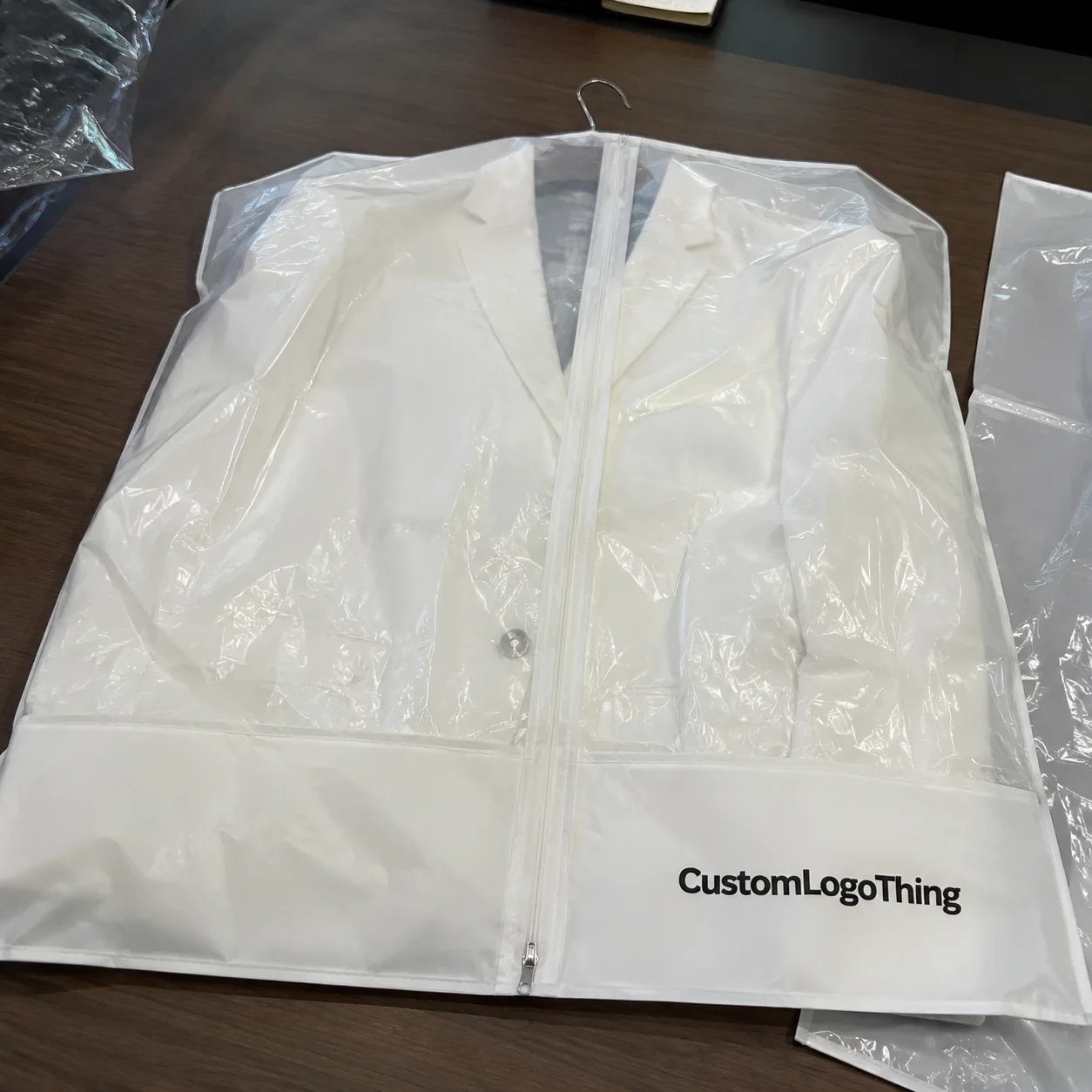
Buyers usually request a printed clear Zipper Bags With Logo Quote for one reason: they want packaging that shows the product, carries branding, and stays easy to pack. Clear resealable bags are common for accessories, cosmetics, kits, apparel, hardware, and promotional items because they support both presentation and fast content checks.
The bag is easy to describe; the hard part is specifying it well enough for reliable pricing. Quotes change when size, film, zipper, print, or packing details are missing. If you want a number that holds through approval and production, lock in the technical details first.
Why clear zipper bags change the way buyers present products

Clear Zipper Bags work because the product becomes part of the display. That can reduce the need for large labels or full-coverage print, especially when the item already has good color, texture, or shape. For buyers, that often means lower print cost than an opaque bag while still improving shelf recognition.
They also help operations. In fulfillment or kit assembly, teams can verify contents without opening the pack. That matters on multi-SKU runs, random inspections, and returns processing. A simple printed logo can replace loose stickers and create a cleaner retail look with only a small increase in unit cost.
Typical use cases include:
- Retail accessories such as socks, patches, hair goods, and small electronics
- Subscription kits that need quick visual verification
- Promotional packaging for giveaways and branded samples
- Spare parts and hardware packs that need visibility plus labeling
- Travel and personal care sets where resealability adds reuse value
Clear is not always the right choice. If the product is light-sensitive, highly variable in appearance, or better hidden before purchase, a frosted or more heavily printed version may be better. The key is to treat the bag as both a presentation tool and a handling tool, not a commodity item.
Material, closure, and print options that affect performance
Material choice changes clarity, softness, puncture resistance, and print behavior. Most buyers compare LDPE, PE blends, EVA, or laminated clear films.
LDPE or standard PE is the most common starting point because it offers good sealability, acceptable clarity, and lower cost. It works well in the 2 mil to 4 mil range for light to medium-duty use. EVA has a softer, more premium hand feel and better flexibility, but usually costs more. Laminated films can improve stiffness, barrier properties, or print quality, though they are more often used for higher-spec pouches than basic zipper bags.
Closure style also affects function and price:
- Standard press-to-close zipper for general retail and promotional use
- Double-track zipper for a firmer close and better repeat use
- Slider zipper for convenience, but usually at higher cost and MOQ
Most logo work on Clear Zipper Bags uses flexographic printing. One-color or two-color artwork is usually the most efficient option. Multi-color graphics are possible, but thin clear film makes print registration more critical. If your logo must land precisely, ask the supplier what registration tolerance they control to; many runs target about ±1 to ±2 mm depending on size and artwork.
Visibility can be adjusted as well:
- Crystal clear for maximum product exposure
- Frosted clear for a softer appearance
- Clear with selective printed areas for branding without full coverage
If the bag will be used for food-adjacent or food-contact applications, mention that at the start. Resin, ink, and documentation requirements may differ. For shipping-sensitive projects, outer-pack performance should also be considered against distribution standards such as ISTA.
Size, thickness, and customization specifications to lock in
Pricing is only useful when specifications are complete. “Small clear zipper bag” is not a quoting standard. A workable request looks more like: 6 x 9 inches, 3 mil, clear PE, top zipper, one-color front print, no gusset, 10,000 units.
Start with the core dimensions:
- Width
- Height
- Bottom or side gusset depth, if required
- Usable opening or fill space below the zipper
Usable fill space matters because the zipper and top lip reduce the effective interior height. A bag that looks right on paper can be too short in actual use if this is ignored.
Thickness is usually specified in mil or microns. As a rough conversion, 1 mil equals 25.4 microns. Common ranges are:
- 2 mil / about 50 microns for lightweight items
- 3 mil / about 75 microns for balanced retail use
- 4 mil / about 100 microns for heavier items or a stronger hand feel
Thicker film usually improves puncture resistance and perceived quality, but it also raises resin cost. Many soft, flat products do not need 4 mil.
Customization should be captured in one spec sheet, not across multiple emails:
- Logo placement: centered, upper corner, lower corner, full front, or repeating
- Print side: front only or both sides
- Finish: glossy clear, frosted, or matte-effect areas
- Add-ons: hang holes, euro slots, writable panels, tamper-evident features
- Packing method: bulk pack, carton count, inner pack quantity
If sustainability claims matter, confirm recycled content or certification language before approval. Not every clear film supports the same claim set, and any paper-based outer packaging claims should be checked through sources such as FSC where relevant.
Best practice: ask for a one-page spec sheet before final pricing. It should list dimensions, film type, thickness, zipper style, artwork location, print colors, quantity, and packing details.
Cost, MOQ, and what drives your printed clear zipper bags with logo quote
The main cost drivers are size, film thickness, print complexity, zipper type, and order quantity. If one of those changes, the quote usually changes with it.
Larger bags use more film and can affect carton counts and freight weight. Thicker film adds resin and changes the perceived quality level. One-color front print is usually the lowest-cost branded option, while front-and-back or multi-color printing adds setup, plate cost, and waste allowance. Upgraded zippers also raise conversion cost.
MOQ often depends on print setup and run efficiency. A simple one-color job may start around 3,000 to 5,000 pieces. Multi-color artwork, uncommon sizes, or upgraded closures may push MOQ to 10,000 pieces or more.
Buyers should ask whether the quote includes:
- Plate or cylinder charges
- Digital proof or physical samples
- Artwork cleanup
- Freight, duties, or local delivery
- Overrun or underrun tolerance
| Specification Example | Typical MOQ | Estimated Unit Range | Main Cost Drivers |
|---|---|---|---|
| 4 x 6 in, 2 mil, clear PE, 1-color front print | 5,000 pcs | $0.07-$0.12 | Plate setup, small size efficiency |
| 6 x 9 in, 3 mil, clear PE, 1-color front print | 5,000 pcs | $0.11-$0.18 | Film gauge, print area |
| 8 x 10 in, 3 mil, frosted clear, 2-color print | 10,000 pcs | $0.18-$0.28 | Extra print color, finish effect |
| 10 x 12 in, 4 mil, double-track zipper, front/back print | 10,000-15,000 pcs | $0.26-$0.42 | Thicker film, zipper upgrade, two-sided print |
These are reference ranges, not fixed offers. Resin pricing, freight, and artwork coverage can shift the final number.
Common ways to control cost without hurting function:
- Reduce print coverage before reducing print quality
- Use 3 mil instead of 4 mil when the product does not need extra strength
- Consolidate SKUs into shared bag sizes where practical
When comparing suppliers, keep the assumptions identical. The same dimensions, thickness, print count, quantity, and freight basis must be used, or the lowest unit price may not be the lowest landed cost.
Production steps and lead time from artwork to shipment
Most delays come from missing specs, low-quality artwork, or slow proof approval rather than from manufacturing itself.
A typical workflow is:
- Inquiry with specs, quantity, and logo file
- Specification review to confirm size, thickness, zipper, and print details
- Artwork proof showing placement, orientation, and dimensions
- Sample approval, digital or physical depending on risk
- Production run including printing, converting, sealing, and packing
- Inspection for dimensions, registration, and seal quality
- Dispatch with final carton counts and shipment details
Standard custom orders often run about 12 to 20 business days after final proof approval. Simple one-color projects may fall near the lower end. Multi-color artwork, uncommon sizes, or added features such as hang holes can extend the timeline. Physical pre-production samples may add 5 to 10 business days.
Common causes of lead-time slippage include:
- Low-resolution logos that require redraw work
- Confusion between outer dimensions and usable fill size
- Missing written approval on artwork position or orientation
- Quantity changes after material planning
- Freight booking delays after production is complete
Rush production may be possible if artwork is simple and materials are available, but buyers should expect a surcharge. Depending on the project, expedited handling can raise cost by 10% to 25% or more.
Final proof approval should be explicit. The approved version should show bag dimensions, color count, logo position, front/back orientation, and version number. That document becomes the reference if there is a dispute later.
What buyers should expect from a reliable supplier
A reliable supplier should be able to explain tolerances and quality checks clearly, not just promise good quality.
Start with visible basics: consistent logo placement, controlled registration, straight zipper insertion, clean side seals, and neat top trimming. On clear film, print drift and crooked zippers are easy to spot and hard to hide.
A dependable supplier should be prepared to discuss:
- Dimensional tolerance for width and height
- Seal integrity and zipper attachment checks
- Print accuracy against approved artwork
- Carton counts and lot identification
For repeat orders, ask whether plates, color references, and approved specs are retained for future production. That helps reorders stay more consistent and reduces approval time.
Technical responsiveness is another good signal. If a supplier can explain why 2 mil may be too light for a metal accessory kit, or when a double-track zipper is worth the upgrade, that is more useful than generic reassurance.
Simple rule: the clarity of the supplier’s answers before payment usually predicts the clarity of the process after payment.
How do I request an accurate printed clear zipper bags with logo quote?
Before requesting pricing, prepare the details that drive manufacturing:
- Bag width, height, and gusset if needed
- Target film thickness in mil or microns
- Material preference such as clear PE or frosted clear film
- Zipper style
- Print color count and logo placement
- Quantity by SKU
- Add-ons such as hang holes or writable panels
Send artwork as a vector file when possible, such as AI, EPS, or PDF. If orientation matters, include a sketch or reference image. That helps avoid errors on back printing, gusseted bags, or hanging formats.
Ask for separated line items so you can review:
- Unit price
- Plate or setup cost
- Sample cost, if any
- Freight or shipping terms
- Lead time after proof approval
Then check the proof carefully: spelling, logo size, front panel definition, opening direction, and artwork orientation. Proof mistakes are one of the most common causes of rework.
If you are ready to source, finalize the spec sheet, share artwork, and request a printed packaging quote through our contact page. Accurate pricing depends less on sales language than on complete, production-ready information.
FAQ
What details do I need for a printed clear zipper bag quote?
Provide bag size, thickness, quantity, print colors, logo file, and any add-ons such as hang holes, gussets, or writable panels. For the most accurate quote, include both overall dimensions and usable fill size.
What is the usual MOQ for printed clear zipper bags with logo?
MOQ depends on size, print complexity, and setup requirements. Simple one-color projects may start around 3,000 to 5,000 pieces, while multi-color jobs or specialty features often require 10,000 pieces or more. Confirm whether the minimum applies per size, per artwork, or per combined order.
How long does production usually take after approval?
Standard custom runs often take about 12 to 20 business days after artwork and sample approval. Timing varies with print count, order complexity, and current production load. Physical pre-production samples add time.
Can I print on both sides of the clear zipper bag?
Yes. Front and back printing is common, depending on film type, artwork, and budget. Two-sided printing usually raises setup and unit cost and may extend lead time because registration control becomes more demanding.
How can I keep the quote accurate and avoid surprises?
Use one finalized spec sheet for all vendors and ask for separate line items for unit price, setup, sample charges, and freight. Confirm artwork version, dimensions, material, and shipping terms before approval so you are comparing the same specification set across suppliers.