Two printed zipper bags can look similar on a screen and still price very differently. That is why a clear Printed Zip Lock Bags packaging cost breakdown matters. Size, film thickness, print coverage, closure type, and order volume all move unit cost, sometimes by 10% to 40%.
Most overpayment does not come from ink. It comes from weak specifications: oversized dimensions, unnecessary film gauge, or a short run forced into a fully custom size when a stock format would work. The cheaper quote is not always the better packaging decision either. If the zipper leaks, the seal fails, or the film scuffs badly, the savings disappear.
This guide focuses on the variables that actually help a buyer decide: material structure, dimensions, thickness, print method, color coverage, zipper style, MOQ, freight, lead time, and inspection. If your team also buys Custom Packaging Products such as cartons, inserts, or custom printed boxes, the same rule applies: better specs usually mean cleaner pricing and fewer delays.
Printed zip lock bags packaging cost breakdown: what actually moves the price
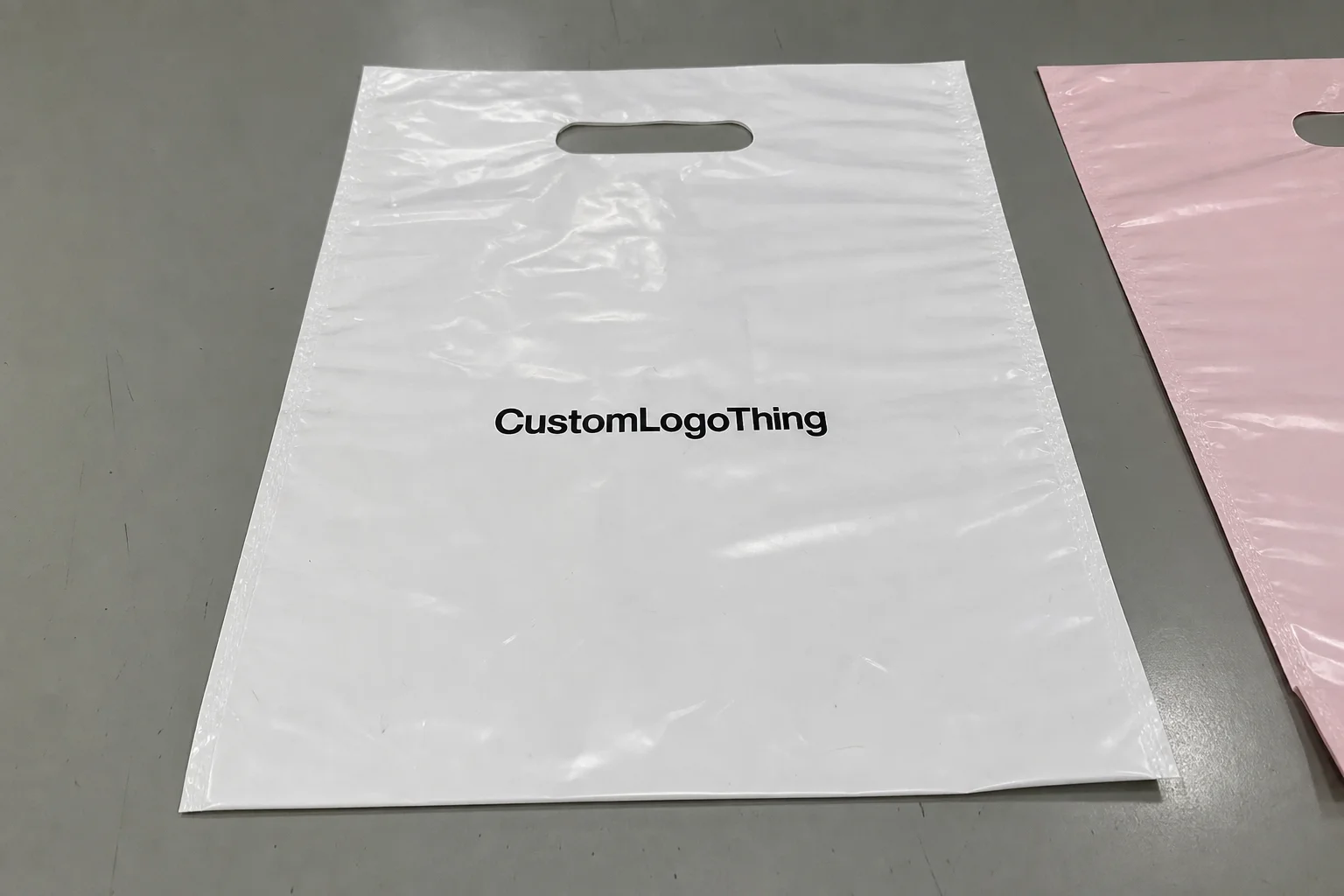
A reference photo is not a spec. Cost depends on details the image does not show: 3 mil or 5 mil film, single-layer PE or laminated barrier, one-side print or two-side print with white ink, standard press-to-close or child-resistant zipper, gloss or matte finish.
The main pricing levers are usually:
- Bag dimensions — width, height, and bottom gusset if any
- Film thickness — often 2.0 mil to 6.0 mil depending on use
- Material structure — single-layer PE vs laminated films
- Print coverage — one side, two sides, spot colors, full color, white ink
- Zipper style — standard, double-track, child-resistant, slider
- Order quantity — setup costs hit small runs harder
- Freight and destination — landed cost matters more than ex-factory price
Material area often affects cost more than buyers expect. Add an inch to width and height, and every bag uses more film. Across 5,000 or 50,000 pieces, “just to be safe” sizing becomes an expensive habit.
A useful cost breakdown starts with fit and function, not decoration. Whether the bag is for retail display, fulfillment, sample kits, refill packs, hardware parts, or accessories, the quote should be built on real use conditions, not assumptions.
Where custom zip lock bags create value beyond basic storage
Plain bags hold products. Printed bags also help with presentation, packing speed, and consistency.
A well-made Printed Zip Lock bag can provide resealability, product visibility, barcode placement, and fewer packing steps. That matters when teams are otherwise labeling stock poly bags by hand or repacking items into generic bags. Labor is easy to ignore because it does not show up in the bag unit price, but it still affects packaging cost.
Compared with plain bags plus labels, printed bags often improve:
- Brand consistency across batches
- Cleaner barcode and lot-code placement
- Fewer application steps during packing
- Better shelf presence for hanging or countertop display
- Lower label failure risk in heat, dust, or humidity
That makes them useful for hang packs, sample kits, travel-size items, refill packs, hardware assortments, apparel accessories, and promotional bundles. Even when the product still ships inside a mailer or carton, the bag can carry much of the package branding without forcing a rigid packaging format.
The tradeoff is straightforward. Plain stock bags usually have the lowest upfront cost. Printed inventory often improves overall efficiency once volume rises or packing gets more complex. Many buyers use a mixed system: printed bags for high-volume SKUs and stock bags with labels for slower-moving variants.
Add-ons should solve a real problem:
- Hang hole or euro slot for display
- Tear notch for easier opening
- Writable panel for lot coding or kit assembly
- Clear window for visibility
- Matte or frosted finish for retail presentation
- Child-resistant zipper where regulation requires it
If sustainability matters, ask for specific film details rather than generic claims. Recycled-content options and certifications vary by structure. The EPA recycling guidance is a reasonable starting point when reviewing material statements.
For brands sourcing a wider line of Custom Packaging Products, zipper bags can also work alongside cartons, inserts, and labels. Strong packaging design is not about making every component expensive; it is about assigning each one a clear job.
Specs that change performance and price: size, thickness, film, zipper, and finish
Serious buyers define the specs that control both performance and cost. These are the variables doing most of the work in any quote.
Size and usable fill area
Always define width x height, and state whether those are outer dimensions or usable inner size. If the bag has a bottom gusset, include that too. With zipper bags, usable fill height below the zipper matters more than total outside height.
Tolerances also matter. Typical conversion tolerances may run around +/- 1/16" to +/- 1/8", depending on size and process. If fit is tight, request a construction sample before approval.
Thickness: enough, not excessive
Common thickness ranges often fall into these bands:
- Light duty: about 2.0 to 2.5 mil for small lightweight items
- Standard retail use: about 3.0 to 4.0 mil
- Heavy duty: 4.5 to 6.0 mil or more for sharper, heavier, or more premium applications
Overbuilding gauge is one of the simplest ways to waste money. Soft accessories do not need the same structure as heavy hardware.
Film structure
PE is common for flexibility and cost control. CPP or laminated structures can improve clarity, stiffness, print quality, and barrier properties. Multilayer films make sense for odor control, moisture sensitivity, or a stiffer premium feel, but they are not always necessary.
If the product has sharp edges, oil residue, strong odor, or moisture sensitivity, mention it early. Material choices change fast once those factors appear.
Zipper style and closure cost
Standard press-to-close zippers are the baseline. Double-track closures can improve feel and reliability. Child-resistant zippers cost more and may be required in regulated categories. Slider zippers add convenience and shelf appeal but raise both material and conversion cost.
Finish and print coverage
Gloss is usually the simplest route. Matte, frosted, metallic effects, soft-touch finishes, and opacity layers can improve appearance, but each adds process or material complexity. Clear bags with printed graphics often need a white ink underlay so artwork remains visible.
If appearance consistency matters, ask how the bag is printed and what color and registration tolerance to expect. Flexible packaging normally shows more variation than sheetfed paper printing.
| Spec | Lower-Cost Choice | Higher-Cost Choice | Typical Reason to Upgrade |
|---|---|---|---|
| Size | Stock dimension close to fit | Fully custom dimension | Precise product fit or shelf presentation |
| Thickness | 2.5-3.0 mil | 4.5-6.0 mil | Sharp parts, premium feel, better puncture resistance |
| Material | Single-layer PE | Laminated barrier film | Odor, moisture, clarity, print quality |
| Zipper | Standard press-to-close | Child-resistant or slider | Compliance or user convenience |
| 1-side spot color | 2-side full color with white | Branding impact and visibility | |
| Finish | Gloss | Matte, frosted, soft-touch | Premium retail presentation |
What is the printed zip lock bags packaging cost breakdown for different order sizes?
There is no universal price because setup, dimensions, film, and shipping change the economics. But buyers still need workable ranges.
For small to mid-volume custom runs using relatively standard constructions, rough landed unit cost ranges often look like this:
| Order Type | Typical Quantity | Rough Unit Cost Range | Notes |
|---|---|---|---|
| Entry short run | 1,000-3,000 pcs | $0.28-$0.75+ | Higher setup burden, often limited spec flexibility |
| Standard production run | 5,000-20,000 pcs | $0.12-$0.35 | Common range for custom retail bags |
| High-volume run | 25,000+ pcs | $0.06-$0.18 | Depends heavily on size, print coverage, and freight |
These are benchmarks, not promises. A small clear PE bag with one-side print will not price like a larger matte laminated bag with full-color print and a child-resistant zipper.
MOQ matters because setup cost must be spread across the run. Around 3,000 to 10,000 pieces is common for many projects, though some specs can run lower with digital or short-run methods. Very low custom quantities are possible, but unit cost climbs quickly.
The strongest pricing levers are usually:
- Bag size and total film area
- Thickness or gauge
- Single-layer vs multilayer material
- Print method and coverage
- Special zipper style
- Finish options
- Quantity tier
- Shipping destination and mode
Sometimes the smarter option is a stock size with custom print. If the product fits a standard size cleanly, ask for that comparison before committing to a fully custom dimension.
Also ask about extra charges that may sit outside the headline unit price:
- Art cleanup or prepress adjustments
- Color proofing
- Plate or cylinder costs for conventional printing
- Sampling fees
- Upgraded export cartons
- Duties and taxes
- Rush production surcharges
Compare landed cost per usable bag, not just ex-factory price. A lower quote is meaningless if it comes with weak seals, crooked zippers, or freight surprises.
Some teams also compare zipper bags against cartons or mixed-format kits from their broader Custom Packaging Products sourcing plan. That helps answer whether the bag should carry most of the branding or support a larger packaging system.
Production steps, process, and lead time from artwork approval to delivery
A standard custom bag order usually follows this sequence:
- Quote request with specs
- Material and dimension confirmation
- Dieline or artwork review
- Proof approval
- Sample stage if required
- Production scheduling
- Printing
- Bag making and zipper application
- Inspection
- Packing and shipment
New artwork orders often take around 12 to 20 business days for production after proof approval, depending on complexity and factory load. Repeat orders with unchanged specs may move faster, sometimes around 8 to 15 business days. Shipping then adds days or weeks depending on air or sea freight.
Most delays come from buyer-side issues: vague dimensions, missing fonts, artwork changes after approval, revised compliance text, or requests for special closures without clear requirements.
Sample types serve different purposes:
- Digital mockup: fast and inexpensive, useful for layout only
- Blank construction sample: confirms size and fit, not print
- Printed proof: better for artwork review, limited for construction validation
- Pre-production sample: best overall check, but slower and costlier
Inspection points worth confirming include zipper alignment, seal strength, cut accuracy, print registration, color consistency, odor, and carton labeling. If the packed product will face meaningful transit stress, review the full package system against standards such as ISTA testing logic.
If packaging arrives after the product, you bought expensive warehouse decoration.
Quote mistakes that inflate cost fast and how to avoid them
The fastest way to get a weak quote is to send a weak RFQ. Common mistakes include:
- Sending only a reference photo
- No exact dimensions
- No thickness target
- No quantity tiers
- No product description
- No destination country
- No artwork file or print notes
“Same as this sample” is not enough unless material, gauge, zipper type, and print process are confirmed. Two bags can feel similar and still be built very differently.
Another expensive habit is choosing a larger size just in case. Extra headspace adds material cost, can hurt presentation, and usually solves nothing. Get fit right first.
Artwork issues also slow projects: low-resolution logos, RGB files instead of print-ready files, missing fonts, or no separate white ink layer for clear film. In regulated categories, warning text, barcodes, origin marks, and legal copy can consume layout space quickly, so they need to be planned early.
A simple buyer checklist helps keep quoting on track:
- Product dimensions and fill weight
- Any sharp edges, odor, or moisture concerns
- Target bag size and usable fill area
- Material preference and thickness range
- Zipper type and any add-ons
- Artwork file and print sides
- Quantity tiers, not one random number
- Shipping method and delivery deadline
Cleaner inputs produce tighter quotes, fewer surprise charges, and fewer “why is this so different?” discussions.
Next steps to get an accurate bag quote without wasting a week
If you want a usable quote quickly, send a real spec sheet on day one.
A workable format looks like this:
- Bag size: width x height x gusset if applicable
- Zipper: standard, double-track, child-resistant, slider
- Material: PE, CPP, laminated structure, recycled-content request if needed
- Thickness: target mil range
- Finish: gloss, matte, frosted, clear window, soft-touch
- Print: one side or two sides, spot colors or full color, white ink yes or no
- Artwork: editable vector file if possible
- Quantity tiers: for example 3,000 / 5,000 / 10,000 / 25,000
- Shipping country: and whether you need air or sea pricing
- Target delivery date: the real one
Ask for three quote versions:
- Best unit cost option
- Fastest lead time option
- Lowest MOQ option
That gives you an actual tradeoff view instead of one quote trying to optimize everything at once. If product fit is uncertain, request a construction sample or stock-size reference before approving production.
Plan reorders early as well. If the SKU will repeat, reorder expectations affect print method, setup logic, and how quickly unit cost can improve.
If the project extends beyond bags, coordinating matching Custom Packaging Products for inserts, cartons, or other product packaging components can keep the system consistent.
FAQ
How is printed zip lock bags packaging cost calculated?
Cost is usually built from material choice, bag dimensions, film thickness, zipper type, print method, color count or print coverage, order quantity, setup charges, and shipping. Small runs almost always carry a higher unit cost because setup is spread across fewer bags. The number that matters most is landed cost, not just the factory quote.
What MOQ is typical for custom printed zip lock bags?
MOQ depends on size, material, and printing method, but custom production generally needs a meaningful minimum to make setup worthwhile. A common range is a few thousand pieces up to 10,000 or more for standard runs. Stock-size bags with custom print can reduce MOQ compared with fully custom dimensions. If the quantity is very low, digital printing or plain bags with labels may work out cheaper overall.
What specifications affect the unit cost of printed zipper bags the most?
The biggest cost drivers are bag size, thickness, material structure, zipper style, print coverage, finish, and order volume. Oversized bags and unnecessary heavy gauge are two of the most common reasons buyers overpay. Specialty closures such as child-resistant or slider zippers also cost more than standard press-to-close options.
How long does custom printed zip lock bag production take?
Lead time depends on whether the artwork is new or repeat, whether sampling is needed, the production queue, and shipping method. First-time custom runs often take around 12 to 20 business days after proof approval, while repeat orders are often faster. Artwork approval delays remain one of the biggest timeline killers.
Are printed zip lock bags cheaper than plain bags with labels?
Sometimes they are not. At very low quantities, plain stock bags plus labels can avoid setup costs and come out cheaper. At higher volumes, printed bags can reduce labor, improve consistency, and narrow or beat the total packaged cost. The right answer depends on volume, branding needs, labor steps, and presentation requirements.

