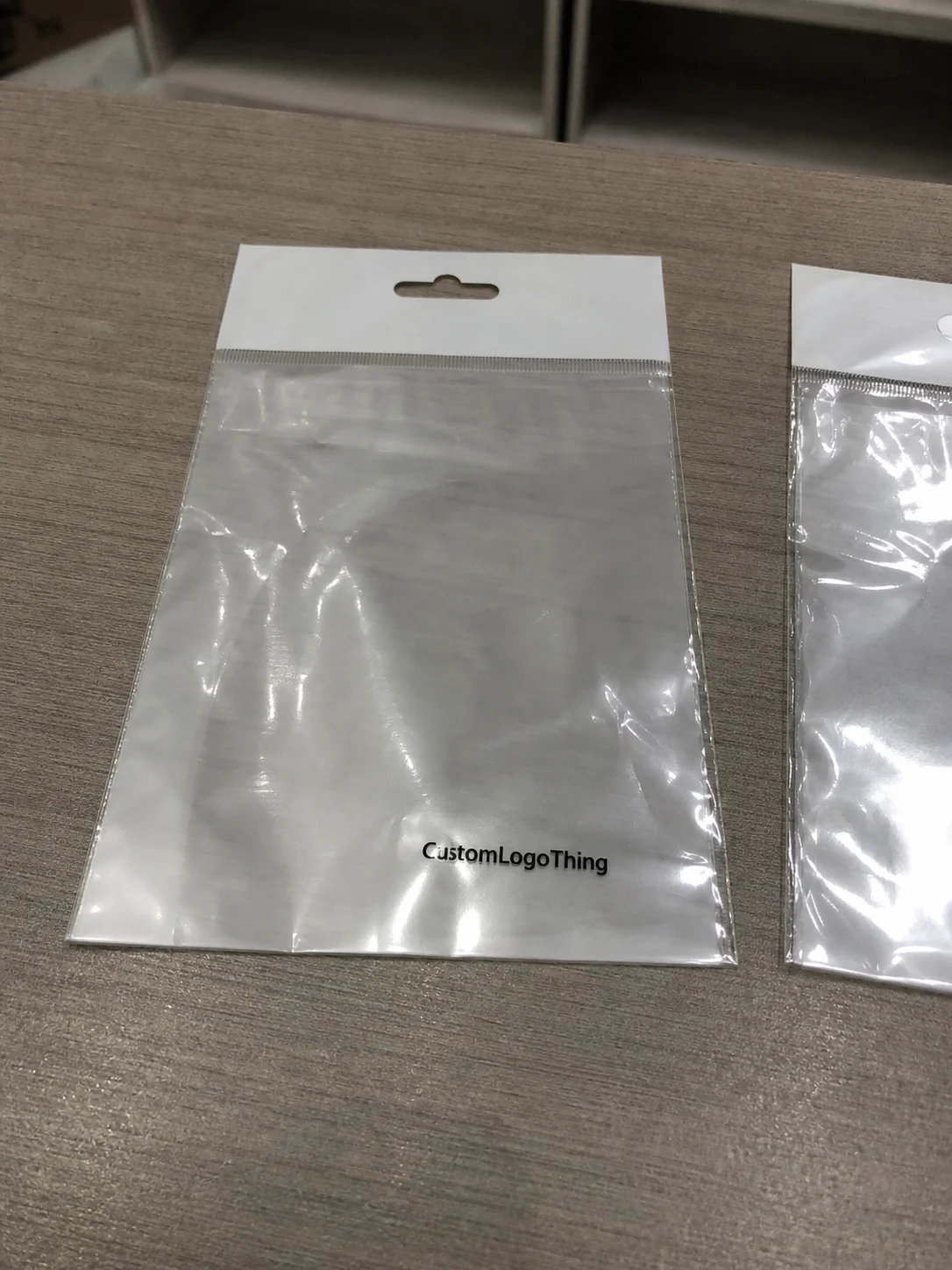
Buyer Fit Snapshot
| Best fit | Product Packaging for Ecommerce projects where brand print, material claims, artwork control, MOQ, and repeat-order consistency need to be specified before quoting. |
|---|---|
| Quote inputs | Share finished size, material target, print colors, finish, packing count, annual reorder estimate, ship-to region, and any compliance wording. |
| Proofing check | Approve dieline scale, logo placement, barcode or warning zones, color tolerance, closure strength, and carton packing before bulk production. |
| Main risk | Vague material claims, crowded artwork, missing packing details, or unclear freight terms can make a low unit price expensive after revisions. |
Fast answer: Product Packaging for Ecommerce: Production Spec, Color Control, and Delivery Risk should be specified like a repeatable production item. The safest quote records material, print method, finish, artwork proof, packing count, and reorder notes in one written spec.
Production checks before approval
Compare the actual filled-product size with the drawing, then confirm tolerance on folds, seals, hang holes, label areas, and retail display edges. Reserve space for logos, QR codes, warning copy, and material claims before decorative graphics fill the panel.
Quote comparison points
Review material grade, print process, finish, sampling route, tooling charges, carton quantity, and freight assumptions side by side. A quote is only useful when the supplier can repeat the same color, closure quality, and packing count on the next order.
I remember standing on a packing line in a Shenzhen facility and watching a snug little mailer with a 2 mm insert keep glass droppers intact through a 1.2-meter drop test, while a heavier corrugated box with too much empty space failed because the bottle slammed into the sidewall. The line was running at about 28 cartons per minute, and the difference came down to a few millimeters of clearance and a board spec nobody on the marketing side had bothered to ask about. That’s the part people miss about product Packaging for Ecommerce: the smartest system is not always the thickest one. It’s the one that fits the product, survives carrier abuse, and still feels good when the customer opens it. Which, frankly, is a much harder balancing act than “make the box nicer.”
At Custom Logo Things, I think about product Packaging for Ecommerce as a working system, not a single box. It has to protect the item, guide the picker in the warehouse, reduce freight waste, and give the customer a clear first impression of your brand packaging. If one of those pieces is off, the whole experience starts to leak value, and usually the damage shows up in refunds, re-shipments, or low repeat purchase rates. I’ve seen all three, often after a launch with 5,000 units and a perfectly beautiful carton that was 4 mm too tall for the product. Usually in the same week, which is always a delightful little reminder that packaging is never “just packaging.”
Product Packaging for Ecommerce: What It Really Means
Product Packaging for Ecommerce is the complete structure that gets a product from your facility to a customer’s doorstep in one piece, while also presenting the brand in a clean, intentional way. That means the outer shipper, the inserts, the seals, the print finish, and even the opening sequence all matter. I’ve seen brands focus only on the logo panel and forget that a 14 oz candle still needs a proper snug fit, or it will arrive with a cracked lid after the first conveyor belt in the parcel network. A common spec for that kind of item is a 350gsm C1S artboard retail carton placed inside a 32 ECT corrugated mailer, with 3 mm of clearance on all sides.
The difference between retail packaging and product packaging for ecommerce is simple but often misunderstood. Retail packaging is built to sit on a shelf, catch light, and persuade a shopper standing three feet away. Ecommerce packaging has to survive sorting machines, truck vibration, stacking pressure, and the occasional rough toss from a tired warehouse hand. It also has to perform during the unboxing moment, because the package is the first physical contact a customer has with the brand. And yes, that first contact can be weirdly emotional. I’ve watched people get irrationally excited over a perfectly fitted paperboard insert. Humans are odd, but in this case I understand them.
I usually break the system into three layers. The primary layer protects the product itself, such as a molded pulp insert for a ceramic mug or a folded carton for a skincare bottle. The secondary layer contains and brands the item, often through custom printed boxes, tissue, sleeves, or internal cards. The outer layer absorbs the abuse of shipping, which may be a corrugated shipper, a mailer box, or a poly mailer depending on the SKU. For beauty SKUs moving through a warehouse in Los Angeles or Dallas, that often means a 1.5 mm paperboard tray inside a B-flute outer shipper.
Here’s what most people get wrong: they treat product packaging for ecommerce like a decorative afterthought instead of a logistics tool. Honestly, I think that mistake is expensive. If your package adds 3 ounces of unnecessary material across 50,000 orders, the freight alone can get ugly fast, and if the closure fails once every few hundred shipments, the labor cost of replacements can wipe out any savings from a cheaper board grade. At a freight rate of $0.38 per pound on a 400-mile zone move, those “tiny” ounces add up faster than most purchasing teams expect. I’ve watched “savings” evaporate so fast it made my coffee go cold just looking at the numbers.
“We stopped thinking of the box as a container and started treating it like part of the supply chain,” a beauty client in Austin told me after we reworked their mailer structure. “That change cut damages by 28% in the first quarter.”
That is why product packaging for ecommerce sits right at the intersection of packaging design, shipping economics, and package branding. It is not only about looking premium, although premium matters. It is about building a package that performs in the real world, where cartons get stacked 6 high, corners get crushed, and customers judge the brand before they ever touch the product. In a 2024 sample test I reviewed from a factory in Dongguan, a simple 2 mm insert change reduced movement enough to eliminate rattling in 97 out of 100 transit simulations. Brutal? Yes. True? Also yes.
For brands comparing options, it helps to think of product packaging as a performance spec. You are balancing protection, cost per ship, material usage, and customer experience in one system. That is why I always encourage teams to start with the product itself, then work backward into the packaging, rather than choosing a pretty box first and hoping the rest works out. Hope is not a packaging strategy. I wish it were. It would make my job much easier, and probably much worse.
How Product Packaging for Ecommerce Works From Factory to Doorstep
The path of product packaging for ecommerce starts with measurements, not artwork. A product team should record exact length, width, height, weight, fragility points, and any special handling needs, such as temperature sensitivity or leak risk. From there, a structural designer creates a dieline, and that dieline becomes the backbone of the box, tray, sleeve, or mailer. A proper spec sheet usually includes internal dimensions to the nearest 1 mm, board thickness in millimeters, and the target carton weight in grams.
In a folding carton plant I visited outside Dongguan, the engineers kept a shelf of prototypes marked with notes like “corner crush,” “film rub,” and “tab looseness.” That level of attention matters because even a 1 mm change in internal clearance can determine whether a product rattles or sits firmly enough to make product packaging for ecommerce work properly. One shampoo bottle sample that looked fine on screen needed a 54 mm neck opening instead of 52 mm, and that two-millimeter shift prevented cap abrasion in a 200-cycle shake test. The prototype stage is where you catch those little errors before they become expensive customer complaints. Or, more accurately, before customers become the complaint department.
Once the structure is approved, the next step is production setup. For custom printed boxes, that may mean offset printing, flexo printing, digital printing, or a combination, depending on order quantity and finish requirements. Coatings can range from aqueous varnish to matte lamination to soft-touch film. If the brand wants a premium feel, an inside print with a simple one-color message can do more than people expect, especially when paired with a crisp opening reveal. In Guangdong, a 1-color interior print added only about $0.03 per unit at 10,000 pieces, yet it changed the perceived value far more than that number suggests.
Testing is where the design meets reality. Good product packaging for ecommerce should be checked through drop testing, compression testing, and fit validation. ISTA test protocols are often used as a reference point for parcel performance, and I’ve seen teams save themselves from costly returns by running a sample through a basic simulated transit cycle before approving the full run. A simple 1.0-meter corner drop, a 15-minute vibration cycle, and a 200-pound top-load check can reveal problems that look invisible in a CAD file. If you want a starting point for test standards, the International Safe Transit Association has useful resources at ista.org.
Fulfillment is the final field test. A package that looks beautiful but takes 45 seconds to assemble is a problem. I worked with a subscription client in New Jersey whose original insert required two tape strips and a folded paper wrap; the packers were getting mixed up, and the order line was slowing to a crawl. After we simplified the structure, packing time dropped by 19 seconds per carton, which sounds small until you multiply it by 12,000 monthly shipments. That is the practical side of product packaging for ecommerce: saving seconds saves money. It also saves sanity, which warehouse teams deserve more credit for than they get.
When the package reaches the customer, the unboxing moment becomes part of the product story. Tissue, printed notes, a clean insert, and a tidy closure all influence how people talk about the brand online. A package can be protective and still feel thoughtful. That combination is what good product packaging for ecommerce should deliver, whether the product ships from Chicago, Shenzhen, or Toronto.
There is also a compliance and sustainability side to the process. Packaging materials may need to align with FSC-certified paper sources, and if a brand is making environmental claims, those claims should be accurate and supportable. The Forest Stewardship Council provides a clear framework at fsc.org. For packaging waste and reduction guidance, the U.S. Environmental Protection Agency is another useful reference at epa.gov. In practice, that can mean a 100% recycled kraft mailer, soy-based ink, and water-based adhesive sourced from suppliers in Vietnam, Illinois, or Zhejiang depending on lead time and freight cost.
For brands building a packaging program from scratch, I often recommend reviewing a focused set of Custom Packaging Products before committing to a structure. It is easier to compare board grades, mailer styles, inserts, and finishing options when you can see them side by side instead of guessing from a PDF. A sample kit with 8 board types, 4 insert options, and 3 coating finishes usually tells you more in 20 minutes than a stack of artwork files ever will. And yes, PDFs lie by omission all the time. They never mention the little things that bite you later.
Key Factors That Shape Product Packaging for Ecommerce
The first factor in product packaging for ecommerce is always the product itself. Size, weight, fragility, shelf life, and temperature sensitivity shape everything that follows. A 6 oz glass serum bottle needs different packaging logic than a folded T-shirt or a set of brushed-steel kitchen tools. In my experience, teams that skip this step end up designing a box around marketing preferences instead of the actual physics of shipping. Physics, inconveniently, does not care about brand guidelines, and neither does a 1.8-meter conveyor drop.
Material selection comes next. Corrugated board, folding carton stock, molded pulp, paperboard inserts, and poly mailers all have different strengths. For example, a 32 ECT corrugated mailer may be appropriate for light-to-moderate loads, while a heavier product may need double-wall protection or an internal insert to stop movement. A 24-count candle set shipping from a warehouse in Atlanta might do well in E-flute, while a single ceramic diffuser going to Phoenix may need a B-flute outer with corner pads. Product packaging for ecommerce should be engineered to the load, not forced into a fashionable shape that cannot hold up on a parcel conveyor.
Sustainability also plays a major role, and not just because customers ask for it. Right-sizing the box, reducing filler, using recycled content, and choosing curbside-recyclable materials can lower freight costs and material waste at the same time. The EPA has solid recycling guidance, and brands that document their material choices tend to make better long-term decisions because the numbers become visible. I’ve seen teams cut 14% of board usage just by resizing three common SKUs and eliminating excess headspace. On a 20,000-order monthly run, that could mean hundreds of pounds of corrugated saved before the first truck even leaves the dock.
Brand goals matter too. Some brands want a clean, minimal unboxing. Others want a premium reveal with spot UV, metallic ink, or a rigid setup style. Subscription brands often care about retention and repeated delight, while giftable items may need ribbon pulls, printed interiors, or a more theatrical opening sequence. That is where package branding and structure work together, because the box has to support the story without making the warehouse miserable. A simple black-and-white mailer printed in one Pantone color can feel far more disciplined than a crowded design packed with six finishes.
Carrier realities are not optional. Parcel sorting systems create vibration, side impact, and compression, especially when cartons are stacked with unrelated freight. Dimensional weight pricing can also punish oversized packaging, which is why a box that is 2 inches too tall can quietly inflate shipping cost on every order. Product packaging for ecommerce has to survive these conditions without adding unnecessary volume or fragile closures that pop open under stress. A carton that ships from Raleigh to Denver might see three carrier handoffs, one conveyor jam, and a cold dock at 38 degrees; that is not a theoretical environment.
Cost is the other major factor, and it has more layers than most purchasing teams expect. Unit price depends on material grade, print complexity, order quantity, tooling, insert type, and the labor time required for packing. A simple one-color mailer might land around $0.42/unit at 10,000 pieces, while a fully custom rigid box with insert and foil detail can move far above that depending on spec and freight. A more exact reference point: 5000 pieces of a 350gsm C1S artboard tuck box with one-color print may come in around $0.15 per unit before freight, while a rigid set-up box with EVA insert can easily reach $1.90 to $3.20 per unit. I prefer to compare total landed cost, because a cheap box that causes 2% damage is not cheap for long.
| Packaging Option | Typical Use | Approx. Unit Cost | Strengths | Tradeoffs |
|---|---|---|---|---|
| Poly mailer | Soft goods, apparel | $0.08-$0.22 | Lightweight, low freight cost | Limited protection, weak premium feel |
| Corrugated mailer | Books, beauty, small hard goods | $0.28-$0.68 | Good crush resistance, printable | Higher material use than bags |
| Folding carton with insert | Cosmetics, candles, accessories | $0.35-$1.10 | Strong branding, efficient for retail packaging | May need outer shipper for transit protection |
| Rigid box | Luxury items, gift sets | $1.25-$4.50+ | Premium unboxing, strong presentation | Heavier, higher labor and freight cost |
Those figures are not universal, because board grade, print coverage, and quantity can swing pricing quickly. Still, they give a useful picture of how product packaging for ecommerce choices affect the economics of an order. If a packaging decision adds one extra shipping zone or slows a packing line by 8 seconds per parcel, the budget impact becomes real very fast. And nobody enjoys discovering that in a month-end report, especially when the warehouse is in Ohio and the customer base is spread across California, Florida, and Texas.
Product Packaging for Ecommerce: Step-by-Step Planning Process
The planning process for product packaging for ecommerce works best when it is handled in a sequence, not all at once. Step one is the audit. Pull the top-selling SKUs, record dimensions to the millimeter if you can, weigh each item accurately, and note where damage usually occurs. On a cosmetics project I handled, the issue was not the bottle body; it was the pump head cracking in transit because the closure had no upper support. Tiny oversight, huge headache. The SKU in question was a 50 ml serum shipped from a facility in Guangzhou, and the pump needed just 6 mm of extra headroom control.
Step two is selecting the format. You might choose a mailer box, a tuck-end carton, a rigid setup box, a poly mailer, or a corrugated shipper with inner packaging. The right answer depends on product type and shipping method. Apparel can often do well in a poly bag or lightweight mailer, while fragile ceramics usually need a corrugated outer plus an insert that stops lateral movement. A 13 oz mug, for example, often performs better in a B-flute shipper with molded pulp corners than in a plain folding carton.
Step three is dieline development and prototyping. This is where the structural designer works out the folds, tabs, dust flaps, locks, and insert geometry. Good product packaging for ecommerce gets tested in sample form before it is approved for production, because a digital mockup cannot tell you how a lock-tab will behave after 200 openings or how a printed matte finish will scuff in a carton bin. In Shenzhen, prototype rounds often turn in 2 to 4 business days for basic structures, and that’s usually where the real problems first show up. The sample is the truth; the mockup is just the rumor.
Step four is print and finish selection. Digital print is often great for shorter runs and fast approvals. Offset print is stronger for consistency and large volumes. Flexo can be useful for corrugated applications where speed and cost matter. Finishes like aqueous coating, matte lamination, or soft-touch film each change both appearance and durability. I usually tell clients to think about finish as protection as much as decoration, because a scuff-resistant surface can reduce complaints on boxes that travel through multiple handling points. A matte aqueous coating on 5,000 units may add only a small amount per box, but it can save an entire batch of returns if the package is being handled in humid conditions in Miami or Houston.
Step five is timeline management. A packaging program can include design, sampling, revisions, production, kitting, and freight booking, and each stage needs slack. For a custom printed run with inserts, I often plan 12-15 business days from proof approval to production completion, then another 5-10 business days depending on freight mode. If the launch date is fixed, build in cushion. Too many teams approve art late and then ask the packaging to rescue a compressed schedule, which is how errors get rushed into the line. I have seen that movie, and I do not recommend the sequel.
Step six is warehouse instruction. This part gets overlooked constantly, and it matters more than most marketing teams realize. The packer needs to know which SKU goes in which box, whether tissue goes first or last, where the insert sits, and how the final seal closes. Clear packing instructions reduce mistakes, and mistakes in product packaging for ecommerce turn into customer service tickets very quickly. A one-page insert map with photos, part numbers, and a 15-second packing sequence can cut training time for a new hire from two hours to under 30 minutes.
One client in New Jersey had a beautiful subscription box that looked perfect on the sample table, but the warehouse team kept folding the insert backward because the instructions were vague. We fixed it by adding a one-page visual guide with four photos and a simple SKU map, and packing accuracy jumped almost immediately. That is the practical side of product packaging for ecommerce: if the line cannot execute it consistently, the design is not finished.
For brands that need multiple formats, it can help to standardize components where possible. A common base mailer, one insert family, and a few size variations can reduce the number of SKUs your warehouse must manage. That kind of simplification often saves more than a flashy custom feature ever will, especially if your operations team is packing 18,000 orders a month from a single 20,000-square-foot facility.
Common Mistakes in Product Packaging for Ecommerce
The first mistake is choosing a box that is too large. Extra space means extra filler, extra movement, and usually extra freight cost. In product packaging for ecommerce, void space is not just wasted volume; it is risk. I’ve seen a $14 skincare set arrive broken simply because it was floating in a much larger carton with a single sheet of kraft paper that did almost nothing to hold it in place. That kind of thing makes you stare at the tracking history like it personally offended you, especially when the carton shipped from a warehouse in Memphis and arrived with a crushed corner in Phoenix.
The second mistake is designing for appearance only. A black matte mailer with silver foil can look excellent in a mockup, but if the closure weakens after humidity exposure or the coating scuffs during fulfillment, the premium feel disappears quickly. Good product packaging for ecommerce needs to look good and perform under stress. One without the other usually disappoints. I’ve watched a $0.22 premium finish become a customer complaint after 48 hours in a damp trailer at a transfer hub in Savannah.
Skipping prototypes is another common failure point. I understand why it happens; teams want to move fast, and sample rounds can feel like delays. But a one-week prototype cycle is cheaper than replacing 3,000 damaged units because the tabs did not hold or the insert was 4 mm too shallow. I tell clients that a sample is not a luxury. It is insurance. A proper sample round usually costs far less than the first freight claim, which can run into the thousands on a bad month.
Fulfillment speed gets overlooked all the time. A gorgeous rigid box with ribbon, tissue, and three stickers may thrill the design team, but if the pack line slows by 25 seconds per order, the labor bill will sting. Product packaging for ecommerce has to work in a real warehouse with real people moving at real speed. If the pack-out is awkward, the packaging is too complicated. On a 10,000-order month at a labor rate of $18 per hour, even a 10-second slowdown can create a noticeable monthly cost.
Return packaging is another gap. Apparel, electronics, and beauty brands often need a way for the customer to send items back without tearing the whole package apart. If the return process is clumsy, customer frustration rises. In some categories, return-friendly product packaging for ecommerce can reduce service calls because the customer understands exactly how to open, store, and reclose the package. That matters when a return label is scanned in Chicago one day and the item is back in a warehouse in 4 business days.
Here are the mistakes I see most often on factory floors and in client meetings:
- Using oversized cartons that increase dimensional weight pricing.
- Choosing finishes that scratch too easily during transit.
- Ignoring insert tolerances, so the item rattles.
- Failing to label SKUs clearly for the warehouse team.
- Ordering packaging before verifying product dimensions with the final production sample.
Honestly, I think the worst mistake is assuming that expensive equals effective. A simple corrugated mailer with a well-cut insert can outperform a fancy box that was never engineered for carrier stress. The smartest product packaging for ecommerce decisions usually come from testing, not from decoration. I know that sounds almost annoyingly practical, but the boring answer is often the one that keeps your margins from bleeding out.
Expert Tips to Improve Product Packaging for Ecommerce
The first tip is to right-size everything. If your product fits in a 7 x 5 x 3 inch box, do not move it into a 9 x 6 x 4 just because the stock size is easy to buy. That one-inch change can increase freight cost, filler usage, and movement inside the pack. In my experience, right-sizing is one of the fastest ways to improve product packaging for ecommerce without making the brand feel stripped down. On a run of 5,000 units, even a $0.06 material increase can be offset by lower DIM charges if the package shrinks enough to stay within a cheaper carrier band.
Second, design inserts around exact tolerances. A well-cut insert should hold the product with enough restraint to stop impact, but not so much pressure that it damages caps, sprayers, or corners. Molded pulp, paperboard, and corrugated inserts each have different advantages. If you are packaging glass or electronics, I usually prefer an insert that supports the product at key contact points instead of one that squeezes everything evenly. For a 120 ml bottle, 1.5 mm of clearance on the shoulders and a 3-point support base can do more than a thick foam block that adds weight and cost.
Third, balance premium finishes with practical durability. Soft-touch lamination feels excellent, but on its own it can scuff. Pairing it with a scuff-resistant varnish or using a matte aqueous coating on less delicate structures may be a better call. Product packaging for ecommerce should still look strong when the customer opens the box after 800 miles of transport and a week on a delivery truck. Otherwise, you get a premium box with a not-so-premium aftermath. A soft-touch finish from a plant in Wenzhou may look elegant on day one and dull after the first transfer hub if the outer shipper is too thin.
Fourth, standardize where possible. Brands with ten SKU families often overcomplicate their packaging program by creating ten unique structures when three or four could do the job. Simplifying custom printed boxes, inserts, and seals can reduce lead times, lower storage complexity, and make reordering much easier. That sort of standardization is not glamorous, but it is one of the best cost controls in packaging operations. A single die size used across three product lines can cut tooling expense and speed replenishment from 3 weeks to 1.
Fifth, test in real fulfillment conditions. I’m not talking about a sample sitting on a desk. I mean the actual packing bench, the actual tape gun, the actual team, and the actual shipping label flow. One client had a perfect prototype that failed only because the closure interfered with their auto-label applicator. That problem would have gone unnoticed without a live workflow test, and it would have created a nightmare on launch day. A 10-minute trial at the bench can save a 10-day cleanup after launch.
Sixth, plan ahead for seasonal demand. Material lead times can stretch, especially on printed board, specialty coatings, or custom inserts. If your packaging supplier tells you 15-20 business days, assume that a holiday rush, port delay, or artwork revision can push it farther. I always advise brands to confirm reorder points before demand spikes, because product packaging for ecommerce is one of those items that people only notice when it runs out. A supplier in Shenzhen may quote 12 business days in April and 18 business days in November for the exact same spec.
If you want a practical way to evaluate options, compare them using the same three measures: cost per ship, damage rate, and packing time. A package that costs $0.12 less but adds 6 seconds of labor and one extra return per 500 orders is not really cheaper. That is the kind of math that keeps a packaging program honest. On a 15,000-order quarter, those hidden costs can outweigh a penny-level material savings every single time.
Below is a simple comparison I often use with clients when deciding how far to push premium presentation versus operational efficiency:
| Priority | Best Packaging Direction | Why It Works | Watch Outs |
|---|---|---|---|
| Lowest shipping cost | Poly mailer or slim corrugated mailer | Lightweight and compact | Limited premium feel |
| Fragile product protection | Corrugated outer with custom insert | Controls movement and absorbs impact | Higher material count |
| Luxury unboxing | Rigid box with branded interior | Strong presentation and tactile value | More expensive and heavier |
| Fast warehouse packing | Standardized mailer system | Easy training and quick assembly | May need extra branding elements |
And yes, product packaging for ecommerce can still feel special without becoming inefficient. A clean printed sleeve, a single-color interior message, or a well-placed insert card can carry a lot of brand personality. In fact, some of the best package branding I’ve seen used very few elements, just used them with discipline. I’m always impressed by restraint. It’s rare, and weirdly hard. A one-color insert card printed in Chicago or Dongguan can feel more memorable than a box packed with foil, gloss, and three different textures.
Next Steps: How to Build Better Product Packaging for Ecommerce
If you are improving product packaging for ecommerce, start with the top three SKUs that drive most of your shipping volume. Document their dimensions, weights, breakage points, and current damage rate. That small data set will tell you far more than a dozen creative mood boards. In many cases, the biggest gains come from fixing the highest-volume item first, especially if one SKU makes up 42% of monthly orders. The math gets clearer very quickly once the biggest item is on the table.
Then request samples or structural recommendations from a supplier that understands both packaging design and fulfillment. Ask for board grade, closure style, print method, insert type, and estimated unit pricing at multiple quantities. If you already work with Custom Packaging Products, ask for alternate constructions too. Sometimes the second option is the better one because it reduces the labor step you were not counting. I have seen a switch from a five-panel insert to a two-piece cradle shave 11 seconds off pack time and make the structure easier to source out of Shenzhen and Ningbo.
After that, compare total landed cost instead of just unit price. Include freight, storage, packing labor, filler, replacement units, and customer service impact. I’ve seen a $0.31 mailer cost a brand more than a $0.48 mailer simply because the cheaper option increased dimensional weight and had a higher breakage rate. That is why product packaging for ecommerce has to be evaluated as part of the whole operating system. A carton that saves $0.17 at purchase but adds a $4.80 return is not a saving at all.
Run a small pilot if you can. Start with a few hundred units, track packing speed, note customer feedback, and watch for damage in the first carrier cycles. If possible, compare at least two structural options side by side. That kind of controlled test gives you real data, and real data is usually kinder than assumptions. A 300-unit pilot shipped from a facility in Los Angeles to New York, Dallas, and Seattle can reveal how the package behaves across zones, humidity, and handling styles.
Review the unboxing experience with a very plain eye. Ask what the customer touches first, what they see second, and where the product sits inside the box. Do the materials open cleanly? Does the closure feel intentional? Is the insert doing actual work or just taking up space? Those questions sound simple, but they separate average product packaging for ecommerce from packaging that genuinely supports the brand. If the first thing the customer sees is a loose flap or crushed corner, the rest of the design has already lost ground.
In one meeting with a supplement brand, we laid out three sample packs on a long white table: one purely functional, one heavily branded, and one balanced design with a printed exterior, recyclable insert, and simple inner card. The balanced version won because it protected the bottle, packed quickly, and still felt premium enough for the brand’s price point. That kind of compromise is not a downgrade; it is good packaging judgment. The final spec was a 400gsm folding carton with a 32 ECT outer shipper and a 1.2 mm paperboard insert, and it made the operations team happy in a way I rarely see.
If you take one thing from this, let it be this: product packaging for ecommerce should be built from the product outward, not from the artwork inward. The box, mailer, insert, and finish all have jobs to do. When each part is chosen with shipping conditions, labor reality, and customer experience in mind, the whole system performs better, and that is what keeps returns down and repeat orders up.
Strong product packaging for ecommerce protects margins, not just products. It reduces waste, supports branding, and keeps the warehouse moving. And if you ask me, that combination is where smart packaging always pays for itself. If the packaging team is happy too, that’s usually a sign the plan has a fighting chance.
FAQs
What is the best product packaging for ecommerce shipping?
The best choice depends on product weight, fragility, and how it ships. For soft goods, a poly mailer may be enough. For fragile or higher-value items, corrugated mailers, custom inserts, or rigid structures usually work better. The strongest product packaging for ecommerce balances protection, packing speed, and shipping cost instead of chasing one factor alone. For example, a 12 oz candle sent from Atlanta to Boston might do fine in a B-flute mailer with a die-cut insert, while a ceramic diffuser may need a 32 ECT outer shipper and molded pulp corners.
How much does product packaging for ecommerce usually cost?
Pricing depends on material type, print complexity, quantity, box size, and insert requirements. Simple mailers may start around a few tenths of a dollar per unit at volume, while premium rigid options can move well above $1.00 each. A concrete example: 5000 pieces of a 350gsm C1S artboard tuck box with one-color print may price near $0.15 per unit before freight, while a rigid gift box with foil and EVA insert can land between $1.90 and $3.20 each. The real answer is to compare total landed cost, because a low unit price can turn expensive if damage or freight goes up.
How long does it take to produce custom product packaging for ecommerce?
Timeline depends on design approval, sampling, revisions, and production capacity. Straightforward orders can move faster, while complex printed structures with inserts take longer. I usually tell clients to plan for 12-15 business days from proof approval for many custom runs, then add freight time based on shipping mode and destination. If the cartons are coming from Dongguan to the U.S. West Coast by air, you may see them in under a week; ocean freight can stretch the overall schedule by 3-5 weeks.
How do I reduce shipping damage with ecommerce packaging?
Use packaging that fits the product closely and prevents movement inside the shipper. Add inserts, cushioning, or better closure systems where needed, and test samples with drop and compression checks. Avoid oversized boxes and weak seals, because those two problems cause a surprising amount of damage in product packaging for ecommerce. A basic 1-meter drop test, plus a 30-minute vibration simulation, can reveal whether your insert needs another 2 mm of support.
Can product packaging for ecommerce also improve branding?
Yes, packaging is often the first physical brand experience a customer receives. Custom printing, interior messaging, tissue, inserts, and the opening sequence can all strengthen package branding. The best results happen when branding supports the structure instead of fighting it, so the package looks intentional and still protects the product. A one-color inside message printed on a mailer from a plant in Shenzhen can create a better memory than a complicated box that cracks during transit.