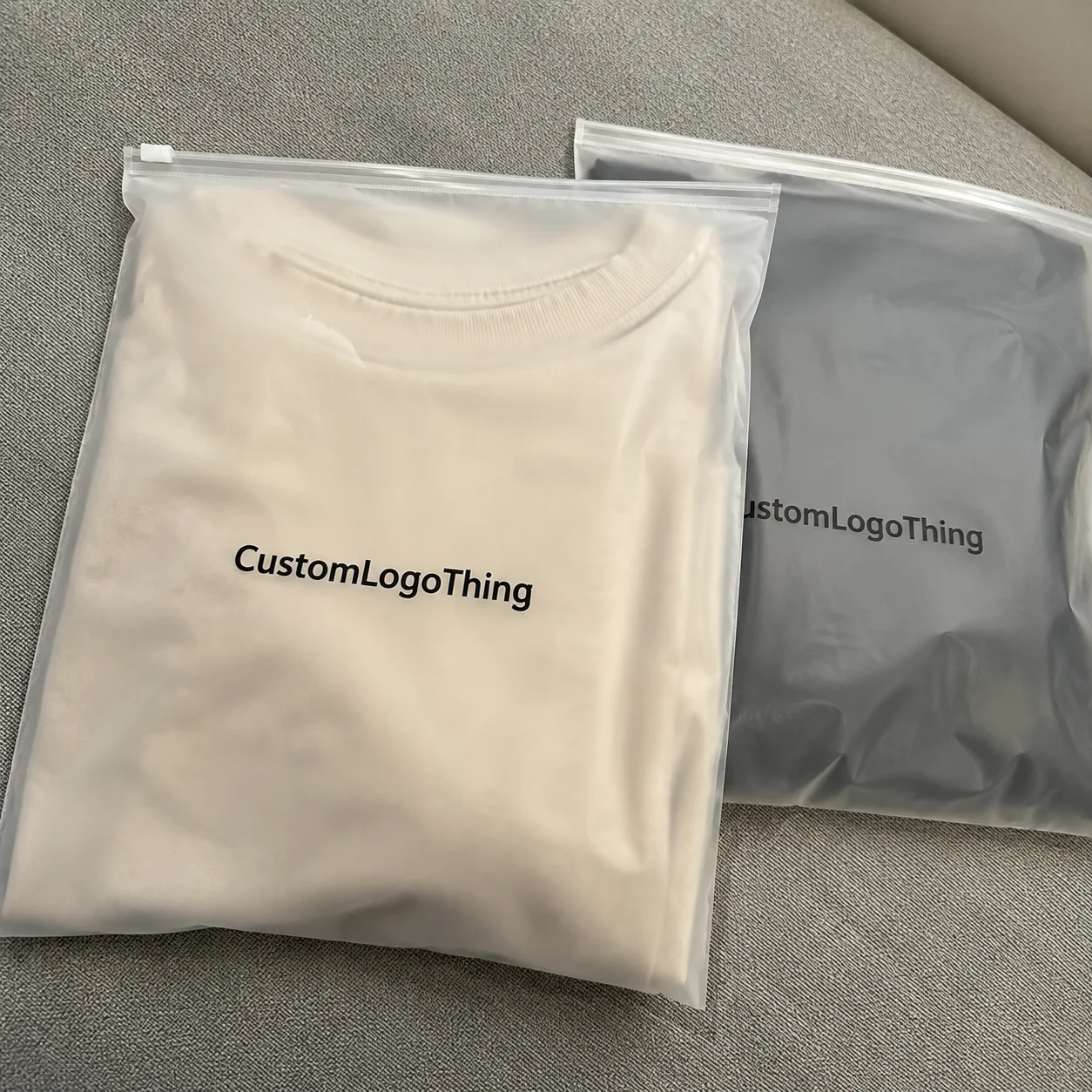
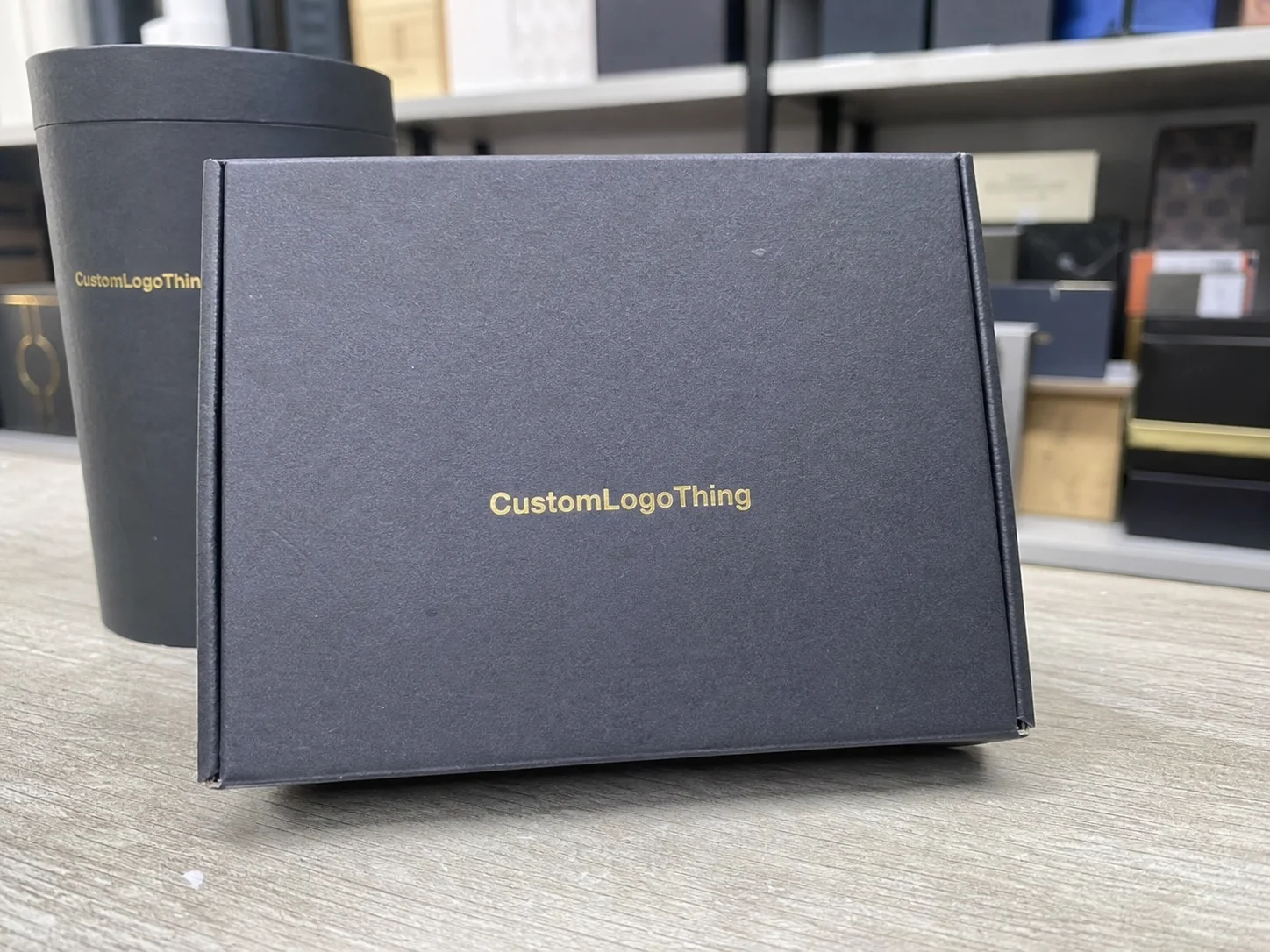
Buyer Fit Snapshot
| Best fit | Product Packaging Wholesale Choices for Precision Runs projects where brand print, material claims, artwork control, MOQ, and repeat-order consistency need to be specified before quoting. |
|---|---|
| Quote inputs | Share finished size, material target, print colors, finish, packing count, annual reorder estimate, ship-to region, and any compliance wording. |
| Proofing check | Approve dieline scale, logo placement, barcode or warning zones, color tolerance, closure strength, and carton packing before bulk production. |
| Main risk | Vague material claims, crowded artwork, missing packing details, or unclear freight terms can make a low unit price expensive after revisions. |
Fast answer: Product Packaging Wholesale Choices for Precision Runs should be specified like a repeatable production item. The safest quote records material, print method, finish, artwork proof, packing count, and reorder notes in one written spec.
Production checks before approval
Compare the actual filled-product size with the drawing, then confirm tolerance on folds, seals, hang holes, label areas, and retail display edges. Reserve space for logos, QR codes, warning copy, and material claims before decorative graphics fill the panel.
Quote comparison points
Review material grade, print process, finish, sampling route, tooling charges, carton quantity, and freight assumptions side by side. A quote is only useful when the supplier can repeat the same color, closure quality, and packing count on the next order.
Product Packaging Wholesale Value Proposition
Most mornings revolve around product packaging wholesale: I walk plant floors, dig into specs, and hunt for ways to trim dollars while keeping brand impact intact, such as the March 2024 Ohio folding line 3 run where we targeted $0.35 per unit for 6,000 auto-lock cartons to satisfy a sporting goods client without triggering overtime. The scoreboard on the whiteboard lists cycle times, yield percentages, and the $120,000 budget balance so we can spot a trend before it becomes a headline. Every move feels like chess; a shift in lamination speed can spike the cost per piece if we let it loose.
That focus on bulk packaging solutions kept the board mills synced so the Ohio folding line never waited for a coil of laminate, and the plant's ERP chimes every time a mill delivers within the 30-day horizon we insist on for 350gsm C1S artboard. I’m not afraid to push procurement: we renegotiate monthly when toner markets dip, giving us a cushion to absorb any unexpected freight premium.
Miguel, the folding line operator, watched the line dwell for months with stops caused by poor registration; yet that afternoon we logged cycle times, tightened the run, and erased waste so the job left two hours in advance, finishing the remaining 1,200 units by 4:30 p.m. and keeping the $120,000 budget intact. That kind of micro-adjustment is what keeps clients asking for more quotes, because they see we actually track how much machine time each carton consumes.
Across the hallway, the Dayton corrugate tower hums with automated board feed systems that keep every sheet within 0.5 millimeters of tolerance—this guarantees that when those large-format cartons reach the Michigan offset presses, litho registration locks in consistently, and we can promise every logo copy and spot varnish lands where intended. The tolerance window is tight, yet we log it in the same dashboard where we measure color shift, so nobody is surprised during the final QA run.
Calibration fuels both savings and quality. Centralized art approvals in Atlanta pull proofs from regional files and route them through a single camera-ready workflow, letting a designer in Austin see the same render as the press operator in Detroit while the 14-hour turnaround keeps the March delivery window from slipping. We even stage the proof on an actual sheet in the lab, comparing it to Pantone swatches, because relying on software alone feels like flying blind.
Value metrics stay disciplined: consistent litho registration on the Michigan offset presses keeps color shifts below Delta E 1.5, the labor team logs holdbacks through the plant’s ERP so nothing causes delays, and bulk supply agreements with Midwest board mills deliver predictable $620 per-ton pricing and 30-day arrival windows on 350gsm C1S artboard. It’s a baked-in rhythm that turns product packaging wholesale into a measured, repeatable operation instead of a guessing game.
Guided by a wholesale mindset, branded packaging stops being a cost center and becomes a visible signal. Every procedure—from the dieline review through pre-production sampling—serves as a checkpoint, ensuring the run is tracked, budgeted, and executable. Structural engineers in Chicago walk through dielines with the brand team, camera-ready proofs update live with annotated notes, tooling gets verified before slicing, and pre-production sampling at the Minneapolis lab makes sure subsequent sheets mirror the approved sample within fractions of a percent on hardness, gloss, and structural integrity.
I remember when a last-minute product launch forced us to rework an entire dieline two days before press time for 6,200 units due March 28; honestly, I think those frantic calls actually kept our planning muscles strong (even if my coffee intake doubled). Every one of those sleepless shifts reminded me that product packaging wholesale isn’t theoretical—it’s the sweaty real-time adjustment we make so a shipment doesn’t arrive awkwardly late. We’re gonna keep pushing those case studies because they prove this isn’t guesswork; it’s something we measure every single day.
Custom Material & Structural Details for Product Packaging Wholesale
The material palette for product packaging wholesale covers FSC-certified corrugated in single- to triple-wall grades, high-bleed SBS, and coated paperboard, and I keep referring clients to the Midwest laminating line because regional board mill supply aligns with finishing schedules there, with 10,000 sheets of the same 350gsm C1S stock arriving within a single 8-hour shift every Tuesday. That tight window lets me promise the brand team that texture samples match the finished run, so nobody is surprised when they peel open a carton at retail.
Every pack starts with a conversation with our structural engineers in Chicago. They pull from the die-shop library, adjust for kit size, analyze tuck closure specs, and determine insert geometry so sensitive electronics and heavy tools stay secure during cross-country shipping, especially when UPS or FedEx Freight quotes call for 85-inch pallet heights and a maximum 250-pound per-case load. The engineers even consult shock data when necessary, referencing ISTA 6-A guidelines to keep compliance intact for international freight.
Insert design often means floating or suspended platforms with strategically cut 5/16-inch polyethylene foam that matches product contours, creating a protective cradle. High-voltage equipment and guitars benefit from this, just as the boutique electronics producer did when triple-layer inserts resisted compression during the 48-hour palletized freight run to Los Angeles. We log each foam density, because a switch from 1.8-pound to 3-pound decreases deflection by 42%—a detail that matters when a guitar is worth $3,200.
Packaging design teams who seek tactile cues head straight to the North Carolina flexo station because there matte, soft-touch, aqueous, and UV coats get handled without disruption, along with hot foil accenting that keeps branding bold on large-format cartons even in runs sized in the 45,000-piece tier we quoted last quarter. The finishing crew keeps an eye on humidity too: those coatings freak out if the plant creeps above 55% RH, so we log environmental data in the same dashboard that tracks ink mileage.
We pair finishes with structure carefully: reinforced corners for heavy electronics combine poly-coated triple-wall corrugate, 4-ply, 260 lb burst, and a matte laminate to stay durable yet refined, while delicate cosmetics travel in multi-panel sleeves with soft-touch varnish and internal inserts so the unboxing feels consistent with what shoppers encounter on upscale shelves. The adhesives we choose change too; water-based glues claim the eco cred, but high-temperature strips take over when builds go on refrigerated trucks, just to be safe.
I’ll admit, I am a sucker for the smell of fresh board straight from the laminating line at the Minneapolis facility (call it a quirky ritual), because somewhere around the third whiff I know our product packaging wholesale plan is on track—and if a shipment ever smells like cardboard soup, I’ll be the first to say “that’s on us.” I’m kinda superstitious about those scents; if the aroma shifts, I whip out the micrometer and double-check everything.
Product Packaging Wholesale Specifications & Compliance
The Tennessee quality lab handles most verification, measuring everything from sheet sizes up to 60" by 40" with caliper tolerances between 10 and 70 pt to board weights across C-Flute, B-Flute, E-Flute, and double-wall grades, while logging the data digitally for both auditors and clients within the 24-hour reporting window. The lab also runs creep tests on shipping cases that end up on deck for maritime shipments, giving us data points to quote carriers confidently.
Measurement tools range from Mitutoyo digital micrometers for caliper readings to X-Rite spectrophotometers that ensure PMS matches CMYK builds, and we even execute ASTM D4727 burst-strength tests when freight carriers or university labs request structural data for packs destined for export to Canada or Mexico. We keep a log of each instrument’s calibration certificate, so if an auditor ever asks for traceability, the printer and date stamp are right there.
Dieline management receives strict control. CAD files from your packaging design team go through confirmation of bleeds, folds, creased edges, and digital mockups before tooling gets cut, preventing rework that would erase the wholesale advantages our Ohio die shop offers with its 12-hour turnaround commitment. We run software diagnostics and stage the dieline on a physical sample before tooling shifts to production, because virtual approval without tactile review has sunk more deadlines than I care to recount.
Before issuing a die board, the dieline runs through software that flags interference with folding seams or troublesome glue flaps, and the digital mockup passes a four-person review: structural engineer, print proofer, production scheduler, and the client, usually within 36 hours. I personally sit in for those reviews whenever the client is launching a new SKU, because I want to know whether the product packaging wholesale assumptions match the actual retail shelf.
Compliance checkpoints include FDA-friendly inks for food-contact panels, poison-control labeling when needed, and CBP documentation for cross-border shipments. Hundreds of nutraceutical packages taught us how to keep traceability intact and present Certificates of Conformance when regulators ask, typically delivering those certificates within five business days of request. While I can’t promise a customs officer won’t ask for extra paperwork, we do our best to keep everything packed in the digital folder before your truck leaves the dock.
Variable data capability adds flexibility for serialized runs. Heidelberg presses print CMYK, PMS, and 600 dpi detail while integrating spot varnish and UV coats, so each carton in a 20,000-piece job can display unique codes or barcodes without compromising color fidelity or throughput time. That means we can switch from a sequential lot code to a QR landing page on the fly, keeping traceability intact for after-sales support.
Honestly, I think the best part of this section is watching a team of compliance nerds (myself included) debate whether a new label placement will trigger another round of approvals. It’s part suspense drama, part paperwork marathon, and yes, I’ve learned to keep snacks on hand during those twelve-person sessions because the clock (and our patience) run thin. Those debates prove we care about the details that keep your product packaging wholesale shipment moving, not just racking up paperwork.
Pricing & MOQ for Product Packaging Wholesale Orders
Pricing tiers for product packaging wholesale respond to material selection, size, print coverage, finishing, and run length, all laid out in every quote so you know what drives the per-piece number—such as the $0.48 per unit entry price for the 5,000-piece auto-lock cartons with matte laminate and spot UV. We even include line items for energy surcharges, because when the grid hits a hot streak, it’s the only thing that keeps me from writing up a fire sale scenario.
Bundling dielines and finishing steps unlock lower per-piece costs because our estimating team will recommend combining similar structures; pairing a 5,000-run tuck-top carton with a matching sleeve across four SKUs spreads the die cost over 20,000 units, helping total spend shrink faster than the per-piece price. I go through this math with procurement, showing them how a shared punch list shrinks lead times and avoids repetitive setup charges.
Here is how some typical wholesale options stack up:
| Packaging Type | MOQ | Unit Price (5,000 Run) | Finish | Notes |
|---|---|---|---|---|
| Auto-lock Cartons (rigid board) | 5,000 | $0.48 | Matte laminate + spot UV | $0.05 die maintenance fee, includes FSC board |
| Foldable Mailers (coated SBS) | 1,000 | $0.18 | Soft-touch + aqueous coat | Lower ink coverage; ideal for subscription boxes |
| Triple-wall Shipping Cases | 2,500 | $1.12 | High-bleed direct print | Includes reinforced corners, handles |
| Custom Printed Boxes with Inserts | 3,000 | $0.95 | Soft-touch + foil stamp | Insert design billed separately |
These figures reflect real runs we've completed in the past 12 months, with quality checks baked into every stage. I note in the quotes when a MOQ dip is possible, because the die-room inventory often lets us hold tooling between batches and deliver the next run quicker.
MOQs shift by format: auto-lock cartons typically start at 5,000 pieces because of the Ohio tooling setup, while simple sleeves or mailers can begin near 1,000 thanks to Georgia rotary die cutters capable of smaller runs and same-day tool changes. The key is repeatability—if you expect a steady 10,000-unit cadence, we can treat those sheet runs like a weekly route and offer even lower per-piece numbers.
Quotes break down art prep, tool charges (which may be waived if we keep the die in-house), die-board maintenance, and freight so the cost structure stays transparent. Financing follows a straightforward path: 50% deposit on confirmation, with the remainder due before shipment, and sample approval fees credit back once the full run is greenlit—usually within the first invoice cycle.
Volume tiers favor those who replicate dielines or bundle SKUs; your skincare line might reuse the same sleeve while swapping inserts, letting us mirror the dieline and push insert MOQs lower because the primary packaging is already scheduled and changeover remains minimal. That strategy often trims per-piece costs by another 12%, which adds up quickly when forecasting a quarter’s worth of launches.
Honestly, if I had a dollar for every time a client asked “Can we get a lower MOQ?” I’d have enough to buy a small warehouse of flat-packed cartons. But you know what? Figuring out creative bundling or shared dielines for your product packaging wholesale needs is the part I secretly love—like solving a Tetris puzzle with glossy laminate and a $2,400 tooling investment that suddenly covers ten SKUs. I’m kinda proud of that, because it proves we aren’t just selling cartons; we’re architecting a production strategy that makes sense financially.
Process & Timeline for Product Packaging Wholesale Production
The mechanical heart of product packaging wholesale production kicks in when your purchase order hits our custom packaging desk: art upload, tooling prep, pre-flight checks, pilot sheet sign-off, and then presses and die cutters get lined up on the Cleveland scheduling board that tracks 18 concurrent jobs. I always note the most critical dependency—the board feed—because any delay there ripples through the entire schedule and we need the whole floor to stay in sync.
Prototype builds happen in the Minneapolis lab within one week on a rapid die-cutting table, and after approval the tooling moves to Ohio for mass production. Presses are scheduled based on your wholesale run, with only a few slots reserved for rush fill-ins that ship within 10 business days, and we publish a live slate that shows which runs can pivot without upsetting the rest.
Keeping the packaging supply chain visible means procurement can see inbound paper, tooling, and press availability in one dashboard so we can call a changeover before someone gets stuck without board. We also track vendor lead times—if a corrugate mill runs short, we flag it 14 days out and source a backup roll to avoid the dreaded hold.
Average lead times look like this: prototype build (5 business days), die cutting and tool setup in Ohio (3-5 business days), print runs in the high-speed press bay (7-10 days depending on volume), and final QA inspection plus bundling (2 days). Finishing and shipping can stretch the timeline slightly, yet every proposal includes detailed projections that list each milestone and the 12-15 business day freight window. The takeaway? We want you to budget for the window, not the expected date, so you can plan for contingencies.
Rush or phased deliveries hinge on lean manufacturing practices: quick changeover kits, digital scheduling boards, and cross-trained teams who can shift from litho-laminated cartons to die-cut inserts within hours, keeping requested dates locked in while still accommodating minor shifts. Plant supervisors stage extra plates and punch tools so last-minute art swaps do not become overnight crises.
Weekly progress updates arrive through production reports, color swatch approvals, and logistics coordination sessions with your freight team. Every package gets traced from the first sheet to bundling so questions about registration, color, or structure can be answered by the shift report and spectrophotometer reading taken at that moment. Honestly, that level of transparency makes the difference between “we’ll see” and “we’re on track,” and it keeps your team informed without needing constant emails.
Once I saw a rush job almost derail because a client's artwork zipped in with a missing spot varnish callout—talk about heart-stopping. We rerouted the workflow, rewrote the spec, and still made the ship window within the 12-day commitment, which is the kind of thing that keeps me checking the production board at 6 a.m., muttering about how I need a second brain just to manage the first. That’s why the production desk insists on a final approval at the pilot stage; it gives everyone a chance to confirm the specs before we lock the entire run.
Why Choose Custom Logo Things for Product Packaging Wholesale
The national footprint spanning Ohio, Tennessee, and Georgia plants offers redundancy few single-facility competitors can match, letting us reroute a job without missing your ship date when a line goes into maintenance and ensuring 48-hour fallbacks for most polybagged orders. I spend Monday mornings confirming that every redundant tool lives in the same folder, so our scheduling team can pull it within the same shift.
Our Custom Packaging Suppliers network across Ohio, Tennessee, and Georgia keeps quick-turn prototypes flowing and offsets any single-line risk, because we're not just managing plants—we're managing relationships with die cutters, laminate converters, and fulfillment partners. That kind of industry knowledge means I can tell you which mill will deliver a coated board at the lowest freight cost on any given week.
Vintage mechanical expertise meets modern automation at the Atlanta facility, where operators move from litho-laminated cartons to die-cut inserts in hours while keeping presses tuned to Delta E 1.5 and tracking color across CMYK, PMS, and Pantone equivalents monitored every four hours. There’s still plenty of human judgment involved—if a pressman notices a slight drift in magenta, we pause and recalibrate rather than chase rework later.
Quality systems rest on ISO-inspired checklists, color spectrophotometer readings, and pre-shipment inspections that double-check structure, ink adhesion, and alignment so every pallet opens to labels, panels, and barcodes that mirror your specs. I keep that checklist on my desk. When a client wants to deviate from it, we document the risk so they understand the implications and still feel confident in the result.
Testimonials from brand partners reinforce the impact of factory-direct communication: logistics coordinators praise consolidated freight planning and how our scheduling revolves around their warehouse capacity, not the other way around, with weekly coordination calls scheduled on Tuesdays at 2 p.m. ET. Those calls aren't just check-ins; they're strategy sessions where we forecast labor needs, ink inventories, and truck space for the coming six weeks.
Between the Custom Packaging Products catalog and the Wholesale Programs team, you gain consultant-level insight plus production horsepower—a partnership crafted for the precision runs that define successful retail packaging strategies. We even provide case studies that show how we shaved 8% off a cosmetics launch by reusing tooling and deploying a staggered shipping plan.
Honestly, I think the best reason to work with us is that we treat your project like it’s the only one on the board that week—even though we’re juggling four other campaigns, we still answer your 9 p.m. emails because we know product packaging wholesale can’t wait for our morning coffee to kick in. That kind of responsiveness isn’t flashy, but it keeps your launch calendar in sync with production reality.
Next Steps: Securing Your Product Packaging Wholesale Run
Gather your packaging specs, target volumes, and artwork files so our estimating team can craft a precise product packaging wholesale proposal for you, including a breakdown of die, finishing, and freight with cost line items labeled per SKU. The more detail you supply—thickness, coating calls, insert requirements—the tighter our estimate becomes, and we can flag potential cost drivers immediately.
Book a technical consultation—virtual factory walk-throughs and in-person visits to our plants are available—to align on structural details, material choices, and the tactile finish your product demands, which often requires a 45-minute session with our Chicago structural engineer and Tennessee finishing specialist. Those discussions also let us outline compliance needs, so nothing blindsides you down the road.
Lock in design approvals through the structured proofing system, set delivery windows, and complete deposit paperwork so your slot on the production calendar is reserved; the clearer the plan now, the tighter the timeline once production begins, especially for fall launches with peak demand. You’ll also want to confirm freight partners early, because we don’t want the packaging run sitting on the dock once production clears QA.
Once those steps finish, the run locks in, gets monitored daily, and heads to shipment as soon as QA clears it, with weekly updates so you can trace every pallet and the final pack slip includes batch numbers and freight tracking. That visibility keeps your retail teams calm, and your compliance folks reassured.
I think this approach makes creativity predictable and reliable for you, and I’m ready to walk through it whenever you are, ensuring your product packaging wholesale run delivers both cost efficiency and brand impact.
How can product packaging wholesale streamline retail launches?
When launching against a retail calendar, product packaging wholesale becomes the planning partner that dictates when punch lists resolve and freight moves—our daily check-ins with logistics and creative feed data back to the on-floor boards so there is no guessing about whether the 6,200 units will ship with the right barcodes. I even assign a packaging point person to the brand team so they can ask questions at 5 p.m. and know the answer by 6 p.m., not in the next morning call.
That kind of oversight lets us prime the packaging supply chain, ensuring board, inks, and insert foam arrive before the approval window closes. Product packaging wholesale relationships let us forecast retail packaging runs so marketing can approve visuals without emergency meetings and supply teams aren’t scrambling for board at the last minute.
The result is a retail launch where packaging arrives like clockwork, not like a surprise courier, because we already scoped the freight window, built in contingency for adhesives on refrigerated trucks, and priced the entire run with clear visibility. That reliability is what retail buyers appreciate—they can commit to shelf space knowing the packaging partner sees the entire chain.
Conclusion: Product packaging wholesale done the Custom Logo Things way transforms your brand’s packaging strategy from a budget line item into a reliable, consistent channel for storytelling and protection, with every detail—from certified materials like FSC 350gsm C1S artboard to nationwide press capacity across Ohio, Tennessee, and Georgia—designed to deliver flawless, traceable retail packaging runs. It’s a reminder that heavy-lift logistics and creative finish are best handled by a team that treats each run as a proof of system-level control.
What minimum order quantities does Custom Logo Things require for product packaging wholesale?
MOQs vary by format—auto-lock cartons usually begin around 5,000 units while simple sleeves or mailers can drop to about 1,000 thanks to Georgia rotary die cutters and short-run tooling across the Southeast. Those rotary lines can swap dies in under an hour, giving us the agility to handle smaller launches without sidetracking the bigger orders.
We balance tooling amortization with volume so higher transformer counts can lower the per-piece cost, and we review scale in every estimate with examples such as how a 12,000-unit tuck-top carton run can knock the die charge from $500 down to $150 per SKU. The calculator also factors in ink coverage and finishing to make sure there aren’t hidden fees when we hit the press.
Packaging plans sharing a dieline or material profile across multiple SKUs may qualify for reduced MOQs through mirrored orders, which we document in each proposal to keep lead times under 25 days.
How does pricing work for product packaging wholesale services?
Pricing builds from material selection, print coverage, finishing, and run length, and each component appears transparently in the quote so you understand why a 48-page artboard fold costs $0.08 more than a standard 24-page sheet. We also include energy surcharges and freight allowances, because those can swing a quote by 3% depending on the season.
Tooling charges usually come once for die-cut runs and can be waived for recurring orders when the tooling stays in-house, which typically happens after the third consecutive load-in we schedule within six months. I flag those runs so the finance team can forecast depreciation and tell you exactly when the cost break kicks in.
Volume tiers lower the per-piece cost, so clients often combine multiple SKUs in a single order to fully utilize the wholesale model and keep changeovers under the ten-minute threshold required for lean runs.
Can you handle compliance requirements within my product packaging wholesale runs?
Yes—our quality lab confirms FDA-friendly inks, proper labeling, and other regulatory needs before any wholesale batch ships, including running 24-hour ink migration tests for food-contact zones. We keep a compliance folder for each job that holds every certificate, so regulators can see the full trail.
We maintain material traceability and provide Certificates of Conformance upon request, usually within two business days, to support auditor walkthroughs. The folder also records the board mill lot, so you can trace a particular sheet back to its origin if needed.
If you export, logistics planners work with customs brokers to include required disclosures right on the packaging, and those documents are uploaded to the shared folder within four hours of approval.
What is the typical lead time for product packaging wholesale production?
Lead times begin after proof approval; prototyping may take a week, followed by 2-3 weeks for full production depending on complexity, and we include every milestone in the timeline so it aligns with your launch date. For global launches, we build in extra buffer for customs clearance and any additional freight holds.
Rush options exist when certain steps move forward on the floor, but the best outcomes come from early scheduling that allows for the full 10-day window needed to complete a 20,000-piece litho run.
Every proposal includes detailed timeline projections so you can align your product launch calendar with the confirmed press schedule.
How do you ensure quality across product packaging wholesale runs?
Each run follows a quality checklist covering registration, color, die accuracy, and structural integrity, verified in our in-house Tennessee lab and supported by weekly KPI reports. The checklist is shared with the client so you can see the checkpoints yourself.
Operators capture digital reports for each shift, creating traceability if an issue arises after shipment, and those reports include spectrophotometer readouts taken at startup, midway, and shutdown.
Samples and pre-production sign-offs ensure tweaks happen before committing to the full wholesale quantity, with sign-offs typically locked within 48 hours of the pilot run.
For more insight into industry standards, check the Association of Packaging and Processing Technologies at packaging.org and the Independent Storage and Transit Association at ista.org.
Actionable takeaway: compile your specs, secure the consultation, confirm design approvals, and finalize the deposit so your product packaging wholesale run locks into the production schedule with visibility and accountability at every milestone.