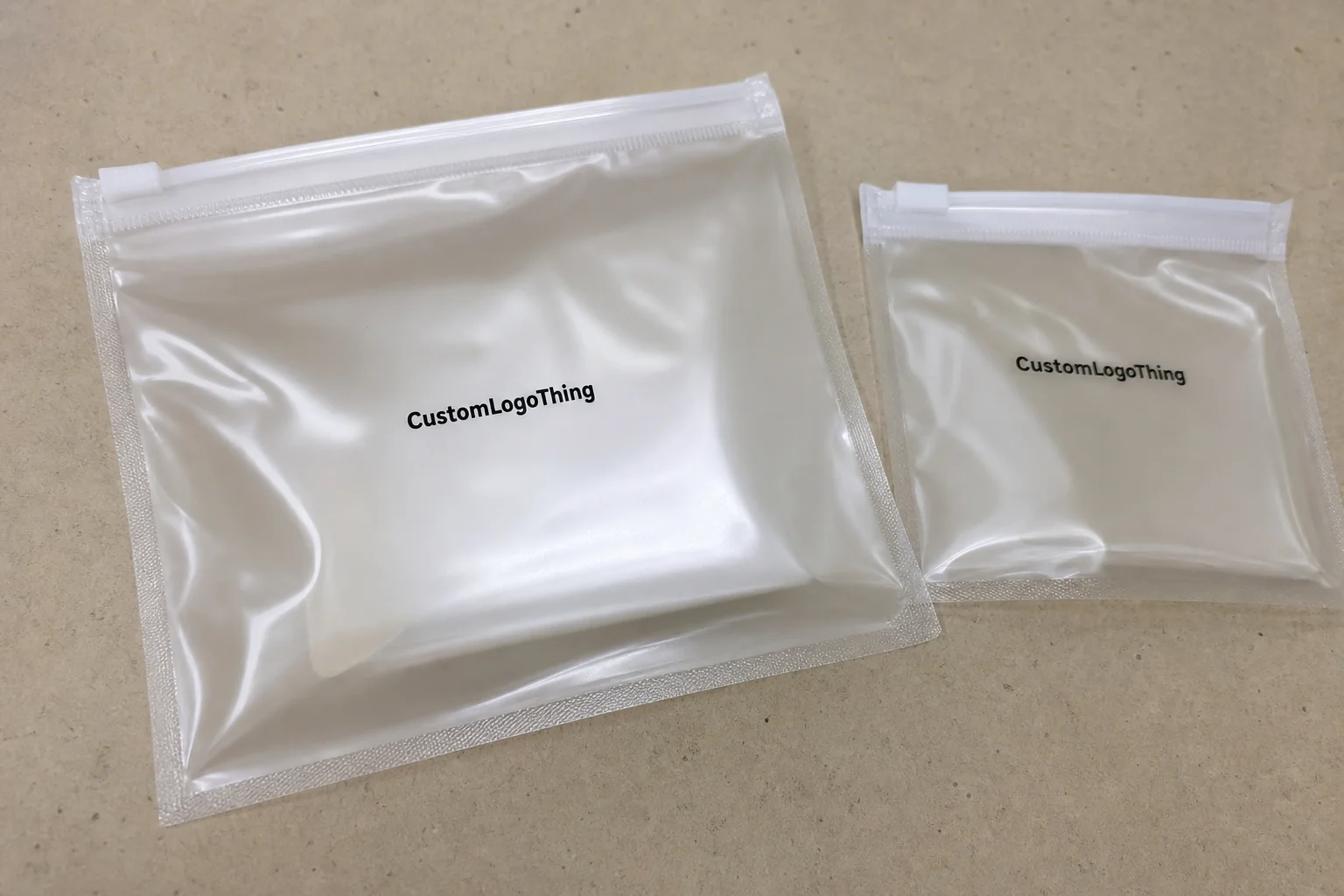
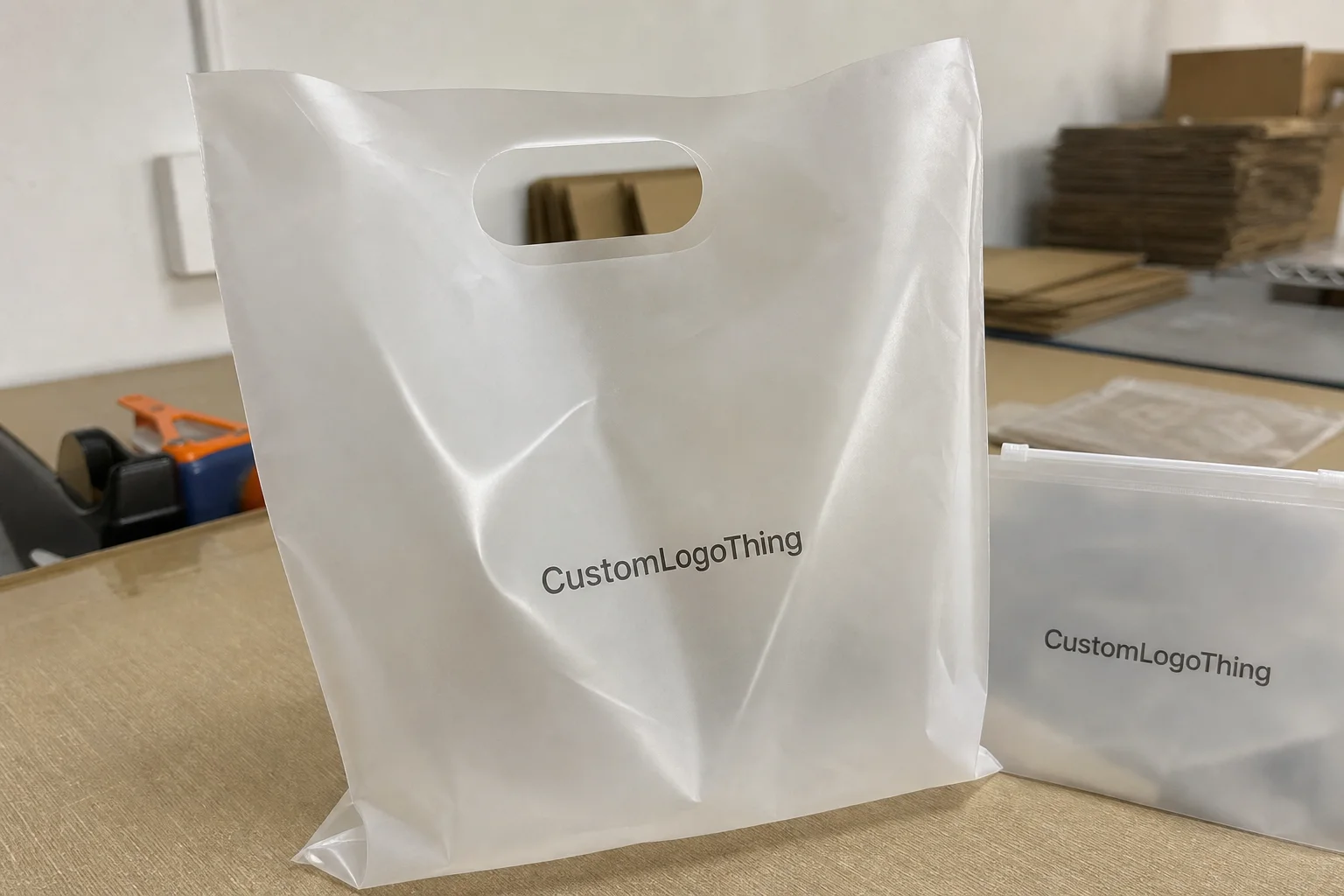
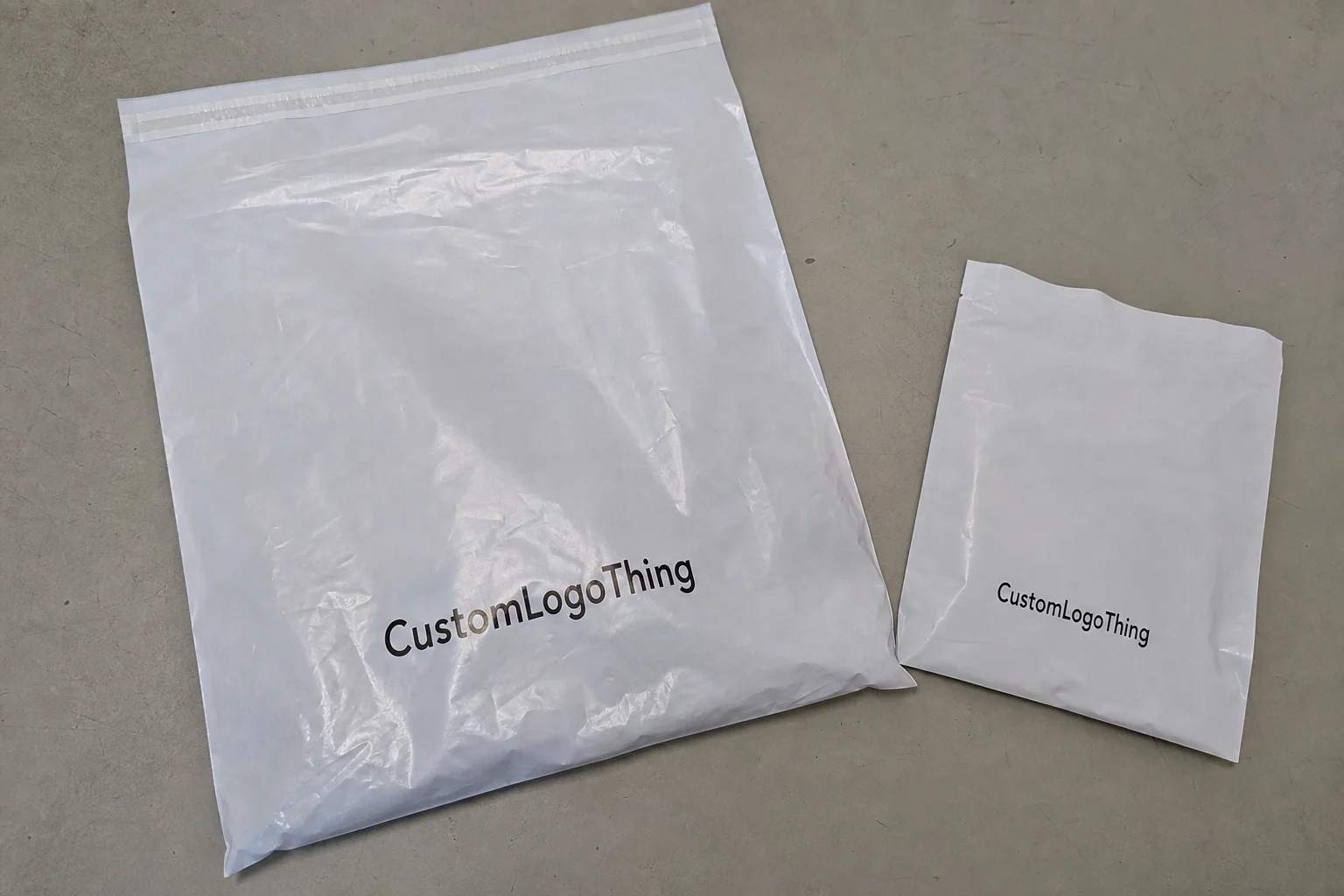
Buyer Fit Snapshot
| Best fit | Product Packaging Wholesale projects where brand print, material claims, artwork control, MOQ, and repeat-order consistency need to be specified before quoting. |
|---|---|
| Quote inputs | Share finished size, material target, print colors, finish, packing count, annual reorder estimate, ship-to region, and any compliance wording. |
| Proofing check | Approve dieline scale, logo placement, barcode or warning zones, color tolerance, closure strength, and carton packing before bulk production. |
| Main risk | Vague material claims, crowded artwork, missing packing details, or unclear freight terms can make a low unit price expensive after revisions. |
Fast answer: Product Packaging Wholesale: Custom Boxes at Scale should be specified like a repeatable production item. The safest quote records material, print method, finish, artwork proof, packing count, and reorder notes in one written spec.
Production checks before approval
Compare the actual filled-product size with the drawing, then confirm tolerance on folds, seals, hang holes, label areas, and retail display edges. Reserve space for logos, QR codes, warning copy, and material claims before decorative graphics fill the panel.
Quote comparison points
Review material grade, print process, finish, sampling route, tooling charges, carton quantity, and freight assumptions side by side. A quote is only useful when the supplier can repeat the same color, closure quality, and packing count on the next order.
Product Packaging Wholesale That Protects Margin and Velocity
Most brands don’t lose margin in obvious places. They lose it in corrugate thickness that’s 20% heavier than needed, in master cartons carrying 14% dead space, and in split purchasing across three vendors that never coordinate specs. After auditing enough packaging P&Ls, I can say this without hedging: product packaging wholesale, set up correctly, can reduce all-in shipped-unit cost by 8–14% without touching your retail price.
A few years back, I visited two direct-to-consumer skincare operations in the same week—one in Austin, one in Newark. Both were moving roughly 38,000 orders a month. Austin used three separate suppliers for mailers, inserts, and custom printed boxes, and their reorder cadence kept breaking down with 5–7 stockouts per quarter (their ops manager looked like he hadn’t slept in months). Newark consolidated into a structured product packaging wholesale program with one account team coordinating three substrate categories. Stockouts dropped to one minor event over six months, and fulfillment labor fell by 11 seconds per order because pack stations were standardized.
That spread is not small. Eleven seconds across 38,000 monthly orders equals more than 116 labor hours each month. At $19/hour loaded warehouse labor, that’s about $2,200 monthly saved through packaging workflow alone. Honestly, this is the part teams underestimate most: boring process consistency quietly beats flashy last-minute “savings.”
I treat packaging as a profit lever, not a cost center. Freight class, DIM weight, damage rate, unboxing quality, and repeat purchase behavior all move with packaging decisions. A 1.9% damage rate versus 0.8% can wipe out lower unit-price wins quickly, especially in cosmetics, electronics accessories, and glass-packed nutrition.
The mistake I see most often is simple: teams negotiate unit price hard and ignore what happens once pallets hit the 3PL dock. If a packaging structure adds nine seconds to pack-out and increases return risk by 0.6%, that quote was never cheaper. I’ve had this exact argument on a Tuesday at 7:40 a.m. over cold coffee, and yeah, I was mildly grumpy.
You’ll get practical detail here—concrete specs, realistic MOQ ranges, honest timeline expectations, and a way to buy product packaging wholesale with fewer surprises. If you want a baseline on formats and capabilities, review Custom Packaging Products first, then build your RFQ around measurable performance targets tied to procurement outcomes.
“The lowest box quote cost us the most money that quarter.” A VP of Ops told me this after paying 18% more in replacements due to compression failures in humid transit lanes from Miami to Houston.
Product Packaging Wholesale Options by Product Type and Sales Channel
Different box styles solve different operating problems. In product packaging wholesale, format should follow channel physics first, branding second.
Core formats and where they win
- Folding cartons (300–400gsm SBS or C1S): Strong for retail packaging and lightweight consumer goods. Typical unit cost at 10,000 pcs: $0.22–$0.58 depending on finish.
- Rigid boxes (1.5–2.5mm chipboard wrapped): Premium feel for gift sets, beauty kits, electronics accessories. Typical unit cost at 5,000 pcs: $1.10–$3.80.
- Corrugated mailers (E, B, or EB flute): eCommerce durability and stack strength. Common in DTC at $0.62–$1.95 for 6x4x2 to 14x10x4 sizes at 5,000–20,000 pcs.
- Display boxes and shelf-ready trays: Retail-ready replenishment, faster shelf stocking, cleaner planogram execution.
- Inserts (die-cut paperboard, molded pulp, EPE or PE foam): Critical for retention and drop survival, usually $0.08–$0.95 per unit.
- Sleeves and bands: Fast branding upgrade for standard stock cartons.
- Pouches: Useful for supplements and refill formats; often paired with cartons for bundle packs.
Channel reality: eCommerce, retail, subscription
eCommerce demands impact resistance and cube efficiency. Retail requires shelf presence and barcode compliance. Subscription models need repeatable unboxing consistency cycle after cycle.
I’ve watched a beautiful matte-black retail box fail eCommerce transit after six drops at 30 inches because the sidewall panel buckled at the glue seam. Wrong format for the channel, full stop.
For eCommerce, prioritize corrugated mailers with ECT 32 or 44 based on weight band (under 2 lb vs 2–8 lb). For retail, focus on print fidelity, shelf footprint, and anti-scuff coatings. For subscriptions, lock board availability and color control early so Month 1 and Month 4 still read as the same brand family.
Custom depth: what you can actually control
Inside product packaging wholesale, customization goes well beyond logo placement. You can control:
- Dieline geometry and tolerance (±1.5mm vs ±0.8mm)
- Board grade (for example, 350gsm C1S, 400gsm SBS, E-flute kraft)
- Print method (digital, offset, flexo)
- Finishes (AQ, matte lamination, soft-touch, spot UV, foil, emboss/deboss)
- Variable data (QR, serialized labels, batch trace codes)
- Tamper-evident closures for regulated or high-shrink categories
Standard sizes often beat full custom on speed. I’ve seen lead times tighten by 6–9 business days by using near-fit stock mailers plus custom inserts instead of waiting for fully bespoke corrugated tooling. If your transit damage return rate is above about 2.2%, structural customization usually pays back quickly.
Selection matrix I use with clients: fragility score (1–5), unit weight, cube target, branding priority, compliance requirement, and storage constraints (max pallet height, aisle width limits). If three or more variables are tight, go custom structure. If only one is tight, start by adapting a standard footprint.
One warning I repeat often: beautiful branded packaging that fails drop tests is expensive theater. Cheap board that absorbs moisture at 75% RH and crushes during cross-dock stacking is worse. Both can happen in the same quarter if no one owns specs end to end—ask me how I know.
Technical Specifications That Actually Matter in Product Packaging Wholesale
If your RFQ says “premium quality box,” ten suppliers will interpret it ten different ways. Clean product packaging wholesale quoting starts with engineering language, not marketing language.
Material specs buyers should request
- Paperboard thickness: specify gsm and caliper (example: 350gsm, 18pt).
- Flute profile: E flute (finer print, thinner wall), B flute (higher crush resistance), C flute (bulk and cushioning).
- Strength metrics: ECT 32/44, burst test values where relevant, and top-load/compression targets.
- Moisture resistance: coating type and performance expectation if shipping through humid lanes.
I once sat in on a supplier dispute where the buyer requested a “stronger board” after failures. Their PO included no ECT requirement, no humidity target, and no compression spec. That gap cost 19 days and two replacement runs. A four-line spec block would’ve prevented the whole fight and saved everyone a few blood-pressure points.
Print and color control that avoids rework
Use CMYK for artwork flexibility and lower plate complexity. Use Pantone where color fidelity is non-negotiable—cosmetics, premium beverage, medical wellness. Define tolerance targets up front. Delta E under 2.5 for hero colors is common in tightly controlled programs; under 3.5 can work for broader commercial runs.
Set proofing hierarchy clearly:
- Digital proof (layout and copy accuracy)
- Press proof (color behavior on actual substrate)
- Production sample (structure + final finish)
Skipping press proof can work for repeat SKUs with stable color libraries. First runs using foil + spot UV + textured stock should keep press proof in scope unless you’re gonna accept expensive surprises.
Structural engineering details most teams miss
- Load paths through panel folds
- Lock style (auto-lock bottom vs tuck-end)
- Glue line width and adhesive type
- Score depth and crack resistance on folds
- Insert retention force for product immobilization
Small lock-style changes can reduce manual assembly by 2–4 seconds per unit. Across 100,000 units, that’s roughly 55–110 labor hours saved.
Compliance and testing references
Regulated categories should request food-contact suitability where required and migration-safe ink declarations. Electronics-adjacent programs often require RoHS- and REACH-related documentation from component and ink suppliers. Shipping validation should reference recognized transit testing such as ISTA protocols. Sustainability claims should be backed by chain-of-custody documentation such as FSC where applicable.
Quick disclaimer from experience: compliance requirements vary by country, state, and product class, so confirm with your regulatory team before production sign-off. A packaging vendor can guide documentation, but they can’t replace legal review.
QA checkpoints and AQL discipline
Stable product packaging wholesale programs layer QA instead of relying on final inspection only:
- Incoming material verification (gsm, moisture, shade)
- In-line checks (registration, cut accuracy, glue quality)
- AQL sampling at pre-shipment (for example, Critical 0, Major 2.5, Minor 4.0)
- Defect classification with photo standards
Non-negotiable RFQ lines: dimensions with tolerance, material grade, print colors, finish stack, performance tests, packing method, acceptable defect thresholds, and approval workflow sign-off names. Leave out one line and quote ambiguity shows up fast.
Pricing, MOQ, and Total Cost in Product Packaging Wholesale
Price confusion is where many product packaging wholesale programs drift off course. Keep fixed costs, variable costs, and downstream costs separate from day one.
How the cost stack is built
- Fixed: tooling die ($120–$600), print plates ($80–$350/color for offset/flexo), setup labor.
- Variable: substrate, print impressions, finishing, assembly, pack-out.
- Logistics: freight mode, duties/taxes, drayage, storage, and internal handling.
A buyer recently sent me two quotes for a 9x6x3 corrugated mailer. Quote A was $0.74/unit and Quote B was $0.79/unit at 20,000 pcs. They chose A. Six weeks later, A posted 1.7% crush complaints and pallet overhang issues that increased damages. Net result: B would have been cheaper by about $9,400 that quarter. Teams should frame these choices as risk-adjusted procurement, not “who has the prettiest low number in a spreadsheet.”
MOQ logic by print process
Digital print supports low MOQ, often 300–2,000 units depending on substrate and format. Offset typically starts making sense around 3,000–5,000+ once setup is amortized. Flexo on corrugated can be highly economical at scale, often 10,000+, where simple graphics and long runs dominate.
Product packaging wholesale MOQ is process-driven. If demand is volatile, split your program by SKU velocity: digital for slower movers, offset or flexo for proven winners.
Real pricing levers that protect quality
- Shift 400gsm to 350gsm where compression testing still passes
- Reduce total ink coverage from 280% to around 220% where artwork allows
- Improve nesting efficiency by 3–7% through dieline optimization
- Batch similar SKUs to reduce make-ready frequency
- Replace dual finishes (foil + spot UV) with one hero finish used strategically
These are practical levers, not theory. On a Los Angeles personal-care account, we changed board grade and nesting pattern and saved $0.06 per unit across 240,000 annual units—about $14,400—without measurable impact on damage rate or brand perception.
Unit price vs total landed cost
Model all-in economics every time. Include defect rates, returns, labor touch time, and pallet utilization. A lower unit quote that adds eight seconds of pack-out time and 0.4% returns can erase savings in a single monthly cycle.
| Scenario | Unit Cost | Damage Rate | Pack-out Time | Estimated Landed Cost / 100k Units |
|---|---|---|---|---|
| Option A (lowest quote) | $0.68 | 1.9% | 21 sec | $102,400 |
| Option B (engineered spec) | $0.74 | 0.8% | 14 sec | $96,900 |
| Option C (premium finish) | $0.92 | 0.7% | 16 sec | $107,800 |
Negotiation guidance that works
Share real demand inputs: monthly forecast bands, SKU mix, destination ZIP clusters, and artwork readiness. Ask for tiered pricing at 5k/10k/25k/50k and request alternates on board grade plus finish stack. Negotiate for spec-locked quality, not vague assurances.
Need commercial flexibility? Compare program structures on Wholesale Programs and request scenario-based quotes for conservative, expected, and aggressive demand cases.
Simple margin model for decision-making
Use three inputs: expected sell-through window (weeks), reorder cadence, and carrying-cost sensitivity (monthly). Fast sell-through can support higher MOQ. Slower sell-through favors lower MOQ and lower inventory exposure. A healthy product packaging wholesale strategy balances unit economics with cash-flow timing.
From Quote to Delivery: Process and Timeline You Can Plan Around
Predictable timelines are designed, not wished into existence. For product packaging wholesale, I recommend a milestone map with named owners and hard sign-off gates.
Step-by-step workflow
- Requirement intake (dimensions, weight, fragility, channel)
- Structural concept and dieline draft
- Commercial quote with alternates
- White sample approval
- Printed sample approval
- Transit/performance testing
- Final PO and production slot booking
- In-line QA + pre-shipment inspection
- Packing, dispatch, and tracking
Typical timeline ranges
- Simple repeat carton: 12–15 business days from final proof
- New custom corrugated structure: 18–28 business days
- Rigid premium box with specialty finishes: 25–40 business days
- Ocean freight transit: commonly 22–38 days depending on lane
- Air freight: 4–9 days at higher cost per kg
Critical path delays usually trace back to artwork approvals and late material substitutions in prepress. I’ve seen one unresolved Pantone decision push a launch by nine days, and another time a late lamination change triggered a domino effect through plating, sampling, and vessel booking. Not fun, kinda avoidable.
Sampling strategy that reduces risk
White samples validate geometry and fit. Printed samples validate color and finish interaction. Pilot batches validate production repeatability. Low-risk repeats can combine printed sample plus pilot in one stage. First-time premium kits should keep every stage intact.
Risk controls for launch protection
- Maintain 2–4 weeks of buffer inventory for top SKUs
- Use milestone sign-offs with dates and owners
- Set escalation at any slip over 48 hours
- Run artwork finalization in parallel with structural engineering where possible
A subscription client in Chicago avoided a holiday miss by pre-booking two production windows and splitting volume 70/30. Paper cost rose 1.8%, but the plan prevented a stockout that would have affected about 12,000 shipments.
Logistics planning basics
Define Incoterms early (EXW, FOB, DDP) because responsibility shifts are misunderstood all the time. Split shipments can work well: partial airfreight for launch, ocean for replenishment. Delivery windows should align with regional 3PL intake capacity to avoid receiving bottlenecks.
Implementation calendar template
- Week 1: RFQ release, spec alignment, artwork freeze target
- Week 2: White sample review, engineering revisions
- Week 3: Printed sample + transit test
- Week 4: Final approval, PO release, slot confirmation
- Week 5–7: Production and QA
- Week 8+: Shipment, receiving, first-run KPI review
What Is the Best Way to Choose Product Packaging Wholesale for Growth?
Plenty of vendors can print a box. Far fewer can run a consistent product packaging wholesale program across multiple SKUs while protecting structural performance and brand accuracy. Custom Logo Things is strongest where operational discipline matters, especially for teams scaling across channels.
Engineering-first quoting
The process should start with performance inputs—product weight, drop profile, channel conditions, and pack-line behavior—before decoration choices. That sequence prevents the classic mistake of overbuilding one dimension and underbuilding another.
Transparent specs and QA discipline
Strong spec sheets include board grade, print method, finish stack, tolerance windows, and acceptance criteria before production begins. Post-production interpretation conflicts drop sharply with this approach. Programs with documented checkpoints usually run with fewer disputes and faster repeat-order cycles.
Capabilities that support scale
Substrate range, finish flexibility, and repeat-order controls matter once volume passes 20,000+ units/month. Multi-SKU coordination is another separator. If your line carries 12 active SKUs plus four seasonal kits, coordination quality can deliver more value than a two-cent unit discount.
Commercial clarity
Reliable product packaging wholesale partners provide MOQ pathways by process and scenario-based pricing for changing forecast bands. The productive question is not “What’s your lowest unit price?” A better one is “What spec and run strategy gives us the best landed margin at acceptable risk?”
Service model and trust markers
Dedicated contacts, proactive status updates, and documented issue-resolution protocols are operational safeguards, not soft extras. Ask for on-time delivery reporting format, sample-accuracy workflow, and escalation SLA. Those answers reveal process maturity quickly. Personally, I trust teams that can show their miss-reporting process more than teams that claim they never miss.
My honest take: packaging projects fail less because of bad intent and more because of vague specs, unclear ownership, and late approvals. Strong process beats loud promises every time.
Next Steps: How to Start Product Packaging Wholesale Orders Without Delays
If you want product packaging wholesale to move quickly, send a spec-ready brief rather than a mood board. Creative direction helps; measurable constraints close quotes faster.
Buyer checklist before RFQ
- Product dimensions (L x W x H) with tolerance, e.g., 152 x 88 x 34mm ±1mm
- Unit weight and fragility rating
- Protection requirement (drop height, compression expectation)
- Target quantity by SKU and forecast horizon (3/6/12 months)
- Artwork files (AI/PDF), color references (Pantone if needed)
- Compliance constraints (food contact, labeling rules)
- Target landed cost and required delivery windows
Good / Better / Best RFQ structure
Request three options in one quoting cycle:
- Good: standard structure, minimal finish, fastest lead time
- Better: optimized structure + selective branded finish
- Best: premium packaging design with full brand expression
This creates a controlled trade-off model across cost, speed, and visual impact for decision-makers.
First-order strategy that limits risk
Start with one pilot SKU at moderate volume (for example, 5,000–10,000 units), then scale commitments after KPI validation. Track three baseline metrics during the first 30 days: damage rate, pack-out time, and reorder lead-time adherence.
Approve these items before mass production
- Signed dieline and structural mockup
- Color target and proof hierarchy sign-off
- Tolerance table for dimensions and print registration
- Acceptance criteria tied to AQL thresholds
Post-launch optimization cadence
Run a first-shipment review within 10 business days of receipt. Schedule a cost-down sprint after 1–2 reorder cycles to evaluate board gauges, pallet configuration, and finish rationalization. Seasonal businesses should lock capacity plans 8–12 weeks ahead of peak windows.
Actionable takeaway: before you request your next quote, build a one-page packaging brief with six required fields—dimensions/tolerance, protection targets, material baseline, artwork status, demand bands, and delivery window. Send that exact brief to each supplier and force apples-to-apples comparison on landed cost, not unit price. That one step alone will eliminate most costly surprises in product packaging wholesale.
Strong brands treat product packaging wholesale as an operating system, not a one-time purchase. Done properly, it improves margin, stabilizes fulfillment, and keeps branded presentation consistent at scale. I’ve seen it rescue ugly quarters, protect launches, and save ops teams from emergency Slack threads at midnight.
What is the typical MOQ for product packaging wholesale orders?
MOQ depends on print process, format, and material. Digital runs can begin at a few hundred units, while offset and flexo usually need several thousand to optimize setup economics. For product packaging wholesale, ask for MOQ by individual SKU and by consolidated size family to unlock better rates. Tiered pricing (for example, 5k, 10k, 25k) will show your practical break-even point.
How is product packaging wholesale pricing calculated?
Product packaging wholesale pricing combines fixed setup costs (dies, plates, make-ready) with variable unit costs (substrate, printing, finishing, assembly). Freight, duties, and storage can materially change total landed cost, so evaluate all-in economics instead of unit price alone. Accurate dimensions, final artwork status, and shipping terms improve quote precision.
How long does product packaging wholesale production and delivery take?
The timeline includes design, sampling, approvals, manufacturing, QA, and logistics. Simple repeat orders can move in about 12–15 business days after proof approval, while complex structures with specialty finishes take longer. Product packaging wholesale schedules improve when specs are pre-approved and artwork is final. Build contingency for logistics variability and approval delays.
Can I get custom sizes and branding in product packaging wholesale?
Yes. Product packaging wholesale programs commonly include custom dielines, custom printed boxes, inserts, coatings, and premium finishes. Start with fit and protection requirements, then layer retail packaging visuals and branded packaging elements. Prototype testing is strongly recommended before scaling full volume.
What should I prepare before requesting a product packaging wholesale quote?
Prepare product specs (dimensions, weight, fragility), target quantities, destination, and required delivery date. Share artwork files and color references if available. Define print and structural acceptance criteria from day one. In product packaging wholesale, clear inputs shorten quoting cycles and reduce costly revisions later.