Buyer Fit Snapshot
| Best fit | Product Packaging Wholesale projects where brand print, material claims, artwork control, MOQ, and repeat-order consistency need to be specified before quoting. |
|---|---|
| Quote inputs | Share finished size, material target, print colors, finish, packing count, annual reorder estimate, ship-to region, and any compliance wording. |
| Proofing check | Approve dieline scale, logo placement, barcode or warning zones, color tolerance, closure strength, and carton packing before bulk production. |
| Main risk | Vague material claims, crowded artwork, missing packing details, or unclear freight terms can make a low unit price expensive after revisions. |
Fast answer: Product Packaging Wholesale: Pricing, Specs, and Ordering should be specified like a repeatable production item. The safest quote records material, print method, finish, artwork proof, packing count, and reorder notes in one written spec.
Production checks before approval
Compare the actual filled-product size with the drawing, then confirm tolerance on folds, seals, hang holes, label areas, and retail display edges. Reserve space for logos, QR codes, warning copy, and material claims before decorative graphics fill the panel.
Quote comparison points
Review material grade, print process, finish, sampling route, tooling charges, carton quantity, and freight assumptions side by side. A quote is only useful when the supplier can repeat the same color, closure quality, and packing count on the next order.
If you are comparing product packaging wholesale quotes and half the numbers look invented, you are not imagining it. I remember standing on a carton line in Dongguan, Guangdong, with a factory foreman pointing at a stack of folding cartons and explaining, very patiently, why the quote for 500 units looked stubbornly high while the quote for 5,000 suddenly made sense. Setup fees, plate costs, waste allowance, labor, die-cutting, machine calibration — all of it has to go somewhere, and in small runs it lands on every single box like an uninvited guest. That is the real appeal of product packaging wholesale: once those fixed costs get spread across more units, the math stops feeling theatrical and starts feeling real, especially when a 350gsm C1S artboard carton moves from a $0.42 unit cost at 500 pieces to about $0.18 per unit at 5,000 pieces.
Custom Logo Things works with brands that need packaging to do a job, not just sit pretty on a shelf. That means clear specs, honest pricing, and product packaging wholesale that actually fits the product, the channel, and the margin. Honestly, I think too many buyers get distracted by pretty mockups before they know whether the box can survive transit, stack in a warehouse, or fit the product without a wrestling match (which is not what anyone wants at 7:30 a.m. in a fulfillment center). I have sat in supplier meetings where a $0.11 difference per unit looked tiny until we multiplied it by 20,000 boxes and suddenly we were talking about $2,200. Boxes are funny like that. They never feel expensive until the invoice lands, especially when freight from Shenzhen to Los Angeles adds another $650 by sea or closer to $3,100 by air for the same carton load.
Product Packaging Wholesale: Why Buying in Bulk Saves Real Money
product packaging wholesale saves money because the factory’s fixed costs get distributed across more units. That includes plate setup, die-cutting, prepress work, machine calibration, and labor to run the first sheets. If you only order 500 folding cartons, the setup cost can sit at $180 to $420 depending on the print method and finishing. At 5,000 units, that same setup cost gets diluted into pennies per box, and a quote that looked like $0.39 per unit can fall to around $0.16 to $0.21 per unit. No magic. Just arithmetic, and a little industrial stubbornness from the production floor in Dongguan or Ningbo.
When I visited a carton plant in Dongguan, the production manager showed me two quotes for the same mailer box. One was for 800 pieces, the other for 8,000. The board was the same 350gsm CCNB with a matte aqueous coating. The difference was not the paper. It was setup, waste allowance, and machine time. The larger run came out much lower per unit because the press stayed loaded and the die-cut line kept moving at roughly 1,800 to 2,200 sheets per hour. That is why product packaging wholesale works so well for repeat SKUs. I honestly trust a supplier more when they can explain that kind of cost structure without waving their hands around like they are selling magic beans.
The real cost drivers are straightforward and measurable:
- Material grade: kraft, SBS, CCNB, corrugated, rigid grayboard, and specialty paper all price differently, with 350gsm SBS usually costing more than 300gsm CCNB and less than 1.5mm rigid board.
- Print method: digital print is flexible for small runs, offset wins at scale, and flexo is common for corrugated shipping boxes in factories around Guangzhou and Foshan.
- Finishing: foil stamping, embossing, spot UV, soft-touch lamination, and windows add cost, often $0.03 to $0.18 per unit depending on coverage.
- Tooling: dielines, cutting dies, and sometimes plates are not free, and a custom die can run $120 to $380 depending on size and complexity.
- Freight: a carton quote is meaningless if sea freight adds $600 and air adds $3,200 for the same 1,000-piece shipment.
- Labor: hand assembly, insert placement, and QC checks all show up somewhere, especially on rigid boxes made in Shenzhen or Dongguan.
product packaging wholesale is best for brands with repeat ordering needs. Think subscription boxes, retail launches, ecommerce sellers, cosmetics, supplements, candles, and seasonal gift sets. If you reorder every 6 to 10 weeks, the value is obvious. Consistency matters too. A brand that uses one supplier for three reorder cycles gets fewer surprises in board thickness, color tone, and closure fit. I have seen a “small” board change from 350gsm to 300gsm create a headache big enough to make a warehouse manager stare into the middle distance for a full minute (which, frankly, is fair). A good supplier in Zhejiang or Guangdong will keep tolerances within about 1 to 2 mm, and that consistency matters more than most buyers expect.
One misconception keeps showing up: wholesale means cheap junk. That is wrong. Cheap junk is a sourcing problem, not a wholesale problem. I have seen 5,000-unit runs with crisp registration, sharp foil, and sturdy board that looked better than some “premium” retail packaging I inspected in a showroom. The supplier matters. The spec sheet matters. And yes, the buyer matters too. If you hand over a vague brief and expect a miracle, the factory will not magically read your mind. I wish they would, because that would save everyone a lot of emails and at least one unnecessary sample round that costs $35 to $90 before shipping.
| Buying Method | Typical Unit Cost | Setup Cost | Best For |
|---|---|---|---|
| Retail or reseller order | $0.55 to $2.10 | Often hidden in markup | Very small one-off needs |
| Direct product packaging wholesale | $0.12 to $1.35 | Usually itemized | Reorders, launches, and brand consistency |
| Custom factory run with full specs | $0.09 to $1.05 | Transparent tooling and proof costs | Higher volume and tighter margins |
Buying direct from a manufacturer almost always beats buying through a reseller because you avoid stacked markup. A reseller may be easy to call, sure, but easy is not the same as efficient. For product packaging wholesale, direct sourcing gives you control over the box style, print method, and finish. It also makes reorders less painful because you are working from the same files and same material source. That part alone saves more headaches than most people expect, particularly when the same carton needs to reorder in batches of 2,000 pieces every eight weeks and the factory can repeat the same 0.3 mm crease depth and color profile.
“I would rather pay $0.03 more per unit for a box that stacks cleanly and ships without damage than save three cents and eat returns later.” That was my exact line in a supplier meeting in Shenzhen after a client’s subscription box arrived crushed on the corners. The supplier stopped arguing after we opened six damaged cartons in a row. There is something about physical evidence that tends to clarify a conversation, especially when the cartons were packed 24 units per master case and still failed a 1.2-meter drop test.
One more thing. product packaging wholesale delivers the most value when you need consistency across multiple reorder cycles. If your boxes must match across three product launches, you want the same board, the same coating, and the same color standard. That is where a real manufacturing partner earns its keep. I have watched brands celebrate a lower quote, then panic six months later when the reorder box looks “close enough” but not quite the same. Close enough is not a brand standard. It is a compromise with a nicer outfit, and in a factory in Foshan that compromise can show up as a different shade of white on a 300gsm carton.
Product Packaging Wholesale Options for Different Products
product packaging wholesale is not one box type. It is a toolbox. Folding cartons, rigid boxes, mailer boxes, Corrugated Shipping Boxes, sleeve boxes, inserts, pouches, and display packaging all do different jobs. If a supplier pushes one structure for every product, that is a red flag. Either they do not understand packaging design, or they only know how to sell the one thing they have in stock. I have seen both, and neither one ends well, especially when a product needs a 1.5mm grayboard lid in one case and a 350gsm folding carton in another.
For cosmetics, folding cartons and rigid boxes are common. A lipstick sleeve in 300gsm SBS with foil stamping can look sharp on a shelf. A luxury serum in a rigid setup box with a molded pulp insert feels more expensive because, frankly, it is. For supplements, tamper-evident folding cartons and insert trays are typical. For candles, a kraft mailer or rigid gift box can work depending on whether the product is sold DTC or in retail packaging. For apparel, mailer boxes and corrugated shippers are usually smarter than overbuilt rigid boxes because nobody wants to pay extra just to mail a T-shirt. I say that with love, but also with a mild grudge against unnecessary freight bills that jump from $0.68 to $1.95 per unit just because someone wanted a heavier lid.
Structure affects more than looks. A rigid box gives a premium feel and strong shelf presence. A corrugated mailer protects better in transit. A folding carton is efficient for retail and lighter on freight. I have watched a candle brand overspend on rigid packaging for an ecommerce-only launch in Austin, Texas. They loved the look. Their margin hated the freight. product packaging wholesale should match the sales channel first, and the photo shoot second. If the box photographs beautifully but arrives dented after a 22-day sea shipment from Shenzhen, you have created a very expensive problem.
Common packaging types and where they fit
- Folding cartons: great for cosmetics, supplements, soap, and lightweight retail items, often made from 300gsm to 400gsm SBS or CCNB.
- Rigid boxes: best for luxury gifts, electronics, jewelry, and premium package branding, usually built with 1.2mm to 2.0mm grayboard wrapped in art paper.
- Mailer boxes: strong choice for subscription boxes and ecommerce orders, commonly using E-flute corrugated board around 1.5mm thick.
- Corrugated shipping boxes: best when protection matters more than presentation, especially for 32ECT or 44ECT board grades.
- Sleeve boxes: useful for adding branding without changing the main structure, and often printed on 350gsm artboard with matte lamination.
- Inserts: paperboard, molded pulp, EVA, or foam depending on fragility and product weight.
- Pouches: often used for snacks, supplements, refill packs, and dry goods, with options like PET/PE, kraft laminate, or stand-up zipper styles.
- Display packaging: useful for point-of-sale promotions and retail shelving, especially in drugstores and specialty shops in California, New York, and Texas.
Customization choices are where product packaging wholesale gets interesting. You can add windows, embossing, foil stamping, spot UV, soft-touch lamination, matte coating, gloss varnish, or printed inserts. But do not add finishes just because they sound fancy. I once cut foil out of a skincare box and saved a client $0.14 per unit on a 4,000-piece order. That one decision freed up budget for a better insert and a heavier 350gsm board. The final package looked cleaner, and the product traveled better. Fancy is not always better. Smart usually is. (And yes, the marketing team survived the adjustment.)
For ecommerce, I lean toward structures that survive the post office, particularly 32ECT or 44ECT corrugated mailers with a 1-color kraft print. For retail launches, I lean toward stronger shelf impact. For gift sets, I focus on how the unboxing sequence feels, whether the lid lifts at exactly the right moment, and whether the insert holds the product without rattling in a 24-case shipper. That is package branding in practice. Not a slogan. A choice. And with product packaging wholesale, every choice affects the margin. Every little spec choice has a way of showing up later in the P&L, usually with a smug expression.
If you need ideas for product-specific packaging, review our Custom Packaging Products page and compare structures before requesting quotes. That saves time. It also keeps you from paying for a rigid box when a well-built folding carton would do the job for half the cost, especially on a 10,000-piece reorder from a factory in Dongguan or Yiwu.
Product Packaging Wholesale Specifications That Actually Matter
Good product packaging wholesale starts with clear specs. If you send a supplier “need boxes for candles,” expect confusion and a quote that is either padded or useless. I want dimensions, board type, finish, print method, and quantity. The more exact the request, the fewer expensive revisions later. That is not me being picky. That is me trying to keep your order from getting delayed by a week because someone guessed the wrong dieline and then acted surprised when the box did not fit a 78mm diameter jar with a 95mm height.
These are the specs I ask for first:
- Dimensions: length, width, height, and internal versus external size, listed in millimeters such as 120 x 80 x 40 mm.
- Board type: SBS, CCNB, kraft, corrugated E-flute or B-flute, rigid grayboard.
- Thickness or GSM: for example, 300gsm, 350gsm, 1.5mm grayboard, or 2.0mm rigid board.
- Print method: offset, digital, flexo, or screen print.
- Finish: matte, gloss, soft-touch lamination, aqueous coating, foil, spot UV.
- Closure style: tuck end, lock bottom, magnetic, sleeve, shipper lid.
- Insert material: paperboard, molded pulp, EVA, foam, or no insert.
- Master case count: how many units per shipping carton, such as 24 or 48 pieces per outer case.
Exact sizing matters more than people think. A box that is 3 mm too loose lets the product shift, which increases scuffing and damage risk. A box that is too tight slows packing and can crush the product corner. I watched a supplement brand in Chicago lose two weeks because their bottle diameter was measured with the shrink sleeve on one sample and off on another. Same bottle. Two different measurements. Three angry emails. Wonderful use of everyone’s time. The factory in Shenzhen was not amused, and honestly, neither was I, especially after the team had already approved a sample that fit at 61.8 mm but not at 63.2 mm.
Material language also matters. SBS is clean and bright for premium print. Kraft paper gives a natural look and is often used for branded packaging that wants an earthy tone. CCNB is common for retail cartons where price matters. Corrugated E-flute is thin and printable, while B-flute is stronger for shipping. Rigid grayboard is the backbone of luxury boxes. If you are paying for custom printed boxes, you should know exactly what the box is made of. Otherwise you are comparing words, not materials, and that is a fast way to miss why one quote is $0.07 per unit cheaper while using a lighter 280gsm board instead of 350gsm.
Print quality controls make or break a run. I always ask about color matching, dieline accuracy, and proof approval. A good supplier will confirm Pantone targets, send a digital proof or physical sample, and wait for sign-off before running full production. That is basic discipline. Not a bonus. I have had suppliers try to run ahead because “the machine was already set up,” which is a lovely excuse until you are staring at a logo shifted two millimeters to the left. No one buys a brand because the logo is almost centered, and no one wants to explain to a retailer in Dallas why the front panel text missed the fold by 1.7 mm.
For compliance, there are a few areas worth checking. Food-safe inks matter for edible packaging. Recyclable materials matter for sustainability claims. Shipping durability matters for ecommerce. Retail labeling may require barcode placement, warning text, country of origin, or ingredient panels. Standards from groups like the International Safe Transit Association and material guidance from the EPA recycling resources can help you avoid claims that do not hold up under scrutiny. If you are quoting product packaging wholesale for food or supplements, ask whether the inks, coatings, and adhesives are suitable for indirect food contact, because a clean-looking carton still needs the right chemistry underneath.
File prep is another place where a lot of money gets wasted. Send vector artwork. Use a proper dieline. Include bleed and safe zones. If your designer places the logo too close to a fold line, the factory will flag it, and the schedule slips. I have seen a “simple” 3-day artwork fix turn into 11 days because the team kept sending JPEGs and calling them final. No factory loves that. product packaging wholesale rewards people who respect prepress, and it punishes anyone who thinks “final_final_v7” is an acceptable file name (it is not; I will die on that hill). A clean PDF/X-1a file from Adobe Illustrator or InDesign saves more time than three rounds of apology emails.
Product Packaging Wholesale Pricing, MOQ, and Hidden Costs
product packaging wholesale pricing should never be a mystery. If a supplier sends one number with no breakdown, I assume there is padding inside it. A clean quote has line items. Unit cost. Setup fee. Sampling. Tooling. Shipping. Sometimes duties. Sometimes import brokerage. You need the whole picture before you compare suppliers. Otherwise you end up comparing a polished estimate to a real quote, and that is how people accidentally make bad decisions with confidence, especially on orders moving from a factory in Ningbo to a warehouse in California.
The basic pricing framework looks like this:
- Unit cost: what each finished box costs at your chosen quantity.
- Setup fee: prepress, machine setup, and file preparation.
- Plate or tooling fee: common in offset or for custom dies, usually $120 to $380 depending on size.
- Sample fee: prototype or pre-production sample, often $35 to $120 before shipping.
- Shipping cost: sea freight, air freight, courier, or domestic truck.
MOQ exists because the factory has to pay for setup whether you order 300 units or 30,000. It is a manufacturing threshold, not a personal insult. Lower MOQ usually means a higher unit price. That is fair. A line that runs 1,000 pieces does not operate as efficiently as one that runs 10,000. If a quote looks too low at a small quantity, ask what was removed or downgraded. Usually something was. Usually the surprise is buried somewhere boring, which is exactly where expensive surprises like to hide. I have seen a “low MOQ” rigid box quote from a Dongguan supplier quietly exclude the insert, the lamination upgrade, and the outer carton labels, which turned a $1.08 unit into a real landed cost closer to $1.41.
Here is a realistic example. A 2-piece rigid gift box with soft-touch lamination, foil logo, and EVA insert might quote at $1.85/unit for 1,000 pieces. At 3,000 pieces, that may drop to $1.22/unit. At 5,000 pieces, you might see $0.98/unit if the structure stays the same and the supplier can run longer. The setup fee may still be $260 to $450, but the average cost falls as volume rises. That is normal product packaging wholesale math. It is also why people who only compare unit price often miss the real story entirely, especially if the sea freight on the full order adds another $520 to $880 depending on port and destination.
| Spec Level | Example Build | Typical Price Range | Notes |
|---|---|---|---|
| Basic | 300gsm folding carton, 4-color print, matte aqueous | $0.09 to $0.22/unit | Good for simple retail packaging |
| Mid-tier | 350gsm carton, spot UV, tuck end, custom dieline | $0.18 to $0.48/unit | Common for branded packaging and ecommerce |
| Premium | Rigid box, foil, embossing, insert, soft-touch lamination | $0.75 to $2.40/unit | Used for gift sets and luxury launches |
Hidden costs are where buyers get burned. Expedited freight can destroy your margin. Revisions after sample approval add time and labor. Custom inserts sometimes require separate tooling. Multi-location delivery can create split freight charges that look minor until they are not. I once had a client approve air freight because they were out of stock. That decision added $1,980 to a packaging order that would have been fine by sea if they had reordered two weeks earlier. Timing matters. So does planning. So does resisting the urge to treat every delay like an emergency, which, for the record, is how freight forwarders get rich and why a 10-day production plan can turn into a 23-day scramble.
Always compare at least two suppliers using the exact same spec sheet. Same dimensions. Same board. Same finish. Same quantity. Otherwise you are comparing apples to an orange with a foil stamp. And yes, I have seen that happen more than once. It usually happens right after someone says, “These quotes are basically the same,” and then the sample arrives on a different planet, sometimes with a 1.8 mm board substitution that nobody approved.
If you need a wholesale quote structure that is easier to compare, our Wholesale Programs page is a good starting point for aligning quantity, finish, and delivery expectations before you ask for numbers.
Product Packaging Wholesale Process and Timeline
The product packaging wholesale process should be boring in the best way. Inquiry. Specs. Quote. Artwork. Sample. Approval. Production. QC. Shipping. If a supplier skips steps, expect trouble later. I would rather spend 20 minutes confirming the dieline than 2 days arguing about a misplaced fold panel after production starts. Nobody enjoys that email thread. Nobody, especially not the production coordinator in Guangzhou who has to stop the line because the front panel text is 4 mm too low.
- Inquiry: share product dimensions, quantity, and packaging type.
- Spec confirmation: lock board, finish, print method, and insert details.
- Quote: review unit cost, setup, tooling, sample, and freight.
- Artwork prep: place final graphics on the dieline.
- Sample: request a prototype or digital proof.
- Approval: sign off on color, structure, and print placement.
- Production: run the full quantity after approval.
- Quality check: inspect registration, glue, cut lines, and finish.
- Shipping: move by courier, air, or sea depending on budget and timing.
Realistic timing depends on structure and finish. A simple folding carton sample may take 5 to 7 business days. Full production can take 12 to 18 business days after proof approval, and a rigid box with foil and insert may take 15 to 25 business days. Sea freight can add 18 to 35 days, depending on route, port congestion, and whether the shipment leaves Shenzhen, Ningbo, or Xiamen. Air freight is faster, but I have seen it blow a margin so badly that the product sold well and still lost money on packaging logistics. That is not a victory. That is a very polished loss with a faster transit time.
Delays usually happen in the same places: unclear specs, late artwork changes, color corrections, and approval bottlenecks. If the client keeps asking for “just one more tweak,” the schedule slips. Every time. A good supplier manages communication with photo updates, short video clips from the line, and a pre-ship inspection when needed. I prefer that. It stops surprises. Surprises belong in birthdays, not carton orders, and definitely not in the middle of a 14-business-day production run in Dongguan.
Reorder timing matters too. If your inventory lead time is 8 weeks and packaging lead time is 3 weeks, you cannot wait until the shelf is empty. That is how launch plans turn into emergency freight bills. For seasonal products, I tell clients to reorder when they hit about 35% of remaining packaging stock. It is a cushion, not a rule carved in stone. But it saves a lot of headaches, and headaches are already expensive enough, particularly when a late reorder forces a $1,450 air shipment for boxes that should have sailed at $280 by sea.
One client had a holiday gift set with custom printed boxes, and the packaging landed four days before the product. Great. Useful. Very inspiring. We fixed it, but only after a rushed air shipment that cost more than the entire print finishing upgrade. Since then, I ask one question before every reorder: what happens if this is a week late? If the answer is “we miss the launch,” then plan earlier. If the answer is “we grumble but survive,” then you have a little breathing room, which is a beautiful thing in supply chain work.
Why Choose Us for Product Packaging Wholesale Orders
We are not a middleman pretending to be a manufacturer. That matters. With product packaging wholesale, direct factory coordination gives tighter cost control, cleaner communication, and fewer surprises buried in the quote. I have spent years negotiating with paper mills and converters, including suppliers like Arjowiggins and International Paper, plus a long list of local finishing partners in Shenzhen, Dongguan, and Foshan who know how to keep color steady and board quality from drifting. That experience matters when a project needs more than a pretty render and a prayer, especially on orders that need 350gsm C1S artboard, matte lamination, and a locked-bottom tuck structure built to a 1 mm tolerance.
Quality assurance is not a slogan here. We check material incoming, review production samples, inspect folding accuracy, and confirm pre-shipment details before anything leaves the floor. If a box is supposed to close with 1.5 mm tolerance, I want that checked. If the foil is supposed to land centered on the front panel, I want the first-off sample rejected if it drifts. That is how you keep product packaging wholesale from turning into a rework bill. The factory floor has enough chaos already; we do not need to add avoidable surprises. A clean run in Guangzhou or Shenzhen should end with cartons that stack square, not with a pallet full of crooked lids and a second inspection.
Customization depth is another reason clients stay. We support one-off prototypes, repeatable reorders, brand-consistent color matching, and structures built around the product rather than whatever is cheapest to manufacture. If you need soft-touch lamination on a premium serum box, we can do that. If you need a plain kraft mailer with one-color print for subscription fulfillment, we can do that too. The point is not to force a fancy spec. The point is to match the packaging design to the actual business need, whether that is 500 pieces for a launch sample or 20,000 units for a retail chain rollout in California and Texas.
Here is a practical trust signal: I always recommend small-batch testing before scale-up if the product is new. Run 300 or 500 pieces first. Check shelf fit. Check ship tests. Check customer response. That cost is cheaper than discovering a structural problem after 8,000 boxes are already in your warehouse. Brands that test first usually spend less overall. Funny how that works. A little patience tends to beat a lot of regret, especially when the first run costs $0.24 per unit and the full-scale run drops to $0.14 because the spec is locked before the 12-business-day production window starts.
“The best packaging quote is the one that explains the tradeoffs.” That was something I told a founder during a factory review in Shenzhen after we compared a plain matte carton with a foil version that added $0.09 per unit. She picked the simpler box and used the savings on better photography. Smart call. The boxes sold the product without draining the launch budget. I still think that was one of the cleanest launch decisions I have seen, and the final shipment still left the factory on a 24-unit master carton schedule with zero rework.
We also keep communication plain. No jargon circus. No mystery fees. If the quote changes because the board changed from 300gsm to 350gsm, you will see it. If shipping from our Shenzhen facility is cheaper by sea but slower by 24 days, we will say that too. Straight answers save time. They also build trust, which is rare enough in product packaging wholesale to be worth mentioning, especially when a 5,000-piece run can swing by $380 simply because the paper mill updated its base sheet pricing in Foshan.
For compliance-minded brands, we can align packaging choices with standards such as FSC sourcing for paper materials when requested. More on that at FSC. Sustainability claims still need documentation. Pretty labels are not proof, no matter how nicely the designer kerned the text, and if you need recycled-content or FSC-certified board, ask for documentation before proof approval rather than after the cartons are already in transit.
Next Steps to Order Product Packaging Wholesale
If you want a fast, accurate product packaging wholesale quote, gather five things first: product dimensions, quantity, packaging type, print design, and target budget. That is the minimum. If you have Pantone references, insert specs, and shipping destination, even better. A quote without those details is just a guess wearing a suit. I have seen enough of those to know they do not age well, particularly when the landing cost changes by $0.06 per unit because the shipment is going to New Jersey instead of Los Angeles.
I recommend asking for a sample or prototype first if the packaging affects retail presentation or shipping performance. That applies to rigid boxes, subscription mailers, and anything with inserts. A sample lets you confirm fit, finish, and print quality before you commit to volume. I have seen one sample save a client from ordering 6,000 units with a lid that sat 4 mm too loose. Four millimeters. That tiny mistake would have cost them a pile of rework. It is almost impressive how much damage a little measurement error can cause when the box is already in a 1,500-piece production queue.
Use a comparison sheet so suppliers quote the same spec. Include board type, finish, closure, insert material, and delivery terms. Otherwise you will get one quote for a basic carton, another quote for a premium-coated version, and the comparison becomes useless noise. That kind of nonsense is why people think sourcing is hard. It is not hard. It is just easy to do badly. I say that with affection, but also with the gentle exhaustion of someone who has seen one too many “quick quote” emails with zero usable details and an expected turnaround of “tomorrow morning” from a factory in Guangzhou.
Standard vs premium finishes should be a business decision, not an ego decision. If your margins are tight, a clean matte carton with crisp print may be the right answer. If you sell high-ticket skincare or gifts, a soft-touch rigid box with foil may justify the extra spend. The right answer depends on channel, pricing, and what your customers expect to receive when they open the package. product packaging wholesale only works well when the finish matches the economics. If the numbers do not support the finish, the finish is just decoration with a bill attached, and I have seen that bill add $0.27 per unit on a launch that could have stayed profitable with a simpler spec.
My action plan is simple. Shortlist suppliers. Compare unit cost and lead time. Review samples. Check material quality. Approve only after the box fits the product and the shipping plan. Then place the production order. If you want help moving from messy ideas to a clean quote request, start with our Custom Packaging Products and Wholesale Programs pages, then send the actual specs. That saves everyone from guessing, and guessing is how people end up paying for rush freight they did not need, especially when the factory could have met a 12-business-day schedule if the artwork had been approved on time.
Done right, product packaging wholesale protects the product, supports the brand, and keeps your unit economics from getting wrecked by avoidable mistakes. If you are ready to move from spec sheet to quote request, make it exact, make it measurable, and ask for product packaging wholesale that fits the product you are actually selling.
What is the minimum order quantity for product packaging wholesale?
MOQ depends on the packaging type, print method, and finish. Folding cartons often start at 500 to 1,000 pieces because setup is simpler, while rigid boxes may begin around 300 to 500 pieces if the structure is basic or 1,000 pieces for premium builds. Custom inserts, special coatings, and complex structures usually push MOQ higher. Give the supplier exact dimensions and artwork so they can quote a real number instead of tossing out a guess, and ask whether the MOQ changes if you choose 350gsm artboard instead of 300gsm.
How much does product packaging wholesale cost per unit?
Unit cost is driven by material, size, print coverage, finishing, and quantity. A simple kraft mailer can cost far less than a rigid box with foil and embossing. For example, a 350gsm folding carton with 4-color offset print might land around $0.16 to $0.24 per unit at 5,000 pieces, while a rigid box with soft-touch lamination and an EVA insert can range from $0.98 to $1.85 per unit depending on quantity. The cleanest way to estimate price is to ask for a line-item quote that separates unit cost, setup, and shipping so you can compare suppliers fairly.
How long does product packaging wholesale production take?
Sample approval usually moves faster than full production, but both depend on artwork readiness and material selection. A digital proof may arrive in 1 to 2 business days, a physical sample in 5 to 7 business days, and full production typically takes 12 to 15 business days from proof approval for folding cartons, or 15 to 25 business days for rigid boxes with foil or inserts. Add shipping time on top, especially if the order moves by sea freight instead of courier or air, because a Shenzhen-to-Los Angeles ocean shipment can add 18 to 24 days depending on routing and port schedules.
Can I get product packaging wholesale with my own logo and colors?
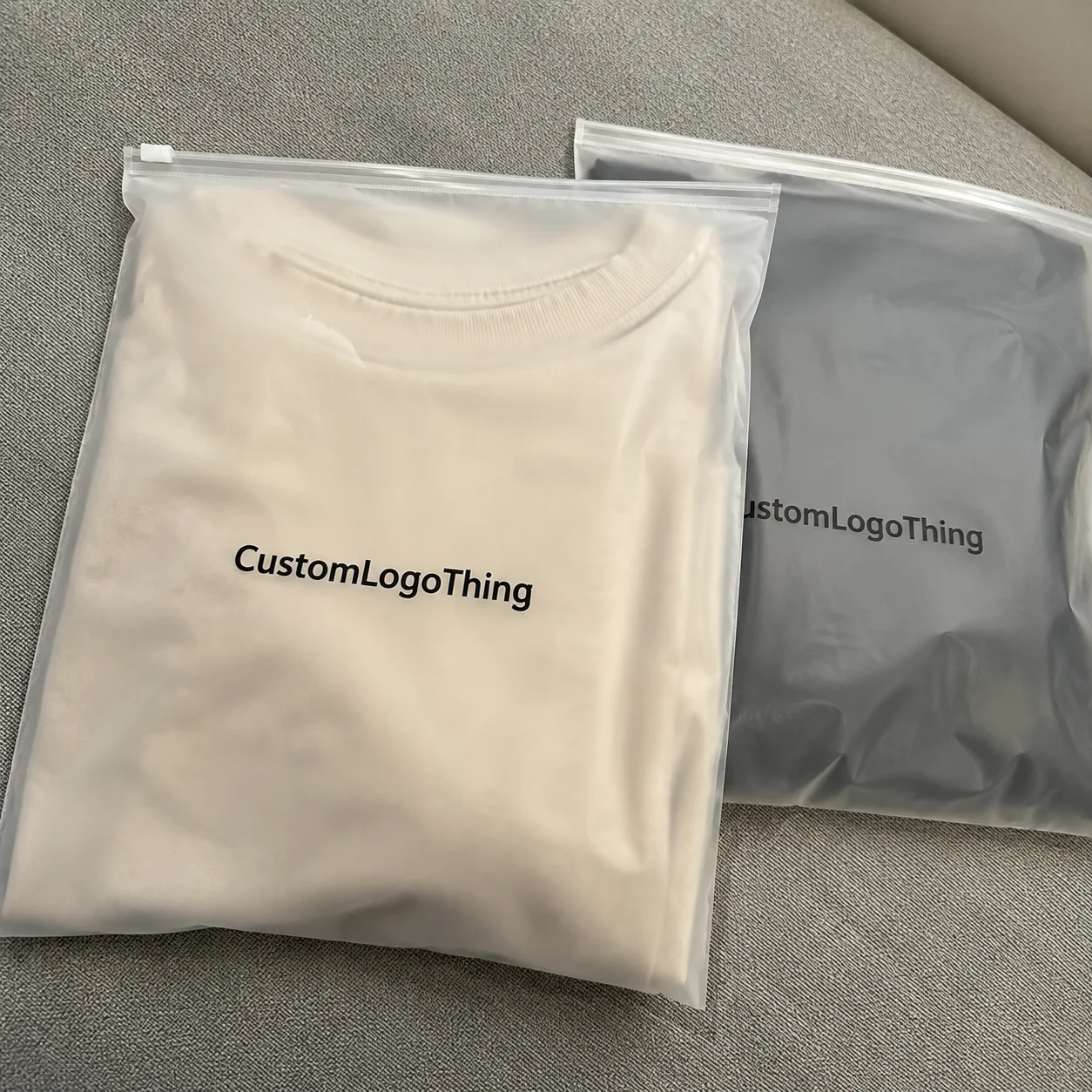
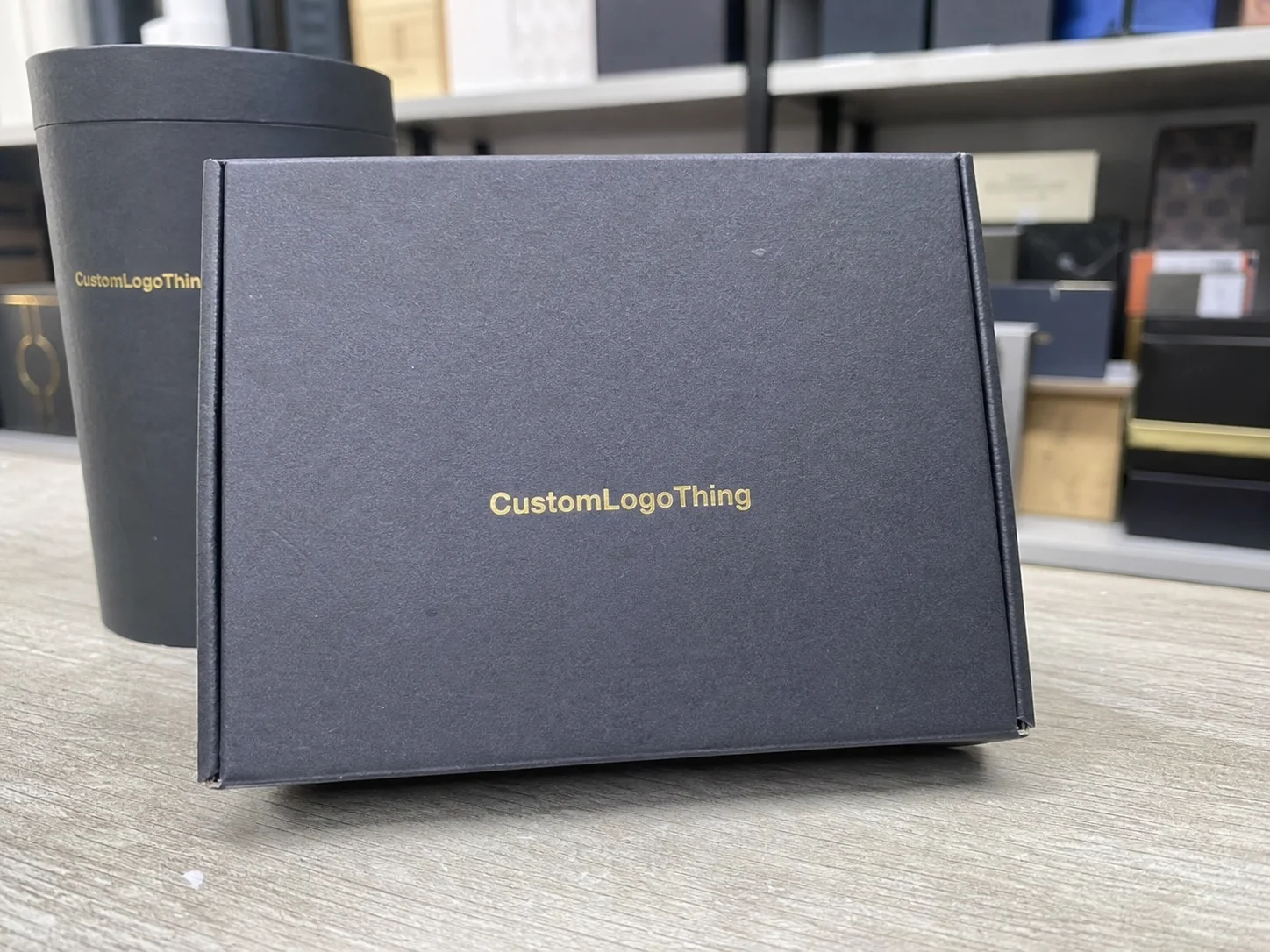
Yes. Most wholesale packaging can be customized with your logo, brand colors, and structural features. Send vector artwork, Pantone references if possible, and clear placement instructions to reduce proofing delays. A sample or proof helps confirm color and layout before the full run starts, and if you need a specific board like 350gsm C1S artboard or a finish like matte lamination with spot UV, include that in the first brief so the factory in Dongguan or Shenzhen can quote accurately.
What files do I need to order product packaging wholesale?
Send a dieline template, vector logo files, final artwork, and any brand color references. Include bleed, safe area, and special print notes so the factory can prepare the correct production file. If you do not have a dieline, ask the supplier to build one from your product dimensions, and provide measurements in millimeters so the carton can be cut accurately to the exact internal size. A clean PDF or AI file usually saves at least one revision round and keeps the schedule closer to the promised 12-15 business days.