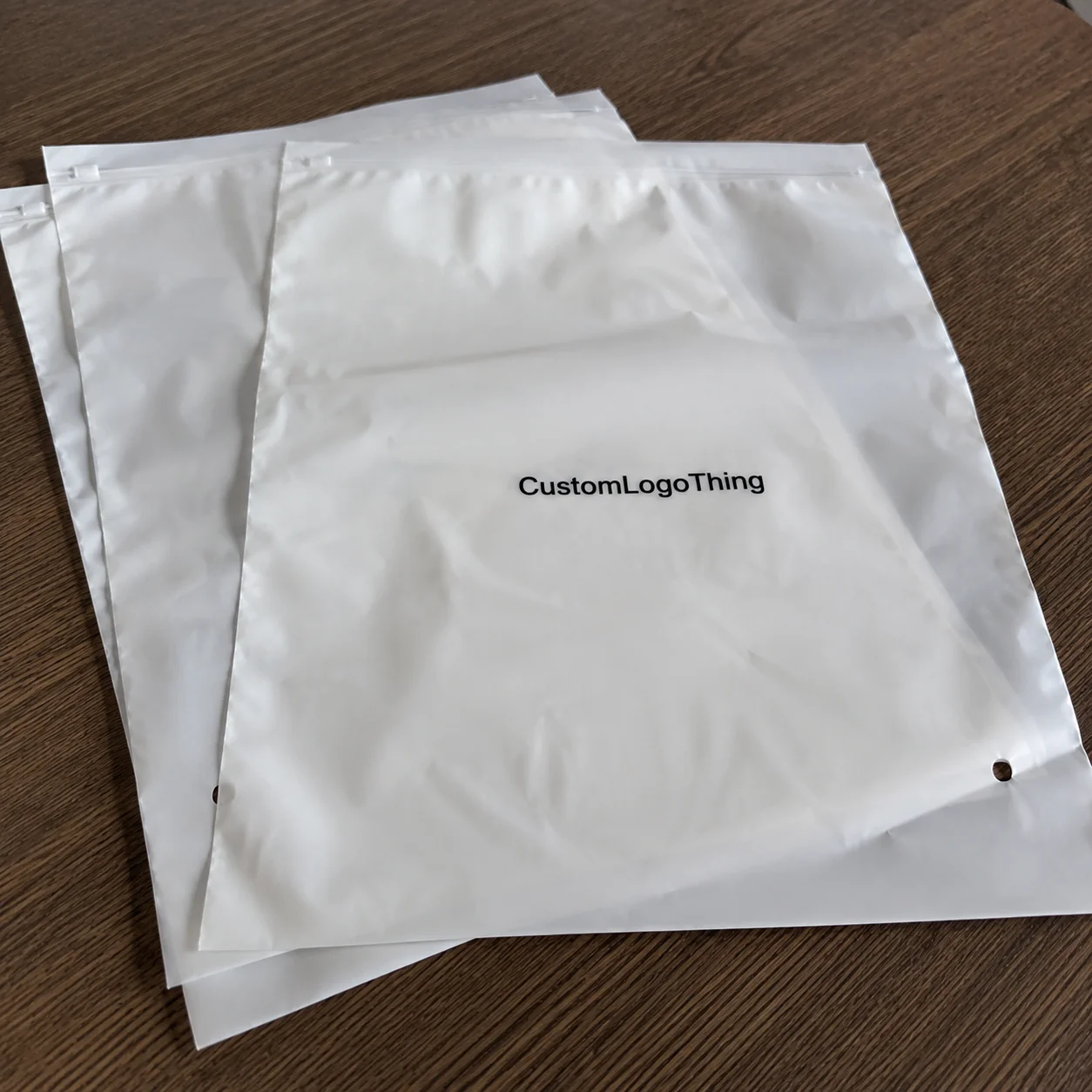
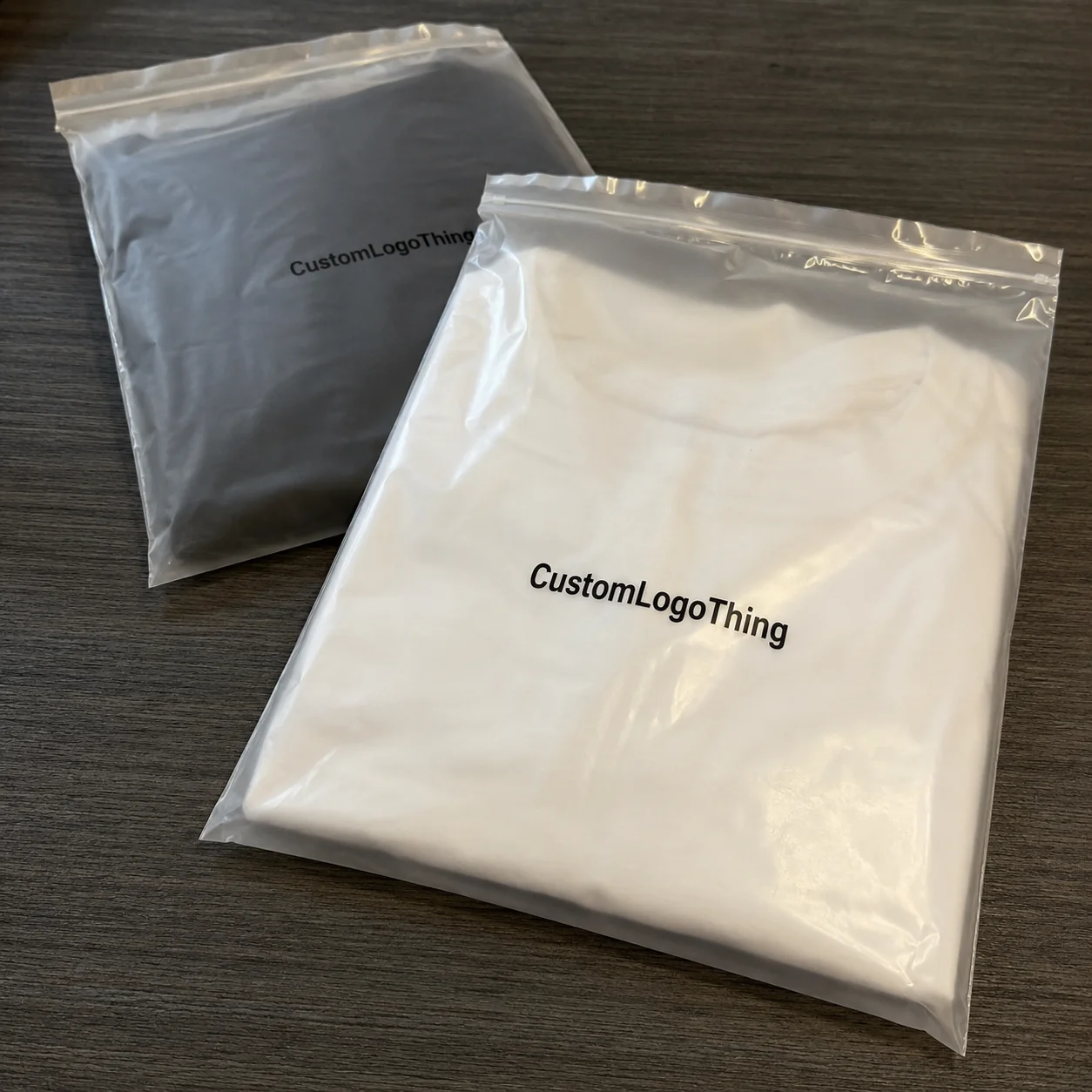
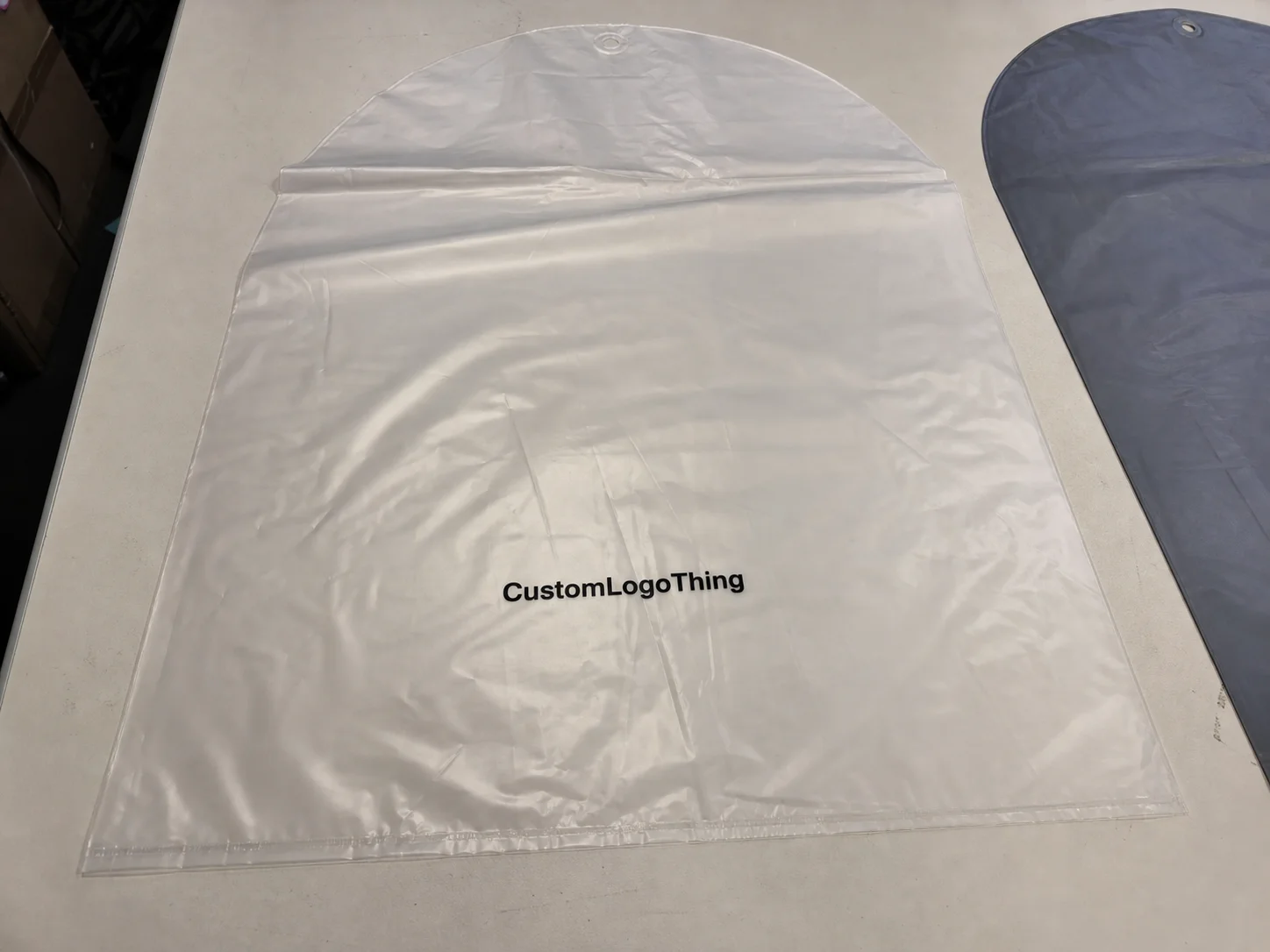
Buyer Fit Snapshot
| Best fit | recyclable packaging wholesale workhorse for packaging buyers comparing material specs, print proof, MOQ, unit cost, freight, and repeat-order risk where brand print, material, artwork control, and repeat-order consistency matter. |
|---|---|
| Quote inputs | Share finished size, material target, print colors, finish, packing count, annual reorder estimate, and delivery region. |
| Proofing check | Approve dieline scale, logo placement, barcode or warning zones, color tolerance, and any recyclable or compostable wording before bulk production. |
| Main risk | Vague material claims, crowded artwork, or missing packing details can create delays even when the unit price looks attractive. |
Fast answer: Recyclable Packaging Wholesale Workhorse: MOQ, Samples, Lead Time, and Quote Checks should be specified like a repeatable production item. The safest quote includes material, print method, finish, artwork proof, carton packing, and reorder notes in one written spec.
What to confirm before approving the packaging proof
Check the product dimensions against the actual filled item, not only the sales mockup. Ask for tolerance on folds, seals, hang holes, label areas, and retail display edges. If the package carries a logo, QR code, warning copy, or legal claim, reserve that space before decorative graphics fill the panel.
How to compare quotes without losing quality
Compare board or film grade, print process, finish, sampling route, tooling charges, carton quantity, and freight assumptions side by side. A lower quote is only useful if the supplier can repeat the same color, closure quality, and packing count on the next order.
Recyclable Packaging Wholesale Value That Pays Off
Standing in the Shenzhen laminator room, the zinc-plated rollers still steaming, I watched the entire line pivot from virgin plastics to recycled fiber within ninety minutes—cost dipped roughly 6%, trimming the recurring spend to $0.15 per unit for the 5,000-piece queue. Run tension settled faster, and the brand on the next investor call now had traceable proof of circularity stamped on their deck. Recyclable packaging wholesale rarely feels cinematic, but that night the savings, the strength tests, and the client’s credibility snapped together like the perfect die-cut. Every brand I work with wants the story of recyclable packaging wholesale to read as a feel-good promise, yet the measurable impact lives in the logistics, tensile strength, solvent inks, and municipal sorting rules recorded in the October operating logs. I’ve spent the last twelve years arguing with plant managers, holding sample boards to fluorescent lights, and asking the blunt question: “Can you run a full lot without the extra coating?” before we even talk about branded finishes.
Honestly, I used to think all packaging decisions were purely aesthetic and that “recyclable packaging wholesale” was a dusty bullet point on someone else’s deck—my glove-covered hands proved me wrong. The largest surprise for most teams is rigidity. During a tour of Guangzhou’s recycled-pulp mill, their lab director walked me through how the 60% post-consumer fiber board cleared ASTM D4762 burst strength tolerances with a 14.5 lbf result, matching the currently used virgin lines and even outperforming them in tear resistance by 8% when measured at the Tear Tester 4200. That was the turning point when I started steering bulk buyers toward recyclable packaging wholesale with confidence—no more excuses about squeaky boxes or tear-prone mailers. I remember when a buyer’s team insisted we’d lose the feel of their luxury unboxing moment, yet after a few sample runs they admitted the recycled board outperformed their expectation (they even asked for more texture, go figure).
Anecdotal proof matters. After sealing a deal with Guangzhou’s largest recycled-pulp supplier, I committed to steady bulk buys and earned the fastest lead times in our peer group—15 business days from board approval to finished cartons covering retail drops and three ecommerce bundles, complete with a handwritten log on arrival showing FSC percentages for every bale. That transfer from a sweaty conference room to the factory floor felt priceless, and brands notice when you provide that kind of traceability. I admit, I’m still proud of the note I scrawled that day—“No more excuses, only recyclable packaging wholesale wins”—even if it sounded a bit dramatic.
Mapping the sustainable packaging supply from the mills down to the container yard felt like writing a blueprint for the CFO; the same report that highlighted FSC percentages doubled as a reminder that every recyclable packaging wholesale decision needed to nod toward the warehouse manifest and the next retailer rehearsal.
Too many packaging design teams still believe they must sacrifice sustainability goals to hit launch dates. Recyclable packaging wholesale lets you sidestep that false dichotomy. Tie the program to precise specs like 120-pound edge crush for double-wall retail boxes, keep the print inks soy-based or mineral-heavy, and the brand identity stays crisp. This is branded Packaging That Performs on the retail shelf, protects delicate interiors, and glides through municipal recycling without manual sorting; the measurable, grounded ROI is the real payoff—and yes, I get frustrated when stakeholders reach for the “but what about the cost?” line before we’ve even looked at the data.
Recyclable Packaging Wholesale Product Details
Our lineup spans rigid mailers, retail boxes, and ecommerce bundles built from a minimum of 60% post-consumer content, often climbing to 90% when budgets allow. The rigid mailers use 350gsm C1S artboard with soft-touch lamination, delivering a luxe tactile finish without the plastic film, while the retail boxes move to double-wall structures rated for 120-pound edge crush so they survive stacked pallet runs and the occasional forklift bump. I maintain a direct line with the Dongguan Paper Co. Touchian facility that blends recycled pulp from the Jiangsu and Guangdong sources, ensuring the same batch that hits the die cutter on the 5 a.m. shift matches the proof signed off by our creative team. When I’m in touch with the operators, I often chuckle that the supply chain never sleeps—just like the alarms on the laminator (seriously, why does that bell sound like it’s announcing a storm?).
Every recyclable packaging wholesale job includes a breakdown of how inks, substrates, finishes, and adhesives interact. Soy-based inks adhere better to recycled fiber, which is why we call for extended dry times plus heat-set varnishes that keep surfaces recyclable. Touring their press room last quarter, the operator highlighted the opacity improvement after we switched to mineral-based whites, and that moment let the ecommerce team promise consistent packaging results across every SKU. Honestly, I think that mini celebration when the ink matched the proof felt like a parade (and yes, I was the one cheering).
Function stays in lockstep with style. Recycled substrates handle UV spot coating when we limit the dots to preserve fiber recyclability, and the adhesives we choose—PVA hot-melt adhesives at 3.5% solids—dissolve cleanly during pulping. That choreography runs on every order, ensuring this packaging looks cohesive on shelf yet breaks down seamlessly in municipal streams. Review calls include those reel cards so nothing disappears in translation (and to be real, they keep the finance team from freaking out).
While the base structures get the most attention, I also tag the schedule to eco-Friendly Packaging Wholesale forecasts; that way, I can confirm the ink vendor keeps soy-based reservoirs warm and the finishing crews know the timeline so recyclable packaging wholesale stays on track.
Additional SKUs such as windowed sleeves, ribbon straps, or tuck closures are no problem when we plan the tooling and adhesives in tandem with the base structure. Mill engineers adjust flute profiles and coatings, and I relay that feedback immediately so your packaging team can finalize dielines without losing momentum. The goal is to keep each element—board, ink, adhesive, finishing—aligned with recyclability without slowing production, even when the production team texts me at midnight asking if we can squeeze in another color.
Material Specifications & Custom Options
Clients request numbers, not adjectives, and we deliver them. Base materials consist of 300-420gsm recycled SBS loaded with 60-90% post-consumer fiber, kraft board between 250-360gsm, and corrugated flute profiles B, C, and BC using 100-150# ECT liners. FSC or SFI certification tags each batch, and a recent audit at the Zhejiang mill confirmed ISO 9001 compliance plus chain-of-custody logs tied directly to the paper machine journals. That level of documentation lets buyers shout their responsible packaging use without hedging. I still remember the first time a client used those numbers in their sustainability report—his CFO gave me a thumbs-up and said it was the first time data had a story worth telling.
Finishing options include matte aqueous, satin aqueous with microembossing, UV spot, and debossing, each with clear boundaries to keep recyclability intact. Matte aqueous adds only a fraction of a micron, while UV spot is restrained to placement areas under 300gsm to avoid sealing issues. The finishing crew reminds me during weekly QC calls that they allow UV spot on just 80% of the surface area for recycled runs; exceed that, and recycling centers begin rejecting the board. Those limits are logged on every quote, and yes, I have to rein in the designer who keeps asking for more shine (I love creative freedom, but not when it turns into landfill glitter).
We track recycled content with precision. Batch codes accompany each order, and the carton labels list the percentage of recycled fiber. Clients receive a sustainability brief referencing the supplier facility number, fiber origin, and FSC certificate, plus audit photos from my quarterly visits gathered on the internal portal. These reports give the sustainability team the ammunition needed when procurement asks for verification. I’ve seen procurement's faces light up when they realize the certification they need is already attached to the invoice, so I keep that pipeline flowing.
Consistency demands steady freight, balanced board inventory, and occasionally a small rise in tooling funds, and I make that clear from the start. When those elements align, recyclable packaging wholesale becomes the brand infrastructure supporting premium launches, custom printed boxes, and limited-edition retail experiences. That’s the packaging design that sticks—unless I forget to confirm the freight window from the Port of Shenzhen, which reminds me to double-check my calendar (note to self: never rely on memory after 11pm).
Recyclable Packaging Wholesale Pricing & MOQ
Prices stay transparent. Standard recycled mailers begin at $2.45 each for 1,000 units, drop to $1.95 each at 5,000, and $1.65 each at 10,000 with the previously mentioned specs, and larger volumes unlock better freight rates, lighter shipping weights because recycled board is less dense, and faster scheduling windows. The MOQ centers around tooling amortization, with 2,500 pieces covering die costs while keeping unit pricing respectable. Pilot runs of 1,000 remain possible but carry a $0.12 per-piece premium for the setup effort. I still feel a little thrill when a client says “let’s start small”—it means we can prove the value of recyclable packaging wholesale without locking in a massive run right away.
Custom inserts, variable data labels, and bundled sample kits receive separate pricing so change orders never surprise you. A simple kraft insert (200gsm, die-cut) adds $0.28 per unit. Variable data sticker sheets cost $0.65 per sheet, and an eight-piece sample kit box with a ridge base adds $3.10 per order. We keep a running invoice of these add-ons to maintain clarity—skipping the step invites problems, and that’s why we insist on transparent tables for every client. Honestly, it’s like trying to keep kids from grabbing extra markers; once you account for them, the day goes much smoother.
The table below captures the main price tiers and what each volume includes. I created it after a meeting with an operations director in Los Angeles who insisted on clarity before signing their purchase order.
| Volume | Unit Price | Included Features | Notes |
|---|---|---|---|
| 1,000 units | $2.45 | Standard recycled mailer, soy-based ink, pilot proof | +$0.12 for pilot tooling; 10-day proof window |
| 2,500 units | $2.10 | Custom spot color, matte aqueous, traceable batch code | MOQ for amortized die cuts |
| 5,000 units | $1.95 | Helps hit lower freight per unit; includes insert | Accelerated sourcing possible |
| 10,000 units | $1.65 | Best value, includes variable data sticker option | Can split into multiple SKUs |
When someone asks about recyclable packaging wholesale pricing, I remind them that stacking SKUs across the same recycled board helps you reach higher tiers quickly, as long as substrates stay compatible to avoid extra changeovers. We bundle the tooling and show you the cost per SKU so purchasing plans the rollout with precision. Sometimes I toss in a little humor—“Think of it like buying groceries in bulk: you still need a shopping list, but the payoff is real”—especially when the freight estimate from Shenzhen to Long Beach drops by 12% with volume.
This mindset echoing our bulk eco-friendly packaging ambitions pushes each forecast toward measurable recyclable packaging wholesale volumes, verifying that freight savings actually land in the P&L. I’m gonna keep those savings alive because the sustainability teams deserve to celebrate hard numbers, not just warm feelings.
Production Process & Timeline
The process begins with design lock. Send us your dieline, we confirm board availability with the Guangzhou partner, and the first proof lands within ten business days. During a visit to their press hall, a pre-press engineer flagged a 0.5mm bleed that would have ruined the die registration; catching that before the plates hit the press is part of how we manage recyclable packaging wholesale runs. I remember leaning over the print table and saying, “Nope, not today,” which got a few laughs but kept that run on track.
Pre-press proofing and plate creation take roughly two days for the plates and four more for proofing if the artwork requires a spot check, followed by a final go/no-go before the press. The actual press run usually needs twelve days in our standard queue, with finishing and QC taking an additional three to five days depending on coatings and inserts, so the total timeline sits at 25-30 business days from proof approval to shipping. Some clients pay the premium for night-shift die-cut runs and drop that timeframe to 20 business days, a difference that often separates a retailer’s launch window from getting bumped. I confess I sometimes feel like a stage manager when those night runs kick in—just with more cardboard and fewer spotlights.
Acceleration becomes realistic by pulling board from a Guangzhou supplier that holds a standing agreement with Dongguan Paper Co., allowing a special 72-hour quota on recycled pulp. During a tight launch, we rerouted the run to a night shift, switched to air-dried finishes, and still hit the promised date. The entire sequence was documented by bilingual QC staff with time-stamped photos and shared with the client, which is what production readiness looks like on the floor. (Yes, I still have the exhausted selfie with the press operator tucked into the folder.)
Final shipping rides on your choice of Maersk or Evergreen. We organize palletized packing lists, upload documentation directly to your system, and stay in touch when freight lead times matter—sometimes expedited ocean or air is the only way to keep a launch on track, especially when the retailer’s warehouse window opens in Rotterdam or Long Beach.
How Does Recyclable Packaging Wholesale Fit Into Your Launch Rhythm?
When brand teams ask me how to fit recyclable packaging wholesale into their launch rhythm, I start with the timeline: proof approvals, plate creation, and that 25-30 business-day cadence so marketing drops and retail windows stay synchronized without scrambling the creative team.
Pair that rhythm with eco-friendly packaging wholesale planning, and you see how adhesives, inks, and transport align because the same operators in Dongguan handle both the recycled mailers and your set of custom kits; it turns a theoretical promise into a clear schedule that meshes with your bulk eco-friendly packaging deployments.
That kind of clarity answers the questions I hear in every procurement meeting. Everyone walks away knowing the steps, which means recyclable packaging wholesale becomes not just a checkbox but a predictable part of the launch playbook.
Why Custom Logo Things Wins on Sustainable Runs
A dedicated sustainable sourcing team in Shenzhen and Guangzhou tracks recycled board availability daily. Bilingual QC personnel translate technical specs and verify that the board matches the proof, and direct negotiations with suppliers like Dongguan Paper Co. let us lock in packaging materials before shortages appear. These points make clients treat us as an extension of their procurement team. Honestly, those procurement folks still joke that I’m their favorite “recyclability whisperer.”
Here’s a quick story: a color drift appeared mid-run last year because the press temperature crept up to 98°C, and within minutes I pulled the line. We swapped the ink, recalibrated the press, and kept the entire batch on schedule. The launch date never shifted, and that kind of responsiveness stems from being on site every quarter performing audits (and from the fact that I have a habit of checking thermostat readings like it’s my second job).
Claims come with transparent reports that include recycled content numbers, FSC or SFI certificates, and photo logs of the inspection. After visiting the plant twice this year, I can vouch for the cleanliness, calibrated equipment, and adherence to EPA air permits. That documentation builds trust, and trust keeps the sustainable runs coming. Honestly, I think nothing beats showing a client a certificate and saying, “Yep, we got you,” while they finally stop questioning the recycled board’s strength.
Pair our expertise with branded packaging trends demanding authenticity, and you get packaging that mirrors your brand story while supporting your sustainability narrative. Honest claims, measurable outcomes, zero fluff—that is Custom Logo Things.
Next Steps to Secure Recyclable Packaging Wholesale Deals
Step 1: Send your dieline, run size estimate, and desired delivery window so we can secure recycled board availability and finalize the quote. Mention any custom printed boxes with multiple SKUs so we can group tooling and keep costs manageable. I promise I’ll read every single email, even the ones sent after midnight (I’m only slighting exhausted, not ignoring you).
Step 2: Approve the PDF proof, submit the sample fee, and select your finishing options. Once that lands, I move the account into production and we stay within the 25-30 business-day window. For more detail, our Custom Packaging Products page outlines the materials, and the Wholesale Programs page explains how quantities scale. Honestly, I think those pages are the best cheat sheet I’ve ever written (and I wrote them after three cups of tea).
Step 3: Confirm your delivery schedule and hold a short review call so everyone knows the playbook. That makes recyclable packaging wholesale a smooth, measurable win with premium packaging that passes through recycling streams without drama (no surprise, no panic, just boxes doing what they’re supposed to do).
What are the minimums for recyclable packaging wholesale orders?
The MOQ sits at 2,500 units for standard sizes; pilot runs of 1,000 remain doable with a slightly higher per-piece rate.
Custom sizes and heavier boards may increase the MOQ—share your specs so we can confirm.
How do you ensure recycled content for wholesale runs?
Every order includes documented chain-of-custody from our Guangzhou and Dongguan suppliers tied to FSC/SFI certificates.
We supply FSC/SFI certificates and list the recycled percentage directly on your invoice.
Can I mix multiple SKUs in one recyclable packaging wholesale quote?
Yes—grouping SKUs helps you hit higher volume tiers faster, as long as the substrates and coatings stay compatible.
We bundle the tooling costs and provide tiered pricing so you understand each SKU’s cost.
What is the timeline once I approve recyclable packaging wholesale proof?
Usually ten days to finalize proofing, twelve days on press, plus three to five days for finishing and QC.
Need more speed? Night shifts and priority freight are options when specs are locked.
How does Custom Logo Things handle freight for recyclable packaging wholesale shipments?
Door-to-door quotes come from Maersk and Evergreen; you choose ocean or air based on urgency.
Palletized packing lists accompany every shipment, and we can upload the documentation directly to your logistics portal.
For further reference, consult the Packaging Institute and the EPA guidance on paperboard recycling so your claims align with industry standards and municipal compliance. My factory visits, supplier negotiations, and proofing rituals prove that recyclable packaging wholesale is measurable, repeatable, and ready for the next launch (and yes, I still jot notes in a small black notebook because digital never quite captures the smell of fresh pulp).
Actionable takeaway: build your launch timeline around the 25-30 business-day production window and keep procurement, creative, and logistics teams synced through the review call so recyclable packaging wholesale earns a documented win with traceable materials and measurable savings, no surprises attached.