Buyer Fit Snapshot
| Best fit | Recycled Poly Mailers for Subscription Snacks projects where brand print, material claims, artwork control, MOQ, and repeat-order consistency need to be specified before quoting. |
|---|---|
| Quote inputs | Share finished size, material target, print colors, finish, packing count, annual reorder estimate, ship-to region, and any compliance wording. |
| Proofing check | Approve dieline scale, logo placement, barcode or warning zones, color tolerance, closure strength, and carton packing before bulk production. |
| Main risk | Vague material claims, crowded artwork, missing packing details, or unclear freight terms can make a low unit price expensive after revisions. |
Fast answer: Recycled Poly Mailers for Subscription Snacks: Material Claims, Seal Quality, and Freight Cost should be specified like a repeatable production item. The safest quote records material, print method, finish, artwork proof, packing count, and reorder notes in one written spec.
Production checks before approval
Compare the actual filled-product size with the drawing, then confirm tolerance on folds, seals, hang holes, label areas, and retail display edges. Reserve space for logos, QR codes, warning copy, and material claims before decorative graphics fill the panel.
Quote comparison points
Review material grade, print process, finish, sampling route, tooling charges, carton quantity, and freight assumptions side by side. A quote is only useful when the supplier can repeat the same color, closure quality, and packing count on the next order.
Recycled Poly Mailers for Subscription Snacks: Why Brands Use Them
I still remember a snack client in Shenzhen telling me their freight bill felt “personally offensive.” Fair enough. We swapped their bulky folding cartons for recycled Poly Mailers for Subscription snacks, and the next outbound run cut about 18% off cubic volume on a 40-foot container. Not dramatic. Just fewer pounds, fewer pallets, and a lot less money burned on air and cardboard. Their unit landed cost dropped from $1.27 to $1.11 on a 10,000-order month, which is the kind of number finance actually cares about.
That’s the main reason brands keep asking me about Recycled Poly Mailers for subscription snacks. These are lightweight mailers made with recycled content, usually a polyethylene film with 30% to 100% recycled resin depending on the supplier, designed to protect shelf-stable snack bundles while taking up less space than rigid cartons. I’ve seen brands use them for 2 oz granola packs, 6-pack trail mix kits, dried fruit bundles, protein snack assortments, and flat subscription sets that don’t need heavy crush protection. One supplier in Dongguan quoted a 12" x 15.5" recycled mailer at $0.14 per unit for 10,000 pieces with one-color print, which is a lot easier to swallow than shipping empty cardboard around China, then across the Pacific.
Snack subscriptions love that format because packing goes faster. One operator at a fulfillment center in Dongguan showed me their line after a switch from cartons to mailers. They cut two manual steps per order: no box assembly, no void fill. That sounds small until you’re shipping 8,000 orders a month and paying labor by the hour. Less storage space matters too. A pallet of flat recycled poly mailers for subscription snacks can replace three to four pallets of folded cartons, depending on the size and gauge. In a warehouse with tight rack space, that’s not a small win. It’s rent relief in Guangzhou, Bangkok, or wherever your third-party warehouse happens to be burning cash by the square meter.
They also keep the unboxing more consistent. Cartons can bow, crush, or leave products rattling around like loose screws in a toolbox. Mailers, if sized properly, hug the load better. That means a cleaner handoff to the customer and fewer complaints about damaged snack packs arriving in a mangled box. Honestly, consistency is underrated. A subscription brand lives or dies by repeat shipping, not by one glossy launch photo and a lucky first batch of 500 units. I’ve had brands in Portland and Los Angeles learn that lesson after their second shipment arrived looking like it went through a wrestling match.
That said, recycled poly mailers for subscription snacks are not magic eco-sauces you splash on everything and call it sustainable. The actual story depends on resin mix, recycled content percentage, whether the mailer goes into a real recycling stream, and how clearly your brand explains disposal. If your customer lives in a market that only accepts certain films through store-dropoff programs, you need to say that. If your supplier in Shenzhen or Ningbo can’t provide a recycled content statement, a test report, or a resin declaration, keep walking. Greenwashing with a pretty green leaf icon is how brands get themselves roasted on social media and in the comments section, which is basically the same thing now.
For the right product mix, though, these mailers make a ton of practical sense. Shelf-stable snacks, smaller bundle sizes, recurring shipments, and a need for speed are exactly where recycled poly mailers for subscription snacks earn their keep. If you’re shipping brittle chips, glass jars, or anything with a high puncture risk, that’s a different conversation. Packaging should fit the product, not the other way around. Wild concept, I know.
“We stopped paying for air.” That’s what one subscription snack founder told me after switching to recycled poly mailers for subscription snacks. She meant freight, storage, and filler material. She was not wrong. Her order rate was 6,500 units a month, and the switch saved about $420 in monthly freight charges alone.
How Recycled Poly Mailers for Subscription Snacks Work
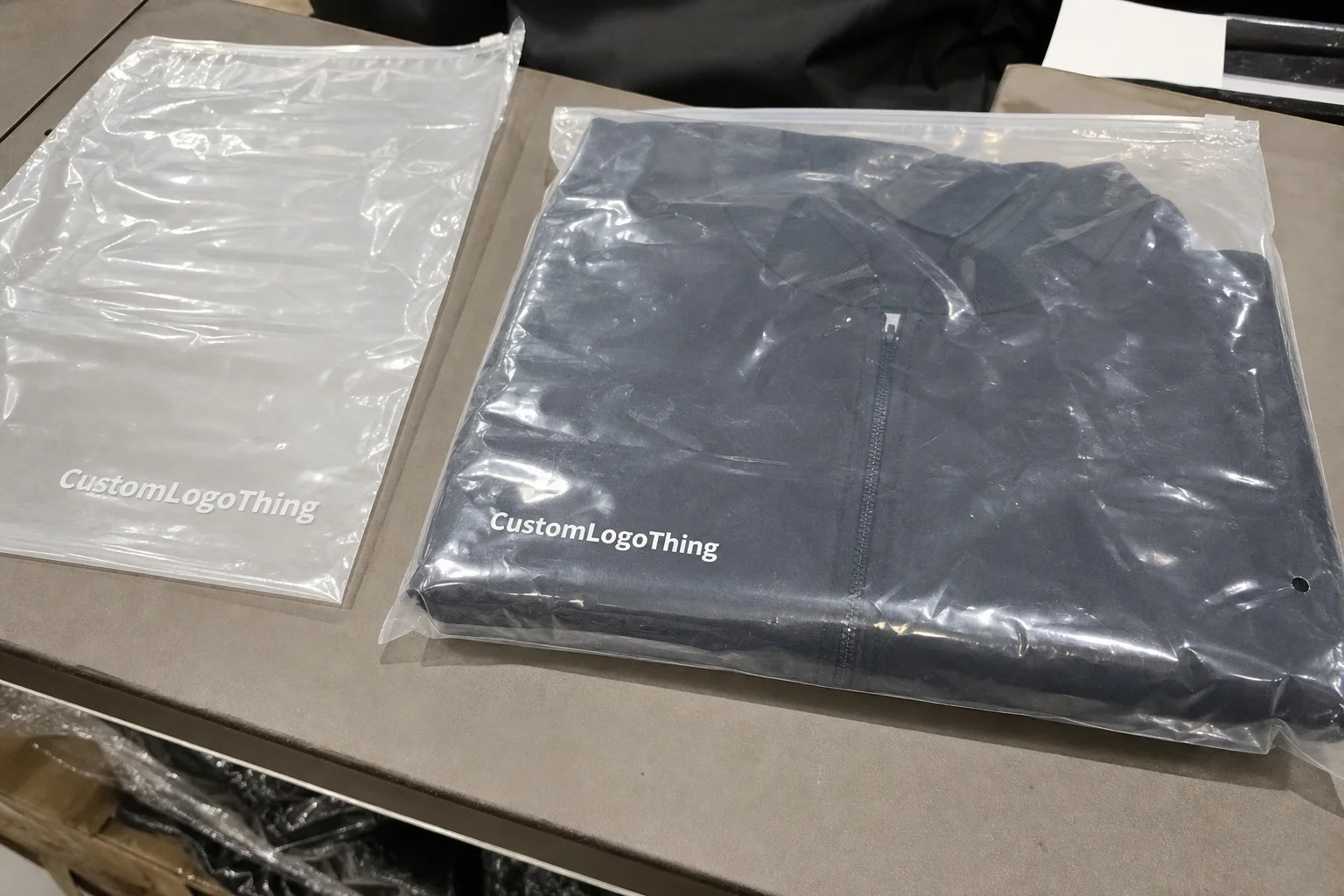
Structurally, recycled poly mailers for subscription snacks are simple. That’s part of the appeal. You’ve got a recycled-content film, usually a single- or multi-layer polyethylene structure, a sealed edge, a closure strip or adhesive flap, and sometimes a tear notch for easy opening. The outer surface is the print face, so your logo, subscription messaging, QR code, and disposal instructions can all live on the same lightweight piece of packaging. A common spec I see is 2.5 mil film with a matte exterior and white interior, which gives you enough stiffness for handling without turning the mailer into a brick.
The shipping flow is straightforward too. Fill the mailer, seal it, apply the label, and send it out. That is fewer handling steps than a carton, which usually needs folding, taping, void fill, and a second check to make sure the box isn’t overstuffed. In a fast-moving fulfillment operation, recycled poly mailers for subscription snacks reduce labor friction. I’ve watched packers on a line in Dongguan go from “Where did we put the tape gun?” to just loading, sealing, and moving. The mood in the room improves when the process stops fighting back. Funny how that works.
Protection is where people get too optimistic. Mailers resist moisture far better than paper cartons, and they handle light abrasion pretty well. That helps with snack products that hate humidity. But a mailer is not a steel drum. If the contents can crush, puncture, or shift hard inside the bag, you may still need an inner pouch, a divider, or a secondary wrap. For fragile snacks like delicate cookies or brittle chips, I’d test hard before pretending the film alone solves everything. I’ve seen a 3 mil recycled mailer survive a drop test from 1 meter and still fail when a snack tray had a sharp corner poking through the seal line.
Print methods matter more than most buyers expect. One-color flexographic print is usually the cheapest route for recycled poly mailers for subscription snacks. Two to four colors can still be economical at scale, but each added color affects setup, registration, and sometimes turnaround. Recycled films can also shift ink behavior. I’ve seen a nice Pantone blue come out slightly duller on a higher-recycled-content film because the substrate absorbed the print differently than the sample sheet suggested. Pretty common, actually. Packaging samples lie politely. Transit samples tell the truth.
Size and load shape also influence performance. A rectangular snack bundle behaves better than a weird triangular stack of assorted items. If the product is bulky or oddly shaped, the seal area needs enough room so the flap isn’t strained. For recycled poly mailers for subscription snacks, the right dimensions often matter more than adding extra thickness. An overstuffed 2.5 mil mailer can fail faster than a well-fitted 2.25 mil one. I’ve seen a 10" x 13" bag hold 14 ounces cleanly, while the same bag failed with a chunky 18-ounce mixed bundle because the corners were fighting the seam.
For brands shipping multiple snack SKUs, I usually advise mapping the bundle before quoting anything. Measure the finished pack length, width, thickness, and weight after final assembly. Then add a small allowance for product movement and seal clearance. That’s how you avoid paying for the wrong size three times. First in sampling, second in production, and third when the warehouse manager calls you at 7:40 a.m. with a complaint. I’ve taken that call in Shenzhen, and yes, it ruins coffee.
For technical validation, I like to reference recognized test standards where relevant, especially if you are shipping nationally or into harsher transit lanes. Packaging performance often gets tested against ISTA transport methods, and material claims can be checked using common ASTM protocols depending on the property being measured. If you want a sanity check on shipping and packaging resources, the ISTA testing standards site is useful. So is the Packaging School and industry resources hub for broader packaging education.
Key Factors That Affect Recycled Poly Mailers for Subscription Snacks
The first variable is material composition. Not all recycled-content mailers are built the same. Some use post-consumer recycled content, others use post-industrial recycled content, and a few blend both. Suppliers like EcoEnclose and noissue may describe that mix differently, and the paperwork should spell out the percentage clearly. If a vendor says “eco-friendly” and gets fuzzy on the actual resin content, I get suspicious fast. That word has been abused enough to qualify as marketing glitter. A real spec sheet should show recycled content percentage, film thickness in mils or microns, and whether the material is virgin/recycled blend or all recycled content.
Pricing is where the quotes start to wander. For recycled poly mailers for subscription snacks, stock sizes can run roughly $0.08 to $0.16 per unit at higher volume, while custom printed options often sit closer to $0.12 to $0.28 per unit depending on size, thickness, and color count. I’ve seen a 12" x 15.5" mailer come in at $0.14/unit for 10,000 pieces with one-color print, then jump to $0.21/unit after adding a second print color and a custom flap. Add a gusset, and the quote can climb again. Custom sizes usually cost more because tooling and setup are not free, despite what people hope when they email “Can you make this cheap?”
There’s a real tradeoff between stock and custom runs. Stock mailers keep MOQs lower and lead times shorter, which helps if your subscription box is still testing market fit. Custom mailers give you better fit, better branding, and less wasted air, but they usually demand larger orders and more planning. If your packout changes every quarter, stock might be the smarter place to start. If your snack line is stable and your brand presentation matters a lot, custom may pay off in reduced damage and a stronger shelf-to-doorstep story. A supplier in Xiamen once quoted a stock recycled mailer at $0.09/unit for 5,000 pieces with a 7-business-day ship window, while the custom version was $0.17/unit with a 15-business-day timeline after proof approval.
| Option | Typical MOQ | Estimated Unit Price | Lead Time | Best For |
|---|---|---|---|---|
| Stock recycled poly mailers | 500-1,000 pieces | $0.08-$0.16 | 5-10 business days | Testing, smaller brands, fast restocks |
| Custom printed recycled mailers | 5,000-10,000 pieces | $0.12-$0.28 | 12-18 business days | Brand consistency, subscription scale |
| Fully custom size and print | 10,000+ pieces | $0.18-$0.35 | 15-25 business days | Exact fit, premium presentation, lower waste |
Sustainability claims need discipline. A mailer being made with recycled content does not automatically mean curbside recyclable in every market. Some can go through store-dropoff programs if clean and dry. Others cannot. If your packaging copy says “recyclable,” you need proof and region-specific clarity. The EPA’s broader materials guidance is helpful if you want to understand waste streams and disposal logic, especially before making vague claims on a product page. See the EPA recycling resources for a reality check, because reality is annoyingly useful.
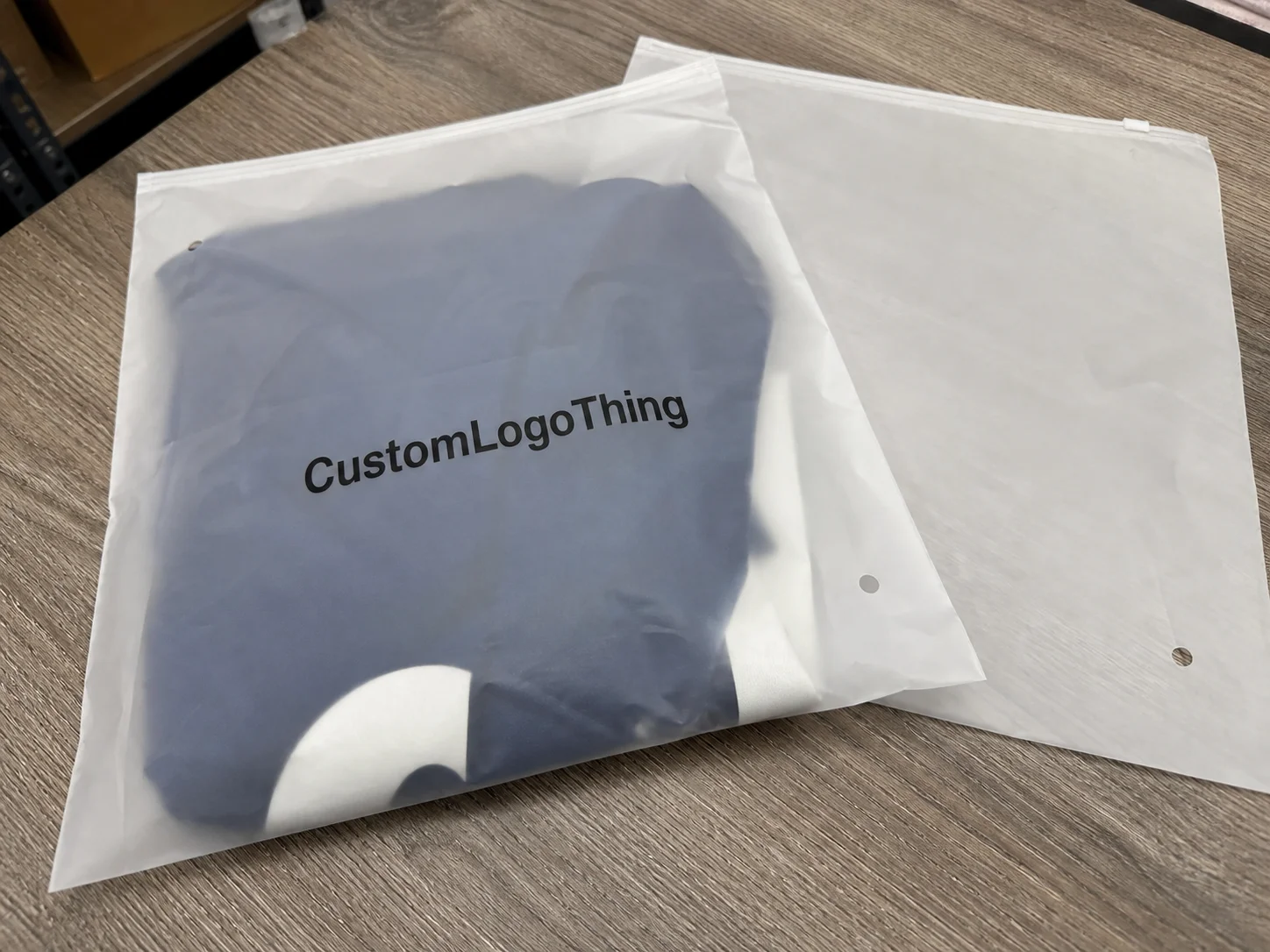
Brand fit matters more than teams expect. Luxury snack brands often want a matte finish, crisp black print, and a less utilitarian look. Health-focused brands usually care more about honest sustainability messaging and clean typography. Budget subscription boxes? They want the lowest landed cost that doesn’t look embarrassing. All three can use recycled poly mailers for subscription snacks, but the print design, thickness, and closure style should match the message. A $0.22 mailer can feel premium. A $0.22 mailer can also feel sloppy if the logo is crooked and the copy is noisy. Money alone does not fix taste.
Operations usually decide the winner. A well-sized mailer lowers storage footprint, speeds packing, and cuts damage from overfilled boxes. But if your fulfillment team has to babysit odd-shaped snack bundles or manually insert inner protection every time, labor costs eat the savings. I’ve seen brands save $0.06 on the carton and lose $0.11 in packing time. That math is cute for about five minutes. Then the warehouse supervisor starts waving overtime forms around in New Jersey or Singapore, and the whole budget fantasy collapses.
How are Recycled Poly Mailers for Subscription Snacks Checked Before Shipping?
That question gets asked a lot, and for good reason. If the mailer looks great but fails in transit, the whole program turns into an expensive lesson. I always start with dimensions, then move to seal strength, print quality, and load testing. For recycled poly mailers for subscription snacks, the best checks are boring ones: real snack loads, real fulfillment speed, and a real carrier route. Bench tests are nice. Trucks are honest.
Step one is the audit. List every snack SKU, its final packed dimensions, unit weight, fragility level, and any moisture sensitivity. I make clients do this before we talk color chips or foil accents. Amazing how often people realize their “standard” snack bundle changes by 18 millimeters between flavors. recycled poly mailers for subscription snacks only work well when the actual fill size is known, not guessed with optimism. A tray that measures 8.2" x 6.5" x 1.4" after sealing is a very different animal from one that started at 7.8" x 6" in the spreadsheet.
Step two is samples. Ask for a plain stock sample and, if possible, a printed sample. Then test seal strength, closure tack, and abrasion during transit. I once watched a mailer survive a clean bench test but fail after two days in the back of a delivery van because the adhesive strip got soft in heat. That’s why I always tell clients to test the sample in a real route, not just on a conference table under perfect lighting. Packaging has a nasty habit of behaving better in meetings than in trucks. If your route runs from Shenzhen to Hong Kong in August, you need a heat test, not a compliment.
Step three is comparing quotes. Manufacturers such as Fencor Packaging, PAC Worldwide, or regional converters may all give you very different numbers based on the same spec. One might have a lower unit cost but higher freight. Another may have a better printed finish but a larger tooling charge. Ask for MOQ, lead time, thickness, print setup, and whether the price includes recycled-content documentation. For recycled poly mailers for subscription snacks, the cheapest quote on paper is often not the cheapest landed cost. A quote at $0.13/unit out of Shenzhen can become $0.19/unit once you add cartons, ocean freight, customs fees, and inland trucking to a warehouse in Dallas.
Step four is artwork approval. Verify barcode placement, seam clearance, copy around recyclability claims, and the print safe area. I’ve seen barcodes land too close to a fold line, which made scanners miserable and warehouse staff even more miserable. If the brand is making claims about recycled content, get the legal language reviewed before production, not after 20,000 units are on a boat. That sequence is expensive in a very predictable way. A basic artwork proof should also confirm ink coverage, bleed, and whether the recycled film needs a lighter print underbase to keep the logo readable.
Step five is timeline planning. Sampling can take a few days if stock material is on hand, or a few weeks if you’re waiting on a new print plate or custom material. Production might run 12-15 business days after proof approval for a standard printed order, with freight adding another week or two depending on origin and destination. I usually tell clients to include at least one buffer for reproofs and one for unexpected delays. That isn’t pessimism. It’s experience, which cost me enough the first time around to make the lesson permanent. In one case, a customer in Toronto approved a proof on Monday, production started Thursday, and freight hit customs for an extra six days. Nobody enjoyed that surprise.
Here’s the practical version I use with clients:
- Finalize SKUs, weights, and dimensions.
- Request 2-3 sample options from at least two suppliers.
- Test with actual snack loads and real shipping lanes.
- Lock the approved spec sheet.
- Place the order with reorder timing already mapped out.
If you also need broader packaging components, I’d rather you choose everything from one clean spec library than juggle six mismatched orders. Our Custom Packaging Products page and Custom Poly Mailers category are good starting points if you’re building the rest of the system around the mailer. A proper spec library keeps the snack insert card, label size, and outer mailer from arguing with each other like siblings in a minivan.
Common Mistakes With Recycled Poly Mailers for Subscription Snacks
The first mistake is choosing the wrong thickness. Too thin, and you get tears or seam splits. Too thick, and you pay for more material than the shipment needs. For recycled poly mailers for subscription snacks, thickness often lands somewhere around 2.25 mil to 3 mil depending on the load, but that’s not a universal rule. A light bundle of dry snack packs behaves differently than a dense mixed assortment with a rigid insert. The product decides the spec, not the spreadsheet dream. I’ve seen a 2.0 mil mailer work for a 5-ounce bundle and fail miserably on an 11-ounce one with sharp corners.
The second mistake is treating the mailer as a cure-all for moisture issues. If your snacks are humidity-sensitive, you still need to think about inner protection, product wrap, or barrier layers. A mailer helps with external moisture better than a paper carton, but it won’t rescue a badly designed product pack. I’ve seen brands blame the outer mailer for stale chips when the inner seal on the snack pouch was the real villain. Packaging gets blamed for a lot of crimes it didn’t commit. The outer bag is not a miracle worker. It’s a bag.
The third mistake is overloading the bag. Once you force too much product into the mailer, the closure strip gets stressed, the seam stretches, and returns start costing more than the packaging savings. A damaged shipment can easily wipe out the $0.05 you saved on unit price. That math is brutal, but it’s real. The route back from a customer complaint is always more expensive than a slightly better spec on the front end. I’ve watched a warehouse in Riverside spend $1.80 reworking a single damaged order because somebody packed it like they were stuffing a carry-on for a week in Miami.
The fourth mistake is making sustainability claims without backup. If the mailer has 30% recycled content, say that. If it is recyclable through certain drop-off channels, say where and under what conditions. If the supplier can provide certification or documentation, keep it on file. Brands that oversell environmental benefits risk customer backlash and legal headaches. I’d rather a brand say less and prove more than slap “planet-friendly” on everything and hope nobody asks follow-up questions. A one-line claim without a test report is just a future apology draft.
The fifth mistake is skipping fulfillment tests. A mockup on a desk is not a shipping test. I once visited a warehouse in Dongguan where the sample looked perfect under bright lights, then got shredded by conveyor contact and rough handling over three test lanes. The client was annoyed. I was not surprised. recycled poly mailers for subscription snacks need real-world stress testing, including drop tests, abrasion checks, and at least one route through your normal carrier network. If your carrier route includes a sorting hub in Phoenix in July, test the heat too.
Expert Tips for Better Results and Lower Cost
Use standard sizes when you can. Custom dimensions sound nice, but standard formats usually reduce tooling fees and shorten lead times. If your snack bundles fit a common size with only a small amount of wasted space, that is often smarter than inventing a perfectly custom bag that costs more to reorder. I know, I know. It hurts the ego a little. The warehouse doesn’t care about ego, only whether the order packs cleanly. A stock 12" x 15.5" or 14" x 19" format can be a very boring, very profitable decision.
Ask for recycled-content documentation before you approve production. Not after. Before. I’ve seen suppliers get polite and vague when details get uncomfortable, and that is your clue to slow down. Get the percentage, the resin mix, the print method, the finish, and the disposal guidance in writing. If the supplier can’t clearly explain what makes their recycled poly mailers for subscription snacks actually recycled-content packaging, keep shopping. A factory in Ningbo once sent me a spec sheet with “green material” listed as the material. That is not a spec sheet. That is a shrug in PDF form.
Keep the design clean. Fewer colors, stronger typography, and smart logo placement can reduce cost without making the pack look cheap. I’ve negotiated print quotes where dropping from four colors to two saved $0.04/unit on a 20,000-piece order. That adds up fast. A tidy layout also improves readability when the mailer is handled in a hurry at a fulfillment table with fluorescent lighting and half a dozen labels flying around. Fancy is fine. Illegible is not. If your logo needs a telescope and a prayer, it’s already too busy.
Negotiate around annual volume, not just the first PO. Snack subscriptions rarely ship at one flat rate. They spike during promotions, holiday gifting, and product launches. If you only negotiate the opening quantity, you miss the bigger picture. I prefer contracts that lock in a pricing ladder, or at least a review point after volume hits a threshold. Suppliers like stable forecasting. Shocking, I know. A 5,000-piece test order is fine, but a supplier can usually sharpen pricing once you show 30,000 units across a quarter.
Plan inventory with real burn rates. If you ship 6,000 orders a month and each order uses one mailer, you should not be scrambling with a 1,000-piece re-order trigger. That’s how emergency freight happens. Emergency freight is where savings go to die. Build in enough buffer that your recycled poly mailers for subscription snacks stay in stock even if an influencer posts your box and demand jumps 40% for a week. I’ve seen a brand in Austin burn through a two-month supply in 11 days because one snack photo landed on Instagram and chaos followed.
One more thing: ask for sample revisions before full production if anything feels off. On one factory visit in Shenzhen, I asked the press operator to shift a logo 4 millimeters because the seam line was crowding it. He rolled his eyes, fixed it, and later admitted the first version would have looked cramped on the finished bag. That tiny adjustment saved a reprint. Small corrections are cheap. Full reorders are not. Four millimeters now beats 20,000 unhappy units later.
Next Steps for Recycled Poly Mailers for Subscription Snacks
Start with a clean inventory sheet. List every snack bundle, its final dimensions, its packed weight, whether it is crush-prone, and whether it needs moisture protection. I like to include a “fragility” note from 1 to 5 because it helps the team pick the right mailer faster. If you already know which items belong in recycled poly mailers for subscription snacks, half the battle is won before pricing even starts. A 7-ounce trail mix pouch is a very different packing problem from a 16-ounce mixed assortment with a cardboard insert.
Then request 2-3 sample options from at least two suppliers. Test them with your actual fulfillment team for a week. Let the same people who tape, label, and stack the orders tell you whether the seal feels strong and whether the bundle moves too much inside. Packagers, frankly, know things engineers and marketers miss. The people on the line see the mess before the spreadsheet does. I’ve had a line lead in Dongguan spot a weak seal in 30 seconds while a sales deck spent 14 slides pretending everything was fine.
Compare landed cost, not just unit price. Add freight, setup, storage, sample fees, and any custom tooling into the calculation. A mailer that costs $0.02 less per unit but adds $180 in freight and another week of wait time may not be the better deal. The full picture matters. Cheap packaging that breaks your flow is just expensive packaging with a nicer quote. If the landed cost lands at $0.19 instead of $0.17 but the damage rate drops from 2.4% to 0.7%, that extra penny and change might be the smartest money you spend all quarter.
Once you choose the winner, finalize one spec sheet and make everybody use it. Include size, film thickness, print colors, closure type, and approved sustainability claims. If you have multiple vendors, send them the same sheet so they quote the same thing. That one document prevents a lot of dumb arguments later. Trust me, I’ve had those arguments. Nobody wins. Only the email thread grows. A single spec sheet also makes reorders easier when your procurement person is on vacation in Bali and no one can find the old proof.
Finally, set a reorder point based on monthly burn rate. If your lead time is 15 business days and your monthly usage is 8,000 units, you need enough safety stock to survive delays and sales spikes. I usually like a buffer of at least 20-30% for brands with promo activity. That way your recycled poly mailers for subscription snacks do not become a panic purchase at the worst possible time. Because yes, the worst possible time is always when the warehouse is nearly empty. And somehow that empty shelf always gets discovered on a Friday afternoon.
If you’re building a wider packaging system, keep the whole stack aligned: mailer size, label size, insert card size, and outer branding should all speak the same language. That’s the difference between a package that feels intentional and one that feels assembled by four departments that never met. Custom packaging is not just about buying a bag. It’s about making the operation behave. A clean system is cheaper to run in Shanghai, Seattle, or anywhere else people like to pretend logistics are “simple.”
The clearest takeaway is this: choose recycled poly mailers for subscription snacks only after you’ve matched the film, size, and print spec to the actual snack bundle, then test them on a real shipping route before you commit to volume. Do that, and you’ll avoid the usual pile of wasted freight, damaged orders, and regret disguised as “we’ll fix it in the next run.”
FAQs
Are recycled poly mailers for subscription snacks actually recyclable?
It depends on the film blend and the recycling options in your target markets. Many are recyclable through store-dropoff programs if they are clean and dry, but not always curbside. Always check the supplier’s disposal guidance and avoid broad claims without proof. If your target market is California, Texas, or the UK, the answer can differ by region and store chain.
How much do recycled poly mailers for subscription snacks cost?
Pricing usually depends on size, recycled content, print colors, thickness, and order volume. Stock options can be as low as $0.08 to $0.16 per unit at volume, while Custom Printed Mailers can run $0.12 to $0.28 per unit. Ask for landed cost so freight, setup, and storage are included. A supplier quote of $0.15 per unit for 5,000 pieces can be perfectly normal if the design is simple and the film is standard.
What snacks work best in recycled poly mailers?
Shelf-stable snacks, lightweight bundles, and non-fragile products usually fit best. Items that need moisture protection benefit from the mailer’s barrier properties. Very fragile or crush-prone snacks may need inner protection or a different format. Granola pouches, trail mix kits, and dried fruit assortments are common fits in cities like Los Angeles, Austin, and Toronto where subscription shipping volumes are high.
How long does it take to produce recycled poly mailers for subscription snacks?
Sampling can take a few days to a few weeks depending on supplier stock and artwork changes. Production lead time for a standard printed order is typically 12-15 business days from proof approval, with freight adding another week or two depending on origin and destination. Add buffer time for proofing, freight, and a possible reprint if the artwork needs fixing. If you’re shipping from Shenzhen to Chicago, build in customs time too.
What should I check before ordering recycled poly mailers for subscription snacks?
Confirm dimensions, thickness, seal strength, and print quality. Test with real snack loads to check punctures, fit, and closure performance. Verify sustainability claims, MOQ, and whether the supplier can hold reorder pricing. Ask for the film spec in writing, including recycled content percentage and whether the mailer is 2.25 mil, 2.5 mil, or 3 mil, so nobody is guessing later.