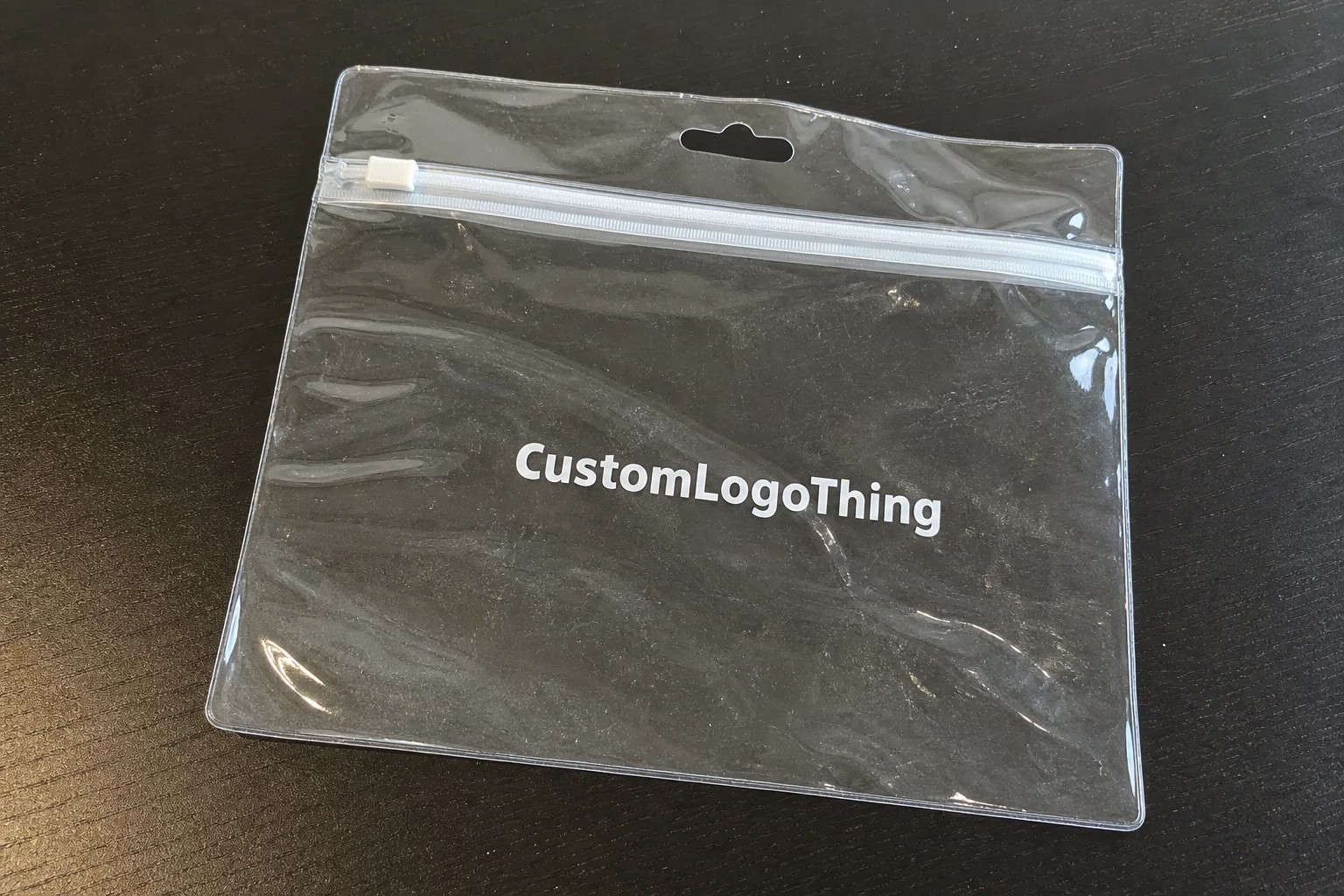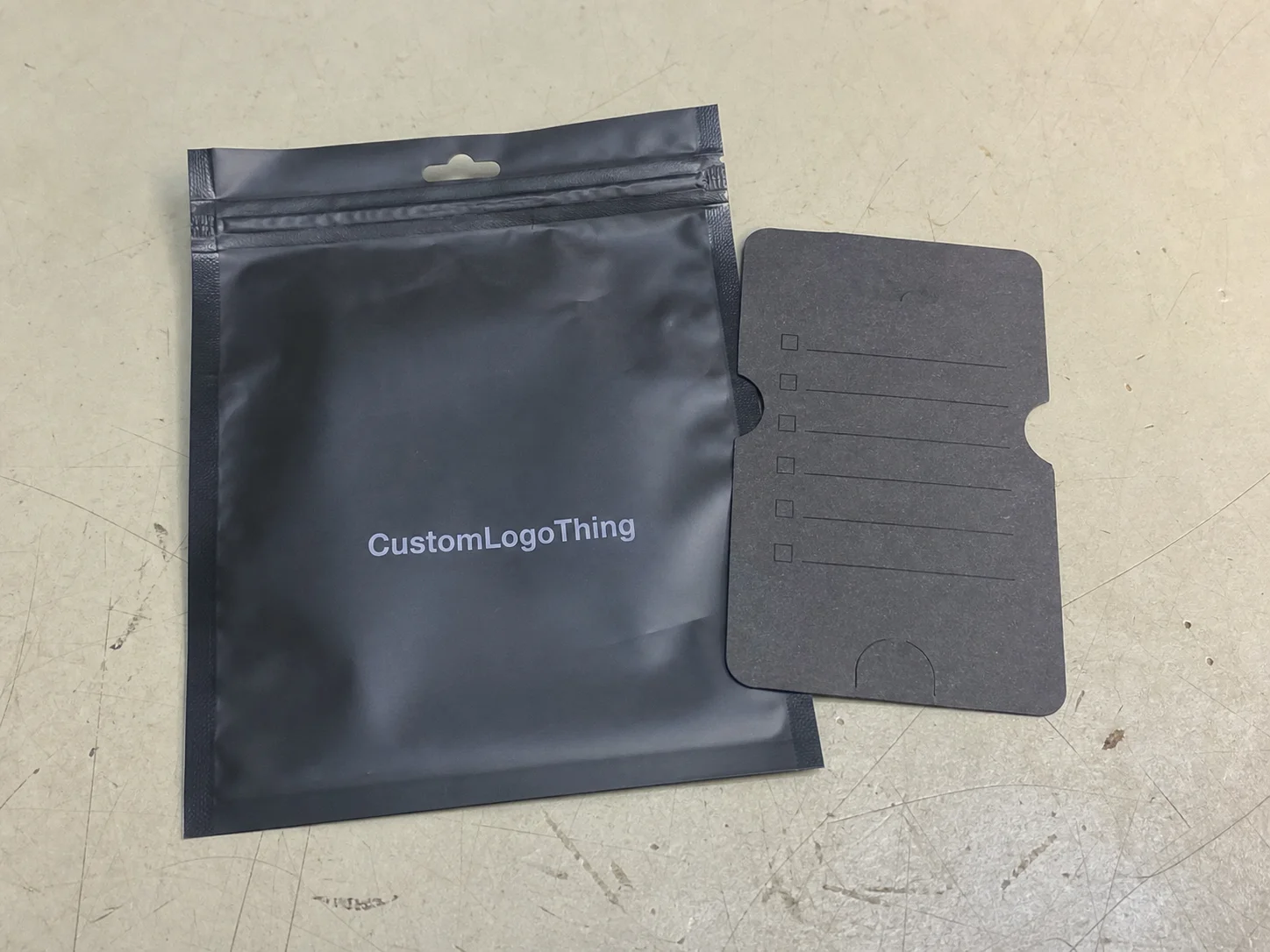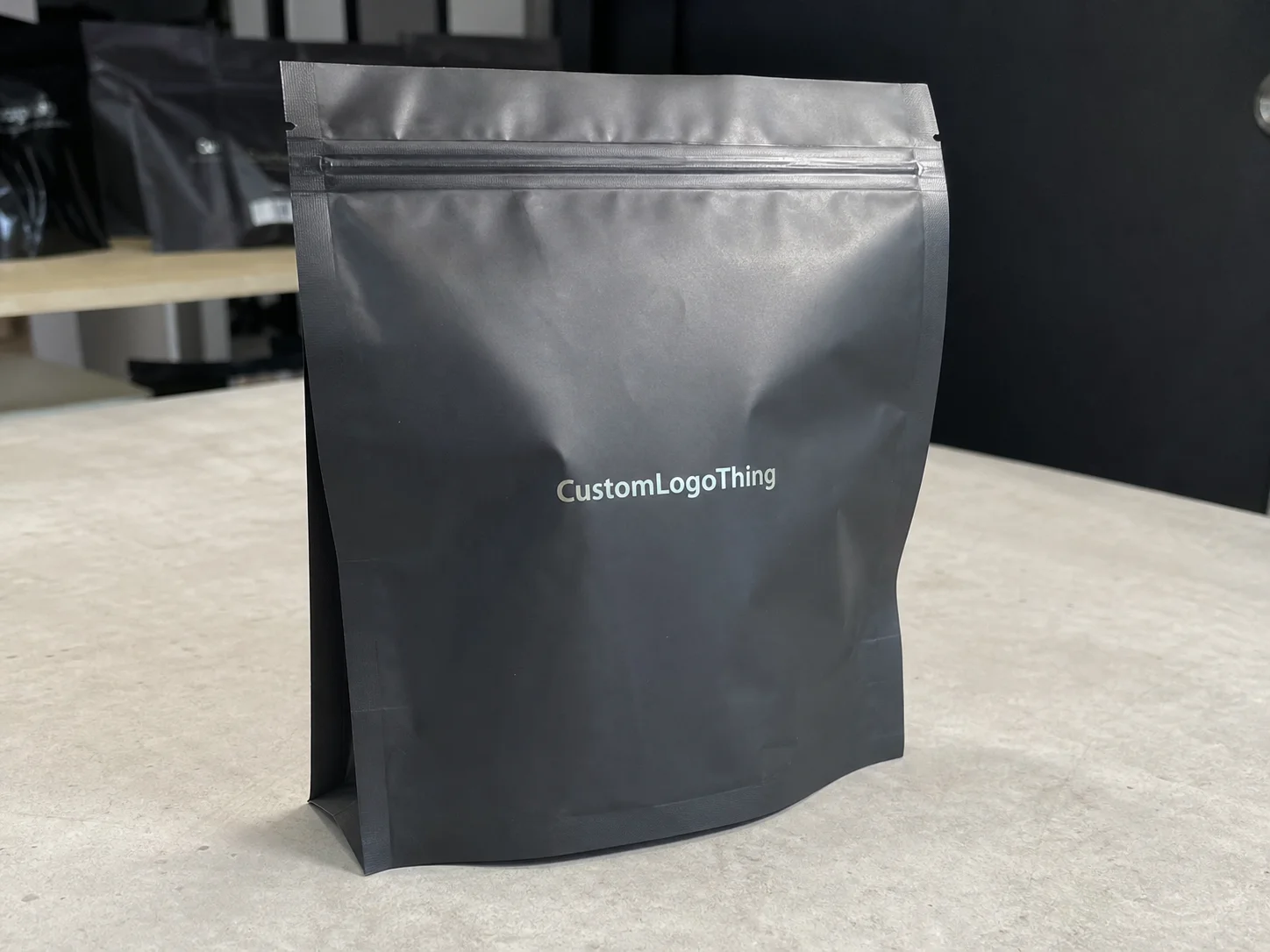
Buyer Fit Snapshot
| Best fit | Retail Packaging Affordable Options for Growing Brands projects where brand print, material claims, artwork control, MOQ, and repeat-order consistency need to be specified before quoting. |
|---|---|
| Quote inputs | Share finished size, material target, print colors, finish, packing count, annual reorder estimate, ship-to region, and any compliance wording. |
| Proofing check | Approve dieline scale, logo placement, barcode or warning zones, color tolerance, closure strength, and carton packing before bulk production. |
| Main risk | Vague material claims, crowded artwork, missing packing details, or unclear freight terms can make a low unit price expensive after revisions. |
Fast answer: Retail Packaging Affordable Options for Growing Brands should be specified like a repeatable production item. The safest quote records material, print method, finish, artwork proof, packing count, and reorder notes in one written spec.
Production checks before approval
Compare the actual filled-product size with the drawing, then confirm tolerance on folds, seals, hang holes, label areas, and retail display edges. Reserve space for logos, QR codes, warning copy, and material claims before decorative graphics fill the panel.
Quote comparison points
Review material grade, print process, finish, sampling route, tooling charges, carton quantity, and freight assumptions side by side. A quote is only useful when the supplier can repeat the same color, closure quality, and packing count on the next order.
I still remember a Tuesday shift review at a carton plant in Dongguan: two beauty-box jobs, same 4-color print, same matte look, same shelf style, yet one landed at $0.19 per unit and the other at $0.27 per unit at 30,000 pieces. The difference was not “cheap print” versus “premium print.” It was dieline yield and board choice. That’s the core truth behind retail packaging affordable decisions—engineering choices, not corner-cutting, determine whether your box protects product, looks premium, and keeps margin intact.
I’ve watched brands spend weeks negotiating pennies on ex-factory quotes while missing the bigger number that matters: total landed cost per sellable unit. If a $0.03 cheaper carton drives a 1.8% higher damage rate in transit, that “saving” evaporates by week three. In practical buying terms, retail packaging affordable means balancing shelf impact, compliance, throughput on packing lines, and freight cube efficiency so every shipped unit can actually be sold.
You’ll get exact, transactional guidance here: format options, material specs, realistic MOQ bands, timeline windows like 12–15 business days after proof approval for standard offset cartons, and a straightforward RFQ structure that gets suppliers to quote accurately the first time. If your team is deciding between folding cartons, hybrid mailer-retail packs, or custom printed boxes with inserts, you’ll walk out with a procurement playbook you can use immediately.
Retail Packaging Affordable Starts with Smart Cost Drivers
Most teams treat packaging cost as a print conversation. On the floor, cost starts upstream with structure. I’ve seen two dielines for the same 50 ml serum bottle—one with 14% board waste, one with 8.5% board waste. At 100,000 units on 350gsm C1S, that yield gap translated into nearly $3,400 in material impact before finishing was even priced. Retail packaging affordable planning starts at the CAD table, not at the press.
During a supplier meeting in Shenzhen, we reduced a supplement carton by 2 mm on one panel, standardized the tuck geometry across three SKUs, and converted from a fully unique insert set to one shared insert footprint with two slit variations. Unit price dropped from $0.24 to $0.21 at 50,000 pieces. Same brand look. Same perceived quality. Better economics because the sheet layout improved and hand-assembly time dropped by roughly 0.7 seconds per box.
Small structural moves can create large savings at scale:
- Reduce panel waste by optimizing dieline nesting on 889 x 1194 mm sheets.
- Standardize insert architecture across SKUs to lower tooling and setup churn.
- Match board caliper to product weight instead of defaulting to thicker stock.
- Design for packing-line speed (clean glue tabs, simple lock bottoms) to reduce labor minutes.
I’m direct with clients about this: retail packaging affordable does not mean thin, flimsy, or generic-looking packaging design. It means using the right substrate, right process, and right structure so every dollar contributes to performance. A 400gsm board can be excessive for a 60-gram cosmetic item. A well-chosen 330–350gsm SBS with proper score depth can deliver equivalent shelf feel at better cost and better machine runnability.
Buyers with strong margins usually run decisions through four filters:
- Shelf impact: Is the print finish attractive under retail lighting (typically 3500K–4000K store environments)?
- Protection: Does the structure survive basic drop and compression expectations for your channel?
- Compliance: Are barcode zones, warning text, and traceability fields built in from day one?
- Economics: What is the landed cost to final warehouse or 3PL, including freight class and pallet utilization?
If your goal is retail packaging affordable execution, request quote scenarios that include ex-works price, packed master carton dimensions, units per carton, and estimated pallet count. That single change can prevent bad decisions caused by “cheap unit” quotes that inflate freight by 12–18%.
For brands comparing options now, review available structures and formats on Custom Packaging Products and ask for a cost-down version of every concept before you approve tooling.
Retail Packaging Affordable Formats That Still Look Premium
Not every product needs a rigid box. Plenty don’t. I’ve worked with founders who assumed rigid equals premium, then switched to well-engineered folding cartons with spot UV accents and saw stronger margin without losing shelf appeal. Retail packaging affordable outcomes usually come from selecting format by product behavior, retail handling, and target price point—not by copying a competitor’s box style.
Folding cartons: the workhorse for value and shelf presence
For cosmetics, nutraceuticals, and personal care SKUs, folding cartons in 300–400gsm SBS or C1S often hit the sweet spot. At 10,000 units, typical ranges can run $0.16–$0.42 per unit depending on size, print coverage, and finish stack. Pairing CMYK offset with aqueous coating and selective spot UV usually delivers a premium branded look without rigid-box labor overhead.
Rigid setup boxes: premium feel, higher labor and MOQ
Rigid structures shine for gift sets, high-value electronics accessories, and subscription hero packs. Unit economics can jump quickly because setup is labor-heavy and magnet/insert assembly adds complexity. A common range at 5,000 pieces might be $0.95–$2.40, and MOQ expectations are often higher. If your target ASP is under $25, test alternatives before committing.
Corrugated retail-mailer hybrids: one structure, two channels
E-flute (about 1.2–1.8 mm) is excellent for DTC plus shelf-ready crossover if engineered with clean front-panel branding and internal fitments. I’ve seen a phone accessory brand cut total packaging spend by 11% by replacing separate DTC mailers plus retail cartons with one E-flute custom printed box structure. Retail packaging affordable can also mean fewer SKUs in your packaging inventory.
Blister cards and hang-tab display packs
For lightweight accessories under 200 grams, blister cards with PET shells and C1S backing cards can be cost-effective and theft-deterrent. Hang-tab packs for impulse channels also reduce shelf footprint. If visibility drives conversion, these formats can outperform closed cartons, though material recovery and sustainability messaging need careful handling.
Material trade-offs that matter
- SBS/C1S paperboard: Excellent printability, smooth surface, strong for most retail packaging under 500 grams.
- Kraft board: Natural look, strong sustainability perception, but color vibrancy can be muted without white underprint strategies.
- E-flute/B-flute corrugate: Better protection and stacking performance, slightly less luxury unless graphic design is tuned for it.
- PET windows: Product visibility boost, but adds material complexity and assembly steps.
- Molded pulp inserts: Good reduced-plastic option, especially for electronics or fragile glass components.
Finishing cost impacts are straightforward in practice. Aqueous coating is usually the most economical topcoat. Matte or gloss lamination increases cost but improves scuff resistance. Soft-touch film feels excellent but adds both material and handling cost. Foil and emboss/deboss can be powerful in moderation; overuse often hurts margin faster than it helps conversion.
Retail packaging affordable combinations I recommend often: high-quality offset print + aqueous coating + spot UV on logo area + one structural reveal feature (window or stepped opening). That mix can mimic high-end package branding while keeping unit price in a practical band.
For broad material and sustainability guidance, I often point teams to the Forest Stewardship Council (FSC) as they evaluate certified fiber options.
If you want format examples tied to your product category, browse Custom Packaging Products and request side-by-side spec recommendations for two structures at your target quantity.
Specifications That Protect Product, Compliance, and Margins
The fastest way to derail retail packaging affordable sourcing is sending vague specs. “Small box, premium finish” is not an RFQ. A useful RFQ includes exact dimensions (L x W x H in mm), product net weight, product fragility, orientation requirements, and expected stacking limits. If your retail shelf depth is 280 mm and your current carton is 290 mm with overhang, that mismatch becomes a store-level execution problem, not just a packaging issue.
Practical specification checklist before requesting quotes
- Product dimensions and tolerance (example: 118 x 42 x 35 mm ±1 mm)
- Unit weight and center-of-gravity notes for fragile items
- Primary channel: specialty retail, mass retail, club, or DTC crossover
- Shelf orientation and hanging requirements (hang hole, peg style)
- Master carton stacking target (example: 4 layers high, 22 kg max per carton)
- Required barcode type, size, and quiet zone protection
- Legal copy blocks, warning labels, lot/batch coding area
Board selection should follow loading reality, not habit. Under ~250 grams product weight, 300–350gsm often performs well for cartons if insert support is designed correctly. Between 250–600 grams, 350–400gsm plus structural reinforcement at corners may be needed. Compression performance depends on more than GSM: score quality, grain direction, and lock-tab design all matter.
Print specs influence costs and defects too. CMYK works for most brands; Pantone additions are useful for strict brand color tolerances but increase setup. On one run for a wellness brand, removing two unnecessary spot colors and tightening total ink coverage from 320% TAC to 280% improved drying stability and reduced scuff complaints by over 20% in store audits.
Barcode failures are expensive and avoidable. Keep quiet zones clear, avoid placing codes over fold creases, and confirm contrast ratios with final substrate/finish. If you laminate, test scan performance on the actual finished pack, not only on a flat proof.
For compliance and transit validation, align to recognized methods. The International Safe Transit Association (ISTA) provides test protocols that help standardize drop and vibration expectations. You do not always need full certification, but structured testing before mass production prevents costly return spikes.
Insert engineering is a major profit lever. Paperboard inserts can work well for stable products and keep recycling streams simple. EVA or EPE foam supports higher shock protection but may conflict with sustainability goals in certain channels. Molded pulp is increasingly attractive for reduced-plastic initiatives, though tooling cost and surface precision should be reviewed early.
I’ve seen return rates move from 3.1% down to 1.2% simply by redesigning insert retention tabs on a glass-dropper SKU. That change cost an extra $0.012 per unit and paid back within one reorder cycle. Retail packaging affordable always includes damage prevention math.
Pricing, MOQ, and Unit Economics for Retail Packaging Affordable Plans
Accurate pricing starts with a full cost breakout. A single all-in unit number hides too much. Strong purchasing teams review prepress, die/tooling, material, print, finishing, hand assembly, packing configuration, and freight assumptions separately. That’s how you control retail packaging affordable decisions instead of reacting to surprises.
What drives your quote line by line
- Prepress: file cleanup, trapping, imposition checks ($80–$350 typical depending on complexity)
- Tooling/die: one-time for new structures ($120–$900 for many folding carton dies)
- Material: board grade, caliper, and sheet yield
- Printing: digital vs offset setup and run length economics
- Finishing: coating, lamination, foil, emboss, spot UV
- Assembly: insert loading, window patching, manual operations
- Packing/freight: master carton size, pallet count, route mode
MOQ realities are practical. Digital printing can support low-volume pilots (sometimes 500–2,000 units) with minimal setup. Offset shines at medium-to-high runs where setup spreads across quantity, often becoming cost-effective around 5,000+ depending on size and color complexity. Rigid boxes usually require higher MOQs because manual processes dominate.
| Format | Typical MOQ Range | Estimated Unit Cost Band | Best Use Case |
|---|---|---|---|
| Digital folding carton (SBS 300–350gsm) | 500–3,000 | $0.35–$0.95 | Pilot launch, market testing, seasonal SKU |
| Offset folding carton (SBS/C1S 300–400gsm) | 5,000–100,000+ | $0.12–$0.48 | Core retail packaging volume programs |
| E-flute custom printed boxes | 1,000–30,000 | $0.45–$1.60 | DTC + retail crossover, protective product packaging |
| Rigid setup box with insert | 2,000–20,000 | $0.95–$2.80 | Gift sets, premium electronics, high ASP kits |
Quantity breaks matter. I usually ask clients to compare at least two tiers—say 5,000 and 10,000—because retail packaging affordable economics can shift fast once tooling and setup are amortized. In one apparel accessory project, moving from 8,000 to 12,000 units lowered unit cost by $0.028 and reduced freight per unit due to better master-carton packing efficiency.
Hidden cost traps show up repeatedly:
- Over-customized inserts with tiny SKU-specific changes.
- Too many spot colors for modest brand impact.
- Lamination specified out of habit where aqueous coat would perform.
- Master cartons oversized by 8–12%, inflating freight class and void fill.
A simple budgeting framework for retail packaging affordable buying:
- Pilot launch: prioritize speed, low setup, acceptable unit cost.
- Growth reorder: optimize dieline yield and reduce finish complexity.
- Scale run: lock standardized specs, negotiate annual material allocations.
During supplier negotiations, send complete data in your first email: dieline (or product dimensions), expected annual volume, target incoterm, destination ZIP/postal, and artwork status. Accurate data shortens quote cycles and reduces revision churn by days, sometimes weeks. For quick benchmarking against your current structure, you can request alternatives through Custom Packaging Products with your existing spec sheet attached.
Process and Timeline: From Dieline Approval to Delivered Cartons
Schedules slip for predictable reasons. The factory can run perfectly, but if artwork lock drifts or barcode approval sits in review for 6 days, your shelf date gets tight. I’ve managed programs where retail packaging affordable targets were achieved, but launch timing failed because approvals were handled sequentially instead of in parallel.
Typical production flow
- Consultation and requirement intake (1–2 business days)
- Structural design and dieline drafting (2–4 business days)
- Artwork preflight and print feasibility checks (1–3 business days)
- Sample stage: white sample, digital mockup, or color proof (3–7 business days)
- Testing/validation: fit, scan, rub, drop checks (2–5 business days)
- Mass production (8–18 business days by format/finish)
- Final QA, packing, and shipment booking (2–4 business days)
- Transit to destination warehouse (varies by route/mode)
Lead times depend heavily on complexity. Standard offset folding cartons with aqueous coating often complete in about 12–15 business days from final approval. Add foil plus emboss plus hand-insert assembly, and you may push into 18–25 business days. Rigid boxes with magnets and nested inserts can exceed that range, especially if multiple manual stations are required.
Client-side responsibilities matter more than most teams realize. Final artwork lock, barcode verification on finished substrate, and color sign-off are the three biggest schedule controls. If you delay color approval until after production slot allocation, you risk losing your window on the press calendar.
Sampling options each validate different risks:
- Digital mockup: checks visual layout and copy placement quickly.
- White sample: confirms dimensions, fold behavior, product fit.
- Color proof: aligns print intent, tone, and key brand elements.
- Pre-production sample: full-process validation before scale.
On factory lines, good QA is methodical. We use in-process color checks, die-cut registration monitoring, glue-line inspections, and final AQL inspection before release. For one personal care client, adding hourly glue seam pull checks cut field failures by nearly 40% over two runs.
Timeline acceleration tactics I trust:
- Run structural and artwork reviews in parallel.
- Use modular artwork systems across SKU families.
- Standardize carton footprints where possible.
- Pre-approve barcode zones and legal copy blocks for future variants.
Retail packaging affordable projects move fastest when procurement, design, and QA share one approval matrix with named owners and hard deadlines. Fancy project software is optional. Discipline is not.
Why Choose Custom Logo Things for Retail Packaging Affordable Production
Custom Logo Things stands out because the team sells with specs, not vague promises. For buyers chasing retail packaging affordable outcomes, that matters. You get practical structure recommendations, material alternatives tied to your target quantity, and clear production planning rather than template-only quoting.
From an operations perspective, the advantage is repeatability. Documented specs, approval gates, and QA checkpoints reduce variability between first run and reorder. If your brand has ever dealt with “same PO, different result,” you already know how expensive inconsistency can get.
What I like in their process is consultative engineering before final pricing lock. Instead of defaulting to the first requested format, they’ll review whether your package branding goals can be met with a lower-cost finish stack or a more efficient dieline. That approach supports retail packaging affordable decisions that still protect shelf presence.
Operationally, buyers benefit from:
- Responsive quoting with clear assumptions and revision control
- Prototype coordination that validates structure before scale
- Production visibility at key milestones
- Reorder consistency through documented material and print specs
- Shipping documentation accuracy that reduces customs friction
Risk control is another strength. Defect resolution workflows, approved golden samples, and tracked inspection records create accountability on both sides. No factory network delivers perfection every run, but a clear correction path keeps issues contained and prevents repeated losses.
Sustainability capabilities are practical too: FSC-certified paper options, recyclable board formats, and reduced-plastic alternatives such as molded pulp inserts where product geometry allows. If sustainability claims appear on pack, they should be evidence-based and channel-appropriate.
“We switched from a rigid concept to an optimized folding carton with a molded pulp insert and saved 22% on landed cost while keeping the unboxing feel we wanted.” — Product manager, mid-size wellness brand
If you need a supplier relationship that treats product packaging as an operating system—not a one-off design file—Custom Logo Things is built for that style of execution.
Next Steps to Order Retail Packaging Affordable Without Delays
Execution starts with a clean brief. If your team wants retail packaging affordable results, send complete information in one package and request two quantity scenarios from the start. I recommend one quote at your immediate MOQ and one at the next economic tier so you can compare true scaling cost.
Procurement checklist you can use immediately
- Product dimensions (mm), net weight (g), and fragility notes
- Target order quantity now + projected reorder quantity
- Retail channel details (shelf, peg, club, DTC crossover)
- Artwork files (AI/PDF), color targets, and finish level
- Compliance needs: barcode placement, warnings, batch-code zone
- Destination location and required delivery window
For sampling, choose based on risk. If structure is already proven and only graphics change, a digital proof may be enough. If dimensions, inserts, or materials are new, approve a physical pre-production sample. Spending an extra 3–5 days at this stage can prevent a 3–5 week correction later.
Plan backward from shelf date. Build in freight and customs buffer (often 7–21 days depending on route), then set internal approval deadlines with owners. For reorder planning, define trigger points based on sell-through velocity—many teams use 6–8 weeks of packaging cover as a practical reorder threshold.
Here’s a brief template buyers can paste into an RFQ email:
- “Product: 120 x 45 x 35 mm serum bottle, 145 g, fragile glass.”
- “Structure requested: tuck-end folding carton, optional insert recommendations welcome.”
- “Material preference: 350gsm SBS, FSC option requested.”
- “Print: CMYK + 1 Pantone, aqueous coat, optional spot UV quote.”
- “Quantities: 5,000 and 10,000 dual quote with tooling breakout.”
- “Compliance: EAN barcode on rear panel, warning text block 35 x 20 mm, lot code zone.”
- “Delivery: to Los Angeles 90021, requested arrival window in 7 weeks.”
Need a starting point for structure ideas or custom printed boxes by category? Review Custom Packaging Products and submit your spec list with two quantity tiers.
Strong results are repeatable. Retail packaging affordable is achieved through structured specs, clear approvals, practical packaging design choices, and disciplined production planning that protects both brand presentation and margin.
Frequently Asked Questions
How can I get retail packaging affordable for a low-volume product launch?
Use digital printing for short runs so you avoid high offset setup costs on day one. Start with standard board grades like SBS/C1S and a proven dieline before adding custom insert complexity. Pick one high-impact finish—such as spot UV on logo—rather than stacking foil, emboss, and soft-touch together. Then place a pilot MOQ, track sales velocity for 4–8 weeks, and re-price at the next tier to improve unit economics.
What is the typical MOQ for retail packaging affordable custom boxes?
MOQ depends on process and structure. Digital folding cartons can start low (often 500+), while offset usually becomes efficient at medium or higher quantities. Rigid setup boxes generally need higher MOQs due to manual assembly time. Ask for two MOQ scenarios—minimum feasible and optimized production—so you can compare cost, lead time, and inventory risk clearly.
Which materials keep retail packaging affordable without looking cheap?
SBS/C1S and kraft paperboard are strong value choices with good print behavior and retail appearance. E-flute corrugate works very well when you need protection plus shelf readiness. Aqueous coating combined with selective spot UV often creates premium shelf impact at lower cost than full lamination with foil. Material choice should always match product weight, channel handling, and brand aesthetic.
How long does retail packaging affordable production usually take?
Typical timing varies by structure and finish stack. Standard folding cartons with common finishes may run around 12–15 business days after final approval. Complex structures, specialty effects, and insert assembly can extend that window. Client approval speed—especially artwork lock and barcode sign-off—has a major effect on total schedule. Always add a logistics and customs buffer before your retail launch date.
What information should I provide to get an accurate retail packaging affordable quote?
Provide exact dimensions, product weight, protection requirements, and target quantity. Include print-ready files, color expectations, and finish preferences. Confirm delivery destination and required window, plus compliance details like barcode placement, warnings, and coding zones. The more complete your first RFQ, the faster you get reliable pricing with fewer revision rounds.