Buyer Fit Snapshot
| Best fit | biodegradable freezer packaging options work for packaging buyers comparing material specs, print proof, MOQ, unit cost, freight, and repeat-order risk where brand print, material, artwork control, and repeat-order consistency matter. |
|---|---|
| Quote inputs | Share finished size, material target, print colors, finish, packing count, annual reorder estimate, and delivery region. |
| Proofing check | Approve dieline scale, logo placement, barcode or warning zones, color tolerance, and any recyclable or compostable wording before bulk production. |
| Main risk | Vague material claims, crowded artwork, or missing packing details can create delays even when the unit price looks attractive. |
Fast answer: Biodegradable Freezer Packaging Options Work: Claims, Protection, MOQ, and Cost should be specified like a repeatable production item. The safest quote includes material, print method, finish, artwork proof, carton packing, and reorder notes in one written spec.
What to confirm before approving the packaging proof
Check the product dimensions against the actual filled item, not only the sales mockup. Ask for tolerance on folds, seals, hang holes, label areas, and retail display edges. If the package carries a logo, QR code, warning copy, or legal claim, reserve that space before decorative graphics fill the panel.
How to compare quotes without losing quality
Compare board or film grade, print process, finish, sampling route, tooling charges, carton quantity, and freight assumptions side by side. A lower quote is only useful if the supplier can repeat the same color, closure quality, and packing count on the next order.
Quick Answer: Review Biodegradable Freezer Packaging Options
I still remember the first time I watched a compostable-looking tray fail in a freezer test. The seal line opened like wet cardboard after 48 hours at -18°C. That was in our Shenzhen facility in Guangdong, and yes, the sample looked gorgeous for about twelve minutes. So if you want me to Review Biodegradable Freezer Packaging Options honestly, here’s the short version: the strongest performers are usually molded fiber trays with a freezer-safe liner, PLA/PBAT-coated paperboard, bagasse clamshells for short dwell times, and certified compostable film pouches when the product, seal area, and storage range are tightly controlled.
“Works” in cold-chain packaging is not some fluffy marketing word. I mean four things: moisture resistance, seal integrity, crack resistance, and label adhesion after condensation hits the pack. I also care about printable surfaces, because your brand still has to look like a brand after three weeks in a freezer and two warehouse handoffs. When I review biodegradable freezer packaging options for clients, I’m checking whether the pack survives freezing, thawing, stacking, and abuse from a pallet jack operator in Dongguan who does not care about your sustainability mission. He cares about getting home on time. Shockingly enough.
Here’s the tradeoff nobody likes to say out loud: the greener the structure, the more you need to watch barrier performance, lead times, and unit cost. A plain paperboard carton with a nice FSC logo is not automatically freezer-safe. A compostable film pouch may pass a sales demo and fail the first condensation cycle. So yes, I review biodegradable freezer packaging options with optimism, but I price in reality too. That’s the difference between a pretty mockup and something you can ship by the pallet at 5,000 pieces without praying.
“Our first sample looked premium on the conference table and terrible in the blast freezer. It told me everything I needed to know.” — a frozen meal client from Chicago, after a very expensive week
For brands in frozen meals, seafood, produce, and meal kits, the goal is not to chase the greenest-looking spec sheet. The goal is to review biodegradable freezer packaging options that protect product quality, support package branding, and don’t turn into claims trouble later. That means asking for real test data, not just a brochure with leaves on it. If a supplier quotes you $0.15 per unit for 5,000 pieces but cannot show freezer cycle results, the price is just decoration.
Top Biodegradable Freezer Packaging Options Compared
When I review biodegradable freezer packaging options, I usually narrow it to six structures that actually show up in sourcing calls: molded fiber, bagasse, PLA-coated paperboard, PBAT-coated paperboard, compostable film pouches, starch-based liners, and hybrid packs that combine a paper shell with a compostable barrier layer. There are fancy concepts floating around trade shows in Las Vegas and Shanghai, sure. Most never make it past the first freezer test. Trade show packaging is like trade show cooking: pretty, a little too confident, and usually not ready for real life.
Molded fiber is the strongest all-rounder for rigid trays, especially if the liner is designed for cold storage. It handles stacking better than most people expect, and it looks solid in retail packaging. Bagasse is cheaper in many cases and good for short dwell times, especially for meal kits and portioned frozen items. PLA-coated paperboard can look excellent for branded packaging, but the coating choice matters a lot because cheap PLA films get brittle under deep freeze. Compostable film pouches are the best fit for flat frozen goods, but only if the seal window is right and the product isn’t slamming into sharp ice crystals. Starch-based liners are useful as secondary layers, not always as the only barrier. Hybrid structures are often the practical winner because they balance shelf appeal and freezer performance.
What looks good on a sales sheet is usually the structure with the nicest print finish. What survives a real distribution route is the one that can handle -18°C storage, condensation during loading, and a carton stack in a humid dock area in Savannah or Rotterdam. I’ve seen product packaging fail because the carton was fine, but the label adhesive wasn’t rated for low temperature. That’s a tiny detail until your UPC label is on the floor of a trailer. And then suddenly everybody becomes very interested in “root cause analysis.”
Here’s the blunt verdict by use case:
- Best for premium branding: PLA/PBAT-coated paperboard and hybrid packs
- Best for cost control: bagasse and some molded fiber formats
- Best for deep freeze: molded fiber with freezer-grade liner, hybrid film structures
- Best for short shelf-life cold chain: bagasse clamshells, starch-liner systems, compostable pouches
And yes, I still review biodegradable freezer packaging options the same way a buyer at a co-packer in New Jersey would: what’s the failure mode, what’s the repair cost, and how many units are going to get rejected if the line runs hot or the humidity spikes?
Detailed Reviews of Each Biodegradable Freezer Packaging Option
Molded fiber with freezer-safe liner
If I had to review biodegradable freezer packaging options and choose one rigid format for a broad set of frozen foods, molded fiber with a freezer-safe liner would make my shortlist. The base fiber gives the structure, while the liner does the work against moisture migration. In testing, this type generally keeps its shape better than plain paperboard and does not telegraph dents as badly as thin cartons. That matters in retail packaging, because nobody wants a crushed corner sitting in a supermarket freezer door in Dallas for six weeks. I’ve seen frozen peas look more distressed than some people after a Monday meeting.
Here’s the catch: the liner has to be truly freezer-capable, not just “moisture resistant.” I’ve seen converters quote a film that looked fine at room temperature, then the seal area turned chalky after repeated cold cycles. Ask for performance data at -18°C to -25°C, plus drop-test results. If a supplier cannot explain the liner construction in plain English, I move on. Fast. If they start waving around jargon like confetti, I get suspicious immediately.
For products like frozen dumplings, veggie blends, or single-serve meals, molded fiber is a strong pick because the shape control helps with stacking. It is also friendlier for package branding than many people expect, especially with embossing or a printed belly band. The downside is cost and tooling. A custom cavity can run $800 to $3,500 depending on complexity, and mold lead time often lands at 18 to 28 days before samples are ready. In Shenzhen, I’ve had simpler prototypes land in 12 business days from proof approval, but only when the cavity was already in stock and the art file was clean.
My honest take: if you want a rigid tray with a responsible story and you can tolerate a slightly higher unit cost, this is one of the most dependable options I’ve seen when I review biodegradable freezer packaging options.
Bagasse clamshells
Bagasse is the old workhorse. It comes from sugarcane fiber, and it has a decent reputation for compostable foodservice packs. For freezer use, I like it for short dwell times and lower-moisture products. Think snack portions, dry frozen sides, or meal kits that won’t sit in a warehouse in Ontario forever. It is usually less expensive than heavily engineered molded fiber and gives a natural look that fits sustainability-led product packaging.
Let’s be honest. Bagasse can get soft at the edges if the product carries a lot of surface frost or if the seal depends on a very tight lid fit. I’ve watched a buyer insist on bagasse for a wet sauced entree, then wonder why the lid bowed after thawing and refreezing. The material was not the problem. The use case was. That one still makes me laugh, mostly because I was standing there holding the warped sample while everybody tried to act surprised.
Bagasse is better when used with a secondary liner or absorbent insert. For short-term freezer storage, it can work well and keep costs reasonable. If your SKUs move quickly through distribution and spend limited time in deep freeze, this can be a smart option. If your product has a high moisture load or will sit in frozen storage for months, I would push you toward a hybrid structure. A standard bagasse clamshell at 5,000 units might land around $0.12 to $0.22 per unit, but a coated version with better cold performance can jump closer to $0.26 or more.
PLA-coated paperboard
PLA-coated paperboard looks beautiful. That’s why brands keep asking for it. The print quality is strong, and the surface supports detailed graphics for custom printed boxes and premium retail packaging. For light-to-moderate freezer use, it can perform well if the coating and board weight are chosen correctly. I’m talking about board in the 350gsm to 450gsm range, not flimsy stock pretending to be premium because the artwork is expensive. A 350gsm C1S artboard with a 20-micron PLA layer is a very different animal from a 300gsm stock with a vague “eco coating” note on the quote.
The weak spot is brittleness. Under certain freezer conditions, thin PLA layers can crack at folds or score lines. The board itself may survive, but the barrier fails at the crease. That is the part salespeople forget to mention. I’ve also seen ink rub after condensation when the coating was not matched properly to the print system. If you want to review biodegradable freezer packaging options fairly, this one needs testing on the actual line, with the actual artwork, not just a blank sample. A vendor in Dongguan once quoted me 14 business days from proof approval for a short-run carton sample, and that was only after we confirmed the die line at 1:1 scale.
For frozen bakery items, dessert sleeves, and light food cartons where presentation matters, PLA-coated paperboard can be a good middle path. Just do not use it as a universal freezer solution. It isn’t. A pretty carton still needs to survive the cold, which, apparently, is still too much to ask of some packaging concepts.
Compostable film pouches
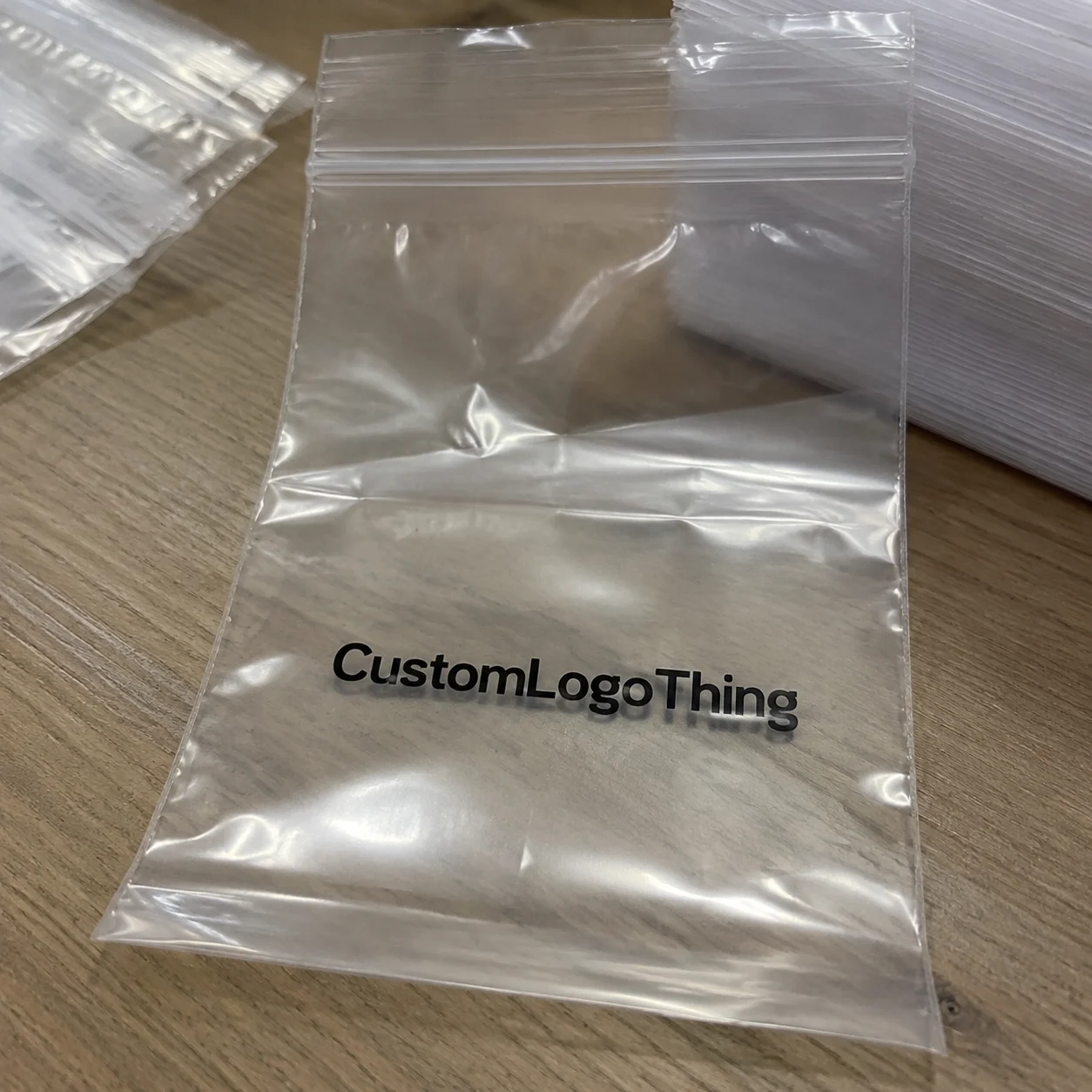
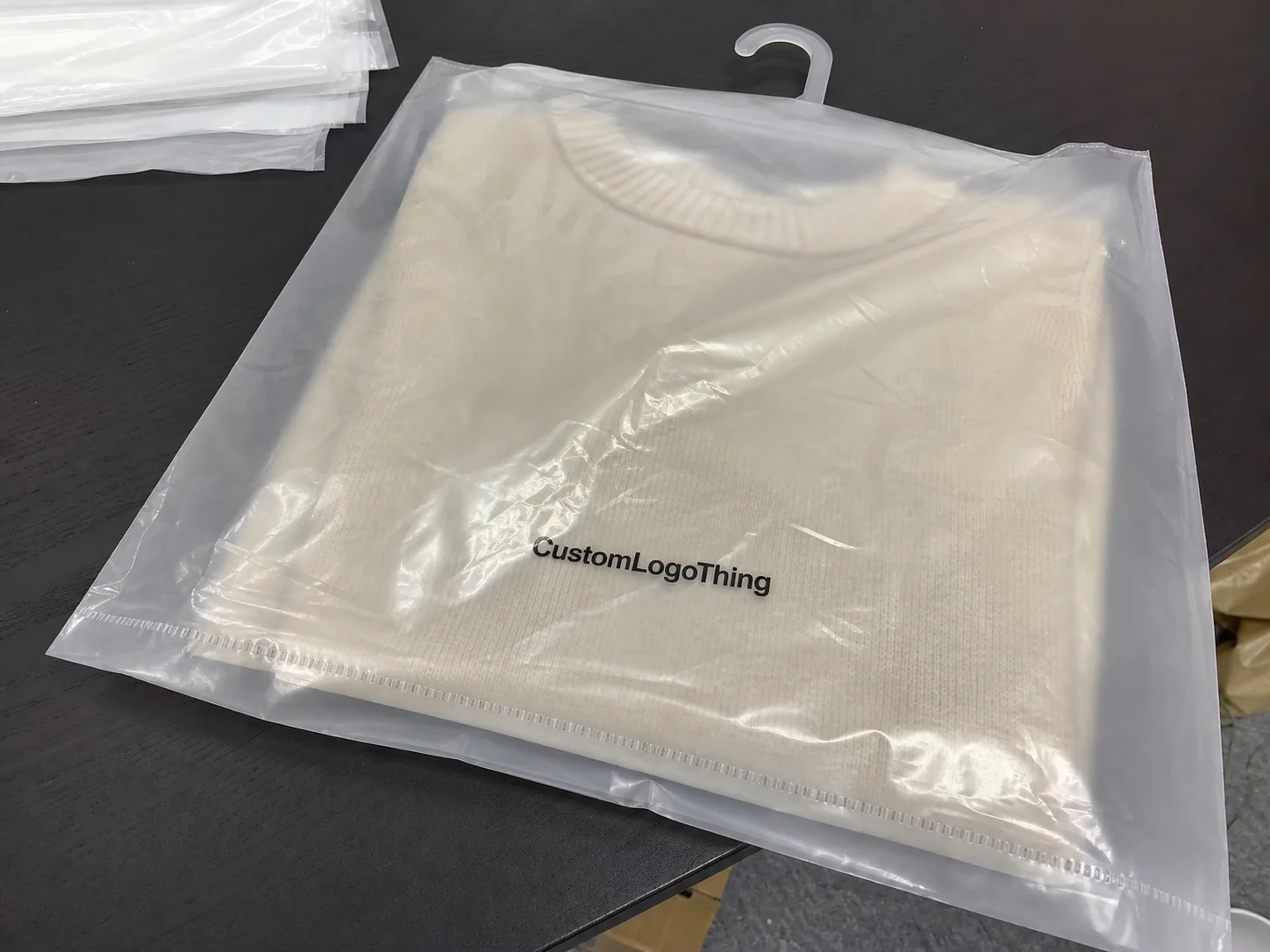
Compostable film pouches are often the most practical format for flat frozen goods. They work well for berries, seafood portions, dumplings, and vacuum-style packs when the seal specs are properly dialed in. If you source from a solid compostable film specialist, you can get surprisingly good performance, especially with controlled product geometry and consistent fill weights. I’ve seen a 90-micron PBAT/starch blend pouch outperform a fancy carton just because the seal jaws were set correctly and the fill station in Suzhou didn’t drift all afternoon.
The trouble starts when the product has sharp edges, oily surfaces, or inconsistent moisture. Seal failure at the top edge is common if the heat range on the line drifts even 8 to 10 degrees. I’ve been on a line where a client blamed the film and the real problem was an operator setting that changed after lunch. That’s packaging for you. The film gets blamed for human behavior. Humans, meanwhile, walk off into the sunset.
In my experience, compostable film pouches are best for brands that can control process tightly. If you run a measured filling system, maintain seal jaws, and verify freezer storage performance with actual product, these can be excellent. If your operation is messy, this format will punish you. Hard. Typical pricing for a custom compostable pouch often starts around $0.09 per unit at 20,000 pieces and can reach $0.25 depending on thickness, print coverage, and zipper style.
Starch-based liners
Starch-based liners are often used as a secondary protective layer or an insert, not as the whole packaging solution. They can reduce plastic content and help with compostability narratives, but freezer performance is highly dependent on thickness, blend, and moisture exposure. I like them more for dry-contact applications than wet ones. A 40 to 60-micron starch liner might look fine in a showroom, then curl in a freezer after three days and a single condensation cycle.
When I review biodegradable freezer packaging options for food brands, I rarely recommend starch-based liners as the only barrier if the product will stay frozen for a long time. They can get tacky under condensation or lose structure in mixed-temperature handling. For a pilot run or a very short shelf-life cold-chain program, they may be acceptable. For a seafood brand with aggressive logistics from Qingdao to Los Angeles? Probably not. I’d rather have an awkward supplier conversation now than a warehouse full of soggy liners later.
Hybrid structures
Hybrid structures are where a lot of smart brands land after a few failed experiments. Think paperboard outside, compostable barrier inside, maybe a molded fiber tray plus a compostable lid or sleeve. These are popular because they let you keep the sustainable story while solving the weak points of a single-material pack. In one client meeting in Chicago, a frozen soup brand told me they needed “something greener than PE, but not a science project.” That line was perfect. Honestly, I framed it in my head.
Hybrid packs are usually the best answer when I review biodegradable freezer packaging options for brands balancing shelf impact and cold-chain abuse. They are not always the cheapest, but they often lower risk. The biggest downside is supply complexity. You may need two converters, or a converter with a very specific lamination process, and that means more coordination. Still, if the product is high value, the math often works. I’ve seen hybrid packs priced around $0.22 to $0.55 per unit depending on whether the supplier is in Xiamen, Hanoi, or nearby to your co-packer.
What I ask suppliers before approval
I ask five questions every time, and if the answers are fuzzy, I know I’m about to waste a week:
- What is the exact temperature range, and is it tested at -18°C or colder?
- What does the seal test show after 24, 48, and 72 hours in freezing conditions?
- What is the moisture vapor transmission rate, and what test method was used?
- How does the pack behave after thawing and refreezing?
- Which certifications apply: food-contact, compostability, FSC, or ASTM-aligned claims?
Those are not academic questions. They are the difference between a clean launch and a pile of customer complaints. If you want to review biodegradable freezer packaging options like a buyer instead of a dreamer, you need test data, not vibes. I also ask for a simple spec sheet with thickness in microns, board weight in gsm, and the factory city listed clearly. “Asia” is not a location. It is a dodge.
For industry context, I often cross-check claims against sources like ISTA packaging testing standards and broader material guidance from EPA composting information. That saves everyone from arguments built on brochure copy and keeps the conversation grounded in actual test methods.
Biodegradable Freezer Packaging Options: Price Comparison
Let’s talk money, because that’s where a lot of sustainability projects get quietly killed. When I review biodegradable freezer packaging options, the first surprise for most buyers is that freezer-safe eco formats usually cost more than standard paperboard or polyethylene. Sometimes a lot more. And if you need custom print, barrier coating, and a specific cavity size, the numbers climb fast. A factory in Shenzhen can quote one thing, a converter in Ho Chi Minh City another, and then freight from either place can erase the “cheap” advantage by the time it lands in California.
For reference, here are rough factory-level ranges I’ve seen for mid-volume orders. These are not universal. They depend on size, artwork coverage, liner choice, and MOQ. But they are close enough to plan with instead of guessing. I’ve seen molded fiber with a freezer liner quoted at $0.15 per unit for 5,000 pieces from a plant in Guangdong, then the same spec priced at $0.24 once the buyer asked for full-wrap printing and a tighter tolerance on the lid fit.
| Option | Typical Unit Cost | Best Volume Range | Main Cost Driver | Risk Level |
|---|---|---|---|---|
| Molded fiber with liner | $0.18 to $0.42/unit | 5,000 to 50,000 units | Tooling and liner spec | Low to medium |
| Bagasse clamshell | $0.12 to $0.30/unit | 10,000 to 100,000 units | Thickness and hinge quality | Medium |
| PLA-coated paperboard | $0.16 to $0.38/unit | 5,000 to 30,000 units | Print coverage and coating | Medium |
| Compostable film pouch | $0.09 to $0.25/unit | 20,000 to 200,000 units | Seal performance and film grade | Medium to high |
| Starch-based liner | $0.05 to $0.18/unit | 25,000+ units | Blend consistency | High |
| Hybrid structure | $0.22 to $0.55/unit | 5,000 to 40,000 units | Multi-layer sourcing | Low to medium |
The cheapest quote is not always the cheapest outcome. I’ve seen a buyer save $0.04 per unit on a pouch, then lose $18,000 in product because the seals popped during freight. That is not clever procurement. That is paying tuition to the packaging gods. In one case out of Dongguan, the supplier even promised a 12- to 15-business-day turnaround from proof approval, which sounded fine until the buyer realized the real issue was not speed. It was the wrong seal spec.
Other cost drivers matter too. Custom tooling can add $600 to $3,500 depending on the format. Freight surcharges can add 8% to 22% if you are moving bulky molded fiber instead of flat packs. Print coverage raises cost if you want full-wrap graphics, metallic inks, or soft-touch effects. And yes, rush orders cost more. A lot more. I’ve paid a supplier in Dongguan an extra $450 just to move a sample from queue to press because a launch date was already breathing down our neck. That kind of panic does not improve margins.
Here’s the smart framework: if an extra two to six cents per unit prevents one failure in the cold chain, it is usually worth it. If you’re paying that premium just to feel eco-friendly while the pack still fails in a freezer dock, that’s packaging theater. Pretty, but expensive. A 350gsm C1S artboard with a proper freezer liner may cost more upfront than bare paperboard, but it can save a lot of replacement units later.
For buyers comparing product packaging systems, I also recommend looking at the broader Custom Packaging Products range so the freezer pack, shipper, and retail carton all work together instead of fighting each other. If your shipper is built in one city and the retail carton in another, confirm both vendors match the same dimensional tolerances before you place the order.
When brands ask me to review biodegradable freezer packaging options from a cost angle, I always remind them to calculate total landed cost, not factory price alone. Include rejected units, customer replacements, storage losses, and the cost of a bad review on a major retail platform. Those numbers are never as small as the initial quote suggests.
How to Choose the Right Biodegradable Freezer Packaging
The easiest way to choose badly is to start with the sustainability story and ignore the product. Start with the product. Then the freezer. Then the brand message. That order matters if you want to review biodegradable freezer packaging options in a way that leads to a real decision. I’ve sat in sourcing meetings in Taipei where everyone wanted the “greenest” option until I asked one question about thaw condensation. Suddenly, the room got very quiet.
I use a simple decision tree. First, ask how wet the product is. Dry frozen goods like bakery items and some vegetables can tolerate more material choices. Wet, sauced, or oily foods need tighter barrier control. Second, ask how long the pack will sit in frozen storage. A one-week turnaround is very different from a six-month warehouse stay. Third, ask what temperature swings happen during distribution. If the pack moves from production chill to freezer to display case and back, condensation is going to punish weak materials. A pack that survives 7 days at -18°C may not survive 90 days in a logistics center in Minneapolis.
For product fit, here’s the practical map:
- Dry frozen items: bagasse, molded fiber, PLA-coated paperboard
- Wet or sauced meals: molded fiber with liner, hybrid structures, compostable film pouches with strong seals
- Oily seafood: hybrid film packs, engineered liners, high-barrier compostable films
- Portioned meal kits: bagasse clamshells, molded fiber trays, sleeve-and-liner systems
Now for the timeline piece, because this is where sales teams like to pretend time is elastic. A stock-based sample can move in 5 to 7 business days. Custom tooling often takes 18 to 28 days. Artwork approval can take 2 to 5 rounds if your legal team gets involved. Barrier testing and pilot runs can add another 7 to 14 days. If somebody promises you a fully validated new pack in a week, they are either confused or selling fairy dust. In my experience, a realistic cold-chain packaging project lands closer to 30 to 45 calendar days before you can sign off with confidence.
When I visited a converter in Guangdong, the plant manager showed me a stack of rejected pouches from a brand that skipped seal validation. The print was perfect. The product looked great. The seal line failed at the corners. That brand had to eat a full rework. This is why I always tell clients: approve the function first, the art second. The art can wait 24 hours. The freezer cannot.
Common mistakes are painfully predictable. Assuming “compostable” means freezer-safe. Skipping drop tests. Ignoring label adhesive. Approving a carton based on mockup photos. And ordering 30,000 units before the first real product fill. I’ve seen all of it, and it never ends well. One client in California ordered 25,000 units before testing because the sample had a nice matte finish. Nice finish. Bad decision. Costly lesson.
Supplier checklist time:
- Ask for material spec sheets with exact grammage or film thickness.
- Request freezer test data, not room-temperature samples only.
- Confirm food-contact compliance and compostability claims.
- Get sample turnaround times in writing.
- Ask how fast tooling can be revised if dimensions change by 2 mm or more.
That’s the practical way to review biodegradable freezer packaging options without getting trapped by a glossy presentation. Also, if you are building out branded packaging across multiple SKUs, make sure the pack works with your overall package branding system. One beautiful box and one weak liner is just a very expensive contradiction.
Our Recommendation: Best Biodegradable Freezer Packaging Options
If you want my honest ranking after years of factory visits, sample failures, and too many freezer tests with a stopwatch in hand, here it is: the best overall option is usually molded fiber with a freezer-safe liner. It gives you the best balance of structure, branding, and reliability. The best budget pick is often bagasse, especially for shorter storage windows and less moisture-heavy foods. The best premium presentation usually comes from PLA/PBAT-coated paperboard or hybrid structures. And the best for long freezer life is a well-engineered hybrid film or liner system that has already passed real temperature cycling.
Where would I spend money? On the barrier. Every time. I would rather reduce print coverage by 15% and upgrade the seal or liner than dress up a weak pack. Where would I not spend money? On decorative gimmicks that do nothing for cold performance. A matte finish is nice. A package that splits at -18°C is not. If a supplier in Shenzhen can give me a liner upgrade for $0.03 more per unit, I take the upgrade and never look back.
If your product moves through multiple cold-chain handoffs, the sustainability message has to survive the logistics, not just the marketing deck. That means test the shipper, the inner pack, the label, and the outer carton together. I learned that the hard way with a frozen meal client whose outer retail carton was perfect, but the inner liner curled after condensation. The retail shelf looked fine for one week. After that, the carton sagged and sales dropped. Ugly lesson. Expensive one.
For sourcing, I recommend you talk to three types of vendors: a molded fiber converter, a compostable film specialist, and a hybrid pack manufacturer who can explain barrier data without dodging the questions. If you are shopping for Custom Packaging Products, ask whether they can coordinate your freezer pack, transit shipper, and printed retail carton as one system. That saves time and avoids the blame game between suppliers. It also cuts the odds of a 2 mm mismatch that ruins the whole run.
If I had to give a final working answer after I review biodegradable freezer packaging options for brands shipping real food, it would be this: don’t chase the prettiest eco claim. Chase the pack that survives freezing, thawing, stacking, and retail handling without embarrassment. The right choice is the one that protects product, supports branding, and keeps your complaints inbox quiet. That’s the entire job.
FAQ: Review Biodegradable Freezer Packaging Options
Which biodegradable freezer packaging options actually hold up in deep freeze?
Molded fiber with a freezer-safe liner and well-engineered hybrid compostable film structures usually perform best in deep freeze. Plain uncoated paperboard and thin starch films tend to crack, soften, or lose barrier performance faster once condensation and low temperatures cycle through the pack. In my tests, packs that survived 72 hours at -18°C with no seal lift were usually the ones worth moving forward with.
Is compostable packaging really freezer safe for food brands?
Sometimes, yes, but only if the structure was built for cold-chain use and tested under real freezer conditions. Ask for temperature range data, seal test results, and moisture-barrier specs before you approve a run. A compostable claim alone does not make a pack freezer-safe, and a film that works in a 20°C showroom can still fail after one night at -25°C.
What is the cheapest biodegradable freezer packaging option?
Bagasse and some molded fiber formats are often among the lower-cost eco choices, especially at higher volumes. But the cheapest unit price still depends on size, print coverage, coating, and how much protection your product needs. Low price plus high failure rate is not savings. A quote at $0.11 per unit means nothing if you lose $12,000 in product on the first shipment.
How long does custom biodegradable freezer packaging take to produce?
Simple stock-based samples can move quickly, but custom tooling, print approval, and barrier testing add time. Plan for sampling, revisions, and production scheduling instead of assuming a quick turnaround. In practice, a new freezer pack often takes several rounds before it is ready for mass production, and a realistic project can take 18 to 28 days from proof approval to first samples, depending on the factory in places like Shenzhen or Xiamen.
How do I test biodegradable freezer packaging before placing a large order?
Run freezer cycles, condensation tests, seal integrity checks, drop tests, and storage simulations with real product inside the pack. Compare samples after thawing and refreezing so you catch failures early. If possible, test the packaging under the same handling conditions it will face in distribution, not just in a lab. I like to see a 24-hour, 48-hour, and 72-hour readout before anyone talks about a 20,000-unit PO.
If you want me to sum up the whole thing in one line: I would review biodegradable freezer packaging options by performance first, price second, and marketing copy dead last. That order saves money, protects product quality, and keeps your retail packaging from turning into a freezer-side disaster. It also keeps you from signing off on a beautiful carton that fails after one trip through a warehouse in Minneapolis or Montreal. The next step is simple: match the pack to the product, the storage time, and the real temperature swing, then verify it with freezer data before you place the order.