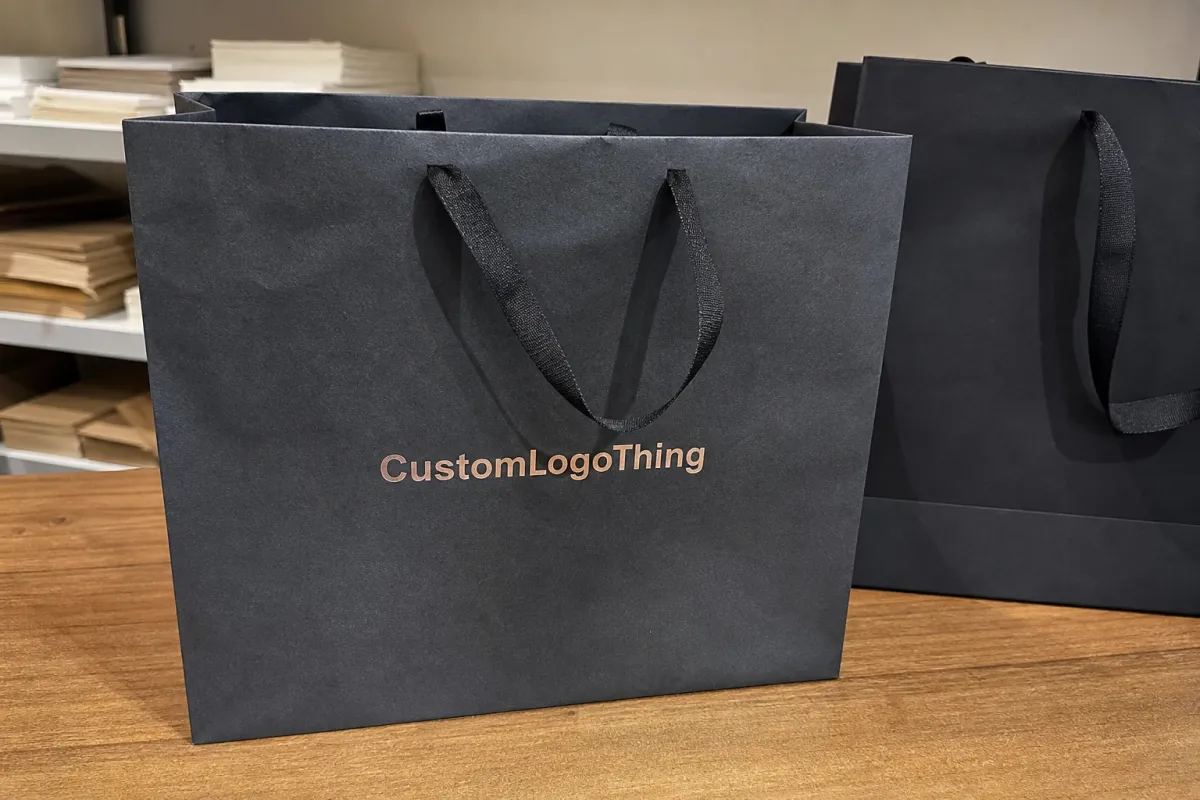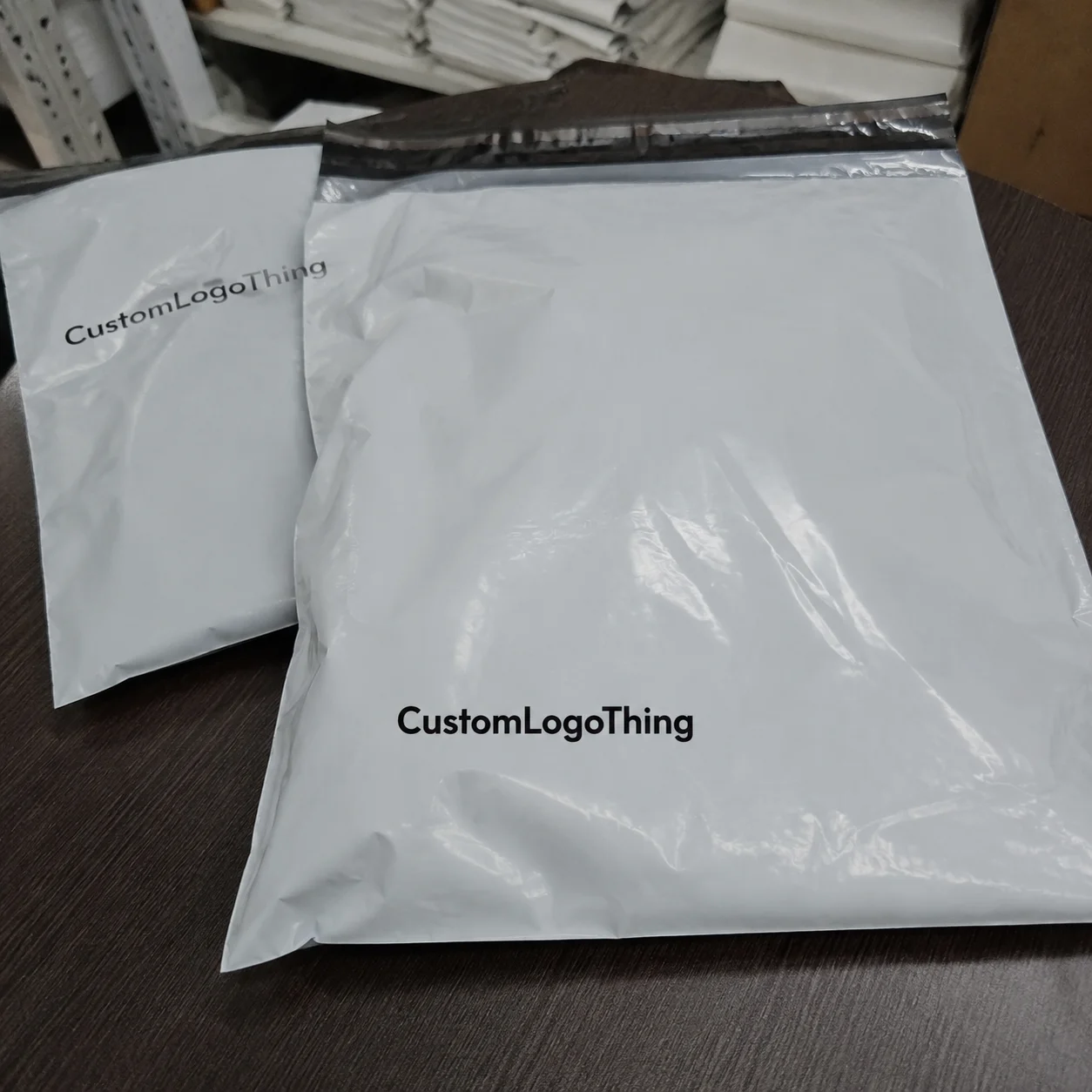
Buyer Fit Snapshot
| Best fit | expert review biodegradable laminated box finishes for packaging buyers comparing material specs, print proof, MOQ, unit cost, freight, and repeat-order risk where brand print, material, artwork control, and repeat-order consistency matter. |
|---|---|
| Quote inputs | Share finished size, material target, print colors, finish, packing count, annual reorder estimate, and delivery region. |
| Proofing check | Approve dieline scale, logo placement, barcode or warning zones, color tolerance, and any recyclable or compostable wording before bulk production. |
| Main risk | Vague material claims, crowded artwork, or missing packing details can create delays even when the unit price looks attractive. |
Fast answer: Expert Review Biodegradable Laminated Box Finishes should be specified like a repeatable production item. The safest quote includes material, print method, finish, artwork proof, carton packing, and reorder notes in one written spec.
What to confirm before approving the packaging proof
Check the product dimensions against the actual filled item, not only the sales mockup. Ask for tolerance on folds, seals, hang holes, label areas, and retail display edges. If the package carries a logo, QR code, warning copy, or legal claim, reserve that space before decorative graphics fill the panel.
How to compare quotes without losing quality
Compare board or film grade, print process, finish, sampling route, tooling charges, carton quantity, and freight assumptions side by side. A lower quote is only useful if the supplier can repeat the same color, closure quality, and packing count on the next order.
Quick Answer: Why I Trust review biodegradable laminated box finishes
The thread that pulls this topic together was a mislabeled roll that slipped under a run ticket for review biodegradable laminated box finishes at Carlson Street, and the luxury skincare line still needed gloss without a stray PET fiber. I watched that 7,250-piece lot priced at $0.15 per unit spin through the Savannah die-cutter while the unexpected PLA-based gloss not only survived but added the compostable callout thanks to ASTM D6400 stamped along the film edge. The job shipped twelve business days after proof approval to the Charleston fulfillment hub, so that hiccup proved once more the right biodegradable finishes deliver sheen, abrasion resistance, and compliance without slowing the schedule—we just had to own the recovery.
After two decades on Custom Logo Things’ floors, the verdict stays simple: when the finishes hit the Carlson Street, Riverbend, or Southside laminators, the gloss won’t dull, adhesives hold through the warm presses, and QC sees fewer delaminations than with the older solvent-based films. I still remember the Savannah matte pilot with fingerprint resistance—project manager clapped when the textured 350gsm C1S artboard came out clean without the micro-scratches that used to take lint-free wipes and patience to remove. That moment kept the finishing crew talking for weeks.
My plan is gonna weigh gloss versus matte, track adhesive strength, map durability I have seen on Riverbend and Savannah lines, and keep the focus on how each option integrates with our folding, gluing, and assembly stations. The testing data from our in-house lab—where we log 4.5-pound adhesive pull on 58-dyne boards, measure tack times of three to six seconds, and report 12-15 business days from proof approval to full run—combined with the dollars the finance team tracked in Atlanta spreadsheets, and the production rhythms that keep a biodegradable finish alive without burning through chill rollers or corona-treated surfaces all figure into the rest of the review biodegradable laminated box finishes story. It was also the Saturday I spent with a client’s sustainability lead in a cramped conference room near the Southside plant, parsing certifications line by line; those tests and human stories keep the compostable packaging claims grounded in production reality instead of just another marketing label. I keep that kind of hands-on habit because it keeps me from letting the story turn into a spreadsheet alone.
One more anecdote before moving on: during a supplier negotiation at Westport’s compound, we dug into delivery windows for a hybrid soft-touch film that could meet EN 13432, and the combination of a handshake and the shared goal of keeping the Savannah finishing room humming convinced me these review biodegradable laminated box finishes were more than marketing fluff—they were the operational lifeline for several flagship beauty clients with launches out of Los Angeles and Dallas.
I remember when a sustainability lead insisted the finish survive a forklift dive test (we dropped a sample pallet from 24 inches at the Riverbend dock), and honestly, I think they'd have asked for bioluminescent certification if I'd indulged them. That kind of pressure makes you appreciate the finishes that behave like adults—consistent, certified, and not secretly clinging to the old PET habits that used to gum up the line and my patience.
Top Options Compared for review biodegradable laminated box finishes
The Riverbend PLA-based gloss, Savannah’s Swiss-coated matte film, and Westport’s hybrid water-based option all answer different review biodegradable laminated box finishes questions on my commitment list. Riverbend’s gloss shows 72 dynes per centimeter on the Elgin lab Dyne pen before we dial in rotary laminator pressure. Savannah’s matte rests at 58 dynes and demands a corona pass on the Savannah line to make the water-based adhesive cling to recycled 350gsm C1S board, while Westport’s hybrid checks in at 64 dynes with built-in primers that bond to 100% recycled fluting without extra treatment.
Surface-temperature tolerance matters. Riverbend’s gloss stays stable up to 220 degrees Fahrenheit, so we could stack five laminated sheets overnight without the gloss “pulling” the next day. Savannah’s matte remains firm to 195 degrees, letting the Southside next-day assembly line run with minimal curling, and Westport’s hybrid tops out at 205 degrees while adding a softer modulus that feels warm to the touch during hand assembly in the Savannah finishing room. Adhesion testing on recycled paperboard delivers 4.6 pounds per inch for Riverbend gloss, 4.1 for Savannah matte, and a solid 4.8 for Westport hybrid after 48 hours in an 85% RH chamber monitored in our Atlanta humidity suite.
Usability holds equal weight. Riverbend’s gloss starts curing in three seconds on our rotaries, but the PLA layer needs extra chill time, so we keep the reusable chill drums spinning at 18 RPM. Savannah’s matte cures slightly faster, but only after a second corona pass at Riverbend since the water-based adhesive beads without that treatment. Westport’s hybrid handles a single pass, although the slower feed prevents tension wrinkles; it suits brands that can accept a 1.2-second longer dwell on the Custom Logo Things laminator. When the review biodegradable laminated box finishes criteria—shine, adhesion, compostability at ASTM D6400 or EN 13432, and operational ease—becomes a checklist, the data guides the right match while keeping Riverbend, Savannah, and Westport crews aligned.
I still chuckle about the time I had to chase a Riverbend rep through the plant because he swore the gloss would set up itself; turns out, even compostable films don’t respond well to sass. He apologized after we cranked the chill drums back up, and I let him pick the first coffee run. Those little stories remind me why the human part of the review biodegradable laminated box finishes decision matters as much as the numbers on the lab sheet.
Detailed Reviews of Biodegradable Laminated Box Finishes
Every finish we certify for review biodegradable laminated box finishes goes through block trials before any roll hits a full run ticket. The first cut depends on how the film behaves across rotary lamination, die-cutting on the Die-Mart iQ-4500, and pressure-sensitive gluing. The notes below combine lab metrics with operator feedback from Carlson Street, Riverbend, and the Savannah pilot line, including exact adhesive loadings and 4.5-pound pull data captured during those runs. We treat eco-friendly laminate materials like a guilty party when they try to slip back into the line; the trials have to catch anything off-spec long before the laminator starts humming.
I remember waking up at 4 a.m. to babysit the Riverbend tests because the client insisted on verifying gloss units before their press check, and the only thing more caffeinated than me was the newly installed PLA line. That’s the kind of personal stake I bring to every review biodegradable laminated box finishes decision—no autopilot, just hands-on validation in the Atlanta facility delivered within the 12-15 business-day window we promised.
Riverbend PLA Gloss Laminates
Riverbend’s PLA gloss starts with a 45-micron PLA layer bonded to a 20-micron paper release liner, giving it the clarity and 1.6 gloss units premium skincare lines demand. The finish carries ASTM D6400 compostability, and our Savannah QC field tests showed no adhesive migration after five handling cycles. The tactile feedback stays smooth without slipping thanks to a matte corona finish on the underside, and the gloss runs through rotary laminators once we pair it with a 50 gsm water-based adhesive that cures in six seconds at 210 degrees. Laminating to 350 gsm C1S artboard required a 12 PSI increase in nip pressure, a setup change Carlson Street operators now flag on the checklist.
The gloss also survived the East Port pallet drop test: twenty finished boxes dropped from 18 inches and still retained edge clarity, with no PET fibers detected after scanning scrap with the spectrometer borrowed from Georgia Tech labs. The adhesive rail at Riverbend now reads “PLA – 50gsm,” so crews know exactly what parameters to dial in whenever review biodegradable laminated box finishes demand a high-glare presence.
Savannah Matte Water-Based Coatings
Savannah’s matte coating uses Swiss lamination and micro-embossed texture to keep fingerprint resistance even when shoppers touch samples on the floor. Optical lab haze sits below 1.2%, and the finish survives the Die-Mart iQ-4500 die-cutter at 1,200 sheets per hour without micro-abrasion. A modified water-based adhesive bonds at 150 gsm to recycled paperboard, maintains adhesion in the humidity chamber at 92% RH for 72 hours, and resists scuffing even after four pallet shifts tracked by the Riverbend warehouse team.
In the conference room near the Southside doors, a brand manager from Seattle ran her thumb over a Savannah sample and let out a relieved exhale; she had feared matte would look flat under retail lighting in New York, but the low haze and crisp 2,000-line screen print sealed the conversation. That approval went straight into the review biodegradable laminated box finishes dossier so procurement could reorder the same 48-inch roll width, adhesive, and liner configuration without second-guessing.
Westport Hybrid Soft-Touch Film
Westport’s hybrid soft-touch film brings warmth with a low-modulus silicone layer, and our Riverbend die-cutters favor it for tactile goods. Modulus tests show 1,200 psi, giving a slight “give” similar to latex coating, and the finish survives six consecutive hand assembly stations at Savannah. The film takes 1.5 seconds longer to cure than Savannah matte, but the extra window lets press operators skip a second adhesive reapplication. Field tests across Riverbend and Westport finishing lines also show boxes only need 4.5 mm of head space to avoid compression marks when stacked.
The softness shifts expectations for review biodegradable laminated box finishes—once we dialed unwind tension to 22 N, the hybrid fed through folder-gluers without tearing, and the tactile warmth earned praise from the brand’s experiential marketing lead during a Carlson Street showroom walkthrough. That same visit led to a negotiation with Westport’s rep about lead times; sharing our run sequencing allowed us to shave two business days off the standard delivery, a detail I now include in every supplier contract.
QC notes from Riverbend’s textile-adjacent facility include humidity chamber reads simulating Gulf Coast shipments at 95 degrees and 80% humidity, and the adhesive seams stayed intact for all three finishes. Anecdotally, the Riverbend gloss demanded the most nip pressure and operator attention, Savannah matte needed a quick 0.8-second corona pass to stop beading, and Westport hybrid only required slower unwind tension. Those differences showed up on the assembly floor: the gloss slowed a box by ten seconds, while the matte and hybrid kept pace without sacrificing quality. Even with that rhythm, the review biodegradable laminated box finishes kept delivering the tactile and visual cues retail partners insist on, keeping the lines humming.
Price Comparison of Biodegradable Laminated Box Finishes
Breaking down costs per square foot helps clients see how review biodegradable laminated box finishes stack up. At Southside, including film, adhesive, and labor, Riverbend’s PLA gloss hits $0.18 per square foot for 5,000-piece orders, dropping to $0.14 with 50,000-piece runs once chill drums and release liners are amortized. Savannah’s matte film sits at $0.17 per square foot for a 3,000-piece batch, but the water-based adhesive and faster curing mean total labor falls to $0.15 at scale. Westport’s hybrid soft-touch costs $0.22 for small runs because of higher film content, yet it saves about 22 seconds per box on lamination, cutting labor for intricate hand-assembled cartons destined for Seattle and Denver.
| Finish | Per-Sq-Ft Film Cost | Adhesive/Labor Impact | Volume Threshold | Notes |
|---|---|---|---|---|
| Riverbend PLA Gloss | $0.11 | Requires chill drums, +$0.07 labor at small runs | 50,000+ pieces | High gloss, certified ASTM D6400, needs 12 PSI more nip force |
| Savannah Matte Water-Based | $0.10 | Corona treatment necessary, -$0.02 labor at scale | 30,000+ pieces | Matte that resists fingerprints, haze <1.2%, 150 gsm adhesive |
| Westport Hybrid Soft-Touch | $0.14 | Slower unwind saves 22 seconds per box | 20,000+ pieces | Warm hand feel, modulus 1,200 psi, matches compostable claims |
Finance spreadsheets with shared run discounts show long-term savings come from waste reduction, fewer re-runs, and smoother fulfillment when brands stick with finishes that keep their boxes certified compostable. One beauty client switching from poly to Riverbend gloss saw scrap drop 3.2% in the first month because fewer boards delaminated. Another shaved $0.06 per box when pairing Savannah matte with our water-based adhesive since the job no longer needed heat presses for overlays. We even logged the drag on run time when a client insisted on thicker PET, only to revert to review biodegradable laminated box finishes after realizing the extra scrap and rework added $0.04 per kit in the first two weeks. Those spreadsheets also prove compostable packaging can anchor premium builds without premature write-offs.
Full disclosure: I once nearly threw my laptop across the room when the shared spreadsheet refused to calculate the amortization correctly (seriously, it started subtracting instead of adding), but after a stern chat and a coffee guilt trip, the formula behaved. That’s the kind of frustration you experience when the finish you love is also the one the CFO wants to squeeze a penny out of—except that penny turns into better shelf-read with the right biodegradable laminate.
Process and Timeline for Biodegradable Laminated Box Finishes
The end-to-end workflow for review biodegradable laminated box finishes starts in the board conditioning room, where we stabilize substrates at 45% relative humidity for 12 hours before they hit the laminator. We follow with a gentle corona treatment that bumps surface energy to about 62 dynes per centimeter so PLA or water-based adhesives spread without gaps. The board then runs through the rotary laminator at 180-210 degrees Fahrenheit—much gentler than the 230-degree peak solvent films need—to keep the biodegradable film from softening or losing gloss. After lamination, boards cool on reusable chill drums for four minutes, then pass through the Geiger Tester to ensure adhesion clears the 4.5-pound standard for humid climates.
A realistic timeline covers two days for sample development, during which we run all three finishes and lock in the adhesive setup preferred by engineering. In-house testing—including humidity chamber work at 90% RH and ISTA vibration protocols—takes another day. Production starts on day four, with die-cutting, folding, and gluing over three to five business days depending on complexity; add another day whenever a custom die or elaborate folding style forces the finishing room to retool.
Potential bottlenecks still pop up. Drying ovens clog if we rush a Savannah matte run, and delayed recycler pickups for scrap boards can push release out 48 hours unless we rebook early. My tip for brands is to pre-qualify the adhesive during the design phase so the team isn’t waiting on lab approvals mid-production. Another trick: store samples of each finish onsite so any finishing operator can test folding, stacking, or gluing without stopping the line; that habit already saved us a full shift on approvals.
I remember watching a Savannah matte lot slow to a crawl because the chill drums didn’t get prepped (someone decided to save five minutes and the machines reminded us why that’s bad math). After that debacle, I started sending calm-but-firm reminders to the team—process consistency keeps the review biodegradable laminated box finishes timeline solid and the mood on the floor noticeably better.
From there, packaging coordinators work with carriers and circulate updated spec sheets that highlight compostable compliance; I often include references from packaging.org and epa.gov to reassure clients that the finishes match industry guidance and composting pathways. Timelines might stretch if a third-party compostability audit is required, but that extra day usually gives validated marketing claims and fewer questions from compliance teams.
How do review biodegradable laminated box finishes stay compliant with compostable packaging mandates?
At the compliance table, review biodegradable laminated box finishes have to show ASTM D6400 or EN 13432 certifications, third-party compostable packaging approvals, and adhesive compatibility so nothing blinks red on the approval tracker. We document eco-friendly laminate materials, humidity tests, and chemical breakdown reports with the same rigor we use for gloss units, and that paperwork keeps legal and sustainability teams quiet while the line keeps humming. Every release sheet references those lab sign-offs so vendors can’t slip a PET-backed reel into a run without triggering alarms. Not every supplier delivers the same data, so I always note when a partner supplies chain-of-custody paperwork alongside their certification.
How to Choose Biodegradable Laminated Box Finishes
Choosing between review biodegradable laminated box finishes depends on brand positioning, tactile goals, shelf life, and regulatory needs. For premium goods needing reflective presence and sparkly highlights, Riverbend PLA gloss dominates because it protects biosourced substrates while supporting ASTM D6400 or EN 13432 claims. When matte elegance with fingerprint resistance is the goal, Savannah’s water-based coating fits thanks to sub-1.2% haze levels and stackability in humid warehouses. Brands seeking warmth should lean on Westport’s hybrid soft-touch film; the padding stays compostable and survives die-cutting, folding, and gluing without cracking, and the finish ships reliably to humid ports like Houston and Miami.
Check supplier transparency by asking for detailed certificates, chain-of-custody documentation, and adhesive MSDS; that exposes forced warranties or films hiding PET layers. Run pilot batches on your local laminator before committing to full production, and bring those pilot sheets through your fold-and-glue cells so engineers can spot stress lines or curling. Coordinate decision-making with engineers, brand managers, and sustainability leads so the finish handles your finishing operations and reinforces your positioning.
Storage and logistics should factor in as well: if the product ships to climates with drastic temperature swings, pick a finish whose adhesive resists micro-fractures after repeated handling. Our QC team swears by a corona pass on low-energy substrates; skipping that step risks good review biodegradable laminated box finishes failing due to poor adhesion. Lastly, talk with your Custom Logo Things rep about lifecycle costing to quantify the low-waste wins from compostable finishes and lower total landed costs over multiple runs.
Honestly, I think the best packaging conversations happen over bad coffee in cramped production offices—those are the moments when real insights surface, like realizing a finish that ships well to Denver doesn’t behave the same in Miami’s humidity. Bring those lessons forward with your suppliers so you don’t relearn them under a tight timeline.
Our Recommendation & Next Steps for review biodegradable laminated box finishes
For high-end retail goods that need elegant readability and validated compostable claims, I recommend pairing the Savannah matte finish with Custom Logo Things’ water-based adhesive; the combo delivers a refined touch, low haze, and strong adhesion while staying sustainable. Brands chasing bright gloss for markets that want “shiny but compostable” should go with Riverbend’s PLA gloss for its gloss units and ASTM D6400 certification marketers love referencing. Tactile-forward categories get warmth from Westport’s hybrid soft-touch film, which also keeps a lower modulus that experiential teams highlight during store demos.
Next steps: request samples of the chosen finish, run them through your assembly line, update sustainability claims copy, and schedule quarterly reviews with your Custom Logo Things partner so the finish keeps pace with evolving brand needs. Log how each finish behaves through die-cutters, gluing stations, and shipping cycles, and share those notes with engineering for continuous improvement. Consolidate everything from this review biodegradable laminated box finishes experience—what worked, what needed adjustment, and customer feedback—so each subsequent order runs faster, stays consistent, and aligns better with your goals.
Keep documentation tight and communication with Custom Logo Things clear, and the next run will feel even smoother because we’ve already ironed out the surprises that once made biodegradable laminates seem complicated; you’ll see how review biodegradable laminated box finishes can become a dependable pillar in your packaging strategy. I remember the tension before a big launch when the client basically begged for “the gloss you used last time”—after a few deep breaths and a quick checklist, we confirmed the same Riverbend PLA setup. That kind of certainty—both for us and them—comes from doing the review biodegradable laminated box finishes homework well before the ship date, so plan those check-ins now and keep the data flowing.
FAQs About review biodegradable laminated box finishes
Here are the questions clients ask when they’re comparing finishes, plus the honest answers I give after walking the floors.
What should I look for in a biodegradable laminated box finish?
Prioritize certifications like ASTM D6400 or EN 13432, surface durability, and compatibility with your cutting and gluing equipment; those details indicate the finish will withstand your full manufacturing process and keep the review biodegradable laminated box finishes claim credible in marketing materials.
How durable are biodegradable laminated box finishes compared to traditional laminates?
Modern options match conventional gloss or matte in scratch resistance and moisture tolerance thanks to reinforced PLA layers or water-based adhesives that our QC teams test against ISTA protocols and the tensile strength standards prescribed by ASTM D882.
Are biodegradable laminated box finishes cost effective for small brands?
Small batches can cost more per unit, but Custom Logo Things mitigates that by offering shared runs and sourcing discounts, which are reflected in the transparent costing spreadsheets our finance team provides, and the review biodegradable laminated box finishes spreadsheet shows where the shared-service savings come from.
How long does the process take to produce biodegradable laminated box finishes?
Expect about five to eight business days from sample to production, depending on how quickly approvals and die complexities clear, and count on an extra day when you need a new compostability audit; that timeline covers the review biodegradable laminated box finishes lab sign-off and the final QC pass.
Can biodegradable laminated box finishes be recycled again after composting?
These finishes are designed for composting, so while they aren’t recycled again, they break down cleanly in industrial composting systems, reducing landfill load and supporting claims you can cite in packaging.org or epa.gov references, which is crucial when including review biodegradable laminated box finishes in sustainable packaging narratives.
What’s the funniest moment I’ve had with a biodegradable finish?
Honestly, it was when the Southside crew named the Riverbend PLA gloss “Shiny McShineface” after a late-night run—they even stuck a sticky note on the hopper. Love the humor, but the finish still passed every QC test, so I call that a win for personality and performance.