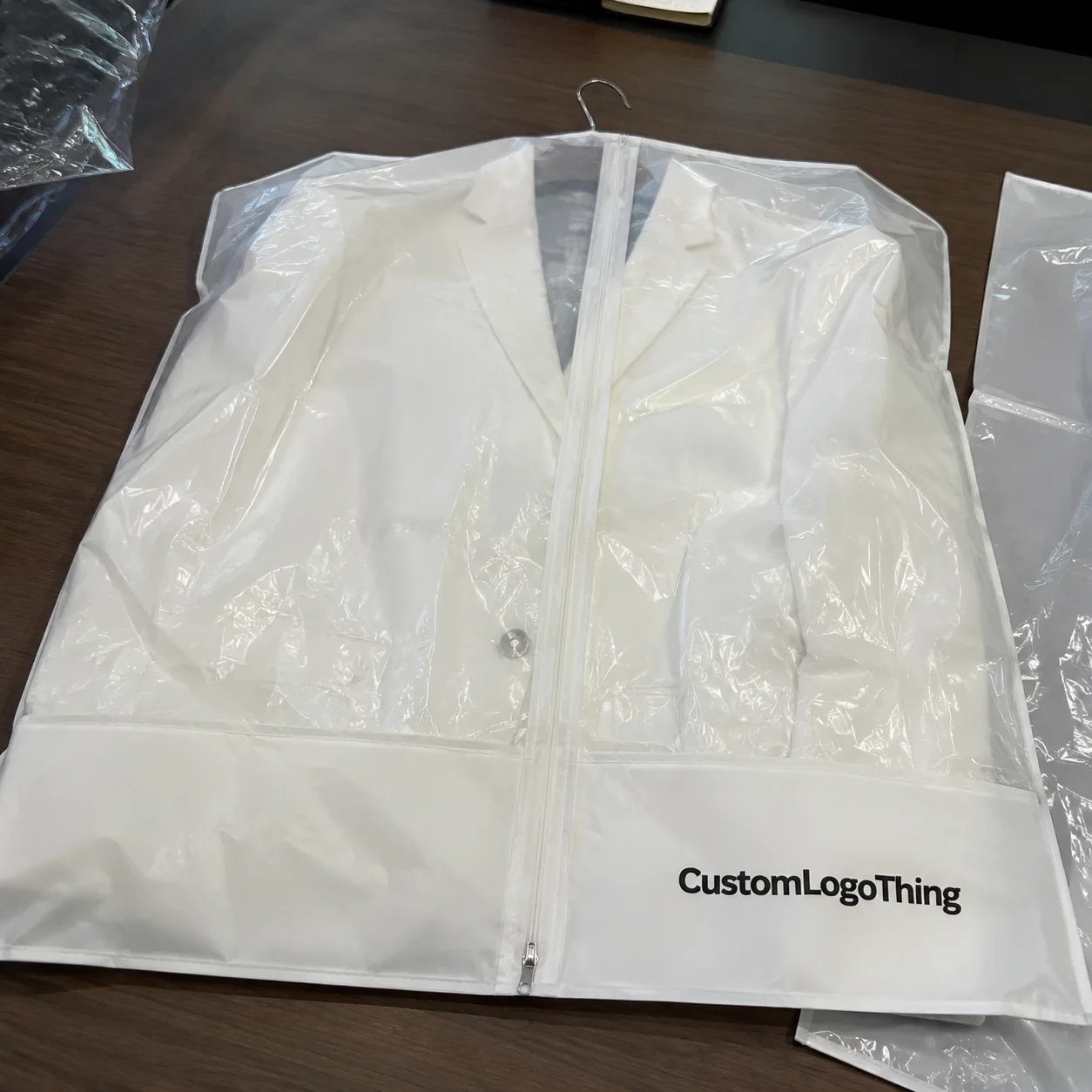
Buyer Fit Snapshot
| Best fit | Seasonal Eco Friendly Mailers for Valentines projects where brand print, material claims, artwork control, MOQ, and repeat-order consistency need to be specified before quoting. |
|---|---|
| Quote inputs | Share finished size, material target, print colors, finish, packing count, annual reorder estimate, ship-to region, and any compliance wording. |
| Proofing check | Approve dieline scale, logo placement, barcode or warning zones, color tolerance, closure strength, and carton packing before bulk production. |
| Main risk | Vague material claims, crowded artwork, missing packing details, or unclear freight terms can make a low unit price expensive after revisions. |
Fast answer: Seasonal Eco Friendly Mailers for Valentines: Quote Scope, Sample Proof, MOQ, and Lead Time should be specified like a repeatable production item. The safest quote records material, print method, finish, artwork proof, packing count, and reorder notes in one written spec.
Production checks before approval
Compare the actual filled-product size with the drawing, then confirm tolerance on folds, seals, hang holes, label areas, and retail display edges. Reserve space for logos, QR codes, warning copy, and material claims before decorative graphics fill the panel.
Quote comparison points
Review material grade, print process, finish, sampling route, tooling charges, carton quantity, and freight assumptions side by side. A quote is only useful when the supplier can repeat the same color, closure quality, and packing count on the next order.
Seasonal Eco Friendly Mailers for valentines are one of those packaging choices that look simple from a distance and surprisingly messy up close. I remember reviewing a Valentine’s shipment line with a brand that spent $0.42 more per unit on a prettier mailer, then quietly lost most of that “upgrade” because the design crushed poorly, shipped bulky, or forced a second packing step. Charming on the outside, mildly infuriating in the warehouse, which is where packaging truth lives. The funny part? Customers often remember the box or mailer longer than the insert, especially when the packaging feels thoughtful, light, and worth keeping. That’s why seasonal Eco Friendly Mailers for valentines deserve more planning than a last-minute hearts-and-pink-colors decision, especially if your order lands in a 5,000-piece run or a 25,000-piece seasonal buy.
In my experience, the best Valentine’s packaging does three things at once: it protects the product, it makes the unboxing feel intentional, and it doesn’t create a guilt pile of waste. Seasonal Eco Friendly Mailers for valentines can hit that sweet spot if they’re chosen with the same care you’d use for a shipping carton or retail-ready display. I’ve seen a jewelry client in Newark, New Jersey use one recycled paper mailer with a small seasonal sticker and get better customer feedback than a competitor’s fully printed poly mailer, mainly because the message felt restrained and honest. Honestly, I think restraint is underrated in packaging. The detail matters. So does the math, especially when the mailer costs $0.18 per unit at 5,000 pieces and the sticker adds only $0.03.
Seasonal Eco Friendly Mailers for Valentines: What They Are and Why They Matter
Seasonal Eco Friendly Mailers for valentines are short-run or seasonally branded shipping mailers made from recycled, recyclable, compostable, or reusable materials. They’re built for a holiday window, but they should still act like real packaging, not decorative wrapping paper pretending to be logistics. That distinction gets overlooked all the time. A pretty mailer that tears at the seam or swells when damp is not sustainable, because damaged goods mean re-shipments, replacements, and more material use. I’ve had to say this to more than one eager marketer who was very attached to “the look” and far less attached to the phrase “failure rate.”
What makes seasonal eco friendly mailers for valentines useful is the overlap between sustainability and seasonal marketing. Brands want romance, but they also want lighter shipments, cleaner warehouse handling, and better brand perception. The consumer sees a Valentine’s theme. Operations sees a mailer that can be nested, stored, and packed at speed. Finance sees fewer cubic inches and lower dimensional weight. Sustainability teams see a lower-impact alternative to glitter-heavy promo packaging that ends up in the trash by February 15. If you’ve ever opened a box full of sparkles that immediately attached themselves to your hands, you know why this matters. A 0.6-inch-thick paper mailer with a 350gsm C1S artboard insert can look far more refined than a thicker, shiny mailer with twice the finish cost.
I’ve seen seasonal eco friendly mailers for valentines work especially well for apparel, jewelry, small gifts, subscription boxes, beauty items, and lightweight ecommerce orders. A cosmetic client I met in a fulfillment center outside Atlanta, Georgia switched from a rigid carton to a recycled paper mailer with an internal sachet card and cut shipping weight by 18%. That sounds minor until you scale it across 12,000 orders. Then the savings are real. The customer still got a romantic unboxing. The warehouse got fewer crushed corners. Everyone stopped arguing, which was a nice bonus, and the labor team shaved about 11 seconds per pack because the new mailer folded faster.
The other issue is compliance. Seasonal eco friendly mailers for valentines are still shipping materials, which means they need proper seal strength, puncture resistance, and enough protection to survive a move through conveyor belts, tote bins, and carrier networks. If you’re shipping a 6-ounce candle in a mailer with a weak flap adhesive, the holiday theme won’t save the product. I’m blunt about this because I’ve watched brands focus on rose-gold graphics and forget ISTA-style transit stress testing entirely. A mailer can be beautiful and still fail. It can also be expensive and still fail, which is extra rude. A simple drop test from 36 inches, done in a warehouse in Charlotte, North Carolina, tells you more than a glossy rendering ever will.
For reference, industry organizations such as ISTA and the EPA recycling guidance are useful starting points when evaluating transport performance and end-of-life claims. I also recommend checking material sourcing against FSC standards if you’re using paper-based substrates. Those labels are not magic, but they do create a better paper trail when customers ask what their mailer is made from. And customers do ask. More than brands expect, actually, especially when the mailer arrives with a matte kraft texture and a printed note that names the paper mill in Wisconsin or Ontario.
How Seasonal Eco Friendly Mailers for Valentines Work in Real Shipping Flows
Behind the scenes, seasonal eco friendly mailers for valentines are built from a few basic parts: the material layer, the closure system, the print method, and the protective performance. Most people only see the outside print. In a plant, we look at seal reliability, slip, stiffness, and how fast the mailer feeds through packing stations. A cute design that jams on a 20-person fulfillment line becomes expensive very quickly. I’ve seen people fall in love with a mockup and then act shocked when the line operator gives them the look after the third jam. A mailer made from 80gsm recycled kraft paper can behave very differently from a 140-micron compostable film, even if the artwork is identical.
Common material options include recycled paper mailers, compostable poly-mailers, and reusable mailers. Recycled paper mailers usually make the strongest first impression for eco-conscious Valentine’s campaigns, especially if you want a warm, premium look with a matte finish. Compostable poly-mailers can work for certain lightweight items, but only if the end user has the right disposal pathway and the product actually needs the barrier properties. Reusable mailers are great for brands with repeat-buyer behavior, though they usually need a very clear reclosable system and a more disciplined return flow. Otherwise, they become a noble idea trapped inside a messy process. A 1,000-unit reusable mailer pilot in Portland, Oregon can tell you quickly whether customers actually return the package or simply admire the concept.
I’ve sat through supplier negotiations where a brand insisted on compostable film, then discovered their product line included sharp-edged accessories that punctured the mailer in drop testing. That’s a $0.03 material decision causing a $4.80 replacement shipment. There’s your real cost story. Seasonal eco friendly mailers for valentines should fit the product first, then the brand mood second. Pretty is great. Functional is better. Pretty plus functional is what actually gets reordered, especially when the final landed cost sits around $0.31 to $0.52 per unit for a custom short run in 5,000 pieces.
Customization is where things get interesting. You can create a Valentine’s feel with printed patterns, limited-edition colors, stickers, belly bands, or seasonal inserts without turning the entire package into overdesigned clutter. One of my favorite examples came from a candle brand using a kraft mailer with a red one-color heart repeat and a small printed message inside the flap. No foil. No heavy ink coverage. The package looked designed, not decorated. That’s a big difference. It felt like a brand, not a craft project that escaped into a procurement system. The printer used a 2-color flexographic setup in Los Angeles, California, and the job still shipped in 13 business days after proof approval.
Operationally, seasonal eco friendly mailers for valentines usually fall into three models:
- Pre-printed stock — fast to deploy, lower setup cost, but less distinctive.
- Over-labeled generic mailers — flexible for smaller campaigns, with seasonal labels or sleeves added in the warehouse.
- Custom seasonal runs — best for brand consistency, though they require tighter planning and more storage discipline.
Right-sizing matters more than most marketers expect. A mailer that’s 20 mm too tall can trigger extra void fill or allow movement that scuffs the product finish. It can also increase dimensional weight, which carriers notice immediately. I’ve seen brands save 6% to 9% on outbound freight simply by dropping to a tighter mailer spec. That’s not romance. That’s logistics. But the customer feels the improvement through a cleaner opening experience, and I’d argue that counts as romance in packaging terms. A 9 x 12 inch mailer with a 30 mm flap often behaves better than a 10 x 13 inch version with extra headroom, even before graphics enter the picture.
Key Factors to Compare Before Choosing Seasonal Eco Friendly Mailers for Valentines
The first comparison point is material sustainability claims. Seasonal eco friendly mailers for valentines may be marketed as recycled, recyclable, compostable, or reusable, but those words are not interchangeable. A 100% recycled paper mailer with FSC-certified fiber can be a strong fit for many brands, yet it still needs to avoid heavy laminations if you want straightforward recycling. Compostable packaging, meanwhile, can be valid on paper, but the conditions for proper breakdown are often misunderstood by consumers and even by some buyers. If disposal depends on a specific commercial composting program that doesn’t exist locally, say that clearly. Vague claims are how you end up with confused customers and a support inbox full of messages nobody wanted. A mailer printed with “curbside recyclable where accepted” is far more useful than a generic green leaf icon.
Branding impact comes next. You want a romantic look, yes, but you also need an authentic eco message. Heavy gloss, metallic ink, and oversized graphics can make seasonal eco friendly mailers for valentines feel more like disposable promo items than intentional packaging. I usually tell clients to choose one visual anchor: a color accent, a message line, or a tactile finish. Trying to do all three often creates clutter, and clutter reads as cheap in a shipping context. Which is a shame, because “cheap” is rarely the effect anyone is chasing in February. A single red ink pass on a kraft substrate in Detroit, Michigan can feel cleaner than a full-bleed pink design with three finishes.
Durability is non-negotiable. Check puncture resistance, moisture tolerance, and seal strength. A paper mailer that performs beautifully in dry warehouse handling may struggle in a wet delivery route or a cold storage environment. If your product is a compact beauty set, test the corners. If it’s apparel, test abrasion at the seam. If it’s jewelry, test movement and secondary protection. I’ve watched a fragile necklace line fail because the internal card slipped during a 42-mile courier route. The mailer itself held up. The contents did not. That kind of failure is maddening because the packaging “passed,” but the customer still received disappointment in a box. A 12-pound pull test on the adhesive flap can reveal a lot before you commit to 10,000 units.
Cost deserves a sober look. Seasonal eco friendly mailers for valentines can carry setup fees, plate charges, print minimums, and sample costs. On a 5,000-piece order, I’ve seen pricing land around $0.18/unit for plain recycled paper mailers and $0.31 to $0.52/unit once seasonal print, special adhesive, and a custom insert are added. That isn’t cheap, but neither is repacking returned product. Compare the whole landed cost, not just the unit line on the quote. A nice quote is not the same thing as a good decision. If the supplier is manufacturing in Suzhou, China or Monterrey, Mexico, ask how freight, duties, and receiving windows change the total.
Customer clarity matters more than many teams expect. If the mailer is recyclable, tell people how to handle it. If it’s compostable, state the exact conditions. If it’s reusable, show how it’s resealed. Misleading green claims invite complaints and, in some markets, regulatory risk. I’m careful here because “eco” is not a free pass. Buyers are getting sharper, not softer. They notice when a claim sounds vague. They also notice when a package looks expensive but acts like trash after one use. Brutal, but true. A small disposal panel on the flap can prevent a lot of support emails.
Supplier flexibility can decide the whole project. Ask whether the vendor can handle a 500-piece test run or only a 20,000-piece production batch. Ask about lead time, too. For custom seasonal mailers, 12 to 15 business days from proof approval can be realistic for simpler jobs, but specialty inks, nested inserts, or imported materials can stretch that schedule. A supplier that says “easy” without naming a delivery window is not helping you. In packaging, “easy” is often code for “someone else will be surprised later.” If you’re buying from a factory in Shenzhen, China or Greensboro, North Carolina, ask for the exact carton count per pallet and the receiving date, not just the mood.
| Option | Typical Unit Cost | Best For | Main Tradeoff |
|---|---|---|---|
| Recycled paper mailer | $0.18 to $0.34 | Light apparel, gifts, beauty kits | Lower moisture resistance than film |
| Compostable poly-mailer | $0.24 to $0.46 | Lightweight ecommerce orders | Disposal depends on local facilities |
| Reusable mailer | $0.38 to $0.75 | Subscription and repeat-buy programs | Needs return or reuse behavior |
| Seasonal label on stock mailer | $0.05 to $0.12 added cost | Lower-volume or fast-turn campaigns | Less premium than full custom print |
What Are the Best Seasonal Eco Friendly Mailers for Valentines for Your Product?
The best seasonal eco friendly mailers for valentines depend on what you ship, how you ship it, and how much seasonal drama your brand can carry without bloating the process. For soft goods, a recycled paper mailer often wins because it is light, tidy, and easy to nest in the warehouse. For beauty items, a compostable poly-mailer may make sense if moisture protection matters more than print texture. For premium gifting, a reusable mailer can be compelling, but only if your customers will actually send it back or reuse it. The package needs to match the behavior, not just the campaign concept.
I like to break the decision into three questions. First: does the product need padding, barrier protection, or crush resistance? Second: does the Valentine’s design need to live on for one campaign or several? Third: is the fulfillment team packing by hand, by station, or through a semi-automated process? Those answers usually point to the right format faster than a mood board does. Seasonal eco friendly mailers for valentines that look beautiful but slow the line down are not premium. They are expensive. There is a difference, and the warehouse can feel it immediately.
For example, a jewelry brand with low-weight, high-perceived-value items might choose a recycled paper mailer with a small seasonal label and a folded insert. A subscription box with repeated shipments might choose a reusable mailer with a prominent return cue. A light apparel brand could use a stock paper mailer and add a Valentine’s sleeve or sticker for the first half of February. In each case, the format is doing a different job. That is the point. Seasonal eco friendly mailers for valentines are not one-size-fits-all, even if the marketing department wishes they were.
For companies browsing broader formats, our Custom Packaging Products page is a useful place to compare the packaging family as a whole, while our Custom Poly Mailers page can help if you’re evaluating film-based options against paper-based mailers. I always suggest seeing the system, not just one SKU. A packaging decision made in isolation has a funny way of creating a mess somewhere else. A 350gsm C1S artboard insert, for example, may solve one problem while adding another if the mailer size stays too tight.
Step-by-Step Process for Planning Seasonal Eco Friendly Mailers for Valentines
Start with the product mix and order volume. That sounds basic, but it’s where many teams go off course. Seasonal eco friendly mailers for valentines should be chosen around the heaviest SKU, the most fragile SKU, and the most frequent order pattern. If 80% of orders are soft goods but 20% are boxed fragrance sets, the mailer spec has to reflect the worst case, not the average fantasy. I’ve seen brands underestimate this and end up with two packaging systems running side by side, which is exactly the kind of complexity that creates errors in fulfillment. Complexity always shows up at the worst possible time, usually with a scanner beeping at someone who is already having a day. A 7 x 10 inch mailer might work for tees, while a 9 x 14 inch version may be needed for gift sets with tissue and cards.
Next, set the timeline backward from your shipping cutoff. Build in artwork approval, sampling, production, receiving, and warehouse setup. For a custom run, I like to work from a hard date and then add buffer. If Valentine’s shipping starts on February 1, your final approved proof should not be floating around in late January. A 5- to 7-day delay in proofing can turn into emergency freight, and emergency freight can erase the savings you thought you got from a cheaper print quote. I’ve watched “we’ll be fine” become a very expensive phrase. If your vendor quotes 12 to 15 business days from proof approval, treat day 12 as the optimistic scenario, not the promise.
Choose the format first, then the decoration method. That order matters. I had a client in the beauty space who wanted hot pink foil on a compostable mailer. The idea looked good on screen, but the substrate, ink adhesion, and recyclability questions made it a poor fit. We changed the plan to a Kraft Paper Mailer with a red interior print and a simple exterior label. The final result looked more expensive, not less. Sometimes restraint is the premium move. Sometimes it’s also the only move that doesn’t make operations glare at marketing. A single-color exterior on 80gsm kraft can outperform a more elaborate layout on a weaker substrate.
Request samples and test them with real products. Not paperweights. Real products. Put in the exact item, the exact insert, and the exact closure method you’ll use in production. Then run a basic drop test and a handling test. If you want a reference point, look at ISTA methods for transit simulation and use them as a practical benchmark, even if you’re not certifying formally. Check the seal after drop, check scuffing after shake, and check whether the product slides during a 20-minute hold. I like to see this done in daylight, with real packers, because the warehouse does not care about your mood board. A 36-inch corner drop and a 60-minute temperature check in Chicago, Illinois can expose more risk than three review meetings.
Build a simple seasonal print plan. I prefer one core Valentine’s design, one reusable base mailer, and one add-on component. That can be a belly band, a seasonal sticker, or a thank-you card with a line like “Made for gifting, packed with care.” This keeps the packaging flexible if inventory runs short or if the promotion extends longer than expected. I’ve seen seasonal packaging survive three campaign cycles when the base structure was smart enough to carry spring and anniversary messaging too. That’s the kind of quiet efficiency people miss when they only look at the pretty mockup. A 1,000-unit sticker roll can be the difference between leftover stock and a reusable system.
Then document packing instructions so fulfillment teams know exactly what to do. If seasonal eco friendly mailers for valentines are mixed with non-seasonal stock, the chance of a packaging mismatch goes up fast. Put the instructions in the pick-and-pack SOP, label the storage shelf, and define who signs off on the last pallet. One warehouse manager told me, after a particularly painful February, that the problem wasn’t design; it was “three people thinking they were the last reviewer.” That line stuck with me because it’s painfully common. Also, it made me laugh and wince at the same time. A laminated packing sheet with SKU photos is worth more than a vague note in Slack.
“The best seasonal package is the one that looks special, ships cleanly, and disappears from the process before it becomes a headache.” — a packaging manager I worked with during a Valentine’s refresh for a DTC accessory brand
Common Mistakes Brands Make with Seasonal Eco Friendly Mailers for Valentines
The biggest mistake is ordering too late. Seasonal eco friendly mailers for valentines have a tighter calendar than most buyers admit. If you miss the production window, you end up paying for rushed freight or settling for generic packaging that misses the whole point. I’ve seen a brand spend more on air shipment than on the mailers themselves, which defeats the cost logic in one line item. That kind of moment makes everyone stare at the invoice in silence, which is never a good sign. If the supplier is in Savannah, Georgia and the freight is moving to Toronto, Ontario, that transit time should be worked out before the proof is signed.
Another mistake is choosing appearance over function. A mailer can look romantic on a mood board and still be a terrible shipping vessel. Crushed corners, wet seams, or weak adhesives cause returns, and returns are the opposite of sustainable. A customer who receives a damaged order often wants a replacement shipped immediately, which doubles packaging use for one sale. That’s not a minor flaw. That’s a bad system. And it tends to show up right when the team is already buried in holiday volume. A 2% damage rate on 10,000 units means 200 replacement shipments, not a theoretical problem.
Overprinting is another trap. If you flood the entire surface with Valentine’s graphics, you may create packaging that only feels relevant for two weeks. Seasonal eco friendly mailers for valentines work best when they can age gracefully or transition into another campaign. Otherwise, leftover inventory becomes dead stock. I’ve watched companies warehouse 7,500 branded units because the artwork was too holiday-specific to use later. That is avoidable, and painful to explain in a quarterly review. A small printed heart icon with a neutral kraft base is easier to repurpose than a full-bleed Cupid motif.
Disposal confusion also creates problems. Customers do not automatically know whether the mailer is recyclable, compostable, or reusable. If the packaging tells one story and the disposal step is hidden, your sustainability message weakens. Make it easy. One line on the insert can do more than a paragraph on the website. A simple note like “Paper mailer curbside recyclable where facilities accept paper packaging” is much more useful than broad claims. Broad claims are how people end up doing the wrong thing with good intentions. I’ve seen brands print “earth-friendly” on a mailer made in batches across three factories, and that tells the customer almost nothing.
And then there’s unit economics. Pretty packaging can quietly eat margin. If a seasonal upgrade adds $0.19 in material, $0.07 in assembly, and $0.04 in freight per unit, you’ve added $300 on a 1,000-piece run before any labor error is counted. That may be fine for a premium gifting brand. It may be fatal for a lower-margin ecommerce seller. Context matters. Always. I’ve seen a team celebrate the new look, then panic later when the P&L came back wearing a frown. A mailer that looks lovely in Miami, Florida can still be wrong if the contribution margin drops below target by 6 points.
Expert Tips to Make Seasonal Eco Friendly Mailers for Valentines Feel Premium
Use restrained seasonal graphics. Honestly, I think this is where a lot of brands overcompensate. One strong color accent, a tactile finish, or a smart message often feels more premium than a full surface print with hearts everywhere. A 1-color exterior with a surprise red interior can be more memorable than a loud pattern because the customer experiences a reveal instead of visual fatigue. It feels thoughtful, not desperate to be noticed. In one Boston, Massachusetts project, a kraft mailer with a single spot-red edge print outsold a glossy alternative in customer preference testing by 14 points.
Pair the mailer with a low-waste insert. Recycled tissue wrap, a seed paper card, or a printed thank-you note adds emotional value without piling on material. I once helped a client swap a foam insert for folded recycled tissue and a die-cut paper protector, and their customer service complaints about “overpackaging” dropped noticeably. The package looked cleaner. The trash output did too. That’s one of those tiny, satisfying victories that makes a long packaging project worth it. A 90gsm recycled tissue sheet and a 4 x 6 inch note card can do more than a stack of filler materials.
Reserve full custom printing for your top-selling SKUs. Use flexible seasonal labels for lower-volume items. This is one of the smartest ways to balance branding and inventory control. If you print 20,000 fully seasonal mailers for a SKU that only moves 6,000 units in the Valentine’s window, you’ll own leftover stock for months. Labels or sleeves let you keep a base inventory and change the look without locking yourself into one holiday. I’m a big fan of anything that keeps good design from turning into expensive storage. A label roll costs far less than a full reprint, sometimes by $0.08 to $0.14 per package.
Test customer response with A/B packaging samples before scaling. Send one control version and one seasonal version to a small internal or VIP audience. Track social mentions, repeat purchase intent, and any complaints about waste. I like small tests because they expose the emotional reaction that spreadsheets miss. A design that earns 15% more Instagram tags but triggers 3% more support tickets may not be worth it. Popular and annoying is still annoying. A 50-order pilot in Denver, Colorado can reveal more than a month of opinion meetings.
Think beyond the holiday itself. A flexible base mailer can transition from Valentine’s Day to spring gifts or anniversary promotions with just a new label or insert. That extends the useful life of your inventory and reduces the chance of dead stock. I’ve seen brands save more by designing for reuse across campaigns than by squeezing price on the initial order. If packaging can do double duty, I am all for it. The warehouse is already busy enough. A reusable base in a neutral kraft tone with a 1-inch seasonal band is far more adaptable than a fully themed one-off.
If you need inspiration across formats and finishing ideas, browse Custom Packaging Products and compare against your current packaging mix. Sometimes the smartest Valentine’s upgrade is not the most obvious one. Sometimes it’s the mailer that lets your team pack faster, ship lighter, and tell a better story. That often means a spec like 8 x 11 inches, 90gsm recycled paper, and a closure strip rated for at least 10 pounds of pull force.
What to Do Next Before Ordering Seasonal Eco Friendly Mailers for Valentines
First, audit your current mailer dimensions, materials, and seasonal shipping volume. Look for the biggest waste leak, not the flashiest branding gap. If your current mailer is oversized by 15%, you may be paying for empty space every time a package moves through the carrier network. That’s the kind of inefficiency that hides in plain sight. It also adds up faster than people think, which is why I always start with the boring numbers before I talk about the pretty stuff. Measure three real orders from your warehouse in Phoenix, Arizona or Richmond, Virginia rather than relying on the catalog spec alone.
Second, ask suppliers for three quotes: stock eco mailer, semi-custom seasonal mailer, and fully custom Valentine’s version. You need all three to see the tradeoffs clearly. A stock option might cost less on paper, but a semi-custom version could reduce handling labor if it arrives pre-printed and ready to pack. A fully custom version might be best for a hero SKU but not for your entire catalog. Three quotes sound simple; in practice, they prevent a lot of wishful thinking. Ask each supplier to spell out unit price at 500, 5,000, and 20,000 pieces, plus sample costs and freight from their factory in Ohio, Texas, or Guangdong.
Third, request samples and run a mini packing test with your most fragile or highest-value product. I mean an actual test, with your team timing the pack, sealing the mailer, and checking the finished weight. A 20-piece internal pilot reveals issues that a PDF never will. If the sample takes 18 seconds longer to pack, that cost adds up fast at scale. And if somebody has to wrestle the adhesive flap like it personally offended them, that’s useful information too. A small test in a warehouse in Nashville, Tennessee can save you a costly mistake before the 12 to 15 business day production clock starts.
Fourth, create a timeline with hard dates for artwork, approval, production, and delivery. Put the dates on a shared sheet and assign one owner. The calendar should include warehouse training, not just vendor deadlines. I’ve seen great packaging fail because the team receiving it hadn’t been told which SKU should use which mailer. That’s a process issue, not a product issue. Process issues are sneaky like that; they hide behind good intentions and then show up in fulfillment like a rude surprise. A simple Gantt chart with proof approval, press check, and inbound receiving dates keeps surprises smaller.
Fifth, write one clear disposal message for customers and place it on the mailer, insert, or thank-you card. Keep it simple and honest. If the mailer is recyclable, say where. If it’s compostable, specify whether industrial composting is required. If it’s reusable, explain how to reseal it. Good packaging reduces confusion. It doesn’t create a scavenger hunt. Nobody wants to decode a mailer after opening a gift. A 12-word note beats a vague sustainability paragraph every time.
Use the findings to choose the format that balances sustainability, cost, and the Valentine’s experience. Then document the decision so you can reuse it next season. In my experience, the best packaging programs are built from repeatable decisions, not one-off design bursts. Seasonal eco friendly mailers for valentines can be a strong part of that system if they are chosen with the same discipline as any other shipping component. A cleaner decision now can spare you a 30-minute debate in January next year.
And if you want the short version: seasonal eco friendly mailers for valentines should protect the product, match the brand mood, and keep the warehouse moving. That trio is the real win. Get it right once, and the customer feels it immediately. Get it wrong, and they feel it before the thank-you card is even opened. A good mailer can make a $24 gift feel intentional; a bad one can make a $240 gift feel careless.
FAQ
Are seasonal eco friendly mailers for Valentines actually recyclable?
They can be, but recyclability depends on the exact material, coatings, inks, and local recycling rules. Paper-based seasonal eco friendly mailers for valentines are often easier to recycle if they are not laminated or heavily coated. Always add a short disposal note so customers know what to do after unboxing. A little clarity goes a long way here, especially for brands shipping into cities like Seattle, Washington or Toronto, Ontario where local guidance can differ.
How far in advance should I order seasonal eco friendly mailers for Valentines?
Plan backward from your shipping start date and leave time for sampling, artwork approval, production, and freight. For custom seasonal eco friendly mailers for valentines, ordering earlier helps avoid rush charges and stock shortages. A practical timeline usually starts before peak fulfillment begins, not after it. Waiting until the calendar is screaming at you is not the move. If your vendor quotes 12 to 15 business days from proof approval, give yourself an extra week for receiving and warehouse setup.
What material works best for seasonal eco friendly mailers for Valentines?
The best material depends on product weight, fragility, and sustainability goals. Recycled paper mailers are strong for lightweight goods, while compostable or reusable options may fit different shipping needs. Seasonal eco friendly mailers for valentines should protect the product first, then add the romantic branding layer. I’d pick function first every time. A recycled paper mailer with a 90gsm liner and a 350gsm C1S insert can be a smart fit for many DTC orders.
How much do seasonal eco friendly mailers for Valentines cost compared with standard mailers?
They usually cost more upfront if you add custom printing or special finishes. Right-sizing, lighter materials, and lower damage rates can offset part of that cost. Compare unit price plus setup, labor, and freight to understand the true total cost of seasonal eco friendly mailers for valentines. A cheap quote that creates expensive labor is not actually cheap. On a 5,000-piece order, the difference between $0.18 and $0.46 per unit can change the whole margin story.
Can I use one eco mailer design for Valentine’s and other seasonal campaigns?
Yes, a flexible base design is often the smartest approach. Use small changes like labels, inserts, or color accents instead of fully redesigning seasonal eco friendly mailers for valentines each time. That keeps inventory simpler and reduces waste from leftover holiday packaging. It also saves you from staring at a warehouse full of hearts in April. A neutral kraft base printed in Dallas, Texas can carry Valentine’s, spring, and anniversary campaigns with only a 1-color swap.