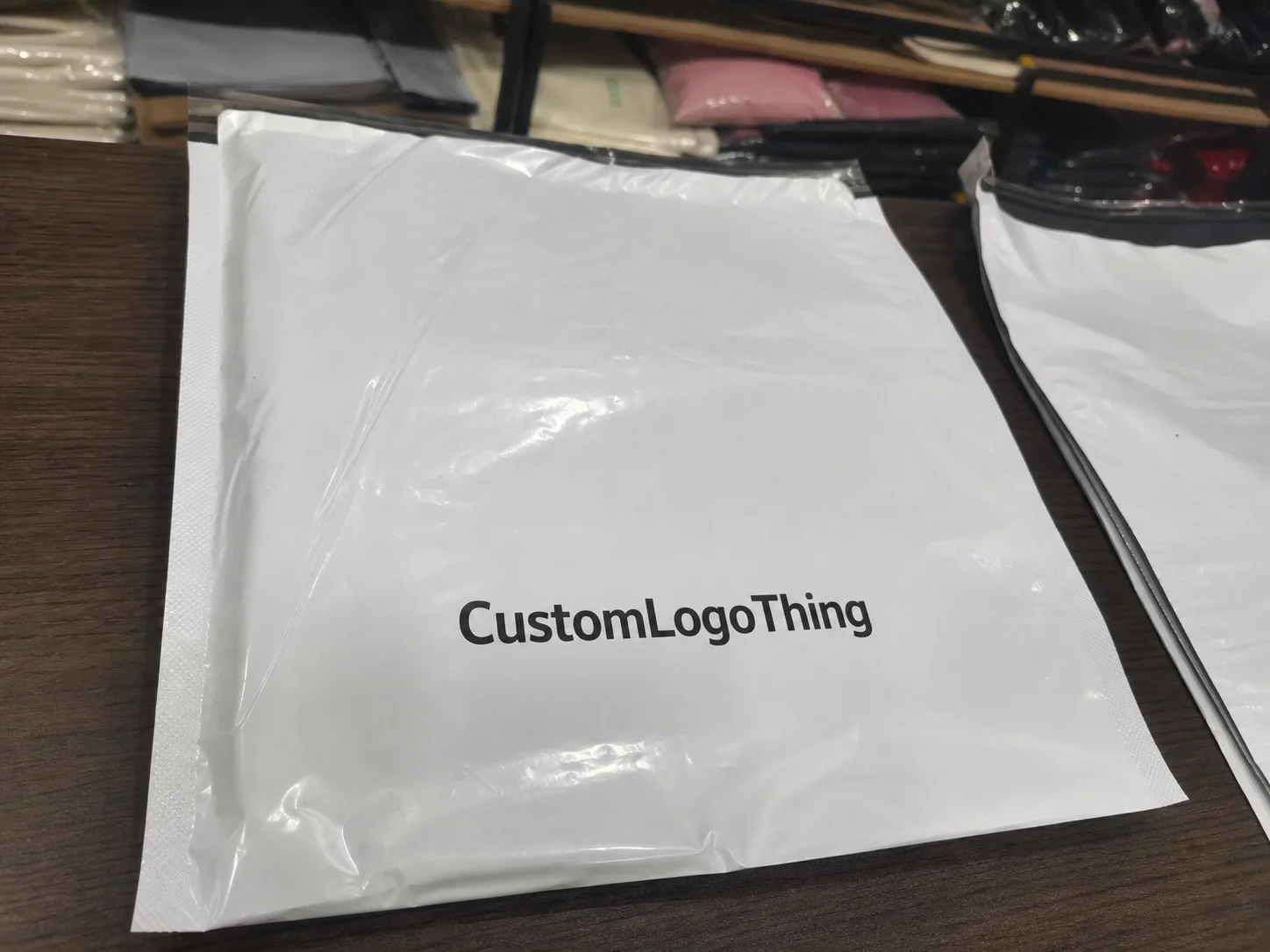
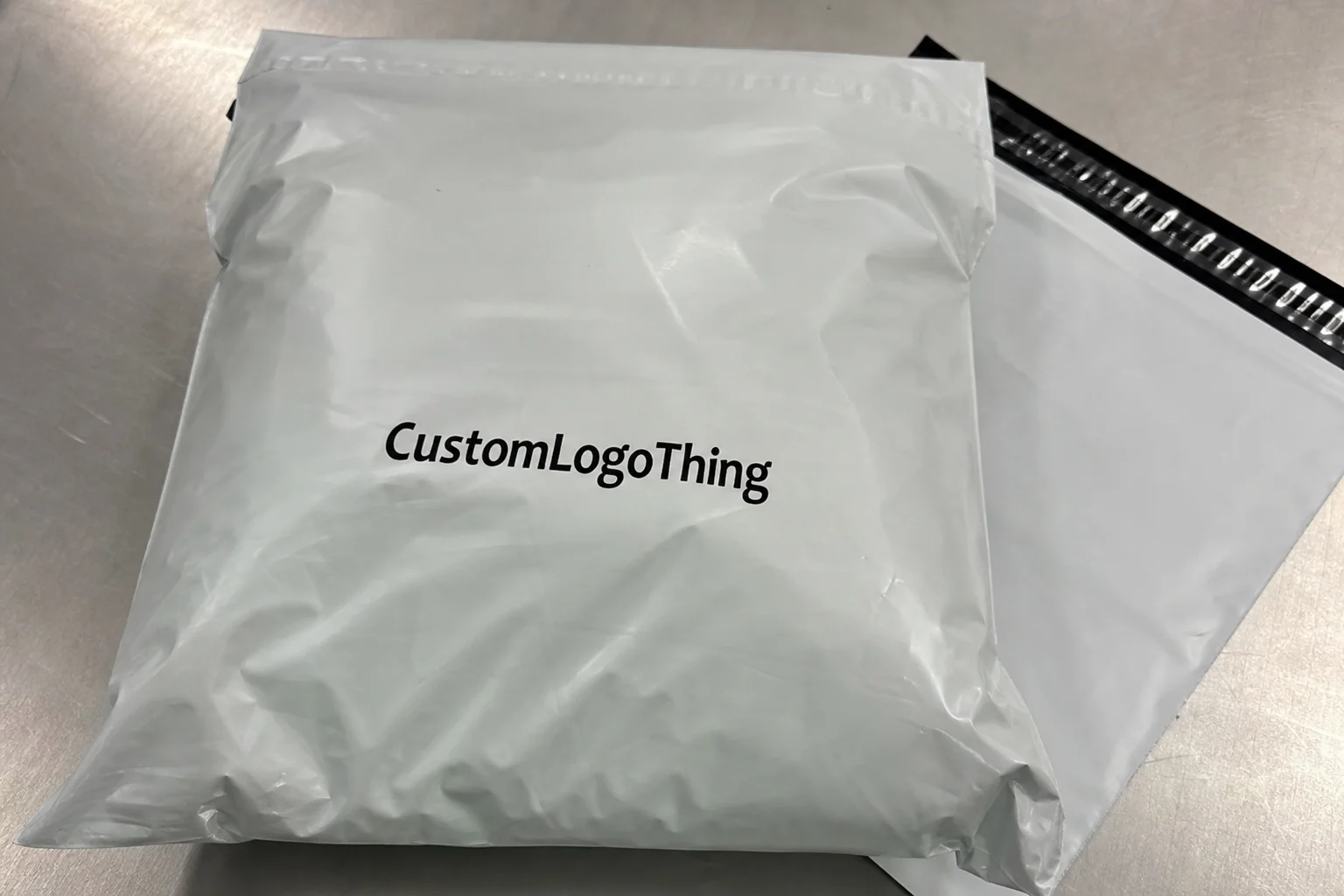
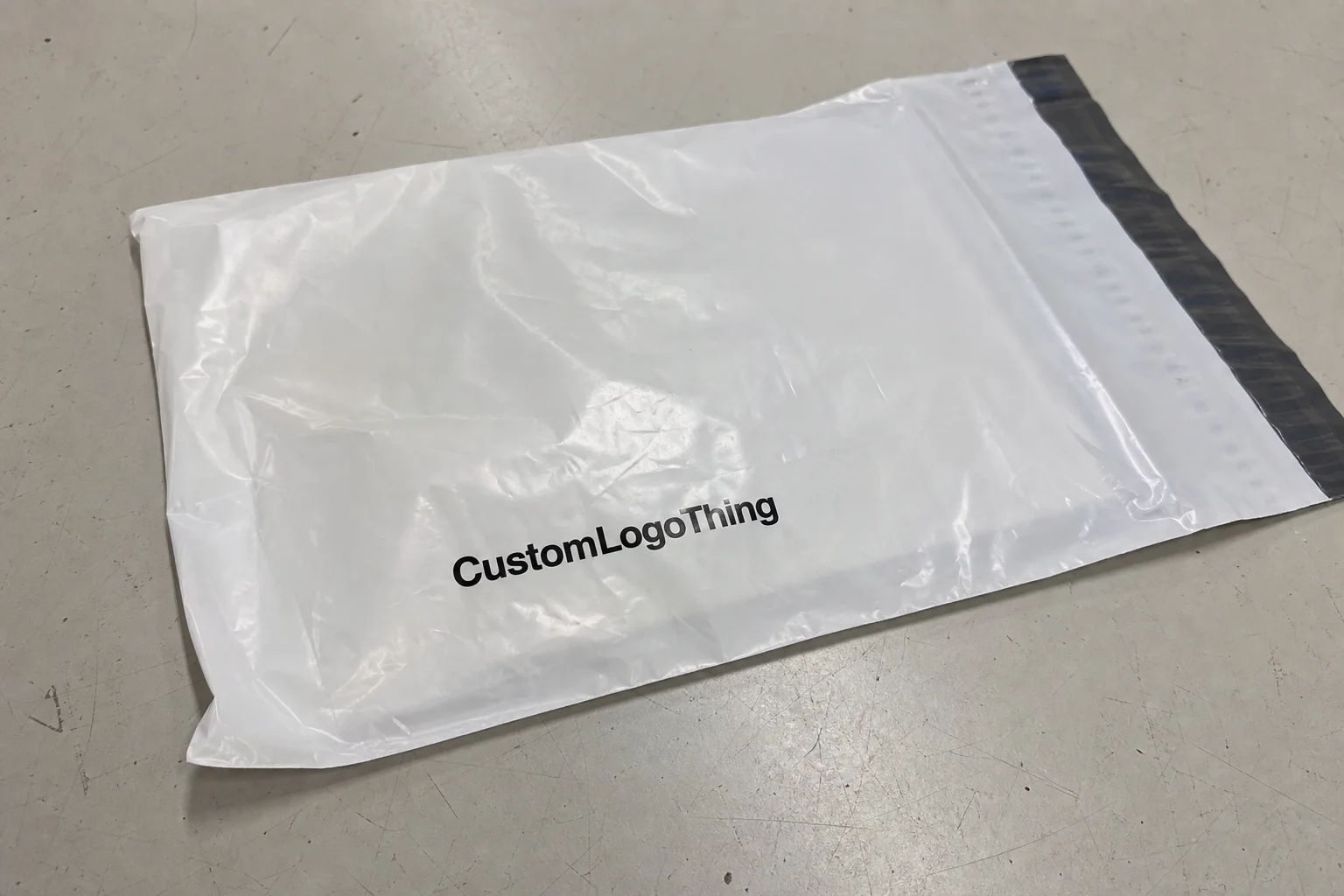
Buyer Fit Snapshot
| Best fit | Shipping Bags Affordable projects where brand print, material claims, artwork control, MOQ, and repeat-order consistency need to be specified before quoting. |
|---|---|
| Quote inputs | Share finished size, material target, print colors, finish, packing count, annual reorder estimate, ship-to region, and any compliance wording. |
| Proofing check | Approve dieline scale, logo placement, barcode or warning zones, color tolerance, closure strength, and carton packing before bulk production. |
| Main risk | Vague material claims, crowded artwork, missing packing details, or unclear freight terms can make a low unit price expensive after revisions. |
Fast answer: Shipping Bags Affordable: Material Claims, Seal Quality, and Freight Cost should be specified like a repeatable production item. The safest quote records material, print method, finish, artwork proof, packing count, and reorder notes in one written spec.
Production checks before approval
Compare the actual filled-product size with the drawing, then confirm tolerance on folds, seals, hang holes, label areas, and retail display edges. Reserve space for logos, QR codes, warning copy, and material claims before decorative graphics fill the panel.
Quote comparison points
Review material grade, print process, finish, sampling route, tooling charges, carton quantity, and freight assumptions side by side. A quote is only useful when the supplier can repeat the same color, closure quality, and packing count on the next order.
Shipping bags affordable is not just about chasing the lowest quote; it is about buying the Right Poly Mailer so your order fulfillment stays efficient, your package protection holds up in transit, and your ecommerce shipping costs do not creep up from damage, re-shipments, or oversized freight. I have stood beside enough converting lines in Dongguan and packing stations in Shenzhen to know that a bag that looks cheap on paper can become expensive fast once it tears at the seam, bloats dimensional weight, or forces a return shipment. A $0.15 mailer that survives 5,000 shipments can be better value than a $0.11 unit that fails 2% of the time. Honestly, that is one of those packaging lessons you only need once before you start taking specs seriously.
Buyers who get the best results usually ask three simple questions: what is going in the bag, how far is it traveling, and what does a failure really cost? That thinking is what makes shipping bags affordable in the real sense, not just the invoice sense. At Custom Logo Things, the goal is to help you match the film, seal, and print method to the product, so you pay for performance where it matters and avoid paying for features you do not need. I wish more people asked those questions before approving a cute-looking mailer that falls apart the second a corner catches on a conveyor belt in Los Angeles, Chicago, or Dallas.
Shipping Bags Affordable: What Most Buyers Miss
Many brands overpay for shipping bags affordable because they judge the unit price alone, then ignore the hidden costs that show up later in returns, damaged goods, and wasted carton space. I still remember a mid-sized apparel brand in Seattle that insisted on the lowest quoted poly mailer, only to discover their heavier fleece hoodies were punching through thin film at the corners. One extra cent saved on the bag turned into far more than that in replacement shipments and customer service time. The finance team was not thrilled, and frankly, neither was I.
The smartest buyers focus on landed cost per shipment, not just the bag price. That means the bag, freight, storage, packing labor, and the cost of a mistake all belong in the same calculation. A co-extruded mailer that costs a little more on paper can still be the cheapest choice if it eliminates punctures and keeps the shipping process moving without rework. For example, a 19 x 24 inch bag at $0.18 per unit for 10,000 pieces can beat a $0.12 bag if it cuts damage claims by even 1.5% on a 25,000-order month. That is the part people miss when they get hypnotized by a low unit quote.
I saw this clearly during a factory visit in Guangdong, where a buyer brought in two sample SKUs: lightweight tees and heavier denim jackets. The tees ran well in a thinner co-extruded mailer, while the jackets needed a tougher film blend, a stronger adhesive strip, and a wider seal area. Same brand, same shipping channel, very different requirements. That is why shipping bags affordable is really about matching the bag to the item, not choosing one bag for every product in the warehouse. If it were that easy, I suppose none of us would have jobs, but packaging still demands actual thinking in places like Foshan, Ningbo, and Suzhou.
Here is the practical takeaway: lighter apparel can ship in a thinner opaque poly mailer, but heavier or sharp-edged items need a more durable film construction and a better closure system. If you are buying shipping materials for ecommerce shipping, the correct spec often saves more than a bargain-basement price ever will. In my experience, the “cheapest” option has a funny habit of becoming the most expensive one after the first damage claim. A $0.03 difference in unit price can disappear quickly when one lost package costs $12 to reship.
“We thought we were saving money on packaging, but the returns told a different story. Once we matched the mailer to the product, defects dropped and our true shipping cost fell.”
Shipping Bags Affordable: Poly Mailer Product Options
When buyers ask me for shipping bags affordable, I usually start by sorting the options into four practical groups: standard opaque poly mailers, Clear Poly Mailers, bubble mailers, and recyclable or recycled-content mailers. Each one has a place, and each one solves a different problem in transit packaging. The trick is not to choose the fanciest option; the trick is to choose the one that gives you the right package protection at the right cost. On a 5,000-piece order, that difference can mean spending $750 instead of $1,150, which is a real line item, not an abstract one.
Standard opaque poly mailers are the workhorse of apparel fulfillment. They are light, flexible, and usually the lowest-cost custom mailer choice when you are moving shirts, leggings, socks, or other soft goods. Clear Poly Mailers are useful when the contents need to be visible for retail compliance or quick warehouse identification. Bubble mailers add cushioning for accessories, cosmetics, small electronics, or items that need a little more protection than film alone can provide. Recyclable or recycled-content options matter when a brand has sustainability targets or wants to meet retailer requirements tied to shipping materials. A recycled-content mailer made with 30% post-consumer resin can still perform well if the seal and gauge are specified correctly.
Material construction matters just as much as bag style. I have seen LDPE mailers used effectively for many general merchandise programs because they are flexible and cost-efficient. Co-extruded film, with multiple layers, often performs better because it lets manufacturers balance puncture resistance, tear strength, and print quality. Post-consumer recycled blends can be a smart choice when buyers need recycled content without completely changing their packing workflow, although price and color consistency can vary depending on the resin supply. A 55-micron co-extruded film from a plant in Qingdao may feel very different from a 45-micron single-layer LDPE bag from Hebei, and that difference shows up at the packing table.
Closure style is another area where shipping bags affordable can be misunderstood. A self-seal adhesive strip is standard, but a tamper-evident seal gives the customer visible confidence that the package has not been opened. Double adhesive strips are valuable for return programs because the same bag can be reused for reverse logistics, which matters in ecommerce shipping where returns are part of the business model. Add a tear strip if you want better opening experience, but remember that every added feature changes cost by a measurable amount, often $0.01 to $0.04 per unit depending on run size.
Size selection is where a lot of money gets wasted. If you oversize the bag, you pay for extra film and may also create unnecessary dimensional weight charges depending on the carrier and service level. I once reviewed a fulfillment line in Atlanta that was packing medium hoodies into a bag large enough for winter coats; the team liked the speed, but the freight bills told a less flattering story. When the buyer resized the mailer correctly, shipping bags affordable became true in both material spend and transportation cost. In that case, moving from a 12 x 15.5 inch bag to a 10 x 13 inch version cut material waste by 18% and reduced carton cube by 11%.
- Apparel: choose a flat or gusseted opaque mailer sized to the folded garment stack.
- Soft goods: use co-extruded film when you need better puncture resistance without switching to boxes.
- Accessories: consider bubble mailers if the item can be scratched or bent.
- Multi-item orders: verify thickness and seal strength before scaling order fulfillment.
If you want to compare more packaging formats beyond poly mailers, our Custom Packaging Products page is a good place to look at the broader shipping materials mix, including options for brand presentation and transit packaging. Some buyers eventually move part of their program into Custom Shipping Boxes when product shape or crush risk makes a bag the wrong tool for the job. A flat apparel bag may cost $0.09 to $0.22 per unit, while a fitted box can run several times higher once corrugate, print, and freight are included.
| Mail Type | Best For | Typical Cost Profile | Protection Level |
|---|---|---|---|
| Standard opaque poly mailer | Tees, leggings, light apparel | Lowest | Basic package protection |
| Co-extruded poly mailer | Denim, hoodies, mixed soft goods | Low to moderate | Better puncture resistance |
| Bubble mailer | Accessories, cosmetics, small devices | Moderate | Added cushioning |
| Recycled-content mailer | Brands with sustainability requirements | Moderate | Comparable when spec'd correctly |
Shipping Bags Affordable: Specifications That Affect Cost
If you want shipping bags affordable, the spec sheet matters more than most buyers expect. Film thickness, dimensions, print coverage, adhesive type, and finishing details all move the price, and not always in a linear way. A slightly heavier film can cost a little more per unit, but if it reduces punctures, re-ships, and customer complaints, it may be the cheaper choice overall. A 50-micron bag at $0.14 can easily outcompete a 40-micron bag at $0.11 if the thinner version fails once every 200 shipments. I know that sounds like the dullest sentence imaginable, but it is also how you avoid expensive mistakes.
Film gauge is one of the first things I review. For lightweight apparel, a thinner film can be perfectly suitable, especially if the mailer is a co-extruded construction with good seal performance. For heavier goods, thicker film often protects against corner punctures and rough handling in conveyor systems. I have seen bags fail in a distribution center in Guangzhou because the contents had a single sharp edge from a zipper pull or metal tag; a 10% increase in gauge would have saved the batch. That is a maddeningly small change for such a big headache.
Dimensions are just as important as gauge. A custom mailer that is too large wastes material and can trigger avoidable dimensional weight charges, especially in ecommerce shipping where parcel pricing can shift quickly by service level. Too small, and the product stresses the seam or seal. The right fit is usually a clean fold, a little compression, and enough closure margin to maintain seal integrity after movement through sorting equipment. I remember one buyer in Portland insisting the bag “looked fine” until we watched the freight math. The bag was fine. The invoice was not.
Print coverage changes cost because more ink, more setup, and more press time usually mean more expense. Simple one-color branding is often the best answer for buyers trying to keep shipping bags affordable while still presenting a clean, professional look. Two-color printing can add visual impact without exploding the budget, but full coverage graphics or complex photography will generally move you into a different cost bracket. Flexographic printing is common for repeat runs and controlled brand colors; rotogravure may suit larger runs where consistency and high-volume output justify the cylinder investment. On a 10,000-piece run, a one-color logo may add only $0.02 to $0.04 per bag, while full-coverage art can add several cents more.
Adhesive selection also matters. A standard self-seal strip is the baseline, while a stronger adhesive can improve closure security for heavier products or longer transit times. Double adhesive strips cost more, but they can support return workflows and improve the customer experience. Tear strips and zipper-style features add convenience, yet each one adds a small amount to the total price and may slow production if the build becomes more complex. Packaging has a way of turning one “small upgrade” into six, which is how budgets quietly disappear.
Quality control is not a nice-to-have. In a good factory, I expect seal integrity testing, random drop testing, visual inspection for print registration, and checks for consistent bag width and closure placement. At one supplier meeting in our Shenzhen facility, a buyer was surprised to learn that a tiny shift in print registration could affect how their logo aligned with the bag edge. That correction took minutes on the press side but saved a lot of complaints from a brand team that cared deeply about presentation. I would rather fix that on the production floor than read about it in an angry email later.
For buyers who want shipping bags affordable and reliable, the spec list below is usually the best place to begin:
- Film thickness: choose the lightest gauge that still survives handling and transit.
- Dimensions: match the folded product size closely to limit wasted film and freight.
- Print colors: keep branding simple if unit economics matter most.
- Adhesive type: match the closure to the return policy and shipment distance.
- Finishing features: add tear strips or double seals only when they solve a real workflow need.
For reference on packaging performance and waste reduction principles, I often point buyers to industry and environmental resources such as ISTA for transit testing standards and EPA recycling guidance when sustainability targets matter. Those references do not pick your bag for you, but they help frame better decisions. If you are sourcing a recyclable mailer, a 12-business-day proof cycle and a 15-business-day production window are common planning anchors once artwork is approved.
Shipping Bags Affordable: Pricing, MOQ, and Unit Economics
Pricing for shipping bags affordable changes with order quantity, material selection, print complexity, and whether the bag is a stock size or a fully custom build. That sounds simple, but the details matter a lot. A 1-color custom mailer at 10,000 pieces will not price the same as a 4-color design at 3,000 pieces with a tear strip and double adhesive. The setup work alone changes the economics before the first bag is printed. For example, a plain 9 x 12 inch stock mailer might land at $0.08 to $0.11 per unit, while a fully custom printed version with special features can move toward $0.18 to $0.32 depending on structure and finish.
Standard stock-style mailers are usually the cheapest option because the press does not need a unique size or complex prepress work. Once you move into custom dimensions and branded print, your MOQ rises to cover setup costs, material ordering, and line scheduling. That is why shipping bags affordable is often easiest to achieve when the design is kept clean and the run size is large enough to spread fixed costs across more units. A 5,000-piece run from a plant in Dongguan can be priced very differently from a 1,000-piece rush order in Ningbo, even before freight is added.
Here is a practical way to think about it. If your brand is shipping 5,000 to 10,000 units per month, Custom Printed Mailers can make sense because the per-unit cost falls enough to justify branding. If your volume is smaller, you may be better served by a stock size with a simpler print or a two-color logo rather than full coverage artwork. In factory terms, the press hates unnecessary complexity, and so does your budget. I have yet to meet a CFO who gets excited about “extra press complexity,” although I have met several who can spot a wasteful spec from 20 feet away.
I negotiated one order for a subscription apparel brand that wanted all-over printing, matte finish, tear strip, and return adhesive. The quote looked high at first, but when we compared it to their current losses from box material, filler, and higher freight weight, the mailer actually improved unit economics. A $0.24 bag replaced a $0.41 total package build, and the brand saved nearly $9,000 over a 50,000-order quarter. That is the sort of conversation that turns shipping bags affordable from a slogan into a measurable result.
| Order Type | Typical MOQ | Relative Unit Cost | Best Use |
|---|---|---|---|
| Stock unprinted mailer | Low | Lowest | Fast replenishment, low branding need |
| Simple custom printed mailer | Moderate | Low to moderate | Apparel brands, moderate volume |
| Fully custom build | Higher | Moderate to higher | Large programs, special specs, stronger brand presence |
When you evaluate quotes, do not ignore freight and storage. A bag that costs less from the factory but ships in inefficient cartons can eat up the savings fast. I have seen buyers save a fraction of a cent per unit and then lose more in warehousing because the packing configuration was bulky. The best shipping bags affordable option is often the one with the lowest total cost, not the lowest ex-works price. If your cartons ship from Shanghai to Long Beach in oversized master cases, the “cheap” quote can get expensive before the containers are unloaded.
Unit economics also improve when the bag reduces postage. Smaller, lighter packaging can help control dimensional weight, which matters in parcel pricing and shipping materials strategy. If a poly mailer replaces a box without harming product integrity, the freight savings can be dramatic over thousands of orders. That is especially true in ecommerce shipping where the margin on each shipment is tight and consistency matters. A 1.2-ounce mailer can be the difference between a zone 3 parcel staying under a threshold and jumping to a higher rate tier.
Shipping Bags Affordable: Production Process and Timeline
A clean production process is one of the most reliable ways to keep shipping bags affordable. It starts with artwork review and dieline confirmation, then moves into material selection, printing, curing, slitting, packing, and final inspection. When those steps are managed well, the factory can hold tolerances, reduce waste, and keep your lead time predictable. That is the boring kind of excellence that keeps a business from spiraling into avoidable reorders. In a typical program, proof approval on Monday can lead to shipment 12 to 15 business days later if the spec is simple and the material is in stock.
The fastest projects are the ones where the buyer sends final artwork, exact dimensions, print colors, and closure requirements up front. When a file is missing bleed, a logo is low resolution, or the size is not fully locked, revisions stack up and the schedule stretches. I have seen a one-week proof delay become a three-week delay simply because the brand team wanted to keep “tweaking” the artwork after the quote was already approved. It sounds dramatic because it was dramatic. A 48-hour delay at proof stage can snowball into a missed launch in New York, Toronto, or Melbourne.
Lead time depends on quantity and complexity. A simple custom mailer using stocked film may move faster than a fully custom resin blend with special finishes. Larger runs naturally require more press time and more packing labor. If you need a promotion launch date, seasonal replenishment, or an inventory buffer for your order fulfillment team, give the supplier the target receipt window early so the production slot can be matched to your need. A 3,000-piece order with single-color print may take 10 to 12 business days after proof approval, while a 50,000-piece multi-color order can stretch toward 18 to 25 business days before freight.
For planning purposes, buyers should think in three timing buckets:
- Artwork and proofing: usually the first variable, and often the one that causes the most delay.
- Production: depends on order size, print count, and whether the material is standard or custom.
- Freight and delivery: varies by destination, carton count, and whether ocean or air is used.
When I visited a packing facility in Suzhou that handled fashion and lifestyle goods, the operations manager showed me how much inventory stress came from late packaging arrivals rather than from the bags themselves. Their buying team ordered the right product, but not early enough. The warehouse ran out, switched to temporary shipping materials, and the brand took a hit on presentation. That is why shipping bags affordable should also mean dependable on-time delivery. A cheap bag that arrives too late is basically a very polite problem.
One more practical point: if your order volume changes seasonally, build a small safety buffer into your schedule. A few extra cartons in reserve can prevent expensive rush freight and keep the line from stopping during peak weeks. In a busy warehouse, one missing packaging component can slow the whole packing lane, and no one wants that kind of disruption. I have seen a single late carton of 5,000 mailers force a one-day hold on a Black Friday prep line in Chicago, and that delay cost more than the entire packaging order.
Why Choose Us for Affordable Shipping Bags
At Custom Logo Things, we position shipping bags affordable as a balance of price, durability, and presentation, not as a race to the bottom on spec. That distinction matters because a bag that saves a fraction of a cent but fails in transit is not economical. Our focus is on helping you match the mailer to the product so your order fulfillment stays smooth and your brand looks consistent at the customer’s doorstep. In practical terms, that can mean a $0.16 mailer with 55-micron co-extruded film instead of a $0.13 option that creates $200 worth of headaches every week.
From a manufacturing standpoint, the difference shows up in the details: controlled printing lines, adhesive application that is checked for consistent closure, and quality control steps that catch defects before cartons leave the floor. Those steps may sound ordinary, but ordinary discipline is what keeps affordable shipping bags performing the same way on the 100th carton as they did on the first. I have always trusted boring consistency over flashy claims. A plant in Shenzhen, for example, can hold a 2 mm width tolerance and still keep a 12-color logo aligned if the process is managed correctly.
We also help with material and size selection, because a lot of buyers are simply handed too many choices without guidance. If your product is a soft garment, I may suggest a co-extruded poly mailer with straightforward branding. If the item has sharper edges or needs more visual presentation, I might suggest a bubble mailer or a different format entirely. The right answer is not always a mailer, and honest advice saves time. Sometimes the most helpful thing a supplier can say is, “No, that spec does not make sense,” even if it is not the answer the buyer expected. A 14 x 17 inch bag is not always better than a 12 x 15 inch one, especially if it triggers higher freight and extra resin use.
Consistency matters too, especially for brands that reorder month after month. A recurring issue I have seen in supplier negotiations is color drift from one run to the next, or a closure that feels different after a material change. Those problems are avoidable when the process is controlled and the specification is written clearly. If your brand depends on predictable replenishment, consistent shipping bags affordable can protect both budget and reputation. A reorder scheduled every 30 days from a plant in Guangdong is far easier to manage when the print standard and material recipe stay locked.
We support buyers who need matching solutions across Custom Poly Mailers and other branded shipping materials, so the packaging still feels like one system rather than a collection of unrelated items. That matters in ecommerce shipping, where the unboxing moment and the packing efficiency both affect the customer experience. A 350gsm C1S artboard insert in one part of the packout and a 50-micron mailer in another can still work together if the brand system is planned clearly.
Honestly, the strongest packaging programs I have seen are not the loudest ones. They are the ones where the buyer knows the exact product spec, the supplier knows the press limits, and the warehouse knows how the bag will behave in daily use. That is how shipping bags affordable becomes a working buying strategy instead of a vague promise. A clear spec sheet and a 12-day production window beat a last-minute rush nearly every time.
How can you make shipping bags affordable without sacrificing quality?
The short answer is to buy to the product, not to the lowest headline price. Start with the item’s weight, shape, and fragility, then choose the lightest film gauge that still protects it in transit. If the contents are soft apparel, a standard opaque or co-extruded poly mailer is often enough. If the item has sharper edges, a bubble mailer or thicker film may prevent damage that would cost far more than the upgrade.
Then look at the whole cost picture: freight, storage, packing labor, and the cost of returns. A slightly more expensive mailer can lower your total shipping cost if it reduces dimensional weight or avoids replacements. Simple branding also helps keep prices in check. One-color print, a clean adhesive strip, and the right dimensions usually deliver the best balance of performance and value.
If you are sourcing at scale, ask suppliers for side-by-side quotes across two or three specifications. That makes it much easier to see where a small material change saves money and where a small upgrade prevents expensive failures. In practice, that is how shipping bags affordable stays affordable after the cartons arrive, not just before the PO is signed.
Next Steps to Order Shipping Bags Affordable
If you are ready to source shipping bags affordable, start by gathering the details that affect both quote accuracy and production speed: product dimensions, estimated monthly volume, artwork files, preferred closure type, and delivery destination. When those basics are clear, the quote reflects reality instead of guesswork. If you can tell us whether you need 5,000 pieces or 50,000 pieces, the pricing can shift from a rough estimate to a much tighter per-unit number.
My advice is to compare at least two or three spec options side by side. For example, compare a thinner standard mailer, a co-extruded upgrade, and a recycled-content option if sustainability matters. Seeing the price difference next to the performance difference makes the decision much easier, especially when you are balancing package protection against budget constraints. A $0.12, $0.15, and $0.19 comparison on the same SKU is far more useful than a single quote with no context.
Ask for a sample or a digital proof before production. That small step lets you check fit, seal feel, logo placement, and overall presentation before the full run starts. I have seen buyers catch a size mismatch on a sample that would have cost them thousands of dollars if it had gone straight into production. The sample stage is cheap insurance, and way less painful than explaining to a warehouse team why 12,000 bags are all just a little bit wrong. In most cases, sample review takes 2 to 4 business days, while physical samples from a factory in Dongguan may arrive in 5 to 8 business days by express courier.
If you are comparing packaging paths, you may also want to review Custom Shipping Boxes for items that need more crush resistance, or return to our broader Custom Packaging Products lineup if you want to standardize your shipping materials across multiple SKUs. The right system depends on the product, the carrier mix, and your order fulfillment model. A mixed program can include a 40-micron bag for tees, a 55-micron bag for hoodies, and a box for fragile accessories.
For brands that want shipping bags affordable without sacrificing reliability, the best sequence is simple: estimate, sample, approve, and then move into production. That is the path that protects budget, limits waste, and keeps the operation moving. If you send the right specs the first time, we can usually help you land on a solution that is both practical and presentable. A clean brief with dimensions, artwork, and target quantity often shortens the quote cycle to 1 to 2 business days.
Shipping bags affordable works best when the numbers and the materials line up, and that is exactly what we help customers do every day.
FAQ
How do I choose shipping bags affordable for apparel orders?
Match the mailer size to the folded garment dimensions so you do not pay for excess material or freight. For most soft goods, a co-extruded or standard opaque poly mailer gives a strong balance of cost and package protection. If you ship heavier apparel like denim or hoodies, ask for a sample because those items often benefit from thicker film and a stronger seal. A 10 x 13 inch bag can work well for folded tees, while a 14 x 19 inch option may be better for bulkier items if the seal area is wide enough.
What affects the price of affordable shipping bags the most?
Film thickness, custom dimensions, print colors, and order quantity usually have the biggest impact. Adhesive type, tear strips, and recycled-content materials can also change pricing, especially when the design requires extra setup or a specific resin blend. Freight and storage matter too, particularly if your cartons are bulky or your warehouse wants palletized delivery. In many cases, moving from 1-color to 2-color print adds $0.01 to $0.03 per unit, while a thicker film may add another $0.02 to $0.05 depending on the run.
What is the usual MOQ for custom shipping bags affordable?
MOQ depends on the design and print method, but Custom Poly Mailers often start at production quantities that justify setup costs. Higher quantities usually lower the unit price because press setup and material sourcing are spread across more bags. If you need a smaller run, ask about stock sizes with custom print or a simpler one-color branding approach. A 3,000-piece run may be possible for some specs, but 5,000 to 10,000 pieces is often where pricing becomes much more efficient.
Are affordable poly mailers strong enough for shipping?
Yes, when the film gauge and seal quality are selected for the product weight and shape. For soft goods and non-fragile items, a properly spec'd poly mailer is often the most cost-efficient transit packaging choice. If your product has sharp edges or a heavier load, a thicker film or a bubble mailer may be the safer option. For example, a 50- to 60-micron co-extruded bag can be a better fit for hoodies than a lighter 35- to 40-micron film.
How can I get the best quote on shipping bags affordable?
Send exact dimensions, expected quantity, artwork, and whether you need printed or unprinted bags. Request multiple spec options so you can compare cost against durability and appearance, and provide your delivery timeline early so the quote reflects the right production schedule and freight method. That approach usually gives the clearest pricing and the most reliable result. If your target is 12 to 15 business days from proof approval, say so up front so the factory can plan the press slot and carton schedule correctly.