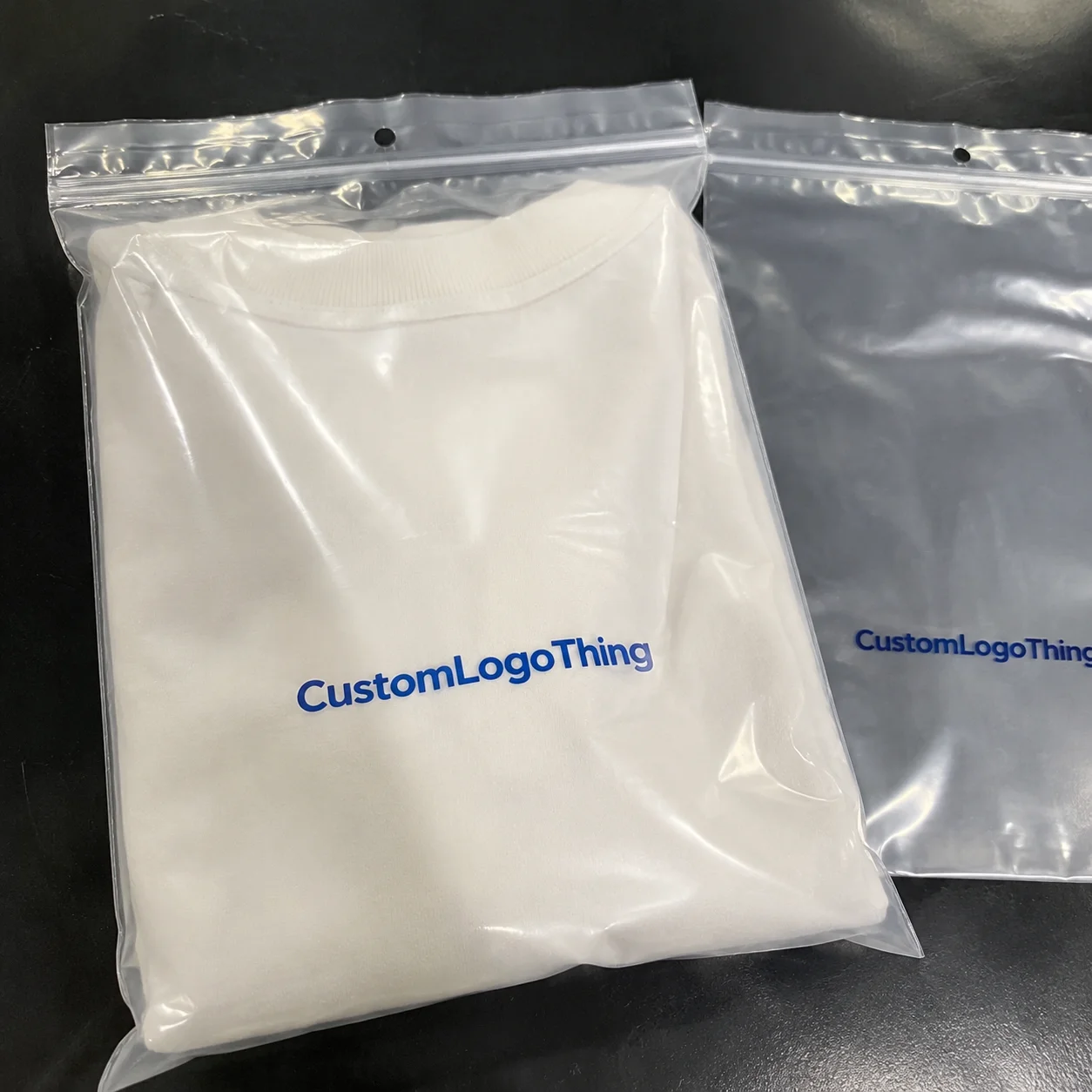
Buyer Fit Snapshot
| Best fit | Shipping Bags Comparison projects where brand print, material claims, artwork control, MOQ, and repeat-order consistency need to be specified before quoting. |
|---|---|
| Quote inputs | Share finished size, material target, print colors, finish, packing count, annual reorder estimate, ship-to region, and any compliance wording. |
| Proofing check | Approve dieline scale, logo placement, barcode or warning zones, color tolerance, closure strength, and carton packing before bulk production. |
| Main risk | Vague material claims, crowded artwork, missing packing details, or unclear freight terms can make a low unit price expensive after revisions. |
Fast answer: Shipping Bags Comparison: Pick the Right Poly Mailer should be specified like a repeatable production item. The safest quote records material, print method, finish, artwork proof, packing count, and reorder notes in one written spec.
Production checks before approval
Compare the actual filled-product size with the drawing, then confirm tolerance on folds, seals, hang holes, label areas, and retail display edges. Reserve space for logos, QR codes, warning copy, and material claims before decorative graphics fill the panel.
Quote comparison points
Review material grade, print process, finish, sampling route, tooling charges, carton quantity, and freight assumptions side by side. A quote is only useful when the supplier can repeat the same color, closure quality, and packing count on the next order.
Shipping Bags Comparison: Why I Learned the Hard Way
If you’ve ever done a shipping bags comparison and picked the cheapest poly mailer because the quote looked tidy on a spreadsheet, I understand the temptation. I remember standing on the floor of a DTC apparel plant outside Dallas, Texas, while a manager held up a torn bag and said, with the kind of expression that only comes from a bad day on a conveyor line, “It looked fine on the quote, but not on the conveyor.” That plant was packing about 8,000 units a week, and by then the team had already spent two full shifts dealing with damaged returns from a thinner bag that had seemed like a smart swap at $0.11 per unit for 10,000 pieces.
What happened there was painfully predictable. The brand had been using a more rigid mailer with a little structure, then they switched to a thin flexible bag, saved roughly $0.04 per unit on paper, and promptly paid for reships, customer service labor, and a slow erosion of customer trust that showed up in comments about “cheap packaging” from customers in Austin, Phoenix, and Tampa. The part that still sticks with me is how everyone in the room kept talking about unit cost while the receiving team kept talking about torn corners, failed seals, and packages that looked like they had gone through a forklift lane in Memphis. That’s the real lesson behind a shipping bags comparison: the quote is only page one.
In packaging terms, shipping bags usually means lightweight flexible mailers, padded mailers, co-extruded poly bags, and specialty options with security seals, handles, or tamper-evident closures. People love to lump them together, but a 2.5 mil LDPE poly mailer is not the same animal as a multi-layer co-extruded mailer, and a bubble-lined mailer behaves differently again once it gets into order fulfillment, carrier handoffs, and last-mile delivery. I’ve seen buyers discover that distinction the expensive way, usually after a few hundred complaints and one very cranky operations meeting in a warehouse outside Indianapolis.
A good shipping bags comparison goes far beyond unit price. You have to look at the bag’s weight, burst strength, seal reliability, print quality, dimensional weight impact, and even the way a customer feels when they tear it open on a kitchen counter or in a dorm room. I’ve sat through supplier meetings where the bag cost was 18 cents, but the hidden damage claims were running closer to 62 cents per shipped order after returns, replacements, and labor were counted, which is why the cheapest option is not always the lowest-cost option. That sounds like a finance lesson, but in practice it is the difference between a healthy margin and a quarterly review that starts with a long pause.
So here’s the map for what follows: we’ll break down how shipping bags perform in transit, how to compare specs without getting lost in jargon, and how to match the right bag family to the product you actually sell. Whether you’re packaging T-shirts, beauty kits, accessories, or small electronics, a smart shipping bags comparison helps you pick a bag that protects the product and supports your brand rather than fighting both jobs at once.
How Shipping Bags Work in Transit
At a basic level, a shipping bag protects the product from moisture, dust, scuffing, and some abuse from automated sorting systems. The film acts as a barrier, the seams carry the load, and the adhesive closure keeps the package shut while it rides conveyor belts, drops into tote bins, and gets tossed into a delivery van with 40 or 50 other parcels. That sounds simple, but a shipping bags comparison gets meaningful only when you understand those mechanics and the ugly little details that come with them, especially on routes that move through hot hubs like Dallas, humid lanes like Atlanta, and winter transfer points near Chicago.
Most poly mailers are made from LDPE, LLDPE, or co-extruded film structures. LDPE tends to be soft and flexible, which makes it easy to pack and seal, while co-extruded mailers can combine different layers so the outside layer prints well and the inside layer resists puncture or tear propagation. I’ve seen a co-extruded 3 mil bag outperform a plain 4 mil bag because the seal design and material blend were better matched to the product shape; thickness alone didn’t tell the full story. In one line trial near Los Angeles, California, that difference saved a brand from scrapping 2,400 units after a few cartons started splitting at the corners.
That’s one of the places where a shipping bags comparison gets tricky. People look for a single number, usually mil thickness, and assume that solves the problem. It doesn’t. A bag with a weak fin seal or inconsistent adhesive strip can fail at the closure even if the film itself is thick enough. I’ve watched bags survive a drop test in a supplier lab and then open in a real carrier network because the closure adhesive lost bite after sitting for eight hours in a warehouse around 42°F. The bag did not care that the spec sheet had a confident tone.
Closure styles matter more than people think
Self-seal adhesive strips are common because they’re fast on the packing line, and in a busy warehouse I can tell you that 3 seconds saved per pack multiplies quickly across 2,000 orders a day. Tamper-evident closures help when you want the customer to know whether the bag has been opened, while reclosable options can be useful for returns or multi-use shipments. In a proper shipping bags comparison, closure style should be treated as a performance spec, not just a convenience feature, especially if your pack line is running one shift in Nashville and a second shift in Reno.
If the bag is going through rougher routes, the seal edge needs enough width and adhesive coverage to survive flexing. The carrier does not care if your bag was “easy to close” if it pops open at the hubs in Memphis or Indianapolis. Too many teams choose closures based on packing speed and ignore route risk, especially when the bag is going to a residential customer 1,600 miles away in a market with winter temperatures below 20°F. Route risk is one of those things that feels abstract until you are staring at a stack of claims that all trace back to one too-thin seal stripe.
Another thing I explain to clients is that the best bag is not always the thickest one. For a lightweight cotton tee shipped 200 miles to a regional customer, a 2.5 mil poly mailer with a strong seal may be perfect. For a boxed skincare set with glass jars, that same bag may be the wrong call. A thoughtful shipping bags comparison asks what the route looks like, how the product sits inside the bag, and whether the bag will be handled by machines, people, or both. That is why a 9x12 inch mailer can be ideal for one SKU and a bad idea for another.
“We do not need the strongest bag we can buy; we need the right bag for the way our orders actually move.” That was a line I heard from a fulfillment director during a line trial in Atlanta, Georgia, and he was right.
For more context on packaging performance standards, the ISTA library is a good place to see how transport tests are framed, and the EPA recycling guidance is useful when your packaging review includes material reduction and end-of-life considerations. If you are comparing claims from suppliers in Shenzhen, Ho Chi Minh City, or Guangzhou, those references help keep everyone anchored to measurable test methods rather than marketing language.
Key Factors in a Shipping Bags Comparison
A serious shipping bags comparison starts with strength metrics. Film thickness is a starting point, not a verdict. A 2.5 mil bag may work for soft goods, while a 4 mil bag can better tolerate corners, heavier loads, and rougher handling. But I have also seen a 4 mil bag with sloppy seal formation fail more often than a well-made 3 mil bag from a better converting line in Jiangsu, China. The metric stack should include puncture resistance, burst or load capacity, seal integrity, and tear propagation. If you skip one of those, the bag will usually make sure you notice, and it will usually do so on a Monday morning.
Size and fit matter just as much. Too much empty space lets the product shift, and that movement grinds against seams and closures. Too little space stresses the bag during insertion and can cause popping at the mouth or a weak weld at the bottom gusset. In one apparel program I worked on, switching from a bag that was 2 inches too long to one that fit with just 0.5 inch of clearance cut complaints about scuffed corners almost in half within two reorders, and the team saw returns drop from 3.1% to 1.9% over a 60-day span. That is the kind of detail that turns a basic shipping bags comparison into a useful one.
Price deserves a real breakdown. I like to separate it into unit price, print setup, minimum order quantity, freight, and the hidden cost of damage claims or re-shipments. A bag priced at $0.18 per unit for 5,000 pieces can look worse than a $0.14 per unit bag until you realize the cheaper bag increases replacement shipments by 2.7%, which wipes out the savings very quickly. A custom printed order might also include a $95 plate charge, a $180 setup fee, and a $220 freight line from a factory in Dongguan to a port warehouse in Long Beach. That is why a shipping bags comparison should use landed cost, not just unit cost.
| Feature | 2.5 Mil Poly Mailer | 4 Mil Poly Mailer | Bubble Mailer |
|---|---|---|---|
| Typical use | Soft goods, apparel, inserts | Heavier soft goods, mixed items | Fragile small items, accessories |
| Weight | Very low | Low | Higher than plain poly |
| Package protection | Moderate | Better puncture resistance | Better impact cushioning |
| Print quality | Good on smooth film | Good to very good | Depends on outer face stock |
| Cost level | Lower | Mid | Higher |
Branding and print quality are another major factor in any shipping bags comparison. A clean logo, strong white ink coverage on dark film, and correct placement can make a mailer feel deliberate rather than generic. On one cosmetics launch, we used a black co-ex mailer with a 2-color flexographic print from a converter in Yiwu, Zhejiang, and the client told me that the bag made the order feel more expensive before the box even got opened. That matters. Customers judge packaging in the first three seconds, and sometimes they judge it before they have even finished peeling the strip, which is rude but very real.
Sustainability also belongs in the comparison. Recyclable mono-material options are improving, source reduction can save resin and freight, and sometimes a slightly higher unit cost is offset by lower shipping weight or reduced carton fill. Recyclability depends on local infrastructure and material composition, so I never promise more than the spec can support. Still, a thoughtful shipping bags comparison should ask whether a lighter bag with less material can meet the same performance standard, especially if the bag uses 100% LDPE film with a 30% PCR content and a 2.8 mil gauge.
Then there is process and timing. Proofing, plate setup, schedule lock-in, and freight lead time all affect the real buying decision. A Custom Printed Poly mailer might take 12-15 business days from proof approval, while a stock bag may ship in 2-4 days depending on inventory. If your sales spike around a promotion or holiday drop, the supplier’s production calendar matters as much as the film spec. That is why I encourage teams to compare not only materials, but also the manufacturing path behind them. I have watched a “perfect” bag miss its launch date by nine days because a shipment was waiting on a press slot in Ningbo, and nobody was in a charming mood after that.
Shipping Bags Comparison by Product Type and Use Case
One of the smartest ways to approach a shipping bags comparison is to start with the product type, not the bag catalog. Apparel is the easy example: T-shirts, leggings, scarves, and socks usually do well in flexible poly mailers if the bag fits correctly and the closure holds. I have seen thousands of units packed this way in order fulfillment centers in Southern California and Kentucky, and the key was always fit plus seal consistency, not fancy extras. The boring answer is often the right one, which is unfortunate for people who want packaging to be dramatic.
For accessories like belts, small leather goods, phone cases, and jewelry cards, a standard mailer may still work, but you need to account for corners and hard edges. For small electronics, chargers, earbuds, and boxed tech accessories, padded mailers or bubble mailers often make more sense because they add a layer of impact cushioning that plain film cannot provide. The wrong choice in a shipping bags comparison can lead to crushed corners, nicked print, or customer returns that cost far more than the packaging upgrade. I am not exaggerating when I say I have seen a $0.06 packaging savings create a month of customer service misery and a return rate that climbed from 2.4% to 5.8% in one quarter.
Beauty products sit in the middle and are often tricky. A boxed skincare item with a glass bottle may need a corrugated shipper, while a set of sheet masks or sample sachets can move in a flexible mailer. For privacy-sensitive items, opaque bags are better because they hide the contents, and that can reduce theft risk and improve customer comfort. If the shipment includes high-value or tamper-sensitive goods, security-tamper styles deserve a hard look during the shipping bags comparison. A satin-finish opaque mailer from a factory in Suzhou can also improve shelf presentation when the customer is not opening the parcel immediately.
There are also product conditions that change the decision entirely. Oily items can stain standard films if they are not bagged or sleeved first. Sharp-edged products can cut a weak film after only a few vibration cycles. Moisture-sensitive goods may need a better barrier structure, especially if they move through humid lanes or sit on docks for 24 hours in Savannah, Houston, or Miami. I have even seen cold-chain adjacent shipments fail because the bag became brittle after exposure to low temperatures during a winter transfer, which is why I always ask about route conditions before finalizing the bag family. That conversation saves everyone from pretending the package is a magical object immune to weather, handling, and gravity.
If you want a quick decision framework, I use this sequence in a shipping bags comparison:
- Soft and low-risk: plain poly mailer.
- Soft but heavier: thicker poly or co-ex mailer.
- Fragile or corner-sensitive: padded or bubble mailer.
- High-value or privacy-sensitive: opaque tamper-evident mailer.
- Rigid or crush-prone: consider a box before you force a bag to do the wrong job.
That last point matters, and it is where many teams push too hard on shipping materials. If the product needs structural support, the answer may not be a better mailer at all. In those cases, reviewing Custom Shipping Boxes alongside mailers can save more money than upgrading film thickness ever could. For broader sourcing, Custom Packaging Products gives you a useful place to compare formats without assuming one package type fits every order. A sourcing team in Chicago can often see that distinction quickly once the carton rates and DIM charges are on the same page.
Step-by-Step Shipping Bags Comparison Process
Here is the process I recommend when a client wants a practical shipping bags comparison rather than a theoretical one. Step one is to list product dimensions, weight, fragility, and surface type. I want actual measurements in inches or millimeters, plus the packed weight, because “about a pound” is not precise enough when a bag seal is being tested against load and stretch. I know that sounds fussy, but guessing is how people end up with a stack of mailers that fit almost everything and actually fit nothing well.
Step two is to request samples from at least two or three suppliers and test them with real packed product. I have watched teams compare spec sheets for a week and then discover, during a simple bench test, that one bag’s adhesive strip was too narrow for the warehouse’s winter temperatures. A real test should include closure strength, seam stress, insertion feel, and the way the bag behaves after a few bends and drops. If someone in the warehouse says, “This one feels weird,” listen to them. They are usually right faster than the spreadsheet is.
Step three is to compare total landed cost. That means unit price, artwork, freight, duty if applicable, storage, overage for seasonal demand, and any prep or changeover fees. A supplier may quote $0.16 per unit, but if freight adds another $0.03 and the MOQ forces you to buy 30,000 units you do not need yet, the real economics change quickly. A proper shipping bags comparison should make those costs visible, and it should also make timing visible, because a quote without an arrival date is only half a quote.
Step four is to run a small shipping test using your normal carrier service. Send 20 to 50 units through the actual route, not a special hand-carried path. Then document damage rate, seal failures, scuffing, and customer feedback. I once worked with a subscription brand that discovered half their complaints were not about breakage at all; customers were annoyed because the bag tore at the top and made the package feel “cheap.” That is a packaging perception issue, not just a mechanical failure, and a good shipping bags comparison has to account for both. People may forgive a delayed scan once in a while; they are much less forgiving about a bag that arrives looking tired before anyone even opens it.
Step five is to compare turnaround time, approval steps, and reorder speed. Some suppliers can turn a simple stock mailer in 3-5 business days, while custom printed versions may need 2-3 weeks depending on the print method and schedule queue. If your order fulfillment cycle depends on weekly replenishment, lead time can outweigh a small price advantage. A bag that is perfect on paper but unreliable on replenishment can create more headaches than it solves, especially if the factory is in Dongguan, the freight lane runs through Los Angeles, and the reorder lands on a holiday week.
Step six is to score the options against your actual priorities. If your product is fragile, protection may be worth 50 points in a 100-point matrix. If branding drives repeat purchases, print quality may deserve 30. If your budget is tight, cost may carry the most weight. I like simple scorecards because they prevent the loudest voice in the room from winning the shipping bags comparison without evidence.
Here is a simple scoring table you can adapt:
| Criteria | Weight | Mailer A | Mailer B | Mailer C |
|---|---|---|---|---|
| Protection | 40% | 7/10 | 9/10 | 6/10 |
| Branding | 20% | 8/10 | 7/10 | 9/10 |
| Cost | 20% | 9/10 | 6/10 | 8/10 |
| Lead time | 20% | 6/10 | 8/10 | 7/10 |
That table looks simple, but it keeps the conversation grounded. I have used versions like it in supplier negotiations where one factory in Shenzhen offered better print registration, another offered lower freight, and a domestic converter in Ohio had a faster schedule but higher resin cost. A structured shipping bags comparison makes those tradeoffs visible instead of fuzzy, and it keeps everyone focused on the right spec instead of the prettiest quote.
Common Mistakes in Shipping Bags Comparison
The first mistake is judging bags only by unit price. I have seen teams save $0.02 per unit and then spend far more on replacements, customer service, and chargebacks. Once you add re-shipment labor and the lost margin on the original order, that bargain bag can become the most expensive item in the room. A disciplined shipping bags comparison always includes the cost of failure. Otherwise, you are just shopping for future headaches with a nicer font.
The second mistake is choosing a bag that is too large because it feels safer. Extra space lets the product slide, and that movement can create abrasion, seam stress, and a rougher unboxing experience. Bigger is not always safer. I often recommend the smallest bag that allows clean insertion plus a little room for the product to settle without forcing the closure. That is a detail I learned after watching a warehouse team in Columbus, Ohio, stuff oversized mailers all afternoon and then deal with a spike in crease damage on folded garments.
The third mistake is assuming thickness automatically means quality. It does not. A thick bag with poor seal formation or bad film alignment can fail faster than a thinner but better-made bag. The structure, sealing process, and print method all matter. If your shipping bags comparison stops at mil thickness, you are only reading the first line of the spec sheet. I have seen a 4 mil bag from one plant fail while a 3 mil bag from a better-run line in Taiwan held up through the same route.
The fourth mistake is skipping sample testing. Spec sheets are useful, but they do not show how the closure feels when a packer seals 600 bags in a shift or how the print looks under fluorescent warehouse lighting. They also will not reveal a weak zipper, a static-prone film, or a poor edge trim. I have had suppliers bring beautiful data sheets that looked excellent until a line operator pointed out the seal strip was inconsistent by almost 1/8 inch from one batch to the next. That kind of inconsistency is exactly why I trust a real sample more than a polished PDF.
The fifth mistake is forgetting dimensional weight and carrier pricing. If switching from a rigid mailer to a bag reduces package cubic size, you may save on transit packaging cost; if the bag encourages awkward overstuffing, you may create a bigger parcel than expected and lose the dimensional weight benefit. In a smart shipping bags comparison, the bag has to fit the shipping model, not just the product. A difference of 0.5 inch in one direction can change the rate class on a regional carrier’s price sheet.
Expert Tips for a Smarter Shipping Bags Comparison
Start with real product samples, not placeholder blocks of foam or a perfectly folded demo tee. Fabric thickness, accessories, inserts, and folded seams all change the fit. I have seen a bag that worked beautifully with a single shirt fail once a cardboard insert and thank-you card were added, because the packer had to stretch the mouth too far to close it. That is why a serious shipping bags comparison should use the exact final packout. Anything else is basically theater with cardboard props.
Ask suppliers about film type, seal technology, and print method so you can compare apples to apples. A 3 mil co-ex mailer and a 3 mil mono-material mailer may not behave the same way, even if the numbers look similar. Flexographic print, rotogravure, and digital print each have different cost and color behavior, especially with white ink coverage. If your bag carries a logo, a lot of the value sits in that decoration quality, not just the resin. A factory in Xiamen using water-based flexo ink will not always match the finish from a converter in Shenzhen using gravure on glossy film.
Build a side-by-side scorecard with columns for protection, appearance, unit price, MOQ, lead time, and freight. That simple sheet prevents a lot of emotional decisions. I keep a copy of one on my desk whenever a brand team is choosing between Custom Poly Mailers and a more protective format, because the numbers usually tell the story faster than the sales pitch does. It also helps when a supplier offers $0.15 per unit for 5,000 pieces but quietly assumes a 15% overrun on artwork and a four-week production queue.
For Custom Printed Mailers, confirm proofing steps and color expectations early. Ask whether the supplier uses Pantone targets, whether they will send a digital proof or a physical pre-production sample, and what tolerance they allow for ink registration. I once lost six days on a launch because the artwork used a rich black that printed too warm on a glossy film, and nobody had aligned the proof expectations before the press was scheduled. Six days is an eternity when the launch calendar is already yelling at you, especially if the goods are sitting in a warehouse in Los Angeles waiting for one approved bag.
Keep one backup SKU approved and ready. Seasonal spikes happen, resin markets move, and a perfectly planned reorder can still get delayed by freight congestion or a material shortage. A backup bag with the same nominal size and acceptable print quality can prevent panic buying. That backup planning is one of the most underappreciated parts of a shipping bags comparison, and it is often the difference between a calm reorder in April and a scramble in November.
Work with samples from a real converting line or pouching line when possible, because production consistency matters as much as the spec. I have toured plants where the first 500 pieces looked fantastic, then roll tension drifted and the next pallet showed wrinkled edges. If your supplier has good line discipline and documented QC checkpoints, that deserves credit in the comparison. I also tell clients to look for standards alignment where relevant, such as packaging test methods from ISTA or fiber sourcing guidance from FSC when paper-based components are part of the mix. A plant in Suzhou that can show batch records, gauge checks, and seal temperature logs gives you much more confidence than a casual promise.
For teams trying to lower material footprint, consider whether a slightly lighter mailer can still survive your route with fewer failures. That kind of source reduction can be meaningful, but it has to be validated. Sustainable packaging is only sustainable if it performs. A weak bag that gets replaced twice is not the win anyone thinks it is. I have seen “eco-friendly” choices that ended up producing more waste because nobody wanted to admit the first pass was underbuilt, and the return freight from three regions erased the resin savings in one month.
One more thing from the factory floor: I have seen operators choose a bag that was technically “premium” but awkward to open, and the line slowed by 11%. That may not sound dramatic, but across 10,000 monthly orders, those extra seconds show up in labor cost fast. A wise shipping bags comparison looks at the pack line, the customer, and the carrier network all together. In a plant running two shifts in New Jersey, even a two-second difference per pack becomes a real budget line by the end of the quarter.
Next Steps After Your Shipping Bags Comparison
Once you finish the shipping bags comparison, turn the result into an action plan. Gather product dimensions, request samples, score your top options, and run a real shipping test before you place the full order. That sequence is boring, yes, but it saves money and prevents the kind of damage claims that keep operations managers up at night. I wish there were a more glamorous answer, but the dull checklist usually beats the shiny impulse buy, especially when a reprint in Guangdong can take 12-15 business days from proof approval.
I also recommend making a one-page packaging checklist. Include bag size, film thickness, closure style, print needs, target monthly volume, and expected lead time. If you keep those notes in one place, the next reorder gets faster and your supplier quotes become more accurate. In my experience, this is one of the simplest ways to improve order fulfillment without reworking the entire packaging line. A checklist also helps when a buyer in Chicago hands the job to a colleague in Nashville and no one wants to search through old emails for a revised quote.
If you need a broader view of packaging formats, compare mailers against boxes and other shipping materials before locking anything in. Some product families are better served by flexible transit packaging, while others need the rigidity of a carton to survive rough carrier handling. If your SKU mix changes often, reviewing Custom Poly Mailers alongside boxes gives you a cleaner picture of where each package type fits. A 7x10 inch mailer may work this quarter, while a 12x15 inch format is a better call next quarter once the bundle size changes.
After implementation, review your returns, damage claims, and packing labor after 30, 60, and 90 days. That feedback loop tells you whether the choice was truly right or just looked right on paper. I have had clients discover that a bag they liked visually was adding three cents in labor because it was harder to open during rush periods. That sort of data is exactly why a shipping bags comparison should be treated as a live business decision, not a one-time purchase. A six-week review from your fulfillment center in Phoenix or Atlanta can reveal more than a month of vendor promises.
If you are talking to a supplier, ask for a comparable quote set with the same product size, same print count, same closure type, and same freight terms. That is how you get a clean read. And if your team is still deciding between mailers and cartons, a packaging supplier who can quote both Custom Packaging Products and Custom Shipping Boxes can make the decision easier because you are comparing the right families instead of forcing one format to do another format’s job. A quote from a converter in Dongguan or a domestic plant in Ohio only becomes useful when the specs are truly aligned.
My short version: a good shipping bags comparison saves money, reduces damage, improves the unboxing experience, and keeps your operation simpler. It also keeps you honest about what your product really needs. The best bag is not the fanciest one, and it is not always the thickest one; it is the one that matches the item, the route, and the way your team actually ships. If you are choosing between two close contenders, pick the one that survives a real packout test, holds its seal in your actual lane, and fits the product without excess wiggle room. That is the decision that tends to hold up once the orders start moving, and honestly, that’s the one that matters.
FAQ
What should I compare first in a shipping bags comparison?
Start with product size, weight, and fragility, because those three factors decide which bag family you should evaluate first. Then compare closure strength, seam integrity, and material thickness so your shipping bags comparison is based on performance, not appearance alone. If you have a 12-ounce apparel pack or a 2-pound accessory kit, those numbers change the bag choice fast.
How do I know which poly mailer size is best?
Choose a bag that fits the product with a little room for insertion, but not so much excess space that the item shifts during transit. Test with packed samples, not just measurements, because fabric folds, inserts, and accessories all change the final fit in a real shipping bags comparison. A bag that works on paper may fail once a 0.25-inch insert is added.
Are thicker shipping bags always better?
No. Thickness helps only when it works together with strong seams, a reliable closure, and the right material structure. A thinner but better-made bag can outperform a thicker one if the product is light, the route is short, and the handling risk is low. For example, a 2.5 mil LDPE mailer may be enough for a soft tee shipped from Atlanta to Charlotte, while a thicker film is wasted there.
How much should I budget for custom shipping bags?
Budget for unit price plus artwork setup, freight, and the minimum order quantity the supplier requires. You should also account for the savings from lower damage rates and better brand presentation, because those affect total cost in a real shipping bags comparison. For a 5,000-piece run, a quote of $0.15 per unit can still carry a $120 setup fee and a $180 freight charge from a factory in Shenzhen or Dongguan.
How long does a custom shipping bag order usually take?
Timeline depends on proof approval, production capacity, material availability, and shipping distance. Build in time for sampling and revisions before production so your launch or reorder is not delayed, especially if your ecommerce shipping schedule has a fixed ship date. A typical custom run often takes 12-15 business days from proof approval, while a stock item can ship in 2-4 business days if inventory is already in the warehouse.