Why a few cents on a mailer can change your whole shipping budget
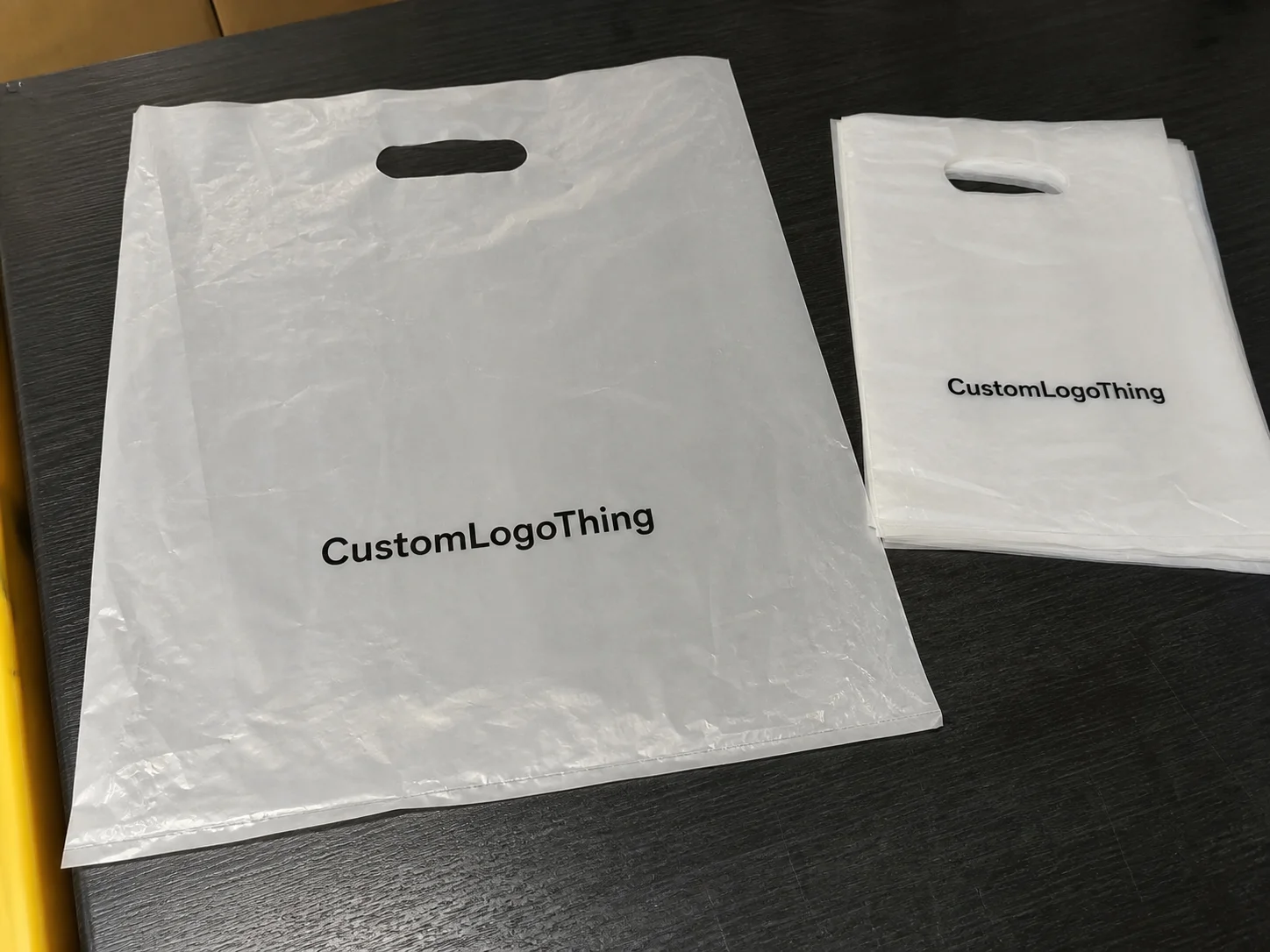
A four-cent difference on a mailer looks minor until volume turns it into a line-item problem. At 20,000 orders a month, that gap becomes $800 before freight, duty, receiving labor, storage, or spoilage. Across a year, it is $9,600.
That is why a useful shipping bags pricing guide has to go beyond piece price. Buyers often compare two bags by unit cost alone, then find out later that one packs slower, tears more easily, or arrives in bulkier cartons that consume more warehouse space. A cheaper bag on paper can cost more in labor, customer service, and replacement shipments.
Shipping bags also cover a wide range of constructions: plain poly mailers, custom Printed Mailing Bags, co-ex courier bags, recycled-content mailers, and returnable versions with a second adhesive strip. Each option changes material cost, converting steps, print limits, and in-use performance. Size, gauge, opacity, and seal strength all affect whether the bag works well under real packing speed.
The better buying question is not “What is the lowest-cost bag?” It is “What is the lowest total-cost bag that still protects the order and runs cleanly in fulfillment?”
A mailer that fails in transit is expensive twice: once when you buy it, and again when you replace the order.
How shipping bags are specified before a supplier can price them
Suppliers cannot quote accurately from “medium black custom mailer” plus a logo file. They need a workable specification: width, length, flap size, seal style, gauge or micron, material structure, finish, print colors, and order quantity. If key fields are missing, the quote is based on assumptions.
Material choice changes pricing fast. LDPE mailers are usually softer and more pliable. HDPE blends tend to feel crisper and can reduce weight in some applications. Co-ex films can improve puncture resistance and opacity, which matters for boxed goods, rigid corners, or products that may show through thinner film. Recycled-content bags add another cost variable depending on resin mix, feedstock availability, and whether the recycled claim needs documentation.
Dimensions are another common source of bad pricing. The outside flat size is not the same as usable internal capacity. The flap and seal area reduce working space, and product thickness takes more room than many first-time buyers expect. A mailer should be specified around the packed item, including inserts and paperwork, not just the product by itself.
Closure style also affects cost. A standard peel-and-seal strip is the baseline. Add a second adhesive strip for returns, tamper-evident closure, perforation, vent holes, handle punch, or document pouch, and the price moves.
Artwork can be a major cost factor too. One-side print versus two-side print, one-color spot print versus multi-color work, and light coverage versus heavy flood coverage all change setup, ink use, registration tolerance, and waste allowance. Suppliers need final artwork and layout details before a quote becomes dependable.
Shipping bags pricing guide: the biggest cost and unit price drivers
The biggest cost driver in most mailers is resin weight. Increase bag dimensions and weight rises. Increase thickness and it rises again. Move to a more complex co-ex structure or a higher recycled-content blend and the resin itself may cost more per pound or kilogram. A bag that is only a few grams heavier does not seem important until the order is 50,000 or 100,000 pieces.
Thickness should match shipping risk, not habit. Soft apparel and low-abrasion goods often work in lighter constructions. Products with boxed corners, hardware, bottles, or printed cartons inside the mailer usually need a tougher structure. Over-specifying gauge wastes money; under-specifying creates split seams, punctures, returns, and replacements.
Printing is often the next major lever. More colors mean more setup and more press complexity. White ink on dark film, inside printing, metallic effects, and large solid areas all push cost up. The strongest design is not always the one with the most ink.
Quantity changes unit economics because setup time, plates, spoilage allowance, and machine changeover have to be spread across the run. A 5,000-piece custom run usually costs more per unit than a 25,000-piece run with the same spec. Still, the lowest unit price is not always the best buy if it creates excess inventory, storage costs, or obsolete packaging.
Feature creep is another common problem. A dual-seal return strip, upgraded opacity, matte finish, or heavier flap may each seem minor on their own. Combined, they can push the quote well beyond the original target.
Freight matters too. Shipping bags are light but bulky, so pallets often cube out before they weigh out. Carton count, pallet height, and trailer utilization can change delivered cost more than buyers expect.
| Bag type | Typical cost drivers | Where it usually fits |
|---|---|---|
| Plain stock poly mailer | Size, gauge, closure style | Basic ecommerce fulfillment, fast replenishment, limited branding needs |
| Custom printed mailer | Artwork, number of colors, print coverage, setup, MOQ | Brand-led ecommerce shipping with repeat volume |
| Co-ex courier bag | Film structure, puncture resistance, opacity, thickness tolerance | Goods that need better transit protection or privacy |
| Returnable mailer | Dual adhesive strips, extra converting steps, heavier construction | High-return categories such as apparel and footwear |
Any real comparison should use landed cost, not just the printed unit price. That means freight, duty where applicable, carton count, palletization, receiving labor, and warehouse handling.
How do you compare shipping bags pricing guide quotes?
Start with a disciplined buying brief. Include packed product dimensions, product weight, monthly or annual volume, material preference, print requirements, closure needs, delivery zip or region, and any stress points such as sharp edges or rigid inserts. Suppliers quote more accurately when they understand the application, not just the look.
Then put every quote on the same basis. If one supplier prices a 60 micron co-ex bag and another prices a 50 micron LDPE bag, the numbers are not directly comparable even if the outside dimensions match. Request the same size, thickness, material family, print sides, quantity tiers, and feature set from each supplier.
Check these items line by line before treating any number as final:
- Finished dimensions, including flap and seal allowance
- Material type and stated thickness tolerance
- Print method, number of colors, print sides, and coverage assumptions
- Plate, cylinder, or setup charges
- MOQ and quantity break pricing
- Packing format, including bags per carton and cartons per pallet
- Freight terms, destination, and whether pallet charges are included
- Payment terms and quote validity period
It also helps to ask for alternates: one lower gauge, one fewer print color, a second quantity tier, or a plain version if branding can move to a sticker or insert. Those alternates show where the cost curve really is.
Do not ignore carton details. A quote that saves a fraction of a cent per bag can still lose overall if cartons are oversized, loosely packed, or inefficient to palletize. Warehouses receive cartons, not theoretical unit costs.
Process and lead time: what happens from quote to delivered bags
Most projects follow the same sequence: inquiry, spec review, quotation, artwork check, proof approval, raw material scheduling, printing, bag conversion, packing, and shipment. The delays usually happen at the handoff points.
Missing dimensions, low-resolution art, unclear quantities, and slow proof approval can add days before production even starts. Plain stock mailers move faster because the construction already exists. Custom bags take longer because plates or cylinders may need to be prepared, resin scheduled, press time booked, and printed film converted into finished bags.
Sampling helps, but the sample type matters. A digital proof confirms layout and copy, not seal strength, puncture resistance, opacity, or hand feel. A pre-production sample is a better performance check, though it adds some time and cost. For branded ecommerce programs or products sensitive to transit damage, that step is often worth it.
Lead time also shifts with print complexity, quantity, resin availability, and seasonality. Holiday launches and promotional drops should include schedule buffer, because quotes often reflect best-case timelines rather than the delays that appear during approvals and shipping.
Teams comparing broader packaging options may also want to benchmark mailers against Custom Poly Mailers, other Custom Packaging Products, and Custom Shipping Boxes. Sometimes the right answer is not a cheaper bag but a different pack format because the product has outgrown a flexible mailer.
How to compare quotes step by step without missing hidden costs
Step 1: Lock the specification. Confirm finished dimensions around the packed item, not the loose product. Include tissue, labels, inserts, and return paperwork.
Step 2: Normalize the quotes. Use the same size, thickness, material family, print assumptions, closure, and quantity tiers. If the constructions differ, ask why and request a matched version.
Step 3: Add non-unit costs. Include setup charges, freight, duty if relevant, pallet charges, receiving labor, and storage impact. A small unit-price advantage can disappear once inbound and handling costs are added.
Step 4: Review quality-control points. Ask what the supplier checks before shipment: thickness tolerance, seal strength, print registration, color consistency, count accuracy, and carton labeling.
Step 5: Request a sample or pilot run. Test the bag with real products and watch for overstuffing, flap adhesion, scuffing, show-through, and splitting at stress points.
Step 6: Build reorder math around real lead time. If custom printed bags usually require 12 to 15 business days after proof approval, plus transit, the reorder point should reflect that full window.
Common buying mistakes that make mailer bag costs climb fast
The most common mistake is specifying size before testing the packed item. Buyers measure the product, not the finished order, then later add tissue, inserts, or a different fold. The result is a strain fit, slower packing, distorted seals, and more splits.
Another mistake is treating artwork as a late-stage detail. Low-resolution logos, missing dielines, undefined Pantone references, and vague print positions add proofing rounds and delay production.
Chasing the lowest quoted price without checking performance is also risky. Film strength, seal integrity, opacity, scuff resistance, and print durability all matter once the bag hits conveyors, sortation, and delivery networks.
Large MOQs create a different trap. Unit price drops, but storage cost rises, cartons can be damaged over time, and branding may go obsolete before the last pallet is used. That issue is worse in categories with seasonal graphics or frequent brand updates.
Freight is often underestimated. Domestic and offshore quotes may look similar until duty, inland delivery, palletization, and lead-time risk are added. One emergency rush shipment can erase months of savings on piece price.
Sustainability claims should also be checked carefully. “Recyclable,” “recycled content,” and “responsibly sourced” are not interchangeable. Ask what percentage of recycled resin is included, whether it is post-consumer or post-industrial, and what documentation supports the claim. For broader standards and terminology, the FSC and the Packaging Association are useful reference points.
Expert tips and next steps for getting accurate pricing and smoother reorders
Keep a one-page packaging brief with approved dimensions, packed product weight, artwork version, print colors, target opacity, closure style, recycled-content requirement if any, and monthly usage. A current brief reduces quoting errors and shortens back-and-forth before production starts.
Test two constructions before standardizing one. In many cases, a slightly different film structure can reduce cost without sacrificing puncture resistance or seal performance. That side-by-side trial is cheaper than finding a weakness after a full production run.
Plan reorders around actual lead time, not optimistic lead time. If custom printed bags usually require 12 to 15 business days after approval, plus transit, purchasing should plan around that full window.
Keep approved art files, color references, specifications, and prior order details organized. Reorders often drift in small ways: gauge changes, logo scale shifts, flap dimensions move, or return instructions disappear. Those small inconsistencies create extra checks and avoidable errors.
A practical shipping bags pricing guide gives buyers a repeatable method: measure the packed item, quote matching constructions, compare landed cost, test material options, and review quality controls before approval.
How is shipping bag pricing usually calculated?
Most suppliers calculate pricing from bag dimensions, film thickness, material type, print complexity, order quantity, and any special features such as return strips or recycled content. Setup charges, freight, carton packing, and duty may be separate line items. The better metric is landed cost per usable bag, not just the lowest quoted unit price.
What is the MOQ for custom shipping bags?
MOQ varies by size, print method, and production setup. Plain stock mailers can be ordered in smaller quantities, while custom printed bags usually require higher minimums because setup time, plates, and production waste need to be absorbed across the run. The right MOQ should match actual usage, storage capacity, and how often the artwork changes.
Do thicker shipping bags always cost more and perform better?
Thicker bags usually cost more because they use more resin, but better performance is not automatic. Film structure, seal quality, product shape, and shipping conditions matter just as much. A lighter co-ex film can outperform a thicker but less suitable single-layer construction. Testing puncture resistance, opacity, and seal behavior is more reliable than choosing the heaviest option by default.
How long is the lead time for custom printed shipping bags?
Lead time depends on artwork approval, material availability, print complexity, order size, and shipping method. Custom printed bags generally take longer than plain stock mailers because they move through proofing, scheduling, printing, and conversion before dispatch. Buyers who provide complete specs and final vector artwork early usually get more accurate timelines.
What should I include when requesting a shipping bags quote?
Include finished dimensions, flap or seal style, thickness, material preference, print colors, print sides, order quantity, and delivery destination. If performance matters, add product weight, packed dimensions, sharp corners, opacity requirements, and whether the bag must support returns. Asking for quantity tiers and one or two alternate constructions makes the quote more useful for decision-making.

