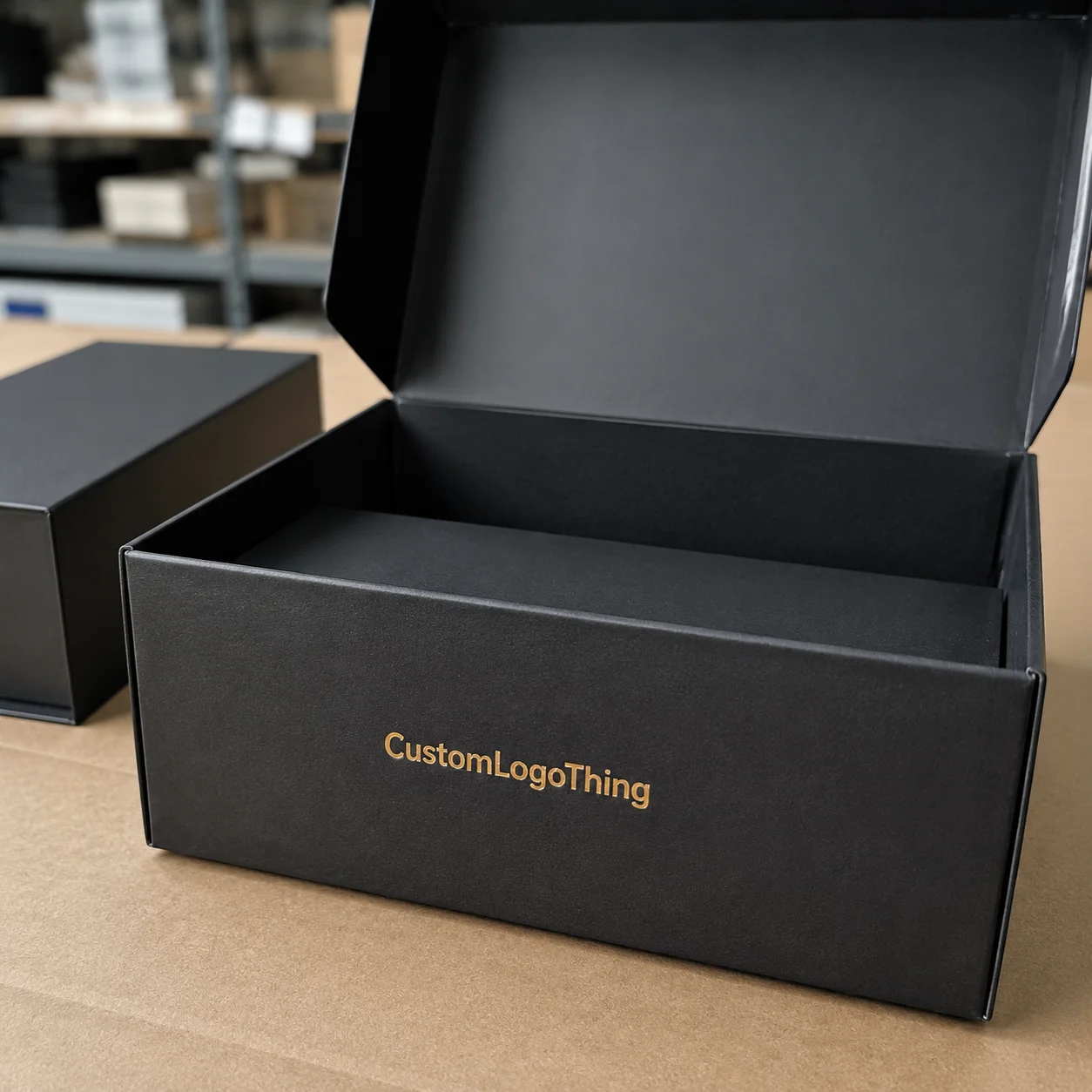
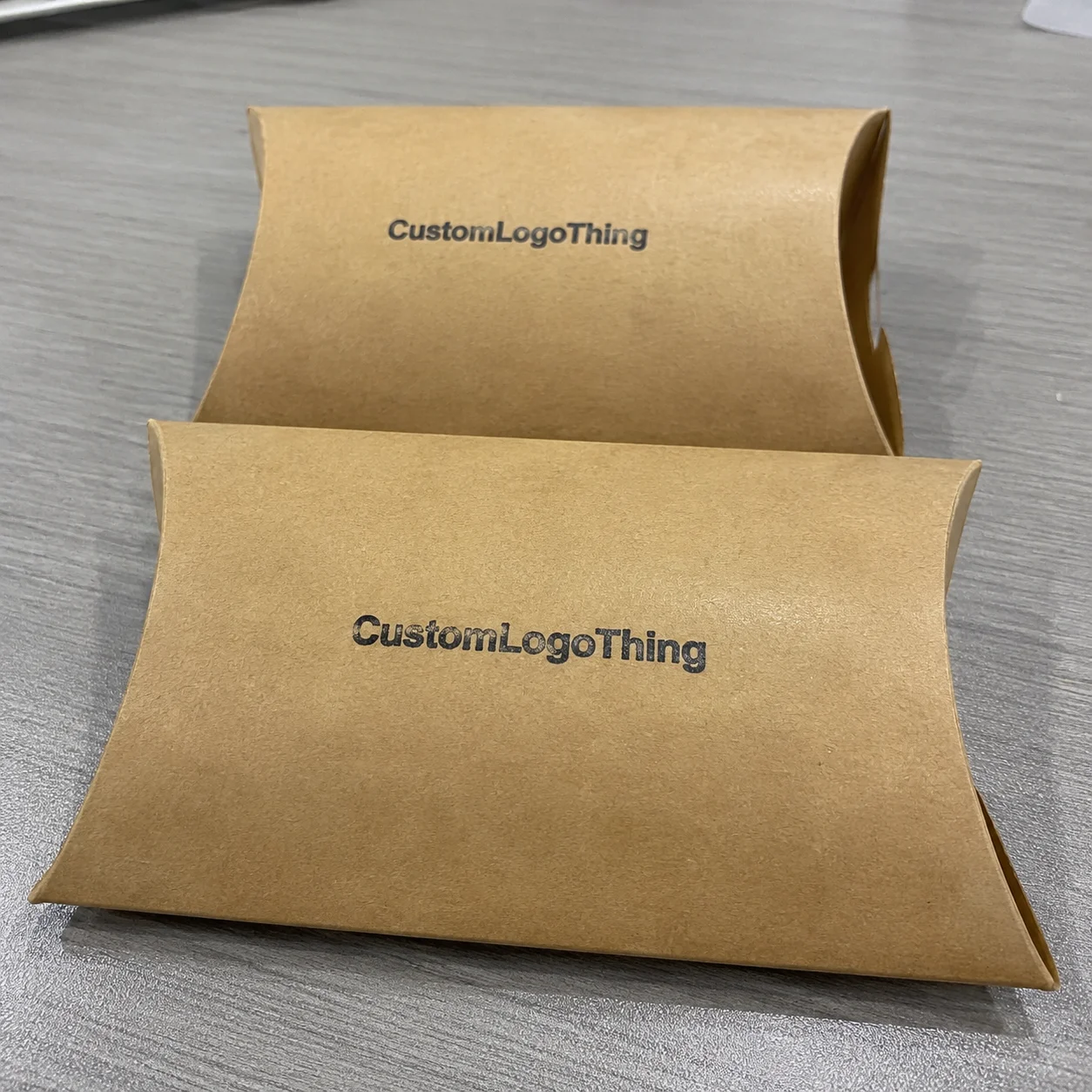
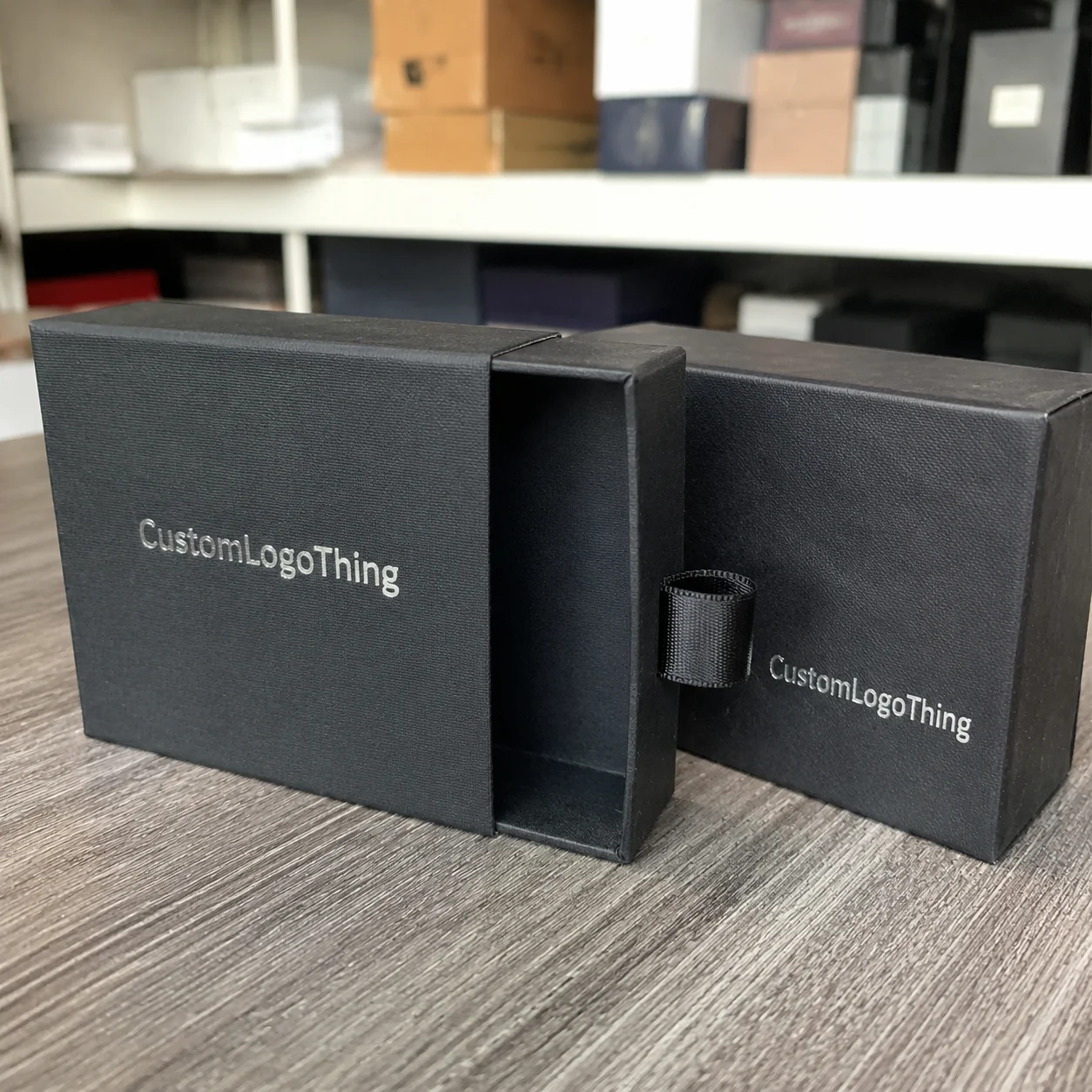
Buyer Fit Snapshot
| Best fit | Shipping Boxes Comparison projects where brand print, material claims, artwork control, MOQ, and repeat-order consistency need to be specified before quoting. |
|---|---|
| Quote inputs | Share finished size, material target, print colors, finish, packing count, annual reorder estimate, ship-to region, and any compliance wording. |
| Proofing check | Approve dieline scale, logo placement, barcode or warning zones, color tolerance, closure strength, and carton packing before bulk production. |
| Main risk | Vague material claims, crowded artwork, missing packing details, or unclear freight terms can make a low unit price expensive after revisions. |
Fast answer: Shipping Boxes Comparison: Quote Scope, Sample Proof, MOQ, and Lead Time should be specified like a repeatable production item. The safest quote records material, print method, finish, artwork proof, packing count, and reorder notes in one written spec.
Production checks before approval
Compare the actual filled-product size with the drawing, then confirm tolerance on folds, seals, hang holes, label areas, and retail display edges. Reserve space for logos, QR codes, warning copy, and material claims before decorative graphics fill the panel.
Quote comparison points
Review material grade, print process, finish, sampling route, tooling charges, carton quantity, and freight assumptions side by side. A quote is only useful when the supplier can repeat the same color, closure quality, and packing count on the next order.
On a noisy corrugated line in Monterrey, Mexico, I once watched two cartons with the same outside dimensions—both labeled 12 x 10 x 8—behave completely differently once they hit the test conveyor, and that memory is why I take every shipping boxes comparison seriously. One box had a cleaner score on paper, yet the other held up better in a drop test because the flute profile, board direction, and closure style were matched to the product instead of just the label on the spec sheet. If you’ve ever wondered why one “strong” box arrives crushed while another lighter carton survives a rough ride through ecommerce shipping, the answer is usually buried in the details. Honestly, that’s the part I like and hate at the same time, because the details matter, and the details never stay quiet for long.
Custom Logo Things works with businesses that need packaging to do more than look good, and a smart shipping boxes comparison is really about aligning protection, cost, speed, and brand presentation. I’ve sat in supplier meetings where a buyer wanted “the thickest box available,” only to discover they were overpaying by 22% because their product weighed 1.8 lb and only needed a properly engineered single-wall corrugated carton made from 32 ECT board. That’s the most common mistake: people compare boxes by hand feel instead of by performance. I remember one client actually squeezing a sample carton like it was a ripe avocado, which, to be fair, tells you almost nothing except that the room needs more coffee and a better test plan.
Shipping Boxes Comparison: What You’re Really Comparing
A practical shipping boxes comparison is never just about outer dimensions. You’re comparing board grade, flute profile, box construction, closure method, print compatibility, minimum order quantity, and the total landed cost after freight, tape, inserts, and damage replacement are counted. In a real factory environment in Dongguan or Juárez, those details matter because a box that looks identical on a pallet can behave very differently under 40 lb of top stack pressure or after six hours of vibration in a parcel truck.
Here’s how I break it down in the field. Single-wall corrugated is often the workhorse for lighter ecommerce shipping, double-wall corrugated shows up when stack strength and package protection need to be higher, mailers are common for flatter products and apparel, rigid boxes are used when presentation matters more than box compression, and specialty cartons cover odd shapes like bottles, books, or electronics kits. A shipping boxes comparison should always ask, “What is this box being asked to survive?” not “Which one looks toughest?”
I remember a meeting with a cosmetics brand in Southern California where their team wanted rigid boxes for every SKU because the sample felt premium. We ran the numbers, and the rigid format would have added $0.41 per unit before inserts, which would have been a painful hit across 80,000 units. A better-engineered corrugated mailer with a 200 lb test custom insert passed their transit sample run and cut the packaging bill nearly in half. That was a textbook shipping boxes comparison decision based on function, not vanity.
“The box that wins is usually the one that does three jobs at once: protects the product, fits the fulfillment line, and doesn’t punish the freight bill.”
Looks can absolutely mislead. A heavy-feeling carton may be overbuilt, using more fiber than needed, which raises cost and can even create problems if the product is light and slides around inside. A lighter box, by contrast, can still pass performance testing if the flute direction, joint design, and fit are right. That’s why any serious shipping boxes comparison has to account for use case, shipping method, and how fast your order fulfillment team needs boxes in the building. In one Seattle warehouse, a 0.08 lb lighter carton saved 4.2% on outbound parcel spend over a quarter because it dropped one dimensional weight tier.
How Shipping Boxes Work in the Real World
Corrugated board is basically a sandwich: two flat linerboards with a wavy middle layer called the medium or flute. That flute is doing a lot of the work, because it creates cushioning and helps the carton resist crushing. In one plant visit in the Midwest, I watched operators swap between B flute and C flute on a folder-gluer line in Milwaukee, and the change in stacking performance was obvious once the cartons were palletized. B flute tends to be thinner and good for printing detail, while C flute offers more cushioning and better compression resistance in many transit packaging applications. A good shipping boxes comparison usually starts right here, because the board construction can change everything.
The box style matters just as much as the board. In parcel networks, cartons are tossed, rotated, and stacked in ways that are hard to simulate mentally, especially after multiple handoffs. In LTL freight, the risk shifts toward pallet edge damage and compression from neighboring freight. High-vibration last-mile delivery introduces a different problem: abrasion and internal movement. A shipping boxes comparison needs to reflect the actual route, because a box that performs fine on a local route in Phoenix might fail when it travels across three distribution centers and a sortation hub in Atlanta.
Dimensions and fit are another area where people underestimate cost. If a product floats in a box, you pay for extra void fill, extra tape, and potentially higher damage risk because the item can move during transit. Oversized cartons also trigger dimensional weight charges, which can quietly add several dollars per shipment in ecommerce shipping. I’ve seen brands save more money by reducing one inch in width than by switching suppliers, because that one inch changed the billed weight class on UPS and FedEx invoices. That kind of result is exactly why a disciplined shipping boxes comparison beats guessing.
There are a few performance terms worth understanding. ECT, or edge crush test, measures how well the board resists vertical compression; bursting strength looks at resistance to puncture and rupture; and drop testing checks how well the carton survives impact from corners, edges, and flat faces. If you want a technical reference point, the International Safe Transit Association explains package testing well at ISTA, and the Paper and Packaging industry explains corrugated performance standards through packaging.org. I use those references often when clients want a shipping boxes comparison grounded in real transit behavior rather than assumptions.
Once the board is designed, the box still has to be made. In a corrugated converting plant in Guangdong, sheets are printed—often flexographically—then die-cut or slotted, scored, folded, and glued on automated lines. Folder-gluer machines are common for mailers and some specialty cartons, while regular slotted cartons are often cut and shipped flat. A clean shipping boxes comparison should include whether the design can be produced on standard equipment or if it requires custom tooling that will add time and cost. A simple die can cost $250 to $600, while a more complex setup with multiple cuts and print plates can move higher depending on size and color count.
What a box factory actually watches during production
When I visited a converter in Georgia, the quality lead kept a stack of calipers and a moisture meter at the inspection table, and that told me everything about how seriously they took corrugated control. They were checking caliper, flute crush, score quality, and print registration within minutes of startup, because a few thousandths of an inch or a weak score can affect folding and closure later. That sort of factory discipline is part of any honest shipping boxes comparison—the box is not just a drawing, it’s a manufactured product with process variation. On the line, they were also checking glue bead width at 1.5 to 2.0 mm and keeping board moisture in the 6% to 8% range for consistent folding.
Key Factors in Shipping Boxes Comparison
Material and strength usually deserve the first look. If your product weighs 6 lb and stacks two high in a warehouse, your shipping boxes comparison should prioritize board grade, ECT rating, and how the carton holds under load. A lightweight accessory may only need a 32 ECT single-wall carton, while a heavier candle set, small appliance, or bottle kit may justify a stronger double-wall box or an inner pack with inserts. The right answer depends on weight, fragility, and shipping distance, not on a generic “heavy duty” label. I’ve seen 275 lb burst-rated board specified for a $12 item that only needed a 200 lb test mailer.
Cost is never just the unit price printed on a quote. I’ve had buyers focus on a box that was $0.16 per unit at 10,000 pieces, only to learn that the stronger option at $0.19 per unit reduced damages enough to save nearly $2,400 a month in replacements and reshipments. In a proper shipping boxes comparison, you should include tooling charges, print plates, sample costs, minimums, storage, tape usage, inserts, and the labor required to pack the box. A cheap carton can become expensive very quickly if it slows the line or increases claims. At 5,000 pieces, a quote of $0.15 per unit versus $0.22 per unit can look dramatic until damage rates and freight class are added back in.
Dimensional weight deserves its own spotlight because it affects almost every parcel program now. A box that is one size too large can bump you into a higher billable weight, even if the actual item is light. That means a 16 x 12 x 10 box may cost more to ship than a 14 x 10 x 8 version, even when both are made from the same board. In many shipping boxes comparison projects I’ve reviewed, right-sizing was the fastest route to savings, especially for ecommerce shipping with small, dense products. On a 2,000-shipment monthly lane, trimming 1.25 inches from one dimension can save $0.60 to $1.40 per parcel depending on carrier zone.
Timelines matter too. Custom corrugated can involve art approval, dieline proofing, plate setup, sample production, and then full manufacturing. If a customer needs cartons for a seasonal launch, a 12 to 15 business day lead time from proof approval may be realistic for simple structures, but more complex printed packaging can take longer. A solid shipping boxes comparison should always ask the converter about actual production windows, because delays usually happen around approvals, not just in the factory. For a two-color kraft mailer out of Dongguan, the usual cadence is 2 business days for proofing, 3 to 5 days for sample approval, and another 12 to 15 business days for production after sign-off.
| Box Option | Typical Use | Approx. Unit Cost | Strength / Protection | Typical Lead Time |
|---|---|---|---|---|
| Single-wall corrugated mailer | Apparel, books, lightweight ecommerce shipping | $0.18-$0.42 | Good for lighter products, moderate package protection | 7-12 business days |
| Regular slotted container, single-wall | General transit packaging, retail replenishment | $0.22-$0.55 | Good to very good depending on ECT and fit | 10-15 business days |
| Double-wall corrugated box | Heavier goods, stacking, fragile kits | $0.48-$1.20 | High compression resistance and stronger package protection | 12-18 business days |
| Rigid setup box | Premium presentation, gifting, luxury items | $1.10-$3.50+ | Excellent presentation, strong structure, higher cost | 15-25 business days |
Sustainability is another factor that belongs in the same conversation. Right-sizing reduces corrugated usage and can lower shipping emissions by cutting air space, and recycled content can support procurement goals without hurting performance if the board is specified correctly. For environmental context, the EPA has useful packaging and materials guidance at epa.gov. I’ve seen brands make a real dent in waste by combining lighter board with better fit, and that kind of shipping boxes comparison often satisfies both finance and sustainability teams. A 60% recycled liner with a virgin kraft outer layer is common in California and Illinois plants when the goal is balance, not headline material claims.
Branding and customer experience round out the picture. A plain brown box is efficient, but a carefully printed logo, one-color exterior, or branded interior can improve the unboxing moment without blowing up the budget. If you sell through retail and direct-to-consumer channels, you may need one carton style that supports shelf readiness and another that supports ecommerce shipping. That’s why I like to keep the shipping boxes comparison practical: the best box is the one that protects the product, moves cleanly through order fulfillment, and still feels intentional to the customer. On many programs, a one-color flexo print on 350gsm C1S artboard labels or a kraft-liner mailer with soy-based ink is enough to create a polished finish without adding $0.30 to every unit.
How Do You Choose the Right Option in a Shipping Boxes Comparison?
The right choice usually comes from matching the carton to the product, the route, and the packing operation, then checking whether the numbers still work after freight and labor are included. If a box protects beautifully but slows your fulfillment team, it is not the right box. If it packs fast but creates returns, it is not the right box either. In a strong shipping boxes comparison, the winner is the carton that balances all three: protection, speed, and total cost.
Start by ranking your priorities. For a fragile subscription item, protection may come first. For a high-volume apparel program, speed and cost may matter more. For a luxury gift set, print quality and presentation might be the deciding factor. Once those priorities are clear, the shipping boxes comparison becomes easier because you are not forcing every option to solve every problem. That discipline is often what separates a box that looks good in procurement from one that performs well on the dock.
Then ask what you can standardize. Many brands do better with a small family of carton sizes than with a wide spread of nearly identical SKUs. Standardization can reduce inventory risk, improve packing consistency, and simplify purchasing. A shipping operation that needs three reliable box sizes is much easier to run than one that juggles twelve variations. In practice, that kind of shipping boxes comparison often produces more savings than chasing the lowest unit price on paper.
If you are still unsure, request samples and run pack-outs with the actual product. Pay attention to how the carton closes, how much tape it needs, how the item behaves during movement, and whether the final packed box stays within carrier limits. A sample that looks good in a catalog can fail once the real product, inserts, and label are inside. That is why a grounded shipping boxes comparison should always end with testing, not instinct.
Step-by-Step Shipping Boxes Comparison Method
Start with the product profile. Measure the item’s weight to the nearest ounce, record its outer dimensions with packaging included, and note fragility, moisture sensitivity, sharp edges, or temperature exposure. In one supplier negotiation I sat through in Ohio, the buyer thought they had a 4 lb product, but after adding inserts, shrink wrap, and a printed insert card, the real pack-out weight hit 5.6 lb. That extra pound changed the entire shipping boxes comparison because the box had to perform under a higher load. If the product includes glass or liquid, write down the bottle neck diameter, closure type, and any headspace that could affect movement.
Next, define the shipping environment. Is this parcel, LTL freight, warehouse transfer, subscription fulfillment, or a mixed model? A box used for warehouse transfer may only need stack efficiency, while one used for parcel must survive sortation drops and repeated conveyor contact. Your shipping boxes comparison becomes much sharper once the transit path is clear, because “shipping” is not one thing; it is a series of handling events with different risks. A carton moving from Shenzhen to Dallas by ocean freight has very different stress than a carton leaving a New Jersey warehouse for a two-day ground route.
Now build a comparison matrix. I like columns for box type, board grade, size, unit cost, tooling cost, lead time, transit protection, printing options, and fulfillment speed. If you need a starting point for packaging sourcing, Custom Logo Things also offers a broader range of Custom Packaging Products that can help you standardize across carton types and insert needs. A strong shipping boxes comparison can be done in a spreadsheet in one afternoon if the variables are named clearly. For example, one line might read: 14 x 10 x 6 mailer, 32 ECT, $0.21 at 5,000 units, 14-day production, one-color flexo, no insert included.
Testing is where opinions get replaced by facts. Use real pack-out materials, not a stripped-down demo. Check whether the flaps close without bulging, whether the product shifts when you shake the carton, and whether the packer can assemble the box in a reasonable number of seconds. On a line in Texas, I timed two different carton styles at 18 seconds and 29 seconds per pack, and that gap mattered because the customer shipped 9,000 units a week. A clean shipping boxes comparison should always consider labor minutes, not just material cost. At $18 per hour loaded labor, an extra 11 seconds per unit adds up fast across a month of volume.
If possible, ask for samples or prototypes and run the worst-case tests. Corner drops, edge drops, top-load pressure, and vibration simulation all tell you something useful. The goal is not to make the box look pretty on the bench; the goal is to see what fails first. I’ve lost count of how many times a sample passed the “hand squeeze test” and failed after a short pallet ride from Los Angeles to Denver. That’s why a reliable shipping boxes comparison depends on transit simulation, not office impressions. If you can, ask for a prototype made from the exact board spec, such as 44 ECT B/C double-wall or 200 lb test single-wall, rather than a close substitute.
Finally, review the winning option against budget and replenishment reality. Can the box be made in the quantity you need each month? Can your supplier hold boards or replenish fast enough during peak season? Does the chosen carton still make sense if carton demand jumps 20%? If you’re narrowing your choices, it may help to compare them alongside Custom Shipping Boxes options that match your size range and branding needs. The end result of a good shipping boxes comparison should be a decision you can actually support operationally, whether you’re ordering 3,000 units for a Q4 launch or 50,000 units for a year-round subscription program.
Common Mistakes Buyers Make When Comparing Shipping Boxes
The first mistake is buying by size alone. Exterior dimensions do not tell you whether a carton can carry 8 lb, survive stacking, or protect a fragile item across a parcel network. I’ve seen teams select boxes purely because the product “fit,” then discover the ECT rating was too low for their load and the side panels bowed during storage. A serious shipping boxes comparison has to include strength, not just fit. If a carton is 1 inch too wide and 1 inch too long, that extra air can also push the shipment into a more expensive DIM weight bracket.
The second mistake is overbuying strength. Heavy-duty board sounds safe, and sometimes it is, but a box that is stronger than necessary can raise cost, add freight weight, and create assembly issues on the packing line. I worked with one client in the Midwest who used a double-wall carton for a 10 oz accessory kit; once we switched to a right-sized single-wall design with a custom insert, they saved $0.27 per order and reduced carton storage by 38%. That kind of result is why a disciplined shipping boxes comparison pays off. On a 20,000-unit run, that savings becomes $5,400 before freight and handling improvements are even counted.
Another common miss is forgetting the hidden expenses. Dimensional weight, void fill, tape, inserts, labor, shelf space, and reshipment costs all belong in the same calculation. If your box takes two extra strips of tape and 12 extra seconds to pack, that matters. If your carton leaves 2 inches of empty space on all sides, that matters too. A complete shipping boxes comparison has to look past the quote and into the actual operating cost. Even a 3-cent savings on tape can be erased if the carton needs a second corrugation layer or a larger master shipper.
Lead times get overlooked more often than people admit. A beautiful custom carton is useless if the dieline approval drags on for a week and the factory has already locked production on the next run. I’ve had buyers approve art on a Thursday and ask for shipment the following Monday, which simply isn’t how corrugated converting works unless you’re using stock packaging. If speed matters, your shipping boxes comparison should include realistic proof and production timing from the start. For example, a factory in Ho Chi Minh City may quote 14 business days from proof approval, but the actual dock-to-dock window can stretch to 18 days once export booking and customs paperwork are included.
Testing is the final trap. Many people rely on one sample box and assume it represents the whole run. It doesn’t. Paper weight can vary, score quality can drift, and humidity in the warehouse can change how the board behaves. A single sample sitting on a conference table tells you very little about parcel abuse or pallet compression. The best shipping boxes comparison includes samples, pack-outs, and some form of real-world transit testing, even if it is modest and internal. In Houston during monsoon season, a box that sat 48 hours in a humid dock area behaved very differently than the same carton tested in a dry office.
Expert Tips for a Better Shipping Boxes Comparison
Use real carrier data whenever you can. Damage reports, return reasons, and parcel claims tell a far more useful story than visual thickness alone. In my experience, one damaged corner every 300 shipments may be acceptable in one channel and disastrous in another, depending on product value and customer expectations. That’s why a grounded shipping boxes comparison starts with evidence from your own shipments, not someone else’s brochure. If your average claim cost is $14.80 and your annual parcel volume is 24,000 orders, even a small reduction in damage rate can pay for a better carton quickly.
Standardize a few carton sizes instead of carrying too many SKUs. I’ve seen warehouses with 48 box sizes on the shelf, and the picking errors alone were costing more than the paper. When you narrow the range to a few well-chosen formats, order fulfillment gets simpler, pack-out time drops, and purchasing becomes easier to manage. A thoughtful shipping boxes comparison should support SKU discipline, not fight it. One Atlanta distributor cut their active carton count from 31 to 11 and saved nearly 140 shelf feet in the packing area.
Talk to a packaging engineer or corrugated converter early. A good converter will think through board direction, print area, stacking orientation, and where the glue seam lands on the line. They’ll also tell you when a design is overcomplicated. I respect that honesty because it saves everyone time. If you need printed cartons, inserts, or complementary shipping materials, Custom Logo Things can also help you coordinate with Custom Poly Mailers for lighter shipments that don’t justify a box at all. That kind of cross-check makes a shipping boxes comparison much more complete, especially if some of your SKUs ship from Dallas while others leave a fulfillment center in Nashville.
Ask about recycled content and board sourcing, but ask the right way. Not every recycled board performs the same, and not every strong carton is the most sustainable choice if it ships air. Also ask whether the plant can handle seasonal spikes without slipping on quality. I’ve seen two identical shipping boxes comparison quotes diverge because one supplier had board availability locked in and the other was buying spot material during a tight market. A mill in Quebec or a converter in Wisconsin with long-term linerboard contracts can often protect pricing more reliably than a spot buyer working week to week.
Balance brand and protection with honesty. A good shipping box should protect the route, support the workflow, and still feel like it belongs to your brand. That may mean one-color flexographic print, a simple interior message, or a clean natural kraft finish instead of a full-coverage graphic. The best packaging is the one customers barely think about because it arrives intact, opens cleanly, and does the job without drama. That’s the real goal of a strong shipping boxes comparison. In many programs, a 350gsm C1S artboard sleeve or an uncoated kraft outer can deliver the right feel without pushing the cost beyond $0.50 per unit.
Next Steps: Turn Your Shipping Boxes Comparison Into a Decision
Turn the whole process into a short action list. Measure the product, map the shipping method, gather two or three samples, compare unit cost and landed cost, and test the box with actual pack-out materials. If you can reduce the choice set from five cartons to three, the decision gets easier and your team can focus on real tradeoffs instead of noise. That is usually where a shipping boxes comparison becomes a purchasing decision rather than an endless discussion. For a launch in three weeks, I’d rather see a clear three-option matrix than ten nearly identical samples on a table.
I also recommend documenting your results in a simple scorecard. Give each option points for strength, fit, print quality, lead time, cost, and warehouse speed, then let purchasing, operations, and marketing weigh in together. I’ve seen disputes disappear when everyone is looking at the same numbers, especially on projects where brand presentation and transit performance both matter. A clean shipping boxes comparison gives the team one shared language. If your finance team cares about landed cost and your creative team cares about unboxing, the scorecard keeps both sides in the same conversation.
One practical move: audit your current box sizes and identify at least one oversized SKU. Replace it with a better-fit option and measure the difference in dimensional weight, tape usage, and packing time for 30 days. In many cases, that single change reveals more than a dozen meetings ever could. If you do nothing else after reading this, start there, because a well-run shipping boxes comparison should lead to action, not just analysis. A 30-day pilot in a warehouse near Chicago or Charlotte can expose savings fast enough to justify a full conversion.
At Custom Logo Things, we see packaging decisions play out on the floor, in the shipping dock, and in the customer’s hands, and the best outcomes usually come from careful, practical comparison rather than assumption. Whether you’re choosing between single-wall and double-wall, print-ready cartons and plain kraft, or a box versus a mailer, the smartest move is to base the choice on product data, shipping route, and total system cost. If you keep those variables in view, your next shipping boxes comparison will be a lot more profitable, a lot less stressful, and much easier to defend. For many buyers, that means quoting 3,000, 5,000, and 10,000-piece runs side by side so the real tradeoff appears in black and white.
What should I compare first in a shipping boxes comparison?
Start with product weight, dimensions, and fragility, because those three factors set the minimum protection level you need. Then compare board grade, box style, and total cost, including shipping and void-fill impact. If your product weighs 2.3 lb and ships 1,200 units a month, those numbers should sit at the top of the sheet before any design work begins.
How do I compare shipping boxes by cost without missing hidden expenses?
Look beyond unit price and include dimensional weight charges, tape usage, inserts, labor, storage space, and damage replacement costs. The cheapest box is rarely the lowest-cost option once fulfillment and transit are included. For example, a carton priced at $0.17 per unit can cost more than a $0.24 carton if it adds 0.8 lb of billable weight and 10 extra seconds of pack time.
Which box type is best for fragile products?
Fragile products usually need a box that balances structural strength with internal cushioning, often a double-wall corrugated option or a well-fitted single-wall box with inserts. The best choice depends on weight, drop risk, and how much movement the product has inside the carton. A glass candle set packed in 44 ECT double-wall with molded pulp inserts performs very differently from the same item in a loose single-wall mailer.
How long does it take to get custom shipping boxes made?
Timelines vary based on artwork approval, tooling, sample production, and factory capacity, but custom corrugated boxes usually take longer than stock boxes. Ask for sample and production schedules up front so your packaging plan matches your fulfillment timeline. For simple printed cartons, 12-15 business days from proof approval is common; for more complex runs or overseas production, 18-25 business days can be more realistic.
What is the biggest mistake in shipping boxes comparison?
The biggest mistake is comparing boxes by exterior size only and ignoring strength, fit, shipping method, and total system cost. A well-matched box often saves more money than a larger or heavier one that looks safer at first glance. In many cases, the difference between 32 ECT and 44 ECT board matters less than whether the carton is actually sized to the product and the carrier lane.