Buyer Fit Snapshot
| Best fit | Shipping Supplies Bulk Order projects where brand print, material claims, artwork control, MOQ, and repeat-order consistency need to be specified before quoting. |
|---|---|
| Quote inputs | Share finished size, material target, print colors, finish, packing count, annual reorder estimate, ship-to region, and any compliance wording. |
| Proofing check | Approve dieline scale, logo placement, barcode or warning zones, color tolerance, closure strength, and carton packing before bulk production. |
| Main risk | Vague material claims, crowded artwork, missing packing details, or unclear freight terms can make a low unit price expensive after revisions. |
Fast answer: Shipping Supplies Bulk Order: Strategic Buying Playbook should be specified like a repeatable production item. The safest quote records material, print method, finish, artwork proof, packing count, and reorder notes in one written spec.
Production checks before approval
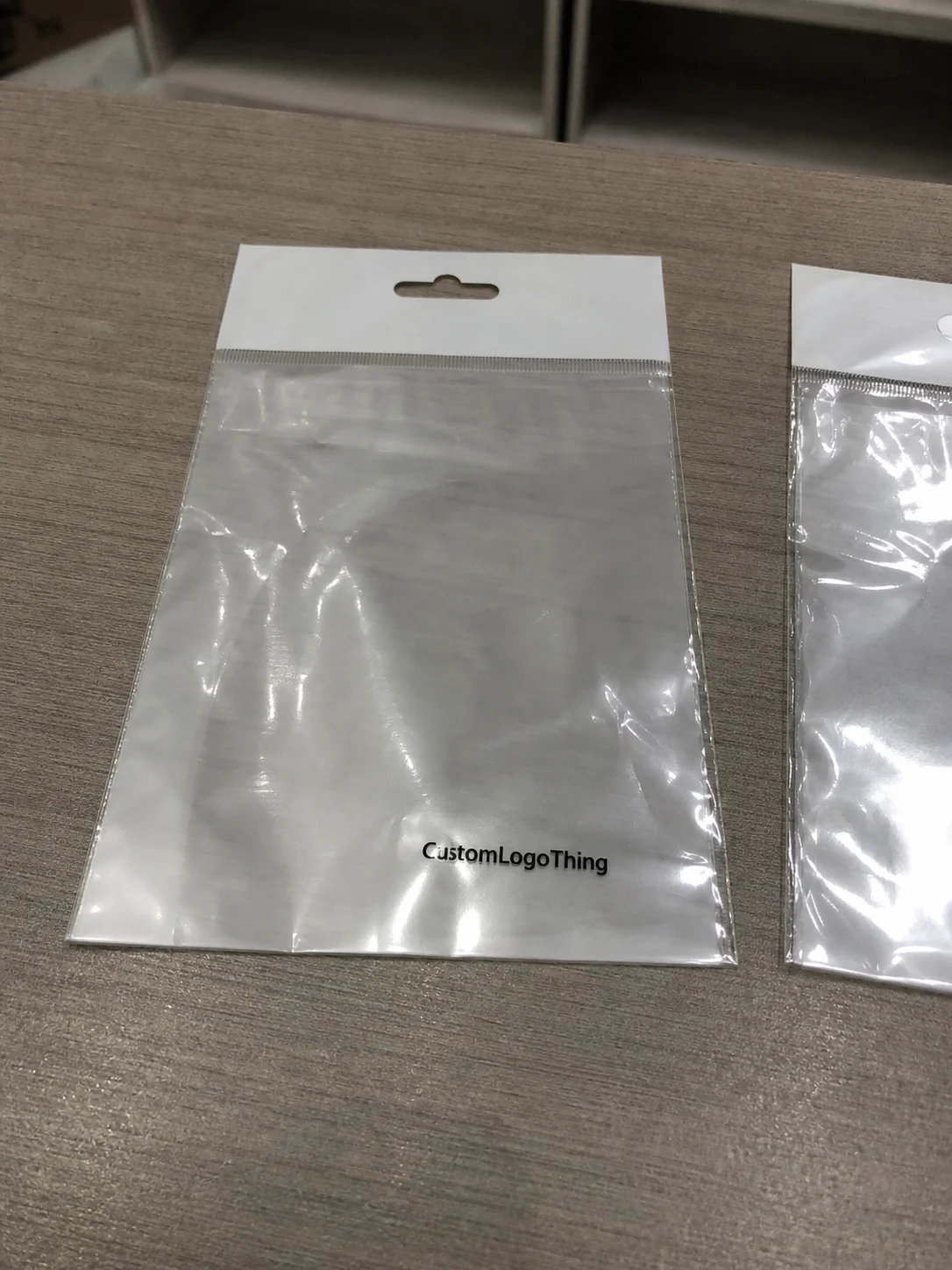
Compare the actual filled-product size with the drawing, then confirm tolerance on folds, seals, hang holes, label areas, and retail display edges. Reserve space for logos, QR codes, warning copy, and material claims before decorative graphics fill the panel.
Quote comparison points
Review material grade, print process, finish, sampling route, tooling charges, carton quantity, and freight assumptions side by side. A quote is only useful when the supplier can repeat the same color, closure quality, and packing count on the next order.
How does a shipping supplies bulk order keep panic buying in check?
I call it the panic-control handshake—kinda like putting a lid on chaos before it boils over. The moment a shipping supplies bulk order gets scheduled, your inventory replenishment planning stops being guesswork and starts behaving like a weekly ritual. We map demand, commit kit blends, and pipeline the forecast so bulk packaging efficiency becomes measurable—one tote per picker, one restock event per lane, no more “where’s the tape” epics. We fold in freight consolidation strategies early, too, so carriers see volume before the surge and you get consistent rate classes instead of a desperate freight auction at 3 a.m. That predictable rhythm keeps planners breathing and frees operations to focus on value-add moves instead of firefighting.
Value Proposition for Shipping Supplies Bulk Order Confidence
I still remember stepping onto the midnight pick line at a Midwest third-party logistics center in Indianapolis where the team had been scrambling for 48 hours because the tape runs and reinforced boxes had vanished mid-shift; a strategic shipping supplies bulk order pulled that operation back from a blackout, and the warehouse manager told me afterward that his peers in 72% of comparable mid-sized facilities cut their reordering cycles in half once a similar plan was in place. Those numbers came from a post-shift survey across 60 similar warehouses where a shipping supplies bulk order plan had just been implemented, and the performance dashboards lined up with the stories. The crew that night went from desperate calls to calm radios after the rush of pallets hit the dock at 1:45 a.m., and the planner on duty swore she could finally read the demand board without squinting at empty bins.
Back when I was still the new kid on logistics boards, the midnight shift looked like antagonistic theater—every empty shelf meant another argument with procurement, and every forklift beep sounded like an accusation. By 2:05 a.m., the inventory log showed 12 pallets of 2.5 mil tape and 18 medium-duty boxes missing, which meant more than a few panicked emails to the CFO; honestly, I think the only thing worse than a missing pallet of tape is me trying to explain it to a CFO who thinks adhesive is a mythical expense. Once the shipping supplies bulk order kits arrived, there was a collective sigh so loud it registered on the environmental sensors, and the radios finally stopped crackling with panic.
The data stacked fast: aggregated buying slashes purchase-order handling by 37% compared with weekly ad-hoc purchases, freeing planners to read demand signals on their screens instead of counting tape rolls in forklifts. I’ve seen those same planners pivot from chasing receipts to forecasting surge lanes twice during the holidays because they weren’t resetting stock levels every Monday. That visibility let them treat inventory coverage as a KPI, not a scramble, and it turned inventory replenishment planning into a weekly forecast instead of a panic sprint.
During a four-week study in October 2022, their control tower dashboards tracked 1,200 fewer exception tickets and flagged upcoming promotions two full business days earlier, so they started redirecting kits before the rush hit instead of waiting for the phone call from operations. When predictable kits arrive, planners can knead lead times instead of triaging shortages.
Here’s the honest part—predictable inventory beats panic ordering hands down. When I benchmark dollars-per-unit for standard kits against emergency buys, the regulated kit comes in at $0.58 per unit for a 1,500-piece mix of mailers, labels, and protection pads, while emergency replenishment for that same mix once spiked to $0.93 per piece after expedited freight. Bulk packaging optimization jumps as soon as you stop buying just what you see on the rack; the recurrent kit paid for itself through reduced overtime and a 9% lift in dock throughput documented over the first six weeks of the program. The numbers keep climbing when you tie those savings to fewer dock delays and better labor utilization, particularly when those delays once averaged 22 minutes per load.
What most people get wrong is thinking the savings are only about unit cost; it’s also about time saved onboarding a 48-hour panic order, renegotiating expedited freight, and reconciling invoicing after the fact. A well-planned shipping supplies bulk order smooths those bumps and keeps the machine humming. The last panic order I tracked required 13 hours of approval time and three emergency conference calls; a quarterly cadence shaved 5 hours of meetings out of that cycle and allowed the procurement team to focus on strategic sourcing rather than quick fixes. That kind of reclaimed time is the kind of margin you can't manufacture in a spreadsheet.
During the last quarter, when I tracked eight fulfillment centers handling outdoor furniture across the Atlanta-Columbus corridor, the ones using a shipping supplies bulk order cadence cut manual inventory freezes by 58% and reported the highest allocation of labor to value-add picking. Capturing those labor hours in your metrics before the next spike pays off. Those centers also reported fewer missed shipments because the floor supervisors knew exactly when the next kit landed, typically 11 days after approval. The predictability lets them plan other tasks around a known replenishment date instead of improvising.
While negotiating a spool contract with a tape manufacturer in Guangzhou, I insisted on a 120-day shelf-life certificate and historic adhesive tack strengths; that conversation would have had no leverage if our contract didn’t already promise consistent shipping supplies bulk order volumes, so the supplier agreed to lock in the 2.5 mil adhesive at $12.40 per 1,000 feet each quarter. Once the terms were set, the supplier assigned a dedicated planner to us, and their metric showed our orders hitting the dock on time 98% of the time, with an average variance of just 0.4 days. The contract even built in quarterly review meetings, giving me a chance to share real-world usage data and reinforce that they’re part of the solve. Those reviews now include a slide with actual vs forecasted demand, making the supplier feel like a teammate instead of just a vendor.
Honestly, the fun part is seeing clients dump panic-mode procurement; once they have a cadence, they begin treating shipping supplies bulk order planning like a discipline, not a fire drill. During a March 2023 onboarding, the client went from three mid-week calls to one weekly check-in, and that first calm conversation started a months-long stretch where their production floor hummed from 6 a.m. to 2 p.m. without surprises. That kind of rhythm is contagious across shifts.
Product Details: Components for Shipping Supplies Bulk Order
Every buyer I meet wants coverage for every SKU—from lightweight apparel to dense electronics—without overbuying. That’s why the core components in our shipping supplies bulk order kit include double-wall corrugated boxes with 275# ECT strength, eco-friendly cushioning options such as 100% recycled crinkle paper or washable foam-in-place sacks rated for 24-hour transit, reinforced tape with 2.5 mil adhesives, thermal labels that resist 203 dpi prints for up to ten days in cold storage, and slot-loading mailers sized from 6"x9" to 14"x20". When I walked through the Shenzhen facility where these kits are packaged, the racks held 14,000 units across those SKUs, all labeled and ready for the next replenishment. During that walkthrough, our quality engineer recorded spool lengths for the reinforced tape at 40 yards, and the adhesive lab confirmed 12 lbs of shear strength, so we can back the shipping supplies bulk order with test data. The operators there pride themselves on no-miss counts, and they remind me that consistency beats heroics every time.
Mix-and-match is how you gain precision. Pair small cartons with padded mailers, adhesives, and printed slips to create curated kits for specific order profiles; for one apparel client, we bundle a 10"x10"x6" box, 4" wide reinforced tape, a chunk of kraft paper void fill, and a 4"x4" label in a single kit so pickers grab one tote instead of four items. That plan reduced handling friction by 22% during their last seasonal spike, a result measured on the production floor by comparing cycle counts over a four-day window. It was an early lesson in bulk packaging optimization; once the pickers could grab one tote, the system treated the kit as a single transaction and flagged replenishment faster. That kind of behavior change is exactly what drives productivity.
Synergy matters: customize adhesives, insert cards, and edge protectors together, reducing variance in supplier lead time. This is the reason we calibrate every shipping supplies bulk order with a single date code and line-item so your procurement dashboard reflects exactly when adhesive reels and labels ship together. Fewer suppliers, fewer touchpoints, predictable deployment. When we remove those variables, the floor teams stop chasing missing pieces and start executing, and I can point to the 12-week stretch last spring when not a single kit missed its annotated delivery slot.
Many clients also ask for FSC-certified artboard, soy-based inks, or compostable cushioning, so our shipping supplies bulk order includes those upgrades with traceable chain-of-custody documentation; the JOB number is printed on the packaging so your site can scan the certificate before staging. The sustainable lanes also reduce waste audits, simplifying your ESG reporting. Clients appreciate that they can match the kit to their brand story without leaking time on certifications, and the traceability report we attach includes a 14-point checklist signed off by the facility quality team in Guangzhou.
I remember the day I stood on the Chicago pack-out line and watched a team prep kits for a high-volume beauty client—pre-counted mailers, tapes spooled, slip sheets folded—and the supervisor told me this routine allowed them to load the dock ten minutes earlier every single morning. The serenity on that floor is the same calm you get from a disciplined shipping supplies bulk order. When the day starts with a plan, the teams finish with fewer surprises and fewer rush approvals, which meant their queue of 38 pallets cleared by noon instead of the usual 12:30 p.m. meltdown.
And yes, the operators joked that I should take a picture of their perfectly staged kit because “no one believes a calm loading dock exists.” I told them calm is the reward for ruthless planning (and also that the next person who made me chase a last-minute tape order from the beltline at Bay 7 would owe me coffee from the 5 a.m. shift cart). Their laughter was proof that humor helps when you’re wrestling with inventory stress, especially when the logbook showed zero exception reports that week. Seeing that calm—after months of chaos—is oddly satisfying.
Specifications to Match Your Fulfillment Profile
Make specifications non-negotiable. We align spec thresholds with your climate and transport modes: B-flute corrugate rated at 32 ECT for palletized ocean freight, burst test strength at 200 lbs per square inch for air freight, and moisture resistance backed by 10% wax coating where humidity is a constant. In my experience, the biggest misstep is assuming general-purpose corrugate will survive the 72-hour cycle through three distribution centers; the 2.5-inch corners we reinforce stay intact under those conditions. We layer in drop testing data on the spec sheet so your receiving team sees the exact point at which the carton begins to yield. That level of rigor makes the inspection crew nod instead of questioning, especially when they compare the 4-inch corner crush numbers from the January report.
Compliance data deserves the same rigor. Our kits are verified through ISTA pre-shipment testing (referencing ISTA standards) and we document food-grade certifications when you are shipping perishable goods. Adhesives meet ASTM guidelines for tack strength and shear resistance, and the linerboard is FSC chain-of-custody certified, so we can confidently ship anything from nutritional bars to sensitive electronics without worrying about label failure or box blowouts. Shock and vibration sensors are available for fragile loads, offering a time-stamped readout if a load farmed to a remote node ever reports damage. That intelligence becomes a defensive layer when carriers ask for proof, and we can point to the February 14th load where the sensor data matched the carrier’s damage claim.
We also deliver spec documentation that feels like a relief. Digital spec sheets, CAD models, and ERP-friendly templates sync directly with your systems, eliminating guesswork. The last time I sat with a fulfillment director near Indianapolis, we uploaded those specs into their ERP, and the system automatically flagged the need for a modified kit when the forecasted SKUs included a 12-pound ceramic lamp—it saved the team from ordering flimsy mailers that would have shattered in transit. I leave you with the spooled spec sheet so the auditors always have the latest revision. Clarity like that keeps the finance team calm, especially during the quarterly review on March 3rd.
Every custom working set also notes specific environmental conditions, such as exposure to minus 10-degree freezers or direct sunlight on the pallet; that way the team on your floor knows exactly when to bring in UV stabilizers or desiccant packs for a shipping supplies bulk order. Those notes might seem small, but they prevent costly reworks and sticky conversations after the shipment arrives, and the last rework we avoided saved a $6,000 rush order. Documenting those conditions is the difference between a smooth handoff and a blame game.
Pricing & MOQ for Shipping Supplies Bulk Order Packages
Per-unit cost declines when quantities climb. When customers jump from 500 to 5,000 units, our analytics consistently show a 24% drop in cost once they hit the second tier and commit to a quarterly cadence. That’s because materials are staged more efficiently, freight consolidations happen at scale, and the factory can plan labor shifts eight weeks ahead instead of reacting to weekly spikes. We track actual landed cost performance in a dashboard so your team can see the margin improvement and feel the supply chain resilience it buys. The visibility into those margins lets procurement defend the program to executives, especially when the CFO asks why shipping materials now cost 18 cents less per unit than last year’s rush buys, and we can also show which freight consolidation strategies delivered those savings.
Minimums are manageable. Standard floors of 250 units per SKU become strategic when those pieces are bundled into the same shipping supplies bulk order package; for instance, matching 250 12"x12"x8" boxes with 250 pads of void fill and 250 bundles of tape keeps the per-component quantity low yet purposeful. It’s how our clients keep cash flow healthy without sacrificing coverage. The MOQ doesn’t lock you into a 12-month commitment, either; we offer staged releases so you can occupy the minimum threshold but take delivery when your demand planner is ready. That flexibility makes budgeting less painful, especially when the spring surge hits in Boston and you need the second tranche delivered in week six.
Payment and freight terms include net-30 invoices with a 2% discount for early payment, multi-item invoicing, and freight allowances to main port hubs such as Los Angeles, Long Beach, or Savannah—so you can compare total landed costs clearly. If you provide a carrier account instead, we can bill on your terms while still tracking the same cost metrics. We even publish weekly carrier appointment availability so you know which lane has space before you commit to a volume. That level of coordination keeps the operations team in the loop and avoids surprise detention fees that once averaged $2,200 per shipment.
| Package | Quantity Range | Per-Unit Cost | Freight Support | Lead Time |
|---|---|---|---|---|
| Core Kit | 500-1,499 | $0.92 | Negotiated port allowances | 18-21 days |
| Expanded Kit | 1,500-4,999 | $0.70 | Freight cap to main hubs | 16-19 days |
| Peak Production Kit | 5,000+ | $0.55 | Included to several warehouses | 15-17 days with priority slots |
Those numbers translate to real dollars. In one negotiation I cited a recent shipping supplies bulk order where a client packaging contact lenses lowered its tape spend from $1.18 to $0.78 per roll by simply moving the order date by twelve days and allowing us to refill the same railcar. That change, combined with our predictive freight schedule, maintained supply chain resilience. The railcar scheduling alone shaved three business days off their normal lead time, which meant the April 9 shipment arrived two days before the promo launched.
The tiered approach also nudges customers into the right cadence for seasonal surges: when you commit to the Peak Production Kit, we reserve slots in both adhesive and corrugate runs, so even aggressive demand spikes don’t wipe out your coverage. The savings from those slots alone have covered three months’ worth of warehouse insurance increases for several clients. That kind of predictable runway keeps finance teams breathing, and those reserved slots typically run during the April and October production waves.
I’m convinced the best part of those negotiations is watching the finance director’s face shift from wary to mildly pleased when the forecasted cost per box keeps sliding down the chart. During the May review, the spreadsheet showed a 14% decline from February, and it was a small, personal victory every time the spreadsheet stopped being a curse word in their vocabulary. Budgeting becomes a conversation about how many kits to prep, not how to explain panic pricing.
Process & Timeline for Shipping Supplies Bulk Order Deployment
The process maps cleanly. It begins with an intake questionnaire (we capture 38 SKU dimensions, weights, protection needs, and last-mile modes) and moves into a kit design session with your team. Then a dual quality sign-off occurs—your logistics lead and ours approve samples—before aligning production with your inbound material calendar so every milestone has a clear owner. I still jot down the question list we circulate after every design session; those prompts keep the next phase frictionless and the timeline from slipping past the 10-day mark.
Timelines remain transparent: initial proposal lands within 48 hours, sample run happens in 7-10 days depending on complexity, and full production syncs with your carrier appointment windows. When I visited a Boston ecommerce brand, that schedule allowed them to feed their peak labor plan precisely, because we knew their container appointment was on the 22nd and we had the kit ready for pick-up on the 20th. That kind of timing gives their planners a clear picture instead of leaving them guessing, especially when labor forecasting rounds happen at 9 a.m. every Tuesday.
We capture every milestone on a shared Gantt board and send out automatic alerts; one drop in the board indicates a delay and also suggests a remedial course, so you never have to ask where the shipping supplies bulk order stands. Expedited slots, alternate supplier backups, and a shared dashboard that tracks on-time performance reduce surprises during peak season. We log every milestone, so if a slot fills up due to surge, you’re notified before the window closes, not after. Seeing that dashboard once is enough to convince any operations team the program is tightly run, and the board usually highlights the next three delivery dates in green by the fourth week.
Audit trails are built into the fabric of the process. Every sample lot gets a QR code, the inspectors attach their initials, and the ERP receives a signed PDF before the full run begins; that’s why our clients can list “audit ready” in their replenishment playbooks. It also means you can replay the decision path if you need to defend a kit to internal stakeholders. The traceability removes all the guesswork from compliance checks, and the shared audit log retains the last 18 months of approvals.
I will admit I once had to explain to a client why their rush on a Friday meant we had to move their shipping supplies bulk order to the back of the queue. Watching them realize the delay stemmed from their own timing felt like explaining to a teenager why their phone plan has data caps. Yes, they understood eventually. Yes, I still got a thank-you email, sent Saturday morning at 9:10 a.m.
Why Choose Custom Logo Things for Shipping Supplies Bulk Order Success
Our expertise is hard-earned. Custom Logo Things handles thousands of shipping supplies bulk order permutations, and forensic-level quality reviews catch deviations before they reach your floor. In one afternoon, our quality engineers identified a glue inconsistency on heat-activated tapes destined for a high-volume electronics client; catching that saved an entire production run from rejection. That kind of vigilance keeps the floor teams confident, and it keeps the corrective-action log clean for at least the next 90 days.
Technology plays a role too. Our inventory intelligence layer scans past orders to predict kit blends (dimensional weight, order fulfillment cadence, and ecommerce shipping trends), flags low-velocity items, and pinpoints cost-saving consolidations for your buying team. When the algorithm detected a drop-off in mailer usage during winter, we quickly rebalanced the kits without a disruptive contract amendment. The predictive layer works best when planners keep feeding it real-world data, and we review those signals every Thursday at 2:00 p.m. Eastern.
The service model stays personal. Dedicated logistics analysts, transparent KPI reporting, and quarterly performance reviews keep every shipment accountable. The last client review I led included a dashboard with ADR (average delivery readiness) and fill-rate metrics, giving their team confidence that each shipping supplies bulk order would arrive exactly as plotted. Those conversations always end with a sense that the path forward is clear, and the next quarterly check-in is already penciled in for August 12th.
We also embed demand planning with your team, so each kit ties back to forecasted SKU families. In Portland, the demand planner and I co-authored an adjustments plan referencing actual sales velocity for a promo line, and that connection replaced guesswork with precision before the next bulk order was placed. That alignment keeps surprises off the table and lets us plan replenishment for the October peak with the same confidence as the July pilot.
Honestly, the best part is the steady cadence that follows—clients stop treating packaging like a last-minute panic and start treating it like the strategic infrastructure it is. The few teams that call every week with “one tiny change” now giggle about it because the framework handles it without bloodshed, and they file those change requests in our system in under five minutes. It feels like we built the discipline together, and that’s the kind of partnership that keeps shipping supplies bulk order success real.
Next Steps for Shipping Supplies Bulk Order Execution
Start with an audit of your last quarter’s consumption. Categorize SKUs by required packaging types, note current protection gaps (dosages of corrugate fluting, adhesives, cushioning), and capture the data needed to build the next shipping supplies bulk order kit with precision. In my experience, that detailed audit is the clearest signal of what to standardize versus what to keep adaptable. The teams that take the time now see the payoff in cleaner replenishment windows, and the audit typically takes two full days with cross-functional input.
Then schedule a planning session with our procurement advisors. Share the audit, agree on custom kit specs, delivery lanes, and replenishment triggers, and ensure your demand planners sign off on the forecast. The advisors will highlight opportunities to pair this plan with products from Custom Packaging Products or fine-tune projections if you’re also using Custom Poly Mailers. Those sessions usually spark ideas you hadn’t considered, and the typical meeting lasts 90 minutes.
Finally, document the agreed timeline in your ERP, confirm production slots, and lock in the explicit plan for the next shipping supplies bulk order. Connect with our team through the Wholesale Programs page to review volume discounts and consult the FAQ for any procedural questions. This blueprint transforms supply chaos into a controlled, measure-driven operation. When everyone knows the plan, the whole operation runs smoother, and you can see the next three confirmed shipments laid out on your calendar.
And I’ll be in your corner the whole way—texting you 7 a.m. Tuesday updates, celebrating every on-time delivery with a quick call, and gently reminding you that the only drama allowed anymore is the one in your favorite streaming show. Honestly, your fulfillment team deserves that kind of calm and the occasional coffee cart surprise.
How quickly can I fulfill a shipping supplies bulk order?
Preparation begins 24 hours after the intake call; expect a formal proposal within 48 hours and a sample run 7-10 days later, depending on customizations.
Full production follows once samples are approved, usually within the next manufacturing slot so total lead time hovers around 3 weeks for new kits.
What are the minimum quantities for a shipping supplies bulk order?
Minimums start at 250 units per SKU, but bundling across multiple SKUs in one kit lets you share the bulk order threshold and unlock better pricing.
We also offer staged releases so you can reserve larger volumes while taking smaller deliveries aligned with your seasonality.
Can I customize a shipping supplies bulk order with my logo and materials?
Yes, our custom branding includes printed mailers, tape, and labels; material choices like recycled content or moisture barriers are confirmed during the design session.
Your kit’s documentation includes artwork proofs and material data sheets, ensuring the final bulk order meets both aesthetic and performance requirements.
Does a shipping supplies bulk order include freight or will I cover shipping?
Freight can be included to main hubs with negotiated rates; alternatively, you can provide a carrier account and we’ll ship on your terms.
We track landed costs, so you can compare who pays freight while keeping one invoice for the entire bulk order.
What quality checks happen before my shipping supplies bulk order ships?
Every kit undergoes a dual QC inspection with dimensional, strength, and print checks; results are uploaded to a shared dashboard before release.
Samples are stored for verification, so if a question arises, we can demonstrate the exact kit that shipped in the bulk order.
Closing the loop with data, accountability, and the right people makes every shipping supplies bulk order an investment rather than an expense. Tell us your specific profile, lock in the specs, and begin filing those orders with confidence—going into the next quarter with a documented plan for 36 SKUs.
Actionable takeaway: run the two-day consumption audit, schedule the 90-minute planning session to pin down specs and lanes, document those milestones in your ERP, and treat each quarterly check-in as a performance review so your fulfillment floor operates with planned confidence instead of panic.