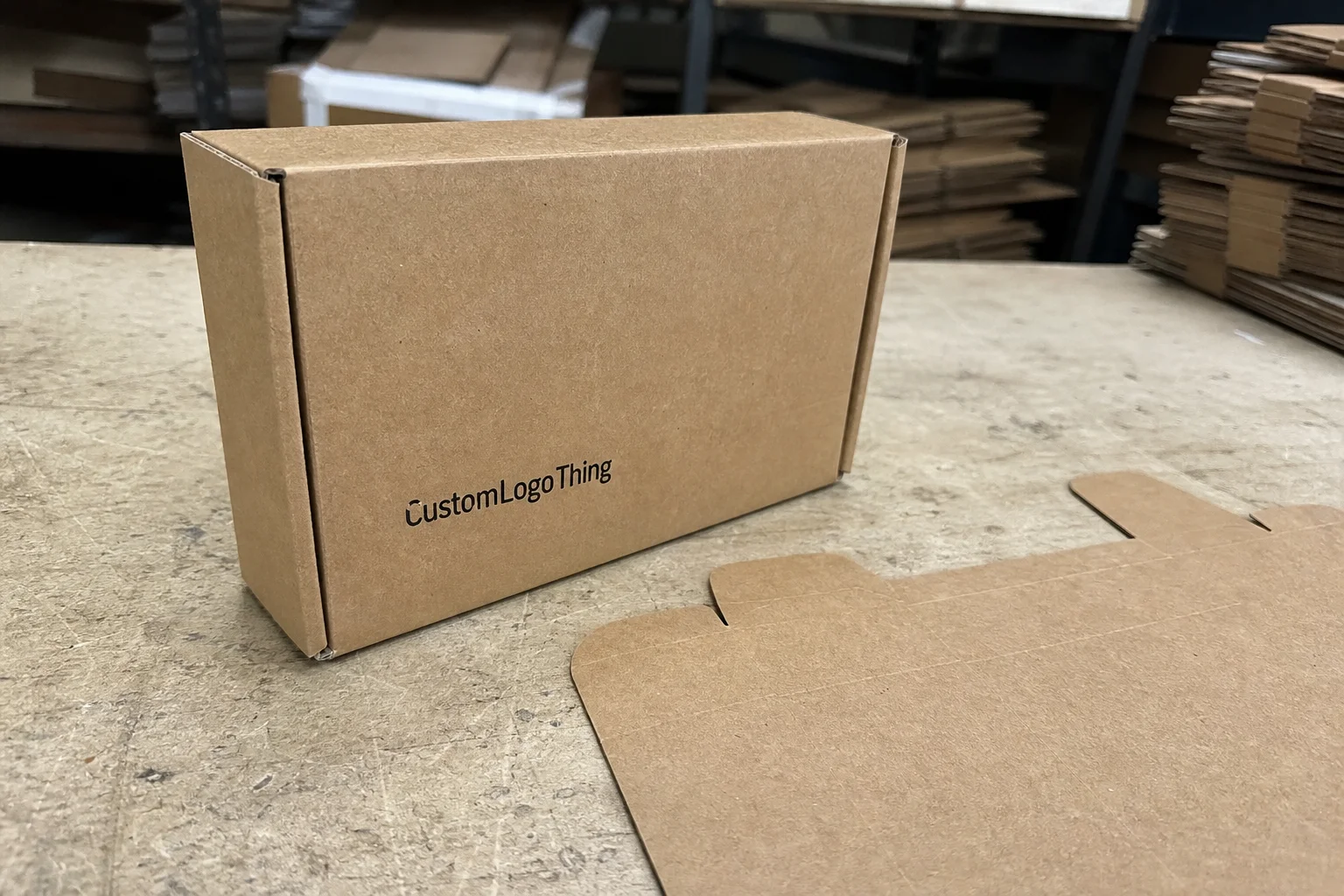
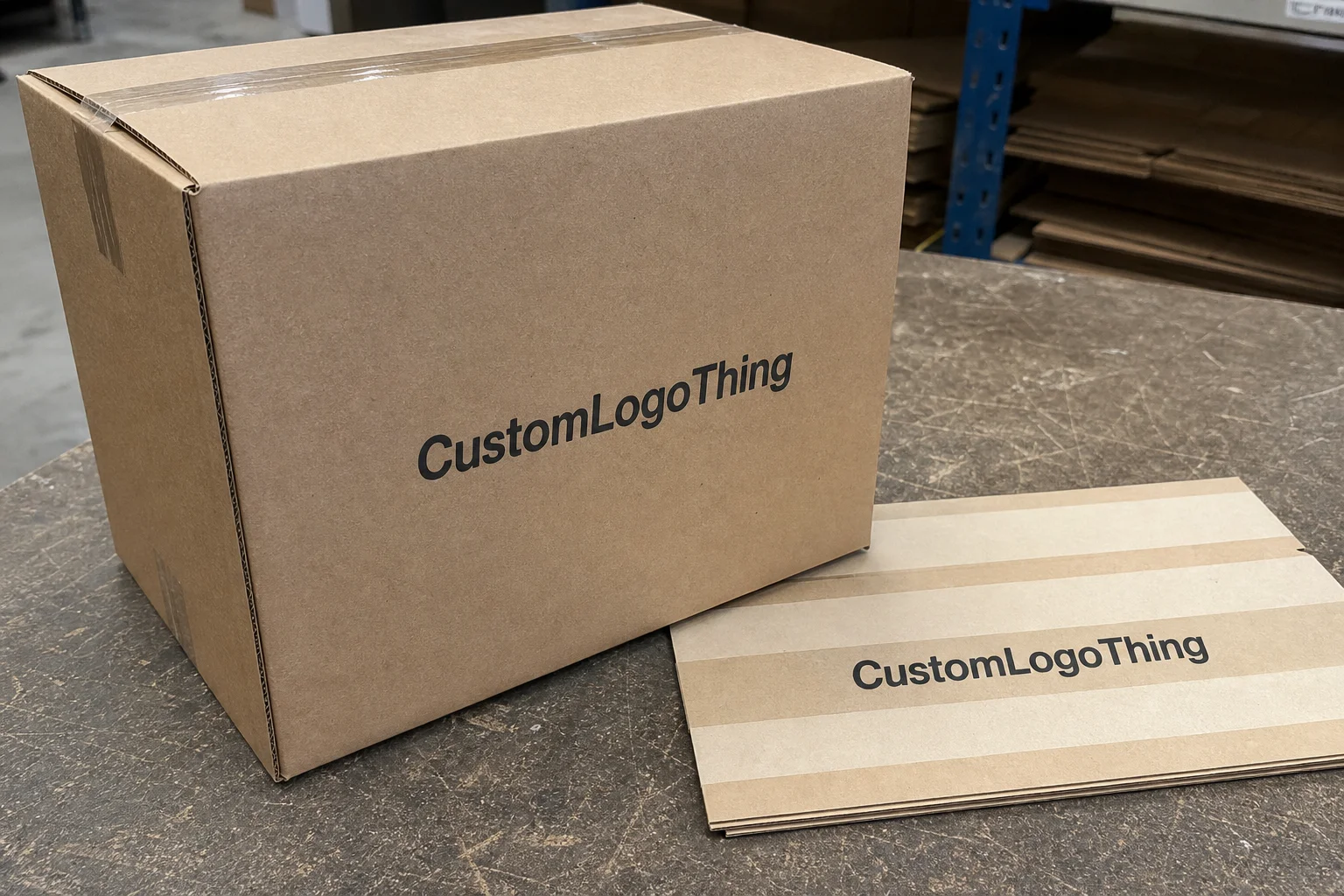
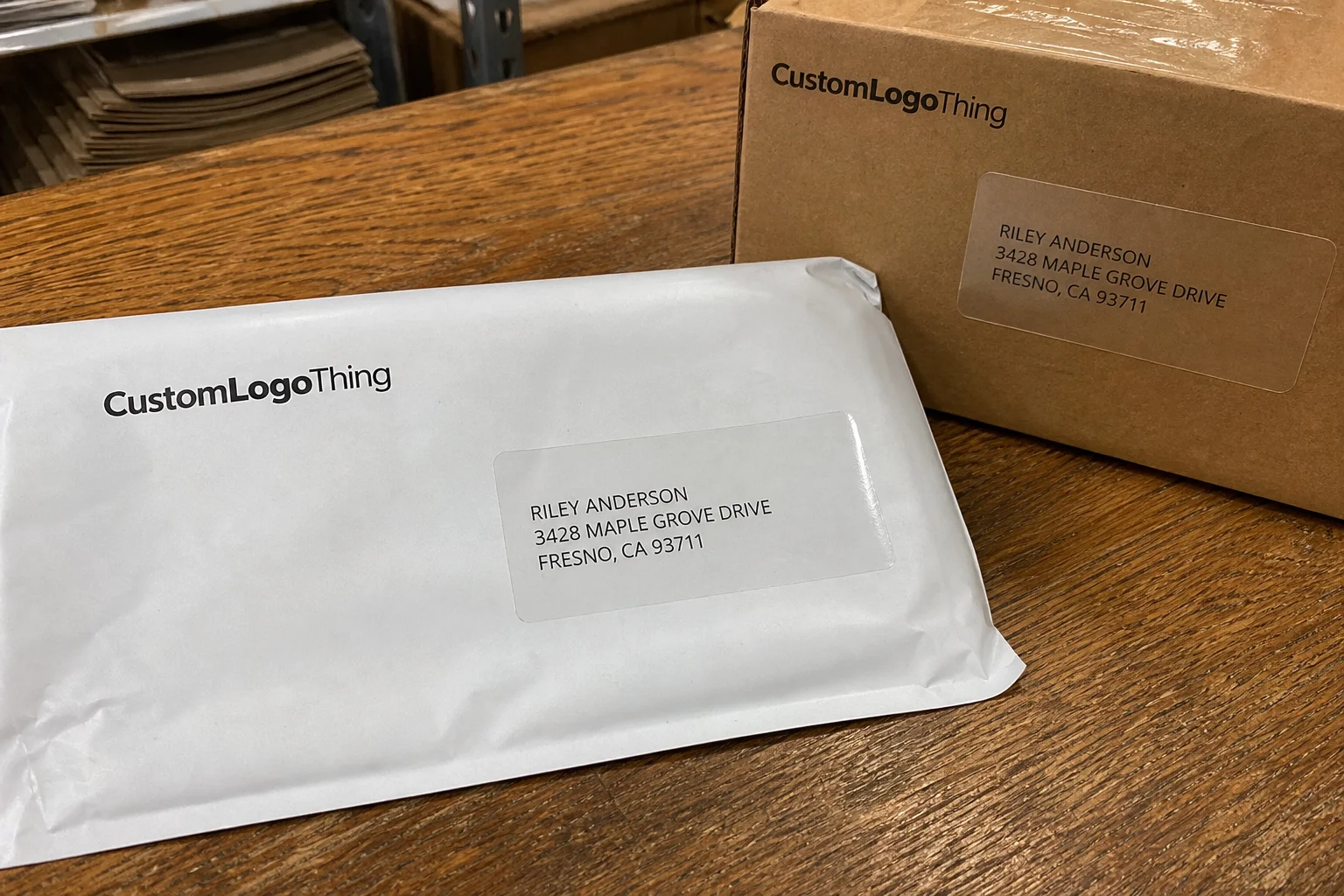
Buyer Fit Snapshot
| Best fit | Shipping Supplies Pricing projects where brand print, material claims, artwork control, MOQ, and repeat-order consistency need to be specified before quoting. |
|---|---|
| Quote inputs | Share finished size, material target, print colors, finish, packing count, annual reorder estimate, ship-to region, and any compliance wording. |
| Proofing check | Approve dieline scale, logo placement, barcode or warning zones, color tolerance, closure strength, and carton packing before bulk production. |
| Main risk | Vague material claims, crowded artwork, missing packing details, or unclear freight terms can make a low unit price expensive after revisions. |
Fast answer: Shipping Supplies Pricing: Production Review should be specified like a repeatable production item. The safest quote records material, print method, finish, artwork proof, packing count, and reorder notes in one written spec.
Production checks before approval
Compare the actual filled-product size with the drawing, then confirm tolerance on folds, seals, hang holes, label areas, and retail display edges. Reserve space for logos, QR codes, warning copy, and material claims before decorative graphics fill the panel.
Quote comparison points
Review material grade, print process, finish, sampling route, tooling charges, carton quantity, and freight assumptions side by side. A quote is only useful when the supplier can repeat the same color, closure quality, and packing count on the next order.
I’ve spent enough time on packing lines and inside corrugated plants to know this: a Shipping Supplies Pricing guide only starts making sense once you stop staring at the carton price alone. In a real packing room, the box is often not the biggest cost; the hidden spend is tape, void fill, labor minutes, and the occasional dimensional weight penalty that shows up later on the freight invoice like an annoying surprise bill. On a 1,200-order weekday in a Louisville, Kentucky fulfillment center, I watched a team spend $0.09 per carton on the box and nearly $0.14 per order on tape and paper void fill. That’s why a solid shipping supplies pricing guide has to cover more than cartons, because the real number is usually hiding in the workflow.
I remember standing on a fulfillment line in Ohio a few years back while the operations manager pointed to a pallet of plain brown RSCs and said, “Those boxes look cheap.” Then he pulled up the monthly spend on tape rolls, air pillows, and repacks from crushed corners, and the whole story changed in about ten seconds. He was buying 200,000 cartons a year from a plant in Columbus, Ohio, at $0.31 each, but the damage and repack line item was running almost $4,800 a month. Honestly, that’s the kind of moment that separates a rough estimate from a useful shipping supplies pricing guide. If you only price one item, you miss the system around it. And the system is where the money disappears.
Shipping Supplies Pricing Guide: Why Small Box Costs Add Up Fast
A practical shipping supplies pricing guide starts with the full basket of shipping materials, not just the carton. That basket can include corrugated cartons, poly mailers, padded envelopes, pressure-sensitive tape, labels, stretch wrap, void fill, dunnage, inserts, tissue, edge protectors, and protective wraps. In ecommerce shipping and order fulfillment, each one carries its own price tag, but also its own impact on labor, damage rate, and transit packaging performance. A 2-inch x 110-yard hot-melt tape roll might cost $2.10, while a standard 12 x 15.5-inch poly mailer can run $0.08 to $0.14 depending on film gauge and print coverage.
Here’s what most people get wrong: they assume a mailbox-style mailer or a standard kraft box is “just packaging.” In practice, the size, flute profile, board grade, closure style, and print coverage can move the price more than buyers expect. A same-looking mailer may use 2.5 mil film in one quote and 3.0 mil film in another, or a regular slotted carton may be made from 32 ECT singlewall versus a stronger 44 ECT board. A 10 x 8 x 4 box made from 200# test kraft board is not the same as a 12 x 10 x 6 carton made from 275# C-flute. A strong shipping supplies pricing guide has to call out those differences, because otherwise the comparison is fake.
Pricing also feels inconsistent because suppliers sell by different units: per piece, per thousand, per case, per bundle, per pallet, and sometimes by custom spec with freight added separately. I’ve watched purchasing teams compare a $0.38 unit price from a pallet quote against a $0.44 case price from a distributor, then wonder why the numbers never reconcile. A pallet of 1,440 cartons might look cheaper on paper than a case of 200, but if the delivered freight from Atlanta, Georgia, adds $220 and the distributor ships from Dallas, Texas, for $68, the landed cost flips fast. They only reconcile after you normalize everything. That is one of the first lessons in any shipping supplies pricing guide.
“The cheap-looking box is usually not the expensive part. It’s the tape, the labor, the void fill, and the freight class that sneak up on you.”
And yes, the same-looking carton can cost very differently depending on whether it’s stock or custom, printed or plain, die-cut or glued, hand-packed or machine-fed, and ordered in 250 units or 25,000. A stock 8 x 6 x 4 box in plain kraft might run $0.29 each in a 1,000-unit case pack, while a custom printed version in the same size can land at $0.52 each at 5,000 pieces. That’s why this shipping supplies pricing guide is built around the math and the purchasing logic together. If you only chase sticker price, you’ll usually end up paying more somewhere else. Which is rude, frankly, but very common.
How Shipping Supplies Pricing Works From Quote to Carton
In a corrugator or converting plant, the quoting process starts with the material spec. For a custom shipping box, that might mean selecting a flute profile like B-flute, E-flute, or a doublewall construction, then choosing a board grade, print process, and closure style. A packaging buyer in Memphis, Tennessee, might ask for a 12 x 9 x 6 box made from 350gsm C1S artboard for a retail-ready insert, while an industrial customer in Charlotte, North Carolina, may want a 200# test RSC with 32 ECT performance and a water-based flexographic logo. In a decent shipping supplies pricing guide, this is where you learn that the quote is not one number pulled from a shelf; it is a stack of inputs that includes board stock, converting time, finishing, packing, and freight.
Stock supply pricing from distributors works differently. The distributor has already bought bulk inventory, boxed it, and positioned it in warehouse stock, so the quote can be faster and sometimes lower for small runs. A made-to-order manufacturer, by contrast, may need artwork approval, die-line setup, cutting tooling, samples, and a production slot. That usually means a longer lead time, but it also means tighter fit, better package protection, and fewer compromises. If a supplier in Chicago, Illinois, says proof approval on Monday and production release on Wednesday, I still expect 12 to 15 business days before the cartons hit a dock in most standard runs. A realistic shipping supplies pricing guide should help buyers see the tradeoff instead of treating all packaging the same.
Pricing units matter a great deal. A carton quoted at $0.42 each might sound cheap until you learn it’s packed 150 per pallet and the freight is another $180. A roll of 2-inch tape might be priced per roll, while void fill may be sold by cubic foot or by dispenser case. Poly mailers may show up per thousand, per case, or per bundle. If the unit basis changes, the comparison breaks. That’s why one of the most useful habits in a shipping supplies pricing guide is converting every quote to a clean landed cost per shipped order or per packed unit. I’ve seen a quote for $0.24 per mailer in Savannah, Georgia, beat a $0.21 quote from Reno, Nevada, once the West Coast freight and minimum pallet charges were added.
I still remember a supplier negotiation at a converting facility in Pennsylvania where the buyer kept pushing for the lowest carton price, while the plant manager kept pointing to throughput. The plant manager finally said, “If you want lower price, give me standard sizes, a bigger run, and no last-minute artwork change.” He was right. In many factories, overhead, setup, and handling are what make small runs expensive. A run of 500 custom cartons in Allentown, Pennsylvania, can cost $0.81 each simply because the die line, setup, and press wash all get spread over too few units. Any good shipping supplies pricing guide should say that out loud.
There’s also a timeline piece. Stock items may ship in 2 to 5 business days from a distributor in Indianapolis or Atlanta, while custom printed or structural packaging often takes 12 to 15 business days from proof approval, sometimes longer if tooling or plates are needed. A project with a new die cut, a white ink underlay, and a 4-color exterior can push to 18 business days if the artwork changes after the first proof. That timeline affects price because rush schedules and partial production slots cost money. A thorough shipping supplies pricing guide needs to include time as part of the cost picture, not as an afterthought.
For readers who are sourcing broader packaging support, Custom Packaging Products can help you see how cartons, inserts, and protective components fit together in one procurement plan. In my experience, that’s a better buying model than treating every SKU as a one-off emergency purchase, especially if your warehouse in Phoenix, Arizona, is trying to keep reorder points below 30 days.
For packaging standards and industry education, the Flexible Packaging Association and the International Safe Transit Association both publish useful context on packaging performance and shipment testing. Those references don’t give you a price list, but they do help anchor a shipping supplies pricing guide in real performance expectations, like ISTA 3A test cycles and material performance thresholds tied to real transit abuse.
Key Factors That Influence Shipping Supplies Pricing
The biggest driver in any shipping supplies pricing guide is material type and grade. Corrugated board strength, recycled content, kraft versus white outer liners, and the flute profile all matter. For example, a 32 ECT singlewall carton might be fine for light apparel, while a 44 ECT or doublewall box may be needed for heavier industrial parts. In poly mailers, a 2.5 mil film is not the same as 3.0 mil, and a bubble-lined mailer is not the same as a plain polyethylene mailer. A 14 x 17.5-inch bubble mailer with a kraft outer liner may cost $0.23 each at 5,000 units, while a plain 2.5 mil PE mailer could be $0.09. Higher performance usually costs more, but sometimes it reduces damage enough to pay for itself.
Dimensions and fit come next. Oversized transit packaging can push dimensional weight higher, especially in ecommerce shipping, where carriers bill against the space a parcel occupies rather than just the actual weight. I’ve seen a 10 x 8 x 6 carton save two cents in board cost but add nearly a dollar in shipping charges because the product could have fit in a tighter 8 x 6 x 4 format. A parcel that tips from 2 pounds to 4 pounds dimensional weight on UPS Zone 7 can add $1.12 to $1.86 depending on service level. That kind of mistake will wreck a shipping supplies pricing guide if it focuses only on unit cost.
Order volume matters because setup and handling spread across more units at higher quantities. A custom box might land at $0.78 each for 500 units, then drop to $0.42 each at 5,000 units and $0.31 each at 20,000 units, depending on board, print, and freight structure. I’ve also seen a simple single-color mailer fall from $0.19 at 2,500 pieces to $0.11 at 10,000 pieces when the supplier in Greensboro, North Carolina, could run a longer batch without plate changes. Those are not universal numbers, of course, but they show the pattern. Any practical shipping supplies pricing guide should make tiered pricing feel less mysterious and more like basic factory economics.
Customization is another major lever. Printing, embossing, custom cuts, coatings, and special closures all add cost. A simple one-color flexographic logo on a shipping box might add a modest amount per unit, while full-coverage graphics, window cutouts, or specialty finishes add more. Yet customization can save labor by reducing labels, improving pack speed, or cutting down on secondary materials. A one-color print on a kraft mailer may add $0.04 to $0.07 per unit, while a matte aqueous coating on a retail carton can add $0.03 to $0.05. A strong shipping supplies pricing guide balances those gains against the added expense.
| Packaging Option | Typical Price Range | Best For | Cost Drivers |
|---|---|---|---|
| Plain stock corrugated carton | $0.28–$0.65 each | General fulfillment, low-MOQ needs | Board grade, size, pallet freight |
| Custom printed shipping box | $0.38–$1.10 each | Brand presentation, consistent SKUs | Print setup, tooling, volume, board spec |
| Poly mailer | $0.06–$0.22 each | Apparel, soft goods, lightweight ecommerce shipping | Film thickness, seal type, print coverage |
| Padded envelope | $0.12–$0.45 each | Small fragile items, accessories | Bubble liner, kraft stock, adhesive closure |
Freight and logistics deserve their own line in a shipping supplies pricing guide. Pallet configuration, shipping zone, fuel surcharge, minimum order quantities, and supplier location all affect landed cost. A corrugated plant in Dalton, Georgia, can quote a better carton price than a distributor in Los Angeles, California, and still lose on landed cost if the shipment needs two LTL pallets and a liftgate. I once reviewed a quote where the box price looked unbeatable, but the freight from the supplier’s plant in the Southeast to a West Coast warehouse erased the savings completely. Landed cost is the real number. Sticker price is only the beginning.
Performance requirements can force a higher-spec material choice, and that’s not a bad thing. Moisture resistance for cold-chain shipments, crush strength for stacked pallets, temperature handling for warehousing, and compliance requirements for retail packaging can all push buyers toward better substrates. A frozen food shipper in Minneapolis, Minnesota, may need a board or liner that survives 34°F conditions and condensation, while a warehouse in Houston, Texas, may need cartons that hold up in 95°F storage. If your goods are delicate or high-value, package protection usually beats false economy. A responsible shipping supplies pricing guide doesn’t pretend the cheapest material is always the smartest one.
For poly-based formats, Custom Poly Mailers can be a useful comparison point when you’re deciding whether the right move is a lighter mailer or a corrugated carton. I’ve seen apparel brands cut postage and packing time with mailers, then switch back to boxes for returned goods because the product profile changed. That kind of operational detail belongs in a shipping supplies pricing guide, especially if your average order weighs 12 ounces and your return rate runs 18 percent.
Shipping Supplies Pricing Guide for Buyers: Step by Step
Step one is to list every packaging component used in one shipment. That sounds basic, but a surprising number of teams only track the carton and ignore tape, labels, void fill, inserts, or protective wraps. When I audited a fulfillment center handling 800 orders a day in Nashville, Tennessee, the carton spend was about 38 percent of total packaging cost. The rest lived in tape, dunnage, and labor. A real shipping supplies pricing guide forces that full picture onto the page, down to the $0.05 label and the 4 inches of kraft paper per order.
Step two is to match the product profile to the supply type. Measure the product in inches and ounces, not by guesswork. Note fragility, surface finish, moisture sensitivity, and whether the shipment goes by parcel or LTL. A ceramic item with sharp edges needs different package protection than a folded garment or a plastic accessory. If your item is 9.2 inches long, 5.7 inches wide, and 2.1 inches tall, then a 10 x 6 x 3 box may be a better fit than a 12 x 8 x 4 carton. If you start with the product and shipping method, a shipping supplies pricing guide becomes much easier to use.
Step three is to request quotes in consistent units. Ask for cost per carton, per thousand, or per pallet, then ask for landed cost with freight, pallet fees, and setup included. If one quote includes delivered freight and another is ex-works, the comparison is misleading. I’ve seen procurement teams save a little time on quote collection, then lose hours trying to reconcile a spreadsheet that never had matching assumptions. One supplier in St. Louis, Missouri, quoted $0.33 per box with no freight; another quoted $0.41 delivered from Atlanta. After the freight math, the “cheaper” one was actually $0.48 landed. A disciplined shipping supplies pricing guide prevents that trap.
Step four is to compare lead times against your packing schedule. If the cheapest option arrives after your reorder point, it can create a stockout that forces you into a rush buy at a higher price. That happens often in order fulfillment, especially when inventory planning is run separately from packaging procurement. The lowest quote is not always the best quote. A good shipping supplies pricing guide treats time as part of the value equation, because a three-day stockout can cost more than a $0.04 per unit savings.
Step five is to request samples or short-run tests. Ask for fit checks, seal quality checks, and a little abuse testing on the line. In one Arizona plant near Mesa, we tested a lighter carton for a 14-pound equipment kit. On paper it saved money, but after a week the corners were scuffing and a few units crushed during stack movement. The sample was made from a 275# board instead of the 44 ECT box we ended up buying, and the failure showed up after about 600 packs. We went back to a slightly stronger board and recovered the loss in damage claims. That kind of field testing is exactly why a shipping supplies pricing guide should include real-world trials.
Step six is to track actual damage rates, labor minutes per order, and supply consumption. I like looking at the numbers in three buckets: what did we spend, how long did packing take, and how many shipments had issues. That gives you the true landed cost of shipping materials. If a box saves two cents but adds 20 seconds of labor, it probably isn’t saving anything. A useful shipping supplies pricing guide turns those operational details into purchasing decisions.
For brands trying to align packaging style with product presentation, Custom Shipping Boxes can help standardize dimensions, print, and pack-out across a product family. Honestly, I think standardization is one of the most underused cost-control moves in packaging. It’s not sexy, but neither is paying extra every month because the box drawer looks like a junk drawer.
Here’s a simple way to think about the process:
- Measure the product and shipping method.
- Identify the minimum performance requirements.
- Get quotes with the same unit basis.
- Add freight, setup, and handling.
- Test the pack on a live line.
- Review damage and labor data after launch.
That sequence is not glamorous, but it is how the best purchasing decisions get made. A shipping supplies pricing guide is only useful if it supports action, not just reading. A buyer in San Diego, California, who follows those six steps can usually spot a bad quote in under ten minutes.
What Are the Main Factors in Shipping Supplies Pricing?
The biggest driver in any shipping supplies pricing guide is material type and grade. Corrugated board strength, recycled content, kraft versus white outer liners, and the flute profile all matter. For example, a 32 ECT singlewall carton might be fine for light apparel, while a 44 ECT or doublewall box may be needed for heavier industrial parts. In poly mailers, a 2.5 mil film is not the same as 3.0 mil, and a bubble-lined mailer is not the same as a plain polyethylene mailer. A 14 x 17.5-inch bubble mailer with a kraft outer liner may cost $0.23 each at 5,000 units, while a plain 2.5 mil PE mailer could be $0.09. Higher performance usually costs more, but sometimes it reduces damage enough to pay for itself.
Dimensions and fit come next. Oversized transit packaging can push dimensional weight higher, especially in ecommerce shipping, where carriers bill against the space a parcel occupies rather than just the actual weight. I’ve seen a 10 x 8 x 6 carton save two cents in board cost but add nearly a dollar in shipping charges because the product could have fit in a tighter 8 x 6 x 4 format. A parcel that tips from 2 pounds to 4 pounds dimensional weight on UPS Zone 7 can add $1.12 to $1.86 depending on service level. That kind of mistake will wreck a shipping supplies pricing guide if it focuses only on unit cost.
Order volume matters because setup and handling spread across more units at higher quantities. A custom box might land at $0.78 each for 500 units, then drop to $0.42 each at 5,000 units and $0.31 each at 20,000 units, depending on board, print, and freight structure. I’ve also seen a simple single-color mailer fall from $0.19 at 2,500 pieces to $0.11 at 10,000 pieces when the supplier in Greensboro, North Carolina, could run a longer batch without plate changes. Those are not universal numbers, of course, but they show the pattern. Any practical shipping supplies pricing guide should make tiered pricing feel less mysterious and more like basic factory economics.
Customization is another major lever. Printing, embossing, custom cuts, coatings, and special closures all add cost. A simple one-color flexographic logo on a shipping box might add a modest amount per unit, while full-coverage graphics, window cutouts, or specialty finishes add more. Yet customization can save labor by reducing labels, improving pack speed, or cutting down on secondary materials. A one-color print on a kraft mailer may add $0.04 to $0.07 per unit, while a matte aqueous coating on a retail carton can add $0.03 to $0.05. A strong shipping supplies pricing guide balances those gains against the added expense.
| Packaging Option | Typical Price Range | Best For | Cost Drivers |
|---|---|---|---|
| Plain stock corrugated carton | $0.28–$0.65 each | General fulfillment, low-MOQ needs | Board grade, size, pallet freight |
| Custom printed shipping box | $0.38–$1.10 each | Brand presentation, consistent SKUs | Print setup, tooling, volume, board spec |
| Poly mailer | $0.06–$0.22 each | Apparel, soft goods, lightweight ecommerce shipping | Film thickness, seal type, print coverage |
| Padded envelope | $0.12–$0.45 each | Small fragile items, accessories | Bubble liner, kraft stock, adhesive closure |
Freight and logistics deserve their own line in a shipping supplies pricing guide. Pallet configuration, shipping zone, fuel surcharge, minimum order quantities, and supplier location all affect landed cost. A corrugated plant in Dalton, Georgia, can quote a better carton price than a distributor in Los Angeles, California, and still lose on landed cost if the shipment needs two LTL pallets and a liftgate. I once reviewed a quote where the box price looked unbeatable, but the freight from the supplier’s plant in the Southeast to a West Coast warehouse erased the savings completely. Landed cost is the real number. Sticker price is only the beginning.
Performance requirements can force a higher-spec material choice, and that’s not a bad thing. Moisture resistance for cold-chain shipments, crush strength for stacked pallets, temperature handling for warehousing, and compliance requirements for retail packaging can all push buyers toward better substrates. A frozen food shipper in Minneapolis, Minnesota, may need a board or liner that survives 34°F conditions and condensation, while a warehouse in Houston, Texas, may need cartons that hold up in 95°F storage. If your goods are delicate or high-value, package protection usually beats false economy. A responsible shipping supplies pricing guide doesn’t pretend the cheapest material is always the smartest one.
For poly-based formats, Custom Poly Mailers can be a useful comparison point when you’re deciding whether the right move is a lighter mailer or a corrugated carton. I’ve seen apparel brands cut postage and packing time with mailers, then switch back to boxes for returned goods because the product profile changed. That kind of operational detail belongs in a shipping supplies pricing guide, especially if your average order weighs 12 ounces and your return rate runs 18 percent.
Common Mistakes That Distort Shipping Supplies Pricing
The first mistake is comparing price per piece without normalizing the specs. A case of 200 mailers with a lighter film gauge is not the same as a case of 100 heavier mailers, even if the unit price looks similar. Board grade, flute profile, closure style, and freight basis all matter. A reliable shipping supplies pricing guide has to insist on apples-to-apples comparisons, especially if one quote is a 2.5 mil mailer from Newark, New Jersey, and another is a 3.0 mil mailer from Dallas, Texas.
The second mistake is chasing the cheapest carton or mailer and then paying for it in claims, returns, or repacking labor. I’ve seen a company save less than one cent per unit on a box, only to lose several dollars on every crushed shipment. In one case, a $0.02 carton savings led to $1,700 in weekly rework because the product was a little too heavy for the lighter board. Damage is a quiet budget killer. If a shipping supplies pricing guide ignores damage risk, it is incomplete.
The third mistake is ignoring dimensional weight. A larger-than-needed carton may look harmless on the supply invoice, but carriers will charge more because of the air you shipped. That’s especially painful in ecommerce shipping. A good shipping supplies pricing guide puts dimensional weight on the same page as carton cost, because the carrier doesn’t care that the box itself was cheap. A 14 x 10 x 8 carton may cost $0.06 less than a 12 x 8 x 6 box, but the freight bill can jump by $1.40 on a Zone 8 parcel.
The fourth mistake is overlooking minimum order quantities and storage costs. A low unit price can become expensive if you need to tie up cash in a half-pallet or full-pallet overbuy that sits in a back room for nine months. I once visited a small brand in Fort Worth, Texas, that had filled a mezzanine with “bargain” mailers they found on a closeout deal. The purchase price was $0.07 each, but by the time they paid storage and moved old inventory around, the real cost was closer to $0.12. This is why a shipping supplies pricing guide should always include inventory carrying cost, even in a simple form.
The fifth mistake is forgetting print setup, plates, dies, and sampling charges. Custom work often has one-time costs that make the first order look expensive but later reorders much more reasonable. A die charge can run $250 to $900 depending on size and complexity, and a print plate set can add another $120 to $400. If you only review the first invoice, you miss the long game. A mature shipping supplies pricing guide distinguishes setup cost from recurring unit cost.
The sixth mistake is buying for one product only instead of standardizing across a product family. When a brand uses six carton sizes for six slightly different SKUs, procurement gets messy fast. Standard sizes simplify purchasing, reduce dead stock, and make packing-line training easier. In my experience, simplicity tends to win over time, even if the first quote for the standard box is a touch higher. That is one of the most practical truths in any shipping supplies pricing guide.
Expert Tips to Lower Shipping Supplies Pricing Without Sacrificing Protection
Right-size the packaging first. Measure the product, then build the carton or mailer around the actual dimensions, not the old product spec sheet from three years ago. I’ve seen packaging teams shave 12 to 18 percent off board usage just by tightening internal fit. In a good shipping supplies pricing guide, right-sizing is usually the easiest win because it cuts material use and can reduce dimensional weight at the same time.
Standardize a small number of carton sizes and cushioning formats. When a plant or fulfillment center runs five well-chosen box sizes instead of fifteen random ones, purchasing becomes easier and inventory gets cleaner. You also get better buying power because volume concentrates on fewer SKUs. A practical shipping supplies pricing guide should encourage standardization before it chases exotic material changes. A warehouse in Raleigh, North Carolina, that cuts from 14 carton SKUs to 6 can save a full half-day of pick-face re-slotting every quarter.
Ask suppliers to quote alternate board grades, film gauges, and closure styles. You may find that one spec performs just as well for your use case at a better price. That said, don’t blindly downgrade. A 32 ECT carton is not a substitute for a 44 ECT box in every application, and a thinner mailer is not enough for sharp or heavy items. A thoughtful shipping supplies pricing guide compares performance, not just price.
Use print strategically. One-color flexographic branding or a small spot print can deliver a polished look without driving the quote through the roof. Full coverage graphics, multiple colors, and special finishes are beautiful, but they’re not always necessary for ecommerce shipping. I’ve sat through enough supplier meetings to know that simple branding often gets you 80 percent of the visual impact for 40 percent of the print cost. That belongs in any honest shipping supplies pricing guide, especially if your order volume is 8,000 to 12,000 pieces per month.
Negotiate on total program value, not just carton price. Talk about lead times, freight terms, reorder flexibility, and storage options. A supplier who can hold inventory, improve release timing, or ship mixed pallets may be worth a slightly higher unit price. A strict shipping supplies pricing guide would call that landed cost discipline, not softness in negotiation. And yes, sometimes you need to say the quiet part out loud: the “cheap” supplier is only cheap until they make your team beg for an urgent reprint.
Track defect and damage data by packaging style. The lowest sticker price is not always the lowest landed cost, and the only way to know the difference is to follow the actual results. I like to review damage, repack, and labor data monthly, because packaging decisions drift when nobody checks them. If you want your shipping supplies pricing guide to stay useful, build feedback into the process.
For broader material choices and sourcing options, Custom Packaging Products can help you compare formats across cartons, inserts, and shipping materials instead of buying each component in isolation. That’s a good habit for smaller brands and larger fulfillment operations alike, especially if your packaging spend crosses $15,000 a month.
On the sustainability side, the EPA recycling resources can be useful when evaluating recycled content, recovery, and end-of-life handling for packaging materials. Sustainable choices still need to make sense in a shipping supplies pricing guide, but it’s smart to understand the downstream impact too, particularly for paper-based formats made in Wisconsin or Georgia.
Next Steps for Smarter Shipping Supplies Pricing Decisions
Build a packaging audit sheet that captures product dimensions, annual usage, current supply costs, damage rates, and average order value. It does not need to be fancy. A clean spreadsheet with 10 or 12 columns will beat a pile of PDFs every time. If you want a shipping supplies pricing guide that actually helps, start by gathering the facts you already have, like annual carton usage, tape consumption per order, and average freight zone.
Request side-by-side quotes from at least two sources using identical specs, quantities, and freight assumptions. I’ve seen teams compare quote sheets with different flute grades, different pallet counts, and different delivery terms, then wonder why the answer is muddy. The only fair comparison is one built on the same assumptions. That’s basic discipline in a shipping supplies pricing guide, and it saves hours of back-and-forth with suppliers in places like Houston, Texas, and Spokane, Washington.
Test one improved packaging option in a real packing workflow and time the difference in labor, seal quality, and damage prevention. A 30-minute trial on the line can tell you more than three meetings about how a carton behaves under pressure. If the new option adds five seconds per pack, that matters. If it saves 2 percent on freight and cuts damage, that matters too. A smart shipping supplies pricing guide treats the line as the final judge.
Create a simple landed-cost calculator so every future purchase is compared on the same basis. Include the unit price, freight, setup, storage, damage rate, and labor minutes. You do not need advanced software to get started. You need consistency. That consistency is what turns a shipping supplies pricing guide from a reading exercise into a purchasing tool.
Review the results monthly, then adjust sizes, materials, and reorder points based on real operational data rather than one-off price quotes. Packaging programs drift when no one owns the follow-up. I’ve seen a small change in demand turn a good carton into a bad fit within a quarter, and the only way to catch that is to review the numbers regularly. A living shipping supplies pricing guide will save more money than a one-time sourcing event, especially in a plant shipping 50,000 units across the Midwest each month.
If your team is building a cleaner sourcing plan, start by thinking about how the box, mailer, insert, and tape all work together in the package protection system. That’s the kind of view I used on production floors, and it still holds up. A careful shipping supplies pricing guide doesn’t just lower spend; it improves the way the whole fulfillment line runs.
FAQ
How do I compare shipping supplies pricing across different suppliers?
Convert all quotes to the same unit, such as cost per carton, per thousand, or per pallet. Include freight, setup, and minimum order charges so the comparison reflects landed cost. Verify that board grade, thickness, print, and closure style are identical before judging price. That’s the cleanest way to use a shipping supplies pricing guide without getting fooled by unit noise.
What usually has the biggest impact on shipping supplies pricing?
Material choice and order volume usually have the largest effect on unit cost. Customization and freight can also change the final price dramatically. Oversized packaging can add hidden expense through dimensional weight and extra void fill. In practice, those three factors show up in almost every shipping supplies pricing guide I’ve seen actually work.
Is custom packaging always more expensive than stock shipping supplies?
Custom packaging often costs more upfront because of setup, tooling, and specification work. It can still be cheaper overall if it reduces product damage, packing time, or dimensional weight. The real question is landed cost and operational savings, not sticker price alone. That’s a core idea behind any honest shipping supplies pricing guide.
How can I lower shipping supplies pricing for small business orders?
Standardize a few box sizes and buy in higher volumes when storage allows. Use right-sized mailers and reduce excess void fill to cut material usage. Ask for alternate material or print options that meet performance needs at a lower cost. For smaller teams, a practical shipping supplies pricing guide usually starts with simplification.
How long does it take to get pricing and production for custom shipping supplies?
Stock items may be quoted quickly and ship soon after order placement. Custom items usually take longer because of artwork approval, sample review, and production scheduling. Timeline depends on complexity, quantity, and whether tooling or print plates are needed. A realistic shipping supplies pricing guide should always account for lead time alongside price.
If I had to leave you with one final thought from years of standing next to packing tables and corrugator lines, it would be this: the best shipping supplies pricing guide is the one that shows the true landed cost, not just the cheapest carton on paper. Once you factor in materials, labor, freight, dimensional weight, and damage, the smarter buying decision usually becomes obvious. Start with the specs, normalize every quote, and judge the package by what it costs to ship cleanly without creating extra mess later. That’s how you get packaging spend under control without weakening package protection.