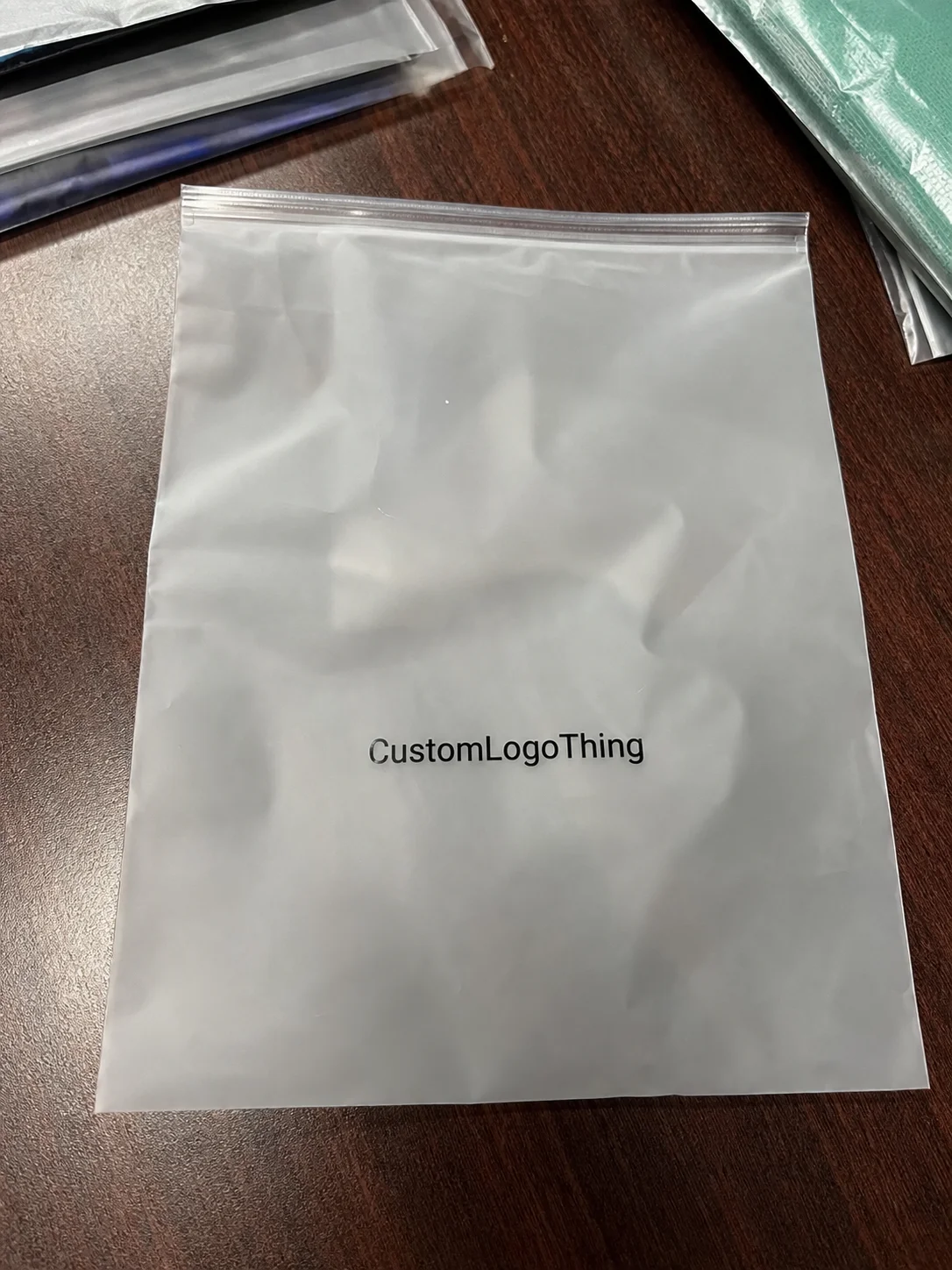
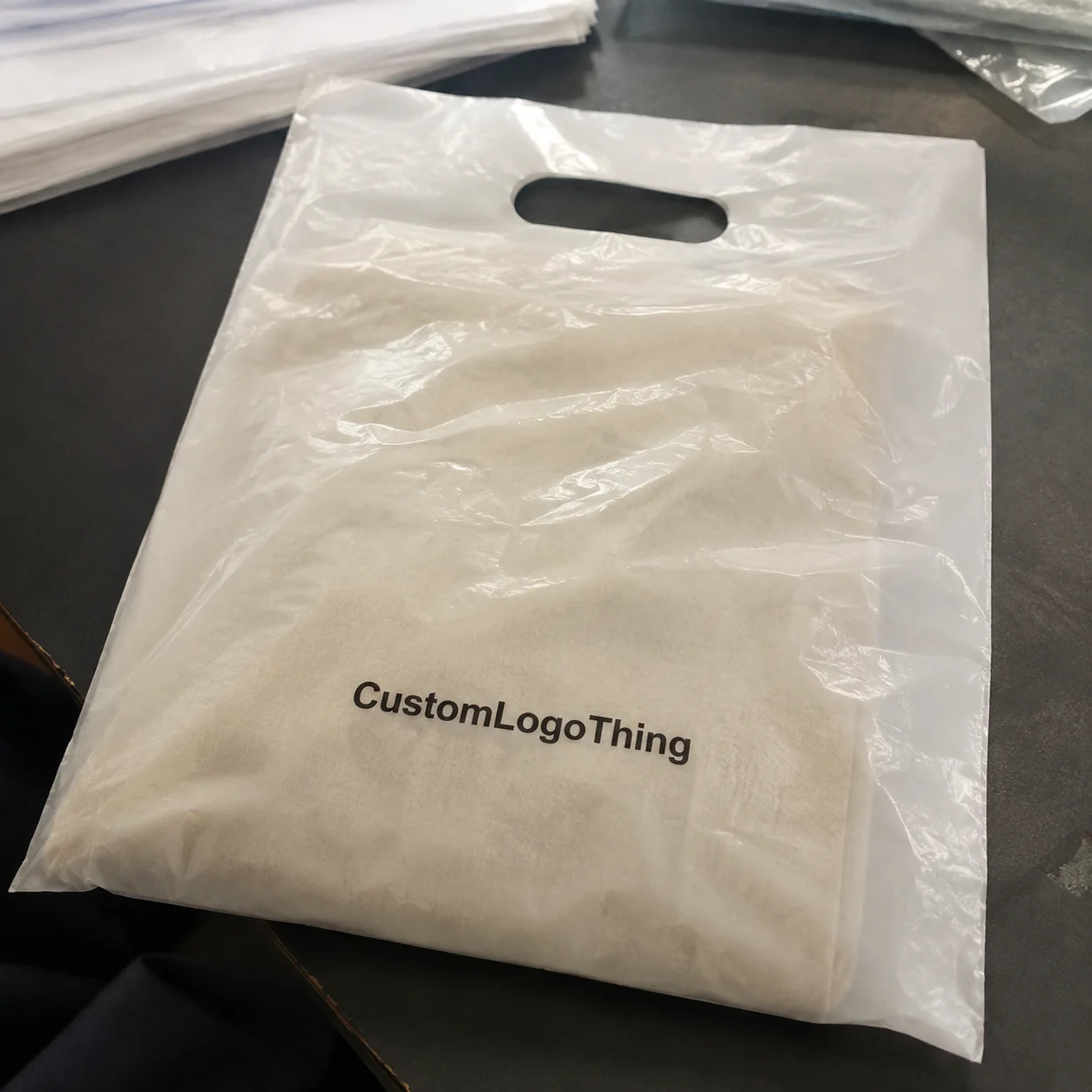
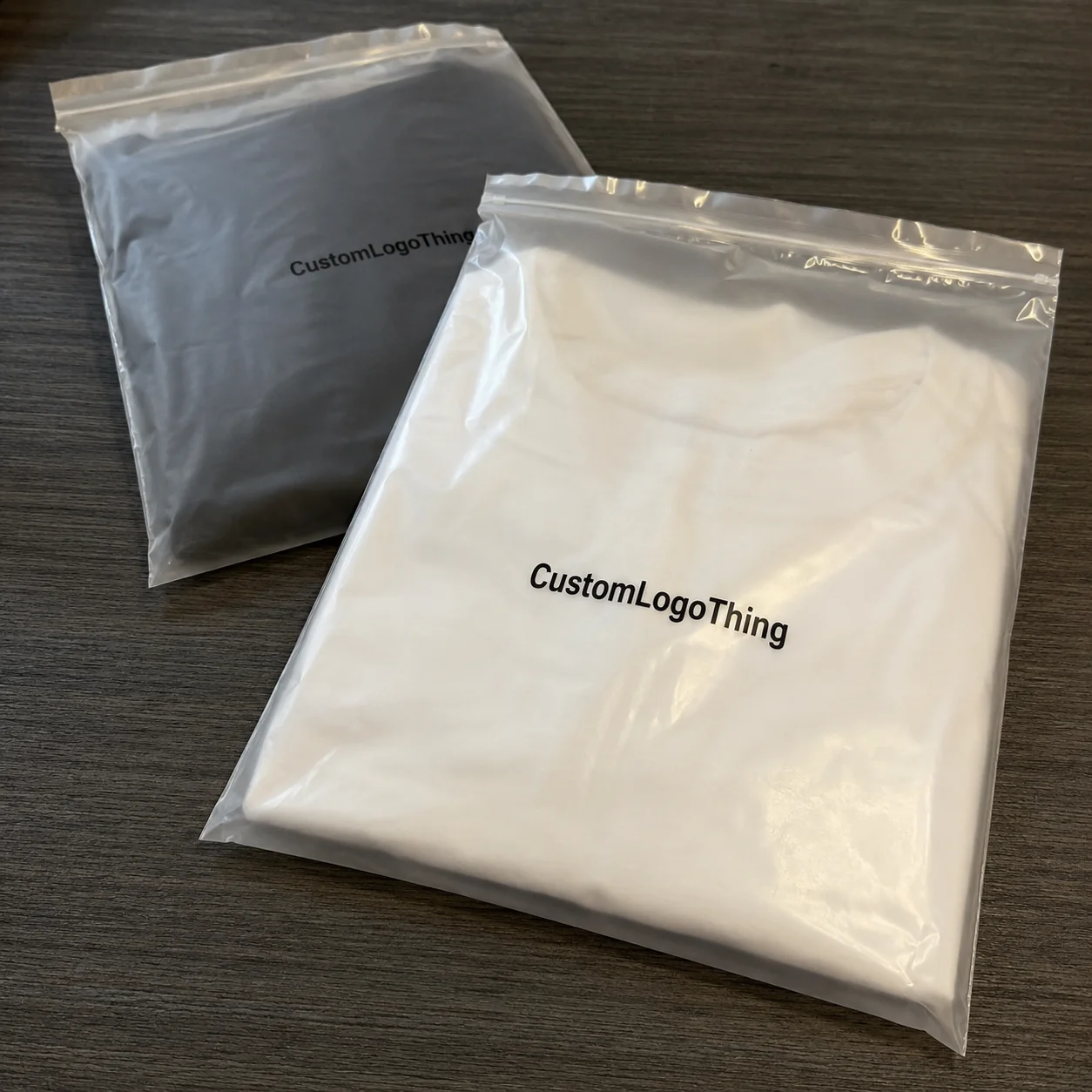
Buyer Fit Snapshot
| Best fit | Shipping Supplies Wholesale projects where brand print, material claims, artwork control, MOQ, and repeat-order consistency need to be specified before quoting. |
|---|---|
| Quote inputs | Share finished size, material target, print colors, finish, packing count, annual reorder estimate, ship-to region, and any compliance wording. |
| Proofing check | Approve dieline scale, logo placement, barcode or warning zones, color tolerance, closure strength, and carton packing before bulk production. |
| Main risk | Vague material claims, crowded artwork, missing packing details, or unclear freight terms can make a low unit price expensive after revisions. |
Fast answer: Shipping Supplies Wholesale: Better Pricing, Faster Fulfillment should be specified like a repeatable production item. The safest quote records material, print method, finish, artwork proof, packing count, and reorder notes in one written spec.
Production checks before approval
Compare the actual filled-product size with the drawing, then confirm tolerance on folds, seals, hang holes, label areas, and retail display edges. Reserve space for logos, QR codes, warning copy, and material claims before decorative graphics fill the panel.
Quote comparison points
Review material grade, print process, finish, sampling route, tooling charges, carton quantity, and freight assumptions side by side. A quote is only useful when the supplier can repeat the same color, closure quality, and packing count on the next order.
Shipping Supplies Wholesale That Cuts Cost Per Shipment
One client saved $21,000 a year without touching their logo. We moved them to Shipping Supplies Wholesale with a board grade adjustment from 32 ECT C-flute to 29 ECT B-flute on a lighter SKU mix, and cut tape width from 3” to 2” hot-melt for cartons under 8 lb. That alone dropped cost per shipment by $0.42 across 50,000 orders. No dramatic rebrand. No fancy unboxing trend. Just math (my favorite kind of boring, honestly).
I’ve walked enough factory floors in Dongguan and Shenzhen to know what drives margin: material match, process consistency, and freight planning. Not mood boards. I remember standing near a rotary die-cutter last spring while a brand ran oversized RSC cartons because “that’s what we’ve always used.” Their dimensional-weight penalties were higher than their tape spend. Brutal. We resized three carton SKUs, kept pack-station behavior simple, and reduced parcel charges by roughly 11% in two billing cycles.
If you run ecommerce shipping, a 3PL operation, a subscription box brand, or a B2B distribution business with recurring volume, shipping supplies wholesale should sit inside a procurement workflow, not as a one-off purchase. You need predictable unit costs, stable inventory, and box dimensions that don’t throw your automation line off every other week.
Buying shipping materials at scale creates value in ways finance and operations both feel:
- Lower unit cost: better board and film pricing at pallet or truckload bands.
- Stock reliability: fewer emergency buys at inflated spot rates.
- Consistent dimensions: smoother pack-line handling and label placement.
- Fewer damages: package protection matched to product weight and transit lanes.
Transactional buyers focus on landed cost, and they’re right to do it. A carton at $0.64 is not “cheap” if damage claims add $0.19 per order. A poly mailer at $0.11 is not “efficient” if seal failures push returns up by 2.3%. I’ve seen both play out in real reporting, and neither is fun to explain on a Monday KPI call.
Most teams wait too long to standardize shipping supplies wholesale. They grow quickly, patch gaps with local buys, and then wonder why fulfillment gets inconsistent across warehouses. By the time someone audits SKUs, they’re juggling six tape specs, four label adhesives, and cartons that vary by 0.25” from batch to batch.
At Custom Logo Things, we run shipping supplies wholesale like a supply-chain program: specs first, price second, timeline discipline always. If that sounds boring, good. Boring is profitable. And boring rarely causes 7:12 p.m. “urgent” messages.
What to Buy in Shipping Supplies Wholesale (Core SKUs)
Most buyers overcomplicate the early stage. Start with core SKUs that move daily, then layer custom formats where they produce measurable value. In a typical shipping supplies wholesale program, these are the workhorses.
Core product families and where they perform best
- RSC cartons: best for multi-item picks, heavier products (6–30 lb), and conveyor-heavy fulfillment.
- Corrugated mailers: ideal for cosmetics, small electronics, and fragile DTC items under 5 lb.
- Poly mailers: apparel, soft goods, and low-fragility products with low dimensional-weight goals.
- Bubble mailers: lightweight fragile items; better puncture resistance than plain poly.
- Void fill: kraft paper, air pillows, or molded inserts depending on drop profile and cost target.
- Tape: acrylic for storage stability, hot-melt for aggressive adhesion in fast pack lines.
- Shipping labels: direct thermal or thermal transfer; adhesive must match temperature and substrate.
- Inserts: packing slips, returns instructions, compliance cards.
A subscription snack brand in Nevada came to us while buying from three suppliers: one for boxes, one for tape, one for labels. Split deliveries landed on different days, so pack teams substituted random tape stock and created closure failures. (I still remember seeing three different tape rolls on one station and just staring for a second.) We consolidated all three under one shipping supplies wholesale plan. Damage rate dropped from 1.9% to 1.1% in 60 days.
Bundling matters. Sourcing cartons, tape, and labels together reduces compatibility issues and split-shipment risk. Reorder logic also gets simpler for warehouse managers who already have enough fires to put out.
Common buying mistakes I keep seeing
- Using 44 ECT board for a 2.2 lb product. That’s paying for strength you never use.
- Running low-tack tape through humid Southeast lanes in July. Expect pop-opens.
- Choosing 50-micron poly for sharp-corner accessories that really need 60–70 micron.
- Ignoring pack-station fit. If carton erection takes 4 extra seconds, that labor cost scales fast.
If you want simple tiers, use monthly order volume to decide how far to push shipping supplies wholesale optimization:
| Monthly Orders | Recommended SKU Strategy | Typical Cost Focus | Ops Priority |
|---|---|---|---|
| Up to 5,000 | Stock sizes + 1 branded element | Keep inventory lean, avoid overbuying | Fast replenishment |
| 5,000–25,000 | 2–4 optimized carton sizes + branded tape or mailer | Lower unit cost and dimensional weight | Consistent pick-pack flow |
| 25,000+ | Multi-SKU program with blanket PO releases | Landed cost and damage reduction | Node-level inventory planning |
If you need a starting point, review Custom Packaging Products, then narrow to your top three shipping materials by spend and failure risk. Don’t optimize everything at once; that’s how teams stall and how meetings multiply for no good reason.
Shipping Supplies Wholesale Specifications That Actually Matter
Specs decide whether your shipping supplies wholesale order performs or turns into expensive clutter. I’m direct about this with procurement teams: if your RFQ says “good quality box,” you’ll get random interpretations and zero accountability. Vague RFQs are one of the costliest habits in packaging procurement.
Protection specs to request every time
- Flute and board: B-flute, C-flute, or E-flute with specific wall structure.
- ECT/BCT: for example, 32 ECT for medium loads, 44 ECT for heavier stacking conditions.
- Burst strength: if your carrier lanes involve rough handling.
- GSM: liner and medium gsm ranges to control board consistency.
- Poly thickness: 50, 60, 70 micron depending on puncture risk.
- Adhesive type: acrylic vs hot-melt vs solvent, based on climate and speed.
- Dimensional tolerance: typically ±2 mm to ±4 mm depending on SKU.
I once rejected a 40HQ run because carton OD drifted by 5 mm and jammed an auto-taper in Ohio. Supplier said it was “within normal variance.” I said no, because “normal” doesn’t pay for downtime. We rewrote tolerance limits and added in-process checks every 30 minutes. Awkward conversation, yep. Worth it, also yep.
Print specs if you include branding
Branded shipping supplies wholesale programs need print control, not just Pantone references. Ask for:
- Print method: flexo for high-volume simple graphics, digital for short runs and variable prints.
- Ink coverage: full flood vs spot, because coverage drives cost and dry time.
- Registration tolerance: usually ±1.5 mm to ±3 mm based on substrate and process.
- Scuff resistance: especially for black print on kraft where rub marks show fast.
Brands that care about visual consistency across multiple SKUs usually benefit from controlled coverage zones and fewer fine-line elements on corrugated. The result looks cleaner after transit wear.
Operational and compliance specs most people miss
- Barcode readability targets and scan angles at pack stations.
- Label adhesion at 35°F for cold chain or winter lane exposure.
- Recycled content percentage and certification requirements.
- Pallet pattern, pallet height, and stretch-wrap standards for receiving efficiency.
Need standards references? Review testing and material guidance from ISTA and chain-of-custody details from FSC. If you make sustainability claims on-site, paperwork has to support them. And yes, auditors do ask.
“We cut chargebacks by 34% after we stopped ordering by nickname and started ordering by full spec sheet.” — Ops Director, apparel brand shipping 18,000 orders/month
Copy-paste checklist for procurement teams
- SKU name and internal code
- Exact dimensions (ID/OD) in mm and inches
- Material grade (ECT/BCT, GSM, micron)
- Print method, colors, and coverage %
- Closure method and adhesive type
- Test requirements (drop/compression where needed)
- Pallet config and max pallet height
- Monthly and quarterly volume forecast
- Warehouse destinations by ZIP
- Required in-hands date and preferred freight mode
Spec discipline shortens quote cycles and reduces rework. It also stabilizes pack time. I’ve seen stations swing from 42 seconds to 56 seconds per order from inconsistent carton fit alone. That variability wrecks forecasting and labor planning, which is exactly why shipping supplies wholesale decisions need to be written down in detail, not carried around as tribal knowledge.
Pricing, MOQs, and Cost Drivers in Shipping Supplies Wholesale
If you’re buying shipping supplies wholesale, price is never a single number. It’s a stack: raw material, conversion, print setup, tooling (if any), freight class, and destination. Miss one layer and your “cheap” quote gets expensive fast.
How pricing is actually built
- Material: paper index and resin changes hit carton and poly costs.
- Setup: plates, color stations, or digital prep time.
- Tooling: custom die lines for unique mailers or inserts.
- Run length: longer runs usually lower unit price.
- Freight: pallet count, class, distance, and fuel surcharges.
Real ranges from recent programs I’ve quoted (these vary by region, season, and order profile, so treat them as planning benchmarks, not guaranteed market quotes):
- Plain stock RSC cartons can start around $0.28–$0.54/unit at pallet quantities.
- Custom one-color printed corrugated often lands around $0.46–$0.92/unit depending on size and board.
- Standard poly mailers can run $0.06–$0.14/unit; branded films can rise to $0.12–$0.24/unit by coverage and MOQ.
- Tape from major converters can range $1.25–$2.40/roll depending on adhesive and length.
MOQ logic in shipping supplies wholesale is pretty straightforward. Stock sizes have lower minimums because tooling and setup are already absorbed. Custom die-cut shapes and printed films need higher runs because setup costs must be amortized over volume. That’s not attitude from suppliers; that’s unit economics.
Quick negotiation story: I sat on a call with a Midwest distributor and a converter in Monterrey. The buyer wanted a 9% reduction without a volume commitment. Supplier said no (fair). We shifted strategy, consolidated 14 carton SKUs to 9, offered a 6-month blanket PO with monthly releases, and locked paper index movement to a defined band. Final outcome: 5.8% lower annual spend and fewer stockouts. Adults in the room got it done.
Landed cost beats unit cost, every time
One client picked a quote that was $0.03 cheaper per box. Looked smart until inbound freight added $0.05, and damages added another $0.04. Net loss: $0.06 per shipment versus option B. We switched at next cycle and recovered margin within 45 days.
| Quote Option | Unit Price | Inbound Freight per Unit | Estimated Damage Cost per Unit | Total Landed Cost |
|---|---|---|---|---|
| Supplier A | $0.41 | $0.08 | $0.05 | $0.54 |
| Supplier B | $0.44 | $0.05 | $0.02 | $0.51 |
Brands scaling quickly should build release planning into shipping supplies wholesale. Dumping four months of cartons into one warehouse to “save” can backfire. Storage cost, handling friction, and old-inventory risk erase gains all the time.
If you’re building a longer-term program, start with our Wholesale Programs and map demand by node. Then decide where custom SKUs actually produce ROI.
Order Process and Timeline: From Quote to Dock
A reliable shipping supplies wholesale process has nine steps. Skip one, and timeline slips are almost guaranteed.
- Needs assessment
- Spec confirmation
- Quote issuance
- Sample or proof approval
- PO release
- Production
- QC checks
- Freight booking
- Delivery and receiving
Typical timeline ranges
- Stock unprinted cartons/tape: 3–8 business days depending on region and availability.
- Custom printed corrugated: 12–20 business days after proof approval.
- Custom poly mailers: often 15–28 business days based on film and print load.
- Specialty die-cut formats: 18–30 business days when tooling is required.
Delays usually trace back to the same four issues:
- Incomplete specs that trigger re-quoting.
- Artwork approvals parked in someone’s inbox for 4 days.
- Carrier bottlenecks in peak windows.
- Late design edits after production slot is booked.
A beauty client once pushed a logo shift 24 hours before print. That change cost them 6 business days and an expedited partial shipment at $1,840 extra. A hard internal approval deadline would’ve prevented it. I remember the ops lead saying, “We changed one hex code.” I said, “Yep—and your freight invoice noticed.”
How to shorten lead times without chaos
- Keep pre-approved dielines for repeat SKUs.
- Share 8–12 week rolling forecasts, updated weekly.
- Use split shipments where needed: partial fast mode, balance economical mode.
- Set buyer-side SLA: proof feedback in 24 hours, PO release in 48 hours after final quote.
For pack-heavy brands, link your shipping supplies wholesale plan directly to fulfillment forecasts. If demand jumps 22% and packaging procurement hears about it two weeks late, control is already gone.
If poly is part of your mix, check Custom Poly Mailers options early. Film lead times move with resin markets, so waiting until inventory drops under two weeks is risky.
Why Buyers Choose Custom Logo Things for Shipping Supplies Wholesale
Buyers choose us for shipping supplies wholesale because we run procurement-first, not presentation-first. You need numbers, performance, and predictable delivery. Pretty decks don’t keep warehouses running.
We guide materials by use case. A 1.8 lb apparel shipment should not use the same transit packaging logic as a 9 lb glass item. We map SKU families to route risk, pack behavior, and damage history, then quote with those operating realities baked in.
What our production oversight includes
- Incoming material verification: board and film spot checks against approved spec.
- In-process print checks: registration and coverage control during run.
- Drop-test sampling: for vulnerable SKU groups where protection matters.
- Pre-shipment inspection: dimensions, count, pallet condition, labeling.
One example: I was on-site at a partner plant near Suzhou when we caught tape core substitution on a repeat run. Core diameter variance was small, but enough to cause dispenser drag at the client’s line speed. We blocked shipment, corrected cores, and avoided what would have been a messy week at their 3PL. That one catch probably saved a few thousand dollars and at least a few gray hairs.
Operationally, we support mixed-SKU planning and repeat-order templates. For one multi-node retailer, we coordinated deliveries to three ZIP clusters (30349, 75261, 91752) with staggered dock windows. Their receiving manager sent me a thank-you email with exactly three words: “finally, sane pallets.” I laughed, then archived it as a trophy.
Risk reduction is the point. Better shipping supplies wholesale programs mean fewer spec errors, cleaner reorders, and transparent updates if constraints hit. Not every delay is avoidable; clear communication still is. We’re gonna be upfront about lead times and tradeoffs rather than promise magic and leave your team scrambling.
If cartons are central to your mix, start with Custom Shipping Boxes and align specs with current cartonization data, not assumptions from six months ago.
We solve for margin and fulfillment reliability. If you want fluff, wrong team. If you want repeatable results, we’ll get along.
Next Steps to Buy Shipping Supplies Wholesale Without Delays
You don’t need a 40-slide strategy deck to start shipping supplies wholesale correctly. Clean inputs and fast decisions are enough. I’ve seen teams get better outcomes with a two-page spec sheet than others get from a month of meetings.
Procurement checklist you can use today
- Monthly volume by SKU (last 90 days + forecast)
- Target unit cost by SKU and acceptable landed-cost range
- Ship-to ZIP codes and dock constraints
- Current failure or damage rates by product family
- Required in-hands dates and safety stock policy
RFQ template structure for apples-to-apples comparisons
- Company + contact + billing details
- SKU table with dimensions, material spec, and print requirements
- Annual and monthly usage estimates
- Destination warehouses and preferred freight terms
- Requested quote validity period (example: 30 days)
- Surcharge policy request (fuel, paper index, resin clauses)
- Sample timeline and production timeline expectations
For most teams, a smart pilot starts with 2–3 high-volume SKUs. Validate pack-line speed, scan compliance, and damage rates for 2–4 weeks. Then scale into broader shipping supplies wholesale coverage with a rolling forecast.
Decision timeline I recommend:
- Day 1–3: RFQ sent to shortlisted suppliers
- Day 4–8: quote comparison and clarifications
- Day 9–14: sample sign-off
- Day 15: PO release trigger
- Day 16+: production and scheduled replenishment cadence
Final takeaway, and I mean actionable, not motivational: before you request your next quote, build a one-page spec sheet for your top three SKUs, include last-quarter shipment volumes by warehouse, and require suppliers to return landed-cost math (unit + freight + expected damage assumptions) in the same format. Do that once and your shipping supplies wholesale decisions get kinda easier to defend in every ops and finance review after that.
FAQ
What is the typical MOQ for shipping supplies wholesale orders?
MOQs depend on item type. Stock cartons and standard tape usually have lower minimums, while custom printed boxes or poly mailers often require higher runs because of setup and press economics. Ask for MOQ by individual SKU and mixed-pallet options so you don’t overbuy slower-moving sizes. If storage is tight, use blanket POs with scheduled releases to hit shipping supplies wholesale pricing tiers without flooding your warehouse.
How do I compare shipping supplies wholesale quotes accurately?
Match line items exactly: material grade, thickness, dimensions, print process, and tolerance. Then compare landed cost, not unit price alone. Include inbound freight, pallet count, storage impact, and expected damage rates. Request price validity and surcharge terms so changes are documented. Good shipping supplies wholesale decisions come from comparable specs and total-cost clarity.
How fast can custom shipping supplies wholesale be delivered?
Stock unprinted items move fastest, often within a week depending on location. Custom printed corrugated and custom die-cut products take longer because proofing and production are involved. Timeline depends on artwork approval speed, material availability, and freight mode. You can shorten shipping supplies wholesale lead times by pre-approving artwork and sharing rolling forecasts.
Can I get branded boxes and mailers in one shipping supplies wholesale program?
Yes. Most mature programs bundle cartons, mailers, tape, and labels under one sourcing plan. That improves print consistency and simplifies reorders for ecommerce shipping teams. Consolidated procurement also reduces split shipments and coordination overhead between multiple vendors. It’s one of the quickest wins in shipping supplies wholesale execution.
Which specs are most important when buying shipping supplies wholesale?
Start with protection: board strength, thickness, and adhesive choice matched to product weight and transit distance. Next, confirm operational specs such as pack-station dimensions, barcode scan reliability, and label adhesion in expected temperatures. For branded packs, check print durability and color repeatability. A strong shipping supplies wholesale program is spec-driven first and price-driven second.