Buyer Fit Snapshot
| Best fit | Small Business Packaging Branding Checklist for Better Sales projects where brand print, material claims, artwork control, MOQ, and repeat-order consistency need to be specified before quoting. |
|---|---|
| Quote inputs | Share finished size, material target, print colors, finish, packing count, annual reorder estimate, ship-to region, and any compliance wording. |
| Proofing check | Approve dieline scale, logo placement, barcode or warning zones, color tolerance, closure strength, and carton packing before bulk production. |
| Main risk | Vague material claims, crowded artwork, missing packing details, or unclear freight terms can make a low unit price expensive after revisions. |
Fast answer: Small Business Packaging Branding Checklist for Better Sales should be specified like a repeatable production item. The safest quote records material, print method, finish, artwork proof, packing count, and reorder notes in one written spec.
Production checks before approval
Compare the actual filled-product size with the drawing, then confirm tolerance on folds, seals, hang holes, label areas, and retail display edges. Reserve space for logos, QR codes, warning copy, and material claims before decorative graphics fill the panel.
Quote comparison points
Review material grade, print process, finish, sampling route, tooling charges, carton quantity, and freight assumptions side by side. A quote is only useful when the supplier can repeat the same color, closure quality, and packing count on the next order.
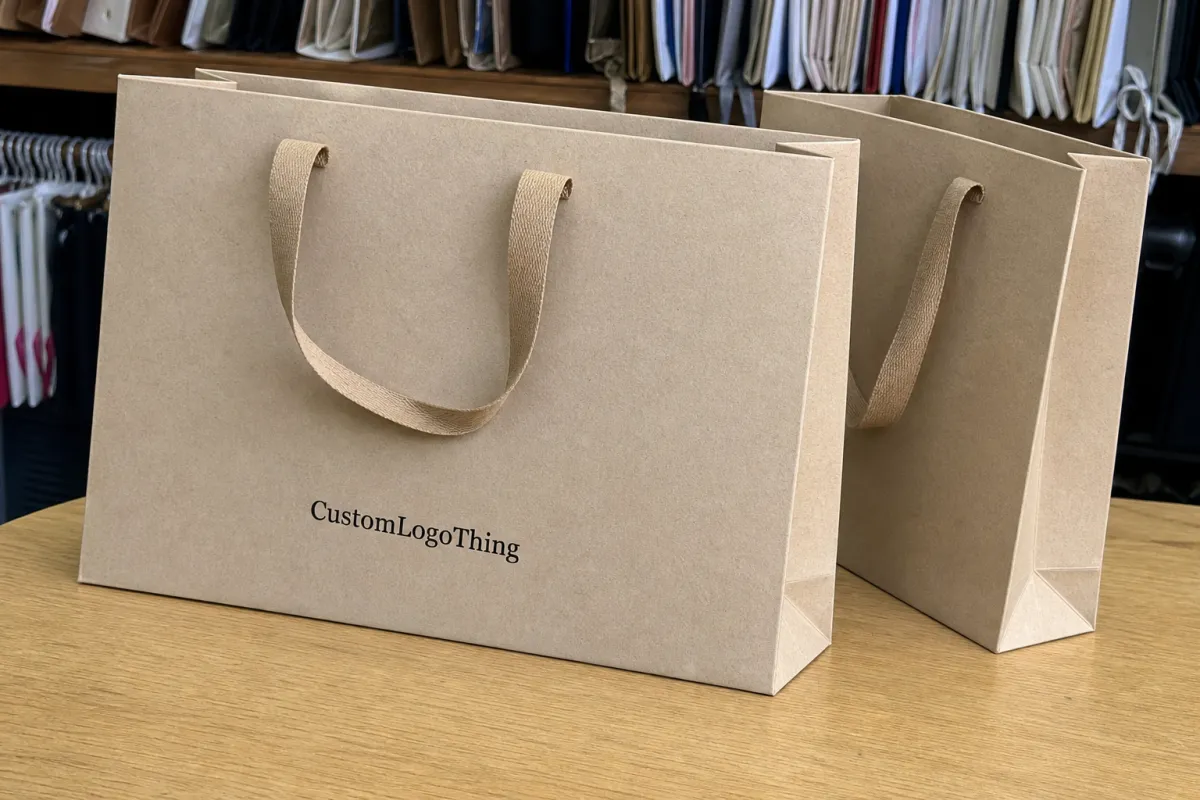
If you’re building a Small Business Packaging branding checklist, start with this simple truth: the box, mailer, insert, and seal often sell the brand before the customer ever touches the product. I’ve watched that happen on a packing line in Shenzhen where a plain kraft mailer with a crisp one-color logo looked more premium than a glossy carton with sloppy artwork, and I’ve also seen an oversized foam insert make a $28 candle feel like a warehouse afterthought. Honestly, I think the whole point of a Small Business Packaging Branding Checklist is to keep those embarrassing little decisions from sneaking into production, because the package has to protect the product, match the brand identity, and still make financial sense at the unit level.
Lots of small companies confuse decorative Packaging with Branded packaging. Decorative packaging might look busy for one photo, but branded packaging gives you repeatable decisions: the same logo placement, the same board grade, the same color bar, the same opening experience. That consistency is what turns product packaging into package branding. For a small business, repeatability matters more than flashy effects you can’t reorder in 90 days. I’ve seen founders fall in love with a shiny effect and then regret it the second they had to reorder in a hurry. That regret has a smell, by the way. It smells like panic and expedited freight.
Packaging is not just a design exercise. It is a production system. On one side, you have packaging design, artwork, and brand identity. On the other, you have shipping weight, carton strength, carrier limits, and fulfillment speed. A strong Small Business Packaging branding checklist has to hold both sides together, or the package looks good in a mockup and falls apart in transit. I remember one launch where the mockup got everyone applauding and the real carton got everyone quietly asking, “Why does this sound like it’s full of gravel?” Not ideal.
Small Business Packaging Branding Checklist: What It Means and Why It Matters
At its core, a small business packaging branding checklist is a practical map for every visible and touchable part of the package. That includes logo placement, tissue paper, tape, mailer structure, inserts, and even the way the box opens. In one client meeting I remember in Illinois, a soap maker was spending money on three colors of printing but using a mailer that crushed at the corners, so the whole setup felt less premium than a $0.18/unit one-color flexo print would have on a stronger E-flute corrugated mailer. The box didn’t need more decoration. It needed better structure and a cleaner brand identity signal.
The relationship between branding and performance is tighter than most founders expect. A package has to protect the product, fit the shipping method, and communicate the brand in a way that feels intentional. If the box is too large, the product shifts; if the finish is too slick, some inks scuff; if the insert is oversized, the whole pack-out looks forced. Your small business packaging branding checklist should help you avoid those tradeoffs by forcing decisions early, not after the first 500 orders are already going out.
There’s also a difference between retail packaging and purely decorative packaging. A decorated box might be fine on a photo set, but retail and e-commerce both need legibility, durability, and repetition. I’ve seen brands get excited about foil and spot UV, then realize their shipping carton still had no return instructions or barcode placement. That’s not bad design; it’s incomplete packaging planning. A good small business packaging branding checklist covers the real use case, not just the launch image.
For small businesses, the smartest approach is usually to start with a system that can be repeated across SKUs and channels. That might mean kraft corrugated mailers with one-color print, custom labels, a branded thank-you card, and tissue with a single-tone logo. It does not have to start with expensive rigid boxes. In fact, I’ve seen many brands grow faster with a clean small business packaging branding checklist and a stable spec than with fancy one-off packaging that cannot be reordered cleanly. Fancy is fun. Reorderable is profitable. Those two are not always friends.
To see how this turns into actual production, it helps to think like a factory floor manager. The pack-out line wants clear fold lines, simple inserts, and predictable tape points; the customer wants a package that feels deliberate. That is the balance the small business packaging branding checklist is built to protect.
How Small Business Packaging Branding Works in Practice
Packaging branding starts long before the customer opens the box. It begins at the outer shipper, then moves through the inner pack-out, cushioning, insert card, seal, and opening sequence. A small business packaging branding checklist should trace each of those touchpoints so you know where the brand shows up and where the product needs protection. On a packing line, that usually means five decisions: what the customer sees first, what the product touches, what keeps it from moving, what explains the product, and what closes the box.
Consistency is the real engine here. If your typography changes from one SKU to the next, or the blue on your custom labels shifts between batches, customers may not describe that consciously, but they feel it. In package branding, consistency across colors, icons, paper texture, and box shape does more than style work; it builds recognition. A small business packaging branding checklist should lock down those elements in a way that a designer, a factory, and a fulfillment team can all follow.
Production method matters too. Digital printing works well for lower quantities and fast artwork changes. Flexographic printing often fits corrugated runs where a one-color or two-color look keeps costs down. Litho-lamination can produce beautiful custom printed boxes with richer graphics, while hot stamping and spot UV can add a premium accent for a hero SKU. None of these is automatically best. The right choice depends on order quantity, artwork complexity, and the substrate you choose in your small business packaging branding checklist.
I still remember visiting a folding-carton plant where a premium tea brand wanted a soft-touch finish on SBS board, but their product was going into damp shipping lanes and the cartons were rubbing against each other in transit. We tested matte aqueous, then a light varnish, and only after that did the package hold up without sacrificing too much shelf appeal. That’s the kind of practical testing a small business packaging branding checklist should force you to do before approving production. Otherwise you end up with a pretty carton that behaves like wet cardboard in the real world, which is a special kind of disappointment.
Structural design affects brand feeling and transit safety
Mailer depth, tuck flaps, insert fit, and panel stiffness all shape how a package feels in hand. A snug insert can make a product feel carefully presented; a loose one can make it feel improvised. The same box with a 2 mm deeper cavity can change the opening experience dramatically because the product shifts less and the customer sees a cleaner reveal. Structural design is not separate from branding. It is part of it, and your small business packaging branding checklist should treat it that way.
For brands growing from 100 orders to 1,000 orders a month, the best path is usually gradual. Start with branded labels or tape, then move into custom sleeves, then folding cartons or mailers, and later into inserts or fully custom structural packaging. I’ve seen too many small companies jump straight to a fully printed rigid box, only to find that minimum order quantities, storage space, and artwork changes made reordering painful. A better small business packaging branding checklist grows with you instead of boxing you in. Pun absolutely intended, though I wish it weren’t.
| Packaging option | Typical use | Approx. cost range | Brand impact |
|---|---|---|---|
| Branded label on stock mailer | Early-stage e-commerce | $0.03–$0.12/unit | Light but clean brand signal |
| One-color flexo printed corrugated mailer | Daily shipper box | $0.18–$0.42/unit | Strong, simple, repeatable |
| Custom printed folding carton | Retail or premium SKU | $0.35–$1.10/unit | High visibility and shelf presence |
| Rigid box with specialty finish | Gift sets and premium kits | $1.80–$5.00/unit | Premium feel, higher storage needs |
That table is only a starting point, because exact pricing depends on size, quantity, paper grade, and finish. Still, it shows why a small business packaging branding checklist should always include budget and reorder logic, not just visual design.
For materials and sourcing, I often point people to industry references like EPA Sustainable Materials Management and The Packaging School and industry resources at packaging.org when they want a bigger view of material choices, recyclability, and packaging performance. Those sources won’t make the design decisions for you, but they help anchor the small business packaging branding checklist in real-world standards.
Key Factors in a Small Business Packaging Branding Checklist
The first factor is visual identity. Logo size, contrast, color accuracy, and font choice all matter, especially on small surfaces where a 9-point font can disappear after print gain or a 0.5 mm registration shift. If your logo needs a 20 mm clear zone to stay legible, that should be written into the small business packaging branding checklist so nobody shrinks it later just to “fit more stuff in.” I’ve seen that exact mistake more than once, and it usually starts with a designer who never stood beside a folding and gluing machine.
Material selection is the second factor, and this is where a lot of small businesses try to save money in the wrong place. Kraft board feels natural and earthy, white SBS feels cleaner and more retail-ready, E-flute corrugated helps with shipping strength, and rigid board can elevate a gift set. Molded pulp has a strong sustainability story, while tissue and compostable options add another layer of brand presentation. Your small business packaging branding checklist should match material to product weight, fragility, and market position instead of choosing materials just because they look nice in a sample photo.
Then there’s cost. You have unit price, tooling, plate fees, minimum order quantities, storage, freight, and reprint risk. A packaging spec with unclear bleed, wrong dieline margins, or missing Pantone targets can cause a $700 reproof and a two-week delay. That is why an experienced small business packaging branding checklist includes artwork proofing and spec control as cost items, not afterthoughts.
Sustainability also influences customer perception in a very direct way. Right-sized packaging reduces void fill and shipping waste, and minimal ink coverage often helps the package feel cleaner and more responsible. But I’ll be honest: “eco” claims have to be real. If a box says recyclable but uses mixed materials that are hard to separate, customers notice. The best small business packaging branding checklist keeps sustainability honest, measurable, and tied to actual materials and certifications, not just messaging.
For brands wanting to go further, the Custom Packaging Products page is a useful place to compare box styles, inserts, and finishing options, while Custom Labels & Tags can be a smart low-risk starting point for early-stage branding. I’ve seen businesses gain real traction with labels first, then expand into full custom printed boxes once order volume made sense.
Compliance and practical details matter more than most founders expect. Barcode placement, warning labels, return instructions, suffocation warnings where required, and shipping carrier requirements all have to fit into the artwork without cluttering the design. If you sell into retail packaging channels, you may also need scanner-friendly contrast and enough blank margin for store handling. Your small business packaging branding checklist should account for those details before the first print run.
Step-by-Step Small Business Packaging Branding Checklist
Step 1 is a real audit. Lay out every package touchpoint on a table and look at it like a customer would: outer shipper, inner box, filler, insert, seal, opening sequence, and disposal. Mark what feels on-brand, what feels off-brand, what looks outdated, and what is wasteful. When I audited a skincare line in New Jersey, we found three different label suppliers, two slightly different whites, and one leftover insert from a discontinued SKU. A small business packaging branding checklist should catch that chaos early.
Step 2 is defining the actual goal. Do you want repeat purchases, fewer damages, a stronger social-media-worthy unboxing experience, or lower shipping weight? If you don’t choose the goal, the design process can wander. A cosmetic company may care most about perceived luxury, while a subscription food brand may care more about insulation and leak resistance. The small business packaging branding checklist works better when it has a business target attached to each decision.
Step 3 is artwork and dieline control. This is where a lot of good ideas fail. Logos, legal text, icons, and panel graphics need to sit safely away from fold lines, glue tabs, and die cuts. I usually advise at least 3 mm to 5 mm of safe margin, though exact tolerance depends on the structure and factory. If you’re using custom printed boxes, this step can save you from misaligned panels and hidden text cut off by the crease. Put simply, the small business packaging branding checklist should treat the dieline as a technical document, not just a canvas.
Step 4 is material and finish sampling. Ask for production samples on the exact substrate you plan to buy. Ink can look clean on coated paperboard and muddy on kraft. Soft-touch lamination can feel elegant on a rigid box but underperform on a heavily handled mailer. Hot stamping may look beautiful in a render and still scuff if the line folds too tight. Your small business packaging branding checklist needs real samples, not only PDFs and mood boards.
Step 5 is timeline testing. I’ve sat in supplier meetings where the founder assumed “two weeks” meant two weeks to finished goods, but the factory was counting proof approval, plate setup, material procurement, production, and shipping separately. A realistic plan might be 5 business days for artwork proofing, 7-10 days for sampling, 12-15 business days from proof approval for production, and then freight on top. A small business packaging branding checklist should make these stages visible so launch dates stop slipping.
Step 6 is writing a packaging spec sheet. This sheet should list dimensions, board grade, print method, Pantone references, coating, closure style, insert type, assembly notes, and carton pack count. If your team changes designers or buyers later, the spec sheet keeps the package stable. That stability matters because a package that changes every reorder can weaken brand identity and create unnecessary cost. Your small business packaging branding checklist should always end in a spec sheet.
Step 7 is the pilot run. Order a small batch, assemble it in real conditions, ship it, and ask what breaks. Track customer comments, damage rates, and fulfillment time. If pack-out takes 30 seconds longer per unit because the insert is awkward, that is a labor cost that will compound fast. A good small business packaging branding checklist does not stop at approval; it keeps learning after the first run.
“The best packaging I’ve seen on a small budget wasn’t the fanciest box. It was the one the factory could repeat without guessing.”
Common Mistakes in Small Business Packaging Branding
One of the biggest mistakes is overdesigning. Too many colors, effects, icons, and messages can turn a package into visual noise, and they also raise costs. I once reviewed a snack brand’s carton that had three foil colors, two spot UV zones, and a 14-line ingredient panel crowded onto one side panel that was only 72 mm wide. The result looked busy and printed poorly. A smarter small business packaging branding checklist would have stripped it back to one hero color and one clean message.
Another problem is choosing packaging before final product dimensions are locked. That sounds harmless until the product arrives 8 mm taller than expected, then the insert no longer fits, and the mailer needs extra void fill. You end up paying for filler, losing presentation quality, and increasing the chance of shipping damage. A practical small business packaging branding checklist always starts with the product spec sheet, not the box artwork.
Inconsistent branding across channels is another quiet killer. If your e-commerce mailer feels rustic and your retail carton feels glossy and unrelated, customers may not connect them as the same business. That weakens recognition. It can also confuse wholesale buyers who expect one unified brand story. Your small business packaging branding checklist should keep channel-specific differences intentional, not accidental.
Ignoring proofing is a costly habit. A PDF is not a finished box. On press, colors shift, line weights can break, and die lines can expose weak points in the artwork. I’ve seen a plate proof save a client from a reversed logo and a barcode that was too close to the edge. That’s why a small business packaging branding checklist must include actual proof approval, not just “designer signed off.”
Timeline planning also goes wrong more often than people admit. Custom packaging usually requires samples, revisions, material sourcing, and production lead time, especially if you want branded packaging that includes specialty finishes or custom inserts. If you are launching with a trade show or a seasonal retail drop, build buffer time into the schedule. A smart small business packaging branding checklist respects the calendar as much as the design. Otherwise the whole launch can feel like you’re sprinting while carrying a box cutter in one hand and a coffee in the other. Ask me how I know.
Expert Tips to Improve Your Small Business Packaging Branding
My first tip is simple: pick one hero brand element and let it carry the package. That might be a bold color, a recognizable pattern, or a short opening line printed inside the lid. Don’t force every idea onto every surface. One clear cue often beats three competing ones, especially on small mailers and folding cartons. A disciplined small business packaging branding checklist helps you decide what deserves space.
Second, build a layered hierarchy. Outer shipper for durability. Inner box for identity. Insert for education. Tissue or seal for delight. That arrangement works because each layer has a job, and customers can feel the order of thought. It also helps production teams keep packout efficient. If you design this hierarchy into the small business packaging branding checklist, you get a better unboxing experience without adding unnecessary complexity.
Third, ask for print samples on the exact substrate you want to use. Ink behaves differently on kraft board, SBS, corrugated, and rigid board. Coating changes color density, and texture changes how light reflects off the package. I’ve had clients fall in love with a render and then change direction once they saw a real corrugated sample because the color looked 15 percent darker than expected. A strong small business packaging branding checklist should always include substrate testing.
Fourth, buy packaging in a way that allows reorders without art changes. That means clear specs, stable dielines, and a supplier who can repeat the job without re-engineering it every time. Reorder stability saves money and reduces risk. It also protects package branding because customers see the same package over time, not a moving target. If you want a deeper look at implementation examples, the Case Studies page can show how other brands handled production, timelines, and packaging transitions.
Fifth, think like a packout line. The easiest design to assemble is often the one that holds up best at scale. If the team has to fold three extra flaps, apply two stickers, and rotate the insert at an angle, errors will climb. That is not theoretical. I’ve watched a 1,200-unit run slow down by nearly 18 percent because one insert needed manual adjustment. Your small business packaging branding checklist should reward simplicity that still feels polished.
For sustainability-minded brands, FSC-certified board can be a smart signal, especially if you want to show customers that you care about sourcing discipline. You can learn more about certified fiber standards at FSC. I would not use certification as a marketing crutch, though; the package still has to perform. A recycled-looking box that crushes in transit is not good branding. The best small business packaging branding checklist balances material story, protection, and cost.
What to Do After You Finish Your Small Business Packaging Branding Checklist
Once the checklist is complete, don’t let it sit in a folder. Review it and mark three immediate fixes, three medium-term improvements, and one long-term packaging investment. That might mean replacing a weak stock mailer, standardizing your insert spec, and planning a future custom box line for your best-selling SKU. A small business packaging branding checklist only helps if it turns into decisions.
Gather your dimensions, logo files, colors, shipping requirements, and brand notes into a single packaging brief before you talk to a designer or factory. That brief should also note your expected monthly volume, because MOQ and pricing change fast between 500 units and 10,000 units. Packaging suppliers will usually work faster when they have clean input, and your small business packaging branding checklist becomes much easier to execute when everything is in one place.
Ask for a prototype or sample kit. Hold it, fold it, tape it, and pack it the way your team actually will. You will notice details a render never reveals, like whether the lid opens too loosely or the coating fingerprints too easily. I’ve seen a simple prototype save a client from choosing a finish that looked beautiful but scuffed badly in a warehouse tote. That kind of test is exactly what a small business packaging branding checklist is supposed to drive.
Set a decision deadline, and name one final owner. Too many stakeholders can stall packaging for weeks. Marketing wants more space for the tagline, operations wants faster assembly, finance wants lower unit cost, and everyone is partly right. Someone has to make the final call. The small business packaging branding checklist is most useful when it leads to a clear approval date.
Finally, treat the first production run as a test batch, even if it is technically your launch order. Track damage rates, fulfillment speed, returns, and unboxing comments. If customers keep mentioning that the tissue tears too easily or that the insert feels loose, adjust before the next reorder. That is how small businesses turn package branding into a system that improves sales instead of just looking nice. If you keep the small business packaging branding checklist active after launch, it will keep paying you back.
One more practical note: if you are comparing structural formats, ask whether your packaging needs a folding carton, a corrugated mailer, or a sleeve-and-tray setup. Those decisions affect freight, shelf presence, and assembly time all at once. A packaging partner can help you compare options in a way that fits your product category and margin goals. That is why I always tell founders to think of the small business packaging branding checklist as a working tool, not a one-time document.
Frequently Asked Questions
What should be on a small business packaging branding checklist?
Include logo placement, brand colors, box or mailer selection, inserts, unboxing flow, shipping protection, compliance labels, and a plan for artwork approvals. Add cost, timeline, and reorder planning so the packaging system is realistic for your budget and production schedule. A strong small business packaging branding checklist should also note who signs off on proofs and what the final spec sheet must contain.
How much should small business packaging branding cost?
Costs vary by material, print method, order quantity, and finish, but the biggest budget drivers are usually custom tooling, print complexity, and minimum order quantities. Start with simple branded labels or one-color printing if you need to control cost, then upgrade to custom structural packaging as volume grows. In many cases, a small business packaging branding checklist can help you avoid overspending on effects customers won’t value.
How long does custom packaging branding usually take?
Timeline depends on design readiness, sample approval, and production method, but custom packaging usually takes longer than stock packaging because proofs and samples are part of the process. Build time into your calendar for artwork checks, factory sampling, and shipping delays so your launch is not rushed. A careful small business packaging branding checklist should include each stage with dates, not just a vague launch target.
Which packaging materials are best for small business branding?
Corrugated mailers, paperboard folding cartons, rigid boxes, and custom tissue are common choices because they balance branding space, protection, and cost. The best material depends on product weight, fragility, shipping method, and the premium level you want customers to feel. Your small business packaging branding checklist should match the material to the product, not just the aesthetic mood board.
How do I make packaging look premium without spending too much?
Choose one strong visual cue, keep the layout clean, and use right-sized packaging so the product feels intentional rather than overpacked. Simple printing on a good substrate often looks more premium than crowded artwork with too many finishes. A well-edited small business packaging branding checklist usually beats a flashy, expensive one because it focuses money where customers actually notice it.
If you want the short version, here it is: the best small business packaging branding checklist is the one that protects the product, reinforces the brand identity, and can be repeated without drama on the packing floor. I’ve seen companies spend thousands on fancy presentation and still lose sales because the package was awkward to assemble, too expensive to reorder, or inconsistent from batch to batch. Keep the system simple where you can, precise where you must, and honest about your budget. That approach has saved more launches than any glossy mockup ever did, and it is the heart of a practical small business packaging branding checklist.