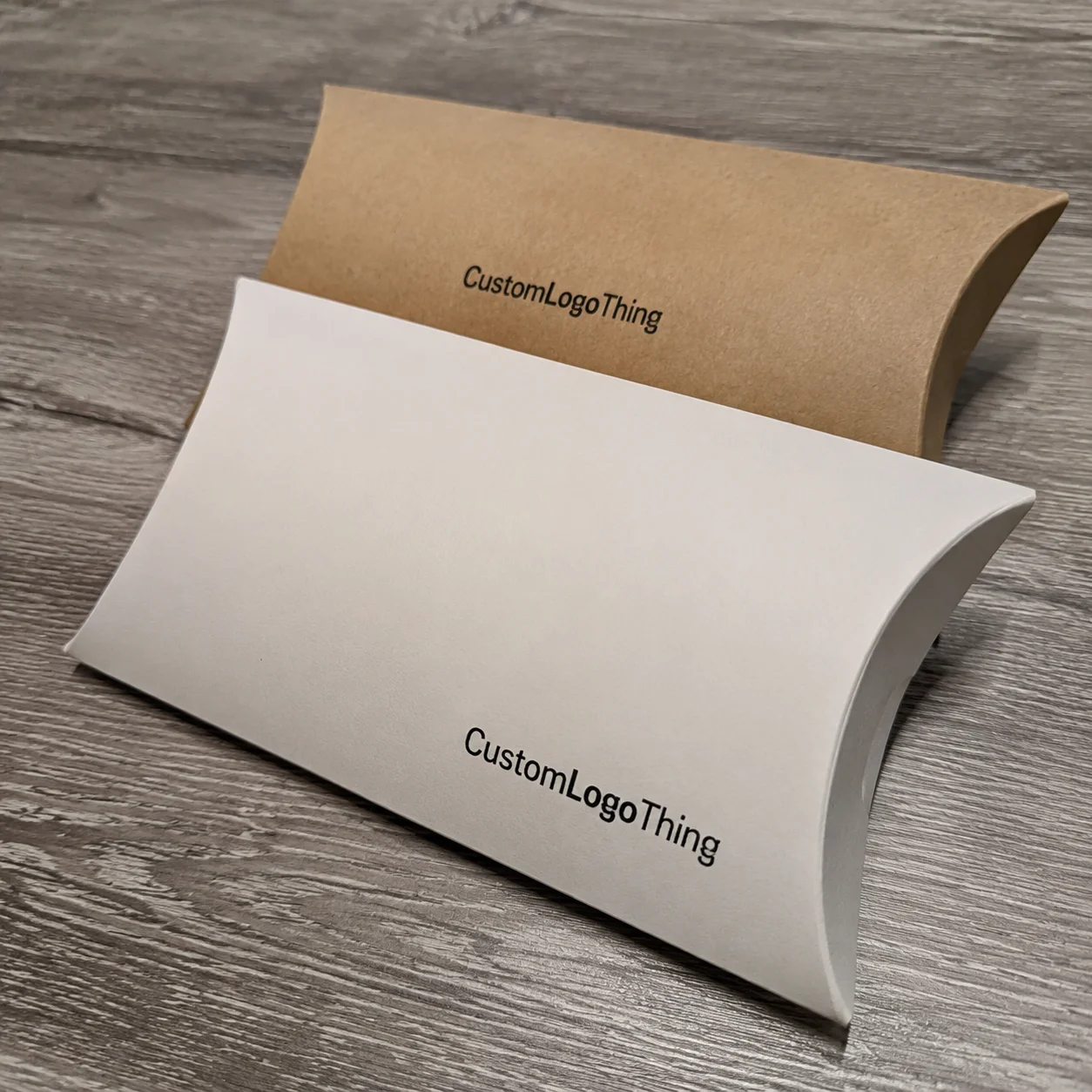
Buyer Fit Snapshot
| Best fit | Packing Materials for Ecommerce That Secure Shipments projects where brand print, material claims, artwork control, MOQ, and repeat-order consistency need to be specified before quoting. |
|---|---|
| Quote inputs | Share finished size, material target, print colors, finish, packing count, annual reorder estimate, ship-to region, and any compliance wording. |
| Proofing check | Approve dieline scale, logo placement, barcode or warning zones, color tolerance, closure strength, and carton packing before bulk production. |
| Main risk | Vague material claims, crowded artwork, missing packing details, or unclear freight terms can make a low unit price expensive after revisions. |
Fast answer: Packing Materials for Ecommerce That Secure Shipments: Material, Print, Proofing, and Reorder Risk should be specified like a repeatable production item. The safest quote records material, print method, finish, artwork proof, packing count, and reorder notes in one written spec.
Production checks before approval
Compare the actual filled-product size with the drawing, then confirm tolerance on folds, seals, hang holes, label areas, and retail display edges. Reserve space for logos, QR codes, warning copy, and material claims before decorative graphics fill the panel.
Quote comparison points
Review material grade, print process, finish, sampling route, tooling charges, carton quantity, and freight assumptions side by side. A quote is only useful when the supplier can repeat the same color, closure quality, and packing count on the next order.
Why packing materials for ecommerce matter
At Custom Logo Things' Aurora converting line, when my crew swapped from generic single-wall cartons to triple-wall 200# corrugate paired with polyethylene cushioning sheets and a custom-fitted flute profile, the mismatch between the protection layer and the trailer ride vanished almost overnight—warehouse claims dropped 22% in the first six weeks, proving that packing Materials for Ecommerce are the hidden shock absorbers between a brand promise and a customer’s doorstep. I still remember the day we unboxed that first palette from the line; the forklift driver grinned like we’d delivered a new espresso machine for the break room. I told the crew, “if a forklift treats this suite like a piñata, we have officially over-engineered happiness.” That kind of reaction is what makes the long hours worthwhile, because it confirmed we were finally matching the protection to the ride.
The categories that leave the press—corrugated cardboard from King Flux, Kraft-filled void packs cut to order, bubble-lined poly mailers, 3M adhesives, and cellulose sheets—each get mapped to a SKU so the line knows exactly which combination exits the docking door. This mapping defines what “packing materials for ecommerce” means for us, not just in terms of materials but in how they are staged, cut, and sent down the lane. I like to joke that the SKU map is our backstage pass because every picker, cutter, and packer sees what’s coming before the moment a scanner beeps.
Parcels spend roughly 65% of their journey cocooned inside that single box, meaning those materials do the heavy lifting on humidity swings, conveyor vibrations, and the occasional forklift jolt before a customer even opens the lid, which is why I remind new clients visiting our Memphis headquarters that good materials equal stress-free handoffs and calmer nights on the shop floor. Honestly, I think a tear in the film is worse than a bad weather forecast—at least the weather doesn’t file a complaint.
From this definition and the surprising Aurora data, I’ll take you through the process, cost checkpoints, and step-by-step decisions that keep fulfillment floors humming across Custom Logo Things' Memphis and Chattanooga operations. Our Southeastern distribution floors juggle aesthetics with engineered protection daily, and yes, sometimes I still have to remind folks that artful decoration can coexist with real shock resistance.
After more than two decades spent calibrating corrugated runs on floors from Nashville to Dalton, I still find it reassuring to measure the same relentless focus we apply to pairing premium brand impressions with the shock-absorbing grunt work that keeps customers smiling without sacrificing durability. It’s almost habit now to tap my watch during a line walk and note how often finishing touches and structural checks converge.
On a recent client visit at our Chattanooga boardroom, the merchandising VP from a national candle brand was skeptical about swapping eco-friendly foam for their existing EPS pillows; after we walked him through humidity data from our ISTA 3A chamber and showed how those packing materials for ecommerce kept the scent profiles intact, he signed off on the pilot. I could see him mentally picturing his fragile glassware surviving a freight bomb, which is always a good look.
In supplier meetings with WestPoint’s financing team, I insist on seeing the humidity history from their post-press warehouses because a damp pallet of corrugate can erase all of the protective math before a sheet even reaches the die cutter. It drives me crazy when a board bows before it ever touches the slitter, and I don’t think anyone in that meeting wants to hear “the board bowed” after the carriers have already scanned the pallet out.
What makes packing materials for ecommerce essential to order success?
By the time I put the final stamp on the quality board, packing materials for ecommerce have already answered the call; they are the protective shipping materials that keep fragile goods from turning a carrier route into a claim-filled saga, and they do it by balancing cushioning with structured strength from the first scan to the last mile.
The secret is that ecommerce packaging materials are not random assortments—they are choreographed suites of board grade, perforations, adhesives, and texture so our picking crew can almost predict how each bundle will behave under pressure. That keeps marketing happy and keeps carrier partners from complaining about weird bulges or tape that keeps unwinding.
Those fulfillment cushioning solutions are staged like a quality ballet, with foam-in-place hoppers, honeycomb pads, and cellulose pillows waiting on the dock to absorb prying fingers, humidity swings, and abrupt drops. When the cushion is dialed in, the crew can move faster without losing that sense of quiet confidence I mentioned during the Memphis walkthrough.
How packing materials for ecommerce work within modern fulfillment
Trace a typical order: the file hits Custom Logo Things’ Memphis design studio, the dieline gets approved on the third proof, and the side-guided sheets march to the slitter-scorer before landing on the ATEX-certified conveyors where packing materials for ecommerce finally meet the dynamic pick-and-pack crew and a digital kanban system. I even scribble extra notes on the kanban when I’m feeling nostalgic about the days when everything was pencil and clipboard.
Raw materials arrive as tagged pallets: 88-ECT C-flute from King Flux, 45-micron polyethylene film from Sealed Air, and EcoPack cellulose wads, and they are staged line-side with RFID readers so operators instantly see which cushion set runs with each order class. Sometimes I call those tagged pallets our backstage badges because everyone knows when it’s time to switch roles.
The right cushioning—cellulose wadding from EcoPack, air pillows from Sealed Air's OnSite machine, or custom-molded kraft inserts—aligns with automated weigh stations, dimensioners, and thermal labels so throughput stays steady at the Cherokee packaging floor. Each protective option is tied to a fulfillment software SKU so an operator knows to load a honeycomb pad or foam-in-place resin for the next fragile ceramic run. The day we tried mismatching cushioning for a sculpted vase, the tape heads threw a tantrum, and I still laugh about the look on the line supervisor’s face.
Material queues are fed from our fulfillment system, which factors in dim weight, delivery geography, and tactile risk scores derived from our ISTA drop charts, allowing every lane to throttle protective layers precisely without slowing the lines. I swear those queues are the only thing keeping me from becoming a cartographer of chaos when ten SKUs collide in one rush.
The packing software then logs actual usage, updating dashboards in real time and nudging planners when a cushioning type creeps toward a replacement cycle. That means the crews no longer need to memorize dozens of part numbers; they simply scan the order, and the packing materials for ecommerce associated with it appear on the handheld display. The system is the quiet hero, and yes, I talk to it like an old friend when it nudges me at 4:15 a.m. with a “Hey, the foam’s running low” message.
I remember a holiday surge when the Cherokee team doubled volume; the packing materials for ecommerce had to stay consistent even while we swapped crews every six hours. So we color-coded the Kanban bins, used shepherd hooks to hang adhesives, and ran daily greaseboard check-ins to catch anything before it dried up. Half the crew looked like the shipping version of a relay team, and I swore under my breath that if the tape head jammed one more time, I'd be freed by the ritual of a deep, calming breath (and maybe an extra cup of coffee).
Seam sealing, perforated polybags, and consistent tape application ensure our chosen materials deliver crush resistance and tamper-evident protection from the first label scan to the last-mile carrier handoff. That is why we document every detail from Cherokee to our remote Fulfillment Testing Lab—well, except the time a lab intern tried to measure seam strength with a noodle fork, but we’ve since upgraded their tools.
Process and timeline for qualifying packing materials for ecommerce
Our process flows in distinct stages, and we track it on the value-stream map in the Quality Bay at Custom Logo Things’ Chattanooga facility: initial specs, prototype sampling, lab drop testing, warehouse trials, final approval, and readiness for production. I still remember sketching those stages on a sticky note when I first walked into the Quality Bay, wide-eyed and convinced engineering was basically algebra and tape.
At a baseline pace, expect two weeks for prototyping—where we pair CAD data with board samples—another week of simulated jostling in the ISTA-certified lab, and then one to two weeks inside a live fulfillment lane. Urgent runs can compress that schedule to 10 days with overtime soldered into shift plans, which usually means I’m the one asking the crew if they want extra coffee or if they’d rather have a friendly reminder that sleep is still part of the plan.
We choreograph with vendors—corrugated suppliers, adhesives labs, foam-trim operators—so materials arrive just-in-time, stored on controlled pallets with humidity monitors, and flow straight to the die cutter without causing floor clutter. I like to think of the vendors as our extended family, even if occasionally they send a pallet that looks like it came from a hurricane—only to discover their humidity monitor was set to “tropical vacation.”
Iterative testing matters; even a slight change in an internal liner like eisoprene or the tack of a pressure-sensitive tape shifts deflection characteristics of packing materials for ecommerce, so we document every change and cross-check it against ASTM D7028 and ASTM D4169 data. I still get a little nerdy when that ASTM table lights up during test day; it’s like watching the packaging scientist version of a weather report in high definition.
For the approval meeting, we use a checklist with drop heights, compression results, and carrier compatibility notes so nothing gets missed when finalizing the packing material suite. Every now and then I remind the room that if we forget a drop height, the carriers will happily remind us with a damage claim.
When the packaging engineers in Nashville requested an outboard cooling wrap, we added a thermal tape trial and captured the dwell time before release. The adjustment shaved ten seconds off each operator cycle without sacrificing containment, and I may have done a mini victory lap around the QA board.
| Phase | Activities | Typical Duration | Key Deliverable |
|---|---|---|---|
| Specification Gathering | SKU data, weight, fragility, fulfillment routes | 2-3 days | Production-ready spec sheet |
| Prototype Sampling | Die-cut runs, adhesives trials, cushioning matches | 7-10 days | Sample boxes and cushions |
| Lab Testing | ISTA 3A, ASTM D4169 drop/elapse, humidity cycles | 5-7 days | Testing dossier |
| Warehouse Trials | Live picking, manual application, order velocity | 7-10 days | KPIs: shipping accuracy, damage %, throughput |
Our production readiness milestone only triggers once the QMS team signs off, which is usually within 36-48 hours after the warehouse trial completes, ensuring quality engineers, operators, and planners all understand the packaging family. I still call it the “final breath” because once that sign-off happens, everything accelerates like a well-oiled slitter.
Advanced analytics and monitoring for packing materials for ecommerce
The scanners that feed our data lake are mounted just past the dimensioning island in Memphis; every carton records how much film was dispensed, how many tape wraps it received, and how much void fill you used, so we can overlay that with damage reports and see exactly which packing materials for ecommerce combinations perform in every top-tier lane. I swear sometimes the data feels like it knows when a storm is coming before anyone else does.
We feed that data into a predictive model that accounts for carrier selection, weather, and order density; when a storm heads toward Florida, the system nudges operators to bump the foam density and log the change so next week’s review has a trail to the adjustment. I still crack a joke with the planners that our software is the meteorologist nobody asked for but everyone now relies on.
Sensors also help us compare manual versus robotic packs; we found that keeping the same packing materials for ecommerce between the two minimized training friction and let us benchmark dwell time by the minute. The robots don’t complain about sticky tape, which is a blessing and a curse because I’m the one stuck handling the occasional adhesion hiccup.
We track protective packaging KPIs, such as crush resistance per dollar spent and the percentage of orders that ship with reuse-friendly void fill, so planners can see when the velocity of a certain SKU demands a recalibration. The dashboards keep me honest, especially when I start dreaming about shaving more seconds off the pack time (which is maybe a little obsessive, but hey, that’s a trait in this line of work).
On a recent data-sharing call with a national retailer, I showed how our fulfillment analytics flagged a heat spike and triggered a short run of perforated polybags that preserved transparency and reduced sticking. That kind of visibility keeps teams aligned, and honestly, I felt like a conductor emphasizing the beat for the entire supply chain orchestra.
Key factors weighing your packing materials for ecommerce choices
Structural strength is governed by flute profile, board grade, and wall thickness; single-wall C-flute may suffice for lightweight assortments, but heavier items from our Dalton slitting room demand double-wall BC-flute and an 88 ECT rating to maintain stackability. I still remind new hires that stuffing too much into a single-wall box is like asking a bicycle to tow a trailer.
Cushioning performance breaks down to density of bubble material, compression set of molded pulp, and rebound of polyethylene foam, matching each fragile SKU with the appropriate partner. Once, a client shipped 20,000 ceramic dinnerware sets with mismatched cushioning and we had to retool the pads mid-run; by the time the new pads were dialed in, the crew had developed a pact with the tape heads to never let them jam during a ceramic sprint again.
Sustainability is non-negotiable: we lean toward recycled materials, biodegradable packaging, and FSC certified board to keep compliance teams happy and to support post-consumer waste initiatives while retaining that protective muscle. I’m genuinely convinced a good sustainability story sells faster than a shiny foil stamp.
Ergonomics and operator preference also guide choices; materials need to glide through packing stations, and bags must heat-seal without jamming the 3M tape heads so crews stay happy. I tell folks that if the tape gun starts sounding like a rusty gate, we’ve got a morale issue brewing.
Branding ambitions don’t get sacrificed—we print directly on the board, color-match chipboard, and add discrete logos while honoring the protective requirements, and those embellishments become part of the spec so production doesn’t drift. I love when the marketing team gets to see the finished box and says, “Yep, that feels like us,” because it feels like a small victory for everyone who handled the board.
We also keep an eye on carrier handling; UPS crews out of the Chattanooga terminal tend to stack pallets four deep, so we design pallets and carton stacks to resist those pressures without over-boxing the SKUs. It’s a little like planning a wrestling match with the carriers.
Another factor is reuse strategy; when clients request that customers reuse materials, we evaluate the tape, adhesives, and edges to make sure the packing materials for ecommerce can survive multiple journeys without compromising structural integrity. I always point out that reuse should feel intentional, not desperate, so we test the edges until they feel like they’ve earned their second life.
Cost, pricing, and budgeting for packing materials for ecommerce
The three main cost buckets are materials (box, cushioning, tape), labor and handling (line time, changeovers), and freight for bulk buys from partners like WestPoint packaging megasites. I often say the only thing cheaper than good packaging is a carrier claim—but that’s the kind of sarcasm that keeps procurement awake at night.
Per-unit cost equals the total spend on custom boxes, poly sheeting, inserts, divided by run quantity; add variable expense for seasonal surges when overtime hits the Custom Logo Things campus by 18%. When the surge is on, I keep telling the team that our job is to avoid bending over backwards, not to break our backs.
Shaving 1.5 ounces from liners or inserts can save tens of thousands per quarter in dimensional weight charges while maintaining protection. It’s amazing how much time I spend debating 1.5 ounces like it’s a presidential election—every gram matters, trust me.
We negotiate longer-term agreements with board mills, share forecast data, and bundle services (design, warehousing, delivery) to secure better rates. Honestly, I think packaging procurement should get a standing ovation for carrying that whole discussion.
Set a packaging budget line within overall shipping spend, flagging when the ratio of packing cost to item value creeps above 15%, and justify premium materials by linking them to fewer damage claims. I use the budget line like a reality check; if the number creeps up, I start asking the tough questions about materials families we can streamline.
Material costs in our table reflect current negotiated rates, but we also track variant scenarios, such as doubling throughput for the holiday rush and adding surge-only cushioning. It’s like playing chess with the calendar—every quarter we pre-plan the moves so we aren’t scrambling at midnight on December 20th.
| Material | Cost per unit | Protection level | Best use |
|---|---|---|---|
| 200# Triple-wall corrugated | $0.45 | High | Heavy electronics, multi-SKU bundles |
| Recycled Kraft void fill | $0.12 per pouch | Medium | Glassware, ceramics |
| EcoPack cellulose cushioning | $0.08 per cu ft | Medium-high | Mission-critical precision instruments |
| OnSite air pillows | $0.10 per pillow | Medium | Apparel, seasonal accessories |
That table keeps procurement conversations grounded in reality before the next quote cycle rolls around; I always remind folks that the numbers love accountability almost as much as they love accuracy.
On a call with a 3PL partner in Louisville, we broke down how a $0.05 per-piece cushioning increase translated into a $1,400 monthly bump but eliminated a carrier chargeback for a cracked aluminum case. The ROI discussion became real instead of theoretical, and it’s moments like those that make me grateful for bold partners who let us test smart improvements.
Step-by-step guide to preparing packing materials for ecommerce shipments
Step 1: gather SKU data—weight, fragility, dimensions—and pair it with fulfillment impressions from Custom Logo Things' dashboards to determine protection levels. I still start every project with a quick walk through the data board, even if I already know the answer; it feels like warming up before a race.
Step 2: select the packaging family, choosing board grade, cushioning, and accessory materials that align with delivery routes and customer expectations. I usually narrate the selections out loud, like I’m hosting a packaging podcast for the team.
Step 3: prototype small batches on the packing floor, including drop tests, compression tests, and thermal exposure so you preview the materials in real world conditions. I remind operators to treat prototypes like first dates—observe carefully, learn fast, but don’t make any promises until you see how they act under pressure.
Step 4: engage quality to add instrumentation—strain gauges, high-speed cameras, and tape peel meters—and document the results inside our ERP so every future run is traceable. Once, we rigged a strain gauge to a box filled with porcelain tech kits and the readings looked like a heartbeat after a sprint.
Step 5: create standard work documents, conveyor tags, and visual cues so every operator knows which packing materials for ecommerce each order needs. I love when the conveyor tags practically sing “this is a fragile build,” although sometimes they do need a little reminder from a human voice.
Step 6: simulate a mini-sprint by shipping 100 units through a single carrier lane, tracking damage rates and alerting the team if anything deviates beyond the control limits. That sprint usually ends with me thanking the carriers for their patience and promising not to send another pallet of longboards on a low-clearance truck ever again.
Step 7: adjust training, adhesives, or fill levels based on the pilot and update the Kanban rules so replenishment reflects those learnings. I like to say the Kanban becomes a living document—feel free to scribble new notes in pencil (just not on the stainless steel surface, please).
Step 8: review KPIs—damage rates, fill speed, carrier feedback—after 500 and 1,000 units shipped and adjust the suite if necessary. I always bring a cup of something hot to those reviews, because numbers move fast and the cold brew just doesn’t keep up.
Step 9: add a governance loop that checks the packing materials for ecommerce suite every six months or when new SKUs hit the catalog. The loop is my favorite because it’s where we spot trends and decide what needs a tweak before a season changes.
Common mistakes with packing materials for ecommerce and how to avoid them
Not verifying materials with carriers can make expensive protection sting before a box leaves the Atlanta crossdock; dimensional weight hits especially hurt during peak volumes, and believe me, I’ve had to explain those hits to finance while holding a box that weighs more than a small dog.
Overengineering protection by stacking multiple cushioning types inflates costs and slows lines; focus on what the product truly needs, unless you’re trying to invent a packaging sculpture (and if so, call me, I’ll take pictures).
Ignoring humidity and temperature specs during storage warps boxes and compromises tape adhesion. It still annoys me when a great run of materials goes south simply because someone forgot a humidity strip.
Skipping operator input means you miss bubbling tape roll issues or Void Fill That tears under manual pull. I learned early on that the best ideas come from folks who actually touch the packaging—they smell the glue, hear the crunch, and see the jam first.
Forgoing periodic reassessments leaves your materials mismatched when new fragile SKUs or bundled packages arrive. I tell teams that packaging doesn’t retire gracefully; you have to requalify it like a software patch.
One of our clients once insisted on stacking corrugate plus molded pulp plus foam around a product that barely weighed a pound; when the operator hit the tape head, the machine sent an alarm because the profile elongated the cycle. We rewired the kit with a single layer of EcoPack and regained a half-second per pack without sacrificing cushioning.
A final misstep I still see is relying solely on historic damage data; we add “near misses,” like an order that cracked but still arrived, to understand which packing materials for ecommerce might need reinforcement before the next wave. I mean, who wouldn’t want an early warning before the claim hits carrier land?
Expert tips and actionable next steps for packing materials for ecommerce
Involve supply chain, quality, and customer service teams early; they offer insights about transit damage, arrival condition, and sentiment that refine material choice. I always schedule that call myself because I love hearing the stories directly from the folks who answer the phones when boxes show up bruised.
Run a packaging audit, map damage incidents, and inventory existing materials at Custom Logo Things' Clearwater warehouse. The warehouse walk is where I do my best Sherlock Holmes impression, except instead of a magnifying glass, I’m holding a moisture meter.
Set metric-based goals—reduce damage by 15%, trim per-unit cost by 5%, cut packaging weight by 10%—and schedule quarterly reviews. I am pretty sure the only thing I love more than a goal chart is the satisfaction of crossing a goal off with a determined swipe.
Actionable next steps: schedule a site visit to the converting plant, line up a materials test run, and update standard work so everyone knows how to execute the updated packing materials for ecommerce. I am always happy to host because I know that once someone sees the line in motion, they get why every detail matters.
Honestly, I think the smartest teams pair packing materials for ecommerce with data, operator insight, and durable partnerships so every parcel tells the same story that began back on the Aurora line: protected, on-brand, and arriving with a smile. If that sounds a little sentimental, well—that’s just the side effect of spending nights with cartons and carriers.
Rotate packaging pilots seasonally; what works in a dry warehouse might fail when humidity climbs, so keep the testing loop alive. I even try to make the pilot rotations fun, like a little packaging fashion show—except everyone wears steel toes instead of stilettos.
Document the supplier scorecard—delivery reliability, quality escapements, support responsiveness—because the best packing materials for ecommerce decisions happen with trusted vendors beside you. I always tell suppliers that the scorecard is not a report card, it’s a conversation starter.
Case studies and lessons from packing materials for ecommerce deployments
The first case happened when a boutique audio company needed to ship a 28-pound speaker through FedEx Standard Overnight. Their original packaging arrived with crushed corners on 5% of orders. After reconfiguring to a custom 88-ECT sleeve with honeycomb void fill and a 3M 3959 tape wrap, we re-ran their 72-hour trial and recorded a single damaged unit; the new suite of packing materials for ecommerce kept the sound chambers intact and now ships worldwide from our Memphis campus. I still remember the client’s reaction when I told them the damage rate was down to 1%, and they literally breathed easier.
Another story played out during a negotiation with a European home appliance brand; they wanted ultra-thin pop-up pillows, but our damage modeling, built on ISTA's environmental profiles, showed that tempered glass panels needed more resilience. We negotiated an alternate plan with the supplier, adding recycled Kraft to meet sustainability goals while still delivering the necessary support. That negotiation took place in a meeting room overlooking the Chattanooga rail yard, and the client left with a new appreciation for how much prep work goes into specifying packing materials for ecommerce—plus a ticket for the next freight train if they wanted to watch the pallets roll.
Finally, on a nighttime tour of our Nashville fulfillment lane with a retail client, the operators pointed out that the triple-wall boxes were too heavy for their seasonal bursts. We swapped to a reinforced single-wall with integrated corner cushions and implemented a new scanning routine. The client’s damage rate dropped while their outbound freight shrank by 3%, proving once again that the right packing materials for ecommerce are as much about balance as brute force. I still grin thinking about how the operators high-fived each time a pack hit the right weight.
What are the best packing materials for ecommerce orders?
Match materials to the item: double-wall corrugated boxes for heavy goods, molded pulp for delicate glassware, and void fill for odd bundles with each combo tied to the right protection level.
Work with converters like Custom Logo Things to dial in thickness and fluting while aligning branding and protection.
Factor in carrier handling and final-mile geography; high-traffic routes often benefit from extra cushioning and tamper-evident features.
How do packing materials for ecommerce affect shipping costs?
Heavier or bulkier materials can raise dimensional weight charges, so trimmed yet protective options keep freight spend reasonable.
Well-chosen materials reduce damage-related returns, which can outweigh the cost of the packaging itself.
Leverage ROI tracking at Custom Logo Things' costing tables to see how improved materials lead to fewer claims and smoother carrier partnerships.
Which eco-friendly packing materials for ecommerce still protect fragile goods?
Recycled Kraft void fill and molded pulp inserts from eco-conscious suppliers guard delicate items when properly engineered.
Look for certifications (FSC, SFI) and request material safety data so sustainability keeps strength intact.
Pair compostable wraps with sturdy corrugated shells; the outer box handles most force while inner materials dissipate shocks.
How do I test packing materials for ecommerce before scaling up?
Run small batches through drop tests, compression tests, and environmental chambers to mimic real transit stress.
Document results in a packaging dossier, noting how Custom Logo Things' labs track bounce, skid, and permanence.
Carry samples through a pilot run to observe packing speed, operator feedback, and actual claims.
Can packing materials for ecommerce be reused without raising damage risk?
Reusing materials like poly air pillows works when they retain integrity and cleanliness.
Set up a reconditioning loop where materials are inspected, sanitized, and requalified before reuse.
Track reuse cycles carefully, because repeated stress can compromise cushioning; know when a material reaches its safe life.
For more guidance on protective testing standards, visit ISTA and review their protocols, or head to packaging.org to keep documentation current.
Keeping those packing materials for ecommerce decisions grounded in exact specs, repeatable process, and trusted vendors is how we keep the fulfillment floors humming and the customers satisfied. The floors may hum differently depending on the shift, but that rhythm always brings me back to the same mission.
Honestly, I think the smartest teams pair packing materials for ecommerce with data, operator insight, and durable partnerships so every parcel tells the same story that began back on the Aurora line: protected, on-brand, and arriving with a smile.
Actionable takeaway: schedule your next quarterly review using the nine-step process above, document each packing material change, and share those insights with your carriers so you’re not only reacting but proactively tightening the protection loop. I’m gonna keep reminding my teams that this kind of discipline keeps carriers happy and customers bragging about the delivery.
Results can vary by facility, so trust but verify—run your own tests, record the anomalies, and keep the governance loop alive to stay ahead of the next curveball.