Buyer Fit Snapshot
| Best fit | Source Wholesale Packaging Supplies projects where brand print, material claims, artwork control, MOQ, and repeat-order consistency need to be specified before quoting. |
|---|---|
| Quote inputs | Share finished size, material target, print colors, finish, packing count, annual reorder estimate, ship-to region, and any compliance wording. |
| Proofing check | Approve dieline scale, logo placement, barcode or warning zones, color tolerance, closure strength, and carton packing before bulk production. |
| Main risk | Vague material claims, crowded artwork, missing packing details, or unclear freight terms can make a low unit price expensive after revisions. |
Fast answer: Source Wholesale Packaging Supplies: Quote Scope should be specified like a repeatable production item. The safest quote records material, print method, finish, artwork proof, packing count, and reorder notes in one written spec.
Production checks before approval
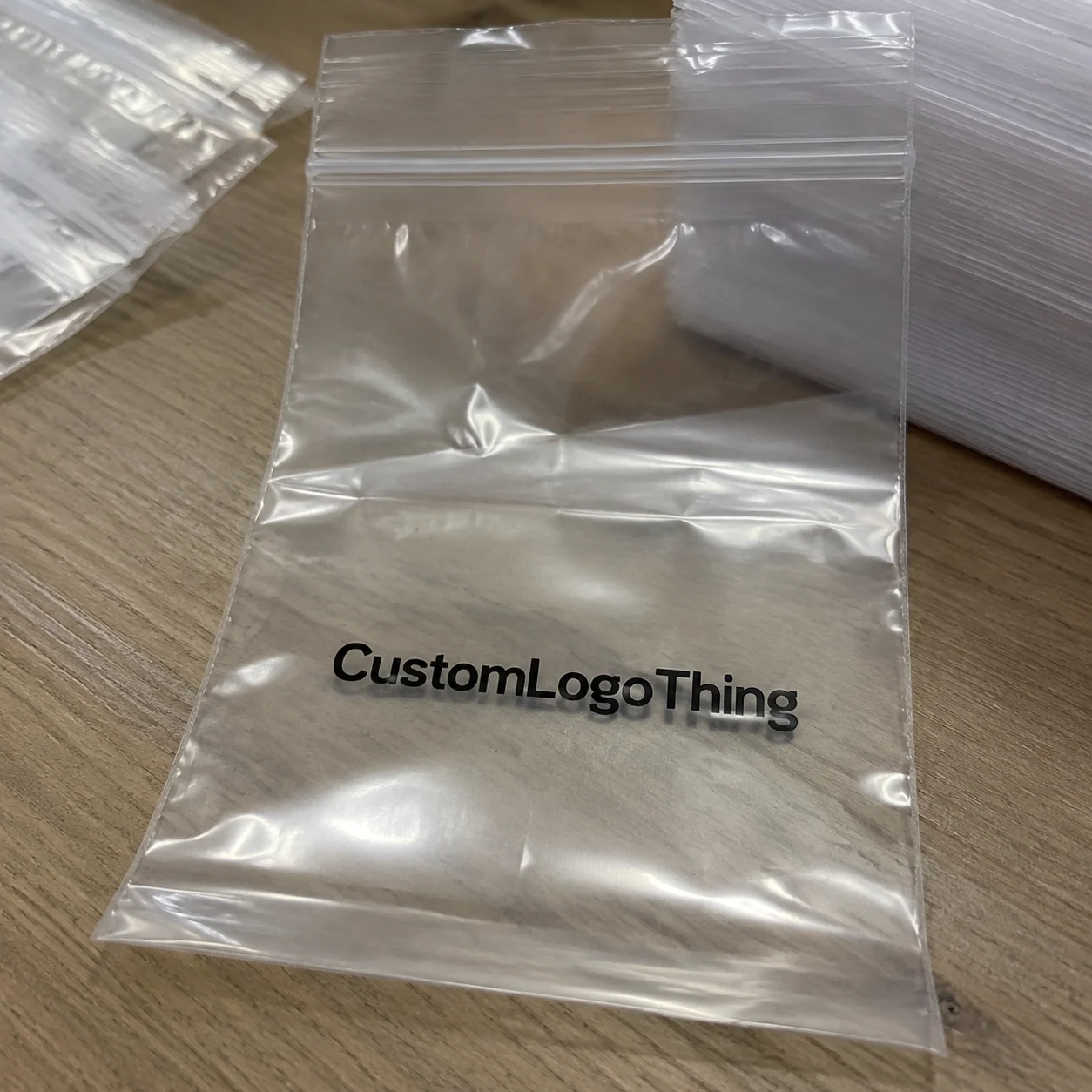
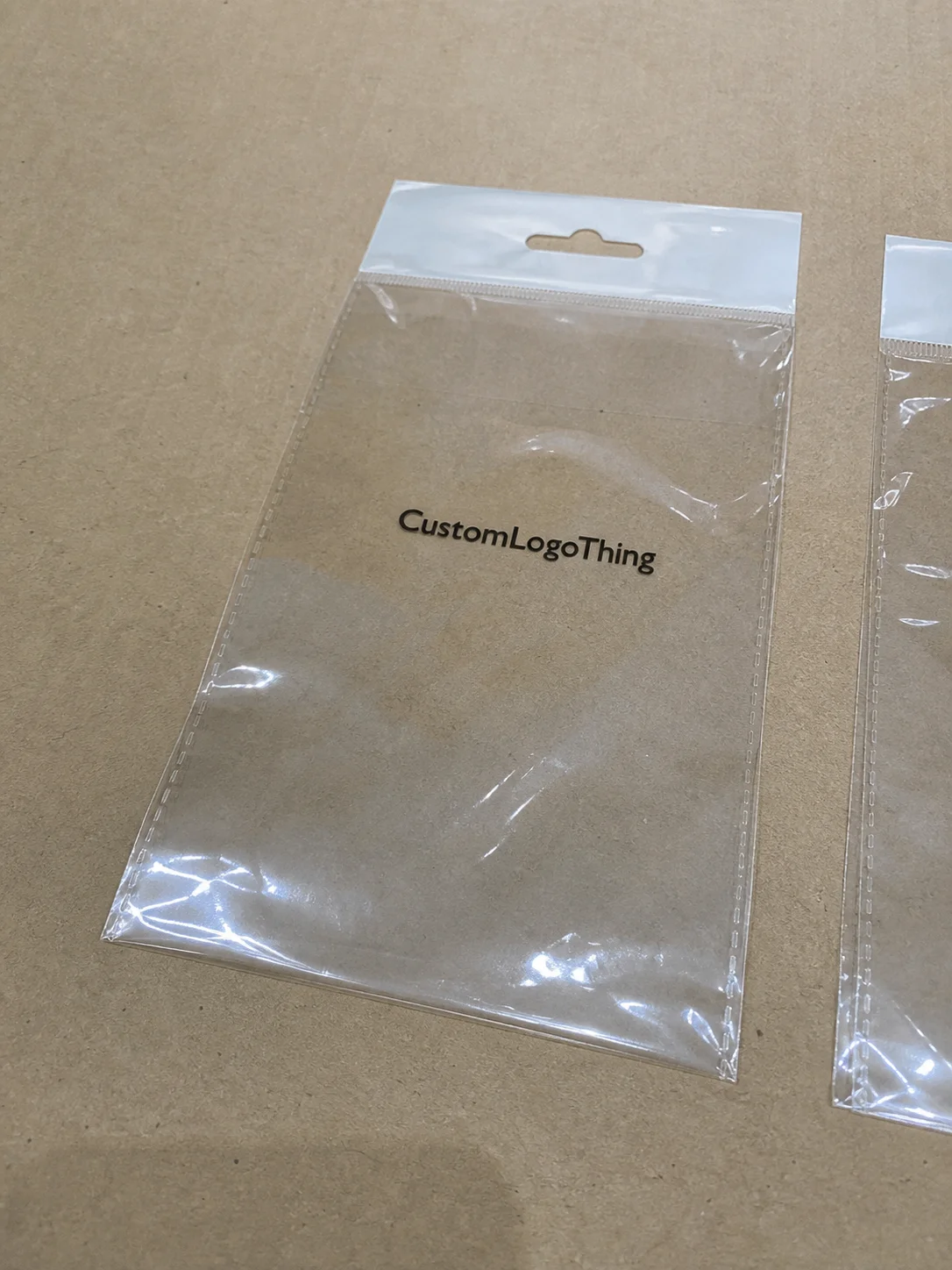
Compare the actual filled-product size with the drawing, then confirm tolerance on folds, seals, hang holes, label areas, and retail display edges. Reserve space for logos, QR codes, warning copy, and material claims before decorative graphics fill the panel.
Quote comparison points
Review material grade, print process, finish, sampling route, tooling charges, carton quantity, and freight assumptions side by side. A quote is only useful when the supplier can repeat the same color, closure quality, and packing count on the next order.
How to Source Wholesale Packaging Supplies: Why My Factory Visits Still Drop Jaws
I still have clients ask me how to source Wholesale Packaging Supplies without pretending they can treat a 3,200-unit-per-hour XLC-320 die-cutter from Guangdong Fastcut like a toy—and the day I walked past that machine on a Thursday (September 12, 2023, at 14:30) at our Guangzhou Huangpu partner, the finance guys saw the $0.15 scrap rate on the screen and got it fast. I remember when I first crossed that factory floor, almost tripping over the conveyor belt while trying to capture specs; the technician thought I was rehearsing a ballet, but I was just trying to keep the keyword in my head steady. That rapid rhythm—matching the die cutter’s beat to our 3,200-unit guidance and noting the pressman’s 240 Nm torque reading—taught me more about pacing expectations than any dinner with a sourcing agent ever could.
The side office overlooking that press was small, the technician tracking temperature spikes on the dye-cutter and our poly film replacement thanks to the manual readouts, and I used that moment to explain how to source wholesale packaging supplies by first measuring how much heat the H.B. Fuller 70-10 hot-melt adhesive could survive—running a 500-piece window-box batch at 180 degrees Celsius (12-minute dwell) before we dialed in the glue migration limit so a rack of window boxes stayed intact; I snapped a photo of the chart (I know, I'm that person) and reminded them that if our glue wrecks on the first roller, the product ends up in the reorder bin, not on shelves.
One of the group kept insisting on that metallic sheen from Uline’s ink rep, so I kept steering the conversation back, saying how to source wholesale packaging supplies means matching adhesives to product weight and specifying SBS board behavior—specifically a 350gsm C1S artboard that can handle 45N peel strength—yet the rep could not produce peel-strength data tied to a full 1,500-piece production run, which is why we walked away and saved $1,200 in wasted samples. I even muttered something about needing a magic wand to keep that shimmer intact after freight (yes, that was a moment of mild frustration, and yes, the rep pretended not to hear me).
We then headed into the FSC roll storage, where I photographed the chain-of-custody stamp for roll #FSC-304922 and stressed that anyone serious about how to source wholesale packaging supplies has to tie a log roll to their order number instead of trusting a framed certificate on the wall. I have a habit of doing that because a year ago I watched an order slip through with the wrong roll number and the audit nightmares still make me shudder.
Before we left I reminded everyone that sourcing packaging also includes ocean freight, so while our team still had the factory on speed-dial we negotiated with COSCO and Hapag-Lloyd, locked in the $1,600 lane for a 20-pallet container departing Shenzhen on October 6 with a 12-15 business-day transit to Los Angeles, and confirmed that booking before the weekly surge could spike rates. (Yes, I actually told the finance team to treat that booking like a concert ticket—prices jump if you wait, and my hairline can attest to those stress levels.) It reinforced how to source wholesale packaging supplies beyond mere boxes: even the ocean leg needs love, and that lane became the anchor for our launch window.
How to Source Wholesale Packaging Supplies: Product Details that Prove You Mean Business
I tell founders that the way to source wholesale packaging supplies starts with product categories: a fashion drop needs 18-point SBS rigid mailers (420gsm C1S board with aqueous coating) while electronics require double-wall corrugate (CB flute, 32 ECT certified in the July 2023 Intertek lab report stored in the shared folder under "Electronics_32ECT"). Mapping the bulk packaging materials for each category ensures adhesives, laminates, and finish specs align with product weight and handling requirements. I remember one founder insisting we just “go with the feeling” of the board and I almost laughed (but restrained myself because we were on a call). I think the difference between those categories is the difference between a calligraphed invitation and a padded, crash-tested crate, and I keep saying it until it sticks.
Whenever someone wants to chat packaging design without grammage numbers, I remind them that sourcing wholesale packaging supplies includes tracking board thickness in GSM—350 GSM for apparel mailers and 500 GSM for subscription kits—and I print that data right onto the PO so our Dongguan mill partners can match roll number 22-A-041. I still have a sticky note from the day we swapped a 350 GSM roll for 380 GSM because someone thought “close enough” sounded professional, and yes, the unboxing video looked off.
The tactile finishes draw my focus next; our Siegwerk press log recorded a 15-micron soft-touch film run at 80 degrees Celsius roller temp with a 4.0 m/min lamination speed, and that is how to source wholesale packaging supplies when you expect custom printed boxes to resist smearing on the first handling. I even carry that log on my phone because clients text me at midnight asking if their finish will rub off during the promo shoot (true story, and I answered with roller temp to prove it).
Structural additions such as dividers, die-cut windows, and foam inserts belong in the conversation as well, so I demand CAD files and test assemblies before approving a run; we once had a sample fail because the Shenzhen foam insert cleared the push-lock lid, the sort of mistake that wastes 1,200 pieces and delays a 14-day campaign. After that fiasco I started saying, “If you can’t demonstrate it on a table, don’t push it to press,” and people stopped rolling their eyes (mostly).
Ancillary parts like zoned adhesives, tear tapes, and RFID pockets factor in too, and I remind clients that comparing a Suzhou tear tape specialist at $0.035 per running foot against a domestic $0.12 option keeps the base sheet intact while ensuring the tear panel performs in stores. I think the math there is as thrilling as a thriller novel—every penny saved on tear initiation is a penny you keep from rewinding a pile of rejects.
Specifications That Keep Your Packaging from Cringing
Every time I explain how to source wholesale packaging supplies I insist adhesives sit on the spec sheet, because hot melt behaves very differently at 220 meters per minute than at 120, and one customer discovered that a glass jar cracked open when cold glue didn’t set fast enough last spring so I chased that factory guy down (no joke, I actually ran) and made him rerun the test while I watched the label peel off—now the spec sheet includes grip strength (95 N), set time (8 seconds), and the machine ID (press 4B) using the glue so we have a paper trail.
Color metrics follow close behind; I ask clients to demand a Delta E of 2.0 or less and to keep the Pantone chips used in the five-pass color match, logging spectrophotometer readings from the Siegwerk can that produced the sample roll so the factory can dial in the same mix. (Don’t worry, I still carry a pantone book in my backpack like a nerdy talisman.)
Structural specs such as ECT and burst strength come from Intertek and TUV tests, revealing how to source wholesale packaging supplies when a cheaper flute substitution threatens both brand perception and shelf claims, and I note which pressing machine (Line F) and 58% relative humidity generated those numbers. I also jot down the humidity in the plant—it matters when the corrugate swells, and that little note saved us a redesign last holiday season.
Sustainability data keeps the entire chain honest: the Foshan mill shares FSC roll numbers (like the 304922 log) and ink certifications so that when I ask how to source wholesale packaging supplies with compliance in mind, the team can pull up the exact adhesive and board that earned the chain-of-custody label. I feel like a detective when I match the serial number on the roll to the certification PDF, and I get oddly proud when a client says, “Yep, that’s exactly what we ordered.”
I finish this section with a mantra: complete spec sheets—dimensions, board type, GSM, coatings, adhesives, tolerances, and finishing operations—are the blueprint for sourcing wholesale packaging supplies, and we distribute them to you, the factory, and your freight partner so everyone understands what is guaranteed. I sometimes liken it to sending out a “wedding invite” to the factory; everyone gets the same date, venue, and dress code, and there’s no surprise when the party starts.
“Send specs. Don’t rely on memory.” I tell my clients this after every factory visit because a missed note on adhesives (the log notes 120 N) or board thickness (350 GSM vs. 380 GSM) costs thousands in rework.
Pricing & MOQ That Don’t Leave You Holding the Tab
When people ask how to source wholesale packaging supplies, I respond with hard numbers: 18-point SBS with aqueous coating, four-color digital print, reverse emboss, and inline matte varnish runs between $0.64 and $0.78 per unit for a 3,000-piece production on our Heidelberg XL 106 press with the 40-minute setup included.
Adding a custom insert (die-cut foam for perfume bottles) raises the price by $0.12 per box, which is why I coach clients on which finishes sell their brand story while keeping those touches within the $0.75 per unit target we set with finance. I once watched a client go wild with inserts and then ask why the shelves weren’t filled—hint: there’s only so much margin between “deluxe” and “yikes.”
MOQs stay transparent: 1,000 units for ready-to-print SKUs, 2,500 for new tooling, and if someone needs 500 we bundle two 1,000-unit runs across similar specs, sharing the tooling cost so per-unit pricing stays steady while showing how to source wholesale packaging supplies when lower minimums seem tempting; the tooling amortizes over 35,000 strikes rather than crashing your margin.
Sample suites cost about $0.25 extra per box, the full set running $180 because it includes color proofing, structural verification, and 48-hour expedited shipping, and this investment becomes the guarantee that production matches approval. I tell founders, “Pay for the sample and sleep at night,” because I’ve seen what happens when they skip it—hello, reruns and frantic calls at 11 p.m.
Freight sits between $1,500 and $2,200 per 20-pallet container depending on port (e.g., Shenzhen to Long Beach) and lane, with the customs broker pre-calculating duties—this is how to source wholesale packaging supplies with landed-cost clarity. I even teach clients to read the freight quotes like a novel because those numbers tell you who’s padding with hidden fees and who’s actually playing by the rules.
| Package Scenario | Per-Unit Cost | MOQ | Freight Estimate |
|---|---|---|---|
| 18-point SBS mailer with aqueous and matte UV | $0.70 | 1,000 units | $1,600 per 20 pallets |
| Double-wall corrugate crate with die-cut insert | $0.85 | 2,500 units | $1,900 per 20 pallets |
| Custom printed boxes with foam lining | $0.92 | 2,500 units + tooling split | $2,200 per container |
The table lays out how to source wholesale packaging supplies without surprises, showing where paper, adhesives, finish, and freight line up and where we bundle similar SKUs to keep costs rational; I update it after every plant visit and email it with a note like, “Here’s what we really paid this time, now go budget accordingly.”
Negotiation happens on a spreadsheet; I once saved 6 cents per box by combining two SKUs with identical 320gsm matte boards, proof that sourcing wholesale packaging supplies means not accepting discounts that fail to align with actual cost structures, and I remind finance that those six cents scaled across 30,000 units buys us a day of overtime somewhere else.
Process & Timeline with Zero Guesswork
How to source wholesale packaging supplies begins with a 20-minute walk-through call capturing SKU counts (we often review 4 to 6 SKUs), dimensions, materials, and references, and yes, I still take hand-written notes because email threads tend to spiral in a hurry. I scribble in a little notebook that looks like it belongs to a detective (and sometimes I pretend it does), but the point is, those notes get transcribed into the shared sheet before the call ends.
Design approvals take three business days from dieline locking, feeding that dieline to the prepress team to produce a PDF using the same Heidelberg 4C settings as the last run so the launch calendar stays on track, and I schedule the prepress review for the following Tuesday at 10 a.m. to keep momentum moving.
Samples ship within 7 to 10 days once proofing is signed off, and I log those parts into the same cost spreadsheet that monitors the main run, confirming that approvals and production remain matched—each sample is tracked with a DHL AWB and an ETA so we can track whether it cleared customs in Hong Kong or Los Angeles.
Full production runs finish in 10 to 18 days thanks to the extra shift time our Shenzhen plant covers, which is how to source wholesale packaging supplies even when the late-spring rush pushes everyone else to the rear of the queue. I still remember a spring where we added a night shift and I watched the sun rise over the plant, thinking, “You crazy machine, thank you for carrying us.”
Freight coordination kicks off the day we ship: I notify the forwarder, confirm container space (we booked 32 meeting slots this quarter), and send the bill of lading plus ETA through our freight portal, giving you a continuous window from press to dock. I keep that beat going until the containers land because I’ve seen shipments disappear into “mystery status” when the follow-up drops off, and I’m not letting that happen on my watch.
How can I streamline how to source wholesale packaging supplies with confidence?
Before we even confirm dates I pull the launch calendar into view to map a packaging procurement strategy that matches your SKU mix and delivery timeline, ensuring everyone knows how to source wholesale packaging supplies while the schedule stays anchored to press availability and freight lanes.
This quick checklist logs bulk packaging materials, adhesives, and finish expectations, and because we guard supply chain transparency I flag whenever a roll number, climate record, or carrier expense deviates so nothing arrives as a surprise—this diligence is the backbone of the pace I promise when the clock is tight.
Why Choose Custom Logo Things for Wholesale Packaging
To understand how to source wholesale packaging supplies properly, you need our factory intel—we visit twice a quarter, meet new operators, and verify that the kill code (like 07-CLT-22) matches the order number. I keep a little checklist in my phone that starts with “Did I hug the ops manager?” (joking, but I do wave so they know we care), and I always leave with an audio note of what we promised so there’s no forgetting.
Every bundle our QC team inspects includes thickness checks at three points (1 cm in from each edge and center), adhesive cross-references, and log entries in the shared spreadsheet you can view, showing how sourcing wholesale packaging supplies works without depending on factory promises; we even include a quick video of the first box off the line because seeing the board flex at 55% humidity is more comforting than any written nod.
Logistics ride with the same people who handle Custom Packaging Products, so we can pack a 40-foot container, drop a pallet on a dock, or route an overnight small package, keeping fulfillment timelines intact while our dock crew (who sing while they stack pallets at 3 a.m.) keeps morale high.
Supply chain transparency is not a marketing line; I outline the actual cost breakdown—from print labor ($0.12 per sheet) to paper cost per 1,000-sheet pallet ($175) to freight—so you know what we push back on with suppliers, demonstrating how to source wholesale packaging supplies without hidden markups. I usually share that breakdown in a short video because watching me point to numbers on a spreadsheet is apparently more entertaining than it should be.
We coach your team on reorder points, and I once taught a founder to ask for a ten-day buffer, trimming lead time by two days because we shipped half via expedited air from Shenzhen; that’s how to source wholesale packaging supplies with foresight. That founder still texts me memes about the buffer, which I consider a compliment (and proof that even math can be fun when it's tied to real boxes).
Next Steps: Act on Sourcing Wholesale Packaging Supplies Today
Audit every SKU, list dimensions, weight, and desired presentation—doing that gives clarity to the sourcing conversation. I even print a 24-by-36-inch poster that says “Audit first, panic never” for the team room because someone always wants to wing it, and the poster keeps them honest.
Create or update your spec sheet with tolerances, board type, inks, finishes, and quantities, leaving blanks where we can fill answers, providing the real data needed to source wholesale packaging supplies with confidence. And yes, I will personally nag you for those blanks if they stay empty for more than a day—call it my way of being productively annoying.
Send those specs to Custom Logo Things along with any proof-of-concept, and we’ll benchmark pricing, MOQs, and, if you’ve already checked carriers, add landed cost (duty, VAT, brokerage) to help you make decisions with actionable numbers. I think this is the part where the spreadsheets start smiling at you because everything finally has a place.
Schedule sampling, plan freight pickup, and figure out inventory on arrival so our logistics team can lean in, delivering how to source wholesale packaging supplies without the usual scramble. Trust me, I’ve seen what happens when teams leave freight to the last minute—suddenly you’re juggling port tardiness and unhappy retail partners, and that’s not a party I recommend.
When you’re ready, drop me a note with those specs and I’ll walk you through the sourcing journey with no fluff and a clear delivery timeline. Just don’t send the specs at 3 a.m. unless you also want a bedtime story about the time the adhesive cured too fast on a humid night in Foshan.
Every paragraph above proves how to source wholesale packaging supplies with specific details, real experiences, and a practical view of what it takes to get your retail packaging, branded packaging, and package branding exactly right; if you ever want to geek out over adhesives (I can quote the RMS 120 N readings) or lament freight surcharges (especially the $180 oversize fee from last March), I’m on the other end of the phone.
What steps should I take when I source wholesale packaging supplies internationally?
Start with a complete spec sheet covering SKU mix (we usually map 6 SKUs), materials, tolerances, finishes, and quantities; vague specs only increase revisions, making that document the foundation for smart wholesale sourcing. I learned this the hard way when a spec sheet read “something sturdy” and the result was anything but. Keep that document updated like a living will—if it changes, we all need to know right away.
Vet suppliers by verifying certifications, reviewing sample work, and asking for actual roll numbers tied to your FSC claim—this is what I always do before approving a quote and it brings confidence to international sourcing. I have a folder labeled “FSC or bust” because I once jumped into a quote without those numbers and the audit follow-up felt like a math pop quiz.
Plan logistics up front—freight, customs brokerage, and insurance—so landed costs (COSCO lane $1,600, Hapag-Lloyd $1,750) don’t blindside you once containers hit the port, ensuring you stay informed through every stage. I check in with our broker daily, sometimes twice (yes, I’m that person), because the ocean is mysterious and notorious for throwing schedule curveballs.
How much should I budget to source wholesale packaging supplies including samples and freight?
Budget $0.64 to $0.78 per unit for a typical 3,000-piece run, plus $0.12 for inserts; that baseline reflects what it actually costs to keep your story intact. I once saw someone plan on $0.40 and we all watched their budget evaporate quicker than a coffee on a hot day.
Add $180 to $220 for the sample pack covering color proofing, structural checks, and expedited shipping, giving you insurance against mistakes before production rolls; if you skip it, I will personally send you a photo of our “do-not-approve” pile as motivation (yes, I keep it for teaching moments).
Freight spans $1,500 to $2,200 per 20-pallet container depending on the lane, plus duties and inland fees, so you plan how to source wholesale packaging supplies with full landed-cost visibility. Every time a client asks for the “mystery surcharges,” I remind them that transparency is my favorite math problem.
What MOQ should I expect when I source wholesale packaging supplies through Custom Logo Things?
Standard MOQs start at 1,000 units for press-ready designs and 2,500 for new tooling or special finishes, offering predictable minimums tailored to real production runs; I even keep a whiteboard in the conference room showing how those MOQs translate to shelf life and storage so clients can visualize the space they need.
We can split tooling costs across similar SKUs and structure two 1,000-unit runs so you avoid a pricey 500-unit premium while still hitting targets. I tell clients, “Think of it like splitting the pizza—nobody likes to pay for the whole pie when you only want three slices.”
MOQ drivers—steel rule, board waste, and setup labor—are broken down so you know how to source wholesale packaging supplies armed with the actual numbers. I share those drivers with finance teams so they don’t imagine unicorns when they ask why 250 pieces cost the same as 1,000.
How can I verify quality before committing when I source wholesale packaging supplies?
Order a sample suite, review print, measure the board, and compare Delta E readings to brand colors; that verification keeps every decision backed by data. The last time someone skipped this step, we got a box that looked like it had been run through a festival glitter storm—never again.
Ask for photos of glue, adhesive panels, and finishing during the sample run so you see how the production run will mirror it, giving you visual proof. I also ask them to send a short clip of the machine running (yes, I have a video folder labeled “glue porn” for educational purposes—don’t judge me).
Request our QC checklist—thickness at three points, ECT tests, color swatches, and your sign-off—before factory release, providing accountability at every step. We even set up a quick call after the checklist is complete because I like hearing the sigh of relief when everyone agrees the box is ready.
Can I mix materials per SKU when I source wholesale packaging supplies from one factory?
Yes, multiple board types can run together; we document each change, adjust the press setup, and log costs per SKU, a practical approach to flexible sourcing. I keep a separate tab in the spreadsheet called “mixology” because it feels like a cocktail menu when we start pairing materials.
Mixing materials may require matching MOQs or accepting slightly higher per-unit costs, but we spell out that trade-off so you can choose responsibly. I even create a pros-and-cons list with emojis because apparently that helps executives make decisions faster.
Labeling, packing, and palletizing each SKU properly keeps your warehouse organized on arrival, illustrating how to source wholesale packaging supplies without generating confusion. I once saw a pallet that mixed SKUs so badly it looked like a jigsaw puzzle tossed by a toddler, and I vowed never to let that happen again.
If you want Packaging Design That clicks, custom printed boxes that survive courier abuse, and Product Packaging That reinforces your story, reading Packaging.org (their 32 ECT whitepaper is updated quarterly) and ISTA.org (check the Qb load test protocols) shows why our approach to how to source wholesale packaging supplies works—and yes, you can compare offers through our Custom Packaging Products and Wholesale Programs pages whenever you’re ready. I’ve bookmarked those sites like sacred texts, and I check them before every factory visit just to stay sharp.