Square Custom Stickers: Small Labels That Carry Big Brand Signals
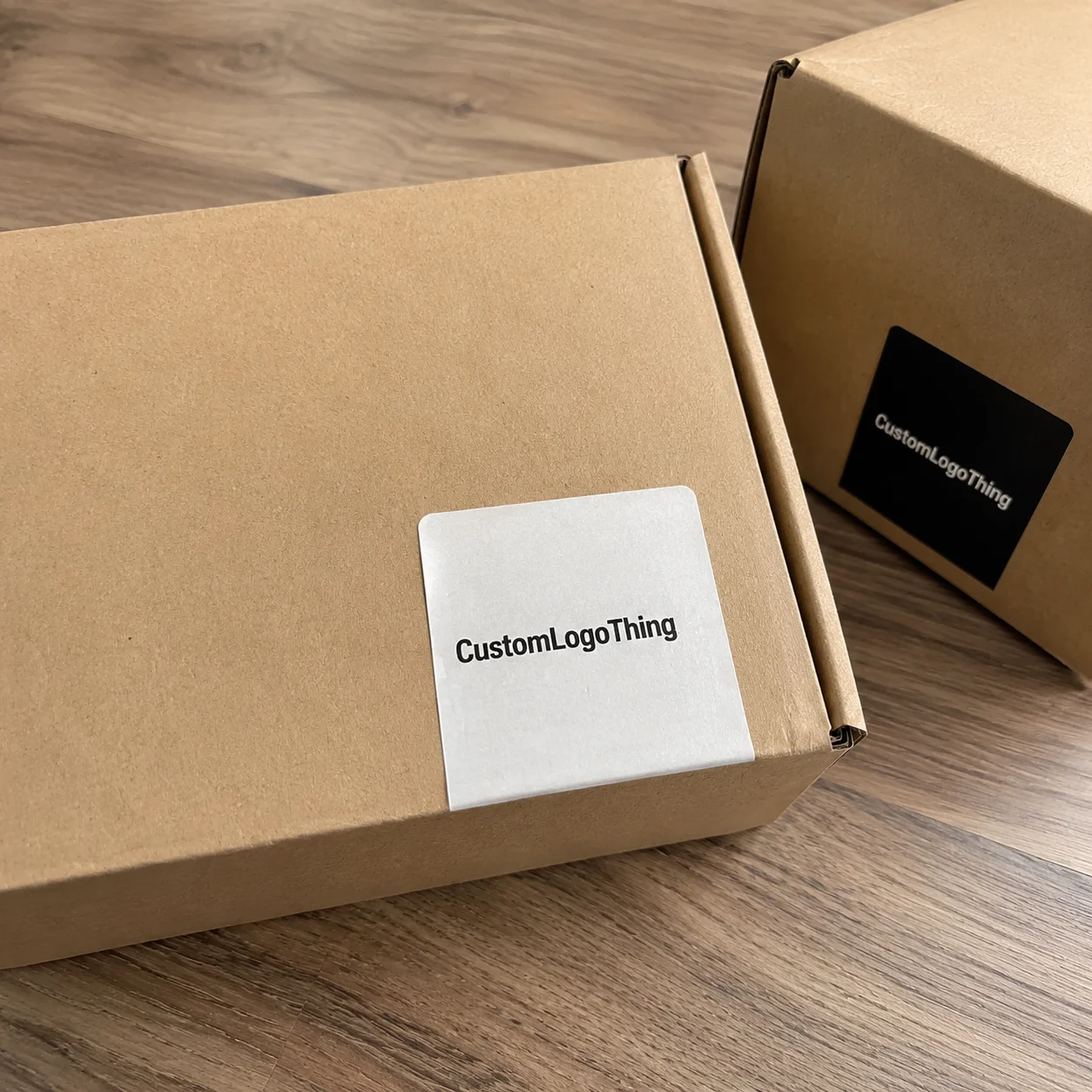
A two-inch label can do a surprising amount of commercial work. On jars, candle tins, bakery boxes, envelopes, mailers, sample packs, and small retail cartons, square custom stickers may be the only branded surface a customer sees before touching the product.
That is a lot of pressure for a small piece of adhesive material. A square sticker is a printed label cut into an equal-sided shape and used for branding, sealing, organizing, promotion, or product identification. Simple enough. The difference between a crisp, durable sticker and one that curls, smears, or looks off-center is not small, though. It is the difference between packaging that feels intentional and packaging that looks like someone remembered branding five minutes before shipping.
The square format has a specific visual personality. It feels more structured than a circle and more compact than a rectangle. A square gives a logo a tidy frame. It gives QR codes room to breathe. It can hold ingredient callouts, batch numbers, scent names, social handles, compliance marks, “thank you” notes, and small product details without sprawling across the package.
The use cases are broad because the shape is so easy to place. A bakery may use a 2-inch square seal on a pastry box. A candle brand may use a 2.5-inch matte sticker on a tin lid. A cosmetics seller may need moisture-resistant labels for balm jars. Cannabis packaging may need batch tracking, warning icons, and state-required language. Handmade goods sellers often use kraft stock for a warmer, less polished look. Subscription kits use stickers to close tissue paper, label rotating product variants, or brand a plain shipping insert.
Most sticker problems start when the buyer treats the sticker as artwork only. Nice design matters, obviously. But the better result comes from matching the surface material, adhesive strength, finish, print method, and handling conditions. Product packaging gets rubbed, chilled, stacked, shipped, photographed, squeezed, and opened by impatient hands. A sticker has to survive that tiny obstacle course.
If you are planning broader branded packaging, compare stickers alongside Custom Labels & Tags and other finishing pieces instead of treating them as leftovers. The sticker may be small. It still decides whether the package feels complete.
How the Square Sticker Format Works on Products and Packaging
A sticker is a layered product, not just ink on paper. The usual build includes face stock, adhesive, release liner or backing sheet, printed ink, protective coating or laminate, and a cut line. Change one layer, and performance changes with it.
Square labels can be supplied in several formats. Individual die-cut stickers are fully cut to shape and arrive as loose pieces. They work for giveaways, inserts, resale packs, and promotional use. Kiss-cut stickers stay on a backing sheet, which makes peeling easier and helps protect the corners. Roll labels are wound around a core and suit faster hand application or semi-automatic labeling equipment. Sheets are useful for short runs, office use, seasonal variants, and packing teams working at a table.
There is also a practical difference between decorative stickers and functional labels. A decorative sticker may carry a logo, tagline, illustration, or short promotional message. A compliance label may need ingredients, nutrition facts, warnings, barcodes, batch codes, net weights, country of origin, recycling information, or all of the above. Fun, right? The design tolerance changes. A sticker that only needs to look good can be more expressive. A label that must scan at retail or satisfy internal buyer requirements needs tighter control.
Size forces decisions quickly. One-inch to 1.5-inch squares work for seals, QR codes, tiny logos, sample packs, and small insert labels. Two-inch to 3-inch squares fit many jar lids, pouch fronts, box panels, tins, and gift packaging. Larger 4-inch or 5-inch squares suit box tops, shipping inserts, and promotional handouts. Fine print needs white space. A square carrying 40 words can feel crowded fast, especially on textured paper or a matte finish.
Placement matters just as much as size. Flat panels reduce lifting. Curved containers need flexible material and a sticker size that does not fight the radius. Textured paperboard, frosted glass, powder-coated tins, oily plastic, recycled corrugate, and chilled containers may need adhesive testing before production. The useful question is not “Will it stick?” Most things stick briefly. The real question is whether it will stay on your surface after filling, packing, shipping, display, and handling.
Square stickers are also less forgiving of crooked application than round stickers. A circle can rotate slightly and still look acceptable. A square tattles immediately. If staff will apply hundreds by hand, keep the layout centered, use generous margins, and choose a sheet or roll format that helps alignment.
Material, Adhesive, Finish, and Size Decisions That Change Performance
Material selection is where sticker buying stops being theoretical. Paper stickers are common for indoor, dry, short-term use. They can feel warm, tactile, and cost-efficient on bakery boxes, envelopes, paper bags, thank-you seals, and low-moisture retail packaging. Basic paper label face stocks are often around 70gsm to 90gsm, while heavier textured papers may be chosen for a more premium feel.
Paper has limits. It can absorb moisture, scuff at the edges, tear during removal, and wrinkle when exposed to condensation. If the product will sit in a bathroom, refrigerator, ice bucket, warehouse, outdoor market, delivery cooler, or humid stockroom, film materials are usually safer.
Vinyl, BOPP, and polyester-style materials bring more durability. BOPP is widely used for product labels because it handles moisture better than paper and has good dimensional stability. White BOPP, clear BOPP, and metallic BOPP each create a different look. Vinyl can suit outdoor use, curved surfaces, and promotional decals that need flexibility. Polyester labels are tougher and more heat-resistant, which is useful where durability matters more than a soft retail texture.
Adhesive choice is just as critical. Removable adhesive works for temporary promotions, event giveaways, laptop decals, or limited-time packaging marks. Permanent adhesive is the default for most product packaging. Freezer-grade adhesive is designed for cold storage and condensation risk. High-tack adhesive helps on textured corrugate, recycled paperboard, rough kraft boxes, low-energy plastics, and other difficult surfaces.
Packaging reality check: many sticker failures blamed on printers actually start with mismatched adhesive, untested surfaces, or artwork built too close to the trim edge.
Finish changes both appearance and durability. Matte gives a softer look and reduces glare in product photography. Gloss makes color pop and can make bright logos look sharper. Clear labels create a minimal-label effect on glass, jars, and tins, although white ink may be needed behind light artwork. Kraft stock supports handmade and natural product aesthetics. Laminate adds abrasion resistance and helps protect ink from rubbing during shipping or retail handling.
Design specs are not decoration. They are production instructions. Most sticker artwork should include 0.0625-inch to 0.125-inch bleed beyond the cut line, plus a safe zone of at least 0.0625-inch inside the trim. Raster images should be built at 300 dpi at final size. Vector logos are better. CMYK color mode is usually preferred for print, although strict brand colors may need Pantone references or printed proofs.
Small type is a common trap. Below 5 or 6 points, legibility drops quickly, especially on textured stocks or matte finishes. QR codes should be tested at actual size, not only on a monitor. Barcodes need quiet zones, strong contrast, and scan verification. If the sticker carries regulatory information, use the relevant compliance requirements as the floor, not as a design suggestion.
For sustainability claims or paper sourcing questions, buyers can review certification basics through the Forest Stewardship Council. Do not print environmental language because it sounds nice. Ask the supplier for documentation first. Some face stocks, liners, adhesives, and laminates may not support the claim you want to make.
Pricing, Unit Cost, and MOQ Factors to Check Before Ordering
Sticker pricing usually depends on size, material, finish, quantity, cut style, number of versions, proofing needs, and packaging format. A 1.5-inch paper sticker on sheets is a very different job from a 3-inch laminated BOPP roll label with two artwork versions and tighter color expectations.
Unit cost drops at higher quantities because setup time gets spread across more pieces. The supplier still has to review artwork, load material, calibrate print settings, produce proofs, cut the stickers, inspect them, and pack the order. Those steps exist whether the run is 100 pieces or 10,000 pieces. Once the press is set and material is moving, the extra pieces usually become cheaper per unit.
MOQ means minimum order quantity. Low minimums are useful when testing a new size, adhesive, finish, or design. Larger runs make sense once the sticker has been validated on the real package. If you have not tested adhesion on the actual surface, a 5,000-piece order can become an expensive lesson with very sticky evidence.
| Sticker Choice | Typical Use | Common Cost Impact | Buyer Watchout |
|---|---|---|---|
| Paper on sheets | Dry indoor packaging, envelopes, bakery boxes | Often lowest unit cost for simple runs | Weak fit for moisture, oil, and heavy handling |
| BOPP on rolls | Jars, bottles, cosmetics, food packaging | Moderate cost; efficient for repeat application | Core direction and unwind position must match application needs |
| Vinyl singles | Promotional decals, outdoor use, giveaways | Higher than basic paper, especially with laminate | May be overbuilt for simple packaging seals |
| Specialty finish | Premium retail packaging, limited editions | Can add setup, material, and proofing costs | Metallic, foil, or soft-touch effects need careful artwork prep |
As a broad quoting framework, small digital runs may land around $0.20 to $0.80 per sticker depending on size and material. Mid-size orders may drop into the $0.06 to $0.25 range. Larger roll-label quantities can go lower if the specs are stable and production is efficient. These are not universal prices. Freight, finish, artwork complexity, supplier equipment, and current material costs can move the number quickly.
Hidden cost drivers deserve attention. Rush production often adds a surcharge. Specialty laminates, metallic effects, custom dies, split designs, variable data, and exact color matching can all raise the quote. So can individually cut stickers, especially if they need retail-ready bundling, backing cards, or counted packs.
Ask for two or three quantity breaks: 500, 1,000, and 2,500 pieces, for example. That gives you a visible cost curve instead of one isolated number. Evaluate total landed cost too. Shipping, application labor, waste from crooked placement, and reprints from untested materials can matter more than a half-cent difference on the sticker itself.
Production Steps and Timeline from Artwork to Finished Stickers
The usual workflow is predictable: choose sticker specs, submit artwork, receive a proof, approve corrections, print, coat or laminate if needed, cut, inspect, pack, and ship. Clean files move faster. Vague files create email chains. Nobody needs more of those.
Artwork problems are the most common early delay. Low-resolution logos, missing dielines, RGB colors with no print target, fonts that have not been outlined, and artwork without bleed all create back-and-forth. Multiple versions add another layer. If you have six scents, four flavors, or three batch labels, every version needs its own proof check.
Proofing is not a formality. It is the last calm moment before production. During proof review, check finished size, cut line, bleed, safe margins, spelling, SKU numbers, barcode scannability, QR code destination, color expectations, and orientation on sheets or rolls. If roll labels will feed into an applicator, unwind direction and core size matter. A beautiful label wound the wrong way can stop a packaging line.
Lead time depends on material availability, order quantity, finishing, specialty effects, and shipping method. Simple repeat orders with approved artwork move fastest. New custom materials, unfamiliar surfaces, metallic inks, soft-touch laminates, variable data, and exact color matching need more review. A practical planning range for standard digital sticker orders is often several business days after proof approval, while more complex production can stretch longer. Get the timeline in writing before building a launch schedule around it.
Build in buffer time. Sampling may take a few days. Internal approval can take longer than production if several people need to sign off. Retail launch dates, trade shows, seasonal promotions, influencer mailers, and packaging line setup all punish last-minute ordering. Testing 50 stickers early beats rushing 5,000 late.
For shipping-performance thinking, especially if stickers are part of mailers, kits, or cartons, the International Safe Transit Association is a useful reference point. Stickers are not tested in isolation in the real supply chain. They ride on boxes, pouches, jars, and inserts that get compressed, rubbed, vibrated, and handled.
If your sticker program connects with custom printed boxes, inserts, sleeves, or retail displays, review the broader range of Custom Packaging Products early. Coordinating color, material texture, and label placement across the whole pack prevents the “nice sticker on mismatched packaging” problem.
Common Ordering Mistakes That Make Stickers Look Cheap or Fail Early
The first mistake is choosing the smallest possible size because it looks tidy on a screen. Real packaging is less forgiving. Logos, compliance text, icons, QR codes, and barcodes need white space. A 1-inch square may look efficient in a mockup and become unreadable on a jar lid under store lighting.
Skipping bleed is another classic failure. Without bleed, tiny shifts during cutting can leave thin white edges. The customer may not know the technical cause, but they will read it as cheap or misaligned. For most square custom stickers, extend background color or artwork beyond the trim line and keep critical details inside the safe zone.
Paper in the wrong environment causes trouble too. Paper stickers on oily tins, refrigerated bottles, wet bath products, chilled food containers, or frequently handled jars can stain, wrinkle, or lift. If the product has essential oils, alcohol, condensation, or freezer exposure, say that before quoting. The adhesive and face material need to match the abuse.
Design crowding is less dramatic but just as damaging. Poor contrast, tiny type, elaborate illustrations, and too many messages can make square labels feel cramped. A square has strong edges. That structure can make a clean design look premium, but it can also make clutter feel trapped.
Application mistakes happen after printing. Labels applied to dusty, damp, cold, curved, or textured surfaces may fail even if the sticker itself is well made. Clean the surface. Let cold products acclimate if needed. Check the application temperature. Some adhesives need firm pressure and time to reach full bond strength, often 24 hours or more.
The expensive mistake is ordering a large batch before testing one real container, one real box, or one real shipping cycle. A sticker may look perfect on a proof and still lift from a powder-coated tin. It may scan well flat but fail once wrapped over a curved jar. It may survive the shelf and fail in a delivery van during humid weather.
Request a digital proof at minimum. For higher-volume runs, unusual materials, retail packaging, or any product exposed to moisture or abrasion, ask about a physical sample. Sampling costs money. Reprinting thousands of bad labels costs more. That math is not subtle.
Actionable Next Steps Before You Request a Sticker Quote
A good quote starts with good information. Before contacting a supplier, collect the basics: final size, use case, surface type, indoor or outdoor exposure, quantity range, finish preference, file format, number of artwork versions, and delivery deadline. If the product will be refrigerated, handled with wet hands, shipped in padded mailers, or applied to textured cardboard, include that too.
- Measure the real panel: use a ruler on the actual jar, box, pouch, tin, or mailer instead of estimating from a digital mockup.
- Print a paper mockup: place it on the product at actual size to judge proportion, readability, hierarchy, and alignment.
- Test scannable elements: check QR codes, barcodes, batch codes, and tiny brand marks with real devices and store-style lighting.
- Confirm exposure: note moisture, oil, cold storage, sunlight, abrasion, shipping friction, and expected shelf life.
- Gather reference photos: show the product, application surface, existing labels, and any packaging design direction.
File prep should not be rushed. Vector AI, EPS, or print-ready PDF files are preferred for logos and type. High-resolution PNG or TIFF files can work for simple designs if they are built at final print size. Include bleed, safe margins, outlined fonts when needed, and CMYK values or clearly specified brand colors. If color is mission-critical, ask what proofing method is available and how close the production run is expected to match it.
Think about application labor as part of the quote. Hand-applying 100 stickers is minor. Hand-applying 10,000 square labels with tight alignment can become a staffing issue. Rolls may reduce handling time. Sheets may help small teams peel labels efficiently. Individual stickers may be better for giveaways, inserts, or resale packs.
The strongest sticker programs connect the graphic decision to the packaging job. A square label used for package branding on a rigid box has a different job from a removable event sticker or a freezer-grade food label. Use the same practical lens you would use for product packaging: material, finish, handling, timeline, compliance, and total cost.
Square custom stickers work best when the design ambition matches the production specs, budget, and timeline. Treat them as small pieces of branded packaging rather than disposable decoration. They can make a jar, box, mailer, or sample pack look sharper without forcing a full packaging redesign.
FAQ
What size square stickers work best for product packaging?
Small 1-inch to 1.5-inch squares work well for seals, QR codes, and sample packaging. Two-inch to 3-inch squares are better for front-facing product labels with logos, short descriptions, scent names, or simple product claims. The best size depends on the package panel, text volume, required white space, and whether customers need to scan or read details quickly.
Are square custom stickers waterproof?
They can be water-resistant or waterproof if they are made with durable film materials such as vinyl or BOPP and protected with the right coating or laminate. Paper stickers are usually not the best choice for bathrooms, refrigeration, ice buckets, drink bottles, or outdoor use. Describe moisture exposure upfront so the adhesive and face material match the environment.
How much do custom square labels usually cost?
Cost depends on size, material, finish, quantity, cut style, proofing needs, and whether the order is produced on sheets, rolls, or as individual stickers. Higher quantities usually lower the unit cost because setup and finishing time are spread across more stickers. Requesting multiple quantity breaks helps compare a small test run against a larger production order.
What artwork file should I send for square sticker printing?
Vector files such as AI, EPS, or print-ready PDF are preferred for sharp logos, clean edges, and accurate scaling. High-resolution PNG or TIFF files may work for simpler designs if they are built at the final print size. Artwork should include bleed, safe margins, outlined fonts when needed, and CMYK values or clearly specified brand colors.
How long does it take to produce square custom stickers?
Timing depends on artwork readiness, proof approval, material availability, order quantity, finishing, and shipping method. Repeat orders with approved artwork usually move faster than first-time orders requiring design checks or material recommendations. Add buffer time for sampling, internal approval, retail launch planning, and delivery delays.


