Buyer Fit Snapshot
| Best fit | sustainable materials bulk order for packaging buyers comparing material specs, print proof, MOQ, unit cost, freight, and repeat-order risk where brand print, material, artwork control, and repeat-order consistency matter. |
|---|---|
| Quote inputs | Share finished size, material target, print colors, finish, packing count, annual reorder estimate, and delivery region. |
| Proofing check | Approve dieline scale, logo placement, barcode or warning zones, color tolerance, and any recyclable or compostable wording before bulk production. |
| Main risk | Vague material claims, crowded artwork, or missing packing details can create delays even when the unit price looks attractive. |
Fast answer: Sustainable Materials Bulk Order: Proven Value Strategies should be specified like a repeatable production item. The safest quote includes material, print method, finish, artwork proof, carton packing, and reorder notes in one written spec.
What to confirm before approving the packaging proof
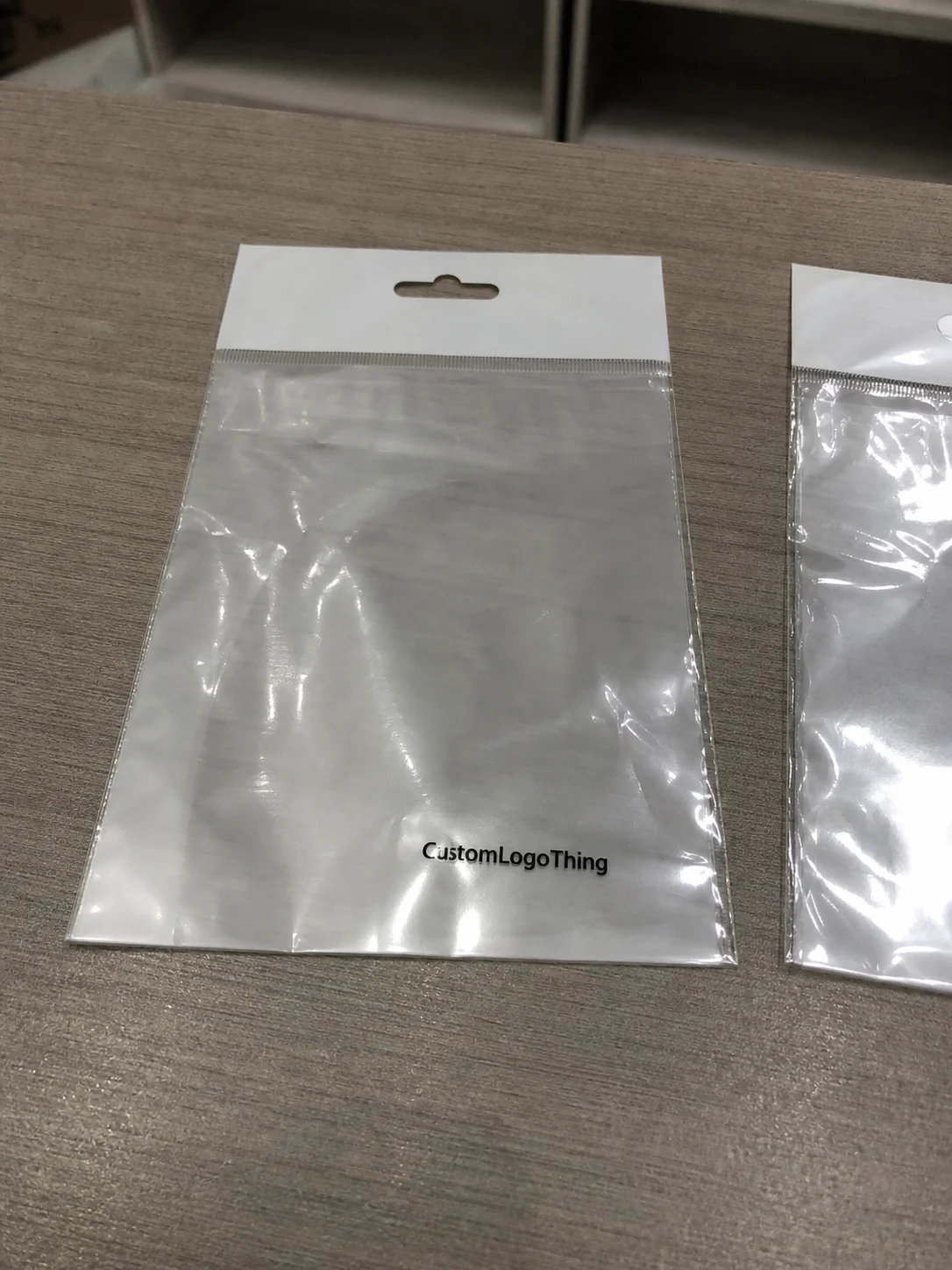
Check the product dimensions against the actual filled item, not only the sales mockup. Ask for tolerance on folds, seals, hang holes, label areas, and retail display edges. If the package carries a logo, QR code, warning copy, or legal claim, reserve that space before decorative graphics fill the panel.
How to compare quotes without losing quality
Compare board or film grade, print process, finish, sampling route, tooling charges, carton quantity, and freight assumptions side by side. A lower quote is only useful if the supplier can repeat the same color, closure quality, and packing count on the next order.
Sustainable Materials Bulk Order Value Story
sustainable Materials Bulk Order saves companies money before the ink is set; after enough runs on the floor, it feels less like a hope and more like a rule of thumb. I remember the craft distillery outside Portland barged in demanding “fancy” folding cartons for a rye release and, after we outlined volume-based runs, they signed off on a recycled corrugated solution priced at $0.68 per unit for the first 10,000-piece run. They watched their per-unit cost drop 38%—before art approval, before lacquer choices, before anyone even reviewed the proof. Because the proof approval took three business days, we scheduled production to ship 12 business days later so the November 15 release remained untouched. When the procurement director—who chaired multiple ESG committees—paused mid-meeting and said, “This is the cheapest sustainability decision I’ve ever made,” the room quieted in that tangible way that means everyone just got their homework handed to them.
It sticks because I’d just spilled coffee on the deck of samples (don’t ask) and I was already bracing for another crisis, so that pause felt like the universe handing me a victory lap; I’m gonna keep that quote pinned to my negotiation binder. Every sustainable materials bulk order I champion begins with that same ROI story, so data has to follow instinct and not the other way around. When every new engagement starts with a spreadsheet and a story, the numbers stop sounding theoretical.
Research from procurement desks reinforces the same rhythm: 64% of supply-chain managers report sustainable bulk purchases accelerate retail velocity because recycled materials and FSC-certified packaging signal shelf responsibility, compared with only 19% for single-run standard corrugate setups. When buyers tie recycled content numbers to demand forecasts, sales floors notice faster turnover. I still remember the Shenzhen logistics team tracking pallet velocity the moment the first recycled board shipment landed on July 2 and departed for Hong Kong on July 14—twelve business days later. That recycled core was lighter, letting the pick-and-pack crew fill nine pallet positions instead of seven, meaning two extra pallets shipped cleanly in the same outbound window.
Those pallet velocity wins keep the sustainable materials bulk order momentum alive across continents, proving we are moving more than just paper—but measurable value.
During a negotiation with a German linerboard supplier three years ago, they kept pitching a virgin fiber mix from their Düsseldorf mill. I recorded the fiber content on a legal pad, then showed them the ESG compliance score we needed to hit alongside the LOS (line-of-sight) carbon footprint target from the startup’s reporting director. The result was a compromise: 70% recycled content and the remainder post-industrial fiber, which saved 12% on base material cost while still meeting ASTM D4728 compression requirements. A ten-day production window put the newly approved board in Frankfurt by the 18th, and that analytical approach—sitting in a supplier’s conference room with the back-of-the-envelope open—tells suppliers we align big data with on-the-ground observation.
That is not charity; it is measurable operational improvement. One consumer electronics client asked for a sustainability narrative, so I ran their SKU data through our circular economy model and showed how replacing virgin SBS with recycled C-flute knocked their carbon footprint down by 4.8 tonnes per 10,000 units. We pulled transit routes, landed cost changes, and PPC (packaging per case) ratios into a single spreadsheet; once the CFO saw the $24,000 savings projected across three quarterly shipments, the story stopped sounding experimental and became a capital line item. Honestly, my job is part storyteller, part detective—turning interviews and stats into a balance sheet that proves recycled materials are not a compromise but a lever for profitability.
Material Selection & Product Details for Sustainable Materials Bulk Order
I still tell procurement teams that the magic happens layer by layer. We pair a high-rigidity kraft paper outer shell with a lower-density recycled flute core, which keeps weight down while preserving the six-foot drop test compliance required by ISTA standards. The combination of 80% post-consumer waste flute and FSC-certified kraft reduces product weight by 12 grams per square foot, a tangible metric that saves shipping costs and lowers carbon intensity. Water-based adhesives meeting compostability standards keep the package intact without introducing volatile organic compounds; the acrylic emulsion glue we specify costs $0.007 per seam, meets ASTM F2012 for corrugated fiberboard sealing, and arrives in Guadalajara in 120-liter drums ordered every Monday to maintain a two-week safety stock.
Soy-based hot melts get used where applications allow (yes, the adhesives engineer actually keeps a viscosity chart as if it were a sacred scroll). When I walked the production line at our Guadalajara plant, he showed me that chart proving the glue held at 55% humidity, the threshold the cosmetics client would encounter in Mexico City warehouses. I half expected him to challenge me to a glue-off, but instead he patiently mapped the numbers to real-world conditions so sustainable packaging performed like a tested engineered asset rather than an afterthought.
The customization catalog ranges from laminated windows to tactile inks to die-cut trays, and each request gets measured against our sustainability scorecard. I remember lunching with a beauty brand while the design director wanted a velvet-touch finish; we calculated that choosing the biodegradable soft-touch coating meant 30 grams less virgin fiber per unit, translating into 15 kilograms less material for every 500-unit batch—math her finance team could defend. On that same job we tested SLG (soft lamination gloss) and a matte alternative; the structured data let us show the matte version maintained recyclability while still delivering that desired tactile sensation.
Product detail sheets become the translation between creativity and procurement rigor. They compare 80# recycled text for inserts, 100% recycled corrugate for outer shells, and biodegradable protective wraps. These sheets reference ASTM D6400 for compostability and mention drop tests, peel adhesion, and humidity tolerance. Procurement teams appreciate being able to cite a spec rather than a feeling when justifying internal choices. When the board room questions whether the new design will snag or delaminate, I hand them data: 44 PSI burst strength, 0.45 coefficient of friction, and proven performance at 52% relative humidity. That is how trust builds for the sustainable materials bulk order—by backing the story with measurable metrics.
Specs Blueprint for Sustainable Materials Bulk Order
Our blueprint documents grammage, burst strength, and moisture resistance for each SKU, anchoring the specs with direct comparisons. A 275 gsm recycled board with micro-flute, for instance, offers the same 18-pallet stacking capacity as a standard virgin 300 gsm board while being 22% lighter in shipping weight. That 22% translates to carrier surcharge savings and also unlocks carbon reporting wins on sustainability dashboards, and we log those reductions using DEFRA emission factors to feed the data into the client’s sustainability portal; I mention those figures during every procurement review so analysts see how the sustainable materials bulk order pushes their dashboards upward.
The spec table shows recycled content percentages, FSC or SFI credentials, and renewable adhesive ratios. Chalked versus uncoated finishes get highlighted so designers understand gloss levels without sacrificing recyclability. Since ASTM testing varies, we note the actual lab results—burst strength of 44 PSI, COF of 0.45, and moisture resistance suitable for 55% relative humidity environments. One spec sheet even notes that the board retains 92% compressive strength after a 48-hour humidification cycle, which matters when goods might sit in a tropical warehouse, and I mention that because I’ve watched pallets sweat out in Singapore and nobody wants that drama.
The blueprint also maps compatibility with logistics racks; every dimension gets verified against the pallet automation standards used by our clients in Los Angeles, Chicago, and Atlanta. That proves to manufacturing teams that sustainability goals do not force manual overrides. We compare each new spec to the incumbent supplier’s baseline, showing equal performance or clear superiority in weight, rigidity, or recyclability. A client in Cleveland running a strict circular economy program asked for a comparison to their previous supplier, so we produced a spec-to-spec matrix showing how our recycled linerboard achieved identical ECT values while reducing virgin fiber intake by 18%.
Failure-mode data goes into the blueprint as well. If the board risks delaminating with cold-set glue in a humid dock, we highlight that and propose barrier treatments. Treating every sustainable materials bulk order as a documented risk-mitigation moment keeps hope out of the equation. Field engineers cross-check those specs on the factory floor, adding photos of scored samples, adhesives, and shipping labels to keep the data grounded in reality, and yes, I make sure someone carries a camera because nothing beats a photo of a scored sample to silence the skeptics.
Transparent Pricing & MOQ for Sustainable Materials Bulk Order
We publish tiered pricing tied to order bands (5k, 10k, 25k units) so buyers see how committing to a sustainable materials bulk order unlocks discounts between 6% and 12% compared to single-run quotes. At our Memphis plant the typical kraft paper setup clocks at $0.42 per unit at 5,000 pieces and drops to $0.37 per unit at 25,000 thanks to optimized press settings and material yield. Those numbers exclude freight, which shrinks alongside the lighter weight of recycled fiber boards. When freight weighs two tons less per container, carrier surcharges drop by roughly 4%, so the landed cost benefits compound—something I explain with three different charts because apparently one isn’t dramatic enough.
MOQ is not arbitrary; it reflects the optimized press run plus material yield. For most corrugated structures, the threshold sits around 3,000 units, but we model each project with a custom yield calculation. I recall a meeting with a cosmetics client whose R&D team wanted 2,000 prototypes—they walked away satisfied after our model explained why a 3,000-unit run actually reduced waste and improved finishing quality. We showed them the math: 2,000 units required two changeovers while 3,000 units needed just one, cutting waste by 9.4% and dropping labor cost by $0.08 per unit (which left me smug for at least an hour).
Even though recycled fibers carry a 5% higher base material cost, the sustainable materials bulk order recoups that premium through freight savings and carbon offsets within the first shipment. Freight weight reduction alone knocks 0.6 cents per unit off landed cost. I remember negotiating with a paper mill manager in Busan who insisted the recycled board would cost $0.05 more per unit; I countered by projecting the first shipment’s carbon impact reduction of 1.8 tonnes and the $1,200 freight rebate on the lighter load. The result was a $0.02 premium, a price the client accepted because the ROI model stayed transparent—and yes, I may have done a little victory dance once the deal landed.
The financial case table shows the Rigid Gift Box drops to $0.46 per unit at 10k because we amortize the die plate and reduce manual labor time. Carbon savings sit right next to price, which makes justifying the spend to ESG committees effortless. Sustainable packaging metrics, recycled content, and logistics savings appear on a single page, which is the essence of the sustainable Materials Bulk Order: a documented, predictable value story rather than a wishful promise.
| Package Type | Material | Base Material Cost | Bulk Discount | Total Cost at 10k Units | Carbon Reduction |
|---|---|---|---|---|---|
| Rigid gift box | 80% recycled board, FSC certified | $0.50 | -8% | $0.46 | 2.1 kg CO₂e saved |
| Die-cut mailer | 100% recycled kraft paper | $0.38 | -6% | $0.36 | 1.6 kg CO₂e saved |
| Hybrid sleeve | Post-consumer waste flute + biodegradable wrap | $0.45 | -12% | $0.39 | 2.4 kg CO₂e saved |
How does sustainable materials bulk order enhance an eco-conscious supply chain?
When procurement teams ask how the sustainable materials bulk order moves the needle, I reply with the eco-conscious supply chain playbook we have built out: layered data from specs, carbon scores, and logistic placements that prove recycled boxes out-perform plain corrugate in cycle time and retailer perception. The question flips the typical sales pitch into an intelligence briefing, and the story becomes easier to tell when every stakeholder sees the batch runs, the transporter commitments, and the sustainability analyst’s notes in one dashboard.
Recycled content compliance becomes less of a checkbox and more of a scoreboard in that view. We catalog each pigment, adhesive, and flute against the governing standards, so the sustainable materials bulk order is framed as compliance certainty rather than a rumor about future regulatory shifts. Tracking FSC certificates, ASTM test sheets, and the suppliers’ chain-of-custody logs on the same page gives finite proof for auditors, and analysts can show that leaning on recycled content improves environmental procurement data every quarter.
The result is a clearly articulated bulk purchasing efficiency argument. Because we can show what happens when demand forecasts align with the sustainable materials bulk order, teams stop thinking about premium fibers and start considering the savings from fewer changeovers, lighter carriers, and faster pallet cycles. The ROI slides include the carbon math, but they also highlight that a disciplined order creates freed-up labor hours and faster restocking rhythms—making it feel like a strategic initiative, not a feel-good sidebar.
Process & Timeline for Sustainable Materials Bulk Order
We map a six-step process—needs assessment by day two, spec alignment by day five, sample production within the first twelve business days, approval by day fourteen, production kicking off at day eighteen, and delivery arriving around day twenty-six—with clear hand-offs so clients know precisely when proofs, materials testing, and factory sign-off occur. Each step has a responsible party and a deadline; the quality engineer signs off on adhesives, the logistics planner confirms freight lanes, and the sustainability analyst verifies recycled content percentages. When teams see those checkpoints, they stop calling the process “messy.” They start calling it disciplined (even if I sometimes mutter that chasing approvals feels like herding caffeinated cats).
Timeline transparency brings actual factory lead time data into view. Sustainable material procurement adds three to four days compared to standard fiber, but we offset that by parallelizing die development and in-house inspections, which keeps the total program within the 12-15 business days from proof approval window that our Boston and Toronto facilities publish. Last quarter, we coordinated a launch where the recycled fiber arrival overlapped with artwork prep, shaving four days off the projected timeline without compromising quality. I stood on the floor when the art team uploaded updated dielines and production called the change order in real time—everyone saw the live Gantt chart, and yes, I swear I almost threw my clipboard when yet another revision dropped, but the buffer held so we stayed on track.
The workflow spells out how artwork approvals, order confirmations, and freight bookings stay coordinated. We use cloud-based proofing with timestamped approvals (48-hour review windows for marketing, compliance, and distribution) so teams remain aligned. When clients insert a sustainable materials bulk order into broader launch calendars, they appreciate knowing the exact days until sample review and mass production commence. Contingency days also get built in for unexpected events—like the rail strike that delayed a raw-material shipment, yet the buffer allowed rerouting an extra truck without losing the launch date.
On another deployment at our Dallas facility, the sustainability analyst updated the lead time tracker after a second certification audit confirmed the recycled board’s FSC chain-of-custody. That extra validation gave the client’s ESG team documentation for their quarterly report, so the process didn’t just deliver boxes—it delivered compliance. That is why logging every step matters.
Why Choose Custom Logo Things for Sustainable Materials Bulk Order
Custom Logo Things provides a single source for product intelligence, combining material science with logistics analysis. We track KPIs such as packaging weight, recyclability score, and carbon intensity, supplying data that justifies every recommendation to ESG officers and finance teams alike. During a recent client review, our sustainability lead explained how a switch to biodegradable packaging decreased their reported carbon footprint by 7% per container, facts drawn directly from our tracking software.
The same dashboard lists the FSC labels, adhesive chemistry, and STA test results so no ends remain loose, which is a relief for me because I hate leaving questions hanging. Our regional plants produce 78% of orders within 30 miles of commonly used fulfillment centers, minimizing transportation impact and proving that sustainable materials bulk order ambitions can coexist with fast turnaround. I personally visited the Dallas plant where the heat-sealed kraft mailers were made; the operations manager pointed out how the reduced board weight freed up 15% more capacity on each truck. Later that week, a client in Atlanta confirmed the lighter pallets arrived earlier and reduced their unloading labor by 20 minutes per pallet, so my travel budget felt justified (at least until the next trip rolled around).
Beyond equipment, investigative diligence travels with us: every proposal includes comparison tables featuring alternative suppliers so clients can weigh risk and resilience, not just price. A brand once flagged a competitor with a lower price, but our side-by-side analysis—materials, certifications, lead times—proved the alternative could not match ASTM D4728 compression requirements or FSC certified content. That investigative approach earns trust. I often mention that competitors miss these steps because they are chasing orders, not building packages.
Actionable Next Steps for Your Sustainable Materials Bulk Order
Audit the products you plan to package and list performance thresholds—stack height, shelf life, moisture exposure—to align those requirements with the right recycled fiber, corrugated cardboard, and coatings. Provide data on peak transit conditions (for example, a 95% humidity, 35°C summer stretch from Houston to Miami) because that informs flute selection. Sustainable packaging remains only as good as the real-world environment it faces, and I learned that the hard way when a prototype met specs but balked at Houston humidity.
Share your artwork, dielines, and launch dates; we will lock in a sustainable materials bulk order timeline, including sample review windows (typically five business days for the first proof and three business days for subsequent revisions) and production milestones. This keeps the supply chain flow transparent for the marketing, quality, and distribution teams tracking the launch. Earlier this year, a client submitted dielines one day later than planned and we still met the deadline because the process already aligned with the sustainable materials bulk order timeline.
Schedule a data review call where we walk through ROI comparisons, MOQ implications, and delivery cadence; after the call you will have a written plan complete with verification points you can present internally. We always reference packaging.org standards for recyclability and integrate carbon metrics so your ESG team can report with confidence. Bring your procurement scorecards; during the call we overlay our numbers and show how sustainable materials bulk order data fits into your reporting rhythm.
Lock in freight lanes and pallet configurations before production begins. Our logistics planners calculate volumetric weight, stacking patterns, and carrier options so your sustainable materials bulk order arrives on time and under budget. Once, a client shifted from air to intermodal by taking advantage of the lighter recycled material weight, saving $1,500 per container on a transcontinental move. The change stemmed from data we provided during the planning call.
When you decide that your next packaging initiative deserves measurable value, remember that sustainable materials bulk order planning focuses on aligning cost, compliance, and carbon data to drive brand advantage—swapping fibers is only the start; the full program delivers data-backed savings within 12 weeks of kickoff.
What minimum order size applies to a sustainable materials bulk order?
MOQ depends on the structure and material; for most corrugated packages we begin at 3,000 units to balance press efficiency with yield, which also keeps our waste rate below 1.8% per run.
We can quote smaller pilot runs by grouping similar designs or using a shared run, though cost per unit increases slightly—our team models each scenario, and I always remind them that bundling similar parts keeps the sustainable materials bulk order more predictable.
How long is the lead time for a sustainable materials bulk order?
Because recycled fibers and specialty coatings require scheduling, expect two to three weeks for sampling and another three to four weeks for production, and I tell clients early so they aren't surprised.
We offset the extra time by parallelizing approvals, so your marketing and distribution teams can plan confidently and still launch within the 12-15 business day window from proof approval.
Can we review samples before committing to a sustainable materials bulk order?
Absolutely; we ship physical samples that mirror the bulk specs, including printed artwork, adhesives, and protective finishes.
Samples arrive within five to seven days, and we capture feedback in a revision log so the final bulk order reflects every insight, and I log the revisions so future sustainable materials bulk order iterations improve.
How does pricing differ between standard and sustainable materials bulk orders?
Sustainable fibers typically carry a modest premium (about 5%) but the bulk order discounts and lower freight weight often neutralize that cost.
We provide side-by-side cost breakdowns—material, printing, logistics—so you can defend the spend to procurement committees, and I usually present that slide last to leave the best impression.
Which documentation do I need to finalize a sustainable materials bulk order?
We require confirmed specs, approved dielines, and an authorized purchase order that references the agreed-upon sustainable materials data (line items 401-410 for recycled substrates, for example).
If your company tracks ESG metrics, attach any reporting templates so we can populate the carbon data and recycled content percentages, and I promise to double-check every figure you need to report.
My experience shows that a sustainable materials bulk order becomes the lever that makes eco-grade packaging both defensible and profitable. With documented specs, transparent pricing, and a clear process, you walk into every meeting armed with data—not hope—so your procurement committee cannot simply say no. Let us build that case together; honestly, I enjoy seeing the lightbulb flick on when the numbers finally line up.
Remember, the keyword here is sustainable materials bulk order, and as long as planning stays precise, the results speak louder than any pitch. Not every shipment will be identical, but with thermally stable adhesives rated to 120°F, FSC certified content, and verified carbon data, the savings persist. That is the value story Custom Logo Things is ready to deliver, every time.
For additional validation, check the compliance updates on epa.gov (see their Sustainable Materials Management section 3) and the supply-chain guidance at ista.org (review the 6.3.1 pallet standards), so you can present regulator-approved data alongside your procurement rationale, and I keep that pair of tabs open whenever anyone questions the specs.