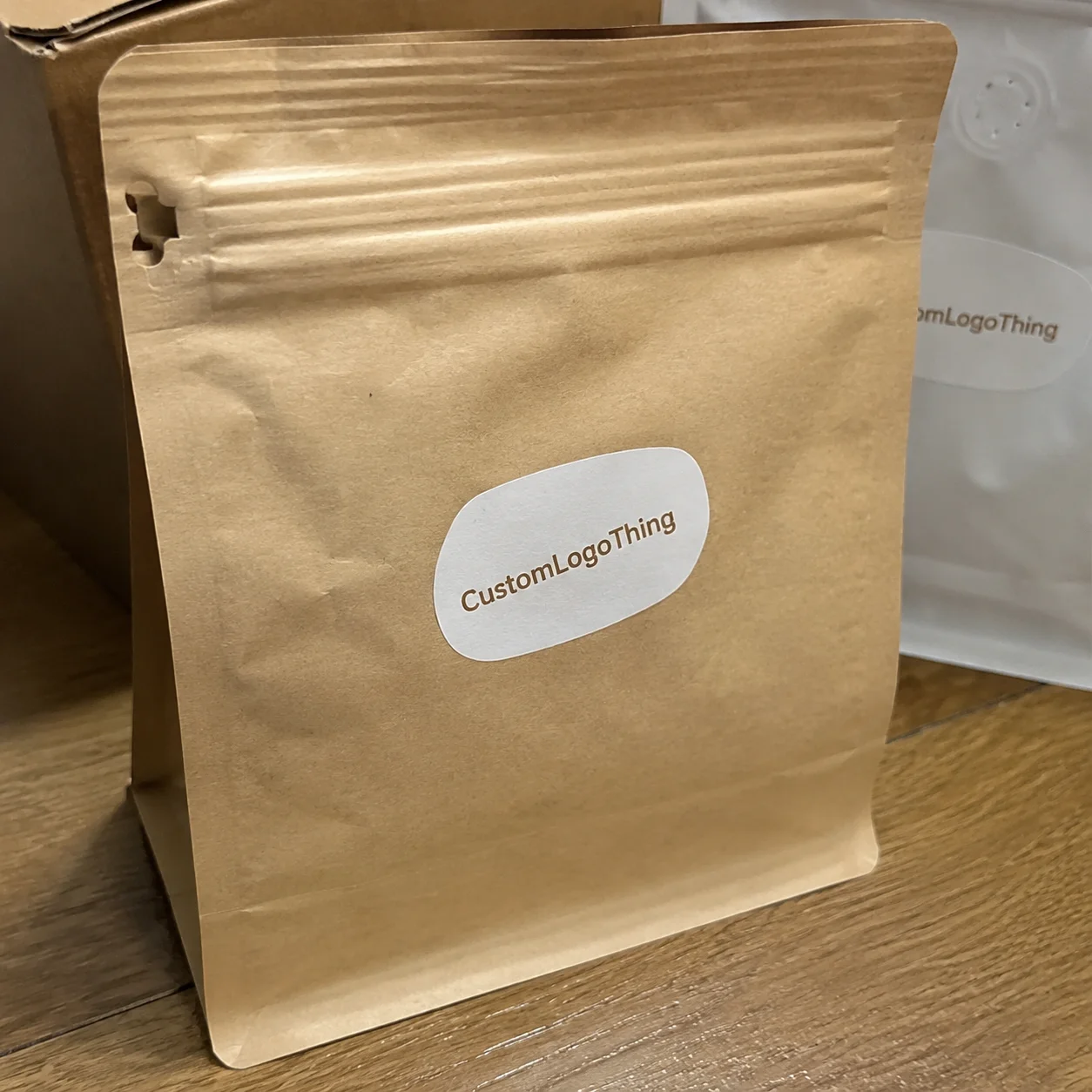
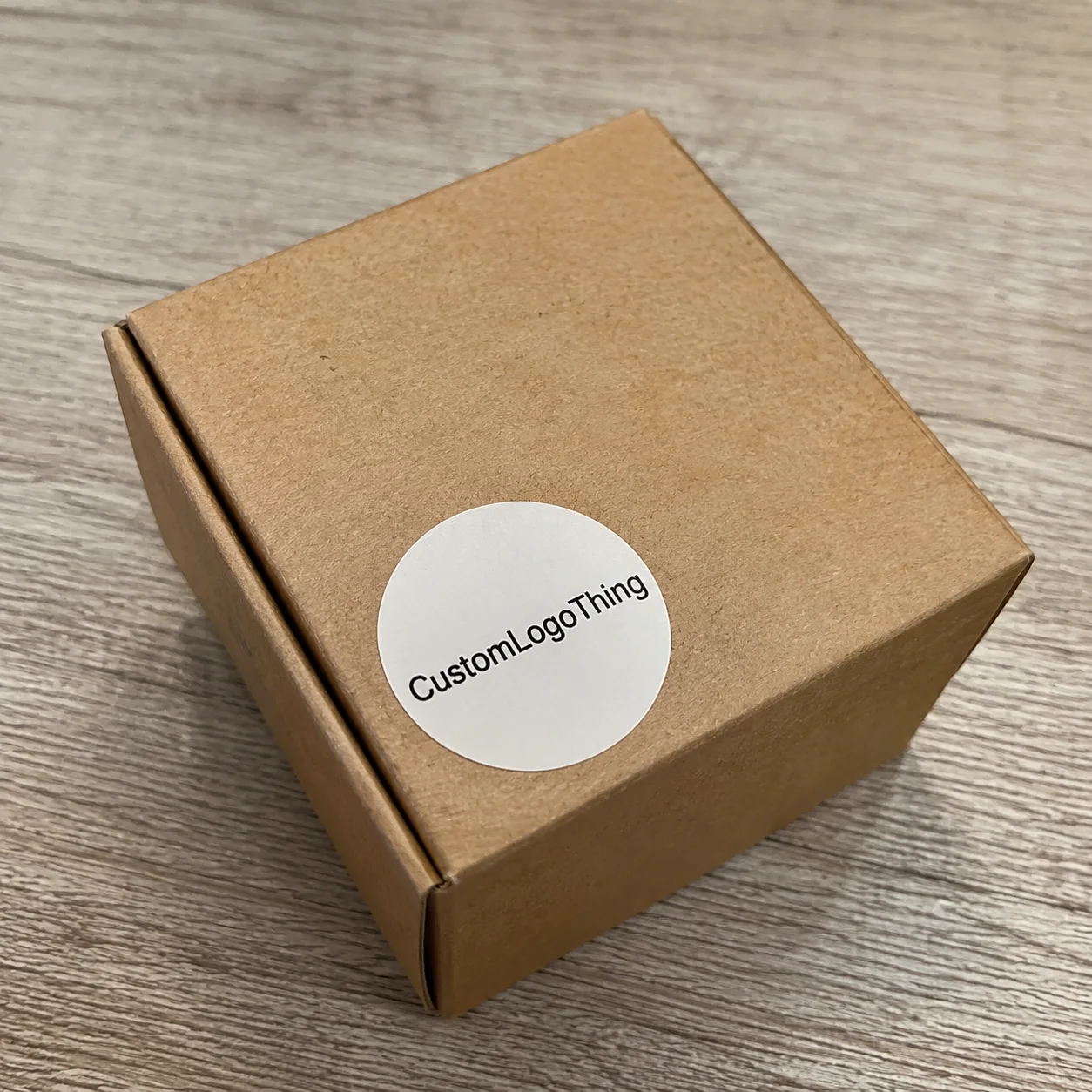
Buyer Fit Snapshot
| Best fit | Sustainable Materials Pricing for Packaging projects where brand print, material claims, artwork control, MOQ, and repeat-order consistency need to be specified before quoting. |
|---|---|
| Quote inputs | Share finished size, material target, print colors, finish, packing count, annual reorder estimate, ship-to region, and any compliance wording. |
| Proofing check | Approve dieline scale, logo placement, barcode or warning zones, color tolerance, closure strength, and carton packing before bulk production. |
| Main risk | Vague material claims, crowded artwork, missing packing details, or unclear freight terms can make a low unit price expensive after revisions. |
Fast answer: Sustainable Materials Pricing for Packaging: Quote Scope, Sample Proof, MOQ, and Lead Time should be specified like a repeatable production item. The safest quote records material, print method, finish, artwork proof, packing count, and reorder notes in one written spec.
Production checks before approval
Compare the actual filled-product size with the drawing, then confirm tolerance on folds, seals, hang holes, label areas, and retail display edges. Reserve space for logos, QR codes, warning copy, and material claims before decorative graphics fill the panel.
Quote comparison points
Review material grade, print process, finish, sampling route, tooling charges, carton quantity, and freight assumptions side by side. A quote is only useful when the supplier can repeat the same color, closure quality, and packing count on the next order.
I’ve sat through enough supplier calls to know this: a sustainable materials pricing guide can save you money, but only if you stop treating eco-friendly packaging like a single line item. One buyer told me, after a rushed quotation round, that the “green option” looked 22% more expensive on paperboard alone. Then we added ocean freight from Ho Chi Minh City, Vietnam, a 4% damage rate from crushed corners, and returns from a weak 24pt recycled board tray, and the picture flipped. That’s the kind of twist a solid sustainable materials pricing guide should uncover before anyone signs off on tooling. Honestly, I think half the pain in packaging sourcing comes from people falling in love with the quote header and ignoring the fine print.
Most people underestimate how many moving parts sit behind a quote for recycled materials, FSC-certified board, molded fiber, or biodegradable packaging. In one client meeting, I watched a brand team compare a kraft paper mailer with a plant-based film pouch as if they were interchangeable. They weren’t. One needed a 60gsm barrier liner and the other needed 18N tear resistance, and that tiny difference changed the quote by nearly $0.11 per unit on a 10,000-piece run. I remember thinking, “Great, we’ve managed to compare a t-shirt to a raincoat.” A real sustainable materials pricing guide starts there: with the right apples-to-apples comparison, not wishful thinking.
Here’s the part nobody loves to hear: sometimes the cheapest quote is just the cheapest quote. It is not the best buy. It’s not even close. If you skip freight, damage, certification, and reorder risk, you’re basically shopping with one eye shut. That tends to end badly.
How Sustainable Materials Pricing Can Surprise Buyers
The first surprise is simple: eco-friendly packaging often costs more upfront, yet it can lower total spend through lighter shipping, fewer damages, and better brand value. I’ve seen a switch from rigid virgin-fiber trays to molded fiber inserts cut outbound freight by 14% because the pack-out was 18% lighter per case on a 40-foot container out of Savannah, Georgia. That’s not marketing fluff. That’s math. A sustainable materials pricing guide has to account for those downstream effects, or the “cheap” option becomes expensive fast. I’ve watched too many teams celebrate a low unit price like they just won the lottery, then grimace when the returns started rolling in.
What does a sustainable materials pricing guide actually cover? At minimum, it should map raw material cost, conversion, freight, minimum order quantities, certifications, and end-of-life value. If you’re buying corrugated cardboard, kraft paper, recycled plastics, or plant-based films, each one moves through the supply chain differently. A roll of kraft paper from a mill in Wisconsin won’t price the same as a compostable pouch film sourced from Shenzhen, even if the finished pouch looks similar on a shelf. Packaging people know this. Everyone else? They usually learn the hard way.
Pricing varies so widely because the material families behave differently in production. Paperboard may have a steady global supply, but recycled materials depend on collection streams and recovered fiber quality. Molded fiber often tracks pulp availability and drying energy, especially in Guangzhou and Ningbo plants where steam and electricity rates shift the quote by a few cents per unit. PLA and other compostable resins may look attractive until you factor in resin formulation, barrier needs, and the testing required to support claims. A sustainable materials pricing guide should make these differences obvious, not bury them in supplier jargon.
Here’s the trap I see most often: buyers compare unit price, not total landed cost. That’s a first wrong comparison. A box at $0.42/unit sounds cheaper than one at $0.47/unit until you realize the cheaper box damages product twice as often, adds 8% more freight weight, and requires a higher carton count per pallet. I’ve watched procurement teams save $2,500 on paper and lose $18,000 on claims. That kind of math makes me want to bang my head on a conference table. A sustainable materials pricing guide needs to force that broader view.
“The quote was honest, but the comparison wasn’t.” That’s what a plant manager in Monterrey, Mexico told me after we traced a packaging overrun back to hidden setup fees and a $680 rush freight charge that had never appeared in the first spreadsheet.
That quote stayed with me because it sums up the whole subject. Sustainability pricing is not a single number. It’s a range shaped by specs, testing, supply chain reality, and the brand’s willingness to pay for credibility. The best sustainable materials pricing guide doesn’t promise a magic low price. It shows where the money goes, and why.
How Sustainable Materials Pricing Works in the Supply Chain
Every sustainable materials pricing guide should follow the supply chain from feedstock to finished pack. It starts with sourcing. If the base input is post-consumer waste, FSC-certified fiber, agricultural byproducts like bagasse, or recycled polymers, the feedstock itself creates a pricing floor. Supply is not perfectly elastic. When recovered fiber tightens in Los Angeles, California or Tacoma, Washington, mill prices move. When resin markets get volatile in South Korea or Malaysia, molded or film-based formats feel it within weeks. If you’ve ever sat on a call while a supplier explained “market conditions” for the third time in one week, you know exactly how fun that conversation is (not fun at all, actually).
Then comes manufacturing. Energy use matters more than many buyers expect. A molded fiber line with a 90-second drying cycle can cost more than a die-cut paperboard conversion line because it uses more heat per unit. Labor matters too, especially in short-run or hand-finished packaging. So does machine setup. If a supplier in Dongguan is changing from a 4-color printed carton to a plain Kraft Paper Sleeve, setup time changes, scrap changes, and pricing changes with it. A practical sustainable materials pricing guide should translate those plant-floor realities into business terms.
I remember standing on a packaging line in Shenzhen while a production manager explained why one small embossing request added almost 6 hours to a run. It wasn’t the embossing itself. It was the repeated calibration, the extra waste, and the downstream inspection. The sales team had quoted the feature as if it were a tiny add-on. On the floor, it was anything but. That’s why a sustainable materials pricing guide has to include conversion realities, not just material names.
Certifications and testing add another layer. If you need compostability claims backed by recognized testing, or FSC-style sourcing documentation, the supplier may need audits, chain-of-custody paperwork, and third-party verification. That can raise price, but it can also reduce risk. In my experience, brands are often willing to pay 3% to 8% more when the documentation protects them from claims disputes or retailer pushback. A good sustainable materials pricing guide should treat verification as a cost and a shield.
Order size changes the formula quickly. Small runs typically carry higher per-unit costs because setup, tooling, and waste are spread across fewer pieces. A 5,000-piece run of Custom Recycled Cardboard mailers might come in at $0.58/unit, while 50,000 pieces could drop to $0.31/unit if the specs stay fixed and the line runs in a plant near Suzhou. That kind of spread is normal. A sustainable materials pricing guide should show buyers how volume affects tiers, not hide behind a vague “better pricing at higher quantities” note.
Lead times are another hidden lever. If you need production squeezed into an already full schedule, rush fees appear. If you place an order late and must air-freight cartons or film instead of moving by sea, the landed cost jumps. Storage costs also matter. Buying 90 days of inventory may reduce per-unit packaging price, but it can raise carrying costs, warehouse congestion, and obsolescence risk. A smart sustainable materials pricing guide always includes timing, because time is money and suppliers absolutely know it.
For context, the industry groups that publish testing and packaging standards are useful reference points. ISTA’s transit test programs help explain why a “cheaper” structure can fail in distribution, and ASTM guidance often appears in material validation discussions. I often point buyers to the Packaging Alliance and testing resources at ISTA when they ask why one packaging format survives shipping better than another.
Key Cost Factors in a Sustainable Materials Pricing Guide
A serious sustainable materials pricing guide breaks cost down by material type first. Paperboard, molded fiber, recycled plastic, bagasse, PLA, cellulose, and hybrid structures each bring different conversion requirements. Corrugated cardboard is often one of the most economical starting points, especially for shipping cartons made in the Midwest or near Guangdong ports, but the price climbs when you add heavy print coverage, specialty coatings, or higher flute performance. Kraft paper can look inexpensive until you ask it to resist moisture, puncture, or grease. That’s usually the moment the quote grows a second head.
Material thickness and strength change the equation fast. A 350gsm C1S artboard is not priced like a 24pt recycled gray board. Moisture resistance matters too. A plant-based film with a 30-micron barrier layer may need more expensive resin formulation than a simple mono-material pouch. Special finishes can be costly, especially soft-touch lamination, aqueous coatings, embossing, foil, or window patching. A sustainable materials pricing guide should show these as real multipliers, not optional extras.
Here’s where many buyers get tripped up: sustainability claims and compliance requirements. If a supplier says the packaging is biodegradable packaging, someone has to support that claim. If a carton is FSC certified, the chain of custody has to be documented. If recycled content percentages are advertised, the source and traceability matter. Those checks cost money. But the wrong claim can cost far more in refunds, store delisting, or reputational damage. A careful sustainable materials pricing guide treats compliance as part of pricing discipline.
Domestic versus offshore sourcing can change the quote dramatically, and not just because of labor. Freight volatility, port delays, customs handling, and container availability all affect the final number. I once reviewed two quotations for identical recycled cartons: one from a converter in Ohio and one from a supplier in Qingdao. The offshore unit price was 19% lower. The landed cost was only 4% lower after ocean freight, duty, inspection, and a two-week delay that forced the brand to hold more safety stock. That’s exactly the sort of discrepancy a sustainable materials pricing guide should catch.
Minimum order quantities and tooling are often the hidden costs no one wants to discuss on the first call. Custom dielines, cutting dies, emboss plates, and print cylinders can add hundreds or thousands of dollars before the first unit ships. If you are building a custom mailer or insert, tooling can dominate the first order’s economics. A sustainable materials pricing guide should separate one-time setup from recurring unit cost, or the first quote will look artificially high.
Brand positioning also matters. A premium skincare brand in London or New York can justify a higher-priced molded fiber tray if the packaging reinforces the product story and reduces plastic content. A food brand in Austin can justify a slightly higher bagasse container if it improves heat resistance and shelf appeal. Too many teams pretend sustainability should always be the cheapest option. It isn’t. Sometimes the right packaging costs more because it does more. A practical sustainable materials pricing guide helps you judge that tradeoff instead of chasing the lowest sticker price.
| Material option | Typical use | Approx. unit price at 10,000 units | Common cost drivers | Notes |
|---|---|---|---|---|
| Corrugated cardboard | Shipping cartons, subscription boxes | $0.28–$0.62 | Flute type, print coverage, die-cutting | Often best for freight efficiency |
| Kraft paper mailer | Light e-commerce parcels | $0.19–$0.41 | GSM, tear strength, adhesive system | Good for lower-weight products |
| Molded fiber insert | Protective inserts, trays | $0.24–$0.68 | Tooling, drying energy, geometry | Strong sustainability story |
| Recycled plastic pouch | Flexible packaging | $0.17–$0.49 | Film structure, barrier needs, seal performance | Good for lightweight shipping |
| Bagasse container | Food service, hot-fill applications | $0.09–$0.33 | Heat tolerance, lid fit, supply consistency | Prices vary with agricultural supply |
That table is only a starting point, but it helps show why a sustainable materials pricing guide should never reduce the market to one “eco” number. A bagasse clamshell and a recycled plastic pouch may both be sustainable in some contexts, yet they solve different problems and live on different cost curves. A 9-inch lunch container in Chicago does not belong in the same budget bucket as a 250mL cosmetic pouch sourced from Ho Chi Minh City.
For sourcing and material stewardship, I often recommend checking broader environmental reference points from the EPA at epa.gov/recycle when teams are deciding whether recycled content claims are worth paying for. The policy context matters more than buyers sometimes admit.
Sustainable Materials Pricing Guide: Step-by-Step Buying Process
Step 1 is defining the packaging job clearly. A sustainable materials pricing guide only works if you know what the package must do. What does the product weigh? How fragile is it? Does it need to survive parcel shipping, palletized freight, freezer storage, or shelf display? Is shelf life measured in weeks or months? I’ve seen brand teams skip this part and end up with quotes for elegant packaging that failed after a 36-inch drop test in a warehouse in Dallas. That mistake is expensive, and the apology emails are always somehow my favorite part of the mess (said no one ever).
Step 2 is asking for apples-to-apples quotes. Same dimensions. Same board grade. Same print coverage. Same finish. Same delivery term. If one supplier quotes 300gsm paperboard and another quotes 350gsm recycled board, you are not comparing like with like. That sounds obvious, yet it happens constantly. A detailed sustainable materials pricing guide should give procurement teams a quote template so no one quietly changes the spec to make the number look better.
Step 3 is comparing total landed cost, not just unit cost. Include freight, tax, duties, warehousing, overage allowance, and potential spoilage. If you are buying Custom Packaging That requires storage, add carrying cost. If your plant is in another country than your supplier, include the transfer from dock to production line. A unit at $0.26 can be worse than a unit at $0.31 if the first one arrives late, damaged, or in the wrong pallet configuration. That’s one of the first corrections a good sustainable materials pricing guide makes.
Step 4 is requesting samples and performance data. Ask for burst strength on corrugated cardboard, tear tests on kraft paper, compression data for molded inserts, seal integrity for flexible packs, and any transit test references the supplier can share. I’m not asking for lab theater. I’m asking for evidence. Standards matter here. ISTA testing, internal drop data, and supplier validation reports reduce the odds of nasty surprises in rollout. A sustainable materials pricing guide should build testing into the buying process, not tack it on later.
Step 5 is building a pricing model that includes reorders, seasonal spikes, and savings from better packaging performance. One client I advised moved from a loose-fill void fill to a corrugated insert and cut damage claims by 31% in three months. The insert cost 7 cents more per unit. The net result was lower total cost. That’s the sort of payoff a sustainable materials pricing guide should make visible, especially if you are deciding between recycled materials or a hybrid design.
Step 6 is documenting assumptions. Write down the material specs, the quote date, the lead time, the approved finish, and the shipping terms. When procurement teams inherit old sourcing files, they need a map. Without one, they start over from zero and repeat the same arguments with suppliers. A well-kept sustainable materials pricing guide becomes institutional memory, which is worth more than people realize.
What to ask suppliers before you sign
Ask for the resin source, the fiber source, and the certification path. Ask whether the quote assumes virgin material, post-consumer waste, or a blend. Ask what happens if you change print coverage by 20% or switch from gloss to matte. Ask about scrap rates and what percentage is built into the price. One supplier once admitted to me that a “simple” design looked cheap because the quote assumed a 12% waste allowance. On a tighter line in Shenzhen, that allowance would have been 17%. That difference alone would have changed the economics of the sustainable materials pricing guide we were building.
Common Mistakes That Distort Sustainable Packaging Pricing
The most common mistake is treating different materials like they are interchangeable. They aren’t. Paperboard, molded fiber, biodegradable packaging films, and recycled plastics all bring different performance profiles, and those profiles affect cost. A bagasse container might work beautifully for hot foods in Tokyo but fail where high moisture resistance is needed in Miami. A sustainable materials pricing guide should make functional differences obvious before anyone starts comparing quotes.
Another costly error is ignoring the cost of failure. Product damage, returns, and customer complaints can dwarf the savings from a lower-priced package. I’ve seen one beverage client in Atlanta save $12,000 on packaging and lose nearly $40,000 in broken-product write-offs because the insert didn’t survive repeated transit vibration. That’s why a sustainable materials pricing guide needs to account for failure rates, not just procurement price.
Choosing the lowest unit price without checking total landed cost is still the classic mistake. A quote that looks 10% cheaper may hide expensive freight, extra pallets, or minimum order penalties. Some suppliers also charge separately for artwork revisions, plate changes, or compliance documents. Ask for the full line-by-line breakdown. If they hesitate, that’s a signal. A trustworthy sustainable materials pricing guide should help you ask sharper questions, not accept blurry answers.
Over-specifying is another silent budget killer. Teams often add premium features because they sound sustainable, not because they improve performance. An extra coating, thicker board, or decorative window may raise price without making the package safer or more recyclable. I’m all for good design. I’m not for decoration dressed up as necessity. A thoughtful sustainable materials pricing guide should separate functional requirements from aesthetic wish lists.
Skipping supplier audits or certifications can create delayed pain. If your retailer asks for FSC-certified proof or a compostability letter and your supplier can’t produce it, you may need to re-source under pressure. That pressure is expensive. It can also damage trust with customers and channel partners. In my experience, a sustainable materials pricing guide that ignores documentation is only half a guide.
Failing to plan for reorder timing is the last big one. If you wait too long, the supplier may need to schedule a rush run, and rush runs cost money. If you miss the production window, you may need to carry emergency inventory or air-freight product. Neither is cheap. A useful sustainable materials pricing guide should include a reorder calendar, even if it’s just a simple one.
Expert Tips to Improve Pricing Without Sacrificing Sustainability
Standardize sizes across product lines. That one decision reduces tooling, setup, and inventory complexity. I watched a beauty brand in Paris cut packaging SKUs from 14 to 6 and shave nearly 9% off annual packaging spend because it bought more volume of fewer formats. A sustainable materials pricing guide becomes much easier to manage when the SKU count is under control.
Use design-for-efficiency principles. That means reducing board area, trimming dead space, and building strength where it’s actually needed. A lighter corrugated cardboard shipper can lower freight weight and still pass transit tests if the structure is smart. I’ve seen engineers add a single crease change and save 7 grams per pack across 80,000 units. Small number, large effect. A disciplined sustainable materials pricing guide should reward that kind of change.
Consider hybrid packaging solutions. Not every layer needs to be premium. Sometimes the outer carton can be standard recycled materials while the critical insert uses molded fiber or FSC-certified board. That keeps the sustainability story intact while controlling cost. This is where many buyers get the best economics: one high-value layer, one efficient support layer, and no unnecessary upgrades. A sustainable materials pricing guide should encourage that balance.
Negotiate on annual volume, not just a single order. Suppliers can often hold better pricing if they can plan capacity. In one negotiation, a client committed to a 12-month forecast and secured a 6% lower rate on kraft paper mailers, plus priority lead times of 12-15 business days from proof approval. The supplier liked predictability. The buyer liked cost stability. A sustainable materials pricing guide should make forecast discipline part of the conversation.
Test multiple material options early, before tooling becomes expensive. I’ve seen teams spend weeks perfecting artwork on a structure that was never economical. A rough prototype of biodegradable packaging, recycled plastic, and paperboard can reveal which route is viable at scale. If the test shows one option needs heavier gauge material to survive shipping, you can switch early instead of after dies are cut. That is exactly the kind of decision support a sustainable materials pricing guide should deliver.
Track packaging KPIs. Damage rate. Freight weight. Customer feedback. Returns. Line speed. Those metrics tell you whether a slightly higher price is actually cheaper in practice. I once worked with a subscription brand in Chicago that thought a compostable mailer was too pricey until the damage rate dropped enough to offset the difference. The data changed the argument. A mature sustainable materials pricing guide belongs in a dashboard, not a drawer.
For materials and recycling context, FSC’s documentation and chain-of-custody guidance can be useful for teams trying to understand what they are actually paying for when they choose certified fiber. You can review their standards at fsc.org. That extra layer of proof often explains why one quote is 4% higher than another.
One more practical trick: build a “good, better, best” grid before negotiations start. Not a fantasy list. A real one. Good might be standard recycled board with plain print. Better might be FSC-certified fiber with a tested coating. Best might add premium performance features that you only pay for if the product truly needs them. That keeps the conversation honest and stops everyone from pretending the fanciest option is somehow the default.
Next Steps: Build Your Own Sustainable Materials Pricing Guide
Start with a comparison sheet that lists material, supplier, unit cost, freight, lead time, certification status, and landed cost. A sustainable materials pricing guide works best when every option sits in one place. If the numbers are scattered across emails, the real differences disappear. I’ve seen teams save hours simply by moving from inbox quotes to one controlled spreadsheet. Boring? Sure. Effective? Absolutely.
Then list your top three priorities. Cost. Protection. Speed. Sustainability credentials. You may want all four, but one usually leads. If your product is fragile, protection may outrank everything. If your retailer has a recycled-content mandate, compliance may move to the top. A clear sustainable materials pricing guide does not pretend all priorities are equal.
Ask for samples and run basic performance tests against real shipping conditions. Drop it. Shake it. Stack it. Expose it to a warm warehouse if your supply chain includes one. A package that looks fine on a sample table can behave differently after a 300-mile truck journey from Columbus to Nashville. That’s why I keep pushing buyers back to evidence. A sustainable materials pricing guide becomes stronger each time you test assumptions.
Set a budget range, not a single target. A narrow target can force bad compromises. A range lets you compare tradeoffs intelligently, such as paying a little more for FSC-certified fiber or investing in a stronger molded insert that reduces damage. In my experience, ranges also improve supplier conversations because they show flexibility without giving away the farm. A practical sustainable materials pricing guide should make negotiation calmer, not more rigid.
Review reorder plans and storage capacity before approving the design. If a supplier can only make your structure in a large run, do you have room to store it? If not, any savings from lower per-unit pricing may disappear into warehouse costs. I’ve seen that happen with corrugated cardboard displays and biodegradable packaging liners alike. A strong sustainable materials pricing guide thinks beyond the first purchase order.
One more thing: document what you learned. When a supplier says a recycled board needed a moisture barrier, write it down. When a kraft paper pouch failed transit tests, note the failure mode and the test method. That record becomes gold later. Next time you negotiate, you will know which premium was justified and which was not. That is the real value of a sustainable materials pricing guide.
So here’s the practical takeaway: build your sourcing sheet around landed cost, not headline price. Add performance requirements, certifications, damage risk, and reorder timing to every quote comparison. If a material looks cheaper but creates more waste, freight, or failures, it is not cheaper. It just wears a nicer suit. And yes, I’m gonna keep saying that until procurement teams stop getting fooled by shiny numbers.
In practice, the best sustainable packaging buying decisions come from comparing materials, testing claims, and understanding the numbers behind the quote. If you keep the conversation grounded in landed cost, damage risk, certification, and lead time, you’ll avoid most of the expensive surprises I see in supplier reviews. Build your own sustainable materials pricing guide with discipline, and the next round of sourcing becomes faster, more specific, and a lot easier to negotiate.
FAQ
What does a sustainable materials pricing guide actually include?
It should cover material price, converting costs, freight, minimum order quantities, certification costs, and total landed cost. A useful sustainable materials pricing guide also explains how performance requirements change pricing, because a package designed for a 2-pound product will not price the same as one built for a 12-pound product.
Why do eco-friendly packaging prices vary so much?
Pricing changes based on feedstock availability, production method, print complexity, order size, and supply-chain location. Even two products made from similar recycled materials can price differently if one needs extra strength, a moisture barrier, or FSC-certified documentation. That variability is exactly why a sustainable materials pricing guide matters.
How can I compare sustainable packaging quotes fairly?
Compare identical dimensions, material specs, print coverage, finishes, and delivery terms. Then calculate total landed cost instead of relying on unit price alone. A fair sustainable materials pricing guide should make it easy to spot when one supplier is quoting a different structure, not just a different price.
What is the biggest hidden cost in sustainable materials pricing?
The most common hidden cost is failing to include freight, setup, and minimum order impact in the final number. Damage, returns, and compliance issues can also become expensive after launch. A careful sustainable materials pricing guide helps you catch those costs before they become budget problems.
How long does sustainable packaging sourcing usually take?
Simple stock-material projects may move quickly, while custom sustainable packaging often needs sample testing, revisions, and production planning. A realistic timeline should include quoting, prototyping, approval, and manufacturing before launch, and custom jobs typically take 12-15 business days from proof approval for standard paperboard runs in Asia or Mexico. Any strong sustainable materials pricing guide should treat timing as part of cost, not an afterthought.