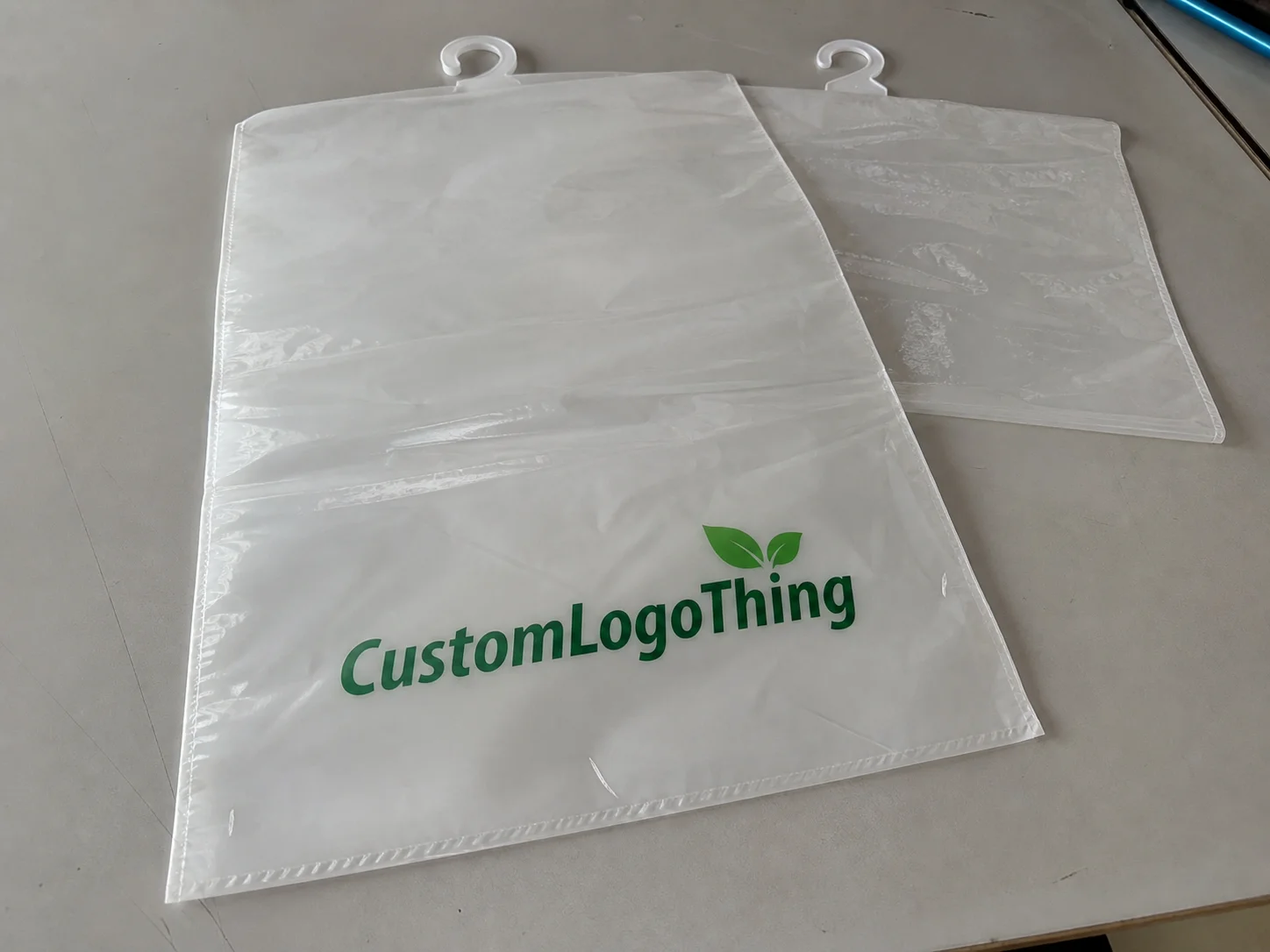
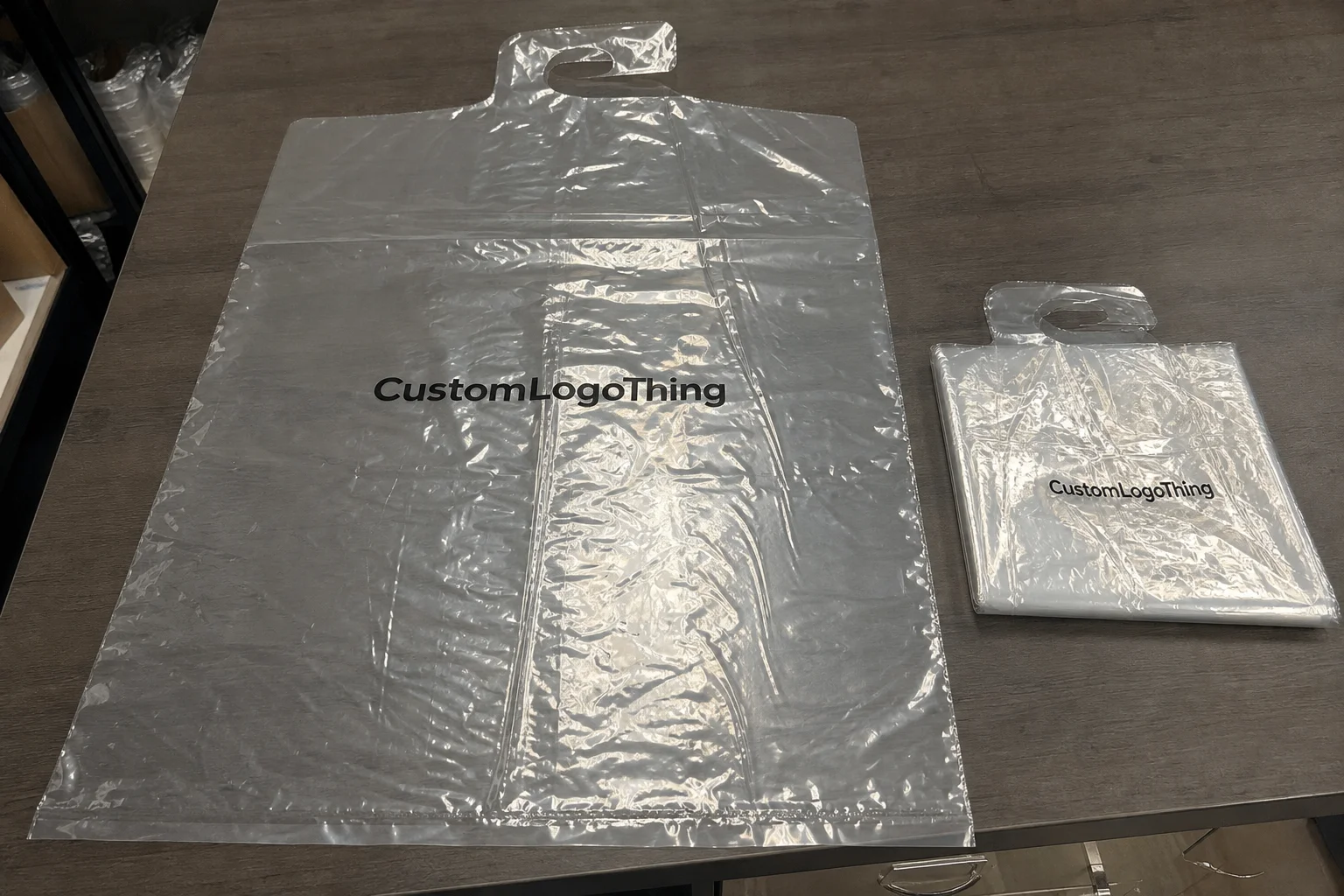
Buyer Fit Snapshot
| Best fit | sustainable packaging cost analysis report for packaging buyers comparing material specs, print proof, MOQ, unit cost, freight, and repeat-order risk where brand print, material, artwork control, and repeat-order consistency matter. |
|---|---|
| Quote inputs | Share finished size, material target, print colors, finish, packing count, annual reorder estimate, and delivery region. |
| Proofing check | Approve dieline scale, logo placement, barcode or warning zones, color tolerance, and any recyclable or compostable wording before bulk production. |
| Main risk | Vague material claims, crowded artwork, or missing packing details can create delays even when the unit price looks attractive. |
Fast answer: Sustainable Packaging Cost Analysis Report: Pricing, Specs should be specified like a repeatable production item. The safest quote includes material, print method, finish, artwork proof, carton packing, and reorder notes in one written spec.
What to confirm before approving the packaging proof
Check the product dimensions against the actual filled item, not only the sales mockup. Ask for tolerance on folds, seals, hang holes, label areas, and retail display edges. If the package carries a logo, QR code, warning copy, or legal claim, reserve that space before decorative graphics fill the panel.
How to compare quotes without losing quality
Compare board or film grade, print process, finish, sampling route, tooling charges, carton quantity, and freight assumptions side by side. A lower quote is only useful if the supplier can repeat the same color, closure quality, and packing count on the next order.
I remember standing on a factory floor in Dongguan with a clipboard in one hand and a coffee I had already forgotten in the other, watching a line of folding cartons move past an auto-folder at a pace that made everybody in the room suddenly very interested in caliper, glue pattern, and the exact behavior of recycled fiber under pressure. The boards in front of us were 350gsm C1S artboard on one pallet, and 28ECT recycled corrugated on the next, and the difference between them was visible before anyone ran a single test. That was one of those moments that really burned this into my head: the cheapest carton on paper is often the one that causes the most expensive headaches on the line. Once you add freight, waste, rework, and a few pallets of damaged goods, the sustainable packaging cost analysis report tells a very different story. That’s why a proper sustainable packaging cost analysis report is not just a quote sheet; it’s a decision tool that compares material, structure, print method, conversion speed, and shipping assumptions so buyers can make a clean, factual choice, often down to a difference of $0.07 to $0.18 per unit at 5,000 pieces.
At Custom Logo Things, I’ve seen brands save money by switching from a heavy coated board to a lighter FSC-certified paperboard, and I’ve also seen the opposite happen when a “green” spec looked lovely in a pitch deck but jammed on an auto-folder at 300 cartons per minute in a plant outside Shenzhen. Honestly, I think that sort of thing happens more often than people admit in the budget meeting, especially when the quote is built around a decorative mockup rather than a workable dieline. A credible sustainable packaging cost analysis report should show the full picture: unit cost, MOQ, pack-out efficiency, carton strength, and end-of-life impact, not just one attractive number at the bottom of a quote. If the report can’t do that, it’s more decoration than analysis, and nobody needs more expensive decoration pretending to be strategy.
Most buyers get tripped up because they compare the sticker price instead of the landed result. A good sustainable packaging cost analysis report gives you the framework to compare custom packaging options on facts: how much it costs to buy, how much it costs to ship, how much labor it takes to assemble, and how well it protects the product from the warehouse to the customer’s hands. And yes, I have watched a team celebrate a lower unit quote while ignoring the fact that the pack took twice as long to build. One subscription brand in Austin, Texas approved a mailer at $0.11 less per unit, only to discover the assembly time jumped from 9 seconds to 21 seconds per pack, which turned the “saving” into a labor bill they felt for the next three months. That meeting did not age well.
Sustainable Packaging Cost Analysis Report: Why the First Quote Is Rarely the Final Cost
The first number a buyer sees is usually the one that gets discussed in the meeting, but in the plant it is rarely the number that decides the project. A sustainable packaging cost analysis report needs to account for the hidden variables that show up after the first sample: freight class, pallet density, waste rate, machine downtime, and the extra labor it takes to hand-pack a difficult structure. I remember one cosmetics client in a Southern California warehouse who wanted a “simple” mailer; once we measured the product and tested the tuck style, the lower-cost option actually created 11% more packing labor because the inserts had to be folded by hand. That is exactly the kind of little monster that likes to hide inside a quote until everybody is already frustrated, especially when the factory is running a 12-hour shift and the fulfillment team is trying to hit a 4:00 p.m. carrier cutoff.
The practical value of a sustainable packaging cost analysis report is that it translates packaging design choices into business math. If a lighter mailer reduces dimensional weight by 0.3 lb per parcel, the savings can compound across 10,000 or 100,000 shipments, and on a DHL or UPS lane that can mean a real reduction of $0.42 to $0.78 per shipment depending on zone and service level. If a stronger corrugated shipper cuts damage claims by 2%, that can outweigh a small increase in unit cost. The report should help buyers evaluate cost per pack, cost per shipment, conversion efficiency, and end-of-life impact together, because one metric alone almost never tells the truth. Honestly, I think a lot of packaging waste starts with a spreadsheet that only had one column and a person who was too busy to ask what the rest of the journey looked like, from the plant in Dongguan to the warehouse in Phoenix to the customer’s front door.
For Custom Logo Things, the goal is straightforward. We want buyers to compare options without eco-marketing fog, and that means putting the numbers next to the specs. A solid sustainable packaging cost analysis report should explain why one structure needs a 16pt paperboard while another needs 28ECT corrugated, why soy-based inks may alter drying time by 12 to 18 hours on certain coated stocks, and why a carton that looks elegant on a shelf can still be a poor fit for a fulfillment center that runs 600 orders a day in Indianapolis. The factory doesn’t care how poetic the concept board is; it cares whether the box folds, stacks, ships, and survives.
“I’d rather have a customer ask one more question before approval than discover a pallet of avoidable waste after production.” That’s a lesson I picked up during a supplier negotiation in Dongguan, where a 0.5 mm change in board caliper altered both the print finish and the die-cut speed on a line running at roughly 1,800 sheets per hour. It was one of those afternoons where everyone nodded politely and then stared at the sample stack like it had personally betrayed them.
Good buyers think in totals. Great buyers think in totals plus risk. That is exactly the mindset a sustainable packaging cost analysis report is supposed to support, whether the project is a 3,000-unit launch or a 100,000-unit annual program.
Product Details: What Sustainable Packaging Cost Analysis Report Covers
A complete sustainable packaging cost analysis report typically covers the packaging formats most buyers are choosing between: folding cartons, rigid boxes, corrugated shippers, kraft mailers, paper bags, inserts, and labels. Each format behaves differently in production, shipping, and retail presentation. A folding carton might be perfect for a 120 ml skincare serum, while a double-wall corrugated shipper makes more sense for a subscription kit with glass bottles and refill pouches. The right answer depends on product weight, fragility, branding requirements, and whether the pack is sitting on a shelf or moving through a courier network. I’ve seen a beautiful rigid box go from “premium” to “problem” the moment it had to survive a bumpy freight lane between Ningbo and Los Angeles and a warehouse stack that was clearly designed by someone who had never met gravity.
Material choice sits at the center of the sustainable packaging cost analysis report. FSC-certified paperboard is a strong option for branded packaging when the product needs retail appeal and print detail. Recycled corrugated board performs well for Product Packaging That must survive shipping abuse. Kraft paper mailers can reduce plastic content and keep package branding simple, while molded pulp inserts are excellent for protecting irregular shapes, especially in electronics and premium cosmetics. Compostable films can be appropriate in some food and produce applications, but compostable does not automatically mean lower cost or simpler compliance. In fact, sometimes it means the exact opposite, and the procurement team is left rubbing its temples while a sales deck insists everything is “better for the planet” even though the MOQ is 20,000 units and the lead time is 6 to 8 weeks just for material allocation.
In retail packaging, appearance matters more than people admit in the budget meeting. A matte, natural kraft finish can communicate sustainability with very little ink coverage, while a richly printed folding carton with embossing and spot varnish may improve shelf impact but raise the total conversion cost. The sustainable packaging cost analysis report should show these tradeoffs clearly so the buyer sees how a visual choice affects the print bill, not just the design file. I’m not against beautiful packaging at all — quite the opposite — but beauty has to pass through the pressroom before it can sit on a shelf, and a foil-stamped panel on a 400gsm SBS board can add real time at the finishing stage in a facility near Suzhou.
Here’s a practical comparison I use when discussing options with procurement and operations teams.
| Packaging Format | Typical Material | Best Use | Relative Cost Pressure | Sustainability Notes |
|---|---|---|---|---|
| Folding carton | 300-400gsm FSC paperboard | Retail cosmetics, supplements, electronics accessories | Medium | Widely recyclable when coatings and inks are chosen well |
| Rigid box | Greyboard wrapped with paper | Premium gifts, luxury branded packaging | High | Material recovery depends on local recycling systems |
| Corrugated shipper | Recycled corrugated board | E-commerce, subscription, shipping protection | Low to medium | Strong fiber recovery, especially with uncoated kraft liners |
| Molded pulp insert | Recycled fiber pulp | Protection for bottles, jars, and devices | Medium | Good fiber recovery; tooling can raise initial cost |
| Paper mailer | Kraft or recycled paper laminate | Apparel, accessories, light e-commerce items | Low to medium | Reduced plastic use, but moisture resistance must be checked |
That table is the kind of comparison a serious sustainable packaging cost analysis report should make easy to read. One brand I worked with on the West Coast wanted rigid boxes for every SKU, but after we looked at shipment weight and warehouse handling, two of the three product families moved to FSC folding cartons with molded pulp inserts. The result was a lower landed cost and far fewer crushed corners, which is exactly the sort of outcome a buyer should expect from a useful report. I still remember one operations manager grinning at the pallet count reduction like he had personally won a small war, because shipping 14 pallets instead of 22 changed the whole receiving schedule in their Temecula warehouse.
Design details matter too. Aqueous coating can protect print while keeping recyclability better than certain heavy laminations. Soy-based inks can be a smart fit for low-coverage graphics, though drying time and color consistency still need to be watched closely, especially on a 350gsm C1S artboard moving through a plant in Dongguan or Xiamen. Embossing and spot varnish can elevate perception, but if the application is high volume, those choices should be tested against throughput and cost per pack in the sustainable packaging cost analysis report. I always remind teams that sustainability starts with suitability; if a package fails in use, it creates waste whether or not it was made from recycled fiber.
For buyers in food, cosmetics, and subscription retail packaging, the report should also explain barrier needs. A paper-based structure may be perfect for dry goods, but grease resistance, moisture protection, or tamper evidence could require a different finish or an inner liner. This is where real packaging design work separates itself from pretty mockups. A good sustainable packaging cost analysis report covers both shelf presentation and field performance, because a beautiful box that collapses in transit is not sustainable in any practical sense, especially when the route includes humid summer storage in Miami or a cold-chain handoff in Chicago.
Specifications That Affect a Sustainable Packaging Cost Analysis Report
When a buyer asks for a sustainable packaging cost analysis report, the first thing I look for is specification clarity. Dimensions, board caliper, GSM, flute type, print coverage, coating, and insert style all need to be on the table if you want apples-to-apples comparisons. A carton listed as “small” is not enough. A 102 x 65 x 32 mm folding carton made from 350gsm C1S paperboard with aqueous coating behaves very differently from a 95 x 60 x 30 mm box made from 400gsm SBS with full-coverage CMYK and matte lamination. I’ve had conversations where the difference between those two specs was treated like trivia, and then everybody acted shocked when the sample costs, setup time, and line speed all came back with opinions. In a factory in Shenzhen, even a 1 mm change in crease depth can alter folding performance by enough to affect the whole batch.
Dieline complexity is another place where costs move faster than most people expect. Extra folds, locking tabs, glue areas, windows, and unusual curves all affect cutting and converting speed. On a well-run line, a clean four-corner tray is efficient. A complex structure with internal locks can be beautiful, but it can also create a higher defect rate, more machine adjustment, and slower packing. The sustainable packaging cost analysis report should estimate those effects so the buyer understands where the money is going. If a structure looks like origami but behaves like a stubborn suitcase, that should show up in the numbers, along with the extra 3 to 5 minutes of setup each time the die is changed.
Tolerance is one of those topics procurement teams sometimes skip because it sounds minor, until the first production run shows up with a 2 mm fit issue. Tight tolerances can raise the cost because they demand more disciplined tooling and inspection, but they can also reduce spoilage and assembly errors. During a client meeting for a nutraceutical brand in New Jersey, we found that relaxing the insert tolerance by just 1.5 mm caused bottles to rattle in transit, which increased returns. The updated sustainable packaging cost analysis report made the case for a slightly tighter spec, and the extra cents per unit paid for themselves in one quarter. That was a good day in the least glamorous way possible, and it was all because the report captured the real dimensions rather than a rounded estimate.
For sustainability documentation, buyers should ask for FSC chain-of-custody when applicable, recycled content verification where the substrate supports it, and compostability claims only when they are validated against the right standard and the end-use environment. I’ve seen too many “eco” claims on samples that could not survive a compliance review. That kind of mistake is avoidable if the sustainable packaging cost analysis report lists the documents tied to each material option, including the mill name, batch reference, and certification scope where relevant.
- Dimensions: internal and external measurements in mm or inches
- Board caliper / GSM: actual thickness and paper weight
- Flute type: E, B, C, or double-wall where relevant
- Print method: offset, flexo, digital, or litho-lam
- Coating / finish: aqueous, matte, soft-touch, spot varnish
- Insert style: molded pulp, paperboard divider, foam alternative, none
- Certifications: FSC, recycled content, compostability validation where appropriate
All of those specs affect not only the quote but the way the package runs through production. A sustainable packaging cost analysis report that ignores storage footprint, carton pack-out density, or packing labor is missing real cost. In the Shenzhen facility where I reviewed corrugated lines, I watched one importer save money simply by changing the die layout so the flat sheets nested better on pallets. That single adjustment improved shipping efficiency, lowered warehouse clutter, and reduced the number of outbound cartons that needed hand-correction before dispatch. It was not glamorous, but it was absolutely the sort of improvement a supply chain team remembers, especially when the pallet count dropped from 18 to 15 on the first container load.
It is also worth separating cosmetic preferences from functional requirements. A buyer might prefer a deep black printed insert, but if that means switching to a higher ink laydown and more drying time, the report should say so. A buyer might want a fancy custom printed box with window film, but if the film disrupts recyclability in the target market, the sustainable packaging cost analysis report needs to spell out the tradeoff plainly. That level of transparency is what makes a supplier useful instead of merely polite.
Pricing & MOQ in a Sustainable Packaging Cost Analysis Report
Pricing breaks into three practical layers: prototype pricing, short-run pricing, and scale pricing. Prototype pricing covers samples, often one to ten units, and it usually includes higher setup costs because the line is not being run at production efficiency. Short-run pricing is common for product launches or limited editions, where the MOQ may still be several hundred or a few thousand units. Scale pricing is where the sustainable packaging cost analysis report starts showing the real cost benefits of volume, because the tooling, plate, and setup charges spread across more pieces. I’ve had more than one buyer look relieved when they saw where the fixed costs were hiding; weirdly, people enjoy problems a lot more once they can point at them on a chart, especially when the difference between 1,000 and 5,000 pieces changes the unit cost from $0.38 to $0.15.
The biggest cost drivers are usually raw material grade, print process, finishing, tooling, setup time, labor, and carton pack-out density. Material is only one part of the equation. A 400gsm FSC board may cost more than a 350gsm stock, but if the lighter board causes more shipping damage, the total cost can rise. A digital print run may be efficient for 500 units, while offset becomes more economical at a higher quantity. That is why a credible sustainable packaging cost analysis report should compare at least two or three options side by side, ideally with exact pricing at 3,000 pieces, 5,000 pieces, and 10,000 pieces so the breakpoints are visible instead of guessed.
MOQ expectations vary by packaging type. Printed folding cartons often start lower than rigid boxes, while molded pulp inserts may require a tooling minimum that makes sense only after the launch proves demand. Custom printed boxes usually have higher MOQ than stock packaging because the factory needs to justify plate, die-cut, and machine setup. The same applies to branded packaging with special finishes. If you want foil, embossing, or soft-touch lamination, the MOQ and the setup cost will usually move upward. That is not a penalty; it is simply how the pressroom and converting department operate in places like Dongguan, Guangzhou, and Kunshan, where machine schedules are planned to the hour.
Here is a practical pricing framework I use when reviewing a sustainable packaging cost analysis report with a buyer.
| Order Type | Typical MOQ | Cost Behavior | Best For |
|---|---|---|---|
| Prototype sample | 1-10 units | Highest unit cost, setup-heavy | Fit checks, mockups, approval rounds |
| Short-run production | 300-2,000 units | Moderate-to-high unit cost | Launches, limited editions, pilot programs |
| Production run | 3,000-10,000+ units | Lower unit cost as volume rises | Repeat SKUs, planned inventory |
| High-volume program | 20,000+ units | Best cost efficiency if specs stay stable | Established retail and e-commerce programs |
That table matters because the right MOQ depends on the product life cycle. A premium skincare line that is still adjusting formulas should not lock itself into a high MOQ rigid box until the sizing is stable. A mature consumer goods brand with predictable demand can often save more through scale. The sustainable packaging cost analysis report should help buyers decide where they are on that curve rather than force a one-size-fits-all answer, especially when a launch team only has a 90-day window and a 12-month forecast that is still being revised every Friday.
One manufacturer quote I reviewed for a subscription brand came in at $0.46/unit for 5,000 cartons, but the quote did not include the cost of hand-inserting a divider that added 14 seconds per pack. When we ran the numbers properly, the “cheaper” option increased labor enough to erase the savings. That’s the exact kind of correction a useful sustainable packaging cost analysis report is meant to catch. It’s the sort of mistake that looks tiny on paper and then somehow eats an entire afternoon of operations time, especially in a 2-shift warehouse in Dallas where every extra second gets multiplied by thousands of orders.
If a sustainable option lowers damage rate, reduces freight weight, or improves packing speed, the total landed cost can go down even if the unit cost is slightly higher. That is why I push clients to ask for a report that includes materials, production, packing, and freight assumptions. A strong sustainable packaging cost analysis report should make it obvious whether the package is saving money because of better design, better material selection, or simply a lower initial quote that hides cost elsewhere, like extra assembly labor at $18 to $24 per hour in a fulfillment center.
Clear supplier communication matters just as much. If a board grade is unstable in humid transit lanes, say so. If a compostable film costs more and has a narrower sourcing window, say so. Buyers respect clear tradeoffs. What they do not respect is discovering them after the purchase order is already approved, especially when the freight vessel is already booked out of Yantian.
Process & Timeline for a Sustainable Packaging Cost Analysis Report
The best process begins with a sharp discovery call and a spec review. From there, a sustainable packaging cost analysis report usually moves through quote, sampling, approval, production, and shipment. That sounds simple, but the quality of the input determines the speed of the output. If the buyer sends final dimensions, product weight, artwork, target budget, and sustainability requirements on day one, the report can usually be much more precise than if we are guessing around a vague brief. I’ve lost count of the number of times someone has said, “It should be about this size,” which is one of my least favorite phrases in the entire packaging trade, right after “Can we just make it greener without changing anything else?”
Sampling often happens in stages. A concept mockup helps stakeholders react to size and structure. A flat proof verifies layout and artwork placement. A press proof checks color, ink density, and line work. A structural sample confirms fit and closure. Then the pre-production approval locks the design before the factory begins full run manufacturing. A good sustainable packaging cost analysis report explains where each of these steps sits in the timeline so no one is surprised by a five-day proof round or a two-week tool adjustment. Because, trust me, nobody enjoys discovering on Thursday that Friday was never realistic, particularly when the die cutter is already scheduled and the board is arriving from Zhejiang.
Tooling and converting time vary by packaging type. Simple folding cartons can move quickly once the dieline is approved. Corrugated shippers may be turned around faster if the flute grade and print are straightforward. Rigid boxes, molded pulp, or packages with special inserts can take longer because the setup is more involved. On the line, drying or curing time, die-cutting, folding, gluing, and QC all affect the schedule. The sustainable packaging cost analysis report should spell out those steps in plain language, including a real-world timeline such as 12-15 business days from proof approval for standard folding cartons and 18-25 business days for rigid boxes with custom inserts.
Here is a realistic set of information I ask for before finalizing a sustainable packaging cost analysis report:
- Exact product dimensions and weight
- Packaging format preference, such as carton, mailer, or rigid box
- Annual volume or forecasted order quantity
- Target markets and shipping lanes
- Artwork files or branding direction
- Material preference, if any, such as FSC paperboard or recycled corrugated
- Certification needs, including FSC or recycled content claims
- Target budget and acceptable tolerance range
Timeline risk can usually be reduced by addressing color matching, certification needs, and packaging test requirements early. If a buyer needs ISTA-style shipping validation, that changes the schedule. If the brand needs a specific shade of green to match package branding across a retail line, that can add proof cycles. If the artwork needs a special finish, drying time or curing time may shift the production calendar. In my experience, most delays are not caused by manufacturing itself; they are caused by late decisions. The factory is usually ready before the email thread is, and a project that starts with a complete brief often moves from sample to shipment in 20 to 35 business days instead of 45 or more.
For buyers who want a technical benchmark, standards bodies like the International Safe Transit Association help define how transit testing should be approached, while the U.S. Environmental Protection Agency offers useful context on sustainable materials and waste reduction. A sustainable packaging cost analysis report becomes much more valuable when it aligns with these practical references instead of relying on vague claims, especially when the report is being reviewed by procurement, operations, and compliance in the same week.
One of the better client conversations I had was with a food brand that wanted to launch in six weeks. The original brief assumed one proof round, but the material they picked needed moisture-resistance checks and an updated glue spec for a plant in Foshan. We reset the schedule, trimmed the artwork complexity, and the revised sustainable packaging cost analysis report gave them a production plan they could actually execute. The launch went out on time, and more importantly, the packaging held up in transit and in the warehouse. That was a rare and deeply satisfying afternoon.
Why Choose Us for Your Sustainable Packaging Cost Analysis Report
Factory-floor experience changes how cost is interpreted, and that is exactly why buyers come to Custom Logo Things for a sustainable packaging cost analysis report. I have stood next to folder-gluers when a flute choice slowed the line, watched cartons buckle because a board spec was too light for the product weight, and negotiated material substitutions when fiber supply tightened. That kind of practical knowledge helps us make better recommendations, not just prettier ones. It also saves everybody from those painful moments where a spec looks perfect in the PDF and then behaves like a very expensive mistake once it meets a real machine on a Tuesday morning in Dongguan.
We coordinate across corrugated converting, carton making, paperboard printing, die-cutting, and finishing so the report reflects what can actually be produced without drama. If a design is elegant but hard to manufacture, we will say that plainly. If a simpler structure improves conversion efficiency and reduces waste, we will say that too. A dependable sustainable packaging cost analysis report should help you control cost, protect the product, and support the brand without building hidden headaches into the spec, whether you are ordering 2,000 units or 50,000 units.
Transparency matters just as much as capability. Buyers need clear specifications, workable MOQ guidance, and honest tradeoffs between appearance and cost. I would rather tell a client that a soft-touch finish adds measurable cost than let the project drift into surprise fees later. A strong sustainable packaging cost analysis report gives teams the confidence to approve a package because they understand the logic behind it, and because the numbers are tied to actual board grades, print methods, and production steps rather than broad promises.
We also pay attention to manufacturability. That means designing for the actual line, not for a rendering. If a custom printed box will be folded by hand, we keep the assembly simple. If a mailer has to survive a courier network, we look at edge crush and closure reliability. If a retail package needs to stack neatly on shelf trays, we test the footprint and panel stability before the run. These details are not glamorous, but they are the difference between a package that sells and a package that causes returns, especially when the cartons move through a 3PL in Columbus or a retail distribution center near Atlanta.
For buyers comparing suppliers, our approach is straightforward: facts first, pricing second, and sustainability claims only when the material and documentation support them. That is the kind of discipline a serious sustainable packaging cost analysis report deserves, and it is the standard we use whether the request comes from a startup in Portland or a global brand sourcing through Guangdong.
Next Steps: How to Request a Sustainable Packaging Cost Analysis Report
If you want an accurate sustainable packaging cost analysis report, send the basics first: product dimensions, packaging type, annual volume, destination markets, and branding goals. If you already have artwork, include it. If you have target materials in mind, list them. If you have a hard budget, say that too. The more specific the input, the more useful the comparison, and the faster we can get from rough estimate to a useful spreadsheet with actual numbers like $0.15 per unit for 5,000 pieces or $0.29 per unit for a 2,000-piece short run.
I also recommend asking for two or three material options in the same report. That side-by-side view makes it easier to compare price, performance, and sustainability attributes without relying on guesswork. A good sustainable packaging cost analysis report should show whether recycled corrugated, FSC paperboard, or molded pulp makes the most sense for your product and your distribution model, and it should include the exact material spec, such as 400gsm SBS, 28ECT corrugated, or a molded pulp insert made from 100% recycled fiber sourced through a facility in Jiangsu.
Ask for a landed-cost view that includes materials, production, packing, and freight assumptions. Then review the quote internally against unit price, damage rate, assembly labor, and retail presentation impact. A package that costs one cent less but increases pack time by eight seconds may not be a win. A package that costs a little more but cuts damage claims and improves shelf appearance may be the better investment. That balance is what the sustainable packaging cost analysis report is meant to clarify, especially when the project will ship through multiple regions and the freight bill is split across domestic and international lanes.
From there, move from rough estimate to production-ready spec. Lock dimensions, confirm material availability, approve the dieline, verify sustainability documentation, and schedule sampling before the final order. That sequence keeps the project moving and prevents expensive changes after the line has already been booked. If you’re ready to compare custom packaging options with clear numbers, Custom Packaging Products is a strong place to start, because the best decisions usually come from seeing the options laid out side by side and then checking them against a real factory timeline of 12-15 business days for standard cartons or 18-25 business days for more complex builds.
When buyers treat the sustainable packaging cost analysis report as a working tool rather than a marketing document, they make better choices. They buy packages that fit the product, fit the budget, and fit the route the product actually travels. That is the kind of practical outcome I have seen repeatedly on factory floors, in client meetings, and in supplier negotiations from Dongguan to Southern California, and it is the reason a well-built sustainable packaging cost analysis report continues to matter long after the first quote arrives.
What is a sustainable packaging cost analysis report?
A sustainable packaging cost analysis report is a structured comparison of packaging options that weighs unit price, MOQ, materials, print method, conversion efficiency, freight assumptions, and end-of-life considerations. It helps buyers see the landed cost of a package rather than relying on the first quote alone. For teams evaluating custom packaging, this report can reveal whether a lighter FSC board, recycled corrugated shipper, or molded pulp insert is the most practical fit for the product and the distribution path.
FAQs
What should be included in a sustainable packaging cost analysis report?
A useful sustainable packaging cost analysis report should include material type, structure, print method, finishing, MOQ, tooling, and freight assumptions. It should also compare unit cost against damage reduction, assembly labor, and shipping efficiency so buyers can see the full landed picture, not just the quote per piece. If the report includes exact specs like 350gsm C1S artboard or 28ECT corrugated board, it becomes much easier to compare suppliers in Shenzhen, Dongguan, or Ningbo on equal footing.
How do sustainable packaging materials affect pricing?
Recycled or certified materials can cost more or less depending on availability, thickness, and converting difficulty. In practice, the biggest pricing shift often comes from print coverage, structural complexity, and order volume rather than sustainability alone, which is why a sustainable packaging cost analysis report should compare several options side by side. For example, a 5,000-piece run on FSC paperboard may land at $0.15 to $0.32 per unit, while a rigid box with wrapped greyboard can move much higher depending on finish and insert style.
What MOQ is typical for custom sustainable packaging?
MOQ depends on the format, and printed cartons, mailers, and rigid boxes often have different minimums. Short-run prototype orders are possible, but production pricing usually becomes more efficient as quantity increases. A detailed sustainable packaging cost analysis report should show where your volume sits relative to those breakpoints, such as 1-10 units for samples, 300-2,000 units for short runs, and 3,000-10,000+ units for production pricing.
How long does it take to complete a sustainable packaging cost analysis report and move into production?
Basic analysis can be prepared quickly once dimensions, artwork, and material goals are confirmed. Sampling, approval, and production timelines vary based on structure complexity, print method, and certification requirements, so the best sustainable packaging cost analysis report is one built from complete input, not assumptions. For standard folding cartons, production typically runs 12-15 business days from proof approval, while more complex rigid or insert-based packaging can take 18-25 business days.
Can a sustainable packaging cost analysis report help reduce total landed cost?
Yes, because a lower-weight or better-fitting pack can reduce freight, damage, and labor costs even if the unit price is slightly higher. A good sustainable packaging cost analysis report compares total cost, not just the quote per piece, and that is where the real savings often appear. On a 10,000-unit shipment, even a $0.04 reduction in freight-related Cost Per Unit can add up quickly, especially when the packages are shipping from a factory in Guangdong to multiple U.S. distribution centers.