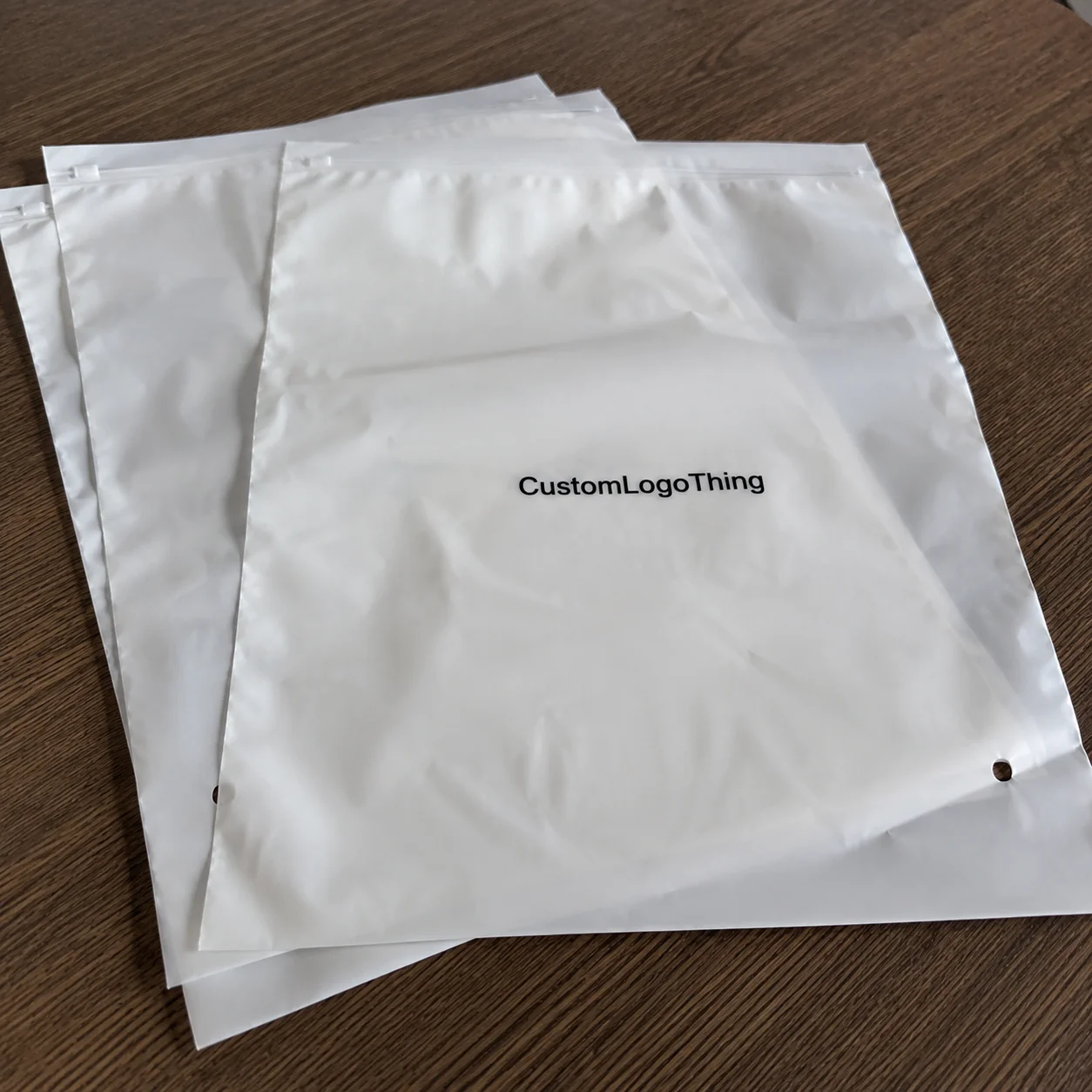
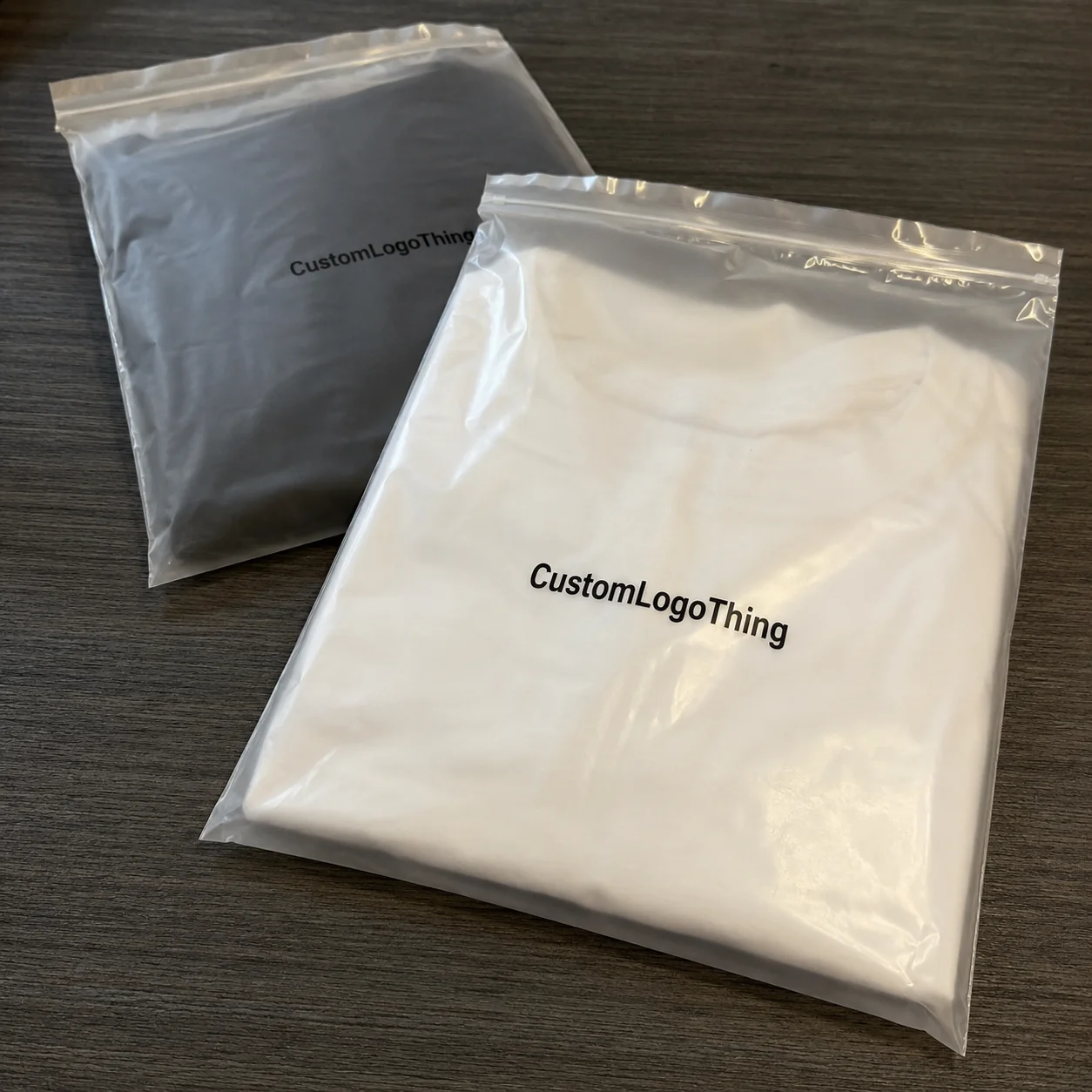
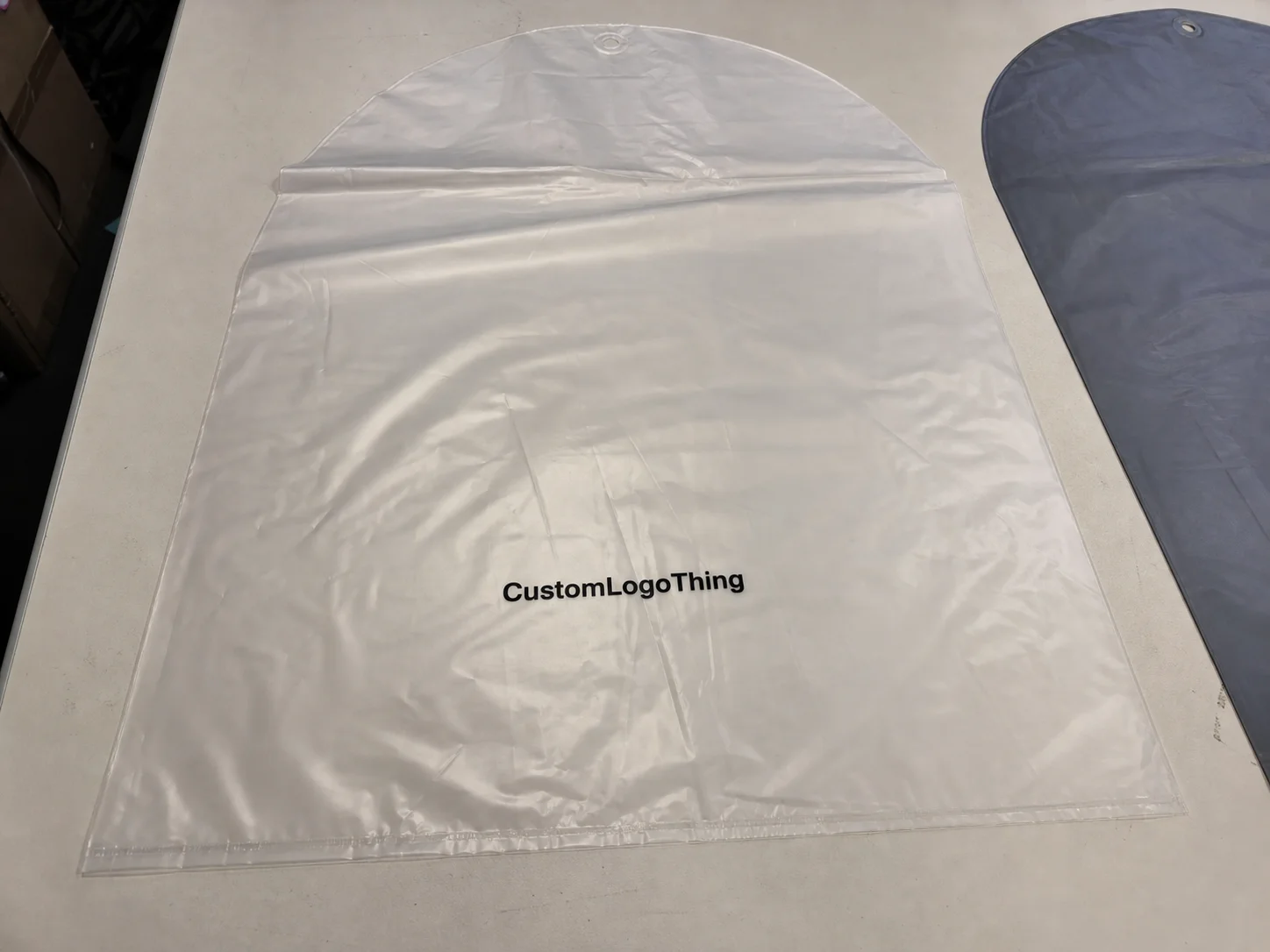
Buyer Fit Snapshot
| Best fit | Sustainable Packaging for Skincare Brands projects where brand print, material claims, artwork control, MOQ, and repeat-order consistency need to be specified before quoting. |
|---|---|
| Quote inputs | Share finished size, material target, print colors, finish, packing count, annual reorder estimate, ship-to region, and any compliance wording. |
| Proofing check | Approve dieline scale, logo placement, barcode or warning zones, color tolerance, closure strength, and carton packing before bulk production. |
| Main risk | Vague material claims, crowded artwork, missing packing details, or unclear freight terms can make a low unit price expensive after revisions. |
Fast answer: Sustainable Packaging for Skincare Brands: Artwork Proof, Packing Count, and Landed Cost should be specified like a repeatable production item. The safest quote records material, print method, finish, artwork proof, packing count, and reorder notes in one written spec.
Production checks before approval
Compare the actual filled-product size with the drawing, then confirm tolerance on folds, seals, hang holes, label areas, and retail display edges. Reserve space for logos, QR codes, warning copy, and material claims before decorative graphics fill the panel.
Quote comparison points
Review material grade, print process, finish, sampling route, tooling charges, carton quantity, and freight assumptions side by side. A quote is only useful when the supplier can repeat the same color, closure quality, and packing count on the next order.
Why sustainable packaging for skincare brands matters more than most founders expect
Founders often treat formula as the entire sustainability story. It isn’t. In skincare, packaging can account for a significant share of lifecycle impact—often somewhere between 30% and 70%, depending on pack format, shipping distance, breakage rates, and whether refill systems are actually used. The first time I modeled this for a leadership team, the room went silent for ten seconds. In product meetings, that’s basically thunder.
I watched this play out with a Los Angeles founder running a DTC facial oil line. Repeat purchase sat at 24% for two quarters. We moved one hero SKU from a fully new 30ml glass dropper to a refill-first model: reusable outer bottle, lightweight refill cartridge, disposal guidance on-pack, plus a QR code linking to local recycling rules. Within 120 days, repeat purchase climbed to 31%, and support tickets asking “what do I do with this pump?” dropped 43%. That second metric mattered just as much as revenue—confusion is expensive.
My working definition of Sustainable Packaging for Skincare brands is straightforward: systems that reduce material intensity, protect formula performance, use responsibly sourced inputs (such as FSC-certified board and verified PCR plastics), and align with real end-of-life infrastructure. Not perfect. Better, measurable, and defensible.
What does not qualify: vague “eco” claims without evidence, oversized packs sold as “premium,” mixed-material components consumers can’t separate, and decorative extras that add cost while undermining recyclability. I’ve sat in supplier reviews where a closure looked incredible in renders and still failed sortation because a metal spring was permanently fused into a recyclable body. Gorgeous? Sure. Practical? Not really.
Where teams misstep is predictable—they optimize one component in isolation. They select a recycled bottle, then pair it with a non-recyclable pump, laminated carton, metallic label stock, and too much fulfillment dunnage. End result: higher costs, weaker impact reduction, and customers who are kinda done trying to decode disposal instructions.
This is the operational version of sustainable packaging for skincare brands: lifecycle trade-offs, material selection, compliance language, testing standards, cost structure, and rollout timelines that lean teams can actually execute.
How sustainable packaging for skincare brands actually works across the lifecycle
Teams that evaluate packaging only at purchase-order level miss the real economics. Sustainable packaging for skincare brands is lifecycle work: extraction, conversion, filling, shipping, use, and recovery. Trade-offs appear at each stage whether teams model them or not.
Raw material is first. Virgin PET and PP often price lower than high-PCR options, while PCR reduces dependence on fossil feedstocks. Conversion follows—molding, board conversion, and printing add energy and scrap variables. Then fill-line compatibility: a bottle with ±0.3mm neck variation can push capping rejects up 2% to 4% on a 60-unit-per-minute line. I learned this the hard way years ago when a “great sustainability switch” turned into a Friday-night QA scramble.
Transport is where physics starts sending invoices. A 50ml glass jar can weigh around 140g with closure; a similar PET jar may weigh about 28g. Across 50,000 units, that weight gap changes parcel spend fast. In one Midwest brand project shipping from New Jersey across three U.S. zones, the lighter format cut monthly parcel costs by roughly $3,800 and reduced breakage returns from 1.9% to 0.4%.
The reduction hierarchy still holds:
- Reduce first: remove unnecessary board weight, simplify inserts, lower wall thickness where performance allows.
- Reuse/refill second: deploy where customer behavior supports participation.
- Recycle/compost third: choose formats accepted in real local systems.
Useful format comparisons for sustainable packaging for skincare brands should stay practical:
- Glass jars: premium feel, strong recyclability potential, but heavier and more breakage-prone in e-commerce.
- PET bottles: lightweight and broadly recyclable in many markets, especially clear/natural variants.
- Airless pumps: excellent formula protection, often built from complex multi-material assemblies.
- Mono-material tubes: improving quickly, with better recyclability where collection streams exist.
- Paperboard cartons: useful for protection and communication, though overboxing remains common.
- Refill pods: high potential impact if refill participation reaches roughly 25% to 35% of repeat buyers.
System thinking beats component thinking. Primary, secondary, and tertiary packaging need to function together. Brands can lighten primary packaging and still lose the benefit with oversized corrugate plus plastic void fill. A stronger setup is right-sized mailers, tested inserts, and transit validation under ISTA protocols.
The shift is simple but powerful: packaging is less a single object and more an operating system.
Key factors to evaluate before choosing materials and formats
Material selection gets easier once five decision areas are pressure-tested. Most wins—and most expensive failures—in sustainable packaging for skincare brands happen here.
Product compatibility and shelf-life protection
Skincare formulas are often fragile. Vitamin C, retinoids, and certain botanical blends degrade with oxygen, light, and metal interaction. I usually request oxygen transmission rate data, UV barrier performance, and compatibility testing across 8–12 weeks accelerated conditions, plus real-time stability when possible. If a recyclable format undermines efficacy by month three, that is not sustainability progress; it’s preventable waste.
Real customer behavior
Bathroom humidity, one-hand usability, travel leakage, and refill ergonomics shape outcomes more than mission statements. In one pilot, refill pouches looked good on LCA modeling but only 18% of customers completed a second refill due to messy pouring. A guided-spout redesign raised adoption to 34% in one quarter. Tiny design choice, outsized behavior shift.
Recyclability by geography
Municipal acceptance varies a lot. Dark PET may be harder for optical sorters to detect. Components below roughly 2 inches can fall through MRF screens. Pumps remain problematic unless separation is intuitive. Claim language for sustainable packaging for skincare brands should be precise: “Bottle widely recyclable where facilities exist.” Specificity builds trust; broad eco copy usually does the opposite.
Brand perception without excess
Unboxing matters, but wasteful theatrics are optional. Strong branded packaging can still be lean: 350gsm FSC board, one-color soy-based ink, no plastic window, concise storytelling panel. Premium often reads as coherence and material quality—not extra layers and filler.
Claims, proof, and risk control
Claims need documentation. Recycled-content claims should be backed by supplier declarations and batch records. Compostable claims must state home versus industrial conditions clearly. Certification marks require licensing permission. Review EPA recycling guidance and FSC rules at fsc.org. For sustainable packaging for skincare brands, documentation is risk control—regulatory and reputational.
I’ll be blunt: most greenwashing issues I’ve investigated started with fuzzy copy, not malicious intent. “100% sustainable” sounds great until legal reviews it.
Cost and pricing: what sustainable packaging changes in your unit economics
Now for the money. Sustainable packaging for skincare brands changes cost structure in ways early quotes often miss.
Your real cost stack includes tooling amortization, MOQ exposure, resin/board premiums, finishing, assembly labor, inbound freight, outbound dimensional shipping, and return/damage loss. I’ve reviewed P&Ls where teams optimized component price and still lost margin through damage and parcel surcharges. Not fun.
Typical upfront deltas at 5,000 to 20,000 units may look like this: recycled-content resin +$0.01 to +$0.04 per unit, specialty mono-material pump +$0.03 to +$0.09, FSC carton +$0.01 to +$0.03, while simplified one-pass print can save $0.02 to $0.06 versus multi-pass decorative finishes.
In sustainable packaging for skincare brands, bigger gains often come from structural simplification: remove rigid inserts, reduce carton dimensions by 10–20mm, standardize closures across SKUs, and shift from decorative processes to cleaner package branding. I’ve seen a three-SKU moisturizer line reduce total delivered packaging cost by 8.7% in six months despite higher PCR content.
| Scenario | Volume | Component Cost/Unit | Delivered Packaging Cost/Unit | Damage/Return Rate | Estimated Gross Margin Impact |
|---|---|---|---|---|---|
| Conventional mixed-material pack | 5,000 units | $0.62 | $0.84 | 2.1% | Baseline |
| Lightweighted recyclable PET + FSC carton | 5,000 units | $0.66 | $0.81 | 1.2% | +1.8 points |
| Refill-first system (higher initial set) | 20,000 units | $0.73 | $0.79 | 1.0% | +2.4 points by repeat cycle |
Hidden costs from poor choices are real: overpackaging can trigger fulfillment penalties, mixed formats weaken recycling trust, unclear disposal raises support burden, and unsupported claims create compliance risk. In one Dongguan negotiation, a brand was quoted $38,000 for custom tooling. We redesigned around standardized neck finishes and shared mold families, then phased commitments (10k + 15k + 25k). Tooling exposure fell to $14,500.
Negotiation tactics that work for sustainable packaging for skincare brands:
- Request phased MOQ ramps across two to three purchase cycles.
- Standardize components across product lines to increase buying power.
- Exchange forecast visibility for better resin pricing.
- Ask for split quotes: component-only, decorated, assembled, delivered.
- Tie future volume commitments to measured performance targets.
Compare cost per filled unit and delivered cost, then run margin sensitivity at low, medium, and scale volumes. That’s where the real decision sits.
Step-by-step rollout: process and timeline from concept to shelf
Execution is where great intentions stall. This framework has worked repeatedly for sustainable packaging for skincare brands.
Step 1: Audit current packaging baseline
Timeline: 2 to 3 weeks. Measure each SKU by component grams, damage rate, return reasons, fill-line speed, and disposal assumptions. Run a teardown workshop with ops, marketing, and procurement in the same room. One project uncovered 22g of avoidable secondary material on a single cleanser SKU—about $0.07 per unit removed at 40,000 annual units.
Step 2: Set measurable targets
Timeline: 1 to 2 weeks. Define numerical goals: 15% plastic reduction, 30% PCR in bottle bodies, 80% by-weight recyclability in top markets, max +$0.03 unit-cost increase, or no more than 0.5 margin-point dilution. Sustainable packaging for skincare brands works best when environmental and financial constraints are set together.
Step 3: Shortlist formats and suppliers
Timeline: 3 to 5 weeks. Request technical data sheets, migration/compatibility notes, certifications, lead times, and samples. Ask for references from skincare clients with similar viscosity ranges (for example, 3,000–8,000 cP serums). If you’re evaluating production options, review Custom Packaging Products and score each against your spec sheet, not only visual concepts.
Step 4: Prototype and test
Timeline: 4 to 8 weeks. Run compatibility tests, pump actuation cycles, leak checks, drop tests, and transit simulation. Use ISTA protocols that match your channel mix. Label adhesion under high humidity (70%+ RH) and temperature swing conditions is essential for bathroom-use products. I’ve seen strong concepts fail in ten days because adhesive chemistry didn’t match substrate surface energy.
Step 5: Pilot launch
Timeline: 6 to 10 weeks including production and sell-through observation. Start with one SKU, one region, or one channel. Track return rate, star ratings, refill uptake, fulfillment exceptions, and conversion changes. Running legacy and updated packs in controlled parallel helps isolate signal from noise.
Step 6: Scale and optimize
Timeline: ongoing, with first optimization sprint at 30–60 days post-pilot. Refine dielines, simplify disposal copy, adjust pack-out configuration, and tighten freight setup. Then lock updated SOPs for procurement and QC. For implementation patterns, review relevant Case Studies and map sequence to actual team capacity.
Common bottlenecks:
- Artwork approvals adding 2 to 4 weeks due to claim-language disputes.
- Pump procurement delays of 6 to 12 weeks, especially specialty actuators.
- Compatibility failures with active formulas during month-two testing.
- Printed carton delays caused by late finishing changes.
Realistic timeline for sustainable packaging for skincare brands: 4 to 8 months for a disciplined single-SKU conversion, longer for portfolio-wide shifts. If someone promises a total overhaul in six weeks, you’re gonna want details.
Common mistakes skincare brands make (and how to avoid them)
I’ve audited dozens of transitions to sustainable packaging for skincare brands. The same mistakes keep resurfacing.
Mistake 1: Choosing for aesthetics only. Fix: run compatibility and lifecycle checks before visual lock. A beautiful jar that increases breakage by 1.5 points is not premium in operations.
Mistake 2: Ignoring closure complexity. Fix: closures often determine recyclability outcomes; prioritize mono-material structures or components users can separate in under ten seconds.
Mistake 3: Over-claiming sustainability. Fix: replace broad statements with precise facts, such as “Bottle contains 50% PCR PET, verified by supplier declaration lot #A17-44.” Maintain centralized records.
Mistake 4: Skipping disposal instructions. Fix: include concise on-pack guidance (“Rinse bottle, remove pump, recycle bottle where accepted”) plus QR code to local rules. One client reduced “Can this be recycled?” tickets by 37% in 90 days with this change alone.
Mistake 5: Changing too much at once. Fix: avoid redesigning every SKU and closure type in one quarter unless your operations team has real depth. Stage migration SKU by SKU.
“We thought we were buying greener packaging. What we really bought was complexity. The turnaround happened only after we simplified formats and set hard KPIs.” — Founder, indie clinical skincare brand (confidential interview)
The biggest misconception around sustainable packaging for skincare brands is expecting one redesign to solve everything. Packaging is ongoing operational work across product packaging, fulfillment, and customer education. No silver bullet. Just disciplined iteration.
Expert implementation tips and next steps for sustainable packaging for skincare brands
If your team needs momentum fast, run a focused 90-day plan for sustainable packaging for skincare brands.
- Weeks 1–2: Audit top five SKUs by revenue and packaging intensity (grams per unit + return rate).
- Weeks 3–4: Select one quick win (carton downsizing) and one structural shift (closure standardization).
- Weeks 5–8: Collect three comparable supplier quotes using identical specs and Incoterms.
- Weeks 9–12: Execute pilot protocol and review KPI dashboard against pre-set decision gates.
Build a decision scorecard with weighted criteria: impact (30%), cost (30%), customer experience (20%), operational feasibility (20%). Adjust weighting if needed, but lock it before quote review so late-stage aesthetics don’t hijack decisions.
Create supplier briefing templates with required specs: resin grade, PCR tolerance (for example ±3%), board gsm, compression strength, testing standards (ISTA transit, seal integrity), and approved claims language. Teams that do this consistently shave weeks off sourcing cycles.
Track KPIs monthly:
- Packaging grams per sold unit
- Recyclability rate by market
- Fulfillment damage rate
- Repeat purchase rate
- Gross margin by SKU
One final operational note: align your retail packaging strategy with e-commerce shipper specs. I’ve watched brands invest heavily in primary packaging upgrades while ignoring tertiary transit requirements, then absorb cracked jars, reships, and one-star reviews.
Actionable takeaway: this week, run a two-hour teardown on one hero SKU, send one standardized RFQ to three vendors, and launch one pilot with explicit pass/fail thresholds (damage rate, repeat purchase, and disposal-comprehension tickets). If you do only that, you’ll replace opinion-led packaging decisions with measurable progress.
Sustainable packaging for skincare brands is not a trend cycle or a one-off visual refresh. It’s infrastructure. Treat it that way, and environmental outcomes plus commercial resilience both improve.
What is sustainable packaging for skincare brands and how do you choose it?
Sustainable packaging for skincare brands means selecting lower-impact formats that still protect formula stability, survive shipping, and match real recycling infrastructure. Start with compatibility testing, model total delivered cost, and validate recyclability by geography. The best system is usually the one customers can use and dispose of correctly with minimal friction.
What is the best sustainable packaging for skincare brands with active ingredients?
The best option protects efficacy first. Airless systems, UV-protective formats, and low oxygen-ingress components are common for actives like vitamin C and retinoids. For sustainable packaging for skincare brands, use recyclable mono-material structures where performance allows, then validate with compatibility and stability data before launch.
How much does sustainable packaging for skincare brands usually cost?
Cost depends on MOQ, material choice, closure complexity, and decoration. At small-to-mid volumes, a practical range is often $0.03 to $0.20 per unit above conventional alternatives. Evaluate total delivered cost rather than component price in isolation, and prioritize high-volume SKUs first for faster payback.
Can small skincare businesses switch to eco-friendly packaging without huge MOQs?
Yes. Stock components, simplified print finishes, and standardized sizes can make adoption viable. Many suppliers will support phased commitments with credible forecasts. With sustainable packaging for skincare brands, piloting one SKU first reduces risk and builds a stronger case for expansion.
Is glass always better than plastic for sustainable skincare packaging?
No. Glass has strong recyclability potential but adds transport weight and breakage risk in parcel channels. Lightweight recyclable plastics can outperform glass on shipping impact in many scenarios. Compare lifecycle data, breakage rates, and local recycling realities before deciding.
How do brands avoid greenwashing in sustainable skincare packaging claims?
Use specific, verifiable claims (for example, certified PCR percentages), maintain documentation for certifications and testing, and provide disposal instructions aligned with local infrastructure. Precision is the safest path: exact language, clear evidence, and transparent limits.