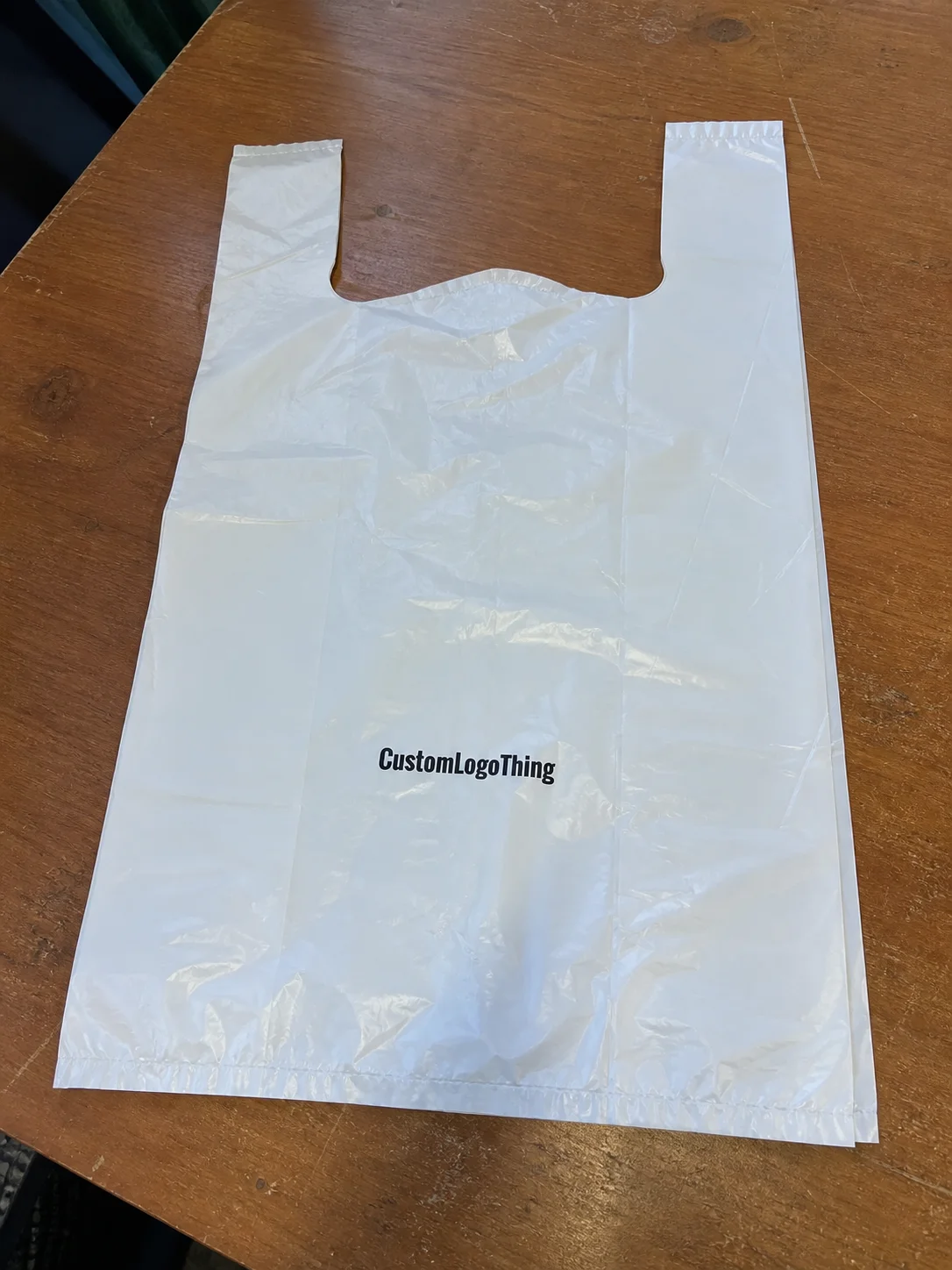
Buyer Fit Snapshot
| Best fit | Sustainable Poly Mailers Made from Sugarcane projects where brand print, material claims, artwork control, MOQ, and repeat-order consistency need to be specified before quoting. |
|---|---|
| Quote inputs | Share finished size, material target, print colors, finish, packing count, annual reorder estimate, ship-to region, and any compliance wording. |
| Proofing check | Approve dieline scale, logo placement, barcode or warning zones, color tolerance, closure strength, and carton packing before bulk production. |
| Main risk | Vague material claims, crowded artwork, missing packing details, or unclear freight terms can make a low unit price expensive after revisions. |
Fast answer: Sustainable Poly Mailers Made from Sugarcane: Film, Print, MOQ, and Carton Packing should be specified like a repeatable production item. The safest quote records material, print method, finish, artwork proof, packing count, and reorder notes in one written spec.
Production checks before approval
Compare the actual filled-product size with the drawing, then confirm tolerance on folds, seals, hang holes, label areas, and retail display edges. Reserve space for logos, QR codes, warning copy, and material claims before decorative graphics fill the panel.
Quote comparison points
Review material grade, print process, finish, sampling route, tooling charges, carton quantity, and freight assumptions side by side. A quote is only useful when the supplier can repeat the same color, closure quality, and packing count on the next order.
Sustainable Poly Mailers made from sugarcane caught my attention the first time I saw them stacked beside a conventional polyethylene mailer on a packing line in Shenzhen’s Longhua district. The two looked almost identical. Same glossy finish. Same water resistance. Same quick seal. Yet one had a feedstock story rooted in sugarcane, which is why Sustainable Poly Mailers Made from sugarcane have become a serious topic in shipping, retail, and DTC fulfillment.
That similarity is exactly the point. Brands want lower-carbon packaging without giving up tear strength, transit speed, or the ability to survive a rainy doorstep in Guangzhou, Dallas, or Manchester. In practice, Sustainable Poly Mailers made from sugarcane can offer a more renewable input stream while keeping the familiar performance profile that operations teams already trust. “Bio-based” is not the same thing as “compostable,” and that distinction has caused more confusion in supplier meetings than I can count. Honestly, I’ve had people nod like they understood and then ask five minutes later if the mailer will “turn into dirt.” No. No, it will not.
I’ve sat in a room with a subscription brand founder who assumed a plant-based mailer would dissolve in a backyard compost pile in Austin by next Tuesday. It won’t, at least not in any honest, universal sense. I’ve also watched a fulfillment manager in Dongguan reject a cheaper alternative because the seam split on a 1.6 kg return order after only two drops from 1.2 meters. That is the real story here: Sustainable Poly Mailers made from sugarcane have to earn their place in transit, not just on a marketing slide. The package has to survive the truck, the porch, and the intern who throws it into the bin like it personally offended him.
Packaging is often the first sustainability decision a customer can actually see. If your outer mailer says one thing and your website says another, the mismatch is obvious. So this piece breaks down how sustainable poly mailers made from sugarcane work, what to verify on the spec sheet, what they usually cost, and how to avoid the kind of greenwashing that triggers buyer skepticism fast.
Sustainable Poly Mailers Made from Sugarcane: Why They’re Getting Attention
The surprising fact is simple: sugarcane can be converted into polyethylene, the same basic polymer family used in many conventional plastic mailers. That means sustainable poly mailers made from sugarcane can look, feel, and perform much like standard poly mailers because they often are built on a polyethylene structure. The difference sits upstream, in the feedstock. Instead of fossil-derived ethylene, the material begins with a renewable plant source grown in regions like São Paulo state in Brazil or parts of Thailand.
Honestly, I think that is why buyers are paying attention now. They are tired of packaging choices that force them into an awkward tradeoff: a pretty but fragile compostable mailer, or a durable plastic mailer with a poor story. Sustainable poly mailers made from sugarcane sit in a more practical middle ground for many operations. They can still offer water resistance, decent puncture resistance, and the kind of high-speed sealing that keeps fulfillment lines moving at 30, 60, or even 100 parcels per minute, depending on the setup.
Here’s where terminology gets messy. A mailer can be bio-based without being compostable. It can be partially renewable without being recyclable everywhere. It can also be marketed as “eco” in a way that tells you almost nothing useful. With sustainable poly mailers made from sugarcane, the claims need to be specific: what percentage of the resin is bio-based, what testing standard was used, and what disposal stream the supplier is actually recommending. A supplier in Ho Chi Minh City can say “green” all day; numbers are what matter.
When I visited a regional packout center outside Shanghai, a buyer showed me three different mailers labeled with words like “green,” “earth-friendly,” and “plant derived.” None of those labels meant much on their own. What mattered was film thickness, seal strength, and whether the customer’s local waste stream could actually handle the material. That’s the real test for sustainable poly mailers made from sugarcane: not how clever the label sounds, but whether the package holds up in the truck and makes sense after delivery.
The business case is also larger than the packaging itself. If your brand ships 50,000 parcels a month, the mailer becomes a visible, recurring statement. A customer may never inspect your corrugate box spec or your fulfillment SLA, but they will feel the mailer in their hand. That is why sustainable poly mailers made from sugarcane can influence both operational and brand outcomes. It’s a small object with an outsized footprint in customer perception, especially in markets like Los Angeles, Toronto, and Berlin where packaging gets noticed fast.
For readers who want a broader procurement view, I often recommend comparing outer packaging alongside other materials in your stack. Custom Packaging Products can help you map the entire unit economics picture, while Custom Poly Mailers is a useful benchmark when you’re comparing standard and renewable-film options side by side. If you’re comparing structure, think in real specs too: 60-micron film, 2.5 mil equivalent gauge, and a 3.5 cm adhesive strip are easier to evaluate than a vague “premium” claim.
“The mistake brands make is treating sustainability like a slogan instead of a specification sheet. If the numbers aren’t clear, the claim isn’t clear.”
That quote came from a procurement lead I worked with on a fashion rollout in Shenzhen, and it still holds up. The more I see sustainable poly mailers made from sugarcane enter the market, the more I think the winners will be the brands that ask sharper questions, not the ones that buy the loudest marketing pitch.
How Sustainable Poly Mailers Made from Sugarcane Work
The process starts with sugarcane, which is processed into ethanol. That ethanol is then converted into ethylene, and ethylene can be polymerized into polyethylene resin. In plain English, the plant is turned into a chemical building block, and that building block is then used to make a polymer very close to what the packaging industry already knows. That is why sustainable poly mailers made from sugarcane can behave so much like conventional poly mailers during production and shipping.
This matters because many buyers assume the material must be soft, fragile, or compostable just because it came from a plant. Not true. A sugarcane-derived polyethylene mailer can still have strong tensile performance, good moisture resistance, and stable seal integrity. The feedstock is renewable; the functional behavior is still polyethylene-like. That distinction is the core of sustainable poly mailers made from sugarcane.
I once handled samples with a contract manufacturer in Dongguan that was testing several film gauges on a garment order. The 50-micron version held up well against abrasion and courier handling; the 35-micron version looked fine until we tested a pointed zipper pack against it and saw a small puncture near the fold. The lesson was obvious: renewable input does not cancel physics. If the product has a sharp edge, you still need the right gauge. That applies directly to sustainable poly mailers made from sugarcane.
Performance features that actually matter
When evaluating sustainable poly mailers made from sugarcane, focus on the same four performance traits you’d use for any shipping mailer:
- Moisture resistance: critical for last-mile handling, especially in humid regions like Shenzhen, Singapore, or Miami.
- Puncture resistance: especially important for boxed cosmetics, accessories, and hard-edged items that arrive in 180 x 120 x 60 mm cartons.
- Seal integrity: a weak adhesive strip can ruin an otherwise good product, even on a 500-gram parcel.
- Print compatibility: matters if you want a sharp logo, QR code, or return instructions on a 1-color or 2-color run.
In a supplier negotiation I sat in on, a brand insisted on a matte black printed finish because they wanted a premium unboxing feel. The supplier pushed back, not because the print was impossible, but because the finish would raise cost by $0.03 to $0.05 per unit and extend lead time by four business days. That is the kind of detail buyers need to hear. Sustainable poly mailers made from sugarcane are not magic; they sit inside the same supply-chain constraints as everything else. The material is renewable. The factory still has calendars. Annoying, I know.
You should verify documentation. Ask for a technical data sheet, a certificate of analysis, and clear language about bio-based content. If a supplier claims the mailer is partly renewable, ask for the exact percentage. If they claim recyclable, ask where and under what conditions. If they claim compliance with a standard, ask which one. For shipping programs that involve distribution testing, look at standards bodies like ISTA for transit test context and EPA recycling guidance for disposal education language.
One more point gets overlooked: “sustainable” depends on context. A mailer that performs well and ships efficiently may have a better overall footprint than a compostable alternative that fails in transit and causes returns. A returned order adds transportation, labor, and repackaging waste. So sustainable poly mailers made from sugarcane should be judged in the actual logistics environment, not in a vacuum. A 12% return rate in ecommerce can wipe out a lot of good intentions.
Regional waste systems matter too. A technically recyclable mailer is only useful if your customers have access to film collection, and even then, many municipal systems do not accept loose polyethylene film in curbside bins. That is why honest disposal instructions should come with sustainable poly mailers made from sugarcane. Good packaging claims are operational, not decorative.
Key Factors to Compare Before You Buy Sustainable Poly Mailers Made from Sugarcane
When brands ask me how to compare sustainable poly mailers made from sugarcane, I usually tell them to start with four numbers: unit price, minimum order quantity, freight cost, and print setup cost. A mailer priced at $0.18 per unit for 5,000 pieces can end up costing more than a $0.16 option if the freight quote is $380 higher or the MOQ forces you to carry six months of inventory. Packaging is rarely just one line item. My favorite kind of surprise is not a surprise at all, especially not in purchasing.
Thickness is the second big decision. For apparel, a 50-micron film may be enough. For gift boxes or heavier accessories, 60 to 70 microns may be safer. If you under-spec the film, your damage rate goes up. If you over-spec it, you are paying for material you do not need. The best sustainable poly mailers made from sugarcane match the product’s weight, shape, and transit abuse level instead of just sounding environmentally friendly. For a 1.2 kg sweater set, I’d rather see 60 microns and a wider seal than a fancy claim with a thin film.
| Option | Typical Unit Price | Lead Time | Best For | Main Tradeoff |
|---|---|---|---|---|
| Standard poly mailers | $0.08–$0.14 | 7–12 business days | Price-sensitive shipments | Weaker sustainability story |
| Sustainable poly mailers made from sugarcane | $0.12–$0.22 | 12–18 business days | Brands seeking renewable content | Higher cost, documentation needed |
| Compostable mailers | $0.18–$0.35 | 14–25 business days | Programs with composting access | Disposal rules are stricter |
The table above is directional, not universal. A 10 x 13 inch mailer with custom one-color printing will not price the same as a 14 x 19 inch mailer with two-sided branding and a tear strip. Still, it gives a realistic range. In several supplier quotes I’ve reviewed, sustainable poly mailers made from sugarcane landed between standard poly and specialty compostable options, which is exactly where many brands want them. A factory in Shenzhen may quote $0.15 per unit for 5,000 pieces, while a smaller run in Vietnam can jump to $0.20 if the print setup is custom and freight is air instead of sea.
Certifications and claims deserve a closer look. If a supplier says the material is bio-based, ask whether the claim is backed by ASTM D6866 or another recognized method for measuring renewable carbon content. If they say recyclable, ask whether that means widely recyclable, store-drop-off recyclable, or theoretically recyclable under specific conditions. If they mention FSC on inserts or cartons, make sure that claim applies to the paper component, not the film itself. The cleaner the documentation, the easier it is to trust sustainable poly mailers made from sugarcane.
Print quality also matters more than many buyers expect. A mailer with fuzzy registration or weak adhesion looks cheap even if the material is good. I’ve seen brands spend $900 on a logo setup and then save $0.01 per unit on film, only to end up with a dull, streaky finish that undercut the whole brand presentation. The best sustainable poly mailers made from sugarcane support crisp branding without forcing you into unnecessary embellishment. A 1-color white logo on a 70-micron black film can look sharp; a washed-out 2-color gradient usually does not.
Supply reliability is the last filter. Ask about repeat order consistency, material availability, and whether the supplier can hold color and gauge from batch to batch. That sounds boring until a launch window arrives and the packaging is delayed by eight days. I’ve watched teams scramble to source temporary mailers because they approved a low-cost option without confirming inventory depth. A good supplier relationship matters as much as a good spec when it comes to sustainable poly mailers made from sugarcane, especially for launches in Q4 when factories in Shenzhen, Ningbo, and Dongguan are already packed.
Step-by-Step: Choosing and Launching the Right Mailer
The most reliable sourcing process starts with an audit, not a catalog. List what you ship, the average weight, the dimensions, the damage rate, and the percentage of returns. A beauty product weighing 180 grams is not the same as a boxy sneaker accessory weighing 1.4 kg. Once you know the numbers, you can match the mailer to the load. That is how brands make smart decisions on sustainable poly mailers made from sugarcane.
Step two is samples. Always request at least three physical samples. Test the seal by hand, then test it again under stress with your actual products. Check opacity if privacy matters, especially for apparel or sensitive items. Compare the sample feel to your current packaging. A mailer can look great on paper and still feel flimsy in a packer’s hand. I’ve seen that happen twice in the same afternoon, which is two times too many for my blood pressure.
Step three is the spec sheet. This is where the truth lives. Confirm the material blend, gauge, dimensions, seal type, and whether the supplier is promising curbside recyclability, store-drop-off recyclability, or simply a lower fossil feedstock. If the supplier cannot clearly explain the end-of-life path, that is a warning sign. Good sustainable poly mailers made from sugarcane come with clear documentation, not fuzzy language. I like seeing a sheet that spells out 60-micron film, 40 mm adhesive strip, and a proof-to-production timeline of 12-15 business days.
Step four is cost per shipment. Start with the unit price, then add print charges, freight, and the cost of any packaging inefficiency. A $0.15 mailer that reduces damage claims by 0.6% may beat a $0.12 mailer that fails twice a week. That is the kind of comparison procurement teams need to make. For many programs, sustainable poly mailers made from sugarcane become attractive only after the full landed cost is calculated. A sea freight quote out of Yantian can save $0.04 per unit versus air, and that adds up fast on 20,000 pieces.
Step five is a pilot. Ship 200 to 500 orders through the new mailer, then measure damage rates, customer complaints, and repack time. Ask the team at the packing bench what they think. They will notice if the adhesive strip fights them or the film wrinkles badly on automated equipment. I once worked with a brand that cut pick-pack time by 11 seconds per parcel simply by moving to a better seal strip. Small changes matter when you are doing thousands of shipments a day, and the same logic applies to sustainable poly mailers made from sugarcane.
For brands that sell through multiple channels, I recommend documenting the rollout in one internal sheet. Include the approved size, material claim, print artwork, disposal statement, supplier contact, and reorder threshold. That makes it easier to scale. It also keeps everyone from improvising the sustainability message, which is where most packaging confusion starts. If your team can explain sustainable poly mailers made from sugarcane in one sentence, you are ahead of most competitors already.
- Audit product weight, dimensions, and return patterns.
- Request samples and test seal strength and puncture resistance.
- Verify material claims with a spec sheet and test documentation.
- Calculate landed cost per shipment, not just unit price.
- Pilot the mailer on a limited order set and review the data.
Common Mistakes Brands Make With Sugarcane-Based Mailers
The first mistake is assuming bio-based means compostable. It does not. That misunderstanding can lead to customer confusion and marketing claims that are hard to defend. Sustainable poly mailers made from sugarcane are often bio-based polyethylene, which means they may behave like conventional polyethylene in both use and disposal. That is not a flaw. It is simply the material reality.
The second mistake is buying too thin. I’ve seen a brand shave $0.02 per unit off its mailer only to pay for it later in split seams and customer support tickets. If the shipment has corners, pressure points, or rough transit, a weak gauge will cost more than it saves. Sustainable poly mailers made from sugarcane still need to match the abuse level of the route, whether that’s a 14-day ocean freight journey or a 2-day domestic courier line.
The third mistake is ignoring returns. If your business has a 12% exchange rate, the outer mailer may be handled twice. That means it must either survive a second use or be easy to repack cleanly. I worked with a footwear brand in Ho Chi Minh City where repacking efficiency mattered almost as much as outbound protection. The team chose a slightly heavier film because it reduced tear-outs on returns by 31% during the test period. That is the sort of practical gain that makes sustainable poly mailers made from sugarcane more compelling.
The fourth mistake is assuming recycling rules are universal. They are not. A film that is technically recyclable under store-drop-off systems may be rejected in many curbside programs. If you tell customers to recycle it, give them the correct route. Vague advice damages trust. Clear advice helps. That’s especially true for sustainable poly mailers made from sugarcane, because the story needs to be accurate enough for consumers to act on it in cities like Chicago, Sydney, or Toronto.
The fifth mistake is ordering before confirming lead times. A supplier might quote 12 to 15 business days from proof approval, but a custom insert, color match, or shipping bottleneck can push that out. I’ve seen brands miss a launch window by nine days because they skipped the sample approval stage. With sustainable poly mailers made from sugarcane, timing discipline matters as much as the sustainability claim. A factory in Shenzhen can be fast, but not if your artwork proof sits unanswered for four days.
One more issue I see often: green claims that are too broad to verify. “Eco-friendly” is not a spec. “Made with 60% sugarcane-derived polyethylene by carbon content, documented by the supplier” is a spec. Buyers need the second version. The first version is just decoration. That difference is where trust is either built or lost for sustainable poly mailers made from sugarcane.
Expert Tips for Getting Better Results
Use plain packaging language. I mean really plain. If the mailer is bio-based, say that. If the disposal path is store-drop-off or a film recycling stream, say that too. If the material is not compostable, say it clearly. Customers do not need jargon; they need instructions. That is how sustainable poly mailers made from sugarcane build credibility instead of confusion.
Standardize sizes wherever possible. Three or four core SKUs are easier to manage than twelve. They improve purchasing efficiency, reduce carton clutter in the warehouse, and simplify artwork approvals. One beauty brand I advised cut its packaging SKUs from 17 to 9 and saved around 8% on annual packaging spend just through smarter standardization. Sustainable poly mailers made from sugarcane work best when they fit into a clean system, not a chaotic one. A 9 x 12 inch, a 10 x 13 inch, and a 14 x 19 inch set covers more ground than people expect.
Pair the mailer decision with a broader packaging audit. If you upgrade the outer mailer but keep using oversized inserts, air pillows, or excess tissue, your total environmental gain shrinks. That is one reason I push teams to look at the full packout. A lightweight mailer is good, but a lightweight system is better. The best results from sustainable poly mailers made from sugarcane come when the whole package architecture is right-sized.
Ask suppliers how they control quality on custom runs. Do they measure gauge on every batch? Do they keep print registration tolerances? Do they inspect seals at the start and end of production? Those are the kinds of questions that separate a real manufacturing partner from a brochure seller. I’ve learned to trust the supplier who can talk about QC with numbers, not adjectives. That is especially useful when sourcing sustainable poly mailers made from sugarcane at scale, whether the factory is in Shenzhen, Ningbo, or Binh Duong.
Consider the customer experience too. A mailer that opens cleanly, seals securely, and prints sharply can reinforce a premium brand even if the format is simple. I watched a founder in a client meeting compare two mailers under warehouse lighting. One looked slightly dull and the adhesive strip snagged on removal. The other opened neatly and felt more deliberate. The second option won, even though it was $0.01 more per unit. That is how subtle packaging differences influence brand perception, and it applies directly to sustainable poly mailers made from sugarcane.
If you want a benchmark for how responsible packaging language is usually framed, packaging industry groups such as The Packaging Association can be useful for terminology and trend context. But always bring the conversation back to your own shipping data. What works for a cosmetics brand shipping 2-ounce items is not necessarily right for a home goods brand moving 6-pound orders. Sustainable poly mailers made from sugarcane should be chosen for your route, not a generic ideal.
How do sustainable poly mailers made from sugarcane compare with compostable mailers?
Sustainable poly mailers made from sugarcane are typically made from bio-based polyethylene, while compostable mailers are designed to break down under specific composting conditions. They solve different problems: one focuses on renewable feedstock, the other on end-of-life breakdown. Choose based on your logistics, local disposal access, and the durability your shipments require. If you ship 2,000 orders a week out of Shenzhen or Ho Chi Minh City, transit performance usually wins the argument.
What to Do Next: A Practical Plan for Sourcing Better Mailers
Start with a shortlist of three suppliers. Compare them on price, certification, lead time, print capability, and MOQ. If one quote is dramatically lower, ask why. Is the film thinner? Is the print limited? Is freight excluded? The cheapest option is often cheap for a reason. That is why sustainable poly mailers made from sugarcane need a proper side-by-side comparison. One supplier in Shenzhen may quote $0.15 per unit for 5,000 pieces and another in Bangkok may land at $0.19 once freight and plates are included.
Then order physical samples and test them on your heaviest and most frequently returned products. Not the easiest items. The heaviest. The ones that stress the seal and the corners. If the sample passes those tests, you’re closer to a reliable rollout. If it fails, you just saved yourself a warehouse headache. This is the point where many teams discover whether sustainable poly mailers made from sugarcane are truly a fit or just a nice idea.
Next, create a one-page internal approval sheet. Include the exact material claim, dimensions, gauge, print spec, supplier name, disposal guidance, and reorder threshold. Keep it simple enough that operations, marketing, and customer service can all use it. I’ve seen this one-page document prevent more confusion than a 40-slide presentation ever did. It also keeps your message consistent when explaining sustainable poly mailers made from sugarcane to staff and customers.
After that, run a limited pilot. Ship 300 to 1,000 orders, depending on your volume, and monitor damage claims, packing time, and customer feedback. If returns increase or packout slows down, adjust the spec. If everything holds, scale carefully. There is no award for replacing all your packaging before you’ve tested the numbers. A sensible rollout is faster in the long run, especially with sustainable poly mailers made from sugarcane.
Finally, document your claim language. If your site says the mailer is made with sugarcane-derived polyethylene, say that exactly. If you mention recycling, explain the route. If you cite bio-based content, specify the percentage. Avoid promising what the material cannot deliver. That honesty will help your team explain why you chose sustainable poly mailers made from sugarcane without overreaching.
The best sourcing decisions are rarely dramatic. They are structured, measured, and repeatable. That is exactly why sustainable poly mailers made from sugarcane deserve attention: they can give brands a better material story without wrecking transit performance, as long as the claims, specs, and disposal guidance are all handled with care. In my experience, the brands that get this right usually have one thing in common: they ask for the numbers before they fall in love with the sample.
FAQs
Are sustainable poly mailers made from sugarcane actually recyclable?
Some are recyclable where polyethylene film is accepted, but local recycling rules vary widely from city to city. Recyclability depends on the exact resin and whether the mailer includes inks, labels, or additives that complicate processing. Always confirm the supplier’s disposal guidance and match it to your customers’ local collection options, whether that’s store-drop-off in New York or film collection in parts of the UK.
How do sugarcane poly mailers compare with compostable mailers?
Sustainable poly mailers made from sugarcane are typically made from bio-based polyethylene, while compostable mailers are designed to break down under specific composting conditions. They solve different problems: one focuses on renewable feedstock, the other on end-of-life breakdown. Choose based on your logistics, local disposal access, and the durability your shipments require. If you ship 2,000 orders a week out of Shenzhen or Ho Chi Minh City, transit performance usually wins the argument.
Do sustainable poly mailers made from sugarcane cost a lot more?
They often cost more than standard poly mailers, but the gap can narrow with volume, size standardization, and simplified printing. A quote might come in at $0.15 per unit for 5,000 pieces, while a more complex print run lands at $0.21. Total cost should include freight, minimums, and custom options, not just unit price. For many brands, the real tradeoff is between slightly higher packaging cost and stronger sustainability positioning.
What should I ask a supplier before ordering sugarcane-based mailers?
Ask for the exact material composition, certifications, and whether the mailer is curbside recyclable or requires another disposal route. Request a spec sheet with thickness, size options, seal type, and print methods. Confirm lead times, minimum order quantities, and whether samples are available before a bulk commitment. If the supplier says production is 12-15 business days from proof approval, get that in writing.
How can I tell if a sugarcane mailer claim is trustworthy?
Look for specific, measurable claims instead of vague terms like eco-friendly or green. Check whether the supplier explains the feedstock, end-of-life guidance, and testing standards clearly. If the language sounds too broad to verify, treat it as a marketing claim until proven otherwise. A real claim usually includes a percentage, a test standard, and a named factory location like Shenzhen, Dongguan, or Ningbo.