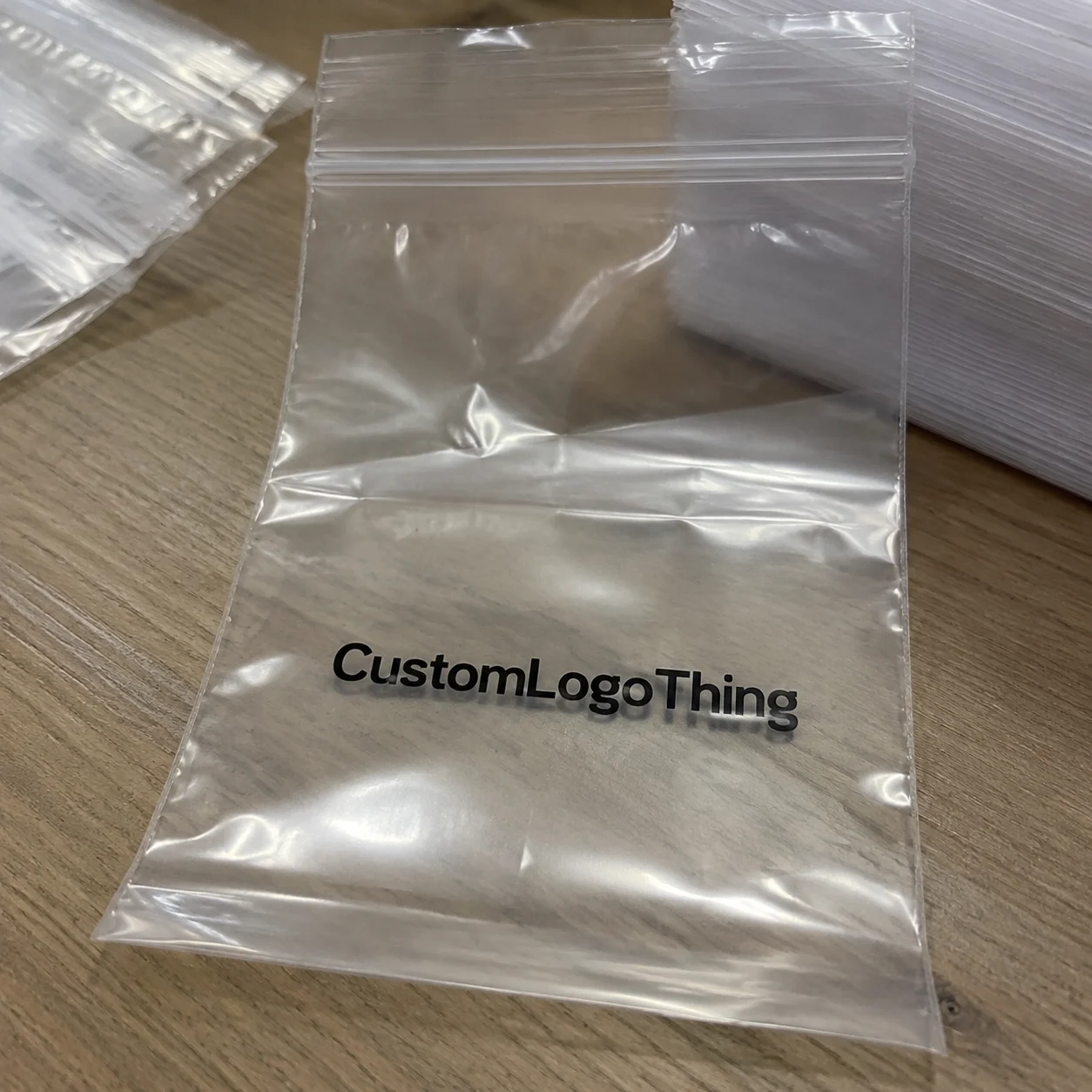
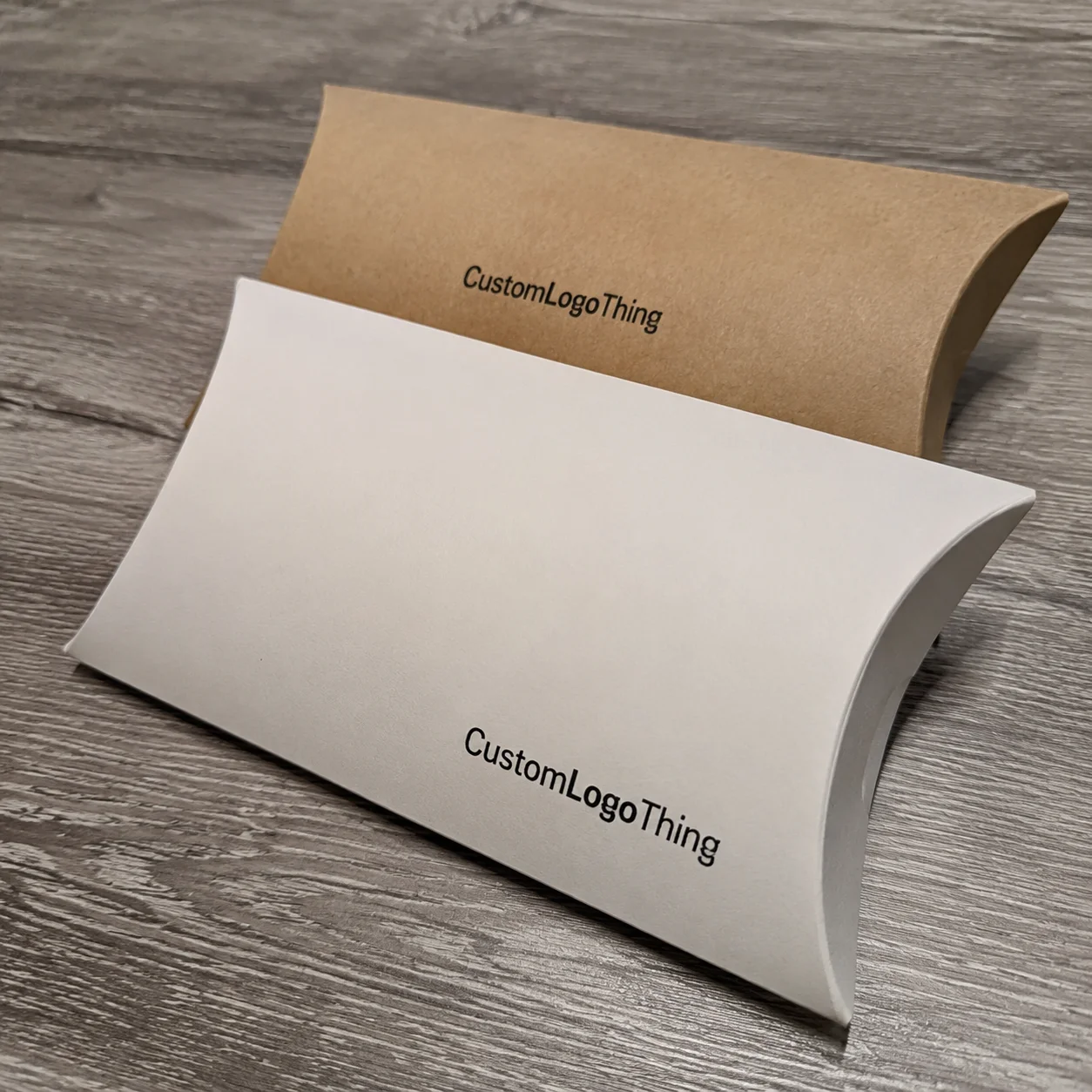
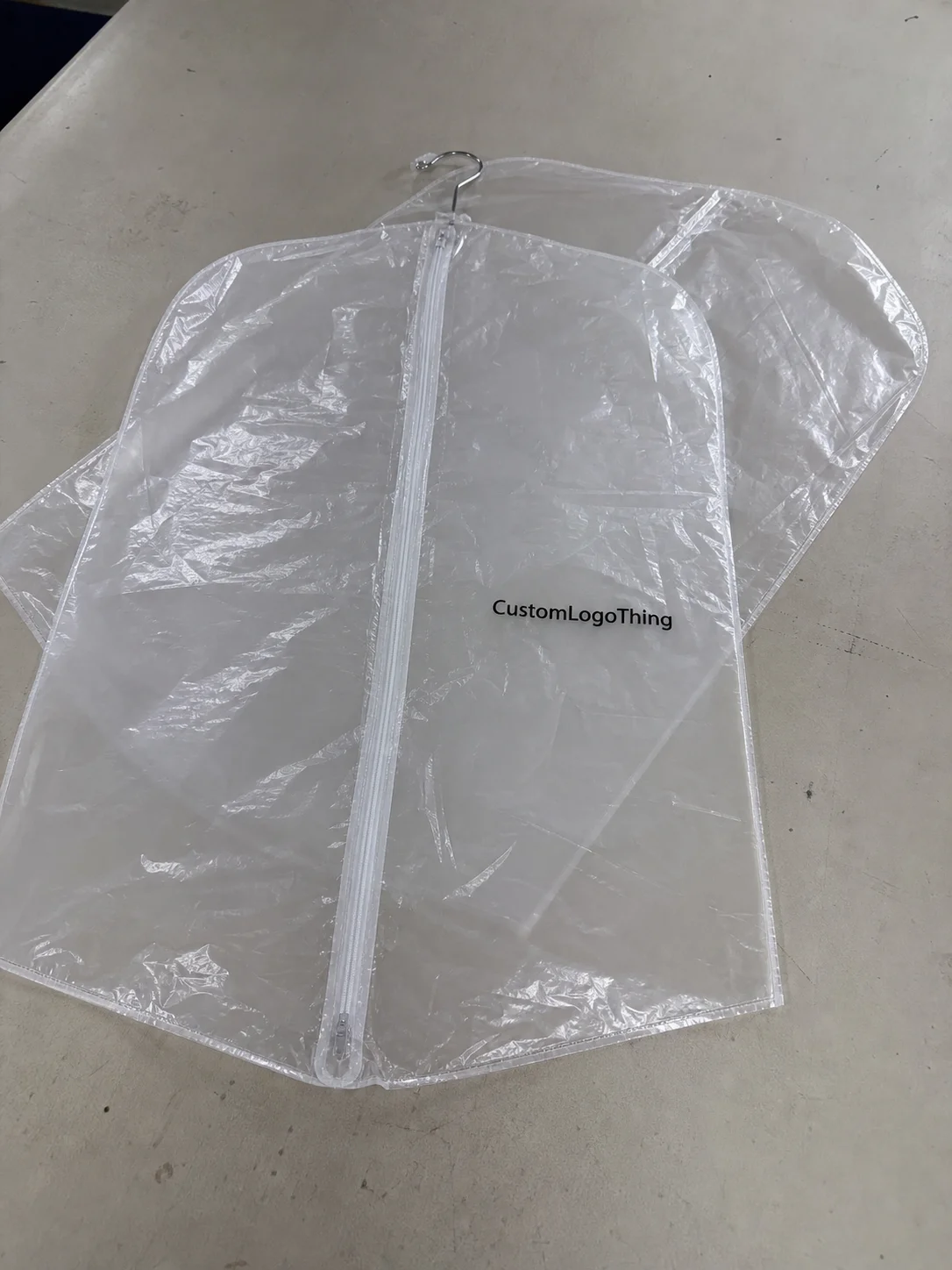
Buyer Fit Snapshot
| Best fit | Branding Metallic Poly Mailers That Stand Out projects where brand print, material claims, artwork control, MOQ, and repeat-order consistency need to be specified before quoting. |
|---|---|
| Quote inputs | Share finished size, material target, print colors, finish, packing count, annual reorder estimate, ship-to region, and any compliance wording. |
| Proofing check | Approve dieline scale, logo placement, barcode or warning zones, color tolerance, closure strength, and carton packing before bulk production. |
| Main risk | Vague material claims, crowded artwork, missing packing details, or unclear freight terms can make a low unit price expensive after revisions. |
Fast answer: Branding Metallic Poly Mailers That Stand Out: Film, Print, MOQ, and Carton Packing should be specified like a repeatable production item. The safest quote records material, print method, finish, artwork proof, packing count, and reorder notes in one written spec.
Production checks before approval
Compare the actual filled-product size with the drawing, then confirm tolerance on folds, seals, hang holes, label areas, and retail display edges. Reserve space for logos, QR codes, warning copy, and material claims before decorative graphics fill the panel.
Quote comparison points
Review material grade, print process, finish, sampling route, tooling charges, carton quantity, and freight assumptions side by side. A quote is only useful when the supplier can repeat the same color, closure quality, and packing count on the next order.
If you want Tips for Branding metallic poly mailers that survive an actual production line, not just a design mockup, start here. I’ve stood on factory floors in Shenzhen and Dongguan watching a silver mailer outshine a rigid box on a moving packing line, and that’s not marketing fluff. The metallic base caught the light, a simple black logo popped from about 20 feet away, and the client finally understood why tips for branding metallic poly mailers matter for brand identity, brand recognition, and the whole unboxing experience. For reference, a standard branded mailer run of 5,000 pieces can land around $0.18 to $0.45 per unit depending on size, film thickness, and print colors. Honestly, I think the packaging world has a tiny obsession with making shiny things sound smarter than they are. But in this case? The shine actually earns its keep.
Metallic poly mailers are lightweight plastic shipping bags with a reflective finish, usually silver, gold, rose gold, or holographic. Most are made from 60- to 100-micron co-extruded film, and the better ones use a strong pressure-sensitive adhesive strip that stays closed through a 1.5 to 2 kg parcel drop test. They feel premium without the weight or cost of a box. That’s the appeal. A plain white mailer says “shipping.” A well-designed metallic one says “someone spent a little money here,” which changes customer perception fast. I’ve seen landed cost differences of $0.38 to $1.10 per order between a basic corrugated setup and a metallic mailer, depending on whether the brand is shipping apparel from Los Angeles, Shenzhen, or Dallas. And yes, before anybody gets romantic about foil shine, the finish helps, but bad art, poor ink prep, or sloppy sizing can still make the thing look cheap. I’ve seen it happen more than once. I remember a buyer proudly showing me a gorgeous rose gold sample, then the production run arrived looking like it had been printed during a power outage. Same supplier. Same design. Different execution. That’s packaging for you.
Why metallic poly mailers grab attention fast
The first reason is simple: light. Reflective film throws back ambient light, so even a modest logo gets visual weight. On a packing line, that matters more than people think. I once watched a silver mailer steal the show next to a full-color rigid box because the mailer’s metallic base made a one-color logo look bold and expensive. The box had more print coverage, sure, but the mailer had presence. That’s one of the biggest reasons tips for branding metallic poly mailers are worth studying before you order 5,000 pieces and hope for the best. Hope is not a production strategy. Cute on a poster, terrible in procurement. In a factory in Ningbo, a 350gsm C1S artboard insert looked flat under warehouse LEDs while the silver mailer beside it practically winked at me from the pallet.
Metallic poly mailers are, in plain English, shipping mailers made from plastic film with a shiny or reflective surface. They’re light, water resistant, and usually less expensive to ship than cartons. For apparel, beauty, subscription kits, accessories, and event merch, they give you a premium look without paying for rigid packaging, inserts, and extra freight. I’ve had clients compare landed cost between a box setup and a metallic mailer, and the delta was often $0.38 to $1.10 per order depending on size and inner packing. That adds up fast when you’re shipping 10,000 units. A brand in Austin once saved about $4,700 on freight in one quarter after switching from a 1200g carton to a 70-micron metallic mailer. And if your accountant is the kind of person who notices a $400 overage immediately? Good luck pretending that doesn’t matter.
Here’s why brands keep coming back to them: strong first impression, lower shipping weight, better moisture protection, and a nicer perceived value than plain kraft or white poly. A reflective mailer with sharp branding can make a $28 T-shirt feel like a $48 purchase. That’s not magic. That’s visual branding doing its job. The finish only amplifies what’s already there. A clean logo, good contrast, and a restrained layout matter much more than shouting louder with more colors. In my notes from a supplier visit in Guangzhou, the best-performing sample was a silver bag with one black mark and a 12 mm margin all around. The worst was the one with four gradients and a slogan in eight-point type.
Metallic finishes are excellent at sharpening contrast. Dark logos often read cleaner on silver than they do on matte white because the eye sees a dramatic tonal difference immediately. Gold mailers can make black or white marks feel luxurious, while rose gold works better for beauty, jewelry, and boutique gifting. If you’re following tips for branding metallic poly mailers, remember that “shiny” is not a strategy. It’s a surface. Strategy is what you print on it. A black logo on a silver 60-micron bag is usually safer than a pale gray logo on gold, especially if the bag will be handled under 4000K warehouse lighting in Chicago or Rotterdam.
From a supplier perspective, I’ve heard the same warning from converters in Shenzhen and from domestic printers in California: reflective film changes under different lighting. A design that looks crisp under a proof light can shift a little under warehouse LEDs or daylight. That’s why proofing exists. Not because factories enjoy making you wait. Because metallic substrates are stubborn little beasts. And because nobody wants a 6,000-piece order that looks great in the sample room and weird under actual fluorescent tubes. One factory manager in Dongguan told me they reject about 1 in 5 first proofs because the lighting in the proof room masks the real effect. Annoying? Sure. Useful? Extremely.
“The mailer isn’t the brand. It’s the first handshake.” That’s what a packaging manager in Dongguan told me after we spent two hours reworking a silver mailer proof that looked perfect on screen and muddy in person. He was right, and he knew it because his line was moving 30,000 units a day.
How branding metallic poly mailers works
Printing on metallic film is not the same as printing on paper. Ink behaves differently because the substrate is reflective, smooth, and usually plastic-based. That means your artwork needs to be planned around opacity, registration, and how light bounces off the surface. I’ve had designers send over artwork built for matte paper bags, then wonder why the same soft gray logo disappeared on a silver mailer. Easy answer: the substrate ate it alive. The factory wasn’t being difficult. The file was just wrong for the material. For most reliable results, ask for vector artwork, a 300 dpi minimum for any raster elements, and a clear PMS or CMYK callout before production starts in factories around Shenzhen, Xiamen, or Ho Chi Minh City.
The usual decoration methods are flexographic printing, gravure, and labels or stickers for smaller tests. Flexo is common for scale because it handles long runs efficiently and keeps unit cost reasonable once the setup is done. Gravure can deliver strong consistency on high-volume orders, though the setup costs are higher. For a brand testing the market or launching a seasonal campaign, labels or custom stickers can work for short runs, but they won’t give you the same integrated finish as a printed mailer. If you need something consistent across 20,000 units, I’d start with flexo every time unless the factory has a strong reason not to. A flexo setup in Dongguan might need 2 to 4 plates for a one- or two-color design, while a gravure job can run cleaner on huge volumes but ask for a higher upfront tooling charge.
Here’s the part people get wrong: they assume all print methods will make the same artwork look identical. They won’t. Matte inks on metallic film often need an opaque white underprint or a heavy solid color to stay readable. Spot colors usually beat gradients. Thin lines can break. Tiny text can vanish. And if the logo sits right on the edge of the bag where the film folds or seals, the distortion can look messy. Tips for branding metallic poly mailers always come back to the same rule: design for the surface you actually have, not the one you wish you had. On a 10 x 13 inch mailer, for example, keeping the logo at least 15 mm away from the seal zone can save you from a very avoidable headache.
Registration matters too. On a reflective substrate, even a 0.5 mm shift can make a two-color logo look off-center or fuzzy. I remember reviewing a production sample in a warehouse outside Ningbo where the red wordmark was perfectly fine at one angle and slightly orange at another because the ink density and lighting were both influencing perception. The client thought the printer had “changed the color.” In reality, the film was doing what metallic film does. This is why a strike-off under multiple lights is not optional if you care about brand consistency. Honestly, it’s one of those boring steps that saves you from an expensive headache later. Boring is good. Boring means the shipment lands and nobody yells. On a 3,000-piece order, catching that problem at proof stage can save about $250 to $600 in reprint and freight costs.
For brands trying to keep their visual branding tight across channels, metallic mailers can be part of a larger system: mailers, labels, inserts, tissue, and even thank-you cards. If you’re building a package suite, I’d keep the main logo treatment identical across items and only vary the secondary elements. That makes reorders easier and supports stronger brand recognition. If you need the rest of the packaging to match, our Custom Packaging Products page is the place to start, and our Case Studies show how different categories handled premium mailers without blowing up the budget. A real matching set might use a silver 60-micron mailer, a 350gsm C1S artboard insert, and a 1-color black thank-you card so the whole order feels like one system, not a loose collection of good intentions.
For brands who want to dig deeper into packaging expectations and transport performance, the ISTA site is useful because shipping abuse is real. Scratches, compression, heat, and abrasion can change how your branding looks before the customer sees it. I’ve had cartons arrive with beautiful mailers inside, only to find scuffed silver film from rough handling in transit from Shenzhen to Long Beach. Pretty on press does not automatically mean pretty at the doorstep. I wish that weren’t true. It would make my life quieter.
Key factors to consider before you design
Before you start sketching, decide what job the mailer has to do. Luxe? Playful? Minimal? Loud? I ask clients this in the first meeting because if they can’t answer it, the artwork usually becomes a random collection of “nice” ideas that don’t work together. Tips for branding metallic poly mailers only make sense if the package matches the actual brand personality and the product price point. Otherwise the mailer and the product are basically having two different conversations. A $12 accessory shipped in a holographic bag with a $40 feel can work. A $6 consumable in the same bag may just look confused.
Color choice is the first big decision. Dark, saturated colors usually perform best on metallic bases because the contrast is strong. Black on silver is the safest route. White on gold can look elegant if the ink coverage is solid. Deep navy on rose gold often feels refined for beauty and boutique fashion. Pastels and neon tones are trickier. Neon can look accidental. Pastel can wash out. The metallic finish is already loud enough, so don’t ask the artwork to carry three extra jobs. I’ve seen a pastel pink logo disappear on rose gold at a factory in Suzhou because the mockup looked cute on a laptop but died the second the lamp changed from 5000K to 3000K.
Brand fit matters too. Metallic mailers work especially well for fashion, cosmetics, accessories, subscription boxes, influencer merch, and event packaging. If you’re shipping industrial parts or office supplies, a shiny silver bag may look like a costume party. That sounds harsh, but I’ve seen a B2B company in Ohio order rose gold poly mailers because they liked the color. The customers did not share the enthusiasm. The customer perception mismatch was immediate, and the warehouse team looked like they wanted to disappear into the floor. If your buyer is a procurement manager in Detroit, glitter probably isn’t the message.
Logo complexity is another trap. Bold wordmarks, monograms, and simple icons print much cleaner than delicate scripts or detailed emblems. A thin serif font can disappear in transit. A monogram with one or two strokes can look strong from six feet away. If your logo only works when zoomed in on a screen, it’s not packaging-friendly. That’s not me being dramatic. That’s me being honest after paying for enough reprints to develop a small twitch. On metallic film, type under 7 pt often gets sketchy fast, especially if the printer is running at speed in a factory outside Guangzhou.
Material quality is the part everyone wants to ignore until the first tear complaint arrives. Thickness, tear resistance, adhesive strength, and seal reliability matter as much as the print. A mailer that looks great but splits on the conveyor is just expensive trash with a shiny face. I’d rather a client choose a slightly less dramatic finish and spend the extra $0.03 on better film than save pennies and get a pile of damaged returns. If you’re checking specs, ask for the film gauge, seal type, adhesive performance, and whether the bag has passed any transport testing. A decent 70-micron bag with a strong tamper strip usually beats a flashy 50-micron option that opens when the carrier looks at it sideways.
Sustainability claims need proof, not vibes. If the supplier says recyclable, post-consumer recycled, or FSC-related sourcing, ask for documentation. The EPA recycling resources are a useful reference point for general claims, but your supplier still needs to back up what they print on the carton. I’ve seen brands get themselves into awkward conversations because a shiny mailer was sold as “eco-friendly” with no actual substantiation. Greenwashing with glitter is still greenwashing. If the supplier can’t show you test data, certifications, or resin origin details, treat the claim like a sales pitch, not a fact.
- Best for strong branding: black, white, navy, deep green, burgundy
- Best for premium feel: silver, gold, rose gold, soft holographic accents
- Best for simple layouts: logo, monogram, one tagline, one QR code max
- Best for consistency: vector artwork, fixed color codes, repeatable proofing notes
Tips for branding metallic poly mailers the smart way
My first tip is brutally simple: start with one strong visual element. One logo. One mark. One short line. The metallic surface already carries some of the premium effect, so you don’t need to throw every message onto the bag. I’ve watched brands turn a perfectly good silver mailer into a cluttered billboard by adding website URLs, hashtags, three taglines, and a discount code. It looked less premium, not more. Honestly, it looked like the packaging was trying to win an argument with the customer. On a 14 x 19 inch bag, a single centered logo with 20 to 30 mm of clear space around it usually reads far better than a pile of tiny extras.
Use high-contrast layouts. Black on silver is the safest choice for a reason. White on gold works when the ink is opaque and the logo spacing is generous. Deep navy on rose gold can feel more elevated than black in some beauty categories. If your brand uses multiple colors, pick one primary print color for the mailer and save the rest for tissue, inserts, or a sticker. That keeps the package cleaner and helps brand consistency across the whole unboxing experience. I’ve seen a Los Angeles skincare brand reduce print complexity from three colors to one and save about $0.09 per unit on a 10,000-piece run.
Whitespace is your friend. A metallic mailer looks more premium when the design breathes. Edge-to-edge clutter can make the finish feel cheap, like a nightclub flyer somebody mailed by accident. I once helped a client simplify their layout from four graphic elements down to a centered logo and one line of copy. Their print cost dropped by about $0.06 per unit because the artwork was easier to separate, and the package looked twice as expensive. Funny how restraint works. The client hated the idea in the meeting and loved it in production. Classic. The bag was a 9 x 12 inch silver mailer, and the final version used only 18% of the printable area.
Test ink coverage early. Request a strike-off, not just a PDF proof. Then check the sample under daylight, warehouse LEDs, and warm indoor light. I’m serious about the lighting part. Metallic film changes personality depending on what’s shining on it. A gray mark can read cooler under daylight and warmer under retail lighting. That’s why the same sample can look “off” in a conference room and perfect on the packing line. Tips for branding metallic poly mailers only pay off if you inspect the real thing in real conditions. If you can, check it in at least three places: a bright loading dock, a 4000K office, and a warehouse aisle at the factory in Shenzhen or Jiaxing.
Typography deserves more respect than it gets. Use bold, readable fonts. Avoid ultra-thin lines, fancy script fonts, and long sentences crammed into a 10-inch bag. If you absolutely need a social handle or URL, keep it short and make sure the text size survives printing at a distance. I usually tell clients to imagine the mailer seen from arm’s length in a warehouse or apartment lobby, not from a designer’s monitor at 300 percent zoom. Designers hate that comparison for some reason, but it saves everyone grief. If your handle is longer than 18 characters, consider dropping it or moving it to an insert.
Placement changes the feel of the brand. A centered logo is classic. Top-left branding feels a little more editorial. A side-panel treatment can look modern if the brand already has a strong visual identity. But placement needs to respect fold lines, seals, and glue zones. I’ve seen gorgeous artwork cut off because someone ignored the actual usable print area. The factory didn’t “mess it up.” The layout file was just not built for production. There’s a difference, and it costs money. Ask for a template with exact safe zones, usually 10 to 15 mm from any seal or fold edge.
If your budget is tight, keep the base metallic and use one color print instead of trying to cram in a multicolor design that eats setup cost and muddies the result. One-color branding on a good metallic base often beats a busy full-color print on a mediocre film. That’s one of my favorite tips for branding metallic poly mailers because it respects both cost and customer perception. Fancy is nice. Readable is better. Also, readable gets reordered. Fancy gets photographed and forgotten. A clean one-color flexo job on a stock silver mailer can stay under $0.20 per unit at 5,000 pieces if the factory is in the right region and the artwork doesn’t need a circus of extra plates.
| Branding option | Typical visual effect | Approximate cost impact | Best use case |
|---|---|---|---|
| One-color logo on stock metallic base | Clean, premium, readable | +$0.03 to $0.10/unit at scale | Fashion, beauty, startup launches |
| Two-color custom print | Stronger branding, more setup | +$0.06 to $0.18/unit at scale | Established brands with steady volume |
| Full custom artwork | High impact, more risk of clutter | +$0.10 to $0.30/unit at scale | Campaigns, limited drops, influencer launches |
| Label or sticker branding | Flexible and easy to test | +$0.05 to $0.25/unit | Short runs and pilot programs |
If you need decorative components beyond the mailer, our Custom Labels & Tags page is a practical add-on. Matching a metallic mailer with a solid label system can improve brand recognition without forcing you to overprint the bag itself. That’s especially useful for small brands testing market response before committing to a full packaging program. A 1-inch round label on a silver bag often does more for recall than a cluttered three-color print job from a factory in Guangzhou.
Cost and pricing for metallic poly mailer branding
Pricing comes down to five big variables: size, film thickness, print colors, quantity, and whether you need a custom shape or stock dimensions. If a supplier quotes a number without asking about all five, they’re probably guessing. I’ve had procurement teams send me one-line quote requests like “Need shiny bags, 10k units.” That’s not a quote request. That’s a scavenger hunt. And yes, I have replied with a spreadsheet the size of a small brick. A proper quote request should include dimensions like 10 x 13 inches, film gauge like 60 or 70 microns, and whether the bags need a matte or glossy finish on top of the metallic base.
Small runs always cost more per unit because setup gets spread across fewer pieces. Plates, proofing, ink calibration, and make-ready time don’t magically shrink just because your volume is tiny. At 1,000 units, a simple branded metallic mailer can land in the $0.40 to $1.20 range depending on size and print complexity. At 5,000 units, the same bag might drop into the $0.18 to $0.45 range. At 20,000 units or more, the unit cost can fall further if freight and setup are managed well. Those numbers move based on region, season, and market conditions, so treat them as reference points, not commandments carved in steel. A factory in Shenzhen may quote differently from one in Ho Chi Minh City or Ningbo because labor, resin pricing, and freight access are all different animals.
There are hidden costs too. Artwork cleanup, plate charges, freight, sampling, and packaging tests often matter more than clients expect. A $0.22 unit price is not a bargain if the freight adds $1,800 and the sample revision adds two weeks to launch. I’ve seen plenty of “cheap” quotes become expensive the minute the factory starts charging for changes that should have been caught in the first proof. That’s why tips for branding metallic poly mailers should always include landed cost, not just ex-factory price. On one order out of California, the bags were $0.19 each, but the real landed cost was closer to $0.31 after ocean freight, customs fees, and two artwork revisions.
Here’s what I usually recommend: get at least one quote from a domestic converter and one from an overseas factory. The gap can be huge, but the real comparison is not just unit price. It’s lead time, freight, response speed, and quality control. A domestic supplier might charge more per bag, say $0.31 instead of $0.21, but if they save you three weeks and one production error, the math can favor them. Overseas factories can absolutely be the right choice too. I’ve negotiated with both. There’s no universal winner. There’s only the supplier who can deliver what they promised without suddenly “finding” extra charges after the PO is signed. For example, a factory in Dallas may offer faster reprints, while a factory in Shenzhen may be stronger on tooling cost for volumes above 20,000 pieces.
Spend more when the packaging is part of the reveal. If the customer sees the bag before they see the product, the mailer is doing brand work that a plain carton can’t. In that case, paying a few cents more for cleaner print, stronger seal strength, and a scratch-resistant finish is worth it. A scuffed shiny bag kills the premium feeling fast. No one writes a glowing review about a torn mailer. They just complain, loudly, in lowercase. A good upgrade might be a 75-micron film instead of 60-micron, which can add about $0.02 to $0.05 per unit and save you from a lot of damage claims.
For brands that need compliance or transport confidence, ask the supplier about testing to relevant standards. ISTA testing helps simulate distribution hazards, and ASTM references can be useful for material properties depending on the film and seal structure. If the supplier can’t explain how the mailer was tested, keep asking questions. Packaging should survive a conveyor, a truck ride, and a warehouse stack. Pretty is nice. Durable pays the bills. Ask whether they can share drop, burst, and seal-strength data from an internal lab in Guangzhou, Ningbo, or a third-party tester near Los Angeles.
Step-by-step process and timeline
Step one: define the brand goal. Decide whether the mailer should feel luxe, playful, minimal, or bold before anyone opens Illustrator. I’ve sat in meetings where the team debated a rose gold mailer for 45 minutes without agreeing on the product position. The result was predictable: three rounds of revisions and a design that satisfied no one. Tips for branding metallic poly mailers work best when the brief is already clear. If the brief is fuzzy, the sample will be fuzzy too. Funny how that keeps happening. I usually ask for a one-sentence brand goal and a target price point, like “premium under $35” or “fun under $18,” before anything else moves.
Step two: choose the substrate and size. Measure the product first. Then allow enough room for the item, any inner packaging, and the seal area. Oversized bags waste money and look lazy. Undersized bags split, which is worse. I usually ask clients to send me the product dimensions, not just the box size, because the box is often irrelevant if they’re switching to mailers. A clean fit also improves the unboxing experience because the bag doesn’t look bloated or overstuffed. If the product is 9.5 x 12 inches, I’d usually start with a 10 x 13 or 11.5 x 15 inch mailer, depending on insert thickness and whether a 350gsm C1S artboard card is going inside.
Step three: build artwork with print limitations in mind. Use vector files. Keep colors limited. Make contrast strong. Avoid tiny copy blocks. If there’s a QR code, test it at actual print size and make sure the contrast survives reflective film. A QR code that won’t scan is just decoration, and a very annoying one at that. If you need help organizing the broader packaging system, our Custom Packaging Products catalog gives you options that can work together without looking like three different brands. I’ve seen a 22 mm QR code work fine on a silver bag, but only when the quiet zone stayed clean and the surrounding artwork stayed out of the way.
Step four: request samples and proofs. Expect back-and-forth. Metallic film can shift color, and nobody wants 20,000 bags with a logo that looks like wet foil. I remember one client who approved a gold mailer on screen and then hated the real sample because the gold leaned greener under office light. We fixed it with a slightly darker ink and a smaller print area. That change saved the order. Proofing is not bureaucracy. It’s insurance. It’s the difference between “great launch” and “why is finance glaring at us?” A typical sample-and-proof round can take 3 to 7 business days, and if you’re working with a factory in Shenzhen or Ningbo, add a couple more days for courier transit.
Step five: approve production. Typical timelines run from 2 to 6 weeks depending on factory schedule, artwork complexity, and shipping method. A straightforward one-color order with stock sizing can move faster. A highly customized project with multiple print colors and special finishes will need more time. If anyone promises everything in a week, they’re probably either overconfident or hiding something in the freight quote. For most factories, production after proof approval usually lands at 12 to 15 business days for a standard 5,000-piece order, while more complex jobs can stretch to 18 to 25 business days.
Step six: inspect the first carton. Check seal strength, print alignment, scuff resistance, and whether the branding still looks good after handling. I always tell clients to open the carton, pull out ten bags, and rub the surface lightly with a paper sleeve or gloved hand. That tells you a lot about how the finish will hold up in fulfillment. If the first carton looks wrong, stop. Fix it before it becomes your entire inventory problem. The first carton should also include the approved PO details, item count, and carton markings, especially if the shipment is going to multiple warehouses in Dallas, Newark, and Los Angeles.
- Define the goal — luxe, minimal, playful, bold
- Match the size — product fit, seal allowance, shipping needs
- Build the artwork — vector files, strong contrast, limited colors
- Proof the sample — daylight, warm light, warehouse light
- Approve production — 12 to 15 business days typical for standard runs after proof approval
- Inspect carton one — alignment, seal, scuff resistance
Common mistakes when branding metallic poly mailers
The most common mistake is overdesigning. Metallic film already gives you shine, so piling on gradients, multiple icons, and five colors usually makes the bag look noisy. I had one client insist on a full rainbow print over holographic film. It looked like a disco had collided with a marketing department. The fix was simple: one solid color, one logo, one clean line of text. Suddenly the bag looked like an actual product package instead of a costume accessory. The poor intern who had to mock up the original version deserved hazard pay. On a 10,000-piece order, stripping the artwork back to one color also cut print setup time by about 1 full day in the Guangzhou plant.
Thin fonts are another disaster. Reflective packaging is not kind to delicate type. Tiny serifs, narrow scripts, and hairline details can break up or disappear entirely. If your font feels elegant only at huge sizes, it’s not mailer-friendly. I’d rather use a bold sans-serif and make the package readable from a distance than chase a fancy font that fails on press. Tips for branding metallic poly mailers should always prioritize legibility over designer ego. On a silver bag viewed from 4 feet away in a New York fulfillment center, a 6 pt script is just a bad idea wearing perfume.
Skipping proofing is probably the most expensive mistake. A logo that looks perfect on screen can look bizarre in hand because of reflectivity, ink density, or scale. Screen color and print color are not twins. They are barely cousins. I’ve seen brands approve artwork from a PDF, then panic when the first shipment arrived with a cooler-toned silver base than expected. A sample would have caught it in one day. Instead, everyone got to enjoy an urgent email thread with way too many exclamation points. A simple strike-off and a 24-hour internal review can save a reprint cost of $500 to $2,000 depending on the run size.
Overcrowding the layout makes the mailer feel cheap and busy. If every inch is trying to say something, nothing says anything well. A metallic bag needs negative space so the finish can do its job. Leave room around the logo. Leave room around the edges. Let the eye rest. That’s how you get the premium effect without paying for extra embellishment. In practice, I like to leave at least 10 mm of breathing room around primary branding and 15 mm around seals or side seams.
Shipping abuse is another one. Scratches, scuffs, heat, and pressure can change the look before the customer opens the package. A beautiful mailer in a perfect sample room can still arrive with rub marks from pallet friction or warehouse handling. That’s why I ask about transit conditions, outer carton strength, and stacking. It’s boring. It’s also how you avoid customer complaints that start with “the packaging looked cheap.” I’ve seen silver film get marred on a 21-day ocean shipment from Shenzhen to Oakland because the outer cartons were packed too loosely and the top layer shifted in the container.
Finally, don’t buy on looks alone. Cheap film can fail in transit. Weak adhesive can open under stress. Poor seal strength can split in a carrier network that is not gentle and never has been. A torn mailer wrecks the brand moment instantly. No amount of metallic shine will fix a busted seal. That’s not pessimism. That’s experience, backed by a lot of ruined cartons and a few very uncomfortable calls. Ask the supplier for seal-width specs and adhesive performance data before you sign off, especially if the bags are going into a warehouse in Atlanta during summer heat.
Expert tips and next steps for better branding
Use a packaging system, not a one-off bag. If the metallic mailer is doing the heavy lifting, support it with tissue, stickers, or inserts that match the same visual system. That way the whole package feels intentional. I’ve seen brands spend $0.25 extra on a mailer and then throw in a random generic insert that kills the story. Don’t do that. Brand consistency is cheaper than fixing confusion later. A simple black logo on a silver mailer, paired with a 1-color insert and a matching label, usually beats a loud bag with mismatched filler every time.
Keep a sample archive. Save approved colors, proofs, spec sheets, and supplier notes in one folder. Put dates, dimensions, film thickness, and print method on the file name. Future reorders become much less painful when you can say, “We used 60-micron film, one-color flexo, silver base, and the approved proof was signed on 12/14.” The same archive helps if you compare one factory against another. Packaging teams love chaos until they have to reorder. I’ve seen one file naming system save an entire launch in March because the team could identify the exact approved 5,000-piece spec in under 2 minutes.
Ask for a pre-production checklist. Confirm dimensions, film gauge, print method, seal type, delivery date, and carton count before money changes hands. I also ask suppliers to confirm whether the quote includes plates, sampling, freight, and any color adjustments. That prevents the classic “surprise” invoice. If a supplier is vague about what’s included, they’re not being mysterious. They’re being vague. And vague is expensive. A proper checklist should also list the factory location, like Shenzhen, Xiamen, or Ningbo, plus the proof approval date so the 12 to 15 business day clock is crystal clear.
Run a small launch test. Ship a few dozen orders and ask customers what they noticed first about the packaging. Not what they liked. What they noticed first. That distinction matters. If they remember the shine but can’t read the logo, you learned something useful. If they mention the bag but not the product insert, you learned something else. Real feedback beats studio assumptions every time. A test batch of 50 to 100 orders is usually enough to expose issues with scuffing, glare, or print placement before you commit to a 10,000-piece reorder.
Make the next move practical. Collect your logo file. Choose one metallic finish. Request two quotes. Order one sample round before committing to bulk. That’s the sequence that saves time, reduces mistakes, and keeps the budget from wandering off a cliff. If you need an additional reference for product planning, our Custom Poly Mailers category is useful for comparing structures, finishes, and print approaches before you lock in a vendor. A reasonable sample order might cost $15 to $40 plus courier fees, which is cheap insurance compared with a bad 5,000-piece run.
The best tips for branding metallic poly mailers are the ones you can actually execute without wrecking your budget or your timeline. Keep the design simple. Make the contrast strong. Proof the sample under real light. Ask for real quotes. Metallic packaging is not about being loud for the sake of it. It’s about making the first 3 seconds feel more valuable than the shipping cost that came with them. And if the bag makes someone pause for half a second before opening it? That tiny pause is doing real marketing work. In my book, that’s worth the extra few cents and the time spent getting the proof right.
FAQ
What are the best tips for branding metallic poly mailers with a logo?
Use bold, high-contrast logo artwork. Keep the design simple enough to read from arm’s length, usually 3 to 6 feet in a warehouse or lobby. Request a sample proof before production so you can check color, placement, and readability under daylight and indoor lighting. A 1-color black logo on a silver 60- to 70-micron mailer is usually the safest starting point for brands shipping from factories in Shenzhen, Ningbo, or California.
How much does it cost to brand metallic poly mailers?
Pricing depends on size, quantity, print colors, setup fees, and film thickness. Small runs often cost much more per unit than bulk orders, sometimes jumping into the $0.40 to $1.20 range. At 5,000 pieces, many brands see quotes around $0.18 to $0.45 per unit for a simple one- or two-color design. Ask for quotes that include freight and sampling so you compare real landed cost, not just factory price.
How long does the process take for custom metallic poly mailers?
Most projects take 2 to 6 weeks depending on design complexity, proof approval, and factory schedule. For standard runs, production is typically 12 to 15 business days from proof approval, while more complex jobs can take longer. Sampling can add 3 to 7 business days, and shipping method can change the total timeline more than people expect. A simple one-color order usually moves faster than a custom multi-color build from a factory in Guangzhou or Shenzhen.
What print colors work best on metallic poly mailers?
Black, white, navy, and other deep colors usually work best because they hold contrast against reflective film. Light pastels and soft gradients can wash out or look uneven. High contrast matters more than using lots of colors. If you’re matching a premium brand palette, test the exact ink under 4000K warehouse lighting and daylight before approving the final run.
Can small brands use tips for branding metallic poly mailers without a big budget?
Yes. Start with one-color branding on a stock metallic base, and keep the artwork clean. That approach lowers print and setup costs while still improving brand recognition and the unboxing experience. Test with a small run first, then scale once you know the finish and print quality are doing their job. A 1,000-piece pilot can reveal more than a fancy mockup ever will, and it usually costs far less than fixing a bad 10,000-piece order.