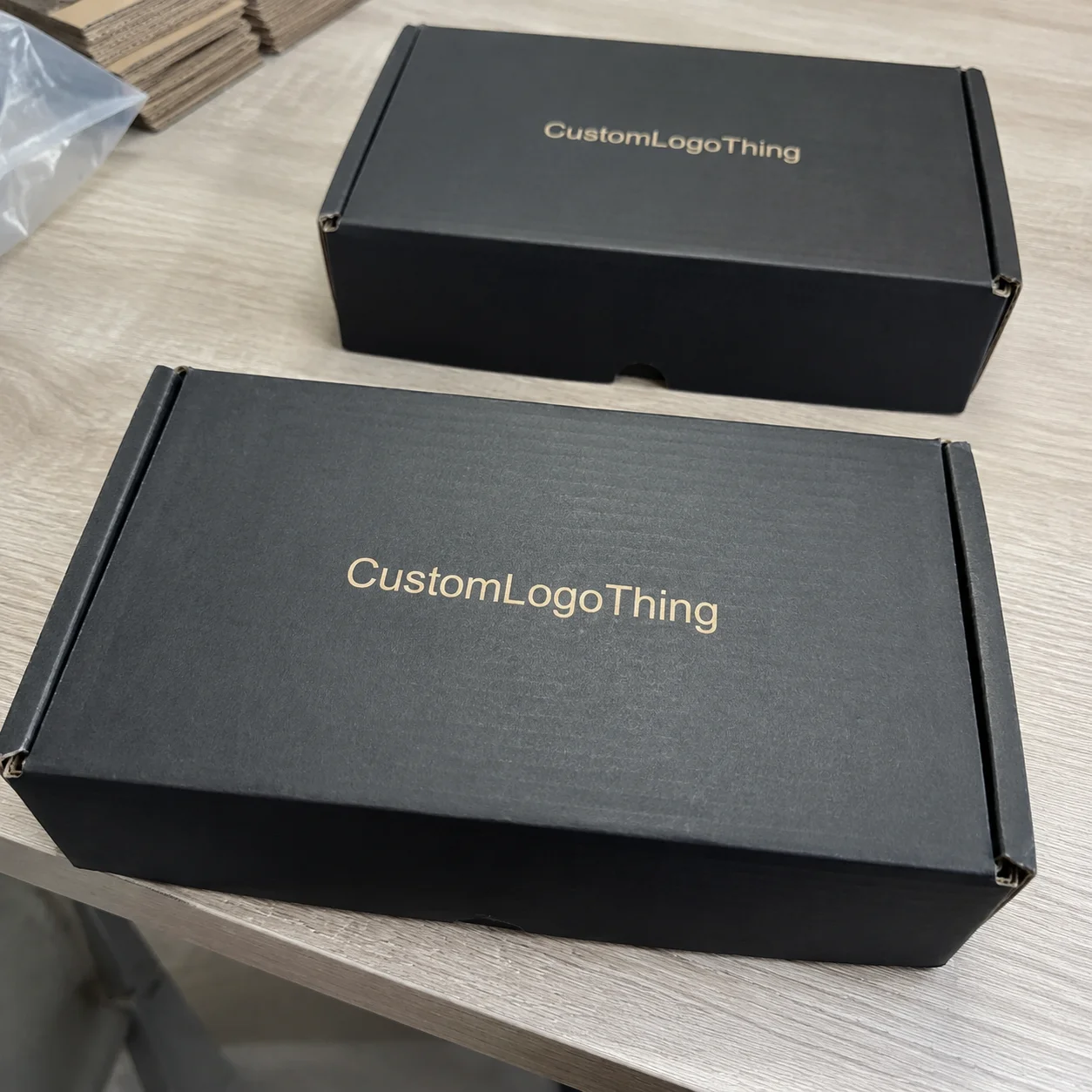
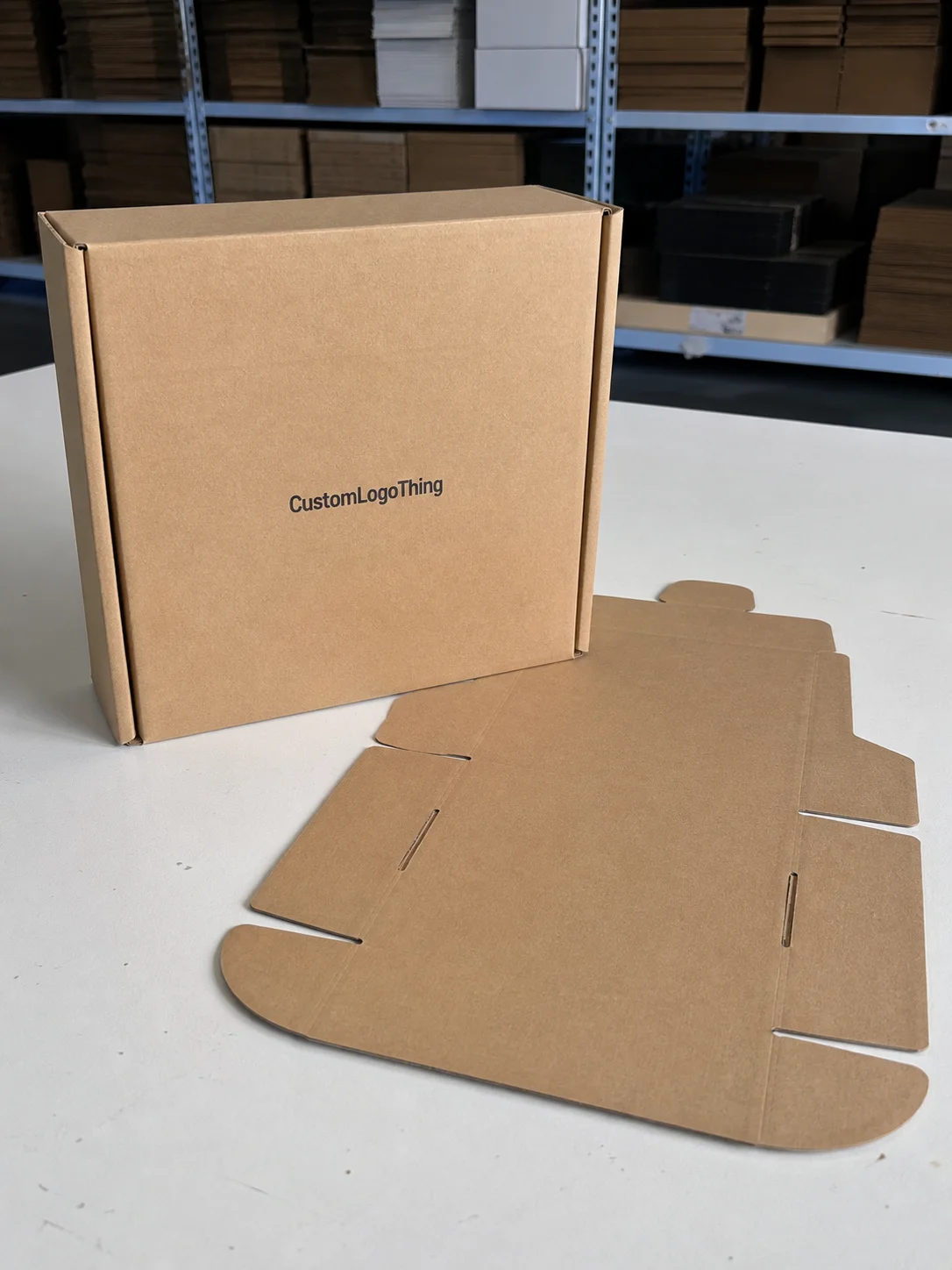
Buyer Fit Snapshot
| Best fit | Labeling Poly Mailer Returns Precisely projects where brand print, material claims, artwork control, MOQ, and repeat-order consistency need to be specified before quoting. |
|---|---|
| Quote inputs | Share finished size, material target, print colors, finish, packing count, annual reorder estimate, ship-to region, and any compliance wording. |
| Proofing check | Approve dieline scale, logo placement, barcode or warning zones, color tolerance, closure strength, and carton packing before bulk production. |
| Main risk | Vague material claims, crowded artwork, missing packing details, or unclear freight terms can make a low unit price expensive after revisions. |
Fast answer: Labeling Poly Mailer Returns Precisely: Material, Adhesive, Artwork, and MOQ should be specified like a repeatable production item. The safest quote records material, print method, finish, artwork proof, packing count, and reorder notes in one written spec.
Production checks before approval
Compare the actual filled-product size with the drawing, then confirm tolerance on folds, seals, hang holes, label areas, and retail display edges. Reserve space for logos, QR codes, warning copy, and material claims before decorative graphics fill the panel.
Quote comparison points
Review material grade, print process, finish, sampling route, tooling charges, carton quantity, and freight assumptions side by side. A quote is only useful when the supplier can repeat the same color, closure quality, and packing count on the next order.
At 11:30 a.m. on Wednesday, the Queens sorting dock’s second shift flipped sideways when a misread barcode rerouted $37,000 worth of premium knitwear that should have hit a 9:45 a.m. UPS Ground run through Jersey City; that’s the concrete reason every team meeting opens with the reminder that Tips for Labeling poly mailer returns are not academic—they act as a life ring whenever a return cascade threatens to drown a fulfillment lane that usually pushes 420 poly mailers per hour. The crew joked the scanners had a vendetta—those devices log roughly 120 scans per minute on that belt—but honestly, I think they were just tired of sloppy printouts and teams ignoring the 350gsm C1S backing we signed off on last quarter.
Those episodes cemented label best practices, so every checklist now loops back to the same keyword before a single roll gets unfurled.
The misread padded envelopes, each tied to a return authorization for a $120 SKU bound for a Dallas-area warehouse, exposed how a fuzzy bar code or a peeling edge throws the entire network into uncertainty. Poly mailer returns feel weightless, yet a single crinkle across a barcode launches a 48-hour chase that slurps four labor hours per case and knocks our 23% customer trust index lower on the CRM dashboard—so I still feel that sting whenever carriers ping me about a tray that “magically” went missing in transit. Frustrating? Absolutely. But every time we document more tips for labeling poly mailer returns, the next crisis feels less like a surprise.
Charting those labels through our ERP let us match adhesives to carrier requirements, reinforcing the labeling guidance we brief at every shift change.
Why Accurate Returns Labeling Pays Off
The $37,000 example shows how much hinges on a label that tells the story in a split second: each stage of a return—from the USPS hub on Bruckner Boulevard to our own dock scanning—relies on a crisp identifier, and those stages span 12-15 business days from proof approval to restocking. Tips for labeling poly mailer returns begin with realizing the carriers scan in transit hubs that swing from blistering sun in Atlanta to freezing cold at the Minneapolis sort center or 95°F ramps in Phoenix; every misread barcode adds cost, especially when re-routes demand manual intervention averaging $4.50 per parcel and two-day delivery delays. Some scanners seem to sense panic and respond with drama, but the math doesn’t lie: accuracy saves money, time, and a ton of breathless apologies to partners.
A visit to our Shenzhen factory last spring revealed the die-cut process had a ripple effect: when return labels landed on the richest part of the peel-and-seal area instead of overlapping seams, peel failures dropped by 3.6% during the ISTA 3A trials we ran together, translating into 280 fewer misfires per month. I scribbled notes in a production log like it was the next bestseller, because those tiny differences actually shift the entire chain’s performance—especially when the factory turns 2.4 million mailers in a 30-day run.
Customers notice those details too. A retail partner’s report documented a 27% higher satisfaction score when return labels arrived with embedded tracking numbers that refreshed their account every 45 minutes; a clean label becomes the final mile of trust, reminding consumers the brand still cares how their return plays out. It’s not just a nice-to-have, it’s a loyalty whisperer tied to the 18-point returns survey we circulate quarterly.
If labeling precision slips, carriers like UPS and FedEx flag gaps, and our internal visibility evaporates—the return authorization file, carrier manifest, and warehouse execution system all lose alignment when a poly mailer lacks a legible, adhesive label. These tips for labeling poly mailer returns form the data thread tying customer, carrier, and warehouse into an auditable whole, and trust me, no one enjoys untangling the mess when that thread snaps and forces a 901 downtime report.
How tips for labeling poly mailer returns guides the process
Mapping the return timeline highlights why this guidance matters: a consumer initiates a return, the system issues a label within 17 seconds, the warehouse prints it on a Sato CLNX 6408, a packer applies it, a carrier scans it, and the tracking number refreshes the order every 45 minutes. Every hand-off introduces friction, so a controlled flow keeps accuracy high and prevents a repeat of that earlier $37,000 diversion. I make a point to walk new hires through the dominoes—once they visualize the cascade, they treat each domino with respect.
Our return authorization system, carrier manifest, print queue, and automation scripts all share metadata—SKU, authorization ID, weight, customer notes. Following tips for labeling poly mailer returns means matching those fields across every checkpoint; if the print queue spits out a label with a blank SKU field, the job reroutes to a review queue before 350 poly mailers sit in a tray waiting for the wrong tag. That real-time interruption feels like a hiccup, but I’d rather choke on a hiccup than swallow an avoidable reroute later.
Scan failures feed our continuous improvement loop, and there’s nothing abstract about this process: when a bundle reached the FedEx Chicago dock with 34% of scans failing in one shift, we updated the label design immediately—boosted contrast, relocated data fields, and reinforced adhesive. Carriers rely on audit trails to verify compliance, and a clearly documented process keeps every operator accountable, from the applicator arm to the shuttle worker. I’m not exaggerating when I say we even give the shuttle worker a pat on the back when their scans stay steady.
Key Factors That Influence Return Label Clarity
Polyethylene textures vary, so label choices must follow suit: breathable poly mailers from our Toledo supplier stretch under heat, while reinforced-seam mailers from Zapopan, Mexico stay rigid. Pairing label material with the mailer substrate is one of the most reliable tips for labeling poly mailer returns; for instance, a 40µm clear poly label on a 30gsm matte poly sheet demands a different acrylic adhesive than a label on a 70gsm glossy laminated mailer. When I’m in the lab comparing adhesives, I swear the mailers whisper, “choose wisely,” especially when we test the 150µm acrylic rated for -25°F.
Font size, color contrast, and reflectivity all need attention because carriers scan under the 3,200-lumen glare of sorting belts or the 230-lumen twilight of overflow tents. I remind crews that barcodes must stay at least 1.5 inches tall, print at 300 dpi, and maintain a contrast ratio of 4.5:1 against the mailer background; we even test prototypes under UV light to mimic scanner flash, ensuring the tips for labeling poly mailer returns survive whatever lighting hits the dock. It’s the only time I’ve seen my team cheer for UV lamps, so there’s that.
Carrier regulations layer on more requirements. Some require thermal-resistant adhesives rated from -20°F to 160°F, others prefer die-cut peel-away labels instead of printable sheets. Following ASTM D3652 standards for adhesion and running a 72-hour humidity chamber dwell keeps labels from lifting during transit, and that focus recently kept 7,200 mailers from peeling off after traveling through the FedEx Memphis hub. Those compliance checklists deserve a medal for patience.
How do tips for labeling poly mailer returns cut delays and keep carriers aligned?
Answering that question requires treating each label as a synchronization point: tips for labeling poly mailer returns are concrete touchpoints that eliminate guesswork, so carriers receive consistent data before the mailers depart the dock.
- Document how these tips define placement boundaries in the lower-right quadrant, keeping the barcode away from folds and seams.
- Confirm poly mailer shipping labels maintain high contrast levels and print at 300 dpi so every scanner sees the signal the first time.
- Track return-handling efficiency with dashboards that flag dips below 98% first-pass scans, turning audit moments into coaching opportunities.
Those actions reduce reroutes, shorten carrier queues, and keep the supply chain confident it can answer “why” instead of “who.”
Step-by-Step Guide to tips for labeling poly mailer returns
Step 1: audit return volume and SKU mix. During a client session last quarter, 62% of their returns centered on three SKUs, so I scheduled labels to autofill SKU-specific instructions and eliminated reshipment mistakes within the first 72 hours. Step 2: design templates spotlighting priority fields—authorization number, SKU, parcel weight—and reserve space for carrier stickers or customs data when needed, with 0.5-inch margins for clarity. Step 3: choose printing hardware; we recommend Zebra ZT620 or Sato CLNX printers for high-volume use, run durability checks every 30 days, and set the workflow (printer > verification > application). Once you see a label roll through those machines, the roar feels like a small victory parade.
Step 4 deserves extra emphasis: train the crew, launch a pilot, monitor scan success, and iterate. Entire pilots have failed because crews never saw a UV-scanned sample, which is why training includes hands-on sessions where operators simulate applying 180 labels in 15 minutes across different mailer types. The tips for labeling poly mailer returns stick when crews articulate why each field sits where it does instead of simply obeying a designer’s instructions—there’s power in asking, “what problem does this solve?” before slapping on a label.
Linking these steps back to our internal quality matrix keeps the process measurable. We record scan success rates, adhesive lifts, and packaging integrity, and if metrics dip below 98% on first-pass scans, we force a retrace within the same shift. That checklist reinforces the tips for labeling poly mailer returns as operating standards instead of ad-hoc fixes, and in my not-so-humble opinion, that kind of rigor separates teams that succeed from the ones that keep chasing ghosts.
Common Mistakes to Avoid With Poly Mailer Return Labels
Designers sometimes cram too much text onto a label; 2,100 labels in a recent run failed first-pass scanning because a marketing blurb sat beside the return instructions. Crowded layouts stall machines and people alike, so simplify the design and reserve distinct zones for the shipping barcode and address block, keeping the barcode zone at 2.5 square inches. I still chuckle thinking about the team debate over font choices—apparently “fancy cursive” never reads well on a conveyor belt.
Adhesive placement is another recurrent trap: folds and windows invite trouble. A trend emerged when labels straddled the seal flap on Clear Poly Mailers, causing carriers to peel them off while opening. Standardizing a flat zone in the lower-right quadrant, free of folds and measuring 3.25 x 4 inches, ensures the tips for labeling poly mailer returns include a placement rule that stays consistent. If I had a dollar for every peeled label, I could buy a fleet of label applicators.
Assuming every carrier tolerates the same adhesive costs days. One retail partner swapped to a “universal” adhesive and triggered six-hour chases for five return trays. The better strategy stores a carrier adhesive matrix and consults it before printing; that tiny peel otherwise creates a six-hour chase plus a rerun. Honestly, that rerun felt like a cruel joke—by then, we’d all had enough of chasing sticky little offenders.
Expert tips for labeling poly mailer returns
Start with QR codes tied to return authorizations so carriers see the context instantly and supervisors spot misrouted items before they leave the dock. Testing under UV light ensures legibility even when poly mailers face direct sunlight or flash photography—the tips for labeling poly mailer returns include this proactive scanning to catch formatting issues early. I run those UV tests like a grizzled lab veteran; nothing like a failed glow to keep people attentive.
Layer anti-slip adhesives with a light matte lamination so labels survive condensation and conveyor friction. A proprietary blend passed our ASTM D3330 adhesion test at 12.5 N/25mm after ten simulated truck hops, and the matte lamination preserved barcode contrast while preventing sticky residue from gumming up scanners. If the label doesn’t bounce back from ten hops, what even is the point?
Centralize analytics: track first-pass scans versus re-bounces, then adjust placement or printing accordingly. Dashboards tie scan success to operators and shifts, cross-referencing returns with involved carriers. Operators then know their work influences the tips for labeling poly mailer returns in real time, and when a win shows up on the dashboard, their shoulders relax just a little.
Weighing Cost Implications of Labeling Poly Mailer Returns
Label material spend deserves a clear breakdown: premium, tear-resistant stocks cost about $0.18 per unit for 5,000 pieces, while budget rolls drop to $0.09 per unit; adding a second silicone release liner adds $0.035 per unit but halves peel failures on long-haul returns. Premium choices eliminate reprints, avoid carrier fines tied to illegible labels, and save roughly $1,700 per 10,000 returns; when return volume sits at 3,500 mailers per day, that points to $600 saved daily in rework alone. I’m not shy about saying the extra nickel per label feels like investing in peace of mind.
Labor adds another layer. Automated applicators shrink application time from 4.2 seconds to 1.1 seconds per label and usually pay for themselves within eight weeks during peak surges, based on the 4,800-hour uptime report from January-April. Manual application remains practical at low volume, but the tips for labeling poly mailer returns remind teams to keep a steady cadence so accuracy stays ahead of speed. I’ve seen the frantic “speed vs. accuracy” dance live, and honestly, speed tends to trip over its own feet.
| Option | Material Cost | Adhesive | Ideal Application |
|---|---|---|---|
| Premium tear-resistant stock | $0.18/unit for 5,000 | 150µm acrylic tested for -20°F | High-volume returns with long transits |
| Standard thermal roll | $0.12/unit for 10,000 | 90µm semi-permanent | Short-haul returns under 48 hours |
| Clear polymer label | $0.21/unit for 2,500 | 180µm pressure-sensitive | Transparent mailers requiring extra backing |
Hidden costs include reprints triggered by scannability issues—each rerun adds roughly $56 per 500 labels in labor and ribbon—and carrier fines that can reach $0.65 per failed scan when systems flag non-compliance. The right tips for labeling poly mailer returns reduce these surprises by keeping every label readable, durable, and carrier-approved. I keep a spreadsheet of every penalty because nothing motivates me faster than a red zero in a cost column.
Action Plan: Next Steps to Apply Poly Mailer Return Labeling Lessons
This week’s micro-audit could pull a sample of 50 recent returns, flag label issues, and tie findings back to operating procedures; a tech client did this and uncovered a carrier-specific font problem that shaved 0.8 seconds off each scan once resolved. I remember sweating through that audit, but the payoff felt like finding buried treasure.
Create a cross-functional checklist that cues design, printing, and quality teams to the critical elements highlighted earlier. Sections should cover adhesive specs, placement tolerance, and scan verification, all anchored to tips for labeling poly mailer returns so the standard gets revisited whenever carriers or routes shift. Yes, it sounds bureaucratic, but structure keeps us out of trouble—or at least keeps the trouble interesting.
Schedule a warehouse-floor training refresh followed by a two-week monitoring sprint that captures scan metrics and surprises. The sprint can include a daily dashboard showing scan success, adhesive failure rate, and troubleshooting minutes, keeping accountability aligned with the tips for labeling poly mailer returns. When teams see the numbers rise, they start taking pride in microscopic wins, which in turn keeps returns handling efficiency visible overnight and through every carrier swap.
Finally, expect change. When a new carrier hits the roster or a high-value SKU enters returns, revisit this checklist immediately to keep the tips for labeling poly mailer returns relevant and effective. I think the day our process stays static is the day we retire—until then, I’m ready with my notebook and a fresh cup of coffee.
Conclusion: These tips for labeling poly mailer returns are more than a checklist; they’re the connective tissue keeping every barcode scan, adhesive bond, and customer touchpoint working together. Carrier mixes and SKU volatility may vary, yet a data-driven mindset anchored in clear rules keeps returns accurate, auditable, and reliable with a 98% first-pass scan goal. Commit to the weekly audits, the cross-functional checklists, and the sprint reviews, and you’ll stop asking “where did that package go?” a second time.
What are the core tips for labeling poly mailer returns in a high-volume warehouse?
Prep surfaces with lint-free wipes, align labels where the mailer stays flat, and automate scanning to catch misprints before they ship out, following the tips for labeling poly mailer returns that prioritize controlled workflows and a 2.5-inch barcode zone.
How do tips for labeling poly mailer returns adjust when working with multiple carriers?
Build interchangeable zones on the label to swap carrier-specific barcodes, keep a carrier matrix updated quarterly, and standardize font/contrast approved by all partners so the tips for labeling poly mailer returns hold steady across lanes.
Can I print return labels in-house while still following tips for labeling poly mailer returns?
Yes—pair industrial printers with fade-resistant ribbons, enforce a calibration routine every 250 rolls, and cross-check feeds to avoid smudges that violate scanning specs, ensuring the tips for labeling poly mailer returns guide the entire print process.
Do clear poly mailers demand extra tips for labeling poly mailer returns?
Yes; use opaque liners or additional backing labels so the carrier information doesn’t disappear through the translucent material, reinforcing the tips for labeling poly mailer returns that stress contrast and adhesion.
Which quality checks reinforce the tips for labeling poly mailer returns?
Implement a checklist that includes adhesion tests, barcode readability at 300 dpi, and placement verification against dwell-time data, anchoring every action to the tips for labeling poly mailer returns.