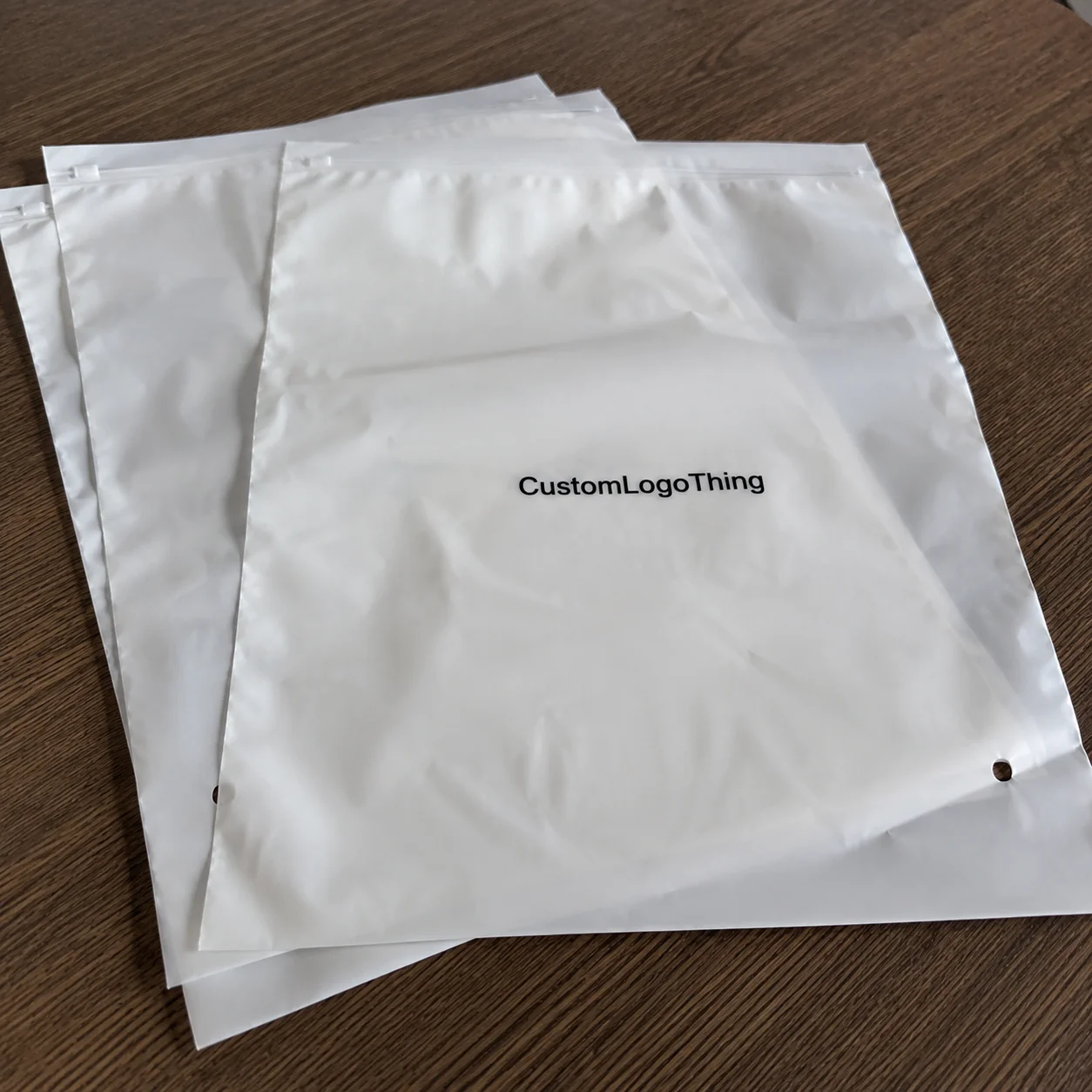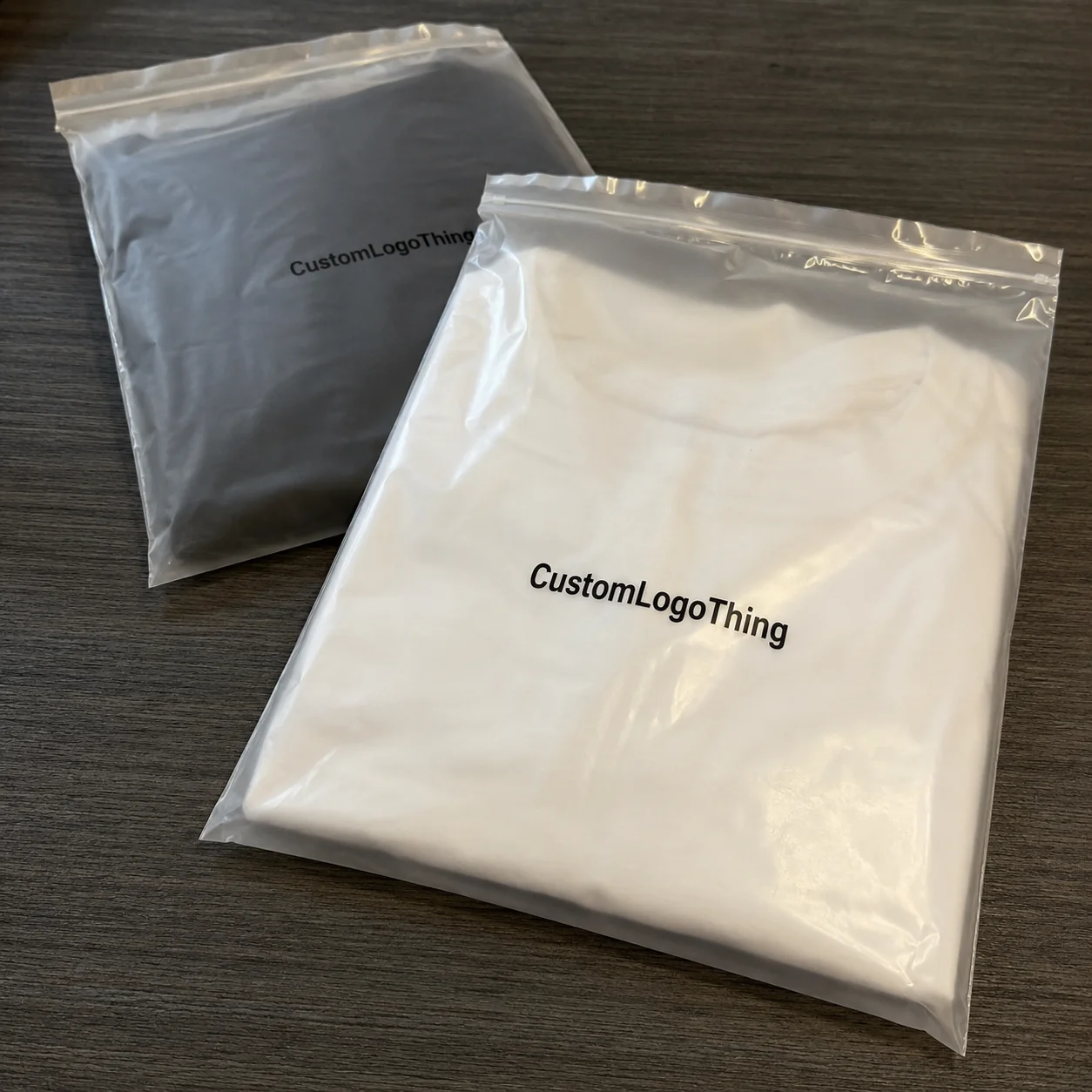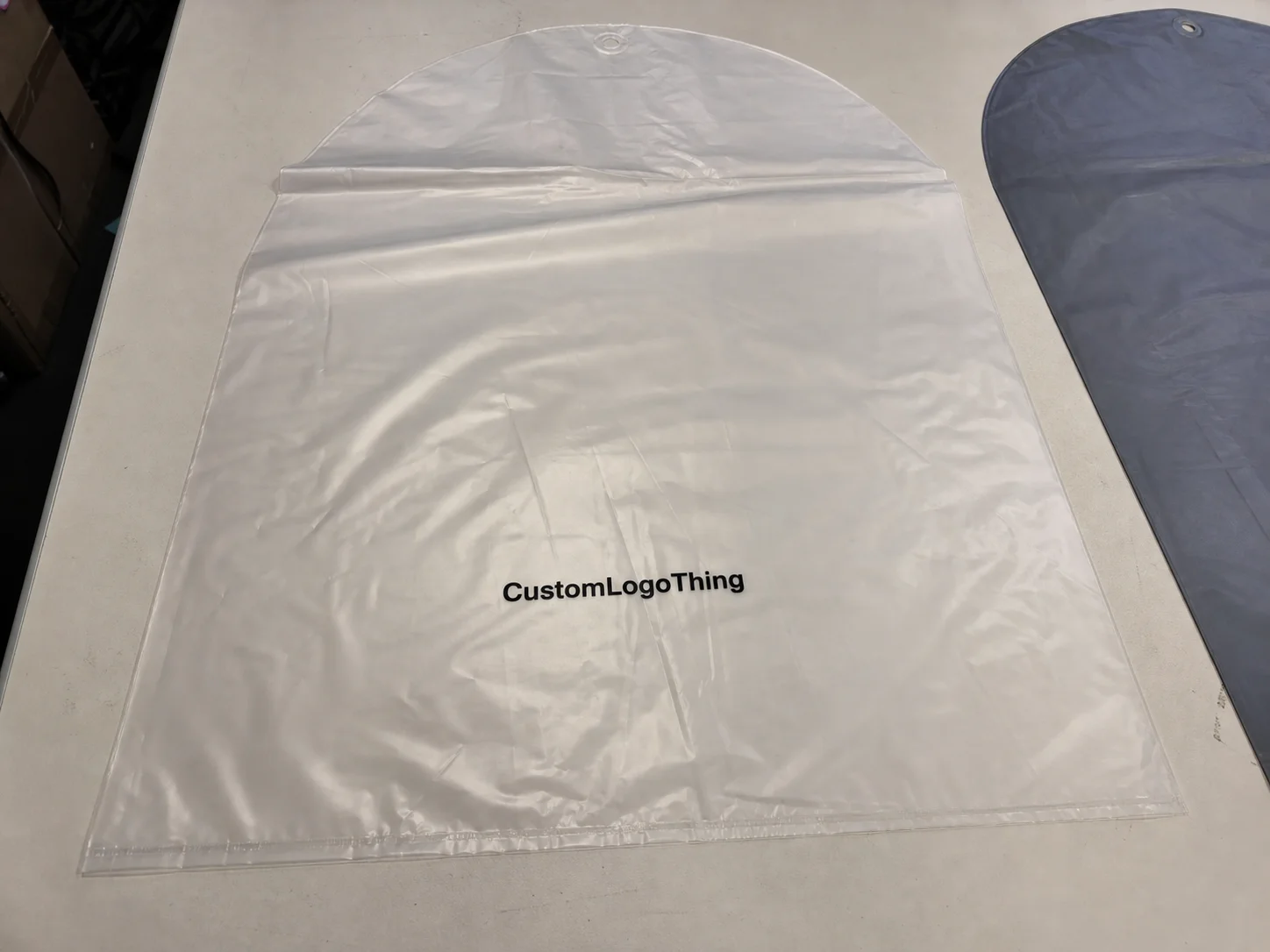
Buyer Fit Snapshot
| Best fit | Reducing Packaging Supply Chain Risk projects where brand print, material claims, artwork control, MOQ, and repeat-order consistency need to be specified before quoting. |
|---|---|
| Quote inputs | Share finished size, material target, print colors, finish, packing count, annual reorder estimate, ship-to region, and any compliance wording. |
| Proofing check | Approve dieline scale, logo placement, barcode or warning zones, color tolerance, closure strength, and carton packing before bulk production. |
| Main risk | Vague material claims, crowded artwork, missing packing details, or unclear freight terms can make a low unit price expensive after revisions. |
Fast answer: Reducing Packaging Supply Chain Risk: Material, Print, Proofing, and Reorder Risk should be specified like a repeatable production item. The safest quote records material, print method, finish, artwork proof, packing count, and reorder notes in one written spec.
Production checks before approval
Compare the actual filled-product size with the drawing, then confirm tolerance on folds, seals, hang holes, label areas, and retail display edges. Reserve space for logos, QR codes, warning copy, and material claims before decorative graphics fill the panel.
Quote comparison points
Review material grade, print process, finish, sampling route, tooling charges, carton quantity, and freight assumptions side by side. A quote is only useful when the supplier can repeat the same color, closure quality, and packing count on the next order.
One delayed carton component can stop a launch cold, even when the product itself is sitting ready in a warehouse with pallet labels printed and labor already scheduled. I have watched that happen more than once, and the part that stings is how preventable it usually was. That is why Tips for Reducing packaging supply chain risk matter so much for brands that cannot afford to sit on finished product while labels, inserts, or ink are still somewhere in transit. Packaging is usually the last thing people think about, which is exactly why it causes such ugly surprises, often at the worst possible moment and with freight already booked.
In my experience, the product is rarely the thing that breaks first. The box does. The insert does. A print file carries a tiny mismatch. A freight lane gets jammed between Ningbo and Long Beach. Then a customer who had inventory ready for sale is stuck paying storage fees and explaining delays to retailers. That is not theory. I have stood on a plant floor in Dongguan while a converter paused three customer orders because one coating shipment from a supplier in Foshan was late by four days. Four days sounds harmless until it pushes a ship date past a retailer window, and suddenly everyone is talking very quickly, in very tense tones, around a very loud machine.
So let’s talk plainly about Tips for Reducing packaging supply chain risk without the fluff. We will cover where the risk hides, what drives cost up, what I would do first, and how to make smarter sourcing decisions for branded packaging, custom printed boxes, and broader product packaging programs. I am keeping it practical because packaging is one of those areas that punishes vague thinking immediately, and a quote that looks good in Guangzhou can still become a headache once ocean freight, customs, and rework are added.
Why Packaging Supply Chain Risk Hits Harder Than You Think
Packaging Supply Chain risk means anything that affects availability, pricing, quality, lead time, or delivery reliability. That is the plain-English version. It can be a paper mill outage in British Columbia, a resin shortage in Malaysia, a broken platen press in Shenzhen, a customs hold in Los Angeles, or a color issue that forces reprints in Chicago. If a brand relies on packaging to ship, retail, or launch, packaging risk can become a revenue problem fast, and the cost of waiting can be measured in missed sales days and extra warehouse fees.
Here is the part people miss: packaging is a downstream dependency. Your product may be ready, your warehouse may be staffed, and your ads may already be running. If the folding carton, label roll, or insert tray is late, the launch still stalls. I have seen a cosmetics brand spend $18,000 on paid media only to delay a launch because their retail packaging could not clear final approval on a foil stamp. Beautiful marketing. Ugly calendar. I remember looking at the box sample and thinking, “Well, that foil is gorgeous, and it is also currently ruining everyone’s week.”
One afternoon at a converter outside Shenzhen, I watched a single machine breakdown ripple through six customer orders. Nothing dramatic. Just one press down for maintenance and one backup operator out sick in a 14-hour shift. By the time the scheduler reshuffled the queue, the smallest order got bumped twice. That is the real shape of supply chain risk: not one huge disaster, but a chain of little delays that stack like bricks, especially when the lead time is already 12 to 15 business days from proof approval.
When I talk about tips for reducing packaging supply chain risk, I am not talking about paranoia. I am talking about avoiding avoidable chaos. A brand that understands where the weak links are can protect launch dates, keep unit costs stable, and make better decisions about packaging design, sourcing, and inventory. Even a simple change, like moving from a one-source carton program to a dual-source setup, can reduce dependence on a single factory in Dongguan or Xiamen and make the whole plan more durable.
How Packaging Supply Chains Work and Where Risk Shows Up
Most Packaging Supply Chains run through a few basic steps: raw materials, conversion, printing, finishing, warehousing, and freight. In the middle sit the mills, resin suppliers, paperboard plants, adhesive vendors, printers, and die-cutting shops. Each handoff adds time. Each handoff adds risk. That is why tips for reducing packaging supply chain risk need to address the full chain, not just the final supplier sitting on your quote sheet in Suzhou or Taichung.
Think about a simple custom mailer. The corrugate starts at a mill in Henan or a board plant in Wisconsin. The board gets converted. The printed sheets move to finishing. The die line gets set up. Ink and coating have to match spec. Then the cartons are packed, staged, and shipped. If one step slips, the whole schedule slips. A ten-day delay at the supplier can turn into a six-week launch issue once you add proof approval, rescheduling, and freight windows. I have seen teams treat “just one missing approval” like a harmless admin task. It is not. It is a domino wearing steel-toe boots.
Risk enters at every handoff:
- Material shortages at the mill or resin plant, especially when 350gsm C1S artboard or 32 ECT corrugate is on allocation.
- MOQ changes that force you to order more than planned, such as 5,000 pieces instead of 2,000.
- Color mismatches between proof and production run, even when PMS 186 C or Pantone Black is called out clearly.
- Tooling delays for dies, plates, or molds, often adding 3 to 7 business days before production can start.
- Port congestion and customs holds at Los Angeles, Felixstowe, or Rotterdam.
- Carrier capacity issues during peak freight periods, especially before Q4 retail cutoffs.
Single-source supply can look efficient on paper. One supplier. One spec. One price. Nice and tidy. Then a press goes down, a container gets rolled, or the supplier prioritizes a larger customer with a 20,000-piece carton order. That is the ugly part nobody puts in the sales deck. Multi-source setups cost a little more to manage, but they give you options when something breaks. Yes, the extra coordination is annoying. Still cheaper than missing a retail ship date by three weeks and having a sales team ask whether “we can just move the launch” (which, in my experience, is marketing code for “please solve physics”).
Risk is not just about late boxes. It also includes hidden costs: rework, rush fees, split shipments, air freight, scrap, and lost sales. I have seen brands spend $3,200 on air freight for cartons that should have gone by ocean at $0.14 per unit because the production schedule was built on wishful thinking. That is not a strategy. That is a panic tax, and it usually shows up after someone realizes the cartons were booked from a factory in Jiaxing with only seven days of finished goods buffer.
Key Factors That Increase Packaging Supply Chain Risk
Some brands create more risk than others. Usually by accident, because packaging seems simple until you have to source it at scale. The biggest factor is supplier concentration. If all your board comes from one mill, all your printing goes through one shop, and all your freight uses one lane, you have built a fragile system. It might be fine for a while. Then one weak point gets exposed and the whole thing starts wobbling, especially when the entire program depends on a single factory in Dongguan and a single forwarder in Hong Kong.
Material volatility is another big one. Paperboard, corrugate, plastics, inks, and specialty coatings all move differently. Paper prices can jump after a mill outage in British Columbia. Resin can tighten when energy costs rise in Houston or Singapore. Foil and laminates often have their own constraints. Even a modest swing matters. If your custom printed boxes cost $0.38/unit at 5,000 pieces, a $0.04 increase is not tiny. That is $200 on one order, and suddenly your margin math changes. If the order is 10,000 pieces, that same change becomes $400, which is enough to wipe out a small promotional budget or a margin target on a low-volume SKU.
Quality variation gets expensive fast
Quality risk is where brands quietly lose money. A box can arrive, but if board strength is off by a grade, or the print registration drifts by 1.5 mm, or the die-cut is slightly off, you have got rejects. I once reviewed a run of branded packaging where the supplier in Ningbo used a different liner than the approved sample from the Shenzhen prepress team. The outer print looked fine. The compression test did not. The customer lost two days reboxing product, which cost more than the original packaging order and pushed labor overtime to 10 extra hours per shift.
That is why specs matter. Not “premium quality.” Real specs. 350gsm C1S artboard with soft-touch lamination. ECT 32 corrugate. PMS 186 C. 0.5 mm tolerance on insert dimensions. If the spec is vague, the risk goes up. Every time. If you want a box priced at $0.15 per unit for 5,000 pieces, the supplier needs the board grade, coating, finish, and trim tolerance in writing before the proof is approved.
Cost pressure and timeline pressure feed each other
Rush fees, split shipments, and low-volume orders can blow up your unit cost. A factory will often quote one price for a clean, scheduled run and another price for a last-minute reorder. I have seen $0.12/unit become $0.19/unit just because the order had to be squeezed into a narrow production window in Wenzhou. Then add air freight at $2.80/kg instead of sea freight at a fraction of that, and now your packaging margin is carrying the whole mistake. The invoice arrives, and everyone suddenly becomes fascinated by the words “expedite charge.”
Timelines also stack. Artwork approval might take three days. Proofing might take five. Samples might take a week. Production might take 10 to 15 business days from proof approval. Freight adds its own clock, whether the move is 7 days by air or 28 to 35 days by ocean from Shenzhen to Long Beach. Ignore any one of those steps, and the whole schedule tilts. One delayed approval can become an expensive rescue operation.
Risk often hides in the boring details
People love talking about the big drama stuff: ports, strikes, disasters. Fine. Those happen. The more common risk is boring and local. A purchasing manager sends the wrong dieline version. A buyer forgets to confirm the zipper width on a pouch. A supplier changes adhesive without telling anyone. That is why I recommend Custom Packaging Products as part of a packaging strategy that includes more than just one quote and a prayer, especially if you are coordinating with a plant in Guangzhou or a co-packer in the Inland Empire.
For brands trying to improve package branding, the lesson is simple: aesthetics cannot outrun logistics. A gorgeous box that cannot be reproduced reliably is just an expensive delay, even if the prototype looked perfect on a light table in Chicago and the production sample arrived with a clean matte finish.
| Option | Typical Unit Cost | Risk Level | Best Use Case |
|---|---|---|---|
| Single-source custom packaging | $0.18 to $0.45 | Higher | Stable demand, simple specs, long lead time |
| Dual-source packaging setup | $0.20 to $0.50 | Lower | Launches, seasonal products, retail programs |
| Stock packaging with custom labels | $0.08 to $0.22 | Lower | Fast-moving SKUs, pilot runs, limited budgets |
| Highly customized packaging | $0.30 to $0.80+ | Higher | Premium branding, controlled demand, longer planning cycles |
Tips for Reducing Packaging Supply Chain Risk: A Step-by-Step Plan
Here are the tips for reducing packaging supply chain risk that I would actually put into practice. Not theory. Not a fancy consultant deck. Real steps that help real teams keep product moving through factories in Shenzhen, Houston, or Monterrey without blowing the budget.
Start with a packaging risk audit
List every packaging component. Every one. Cartons, inserts, labels, seals, tapes, shrink film, trays, pallets, corner boards, and freight lanes. Then rank each item by two things: impact and likelihood. If a label delay would stop shipping, that label gets treated like a critical part, not an afterthought. I like to mark items as red, yellow, or green. It sounds simple because it is, and the whole exercise can usually be done in a 60-minute working session with your operations lead and buyer.
When I sat with a supplement brand in Chicago, we found that their smallest item—the bottle neck seal—was their biggest risk. One supplier. Eight-week lead time. No backup spec. Their team had spent months perfecting the outer carton and ignored a tiny component that could shut down the whole line. That kind of blind spot is common, and it is usually sitting right there in the spreadsheet pretending to be harmless. A $0.02 seal can create a $20,000 delay if the line is down for a week.
Build backup suppliers before you need them
Backup suppliers are like fire extinguishers. You hope they sit unused. You still want them tested. For high-risk items, get at least one alternate source and run a small order before an emergency happens. Even a 500-piece test run tells you a lot about print quality, communication, and actual lead time. If the backup supplier cannot hit the same spec, they are not really a backup. A true backup should be able to produce the same 350gsm C1S artboard carton, same gloss or matte finish, and same trim tolerance without re-engineering the job.
I have seen brands balk at paying for a second source because it feels like duplication. Sure. It is duplication. That is the point. Redundancy is what keeps a bad week from becoming a lost quarter. For tips for reducing packaging supply chain risk, this is one of the cheapest forms of insurance you can buy, especially if the alternate factory is already qualified in Suzhou or Dongguan before the main supplier misses a shipment.
Standardize where you can
Every custom detail adds risk. Unique closures, odd insert shapes, one-off carton sizes, special coatings, custom embossing on every SKU. Lovely on a shelf. Painful in operations. Standardizing components reduces complexity. Use the same insert format across a product family, or keep carton footprints within two size families. That makes forecasting easier and gives you more sourcing flexibility. A common footprint can also cut tooling costs by $250 to $800 per program, depending on the die shop and the size of the run.
Honestly, I think many brands over-customize too early. They want differentiated packaging design before they have demand stability. That is how you end up with six SKU-specific box sizes when three would have done the job at a lower cost and with fewer supply headaches. I have watched teams celebrate the mockup while the operations manager quietly develops a headache, usually because the mockup added a spot UV layer, foil stamp, and custom insert shape all at once.
Set safety stock based on usage and lead time
Safety stock should be tied to actual consumption and actual lead time, not a gut feeling. If you use 2,000 units a month and your true lead time is 30 days plus 10 days buffer, your inventory math should reflect that. Otherwise, you are either overbuying and paying storage, or underbuying and taking risks you cannot afford. A 10,000-piece carton inventory sitting in a 3PL in Dallas can cost more to store than a 2,000-piece buffer would cost to replenish on time.
Carrying cost matters, though. I am not telling every brand to pile boxes to the ceiling. For slow-moving items, too much stock is just cash tied up in cardboard. For fast-moving, high-value SKUs, extra inventory can save the launch. Context matters. That is why the best tips for reducing packaging supply chain risk always include a usage-based inventory policy, with reorder points calculated from real monthly demand and a lead time that includes proof approval, transit, and receiving.
Map a timeline with approval checkpoints
Every reorder needs a timeline. Break it into artwork, proof, sample, production, QA, and shipping. Assign an owner to each step. Add dates, not vague notes. “Review soon” is not a plan. “Artwork approved by Tuesday 3 p.m.” is a plan. If you are working with custom printed boxes or premium retail packaging, one revision cycle can easily add five business days, and a second revision can add another three to five days if the color proof needs to be reset.
To keep the process clean, I recommend a simple internal checklist:
- Confirm latest dieline version.
- Approve material spec in writing.
- Review proof against PMS and finish notes.
- Lock sample approval before production.
- Book freight before the goods are packed.
This is not glamorous. It is effective. And effective beats clever when a shipment is on the clock.
For environmental considerations, I also suggest checking reputable standards and resources like the FSC for responsibly sourced paper options and the EPA for packaging-related sustainability guidance. Sustainability does not erase supply risk, but it should be part of the decision tree, especially when a supplier in Zhejiang is offering recycled board at a better price but a longer lead time.
What Are the Best Tips for Reducing Packaging Supply Chain Risk for Small Brands?
For smaller brands, the smartest tips for reducing packaging supply chain risk are usually the simplest ones. Focus on the few components that can actually stop shipments: primary cartons, inserts, labels, and closures. Keep at least one backup supplier for critical parts, even if the backup is only qualified on a small run first. Small brands do not have the luxury of absorbing multiple surprises at once, so the goal is to remove the biggest points of failure before they get expensive.
Use fewer custom variables wherever possible. A smaller brand often gains more by standardizing box sizes, choosing common paperboard grades, and keeping finish options consistent than by chasing a highly tailored look on every SKU. That does not mean the packaging has to feel generic. It means the system behind it should be predictable. A predictable system lowers the chance that one late proof, one missing material, or one shipping delay turns into a missed launch.
Another useful practice is to keep a short but disciplined reorder cycle. If you are only ordering once every few months, lead time surprises will hit harder. If you are tracking usage carefully and ordering before inventory gets tight, you create room to recover when one supplier slips. For a small brand, that buffer can be the difference between shipping on time and explaining a delay to a buyer or retailer who expected product last week.
Common Mistakes Brands Make When Managing Packaging Risk
One of the biggest mistakes is chasing the cheapest quote and assuming it is the safest. It usually is not. A low quote may hide weak QA, thin margins, no backup machine, or a supplier who can only survive if nothing goes wrong. That is not a supplier. That is a surprise waiting for a bad day, especially if the quote came in at $0.11 per unit while everyone else was at $0.16 and nobody asked why.
Another classic mistake: approving artwork late. I have watched brands spend three weeks debating varnish and then expect production to still hit the original ship date. No. The calendar does not care about your internal debate. If you delay the proof, you delay the job. The factory is not a time machine, despite how many times someone has asked it to act like one, and a proof that sits untouched for four business days can throw off a whole shipment window.
Over-customization is another problem. The more unique every component is, the harder it gets to replace, forecast, or move between suppliers. A single odd-sized insert may seem harmless until you need a second source and no one can make it without tooling changes. That is where packaging risk starts becoming expensive, particularly if the insert requires a custom knife line in a shop in Yiwu or a new mold in Shenzhen.
Freight risk gets ignored too often. Packaging may move on the same ports, lanes, and carrier networks as finished goods. If your boxes are coming from overseas and your sale date is fixed, a three-day port delay can wreck the plan. That is why tips for reducing packaging supply chain risk have to include logistics, not just manufacturing, and why a backup ocean booking from Yantian or Ningbo should be part of the plan before the final carton approval is signed off.
Finally, too many teams write specs like they are scribbling a note to themselves. That creates disputes later. If color tolerance, material grade, and finish are not documented, you will end up arguing about what “close enough” means. I have done that argument in a plant office with a cup of terrible coffee. Nobody wins. Write better specs, and include the exact material callout, like 350gsm C1S artboard, a matte aqueous coat, and a 0.5 mm dimensional tolerance.
“We thought the box was the risk. It turned out the real risk was how loosely we had defined the box.”
Expert Tips for Reducing Packaging Supply Chain Risk Without Overspending
You do not need to double every supplier just to sleep at night. That is wasteful. The smarter move is strategic redundancy. Keep a second source for the parts that can stop production. Keep a second freight option for urgent shipments. Do not duplicate everything. Duplicate the points of failure. That is one of the most practical tips for reducing packaging supply chain risk I can give you, especially if your cartons are made in one region and your labels in another.
Negotiate for flexibility instead of just price. Ask for partial releases. Ask for forecast-based pricing on recurring SKUs. Ask whether the supplier can reserve production windows for your seasonal orders. A lot of suppliers will agree if you give them predictable volume. I have negotiated with vendors who would rather lock in a steady run at $0.16/unit than chase one-off rush orders at $0.22/unit. Stability helps both sides, and it tends to calm down everyone in the chain.
Ask for a transparent cost breakdown. If a supplier quotes you one number with no detail, you cannot see where the risk premium lives. Separate material, labor, tooling, finishing, packaging, and freight. Then you know what changes if the order size shifts from 5,000 to 10,000 pieces. It is amazing how much nonsense disappears when the numbers are visible, especially when you can see that the difference between air and ocean might be $0.07 to $0.11 per unit on a carton run leaving South China.
Review suppliers quarterly, not only when something breaks
I like quarterly reviews. On-time delivery rate. Defect rate. Response time. Actual lead time versus promised lead time. Those four metrics tell you a lot. If a supplier starts slipping by two days every order, that pattern matters more than one perfect job from six months ago. Data beats memory. Memory is sentimental. Data keeps shipments moving, and a supplier in Taipei that hits 98 percent on-time performance is usually less risky than one in Dongguan that promises 100 percent but keeps missing the cutoff by three days.
At one factory visit near Guangzhou, a production manager told me something I still use: “Customers ask for the lowest price, then call us at 11 p.m. when they need rescue.” He was not being rude. He was being honest. Strong relationships do not just get you better pricing. They get you a recovery plan when something goes sideways. That recovery plan is part of real risk management, and it matters whether the issue is a missing lamination roll, a broken die, or a truck that missed the warehouse dock in time for loading.
Also, keep in mind that not every supplier can explain their contingency plan. That is a red flag. If they do not have backup equipment, alternate material sources, or a plan for rush handling, your order is only as safe as their busiest week. I like to ask whether they can shift production to a second press within 24 hours or source substitute board from another mill within 72 hours. If the answer is no, I treat that as a real constraint, not a casual inconvenience.
If you are sourcing across different categories, use Custom Packaging Products as a way to simplify the packaging mix and reduce the number of failure points. Fewer moving parts usually means fewer surprises. Usually. Not always. But usually, especially when the program includes both cartons and inserts from separate factories in different provinces.
| Risk Reduction Tactic | Approximate Added Cost | Risk Reduction Benefit | Best For |
|---|---|---|---|
| Backup supplier qualification | $150 to $800 in sample/testing costs | High | Critical packaging components |
| Safety stock buffer | Carrying cost varies by volume | High | Fast-moving SKUs with stable demand |
| Standardized component library | Usually low after setup | Medium to high | Multi-SKU brands |
| Freight backup option | 10% to 35% more for urgent moves | High in emergencies | Launches and retail deadlines |
For higher-visibility sustainability claims or certification needs, keep documentation tight. If you say the paper is FSC-certified, the paperwork needs to support it. If you are using recycled content or specific claims, check supplier certificates and keep copies in your folder. That kind of recordkeeping reduces both compliance risk and argument risk, and it keeps your buyer from having to chase a certificate from a paper mill in Zhejiang at the last minute.
And yes, standards matter. Packaging testing organizations like ISTA exist for a reason. If you are shipping fragile or high-value goods, transit testing should be part of your packaging process. A box that looks strong is not the same thing as a box that survives a real carrier network. I have watched a “heavy-duty” carton fold like a lawn chair because the spec said one thing and the production run did another, even though the sample had passed a simple drop test at 24 inches.
Practical Next Steps to Lower Packaging Risk This Week
If you want to move now, start small and specific. First, map your top-risk SKUs. Usually that means your highest-value product line, your fastest seller, or the item tied to a retail deadline. Second, confirm backup contacts for every critical packaging vendor. Not just a sales rep. Get the production contact, the shipping contact, and the escalation contact. Third, compare current inventory against real lead times. If you are sitting on 10 days of supply and your actual lead time is 25 days, you do not have a buffer. You have a problem, and it can show up as a stockout within one missed truckload.
Create a one-page packaging risk scorecard. Keep it simple. Include supplier name, item, lead time, MOQ, backup source, material spec, last order date, defect rate, and next reorder date. That document gives your team one source of truth instead of five half-updated spreadsheets. It also makes tips for reducing packaging supply chain risk easier to track and repeat, especially when one buyer is in New York, another is in Dallas, and the supplier is in Guangzhou.
Set a supplier check-in cadence. Monthly for critical items. Quarterly for stable ones. Ask about capacity, material access, and any upcoming changes to tooling or staffing. One owner should handle escalation. Too many cooks create confusion. One point person creates accountability, and it makes it easier to spot when a 12-day lead time has quietly slipped to 17 days.
Before your next purchase order, review these three things:
- Specs: Are the material, finish, and tolerance written clearly, down to the board grade and coating type?
- MOQ thresholds: Are you ordering too little to be efficient, such as 1,000 units when the factory break point is 5,000?
- Shipping calendar: Does the freight plan match the launch date, with enough time for 28 days by ocean or 5 to 7 days by air?
I have seen brands win big just by cleaning up these basics. No magic. No fancy software. Just fewer assumptions and better follow-through. That is the boring truth behind strong packaging operations, and boring truth is often the best kind because it keeps the warehouse from catching fire metaphorically (and sometimes, if you are very unlucky, not so metaphorically).
At Custom Logo Things, the strongest packaging programs I have seen were never the flashiest. They were the ones where the team understood the tradeoffs, chose the right specs, and planned for the ugly stuff before it happened. If you are serious about tips for reducing packaging supply chain risk, start with your highest-value product line first, document the critical specs in plain language, and qualify one real backup source before the next reorder goes out. That one step alone can save you from a very expensive lesson, whether your packaging is being produced in Shenzhen, printed in Chicago, or freighted through Savannah.
What are the best tips for reducing packaging supply chain risk for small brands?
Focus on the few items that can actually stop shipments: primary cartons, inserts, labels, and closures. Keep at least one backup supplier for critical components and test them before you need them, even if the sample run is only 500 pieces and takes 12 to 15 business days. Use simple specs and avoid unnecessary customization until demand is stable.
How do I reduce packaging supply chain risk without raising costs too much?
Use redundancy only for high-impact items instead of duplicating every part of the packaging system. Negotiate forecast-based pricing and reserve capacity instead of paying constant rush fees. Balance safety stock against carrying cost by tying inventory to actual lead times and usage, and ask for exact quotes such as $0.15 per unit for 5,000 pieces instead of broad estimates.
What timeline should I build into packaging planning to lower risk?
Plan for artwork, proofing, sampling, production, QA, and freight as separate steps. Add buffer time for approvals and revision cycles because those are common failure points. Track the longest lead-time component first, then schedule everything else around it, with production often taking 10 to 15 business days from proof approval and ocean freight adding 3 to 5 weeks depending on the route.
Which suppliers create the most packaging supply chain risk?
Suppliers with a single machine, narrow material access, or heavy dependence on one freight lane are higher risk. Very low-cost suppliers can also be risky if they lack quality controls or backup production capacity. Any vendor that cannot explain their contingency plan is a red flag, especially if they cannot source 350gsm C1S artboard or equivalent board from more than one mill.
How often should I review my packaging risk plan?
Review it quarterly at minimum, and immediately after any launch delay, material shortage, or freight disruption. Update supplier performance, inventory levels, and lead times each time you place a major reorder. Treat the plan as a living document, not a one-time spreadsheet, and refresh it after every reorder over 2,500 units or any change in supplier location.